
AI-generated image
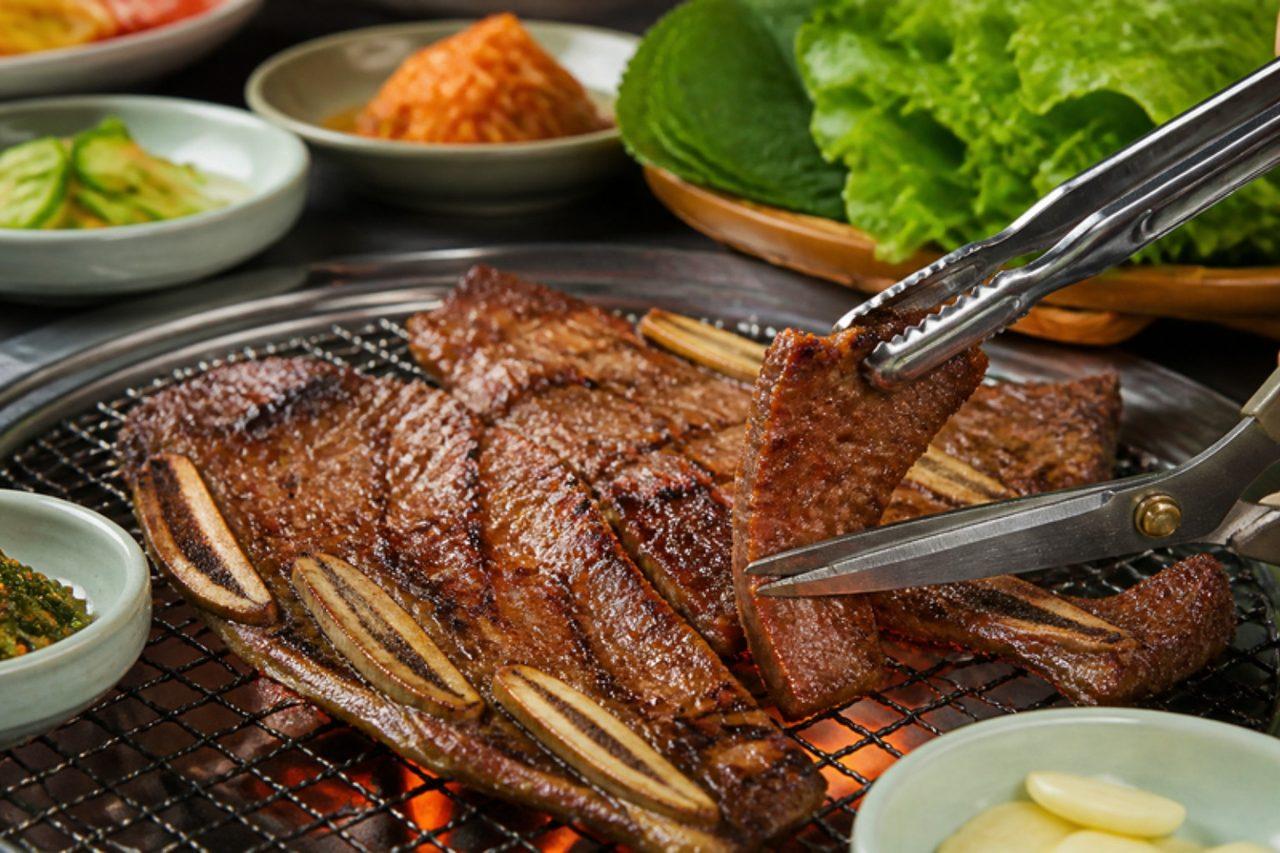
Suwon galbi
수원갈비: big butterflied beef short ribs seasoned with salt, garlic and pear, then grilled
Suwon, south of Seoul in Gyeonggi province, once had one of the largest cattle markets in Korea, and its galbi houses grew up around that trade. The city's style is unusual: the long, butterflied short ribs are seasoned mainly with salt, garlic and sesame oil rather than the soy marinade most people know. Families and office groups grill them at the table over charcoal, snip them into pieces with scissors and wrap each bite in lettuce with ssamjang and raw garlic. At home a ridged griddle pan or a barbecue does the job well. Chef's tip: score the opened-out meat lightly in a criss-cross pattern on both sides, so the salt seasoning soaks in and the ribbon of meat stays flat on the grill.
- Total time
- 90 min
- Difficulty
- medium
- Serves
- 4
Ingredients
For the ribs
For the salt seasoning
To serve
Method
0/10 doneStep 1: Soak 3 ⅛ lb bone-in beef short ribs in cold water for 20 minutes to draw out some blood, then pat them very dry with kitchen paper.
20 minStep 2: Stand one rib on its end with the bone at the bottom. With a sharp knife held parallel to the board, cut into the meat about 1 cm from the bone and slice down, stopping just short of the far side. Open the flap out, then keep cutting and unrolling the same way, so the meat becomes one long ribbon about 1 cm thick still attached to the bone. Repeat with the rest.
Step 3: Common mistake: cutting the ribbon too thin or right through. Aim for an even 1 cm; thinner pieces tear and dry out on the grill, and thick lumps stay raw inside. Lightly score both sides of the meat in a criss-cross pattern, about 3 mm deep.
Step 4: Mix ½ Asian pear, 6 cloves garlic, 2 tsp fine sea salt, 1 ½ tbsp sugar, ½ tsp black pepper, 2 tbsp toasted sesame oil, 2 spring onions and 1 tbsp toasted sesame seeds in a large bowl until the sugar and salt dissolve.
Step 5: Rub the seasoning into every surface of the meat, fold each ribbon back up loosely and lay the ribs in a dish. Cover and chill for 40 minutes to 2 hours; no longer, or the pear softens the meat too much.
40 minStep 6: Take the ribs out of the fridge 10 minutes before cooking. Heat a barbecue or a ridged griddle pan over a high heat until very hot.
10 minStep 7: Unroll the ribs and lay them flat on the grill, in batches so they aren't crowded. Cook for 3 to 4 minutes per side, until well browned with a few charred edges. The garlic and sugar catch easily, so lower the heat a little if they start to blacken.
8 minStep 8: Check the thickest part with a thermometer: 145°F/145 °F gives medium; rarer is your choice. Grill the bones, meat side down, for 1 to 2 minutes more so the meat next to them cooks too.
2 minStep 9: Rest the ribs on a warm board for 5 minutes, then cut the meat into bite-sized strips with kitchen scissors, leaving the bones for nibbling.
5 minStep 10: Serve hot with 1 head lettuce leaves, 4 tbsp ssamjang (seasoned soybean and chilli paste), 4 cloves garlic and 1 ⅓ lb cooked short-grain rice. Wrap a piece of meat in a leaf with a dab of ssamjang and a slice of garlic, and eat it in one bite.
Nutrition per serving
- Calories
- 620 kcal
- Protein
- 42 g
- Carbs
- 18 g
- Fat
- 42 g
- Fibre
- 2 g
Nutrition values are estimates.
KrazyBadal
Good to know
- How long does suwon galbi take?
- About 90 minutes in total: 70 minutes to prepare and 20 minutes to cook.
- How many people does it serve?
- 4 as written. Change the servings above the ingredients and every amount scales to match.
- What can I use instead of garlic?
- ½ tsp garlic paste or ⅛ tsp garlic powder per clove.
- What can I use instead of sugar?
- Caster sugar, same amount.
Reviews
No reviews yet. Be the first to cook it.
Rate this recipe
Sign in to rate and review this recipe.
You might also like
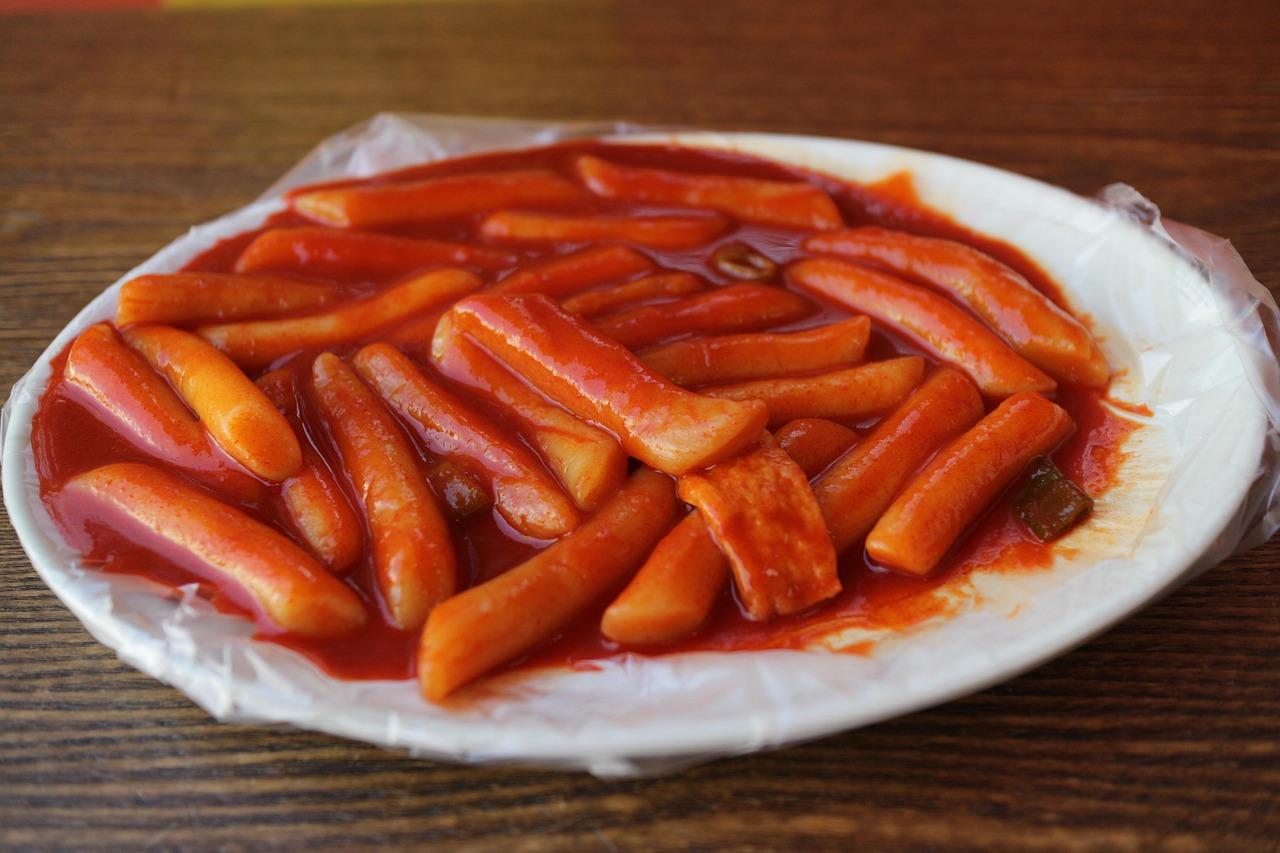
Tteokbokki
Tteokbokki (떡볶이) is Korea's best-loved street snack: chewy cylinders of rice cake simmered in a thick, glossy, sweet and spicy red sauce. It became a classic in Seoul, where it is sold from street stalls and snack bars in every neighbourhood. Street versions use anchovy stock and fish cakes; this vegan version uses a quick kelp and shiitake stock with cabbage and spring onions, and has all the same punch. Eat it hot, while the rice cakes are soft and stretchy. Chef's tip: keep stirring and scrape the bottom; the rice cakes release starch that thickens the sauce but also catches. The sauce is right when it clings to the spoon in a glossy coat.


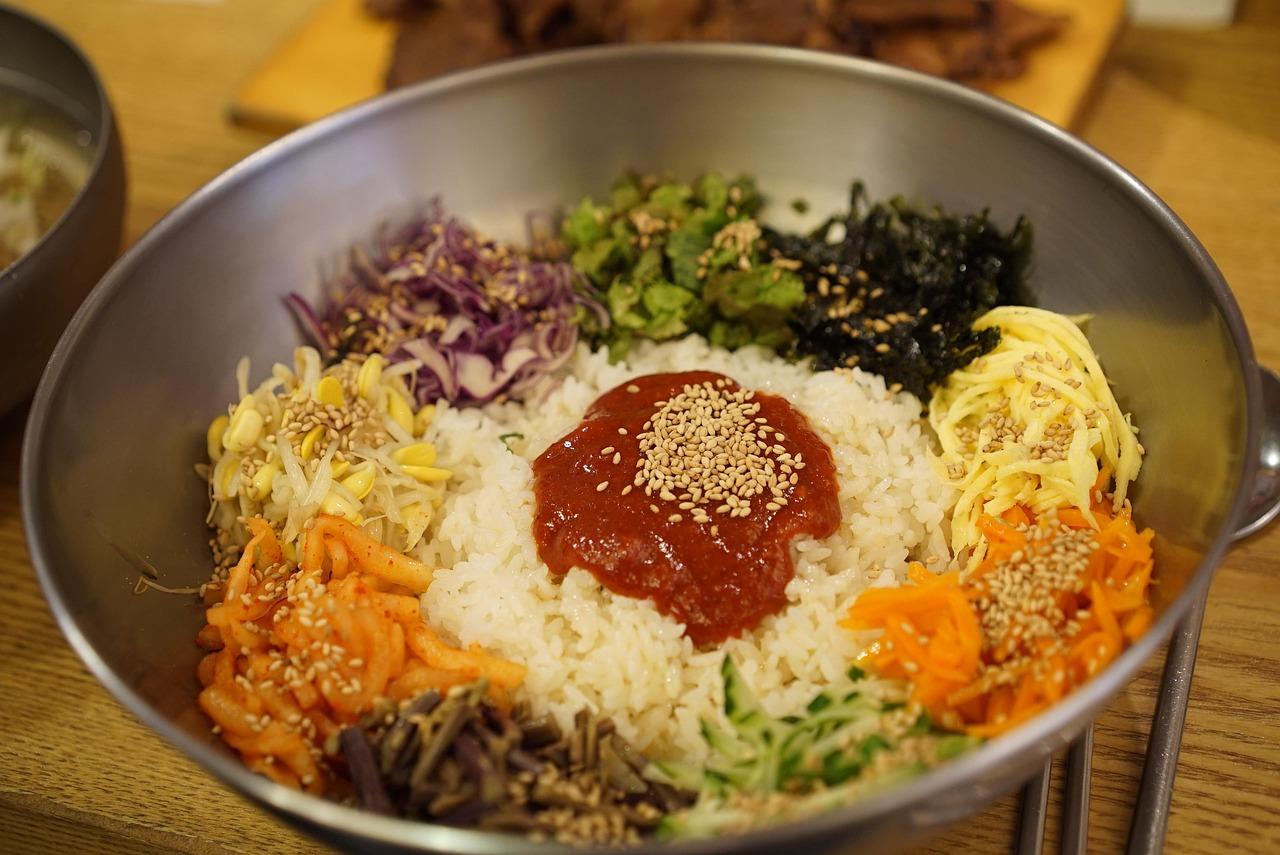
Bibimbap
Bibimbap (비빔밥) means 'mixed rice': a bowl of warm rice topped with small heaps of separately seasoned vegetables, a fried egg and a spoonful of gochujang sauce, all stirred together at the table. The city of Jeonju in North Jeolla province is famous for it and serves it with a dozen or more toppings; this home version keeps five that are easy to find. Each vegetable is cooked on its own so it keeps its colour and texture, and the sauce brings sweetness, heat and a nutty sesame finish. Serve with kimchi and a light soup. Chef's tip: season every vegetable on its own, lightly, and taste each one. If each heap is good alone, the mixed bowl will be balanced; if they are all dressed alike, the bowl tastes flat.
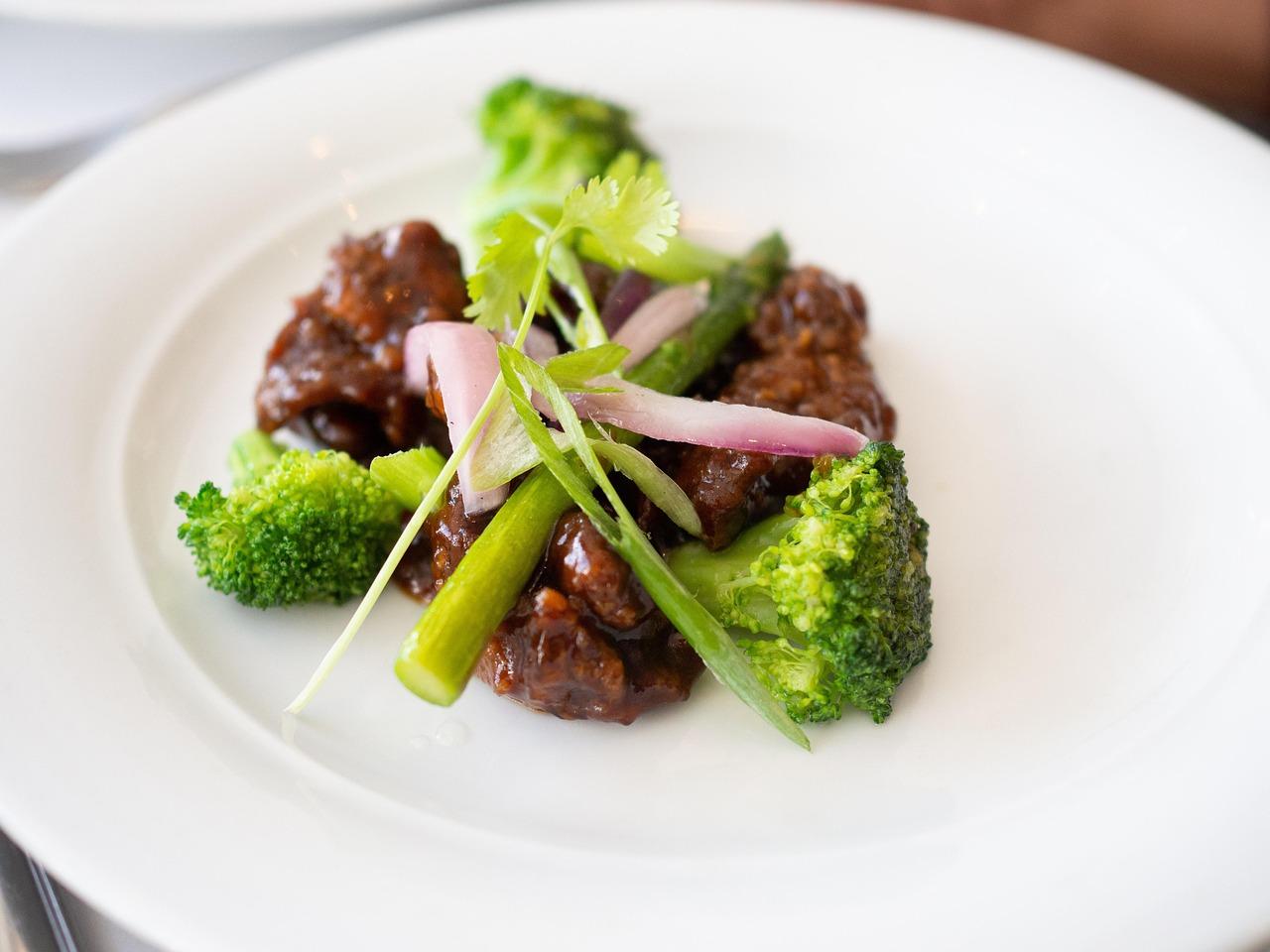
Beef and broccoli stir-fry
A quick coat of cornflour and soy keeps thin slices of beef silky, and a hot wok gives the broccoli char without overcooking it. Faster than ordering in.