
AI-generated image
Tallarines verdes
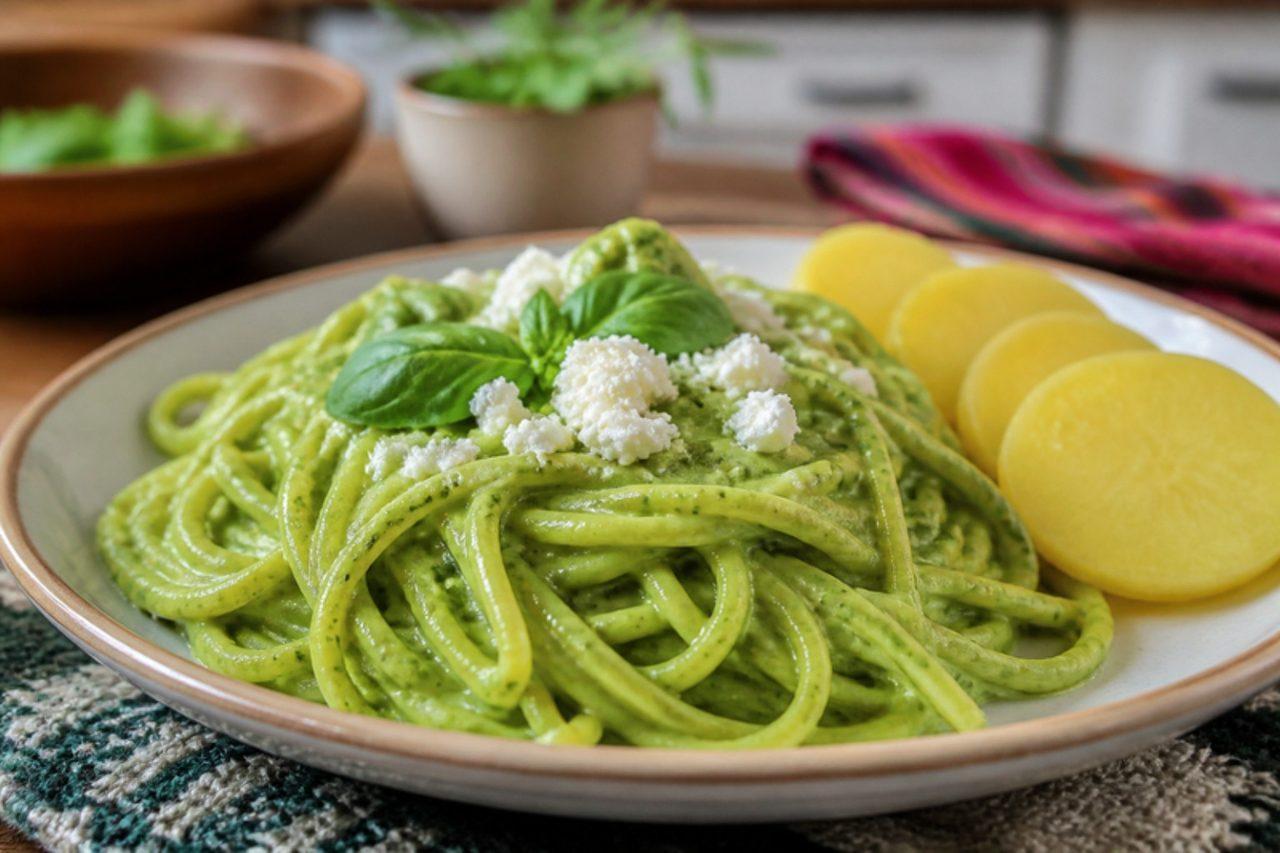
Tallarines verdes: Lima's spaghetti in a smooth basil, spinach and fresh-cheese sauce
 Peruvian
Peru's answer to pesto came from Italian-Ligurian families who settled in Lima and Callao, and it was quickly rebuilt with what Peruvian kitchens had: spinach to stretch the basil, queso fresco instead of hard cheese, and a can of evaporated milk to make it creamy. Menú restaurants in Lima serve it on weekdays, often with a breaded steak or a fried egg beside it, and the sauce turns out milder, softer and greener than the Genoese original. This version stays vegetarian: serve it with a tomato and onion salad, or crown each plate with a fried egg if you eat them. The classic mistake is boiling the leaves too long, which turns the sauce khaki and dull; they need only 20 seconds in hot water. Note that queso fresco is usually made with animal rennet, so choose a vegetarian (microbial-rennet) fresh cheese if that matters to you. Chef's tip: blend the sauce with the evaporated milk while the leaves are still cold from their ice bath and it will stay bright for the whole meal.
- Total time
- 30 min
- Difficulty
- easy
- Serves
- 4
Ingredients
For the pasta
For the green sauce
Shop this recipe on Amazon
What you'll need
Spices & pantry
Fresh ingredients (5)
Links open Amazon in a new tab. As an Amazon Associate, WhatToEat.Today earns from qualifying purchases.
Method
0/7 doneStep 1: Bring 4 litres of water to the boil in a large pot and add 1 tbsp salt. Set a bowl of iced water beside the stove.
10 minStep 2: Drop 2 ⅞ oz basil leaves and 5 ½ oz spinach leaves into the boiling water for 20 seconds, just until they wilt and turn vivid green, then lift them straight into the iced water with a slotted spoon. Keep the pot boiling for the pasta.
1 minStep 3: Heat 3 tbsp vegetable oil in a small frying pan over a medium-low heat and cook 1 onion and 2 cloves garlic, stirring, until soft and translucent but not coloured.
5 minStep 4: Squeeze the cold leaves firmly to remove most of the water. Put them in a blender with the onion mixture, 5 ½ oz queso fresco, ¾ cup evaporated milk, 1 oz walnuts and ½ tsp black pepper, and blend until completely smooth and pale green, about 1 minute.
Step 5: Cook 14 oz spaghetti in the boiling water until just al dente, 1 minute less than the packet says. Scoop out a mugful of the cooking water before draining.
10 minStep 6: Return the drained pasta to the pot over a low heat, pour in the green sauce and toss for 1–2 minutes, adding splashes of pasta water until the sauce coats each strand and looks glossy rather than thick. Don't let it boil, or the cheese can turn grainy.
2 minStep 7: Taste, add salt if needed and serve at once in warm bowls.
Nutrition per serving
- Calories
- 610 kcal
- Protein
- 22 g
- Carbs
- 80 g
- Fat
- 22 g
- Fibre
- 5 g
Nutrition values are estimates.
KrazyBadal
Good to know
- How long does tallarines verdes take?
- About 30 minutes in total: 15 minutes to prepare and 15 minutes to cook.
- How many people does it serve?
- 4 as written. Change the servings above the ingredients and every amount scales to match.
- Is it vegetarian?
- Yes. It has no meat or fish.
- What can I use instead of spaghetti?
- Linguine or any long pasta, same amount.
- What can I use instead of onion?
- 2 shallots per onion.
Reviews
No reviews yet. Be the first to cook it.
Rate this recipe
Sign in to rate and review this recipe.
You might also like

Boiled pasta
The basic method for any dried pasta, from penne to spaghetti. A large pan of salted boiling water keeps the pasta from sticking, and you cook it only until just done, with a little bite left. Use it in salads, bakes or with any sauce.
 Italian

Mint pistachio pesto
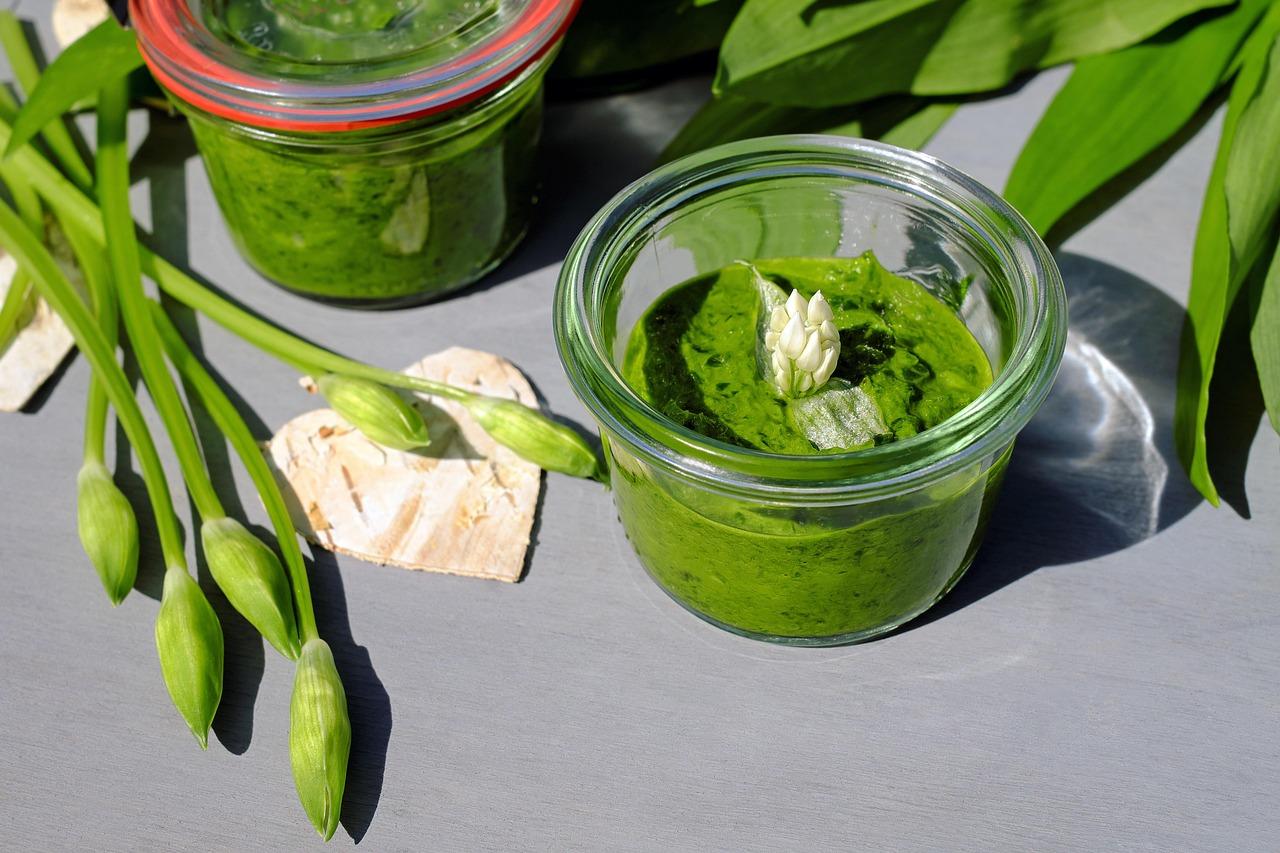
A fresh, fragrant pesto made with mint leaves and toasted pistachios. It is lovely tossed through hot pasta or spooned over roasted vegetables, and a spoonful lifts a plain vegetable soup.

Laksam
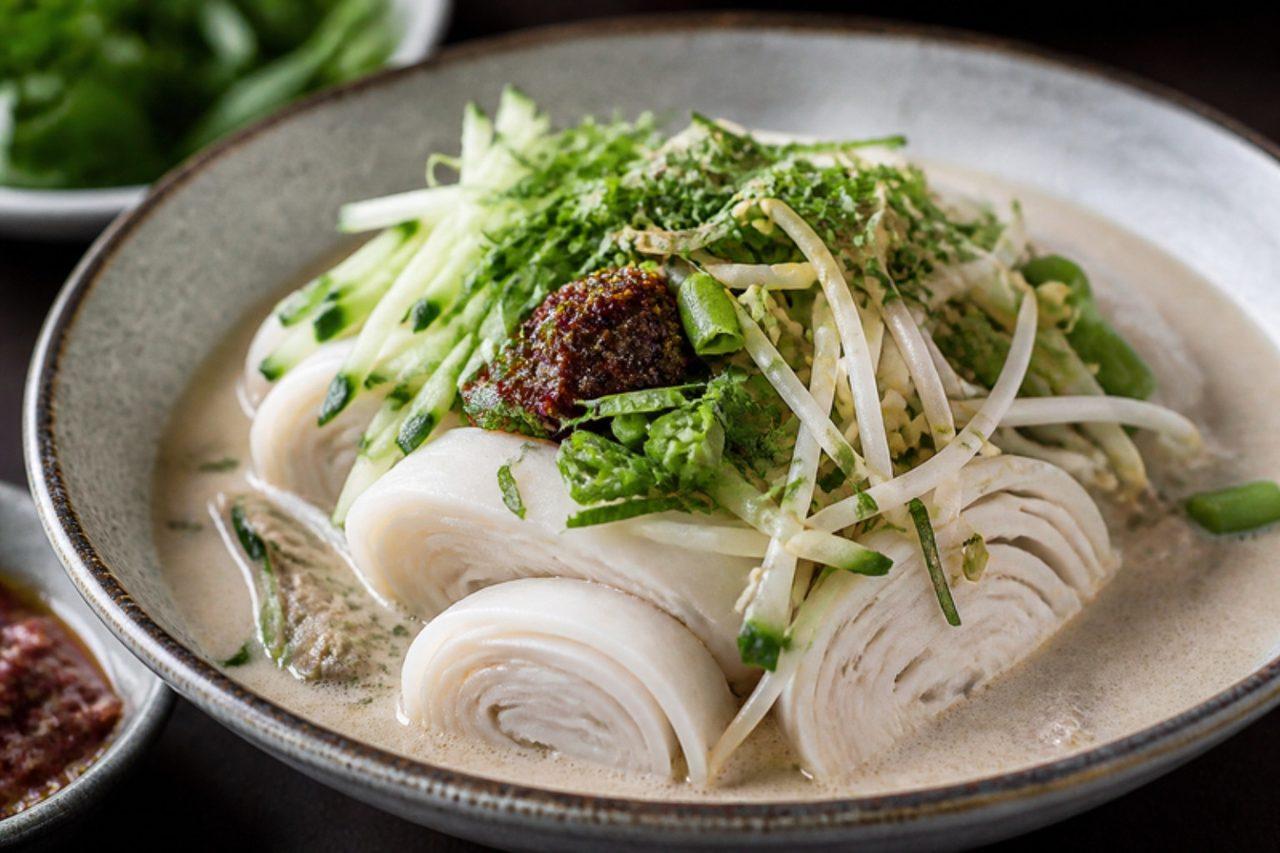
Kota Bharu's morning market has its own noodle: laksam, thick sheets of steamed rice batter rolled up like little carpets and sliced into wheels. They are drowned in a pale, creamy gravy of pounded fish and coconut milk, then heaped with raw herbs and vegetables (ulam): cucumber, long beans, bean sprouts, daun kesum and torch ginger flower, with a spoonful of fiery chilli and budu, the region's fermented anchovy sauce. The result is soft and slippery, rich and cool at the same time. Locals eat it for breakfast or as a mid-morning snack. Chef's tip: pound the cooked fish with the shallots instead of blending it smooth; the gravy should feel faintly textured, like a thin porridge.
 Malaysian