
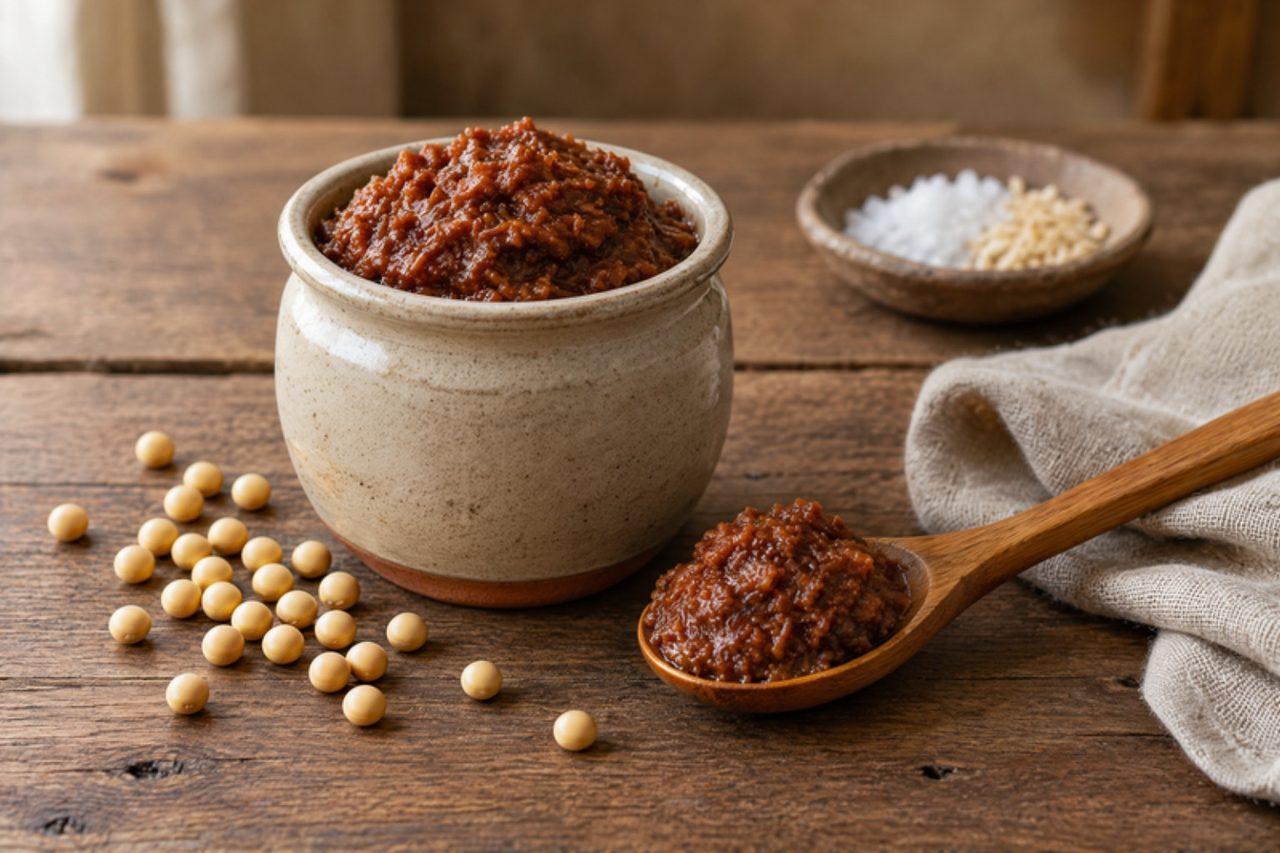
AI-generated image
Temae miso
手前味噌: homemade miso of soybeans, rice koji and salt, packed in winter and left to darken for six to ten months



Temae miso means 'my own miso', and the phrase also means bragging about your own work, because every family thinks theirs is the best. Across rural Japan the cold months of January and February are miso-making season: the low temperatures let the mash settle in slowly before summer's warmth speeds up the fermentation. Dried soybeans are soaked, simmered until soft, mashed, mixed with rice koji and salt, then packed tightly into a crock under a salt cap and a weight. By autumn it has turned from pale beige to reddish brown, sweet-salty and rich, with a rounder, fruitier flavour than shop miso. The salt, about 12% of the finished weight, is what keeps it safe, so measure it rather than guessing. The common mistake is leaving air pockets when packing, which is where mould grows; throw the mash into the container in balls and press each one down hard. It is ready when it smells sweet and savoury like soy sauce, tastes well-balanced rather than raw and floury, and dark liquid (tamari) has pooled on top. Chef's tip: make it with friends; a kilo of beans is a lot of mashing, and the batch tastes better for the company.
- Total time
- 300 min
- Difficulty
- hard
- Serves
- 24
Ingredients
For the miso
- 1 ⅛ lb dried soybeans
- 6 ¼ cups waterfor soaking, plus more for simmering
- 1 ⅛ lb rice kojifresh, or dried
- 7 oz fine sea saltfor the mash
For the top
- 1 oz fine sea saltfor the salt cap
Shop this recipe on Amazon
What you'll need
Spices & pantry
Links open Amazon in a new tab. As an Amazon Associate, WhatToEat.Today earns from qualifying purchases.
Method
0/11 doneStep 1: Rinse the 1 ⅛ lb dried soybeans, cover with the 6 ¼ cups water (at least three times their volume) and soak 18 hours, until they have doubled in size and a split bean is evenly coloured right through.
5 minStep 2: Drain, put in a large pan and cover with fresh water by 5 cm. Bring to a boil, skim the foam, then simmer gently, half covered, for 3–4 hours, topping up with water, until a bean crushes easily between your thumb and little finger. (Or pressure cook for 25 minutes after it reaches pressure and let it release naturally.)
240 minStep 3: Clean the jar or container and lid: wash in hot soapy water, rinse, then dry in a 250°F oven for 10 minutes (or pour boiling water over and in it and air-dry upside down). Let it cool; it must be completely dry. Use a 3 litre crock, food-grade bucket or wide jar.
Step 4: While the beans cook, mix the 1 ⅛ lb rice koji with the 7 oz fine sea salt in a large bowl, rubbing them together until evenly mixed.
5 minStep 5: Drain the beans, keeping 300 ml of the cooking liquid. Mash the beans while warm with a potato masher, or in a food processor, until no whole beans remain.
15 minStep 6: Let the mash cool to below 95°F (lukewarm to the touch); hotter will kill the koji. Add it to the salted koji and mix with your hands, adding cooking liquid a little at a time, until it feels like soft clay, about as firm as an earlobe.
15 minStep 7: Shape the mash into tennis-ball-sized balls. Throw them hard, one at a time, into the clean container and press each one down with your fist to drive out all air pockets.
10 minStep 8: Smooth the surface flat, wipe the inside walls above the miso clean with kitchen paper, and sprinkle 1 oz fine sea salt evenly over the top. Press cling film directly onto the surface, then add a weight of about 1 kg (a bag of salt or water in a sealed bag) on a plate.
5 minStep 9: Cover with a lid or cloth and leave in a cool, dark place (a cellar or cupboard away from the stove) for 6–10 months. Check once a month: dark liquid on top is normal tamari, just stir it back in when you open it.
Step 10: Normal: dark tamari, gradual darkening, a sweet, soy-sauce smell, and a thin white film of yeast on the surface, which you scrape off along with 1 cm of miso below. Bad: fuzzy blue, green, black or pink mould, mould that reaches deep into the miso, or a rotten smell; throw the batch away.
Step 11: When it is ready, scrape off the top layer, pack the miso into clean, smaller tubs and keep in the fridge, where it keeps at least a year. Use a clean, dry spoon each time.
Nutrition per serving
- Calories
- 165 kcal
- Protein
- 11 g
- Carbs
- 22 g
- Fat
- 4 g
- Fibre
- 4 g
Nutrition values are estimates.
KrazyBadal
Good to know
- How long does temae miso take?
- About 300 minutes in total: 60 minutes to prepare and 240 minutes to cook.
- How many people does it serve?
- 24 as written. Change the servings above the ingredients and every amount scales to match.
- Is it vegan?
- Yes. It has no meat, fish, dairy or eggs.
- Is it gluten free?
- Yes, as written. Check the labels on stock, sauces and spice mixes, which sometimes contain gluten.
- Can I make it ahead?
- Yes. It keeps well, so you can cook it earlier in the day or the day before and reheat it.
Reviews
No reviews yet. Be the first to cook it.
Rate this recipe
Sign in to rate and review this recipe.
You might also like

Vegetable brown stock
A hearty stock that's simmered for 2 hours, then blended and strained, so the potato gives it body. Its deeper flavour suits thick soups, gravies and stews. Freeze it in portions so it's ready when you need it.


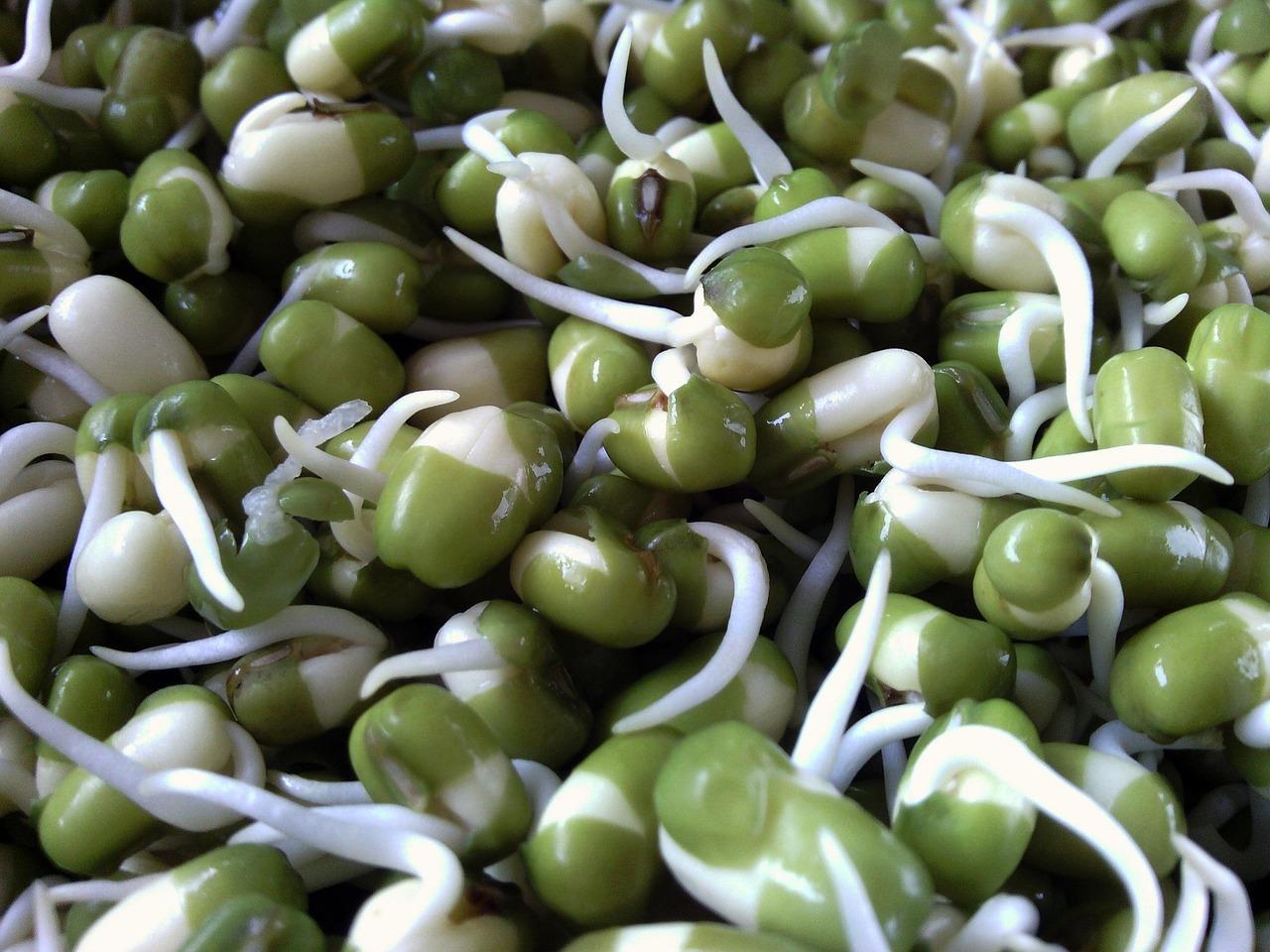
Bean sprouts
Sprouting whole green grams makes them crunchier, quicker to cook and more nutritious. All you need is muslin, water and a warm spot, and they're ready in 3–4 days. Use them in salads, bhel, usal and stir-fries. Any other whole pulse sprouts the same way.
 Indian
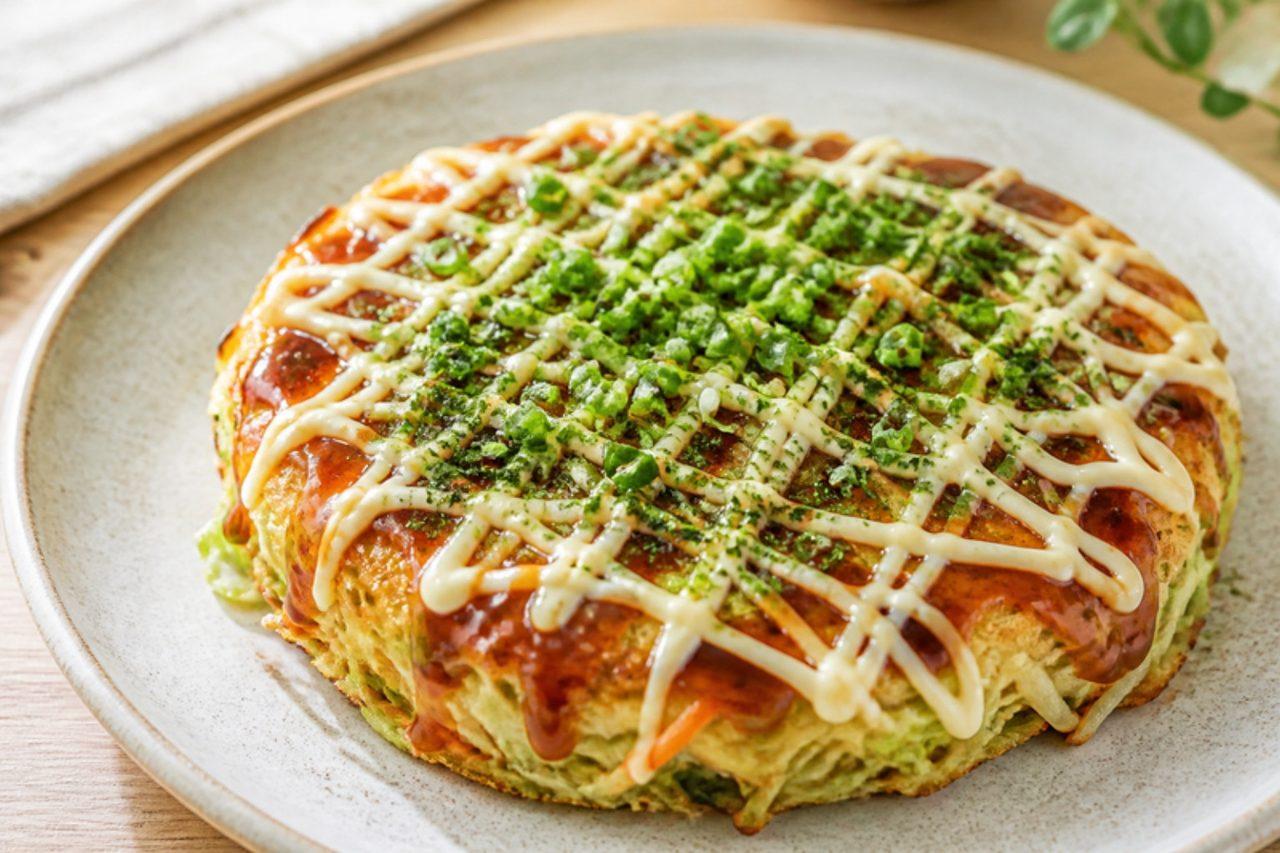
Okonomiyaki
Okonomiyaki (お好み焼き, 'grilled as you like it') is the pride of Osaka, where it's cooked on hot iron griddles in lively restaurants. Finely shredded cabbage is folded into a light batter with egg and spring onion, then fried into a thick, soft pancake with a crisp outside. It's painted with a fruity brown sauce and zigzagged with mayonnaise. Bonito flakes are usual on top; this vegetarian version uses seaweed flakes and pickled ginger instead. Chef's tip: don't press the pancake down with your spatula while it cooks. Osaka cooks leave it alone so the cabbage steams inside and stays light and fluffy; pressing squeezes out the air.