
AI-generated image
Tempe bacem
Sweet braised tempeh
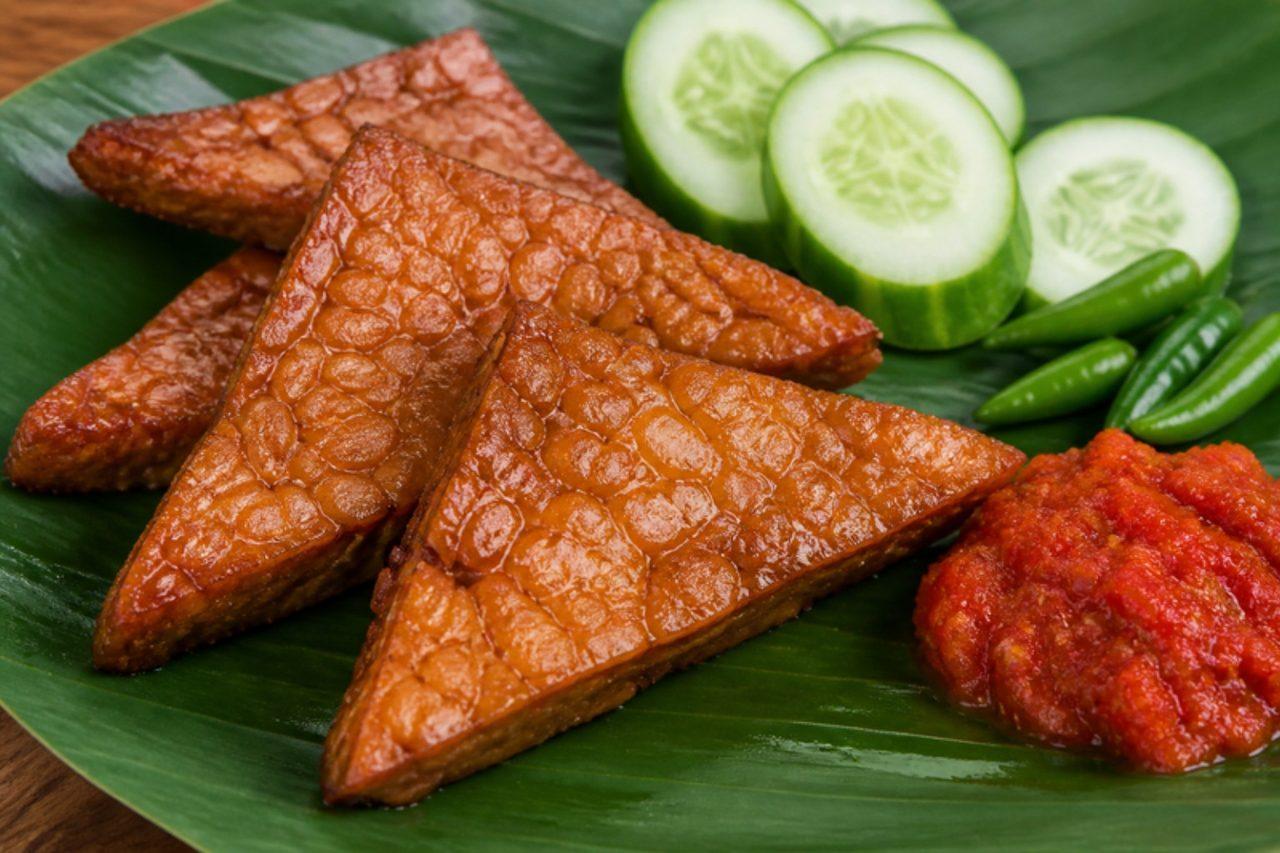
Tempe bacem (tempe bacem): Javanese tempeh braised sweet in coconut water and palm sugar, then seared



Every warung in Yogyakarta and Solo has a tray of tempe bacem on the counter, dark, sticky and sweet, eaten at lunch with rice, sambal and a few raw cucumber slices, or packed for journeys because it keeps so well. The tempeh is simmered slowly in coconut water with palm sugar, galangal, coriander seed and bay leaf until the liquid has gone and every slab is glazed, then seared briefly so the edges caramelise. A portion of about 150 g of tempeh gives roughly 28 g of protein, nearly all from the fermented soybeans. The common mistake is turning the heat up to hurry the braise: the sugar catches and turns bitter before the tempeh has soaked anything up. Chef's tip: make it a day ahead; bacem tastes deeper after a night in the fridge and sears better cold.
- Total time
- 65 min
- Difficulty
- easy
- Serves
- 4
Ingredients
For the braise
- 1 ⅓ lb tempehcut into slabs about 1 cm thick and 5 cm long
- 2 cups coconut wateror plain water
- 2 ⅞ oz palm sugargrated or chopped
- 1 tbsp tamarind paste
- 1 ⅝ in galangalsliced and bruised
- 3 Indonesian bay leaves (daun salam)or 2 ordinary bay leaves
- 1 tsp salt
For the spice paste
- 6 shallotspeeled
- 2 tsp coriander seedstoasted
- 2 candlenuts (optional)or 4 macadamia nuts
To finish
- 3 tbsp vegetable oilfor searing
Shop this recipe on Amazon
What you'll need
Spices & pantry
Links open Amazon in a new tab. As an Amazon Associate, WhatToEat.Today earns from qualifying purchases.
Method
0/6 doneStep 1: Grind 6 shallots, 4 garlic cloves, 2 tsp coriander seeds and 2 candlenuts to a fine paste in a pestle and mortar or small blender, adding a splash of the coconut water if it sticks.
Step 2: Lay 1 ⅓ lb tempeh in a wide pan in one or two layers. Add the spice paste, 2 cups coconut water, 2 ⅞ oz palm sugar, 1 tbsp tamarind paste, 1 ⅝ in galangal, 3 Indonesian bay leaves (daun salam) and 1 tsp salt, and stir gently so the liquid covers the slabs.
5 minStep 3: Bring to the boil, then lower to a gentle simmer. Cook uncovered, turning the slabs every 10 minutes, until almost all the liquid has gone and what is left is a thick, dark syrup that coats the tempeh. Keep the heat low at the end: this is when it can burn.
40 minStep 4: Lift the tempeh onto a plate and let it cool for a few minutes so the glaze firms. Discard the galangal and bay leaves.
5 minStep 5: Heat 3 tbsp vegetable oil in a frying pan over a medium heat and sear the tempeh for 1–2 minutes a side, until the edges are deep brown and lightly crisp but not black.
5 minStep 6: Serve warm or at room temperature with rice and sambal. It keeps for 4 days in the fridge.
Nutrition per serving
- Calories
- 420 kcal
- Protein
- 28 g
- Carbs
- 34 g
- Fat
- 20 g
- Fibre
- 6 g
Nutrition values are estimates.
KrazyBadal
Good to know
- How long does tempe bacem take?
- About 65 minutes in total: 15 minutes to prepare and 50 minutes to cook.
- How many people does it serve?
- 4 as written. Change the servings above the ingredients and every amount scales to match.
- Is it vegan?
- Yes. It has no meat, fish, dairy or eggs.
- Is it gluten free?
- Yes, as written. Check the labels on stock, sauces and spice mixes, which sometimes contain gluten.
- Can I make it ahead?
- Yes. It keeps well, so you can cook it earlier in the day or the day before and reheat it.
- What can I use instead of palm sugar?
- Caster sugar, same amount.
- What can I use instead of indonesian bay leaves (daun salam)?
- Leave it out, or a pinch of dried thyme (it's a background flavour).
Reviews
No reviews yet. Be the first to cook it.
Rate this recipe
Sign in to rate and review this recipe.
You might also like

Sayur lodehVegetables in coconut milk
Sayur lodeh is everyday cooking in Central Java, made in big pots in Solo and Semarang kitchens and ladled over rice, with lontong rice cakes at Lebaran, or alongside opor and sambal goreng on festive tables. It's soupy rather than thick: a fragrant broth of coconut milk, galangal, lemongrass and lime leaf that carries chunks of aubergine, long beans, chayote and sweetcorn, plus tempeh and tofu to make it a meal. The flavour is mellow and slightly sweet, so the heat comes from sambal on the side. Chef's tip: keep the pot at a gentle simmer once the coconut milk goes in and stir now and then — a rolling boil splits the coconut milk into oily curds.


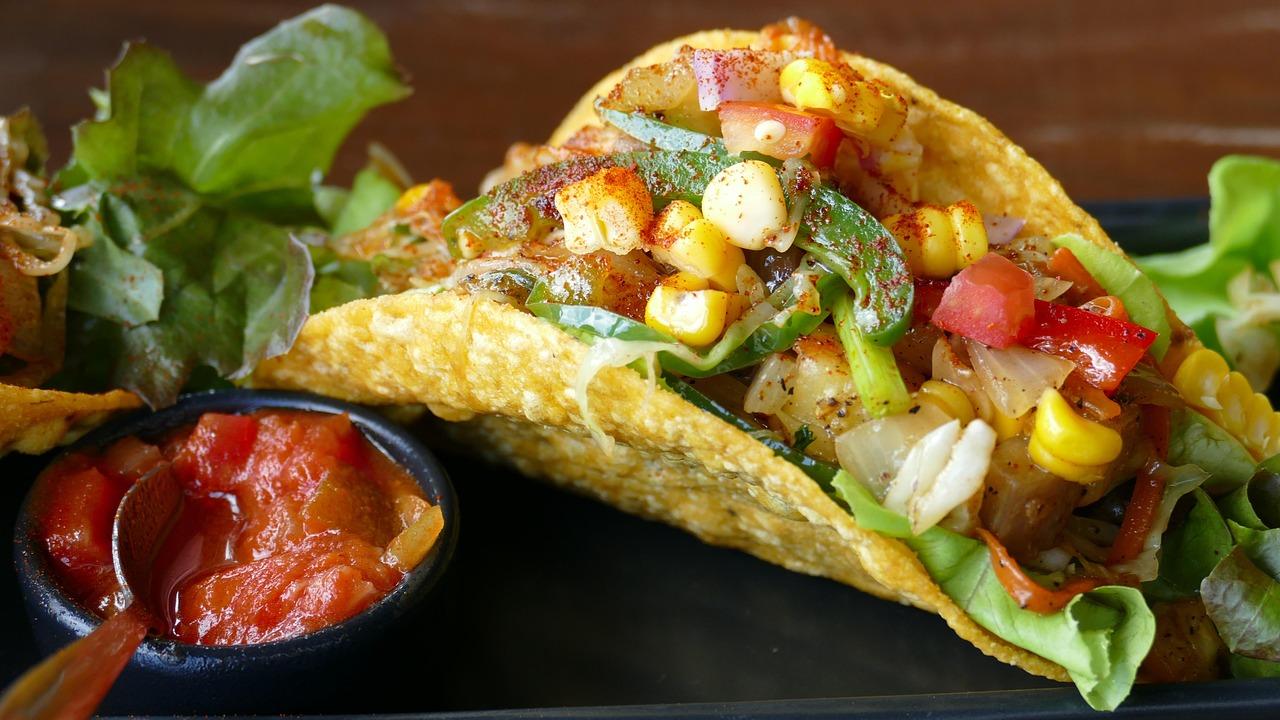
Black bean tacos with lime slaw
Proof that a meat-free taco night can be the best one. The beans are mashed with chipotle and cumin so they hold together in the tortilla, and a quick lime slaw adds crunch.
 Mexican

Caramelised clay-pot tofu and mushroomsBraised tofu and mushrooms
Kho is the slow braise of the Mekong Delta: food simmered in a little clay pot (nồi đất) with dark caramel and seasoning until the sauce is sticky and the flavours go deep. This vegetarian cousin of cá kho tộ (braised fish) uses golden tofu and meaty mushrooms in place of fish, cooked in coconut water, as cooks do in the south, and finished with plenty of black pepper. Serve it bubbling in its pot with steamed rice and a sour soup or plain boiled vegetables. Chef's tip: take the caramel (nước màu) to a deep mahogany, darker than you think, just before it smokes; pale caramel only tastes sweet, while dark caramel gives the bittersweet, smoky flavour of a real kho.
 Vietnamese