
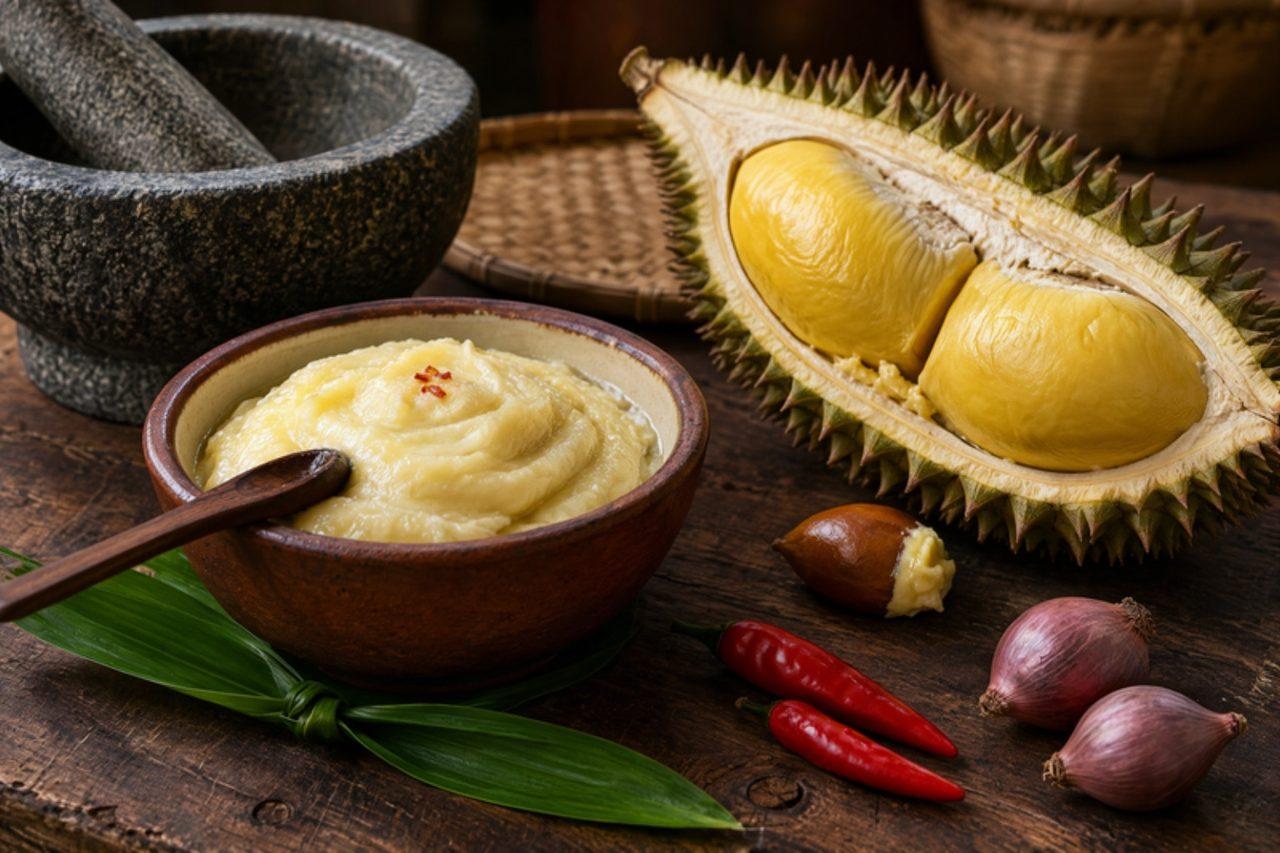
AI-generated image
Tempoyak
Tempoyak: ripe durian flesh mashed with salt and left to sour into a pungent, creamy paste



When the durian season peaks in Pahang and Perak, from June to August, there are always more fallen, over-ripe fruit than anyone can eat, and the surplus becomes tempoyak. The flesh is mashed with salt, packed into a jar (traditionally a clay tajau) and left for a few days until it turns from sweet and custardy to pale, sharply sour and powerfully aromatic. In Temerloh it is cooked into gulai tempoyak ikan patin, a yellow river-fish curry; elsewhere it is pounded with chilli into sambal tempoyak for raw ulam, or stirred into stir-fried greens. Abroad, frozen durian flesh from Asian grocers works well once thawed. The salt level is about 3% of the flesh (15 g to 500 g); do not cut it. Common mistake: letting water in from washed hands, a damp spoon or the outside of the husk, which invites mould; keep everything dry and press out air pockets. It is ready when the colour has faded to ivory, it smells sour and fruity rather than sweet, and it tastes sharply tangy. Chef's tip: everyday kampung durians make better tempoyak than prized varieties; their sharper flavour ferments well.
- Total time
- 20 min
- Difficulty
- easy
- Serves
- 8
Ingredients
For the tempoyak
- 1 ⅛ lb ripe durian fleshseeds removed; fresh or thawed frozen
- ½ oz fine sea salt3% of the flesh weight
Shop this recipe on Amazon
Spices & pantry
Links open Amazon in a new tab. As an Amazon Associate, WhatToEat.Today earns from qualifying purchases.
Method
0/6 doneStep 1: Sterilise a 750 ml glass or ceramic jar and lid: wash in hot soapy water, rinse, then dry in a 250°F oven for 10 minutes (or in strong sun for a few hours). Cool completely; the jar, bowls, spoons and your hands must be bone dry.
Step 2: Scrape 1 ⅛ lb ripe durian flesh off the seeds into a dry glass or ceramic bowl with a dry spoon; discard the seeds and any brown or watery bits.
10 minStep 3: Add ½ oz fine sea salt and mash with a dry fork until fairly smooth and evenly mixed.
3 minStep 4: Pack into the jar, pressing down firmly to push out air pockets, and leave at least a quarter of the jar empty for gas. Wipe the rim with clean kitchen paper and put the lid on loosely.
5 minStep 5: Leave at room temperature (25–86°F), out of the sun, for 3–7 days. Once a day, open the lid to release gas and press the surface down with a dry spoon. Normal: small bubbles, a little liquid, a sour, boozy-fruity smell. A thin flat white film can be scraped off. Fuzzy green, black or pink mould, a slimy texture or a rotten smell mean discard it.
Step 6: When it is ivory and sharply sour, close the lid and refrigerate. Keep for up to 2 months, using a dry spoon each time; it gets sourer and stronger as it ages. Discard if mould or an off smell appears.
Nutrition per serving
- Calories
- 90 kcal
- Protein
- 1 g
- Carbs
- 17 g
- Fat
- 3 g
- Fibre
- 2 g
Nutrition values are estimates.
KrazyBadal
Good to know
- How long does tempoyak take?
- About 20 minutes in total.
- How many people does it serve?
- 8 as written. Change the servings above the ingredients and every amount scales to match.
- Is it vegan?
- Yes. It has no meat, fish, dairy or eggs.
- Is it gluten free?
- Yes, as written. Check the labels on stock, sauces and spice mixes, which sometimes contain gluten.
- Can I make it ahead?
- Yes. It keeps well, so you can cook it earlier in the day or the day before and reheat it.
Reviews
No reviews yet. Be the first to cook it.
Rate this recipe
Sign in to rate and review this recipe.
You might also like

Vegetable brown stock
A hearty stock that's simmered for 2 hours, then blended and strained, so the potato gives it body. Its deeper flavour suits thick soups, gravies and stews. Freeze it in portions so it's ready when you need it.


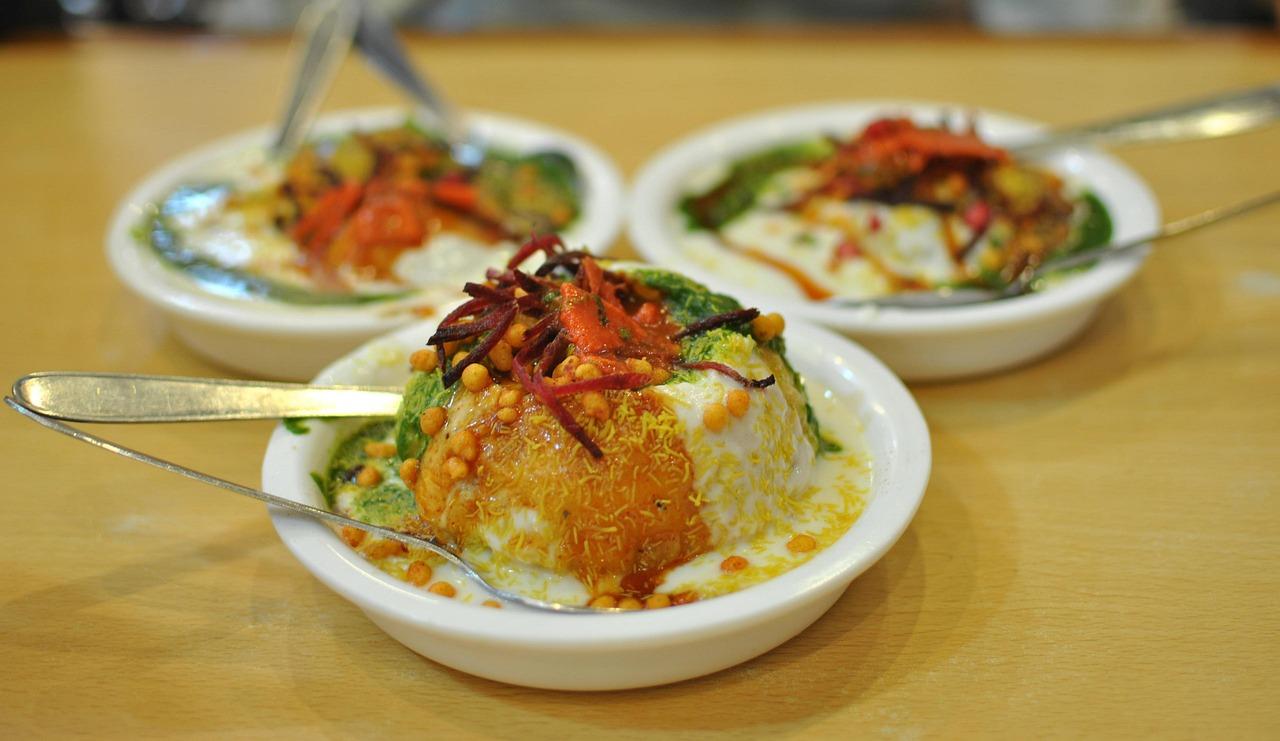
Chaat masala
Chaat masala is the tangy, salty, slightly sulphurous sprinkle that makes chaat taste like chaat. Dried mango (amchur) gives the sourness and black salt the distinctive savoury edge. Sprinkle it over fruit, salads, raita, chips and street-food snacks.
 Indian

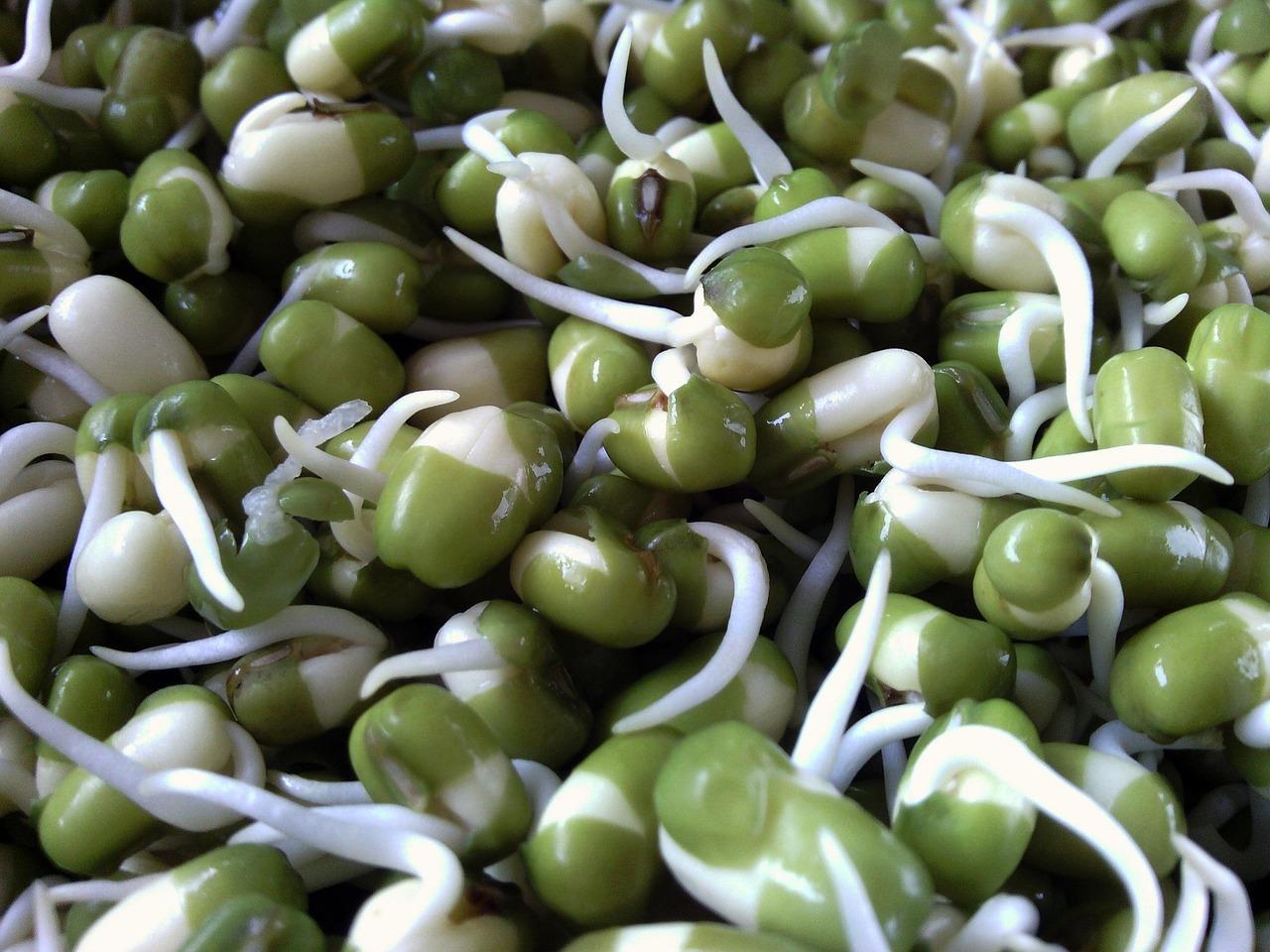
Bean sprouts
Sprouting whole green grams makes them crunchier, quicker to cook and more nutritious. All you need is muslin, water and a warm spot, and they're ready in 3–4 days. Use them in salads, bhel, usal and stir-fries. Any other whole pulse sprouts the same way.