

Tteokgalbi
떡갈비: minced beef and pork rib patties, grilled and glazed with sweet soy
Tteokgalbi is rib meat chopped finely, pressed back into neat slabs and grilled, so it's soft enough to eat without struggling with a bone. Two places in South Jeolla claim it: Damyang, the bamboo county, where all-beef patties come with rice steamed in bamboo tubes, and Gwangju's Songjeong district, whose restaurant street near the railway station mixes beef with pork. This home version uses minced beef and pork, seasoned with soy, garlic and pear, then brushed with a soy and honey glaze as it cooks. Serve with rice, lettuce and a few banchan; leftovers are good cold in a lunchbox. Chef's tip: slap the mince against the bowl for a few minutes; it turns sticky and the patties hold together on the grill without any breadcrumbs.
- Total time
- 60 min
- Difficulty
- medium
- Serves
- 4
Ingredients
For the patties
For the glaze
To serve
Method
0/8 doneStep 1: Put 14 oz beef mince and 7 oz pork mince on a board and chop through them with a heavy knife for a couple of minutes, folding and chopping again. This loosens the mince and gives a finer, springier patty.
3 minStep 2: Tip the meat into a bowl with 2 tbsp soy sauce, 1 tbsp sugar, 3 tbsp Asian pear or apple, 4 cloves garlic, 2 spring onions, 1 tbsp toasted sesame oil, 1 tbsp toasted sesame seeds and ¼ tsp black pepper.
Step 3: Mix with your hand, then pick up the mixture and throw it back into the bowl 20 to 30 times. Common mistake: just stirring it together. Without this kneading and slapping the patties crumble when you turn them; the mix is ready when it feels sticky and clings to your fingers.
5 minStep 4: Divide into 8 portions. Shape each into a flat oval patty about 1.5 cm thick, and press a shallow dip into the centre with your thumb so it stays flat as it shrinks. Chill on a plate for 15 minutes to firm up.
20 minStep 5: Mix 2 tbsp soy sauce, 2 tbsp honey or rice syrup, 2 tbsp water and 1 clove garlic in a small bowl.
Step 6: Heat 1 tbsp vegetable oil in a large frying pan or griddle over a medium heat. Fry the patties for 4 minutes, until well browned underneath, then turn and fry for 3 to 4 minutes more.
8 minStep 7: Lower the heat, brush the tops with glaze, turn and brush again. Cook for 2 to 3 minutes, turning every 30 seconds, until the glaze is sticky and shiny but not burnt. The centre should reach 160°F/160 °F, with no pink left.
3 minStep 8: Rest the patties for 3 minutes, scatter with 1 tbsp pine nuts and serve with rice and 8 lettuce leaves for wrapping.
3 min
Nutrition per serving
- Calories
- 430 kcal
- Protein
- 31 g
- Carbs
- 14 g
- Fat
- 28 g
- Fibre
- 1 g
Nutrition values are estimates.
KrazyBadal
Good to know
- How long does tteokgalbi take?
- About 60 minutes in total: 40 minutes to prepare and 20 minutes to cook.
- How many people does it serve?
- 4 as written. Change the servings above the ingredients and every amount scales to match.
- What can I use instead of soy sauce?
- Tamari, same amount (gluten free).
- What can I use instead of sugar?
- Caster sugar, same amount.
Reviews
No reviews yet. Be the first to cook it.
Rate this recipe
Sign in to rate and review this recipe.
You might also like
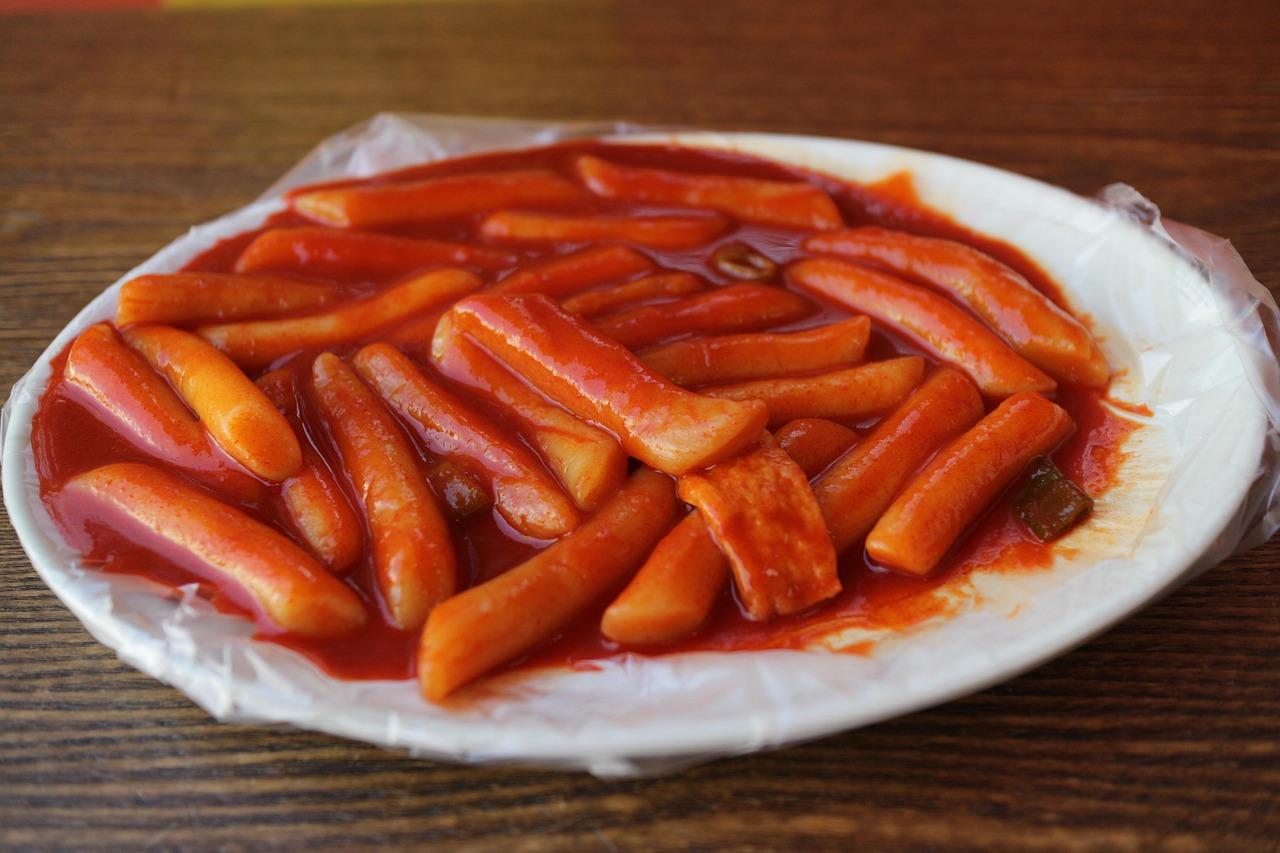
Tteokbokki
Tteokbokki (떡볶이) is Korea's best-loved street snack: chewy cylinders of rice cake simmered in a thick, glossy, sweet and spicy red sauce. It became a classic in Seoul, where it is sold from street stalls and snack bars in every neighbourhood. Street versions use anchovy stock and fish cakes; this vegan version uses a quick kelp and shiitake stock with cabbage and spring onions, and has all the same punch. Eat it hot, while the rice cakes are soft and stretchy. Chef's tip: keep stirring and scrape the bottom; the rice cakes release starch that thickens the sauce but also catches. The sauce is right when it clings to the spoon in a glossy coat.


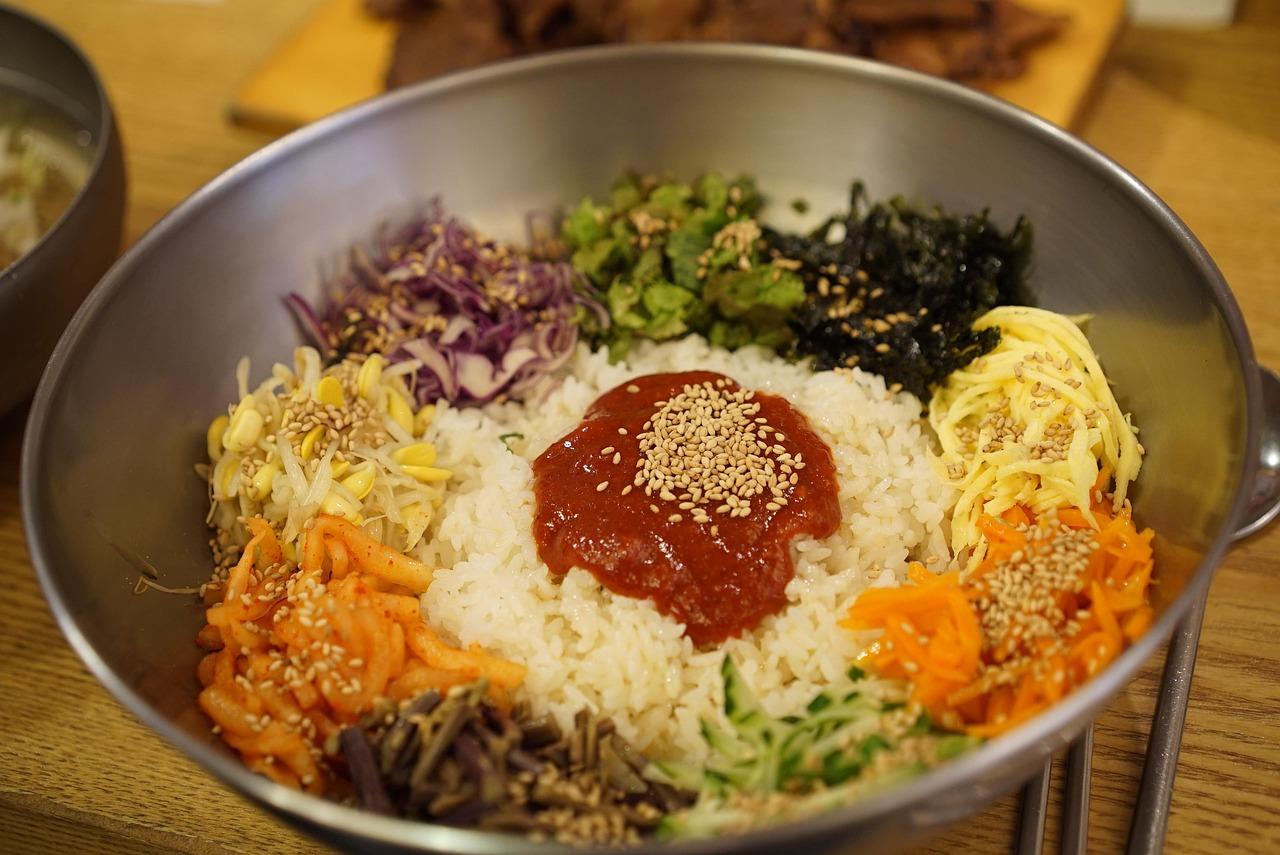
Bibimbap
Bibimbap (비빔밥) means 'mixed rice': a bowl of warm rice topped with small heaps of separately seasoned vegetables, a fried egg and a spoonful of gochujang sauce, all stirred together at the table. The city of Jeonju in North Jeolla province is famous for it and serves it with a dozen or more toppings; this home version keeps five that are easy to find. Each vegetable is cooked on its own so it keeps its colour and texture, and the sauce brings sweetness, heat and a nutty sesame finish. Serve with kimchi and a light soup. Chef's tip: season every vegetable on its own, lightly, and taste each one. If each heap is good alone, the mixed bowl will be balanced; if they are all dressed alike, the bowl tastes flat.
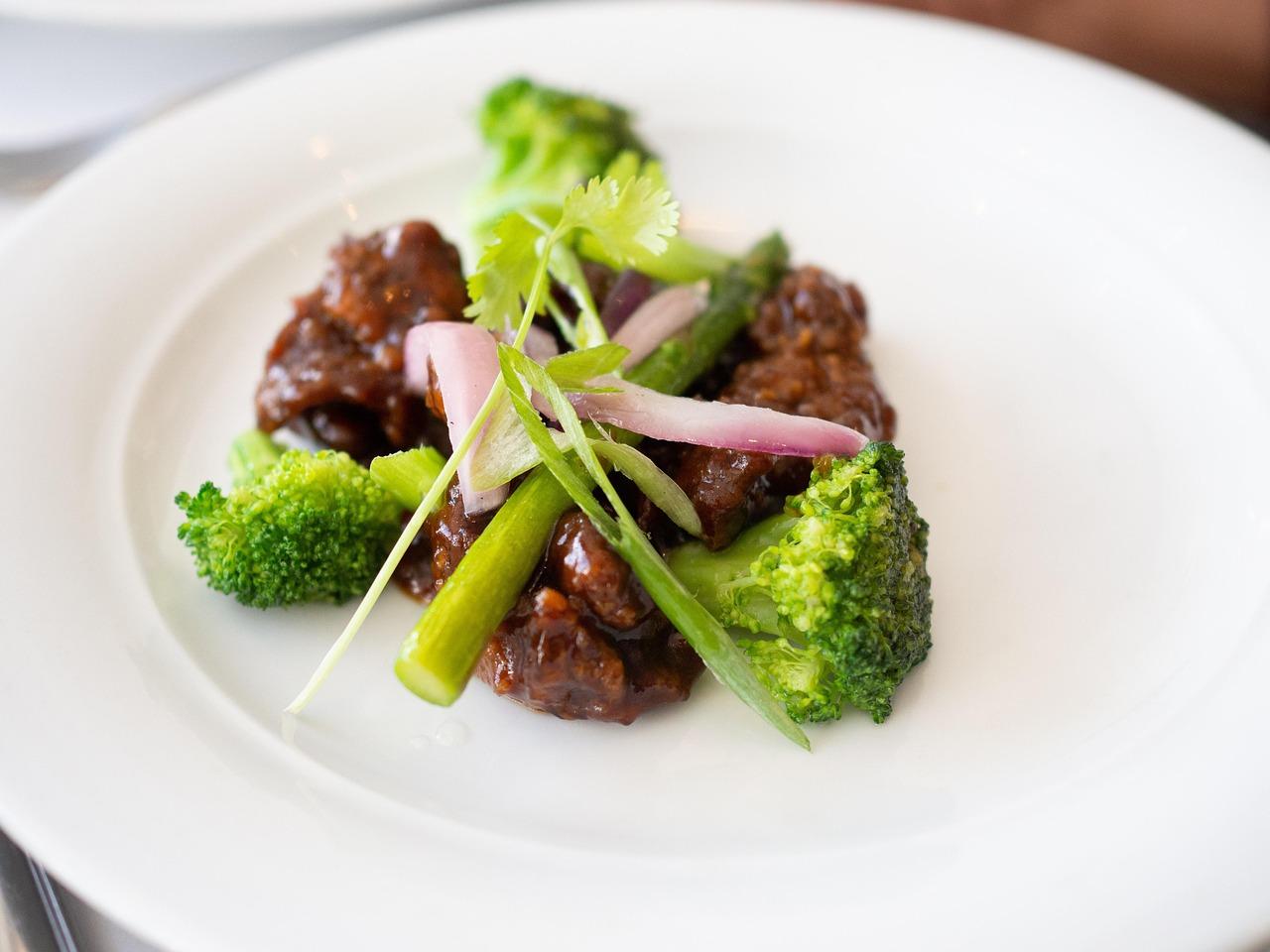
Beef and broccoli stir-fry
A quick coat of cornflour and soy keeps thin slices of beef silky, and a hot wok gives the broccoli char without overcooking it. Faster than ordering in.