
AI-generated image
Urbech
Urbech (урбеч): Dagestani stone-ground flaxseed and walnut paste



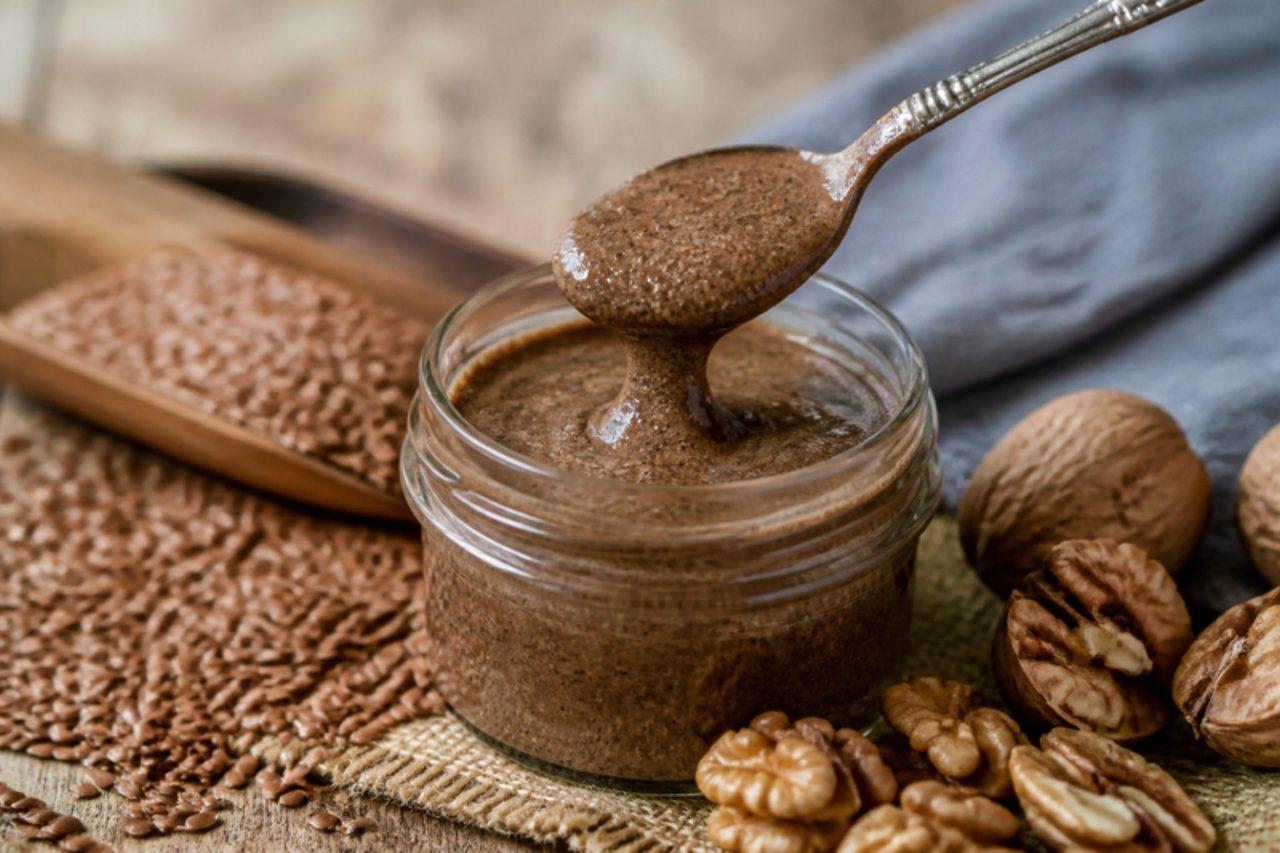
High in the villages of Dagestan, urbech was ground between millstones from roasted seeds and kernels until the oil ran, then packed into jars to see families through winter. Brown flax gives the classic dark, slightly bitter paste; walnuts soften it and make it creamy. Locals warm it gently with honey and melted butter and spread it on bread or eat it by the spoon with tea; for a fully plant-based breakfast swap in a fruit syrup and keep the butter out. Some urbech uses apricot kernels, but bitter kernels contain natural cyanide compounds, so this home version sticks to flax and walnuts. Where most people go wrong is giving up after five minutes: the seeds look like dry sand for a long time before suddenly collapsing into paste. Chef's tip: let the food processor rest every few minutes so the motor and the paste stay cool; overheated flax turns bitter.
- Total time
- 30 min
- Difficulty
- easy
- Serves
- 12
Ingredients
- 3 ½ oz walnut halves
- 2 tbsp cold-pressed sunflower or flaxseed oilonly if needed
- 1 pinch salt
Shop this recipe on Amazon
What you'll need
Links open Amazon in a new tab. As an Amazon Associate, WhatToEat.Today earns from qualifying purchases.
Method
0/6 doneStep 1: Toast the 7 oz brown flaxseed (linseed) in a dry frying pan over a medium-low heat for 4–5 minutes, stirring, until the seeds start to pop and smell nutty. Tip onto a plate.
5 minStep 2: Toast the 3 ½ oz walnut halves in the same pan over a medium-low heat for 4 minutes, until lightly golden and fragrant. Cool both for 5 minutes.
9 minStep 3: Grind the flax in a powerful food processor or high-speed blender for 3 minutes, until it looks like damp, sandy flour.
3 minStep 4: Add the walnuts and 1 pinch salt and keep processing in bursts of 2 minutes, scraping down the sides between bursts, for 8–10 minutes in all, until the mixture clumps, then turns into a thick, glossy paste.
10 minStep 5: If the paste stays stiff and crumbly, add the 2 tbsp cold-pressed sunflower or flaxseed oil a teaspoon at a time and process for 1 more minute, until it spreads easily.
1 minStep 6: Spoon into a clean jar, press flat and keep in the fridge for up to 1 month. Stir before using, as a little oil rises to the top.
1 min
Nutrition per serving
- Calories
- 120 kcal
- Protein
- 4 g
- Carbs
- 4 g
- Fat
- 11 g
- Fibre
- 5 g
Nutrition values are estimates.
KrazyBadal
Good to know
- How long does urbech take?
- About 30 minutes in total: 10 minutes to prepare and 20 minutes to cook.
- How many people does it serve?
- 12 as written. Change the servings above the ingredients and every amount scales to match.
- Is it vegan?
- Yes. It has no meat, fish, dairy or eggs.
- Is it gluten free?
- Yes, as written. Check the labels on stock, sauces and spice mixes, which sometimes contain gluten.
Reviews
No reviews yet. Be the first to cook it.
Rate this recipe
Sign in to rate and review this recipe.
You might also like

Kartoshka cake
Soviet cafés and school canteens sold these knobbly brown 'potatoes' for a few kopecks, and they began as a thrifty way to use up sponge and biscuit trimmings at the bakery. Crumbs are bound with butter and sweetened condensed milk, flavoured with cocoa and vanilla, shaped into little potatoes, rolled in cocoa and finished with two dabs of pale butter cream for the sprouts. They are fudgy and dense like a brownie truffle, need no oven, and children love making them. Traditional bakers added a spoonful of rum, an optional extra for adult batches only; this version is alcohol-free with vanilla. The usual slip is coarse crumbs, which make the potatoes crack, so blitz them as fine as sand. Chef's tip: chill the shaped potatoes for at least 20 minutes so they hold their shape and slice cleanly.
Mint and onion chutney
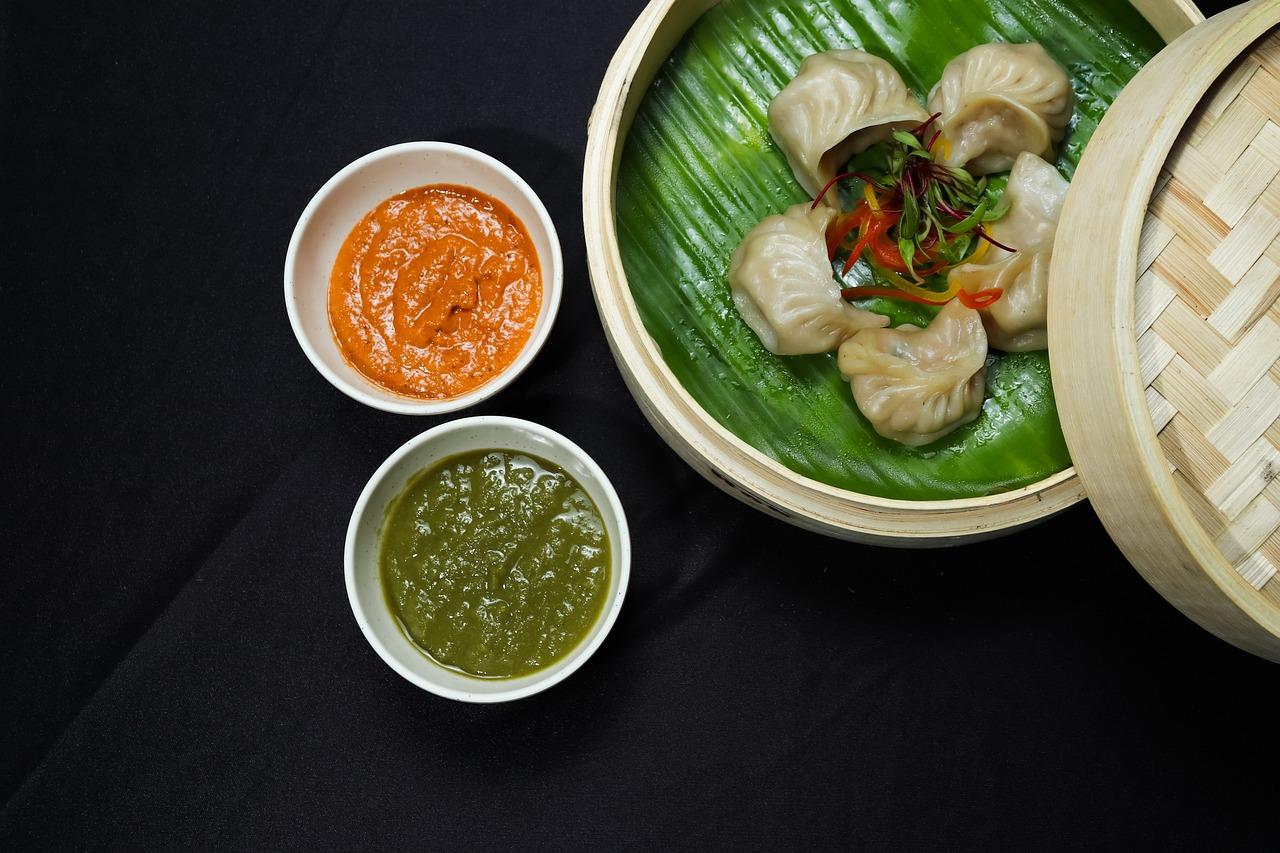
Onions fried gently until soft and sweet, then blended with fresh mint, green chilli and lemon juice. It's a mellow, fresh-tasting chutney that is great with bhajias, samosas, kebabs and tikka, or spread in sandwiches.
 Indian


Vegan nuoc cham
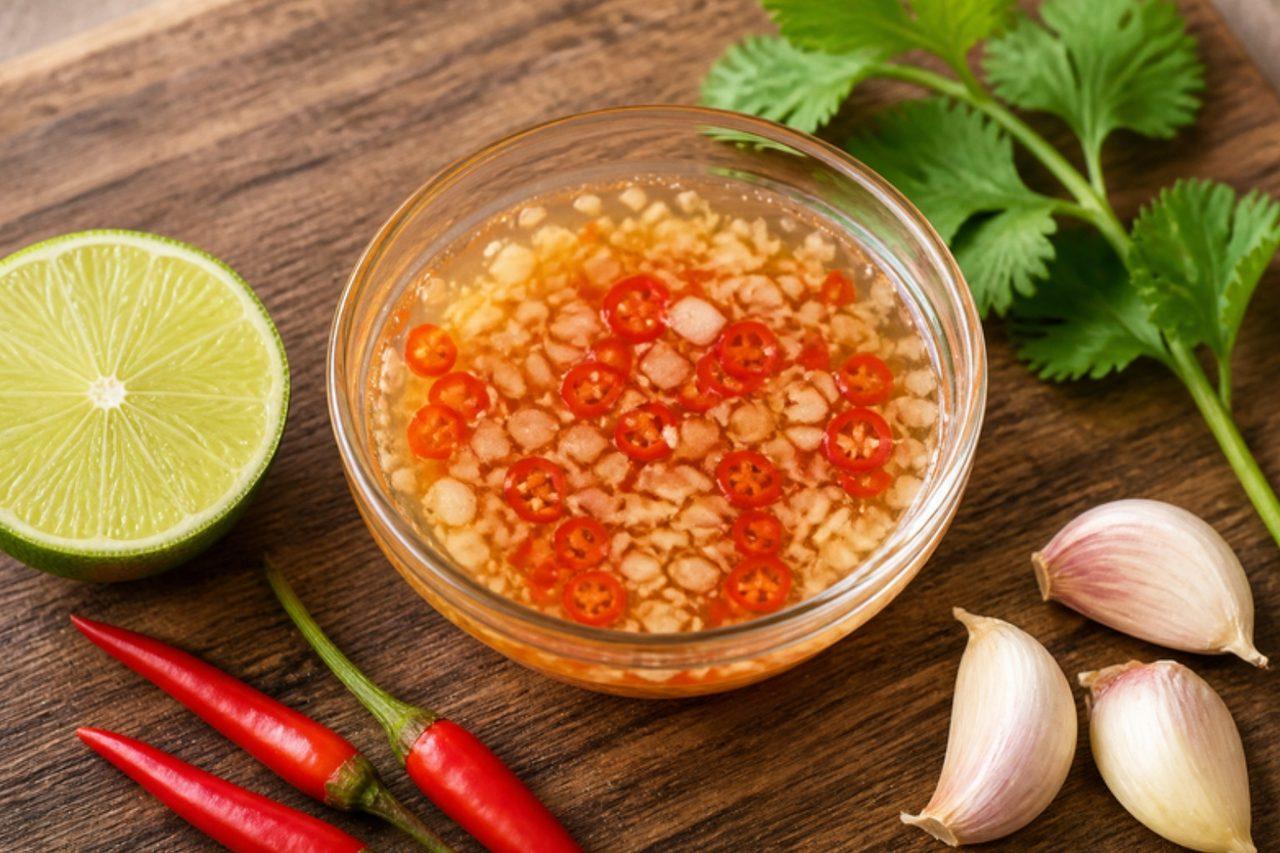
Nước chấm is the dipping sauce that goes with almost everything in Vietnam: spring rolls, bánh xèo, noodle salads and broken rice. Buddhist vegetarian cooks, all over the country, make it without fish sauce, using light soy sauce and a little coconut water for the deep, rounded taste. It should be thin, clear and pale amber, with flecks of garlic and chilli floating on top. Chef's tip: dissolve the sugar in the warm water first, then add the lime and soy, and stir in the garlic and chilli last, pounded with a pinch of sugar, so they float on the surface instead of sinking.
 Vietnamese