
AI-generated image
Vetkoek
Fried bread puffs
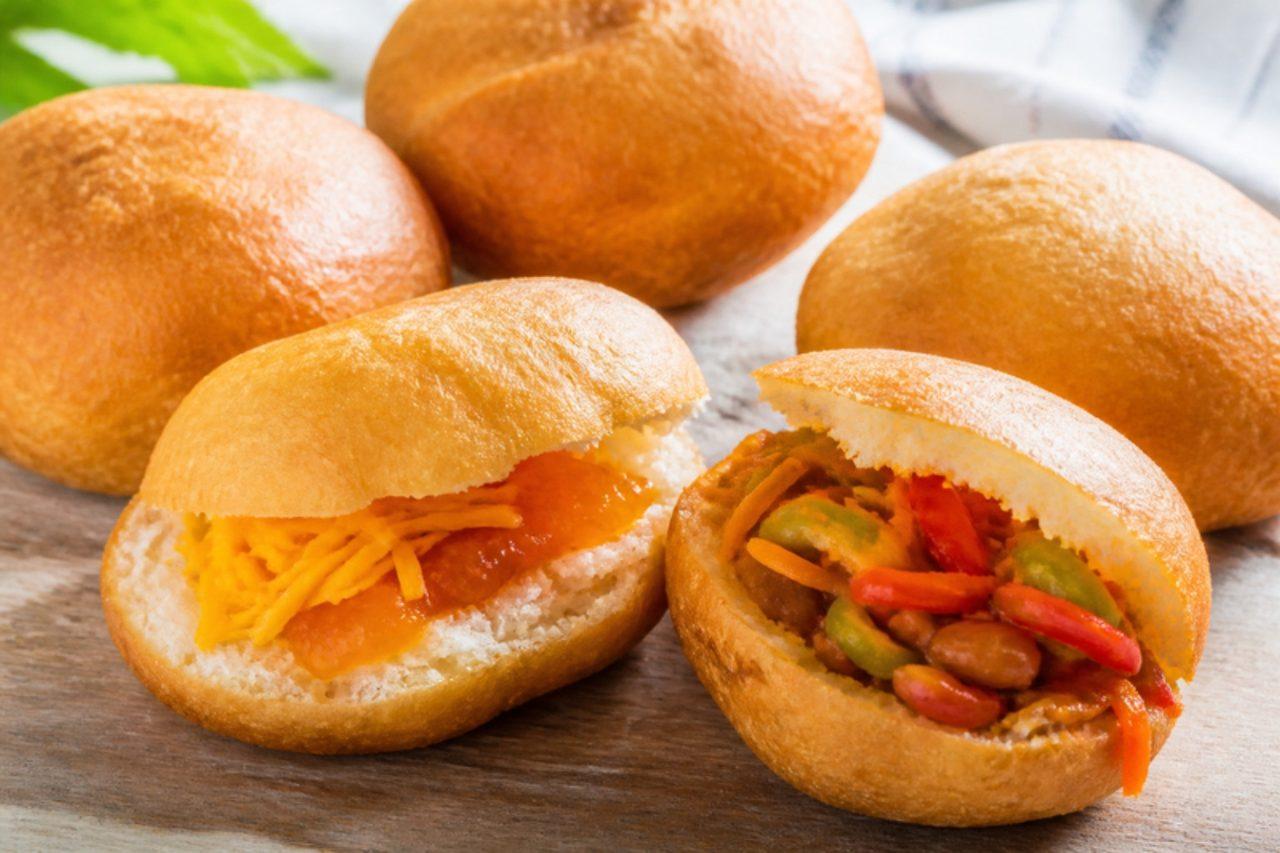
Golden, fluffy fried bread puffs, split and filled with cheese and jam or chakalaka

Vetkoek ('fat cake' in Afrikaans) is fried at church fêtes, rugby matches and roadside stalls all over South Africa, and in townships it's known as amagwinya. The yeast dough fries into a crisp golden ball with a soft, steamy middle, split open while still warm. The best-known filling is curried mince, but just as many people eat them with grated cheese and apricot jam, golden syrup, or a spoon of chakalaka, as here. Chef's tip: keep the oil at a steady medium heat and turn the vetkoek often so they colour evenly and cook right through.
- Total time
- 90 min
- Difficulty
- medium
- Serves
- 8
Ingredients
For the dough
- 1 ⅛ lb white bread flour
- ¼ oz instant dried yeast
- 1 tbsp sugar
- 1 tsp salt
- 1 ¼ cups lukewarm waterabout
- 1 litre sunflower oilfor frying
To fill
- 5 ½ oz grated cheddar (optional)
- 8 tbsp apricot jam or golden syrup (optional)
- 10 ½ oz chakalaka (optional)
Shop this recipe on Amazon
Spices & pantry
Links open Amazon in a new tab. As an Amazon Associate, WhatToEat.Today earns from qualifying purchases.
Method
0/6 doneStep 1: Mix 1 ⅛ lb white bread flour, ¼ oz instant dried yeast, 1 tbsp sugar and 1 tsp salt in a large bowl. Add 1 ¼ cups lukewarm water and mix to a soft, slightly sticky dough.
Step 2: Knead for 8 minutes until smooth and springy, then cover and leave somewhere warm until doubled.
50 minStep 3: Knock back and divide into 8 balls. Flatten each slightly to about 2 cm thick and leave on a floured tray for 10 minutes.
Step 4: Heat 1 litre sunflower oil in a deep pan over a medium heat to 350°F. Fry 3–4 at a time, turning often, until deep golden and they sound hollow when tapped underneath.
8 minStep 5: A common mistake is oil that is too hot; the outside browns in two minutes and the inside stays raw. If unsure, break the first one open: it should be fluffy and dry inside.
Step 6: Drain on kitchen paper. Split while warm and fill with 5 ½ oz grated cheddar and 8 tbsp apricot jam or golden syrup, or with 10 ½ oz chakalaka.
Nutrition per serving
- Calories
- 330 kcal
- Protein
- 9 g
- Carbs
- 56 g
- Fat
- 8 g
- Fibre
- 2 g
Nutrition values are estimates.
KrazyBadal
Good to know
- How long does vetkoek take?
- About 90 minutes in total: 20 minutes to prepare and 70 minutes to cook.
- How many people does it serve?
- 8 as written. Change the servings above the ingredients and every amount scales to match.
- Is it vegetarian?
- Yes. It has no meat or fish.
- What can I use instead of sugar?
- Caster sugar, same amount.
Reviews
No reviews yet. Be the first to cook it.
Rate this recipe
Sign in to rate and review this recipe.
You might also like
AmasiFermented milk with crumbly pap
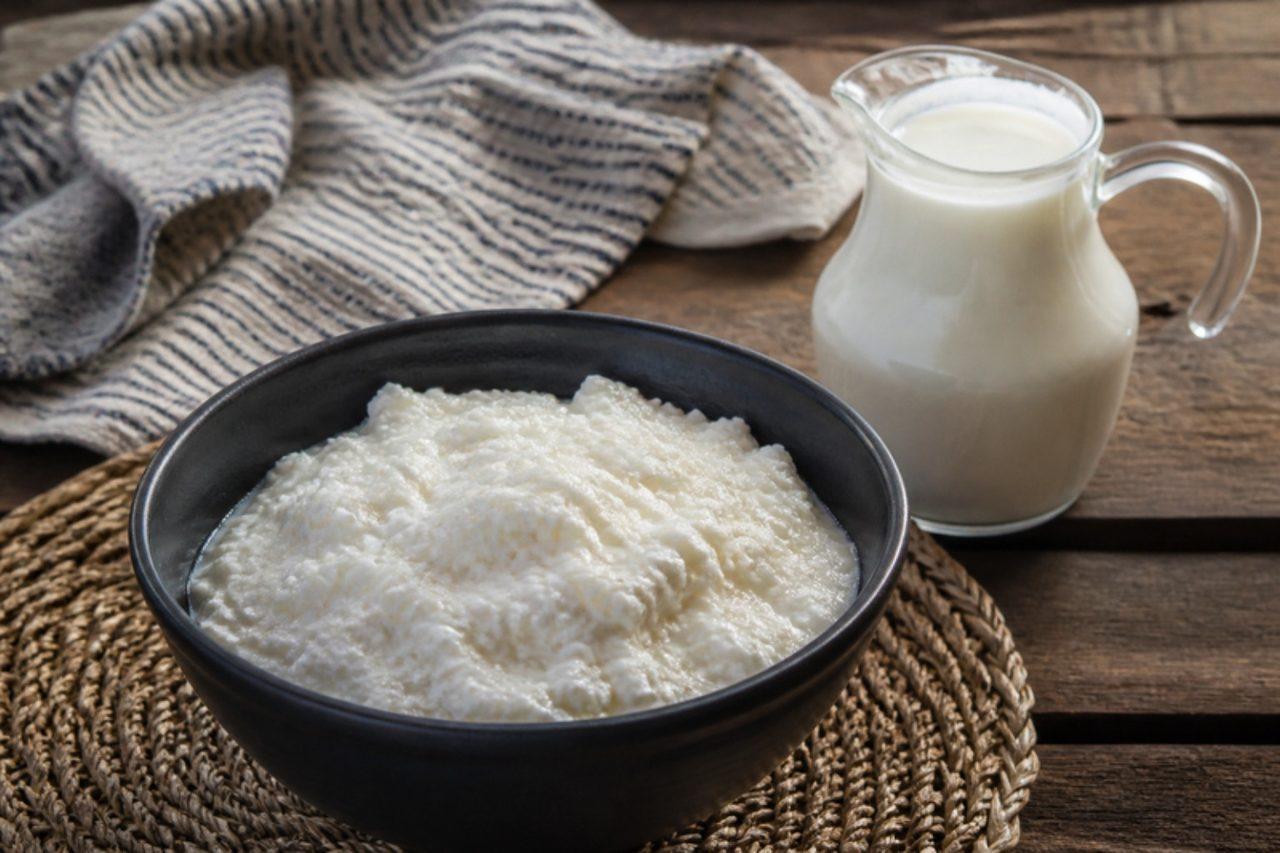
Thick, tangy amasi was once soured in calabashes in Zulu and Xhosa homesteads, and it is still the drink-cum-meal that many South Africans crave on a hot afternoon, poured over crumbly pap as umvubo. At home it is easy and safe with pasteurised full-fat milk and a spoon of live cultured buttermilk as the starter; never use raw milk. Expect something like a pourable, sharper yoghurt with soft curds, cooling against the dry, crumbly maize. The common mistake is fermenting somewhere too warm, which makes the milk separate into watery whey and rubbery lumps. Chef's tip: once it has set, chill it for a few hours before eating; the cold firms the curd and rounds out the sourness.


ChipaCheese bread rings
In Paraguay you hear 'chipa, chipa!' called by vendors with big baskets on buses and street corners, and every family bakes it for Holy Week, when chipa is the food of Good Friday. Cassava starch, a little cornmeal, butter, eggs and a lot of hard cheese are kneaded into a dough scented with aniseed, shaped into rings or small rolls and baked in a hot oven, traditionally a domed clay tatakua. It's chewy, crisp outside and best warm with cocido (toasted yerba tea). Chef's tip: the dough should feel soft and slightly greasy; add milk a spoon at a time, as too much makes the chipa spread flat.
 Paraguayan
SalufPuffy flatbread
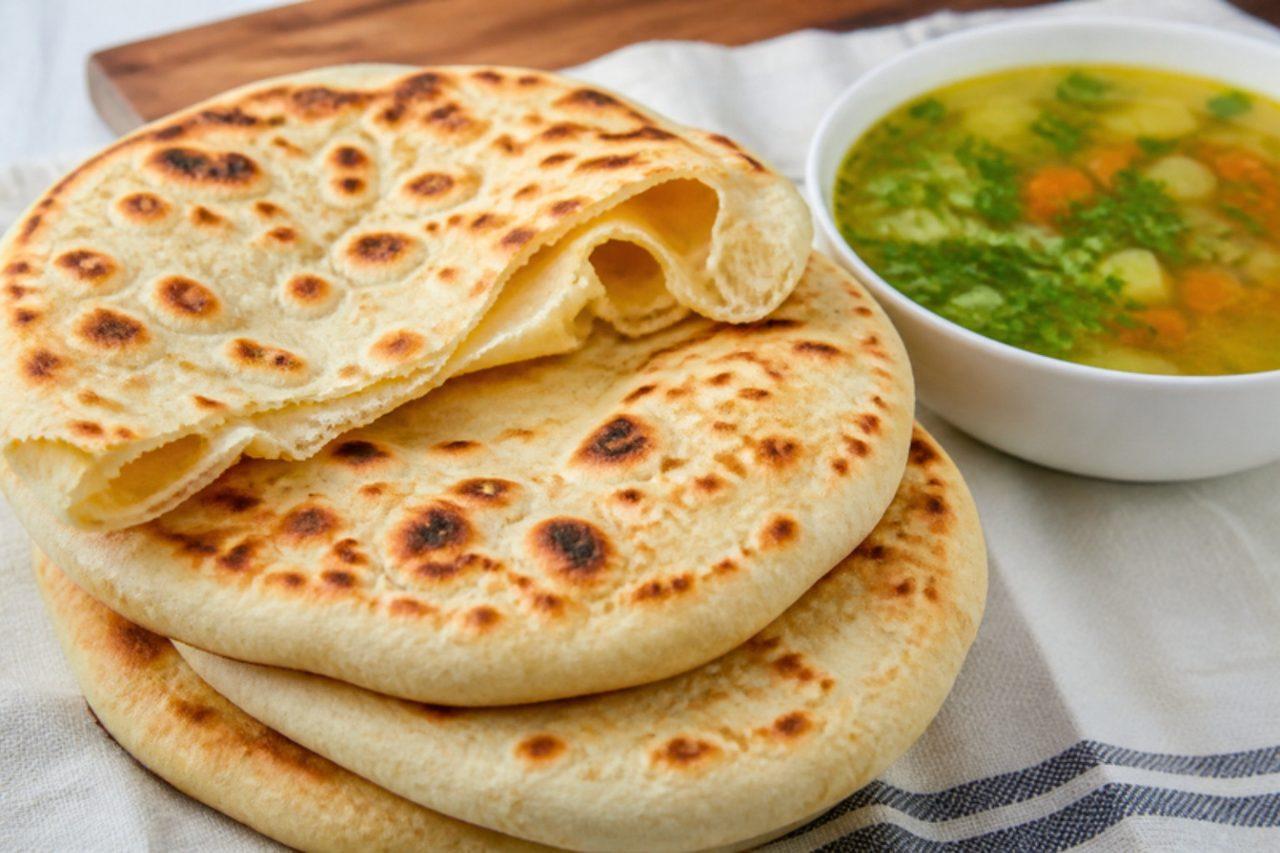
Saluf is the everyday bread of Yemenite Israelis, slapped onto a hot pan or taboon in Rosh HaAyin and Sha'arayim in Rehovot and eaten with marak temani, hilbe and zhug. It is soft and blistered, thicker than pita and with no pocket, made to tear and dunk. Home cooks often roll it too thin, which gives a cracker; it should be about 1 cm thick so it stays pillowy. Chef's tip: cook it under a lid on a very hot dry pan for the first minute, which traps steam and puffs it the way a taboon does.
 Israeli
