
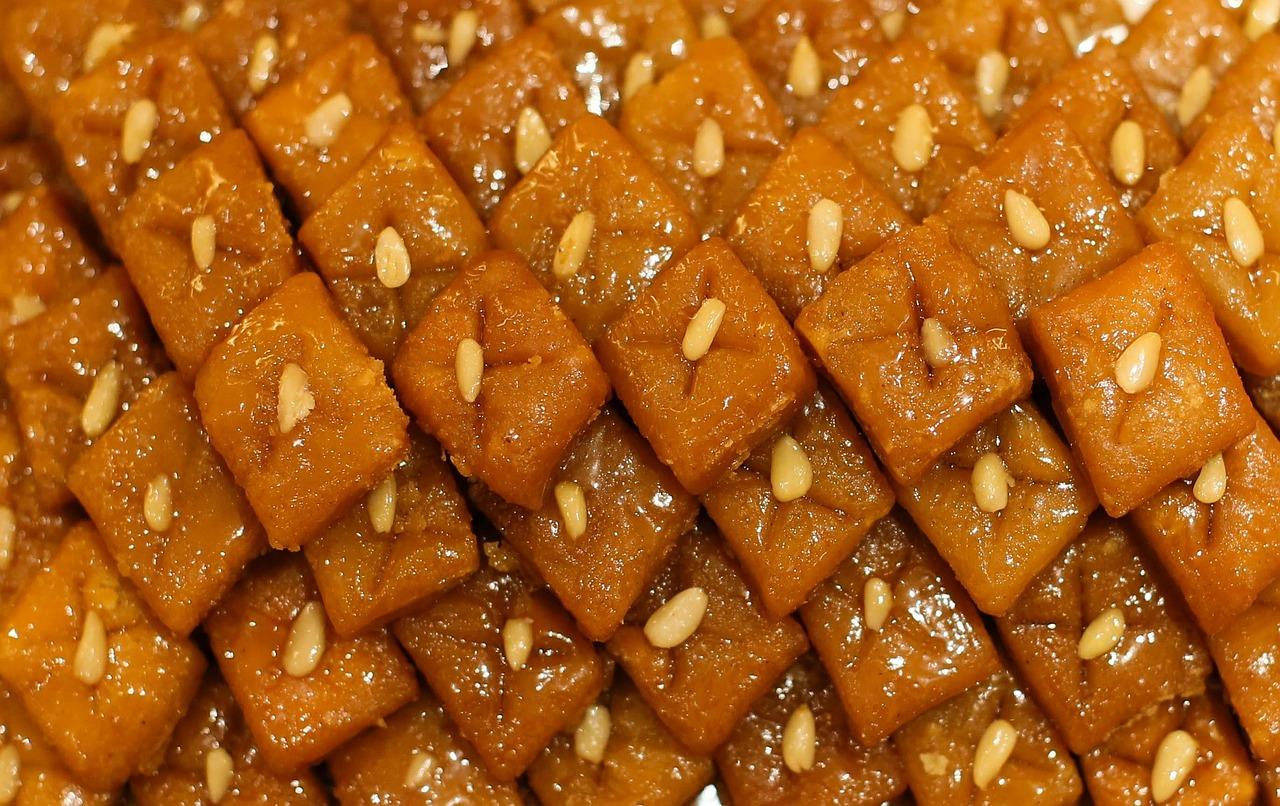
Yakgwa
Honey ginger cookies
약과 · Korean honey cookies fried slowly and soaked in ginger syrup

Yakgwa, 'medicinal sweet', were once so prized at royal banquets in Joseon-era Seoul that the court restricted who could make them, because of the honey and oil they swallowed. Today they turn up in gift boxes for Seollal and Chuseok and on the ancestral memorial table, and lately in Seoul cafés that cannot keep them in stock. The flaky, layered dough is fried at a low heat, then left to drink a ginger and cinnamon honey syrup until it is dense and soft all the way through. The mistake nearly everyone makes the first time is frying too hot: the outside browns while the middle stays raw and hard, so keep the oil low and be patient. Contains wheat and sesame. Chef's tip: fold and press the dough, don't knead it; the loose layers are what open up into those flaky ridges.
- Total time
- 110 min
- Difficulty
- medium
- Serves
- 8
Ingredients
For the ginger syrup
- 1 oz fresh gingerthinly sliced
- 1 cup water
- 7 oz rice syrupjocheong
- 3 ½ oz honey
For the dough
- 10 ½ oz plain flour
- ¼ tsp salt
- 1 pinch ground white pepper
- ¼ cup toasted sesame oil
- 2 ½ oz honey
- 2 tbsp ginger juicesqueezed from grated fresh ginger
- 2 tbsp water
To fry and finish
- 1 litre neutral oilfor frying
- 1 tbsp pine nuts (optional)finely chopped
Shop this recipe on Amazon
What you'll need
Spices & pantry
Fresh ingredients (2)
Links open Amazon in a new tab. As an Amazon Associate, WhatToEat.Today earns from qualifying purchases.
Method
0/9 doneStep 1: Make the syrup first so it can cool: simmer 1 oz fresh ginger, 1 cup water and 1 cinnamon stick in a small pan over a medium heat for 10 minutes, then stir in 7 oz rice syrup and 3 ½ oz honey and simmer 5 minutes more until slightly thickened. Strain and leave to cool.
15 minStep 2: Mix 10 ½ oz plain flour, ¼ tsp salt and 1 pinch ground white pepper in a bowl. Drizzle in ¼ cup toasted sesame oil and rub it in with your fingertips until the flour looks like damp sand and clumps when squeezed.
Step 3: Stir 2 ½ oz honey, 2 tbsp ginger juice and 2 tbsp water together and add to the flour. Bring it together with a spatula, cutting and pressing rather than kneading.
Step 4: Press the dough into a rough slab, cut it in half, stack one half on the other and press down. Repeat 3 times. Stop while it still looks slightly rough; overworking makes hard yakgwa.
5 minStep 5: Roll the dough about 1 cm thick and cut into 4 cm squares, or press into flower-shaped yakgwa moulds. Prick each piece through a few times with a skewer so the inside cooks.
Step 6: Heat 1 litre neutral oil in a deep pan to 225°F. Lower in the cookies and fry gently for 10–12 minutes; they will float and open into layers but stay pale.
12 minStep 7: Raise the heat until the oil reaches 275°F and fry for another 4–6 minutes, turning, until deep amber all over. Cut one open: there should be no pale, doughy core.
6 minStep 8: Drain on a rack for 1 minute, then drop the hot cookies into the cool syrup. Leave them for at least 2 hours (overnight is better), turning once, until soaked through.
120 minStep 9: Lift out, let excess syrup drip off and sprinkle with 1 tbsp pine nuts. Keep in an airtight box for up to a week.
Nutrition per serving
- Calories
- 360 kcal
- Protein
- 3 g
- Carbs
- 58 g
- Fat
- 14 g
- Fibre
- 1 g
Nutrition values are estimates.
KrazyBadal
Good to know
- How long does yakgwa take?
- About 110 minutes in total: 40 minutes to prepare and 70 minutes to cook.
- How many people does it serve?
- 8 as written. Change the servings above the ingredients and every amount scales to match.
- Is it vegetarian?
- Yes. It has no meat or fish.
- Can I make it ahead?
- Yes. It keeps well, so you can cook it earlier in the day or the day before and reheat it.
- What can I use instead of fresh ginger?
- ¼ tsp ground ginger per tbsp fresh (add it with the spices).
- What can I use instead of honey?
- Maple syrup or golden syrup, same amount.
Reviews
No reviews yet. Be the first to cook it.
Rate this recipe
Sign in to rate and review this recipe.
You might also like
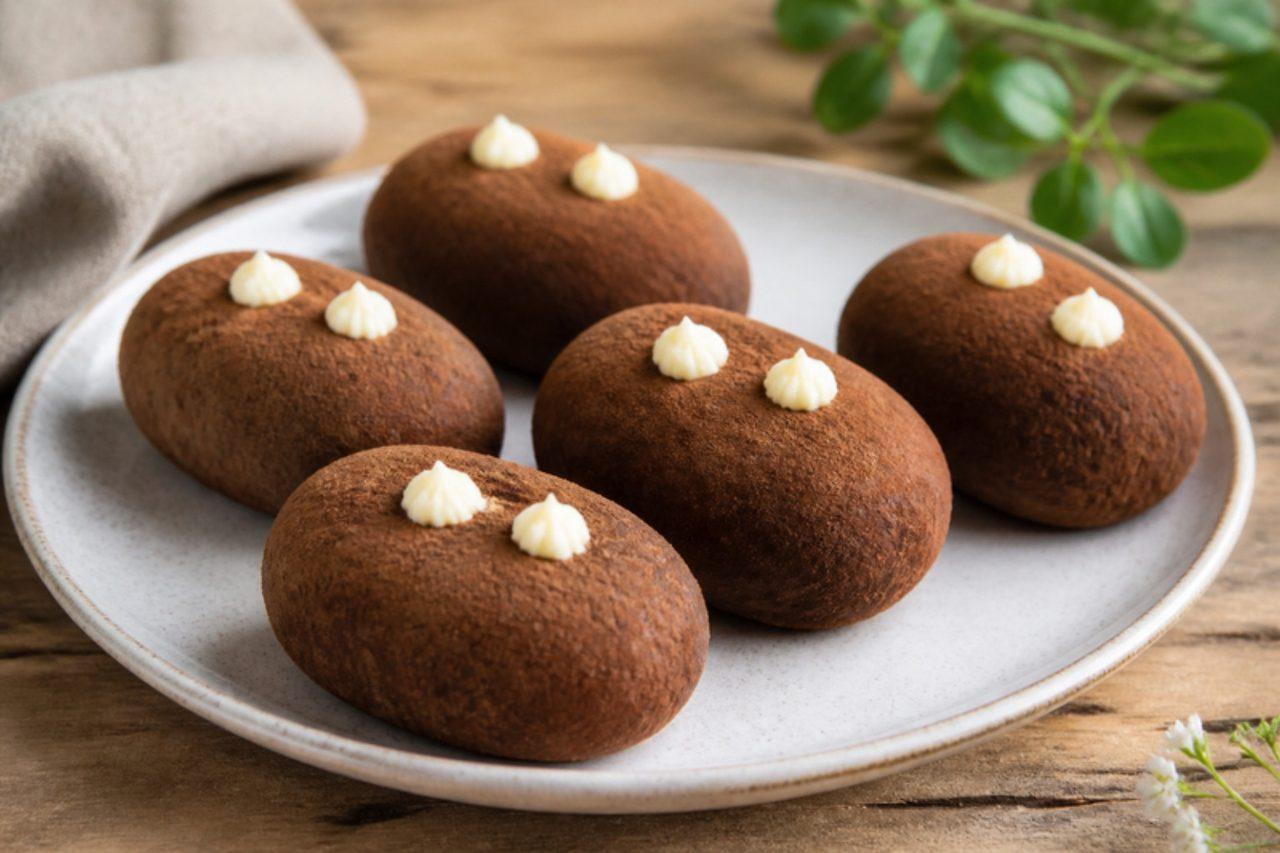
Kartoshka cakeCocoa and cake crumb truffles
Soviet cafés and school canteens sold these knobbly brown 'potatoes' for a few kopecks, and they began as a thrifty way to use up sponge and biscuit trimmings at the bakery. Crumbs are bound with butter and sweetened condensed milk, flavoured with cocoa and vanilla, shaped into little potatoes, rolled in cocoa and finished with two dabs of pale butter cream for the sprouts. They are fudgy and dense like a brownie truffle, need no oven, and children love making them. Traditional bakers added a spoonful of rum, an optional extra for adult batches only; this version is alcohol-free with vanilla. The usual slip is coarse crumbs, which make the potatoes crack, so blitz them as fine as sand. Chef's tip: chill the shaped potatoes for at least 20 minutes so they hold their shape and slice cleanly.
 Russian
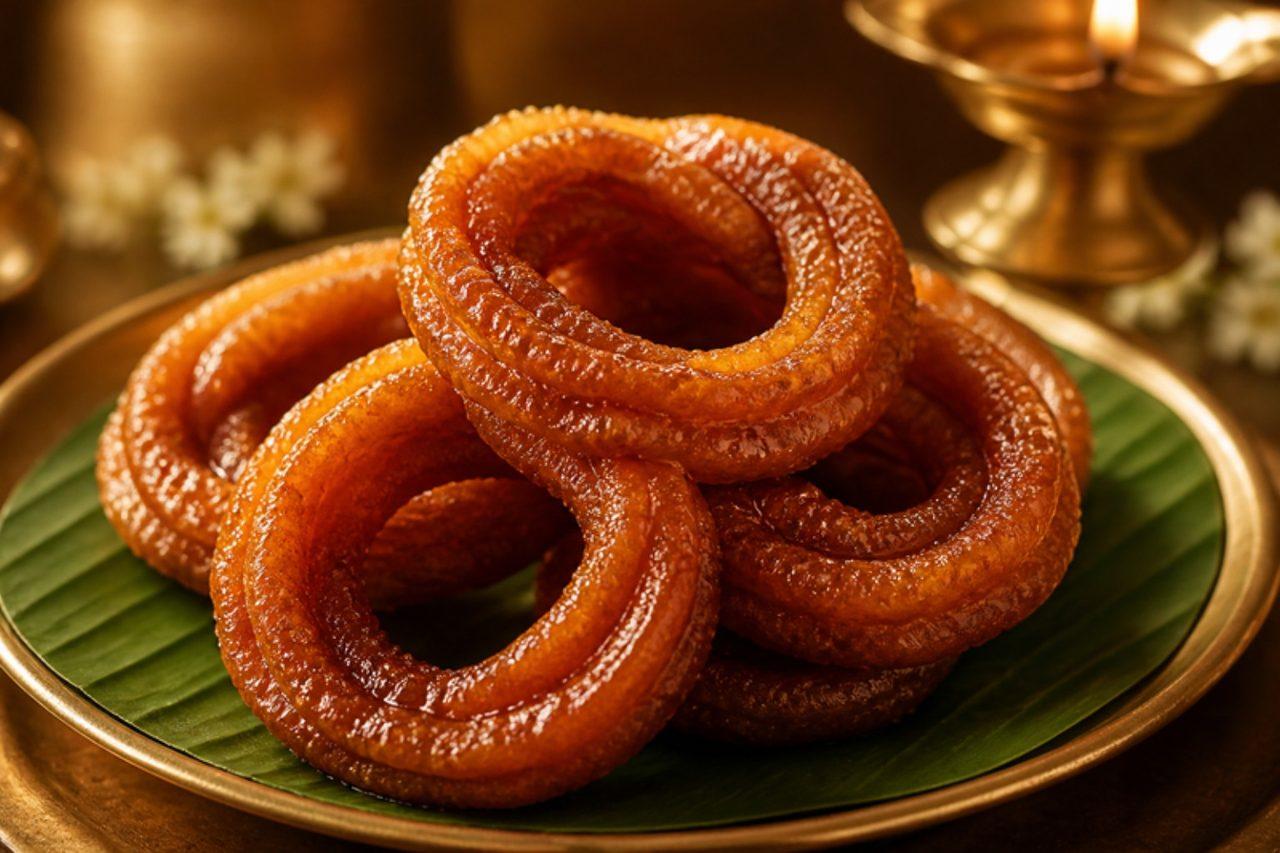
Undu walaluFried urad dal rings in treacle
Walalu means bangles, and these dark, sticky rings of fried urad dal soaked in kithul treacle are a sweet that Sinhala families bring out for Avurudu and for special almsgivings, often made in large batches by an aunt known for her steady hand. A thick, fluffy paste of ground black gram is piped into loops and fried until crisp, then plunged straight into warm treacle, so the rings stay crunchy on the outside while drinking up the syrup. They taste a little like a darker, smokier jalebi, with a toffee finish from the palm treacle. Watery batter is what ruins them; it spreads into flat blobs, so grind the soaked dal with as little water as possible and beat it until light. This recipe uses no asafoetida, so it is naturally gluten free. Chef's tip: pipe the rings onto small squares of baking paper and lower them into the oil paper and all; the paper peels away in seconds.
 Sri Lankan


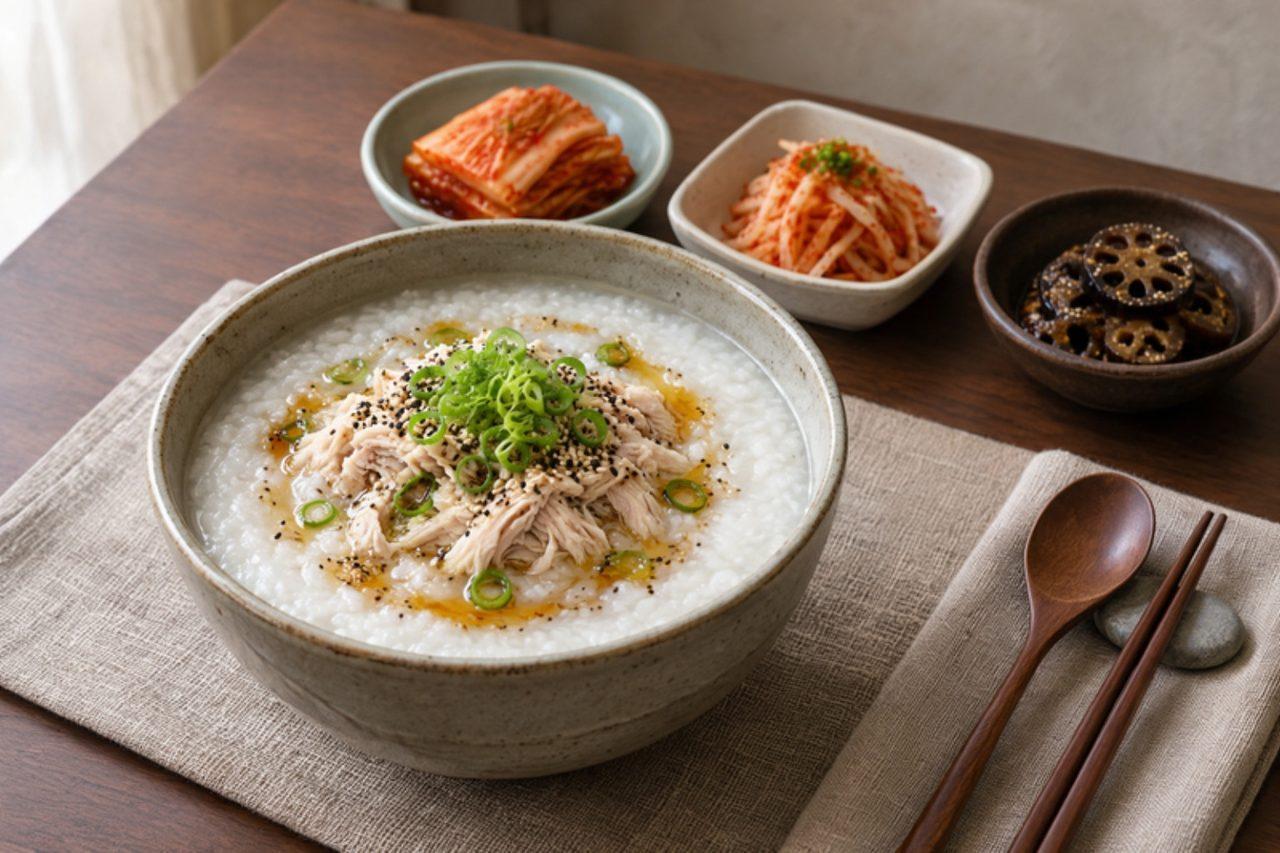
DakjukChicken and rice porridge
All over Korea, dakjuk is the bowl a mother makes on a cold morning or when someone is under the weather: chicken simmered with garlic and ginger, the meat pulled into shreds, and soaked rice cooked down in the broth until it turns into a soft, savoury porridge finished with sesame oil. It is eaten for breakfast or as a gentle lunch, with a little kimchi on the side. The usual mistake is boiling the chicken hard, which clouds the broth and toughens the meat; keep it at a lazy simmer. Chef's tip: fry the soaked rice in sesame oil for two minutes before the broth goes in, so the grains toast lightly and the porridge tastes nutty rather than flat.