
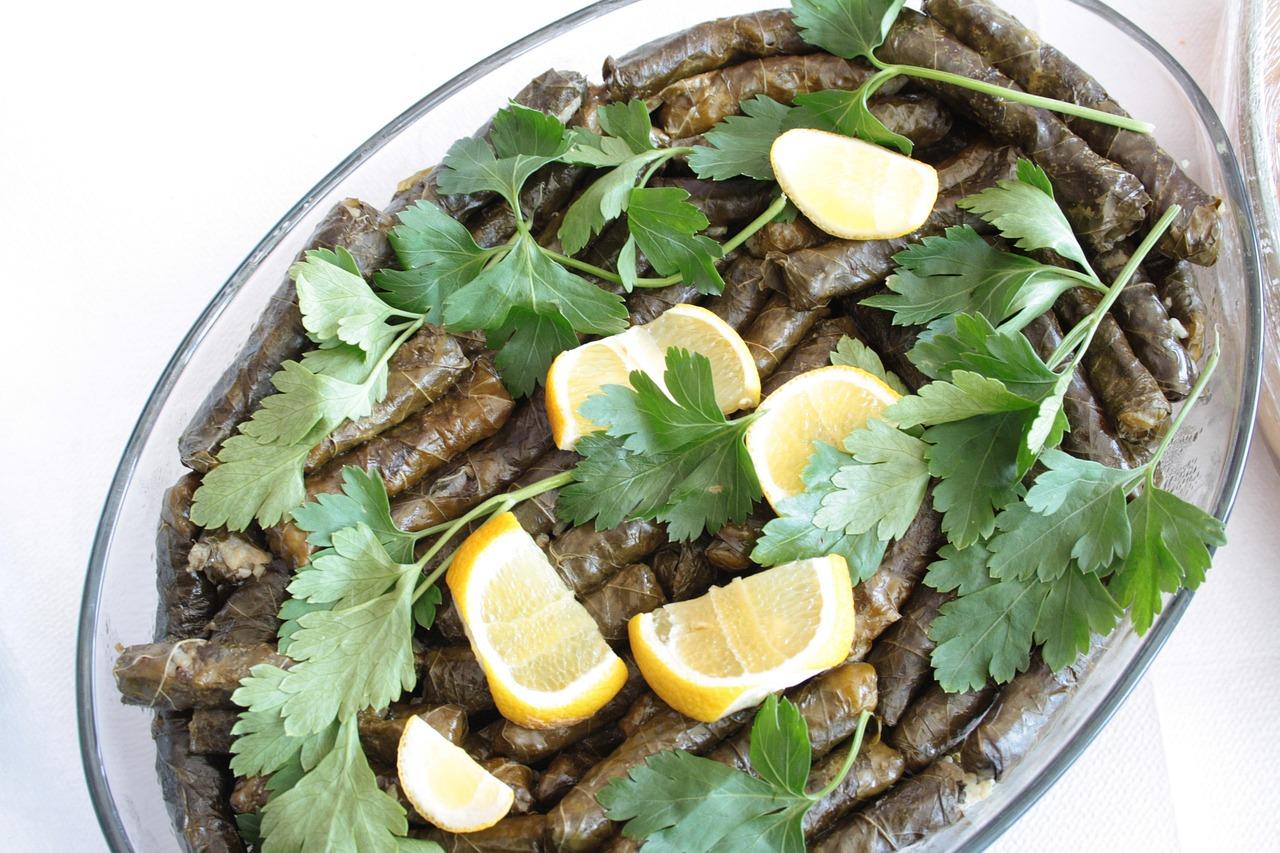
Yaprak sarma
Zeytinyağlı yaprak sarma: pencil-thin vine leaves rolled round herby rice


Rolling yaprak sarma is a social job in Aegean kitchens around Ayvalık and Manisa, where vineyards supply the leaves: a tray of grape leaves, a bowl of spiced rice and two or three people talking while they roll. This meat-free version is the olive-oil kind, filled with rice, onion, pine nuts, currants, mint and a pinch of cinnamon and allspice, and served cold as a meze or at tea-time gatherings. Good sarma are thin as a finger and hold together when bitten. A common mistake is overfilling: the rice swells as it cooks and splits the leaves. Chef's tip: use only a teaspoon of filling per leaf and roll firmly but not tight, leaving room for the rice to grow.
- Total time
- 120 min
- Difficulty
- hard
- Serves
- 8
Ingredients
For the filling
To roll and cook
Method
0/11 doneStep 1: Unroll 10 ½ oz vine leaves in brine into a large bowl of just-boiled water, gently separate them and soak for 10 minutes to draw out the brine. Drain, rinse in cold water and snip off any stalks. Keep torn leaves aside for lining the pan.
10 minStep 2: Heat 3 ½ tbsp extra virgin olive oil in a frying pan over a medium heat. Add 2 onions and cook, stirring, until soft and pale gold.
8 minStep 3: Add 2 tbsp pine nuts and stir for 2 minutes, until they turn golden and smell toasty. Watch them closely: they burn in seconds.
2 minStep 4: Stir in 7 oz short-grain rice and fry for 2 minutes until the grains turn translucent at the edges. Add 1 tbsp tomato paste, ½ tsp ground allspice, ¼ tsp ground cinnamon, the drained 2 tbsp currants, 1 tsp sugar and 1 ½ tsp salt and stir for 1 minute.
3 minStep 5: Pour in 120 ml water, cover and cook over a low heat for 5 minutes, until the water is absorbed; the rice will still be hard in the middle. Take off the heat and stir in 1 tbsp dried mint, ⅔ oz flat-leaf parsley and ½ oz fresh dill. Leave to cool for 10 minutes.
15 minStep 6: Line the base of a wide, heavy pan with the torn leaves. This stops the rolls catching on the bottom.
Step 7: Lay a leaf on the board, shiny side down and stem end towards you. Put 1 heaped teaspoon of filling near the stem end and shape it into a thin log. Fold the bottom over the filling, fold in both sides, then roll up firmly towards the tip into a finger-thin roll. Don't overfill: that is the most common reason sarma burst.
35 minStep 8: Pack the rolls seam side down in tight circles in the pan, in two layers if needed. Tuck the slices of ½ lemon on top.
Step 9: Mix 1 ¾ cups hot water with the rest of 3 ½ tbsp extra virgin olive oil and the juice of ½ lemon and pour it over. Weigh the rolls down with a small upturned plate so they don't unroll.
Step 10: Bring to a gentle simmer over a medium heat, then cover and cook over a low heat for 40–45 minutes, until most of the liquid has gone and a roll tastes tender right through with no chalky rice in the middle.
45 minStep 11: Turn off the heat and leave the sarma to cool completely in the pan with the plate on top, at least 1 hour. Serve cold or at room temperature with lemon wedges. They keep for 4 days in the fridge.
60 min
Nutrition per serving
- Calories
- 230 kcal
- Protein
- 4 g
- Carbs
- 28 g
- Fat
- 12 g
- Fibre
- 4 g
Nutrition values are estimates.
KrazyBadal
Good to know
- How long does yaprak sarma take?
- About 120 minutes in total: 70 minutes to prepare and 50 minutes to cook.
- How many people does it serve?
- 8 as written. Change the servings above the ingredients and every amount scales to match.
- Is it vegan?
- Yes. It has no meat, fish, dairy or eggs.
- Is it gluten free?
- Yes, as written. Check the labels on stock, sauces and spice mixes, which sometimes contain gluten.
- Can I make it ahead?
- Yes. It keeps well, so you can cook it earlier in the day or the day before and reheat it.
- What can I use instead of onions?
- 2 shallots per onion.
- What can I use instead of short-grain rice?
- Any long-grain rice, same amount.
Reviews
No reviews yet. Be the first to cook it.
Rate this recipe
Sign in to rate and review this recipe.
You might also like
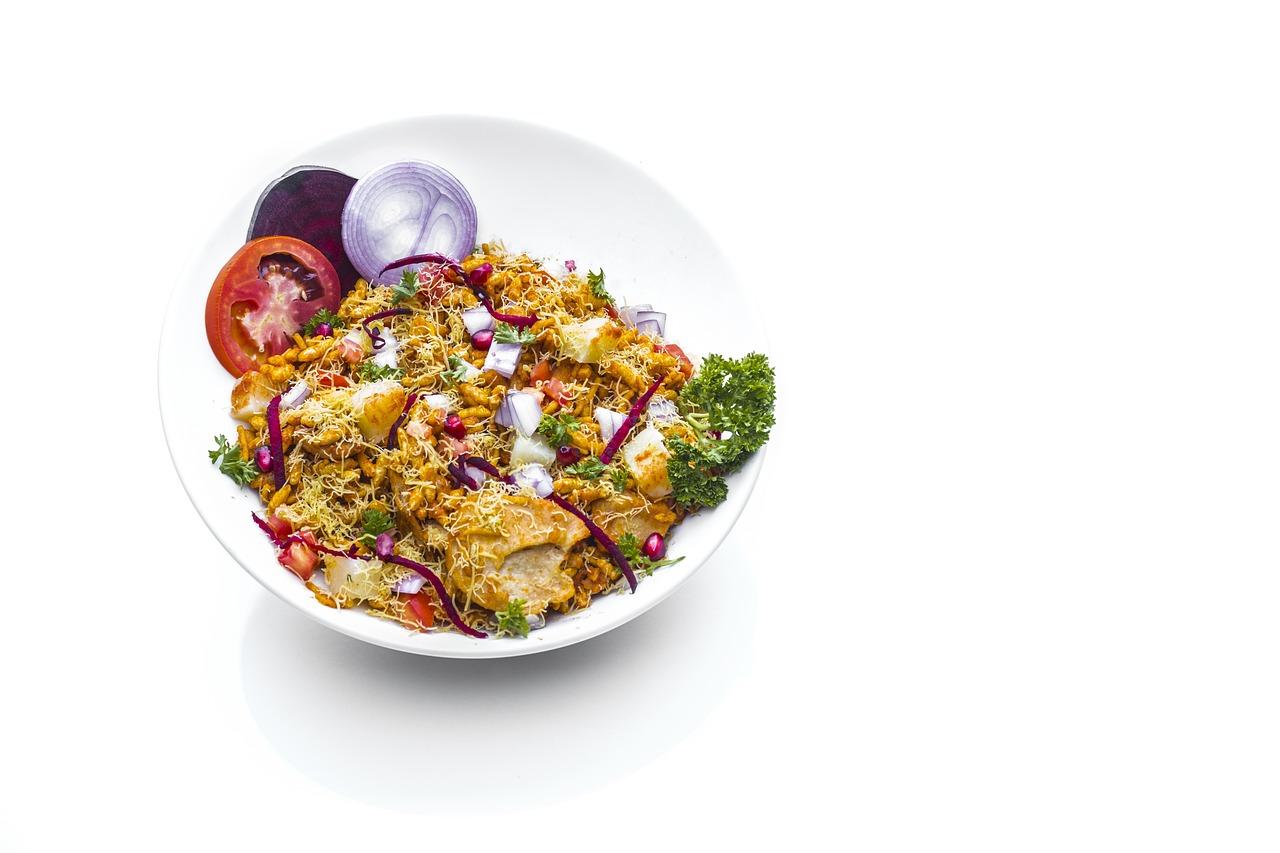
Coastal Mombasa mix
A Mombasa street-food bowl: chickpeas and potato simmered in coconut milk with raw mango and chilli, ladled into small bowls and topped with crisp lentil fritters, crunchy chevdo and red, green and tamarind chutneys. Make the fritters and chevdo ahead and assemble at the table. It's sweet, sour, hot and crunchy all at once.

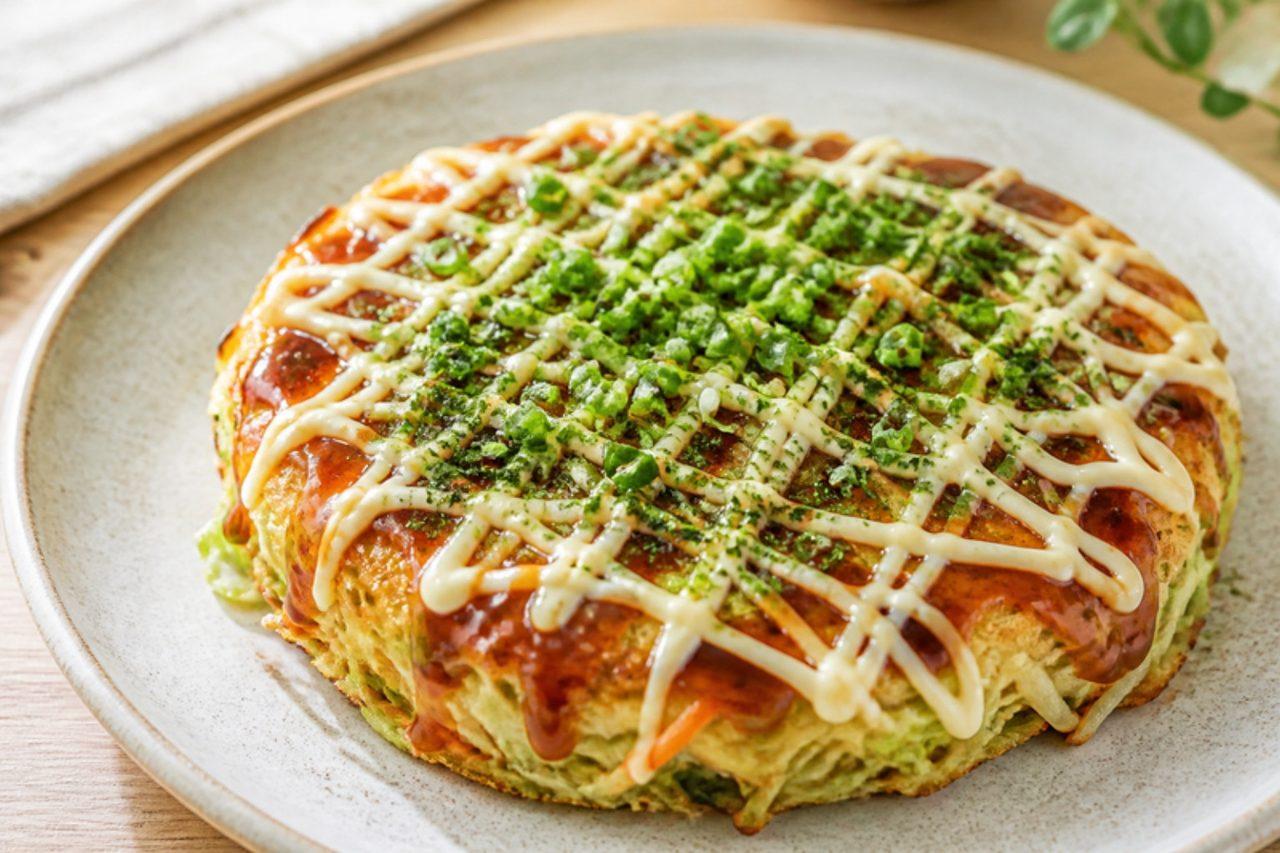
Okonomiyaki
Okonomiyaki (お好み焼き, 'grilled as you like it') is the pride of Osaka, where it's cooked on hot iron griddles in lively restaurants. Finely shredded cabbage is folded into a light batter with egg and spring onion, then fried into a thick, soft pancake with a crisp outside. It's painted with a fruity brown sauce and zigzagged with mayonnaise. Bonito flakes are usual on top; this vegetarian version uses seaweed flakes and pickled ginger instead. Chef's tip: don't press the pancake down with your spatula while it cooks. Osaka cooks leave it alone so the cabbage steams inside and stays light and fluffy; pressing squeezes out the air.

Masala khakhra
Khakhra are thin chapaties roasted slowly on a griddle until they turn crisp, like a cracker. This masala version adds gram flour, fresh fenugreek, turmeric and chilli to the wheat dough. They are a light Gujarati breakfast or tea-time snack, and lovely with pickle, chutney or a smear of butter. You can also make them in a roti maker.

