
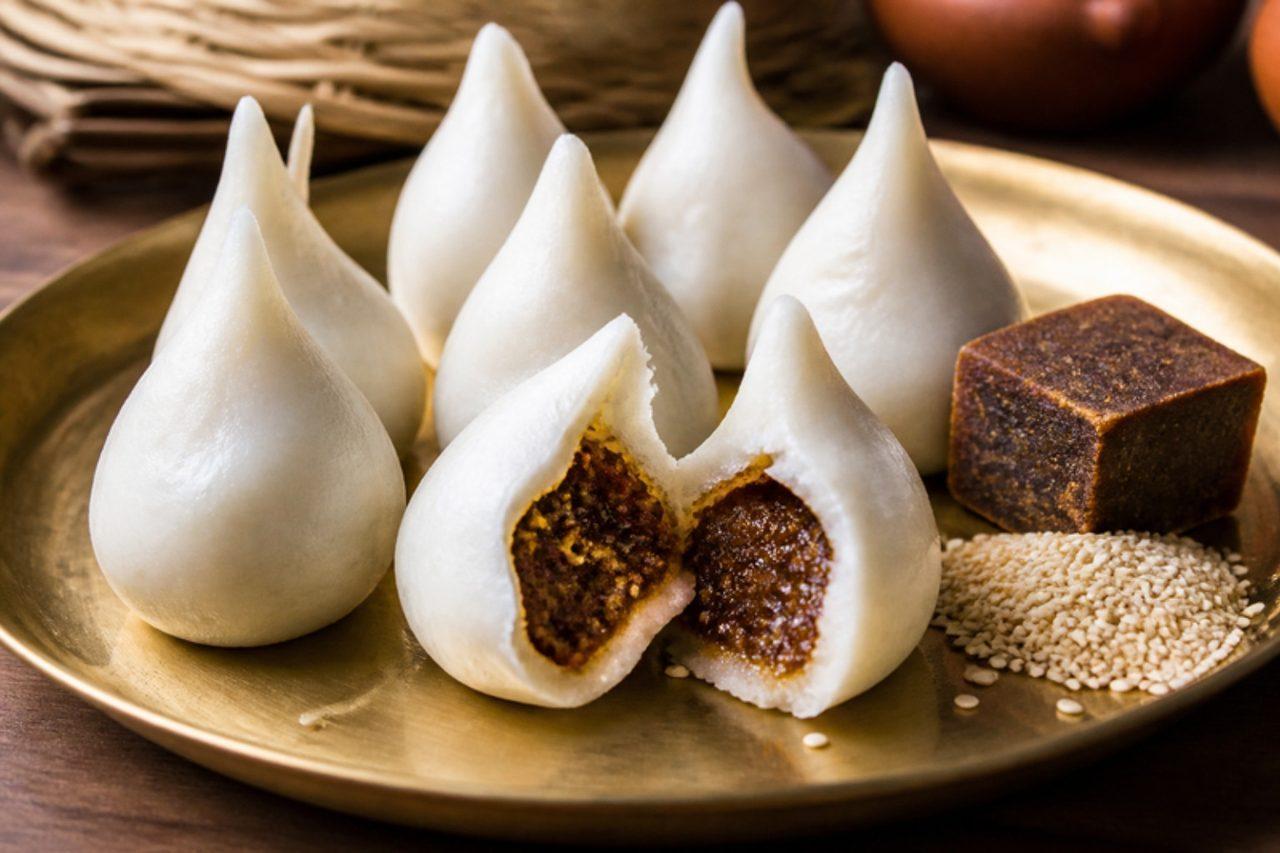
AI-generated image
Yomari
Newari steamed rice-flour dumplings filled with chaku molasses and sesame, for Yomari Punhi



Yomari are the sweet dumplings of the Newars of the Kathmandu Valley, made once a year on Yomari Punhi, the full moon of December that marks the end of the rice harvest. Freshly milled rice flour is kneaded with hot water, pinched into a hollow cone, filled with chaku, a dark, fudgy Newari molasses, and toasted sesame, then shaped with a pointed tail like a fish or a teardrop and steamed. Children go from house to house singing for them, and families offer a few to the gods before anyone eats. The shell is soft and slightly chewy, and the filling melts into warm, smoky caramel. The usual mistake is mixing the dough with lukewarm water: it must be just off the boil so the starch swells and the dough stretches without cracking. Chef's tip: keep a bowl of warm water beside you and dip your fingertips often; damp hands smooth out cracks as you shape.
- Total time
- 60 min
- Difficulty
- medium
- Serves
- 6
Ingredients
For the dough
For the filling
Shop this recipe on Amazon
What you'll need
Links open Amazon in a new tab. As an Amazon Associate, WhatToEat.Today earns from qualifying purchases.
Method
0/8 doneStep 1: Toast 1 ⅜ oz white or black sesame seeds in a dry pan over a medium-low heat for 3 minutes, until golden and popping. Lightly crush half of it in a mortar.
3 minStep 2: Melt 5 ½ oz chaku (Newari molasses) or dark jaggery with 2 tbsp water in a small pan over a low heat, stirring, for 3–4 minutes until it bubbles and thickens like soft fudge; a drop in cold water should firm into a soft ball. Stir in the sesame and 2 tbsp desiccated coconut and leave to cool until you can handle it.
4 minStep 3: Put 9 oz fine rice flour in a bowl and pour in 1 cup boiling water a little at a time, stirring with a spoon. When cool enough to touch, knead for 5 minutes with hands rubbed with a little ½ tsp vegetable oil to a smooth, soft dough that doesn't crack when pressed. Add a spoonful of hot water if it is crumbly. Keep it covered.
8 minStep 4: Roll the filling into 12 small balls. Divide the dough into 12 pieces and keep them under a damp cloth.
Step 5: Take one piece, roll it into a ball, then press your thumb into it and pinch and turn the walls upwards to make a thin cup, a bit like a small cone, about 3 mm thick. Drop in a ball of filling.
Step 6: Gather the open top together and pinch it closed, then pull and roll the tip into a pointed tail about 3 cm long. Smooth the seam with damp fingers so there are no cracks; any crack lets the filling bubble out. Repeat with the rest.
15 minStep 7: Bring a steamer to a strong boil over a high heat. Brush the steamer tray with the rest of ½ tsp vegetable oil and set the yomari on it, 2 cm apart. Cover and steam for 12–15 minutes, until the dough turns slightly translucent and glossy and feels firm but springy.
15 minStep 8: Let them rest for 2 minutes, then serve warm. Warn people that the filling is very hot. Leftovers can be re-steamed for 5 minutes.
2 min
Nutrition per serving
- Calories
- 290 kcal
- Protein
- 5 g
- Carbs
- 55 g
- Fat
- 6 g
- Fibre
- 2 g
Nutrition values are estimates.
KrazyBadal
Good to know
- How long does yomari take?
- About 60 minutes in total: 35 minutes to prepare and 25 minutes to cook.
- How many people does it serve?
- 6 as written. Change the servings above the ingredients and every amount scales to match.
- Is it vegan?
- Yes. It has no meat, fish, dairy or eggs.
- Is it gluten free?
- Yes, as written. Check the labels on stock, sauces and spice mixes, which sometimes contain gluten.
- What can I use instead of white or black sesame seeds?
- Poppy seeds or finely chopped pumpkin seeds, same amount.
Reviews
No reviews yet. Be the first to cook it.
Rate this recipe
Sign in to rate and review this recipe.
You might also like
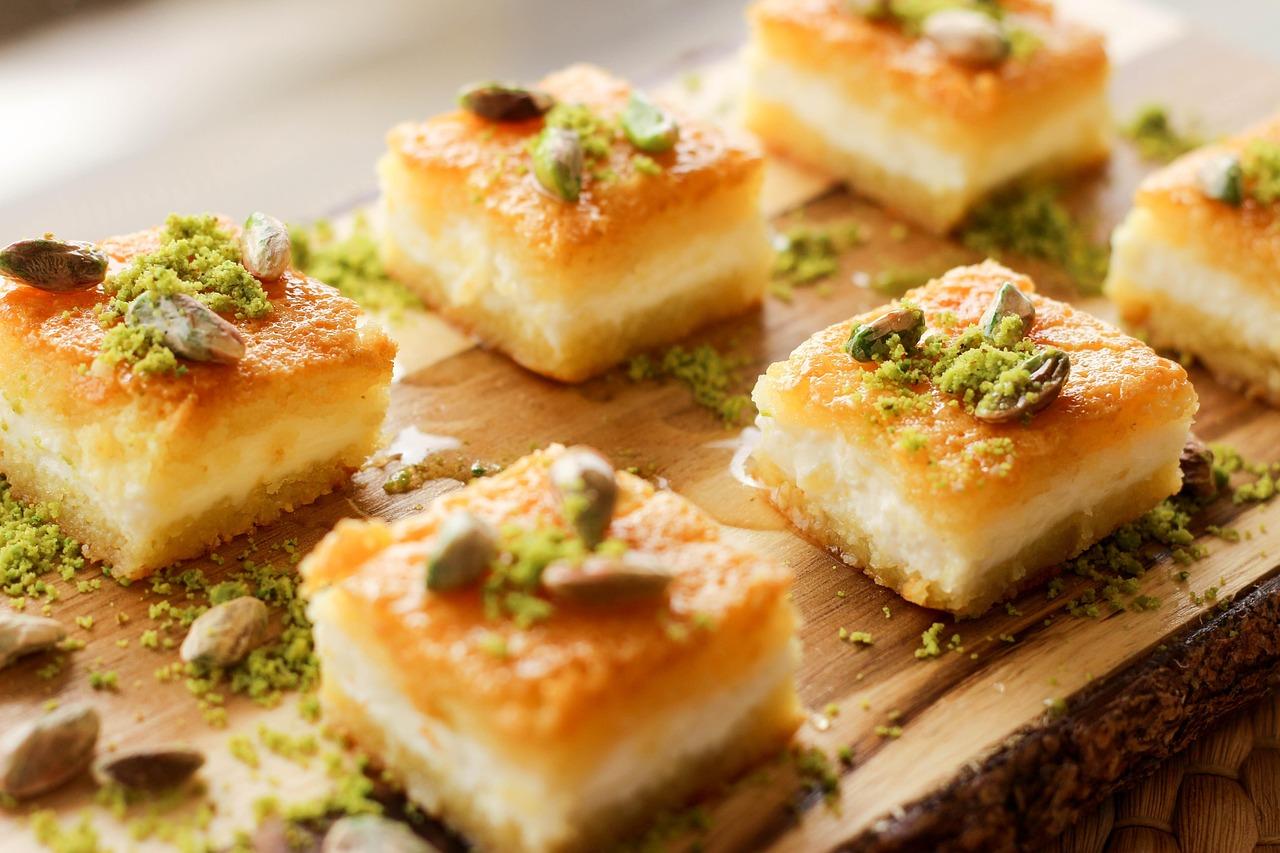
Baklava
The famous layered pastry: crisp sheets of buttered fillo sandwich a filling of almonds, pistachios and cashews spiced with cinnamon, cardamom and saffron. After baking, the hot baklava is soaked in a syrup of sugar, honey, lemon, rose and cardamom and decorated with almond and pistachio flakes. Cut into 40 diamonds; serve with fresh cream or ice cream.
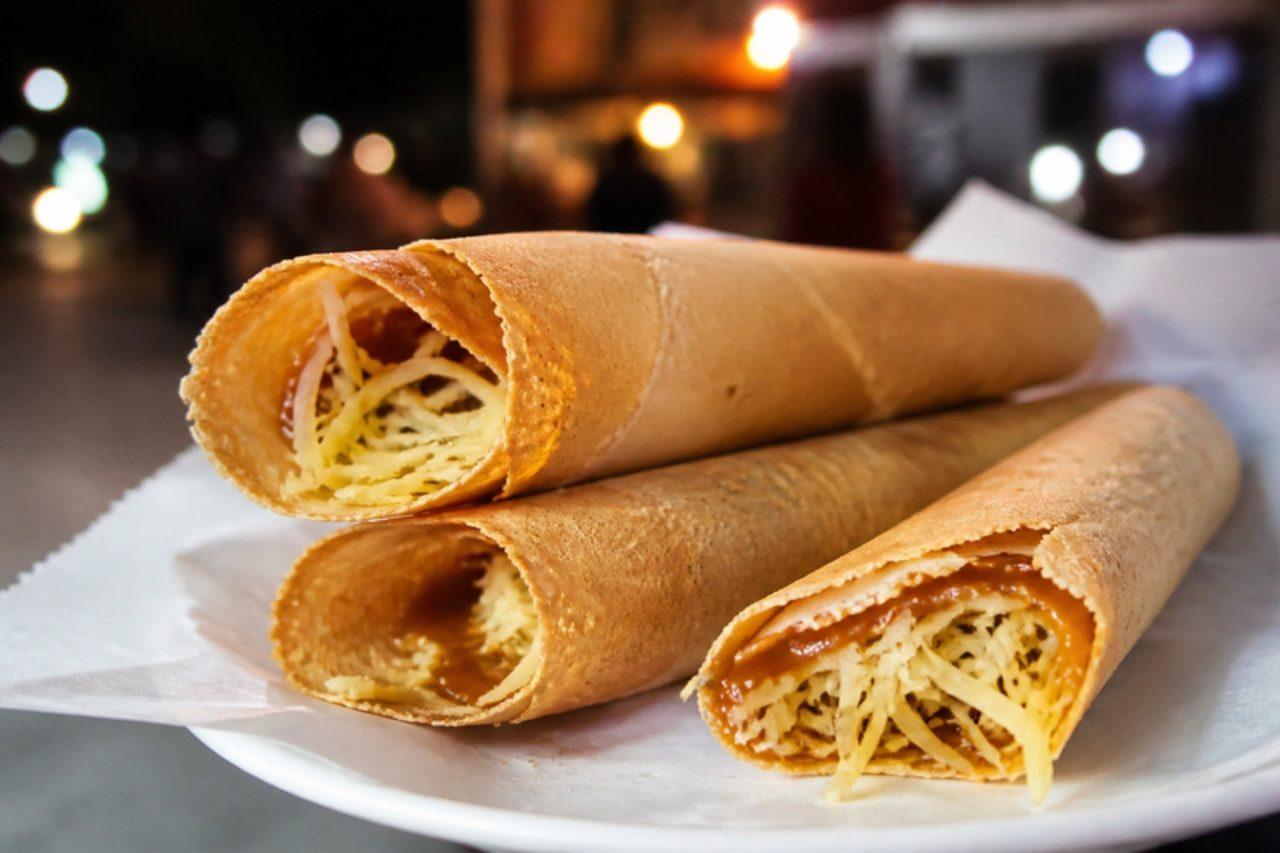
Marquesitas
Evening in Mérida's Plaza Grande means the smell of marquesitas: thin batter pressed in hot hinged irons until crisp, then rolled like a cigar around grated Edam cheese and a sweet filling such as cajeta, chocolate-hazelnut spread or jam. Edam came to the Yucatán through the port trade with the Netherlands and became part of the local cooking, and the salty-sweet combination is the whole point. At home you can cook them in a thin, wide frying pan. Edam is usually made with animal rennet, so check the label or use a vegetarian Gouda-style cheese. Chef's tip: roll while the crêpe is still in the pan and hot; within seconds it hardens and will crack.
 Mexican
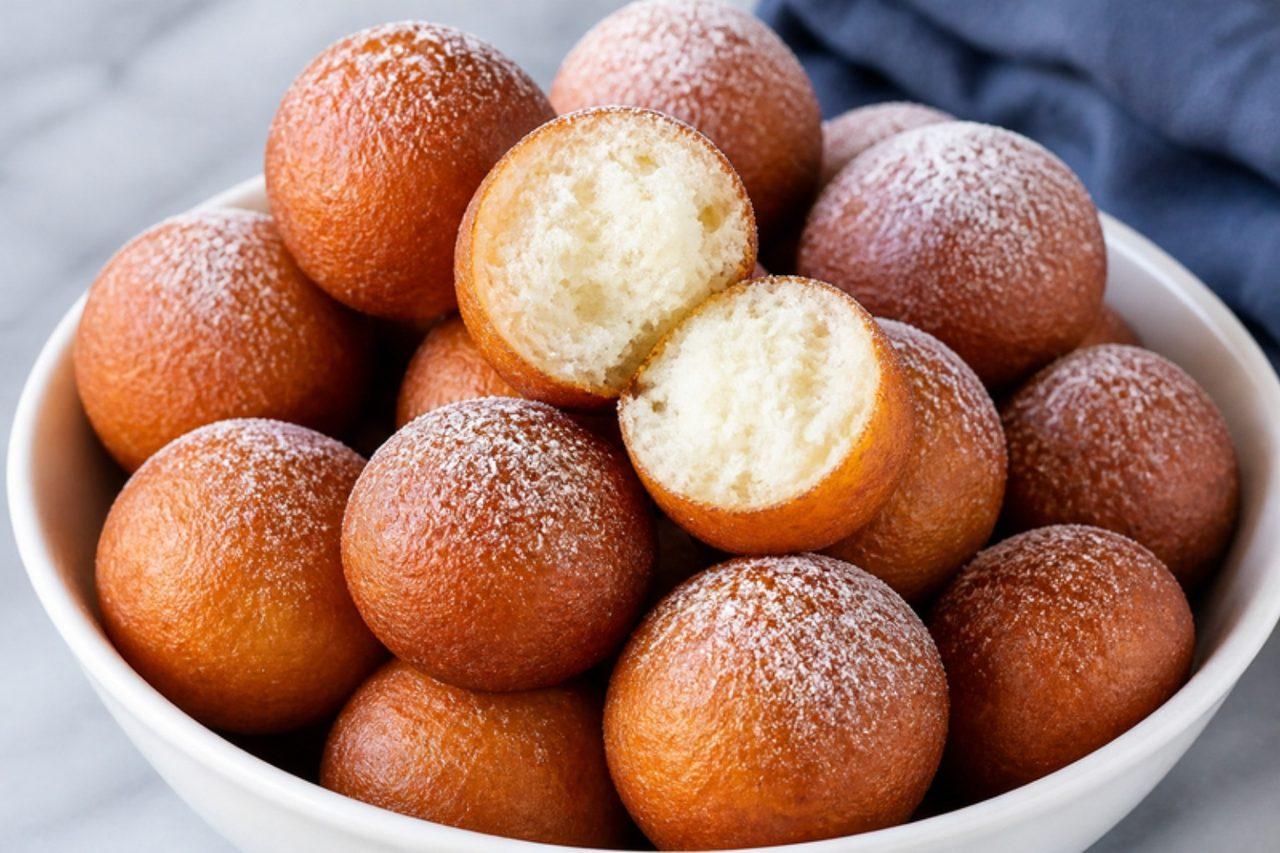
Puff puff
Puff puff is the snack of Nigerian parties, school gates and roadside stalls: a sweet yeast batter scooped by hand into hot oil, where it swells into soft, chewy, golden balls. Across the border in Ghana the same treat is called bofrot (or 'boflot'), often a little larger and spiced with more nutmeg, and sold in clear bags on Accra's streets; we treat them as one dish here. Eat them warm on their own, or with a dusting of sugar. Chef's tip: the batter is ready only when it has doubled and is full of bubbles; under-proved batter gives heavy, greasy balls.
 Nigerian
