Skip to content

Recipes with baobab leaf powder

4 recipes that use baobab leaf powder, with photos, step-by-step instructions and cook times. The quickest, Miyan kuka (baobab leaf soup), takes 35 minutes. It is most often cooked with onion, tomato and scotch bonnet chilli.

Got a few things in the fridge? Search by everything you have

Miyan kuka (baobab leaf soup)

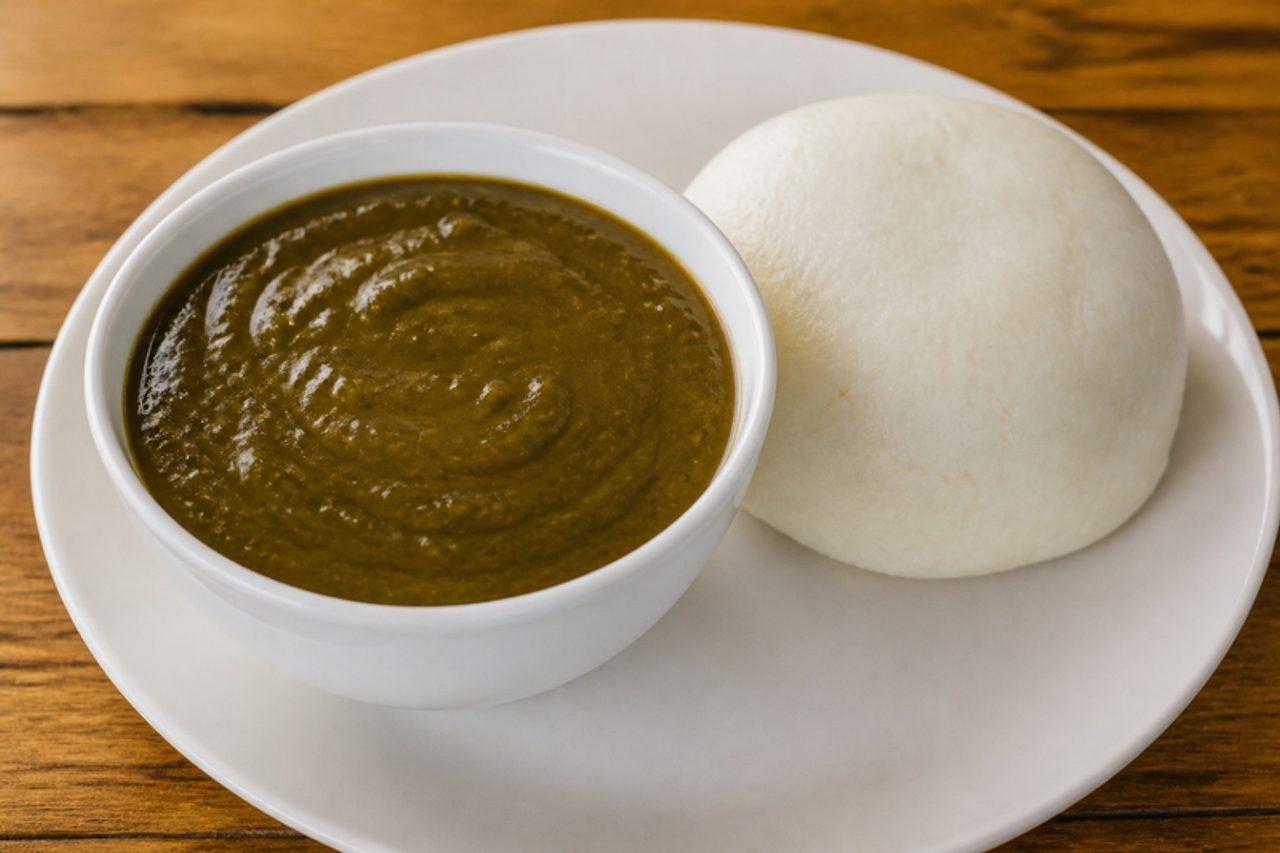
Dried baobab leaves, pounded to a fine green-grey powder, give miyan kuka its earthy, faintly tea-like taste and its slippery body, a little like okra. Northern households from Kano to Sokoto cook it as everyday food and pair it almost always with tuwon shinkafa or tuwon masara. Dried fish or a handful of meat often goes into the pot; this meat-free version, as many homes cook it when the budget is tight, gets its depth from dawadawa, onion and a peppery tomato base instead. A common mistake is tipping the kuka in all at once, which leaves stubborn green lumps; sift it in slowly while whisking. Chef's tip: once the kuka is in, simmer only 2–3 minutes, because long boiling dulls its colour and its fresh, grassy edge.

by KrazyBadal 0 views

Thiéré with vegetable sauce

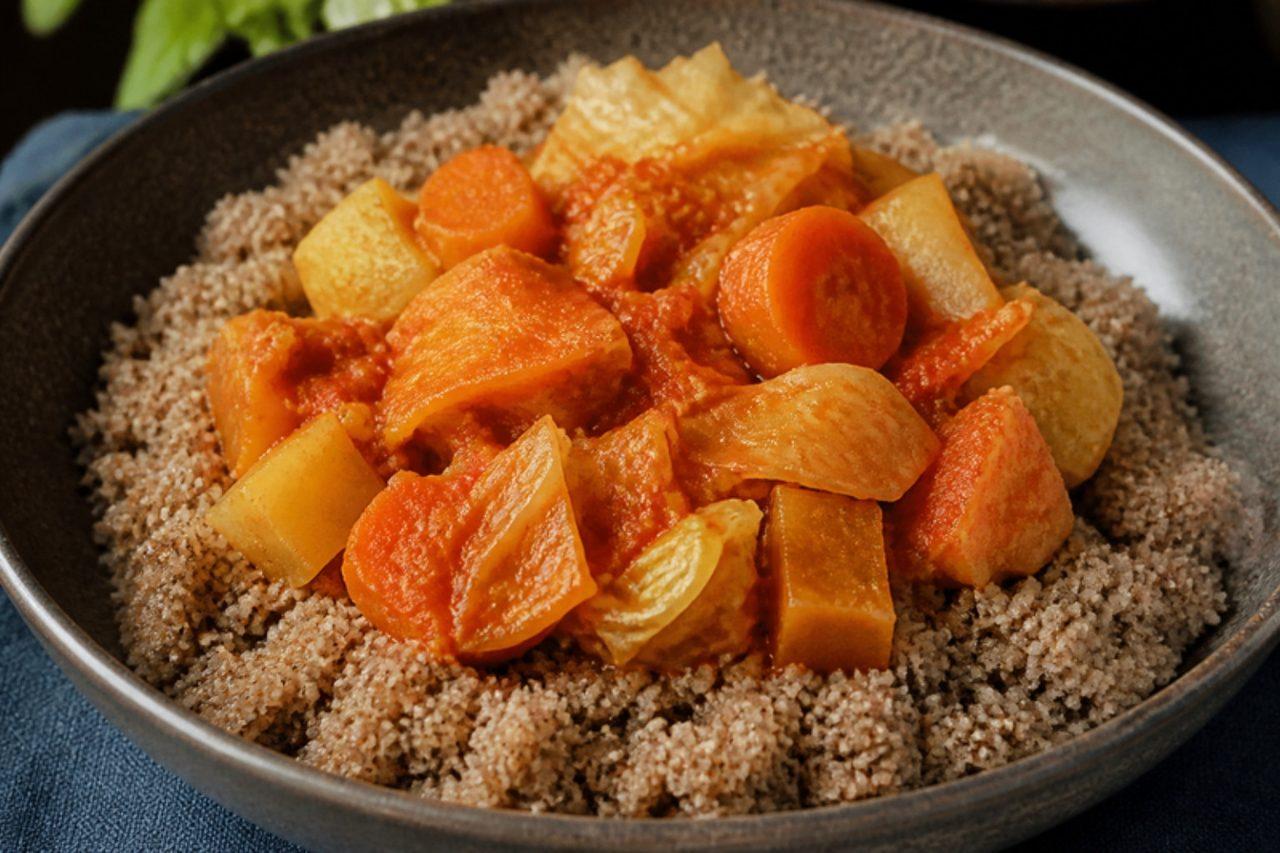
On the night of Tamkharit, the Muslim new year, families across Dakar and the Wolof heartland sit down to thiéré: fine millet couscous steamed until light, moistened with a rich sauce and eaten from a shared bowl, while children go door to door in costume afterwards. Most households add lamb or beef; this is the meat-free way, with cabbage, carrot, turnip, sweet potato and chickpeas in a tomato and black pepper broth. The millet is grainy, nutty and soft, the sauce soaks into it, and a whole Scotch bonnet adds perfume rather than burn if left unbroken. The usual mistake is steaming the millet only once, which leaves it gritty; it needs a second steaming after being moistened. Chef's tip: rub the couscous between your palms after the first steaming to break every clump; skipping this is why home thiéré turns heavy and lumpy.

by KrazyBadal 0 views

Danwake (bean flour dumplings)

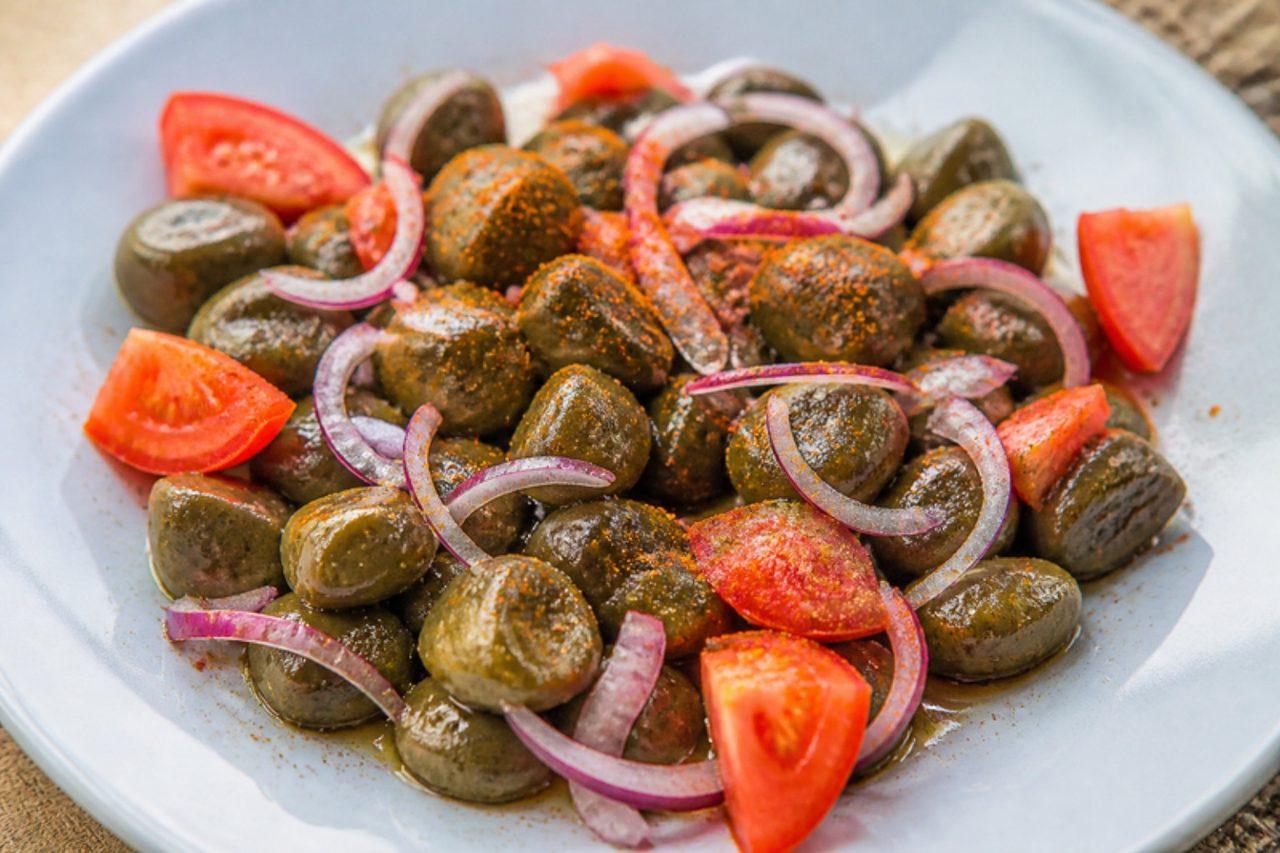
Roadside danwake sellers in Kano and Kaduna ladle the little dumplings out of big pots, then dress them on the plate with groundnut oil, a dusting of fiery yaji, raw onion and tomato. The dough is bean flour stiffened with baobab leaf powder and a pinch of potash or bicarbonate, which gives the dumplings their dark colour and springy bite. Boiled eggs are often served alongside; leave them out, as here, and the dish is fully vegan and still satisfying, thanks to the beans. A dough that is too soft falls apart in the water, so boil one test dumpling before you shape the rest. Chef's tip: drop the cooked dumplings into cold water straight away; it stops them sticking together and firms the surface.

by KrazyBadal 0 views

Bassi salté (festive millet couscous)

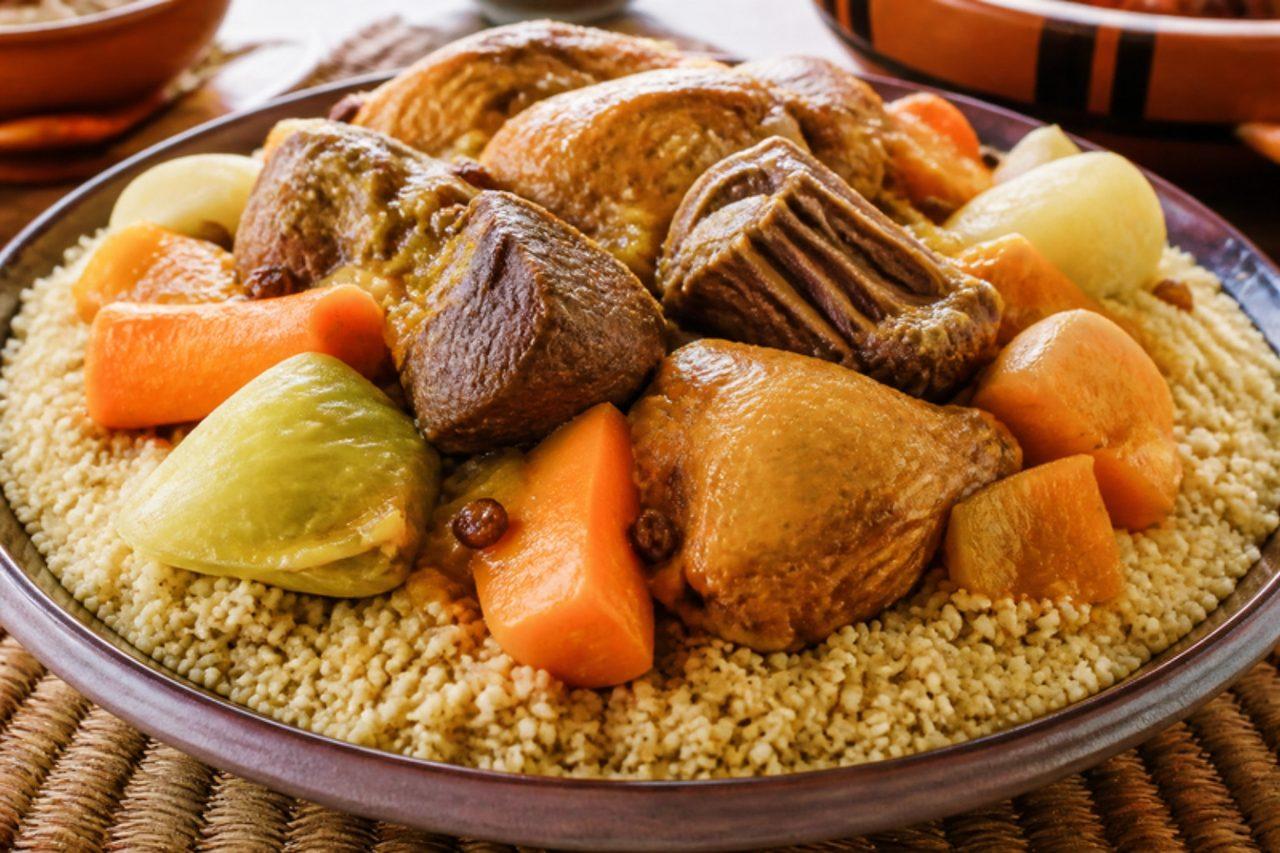
When a Senegalese family celebrates, a wedding, a baptism or a religious feast, bassi salté may well be the dish that comes out in huge enamel bowls. Fine millet couscous is steamed twice until feather-light, then crowned with lamb and chicken in a tomato-onion sauce with carrots, cabbage, turnips and sweet potato, and a sweet note from raisins. It is a long cook but most of it is simmering, and the reward is a dish that feeds a crowd: fluffy grains, rich sauce, tender meat and soft vegetables in every spoonful. Don't drown the millet when moistening it between steamings; it should be damp, not wet, or it turns into porridge. Chef's tip: cook the chicken only for the last 35 minutes and check that the thickest piece reaches 74 °C; added at the start with the lamb, it overcooks to dry shreds while the lamb is still tough.

by KrazyBadal 0 views

Goes well with baobab leaf powder