Skip to content

Recipes with whole black urad

4 recipes that use whole black urad, with photos, step-by-step instructions and cook times. The quickest, Chainsoo, takes 65 minutes. It is most often cooked with coriander, ginger and cumin seeds.

Got a few things in the fridge? Search by everything you have

Teliya maah

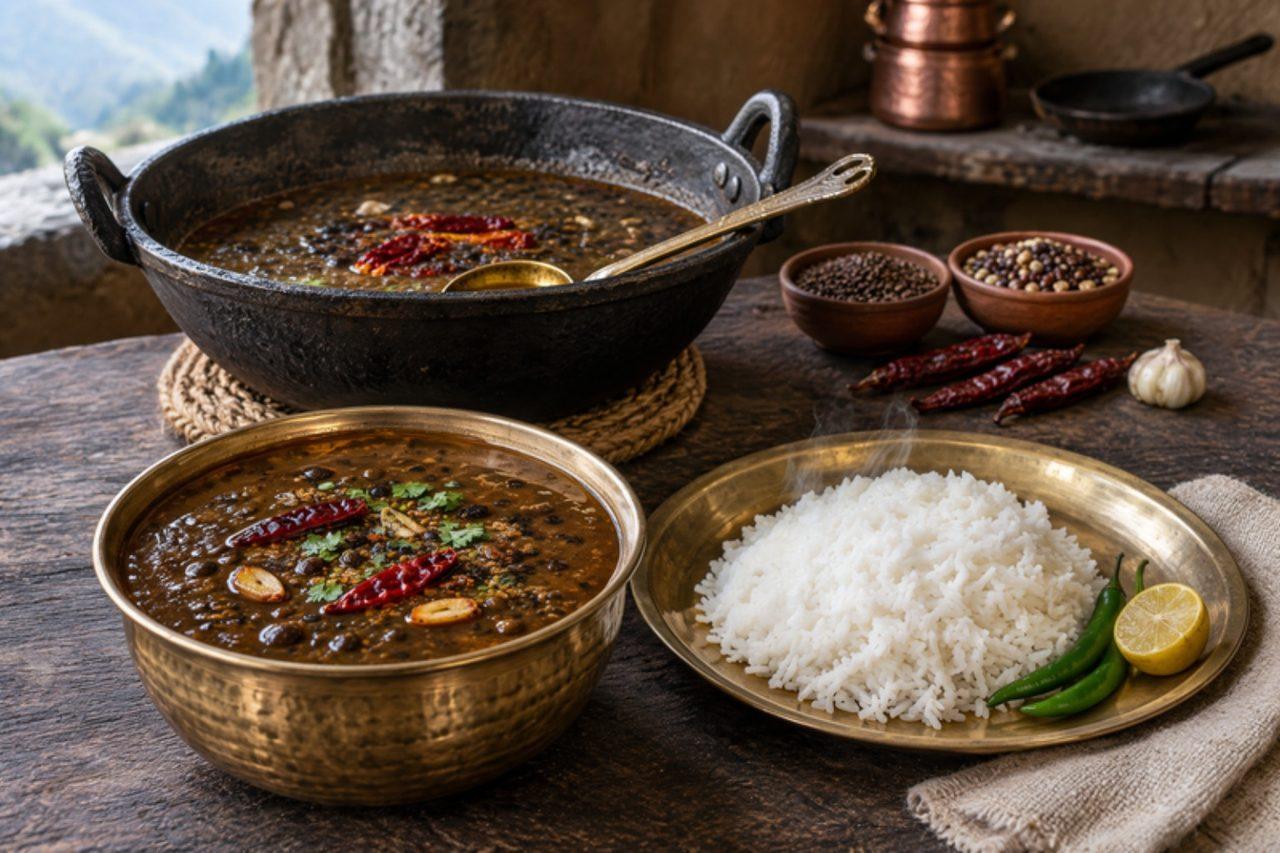
Teliya maah is one of the dishes of the Himachali dham, the feast cooked by hereditary cooks (botis) in big brass pots for weddings and temple fairs in Mandi, Kangra and Chamba, and served on leaf plates with rice. Whole black urad is cooked slowly with plenty of mustard oil, whole spices, ginger and fennel until each bean is soft but whole and glossy with oil; like most dham dishes, it uses no onion or garlic. Serve with rice and a sour madra or khatta. The usual mistake is stirring hard once the urad is soft, which turns it into a mushy dal instead of separate, oily beans. Slow-cooker option: put the soaked urad, spices and water on low for 8 hours, then finish uncovered on the hob. Chef's tip: heat the mustard oil until it smokes, then let it cool for a minute, which takes away its raw bite before the spices go in.

by KrazyBadal 0 views

Kumaoni ras

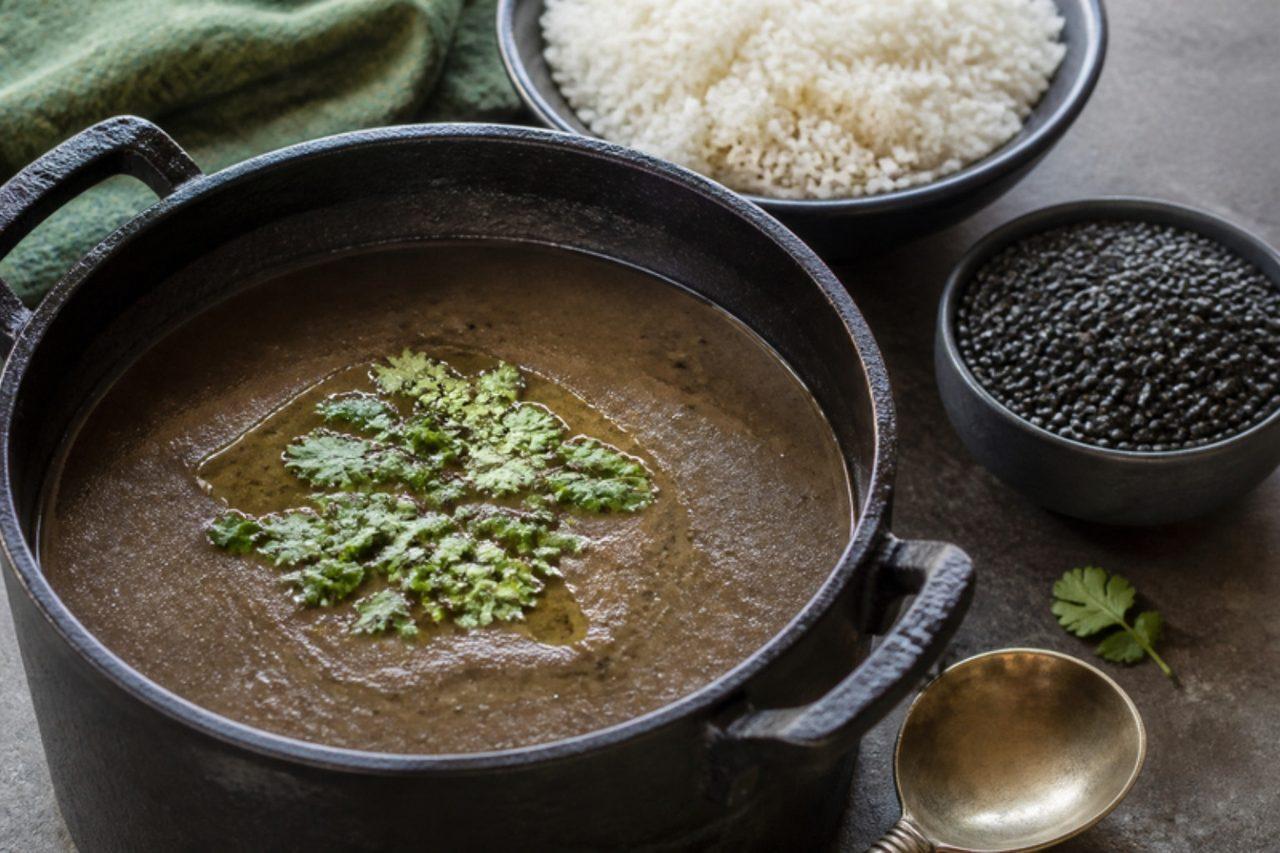
In the hill villages of Kumaon in Uttarakhand, ras is cooked through the cold months in a heavy iron kadhai that sits on the fire for hours; the iron turns the broth dark and earthy, and families drink it with rice or mandua (finger millet) roti. Several whole dals, here horse gram (gahat), black soybeans (bhatt), black urad and green moong, are simmered until their liquid becomes a rich, brown, silky broth, lightly thickened with ground rice and finished with a crackling mustard-oil tempering of jakhya seeds. The cooked dal solids are eaten too, as a dry side. The usual mistake is hurrying: the broth needs long, slow simmering to turn silky and full-flavoured. Chef's tip: jakhya (wild mustard seed) is sold in Uttarakhand shops; cumin is a fair stand-in.

by KrazyBadal 0 views

Chainsoo

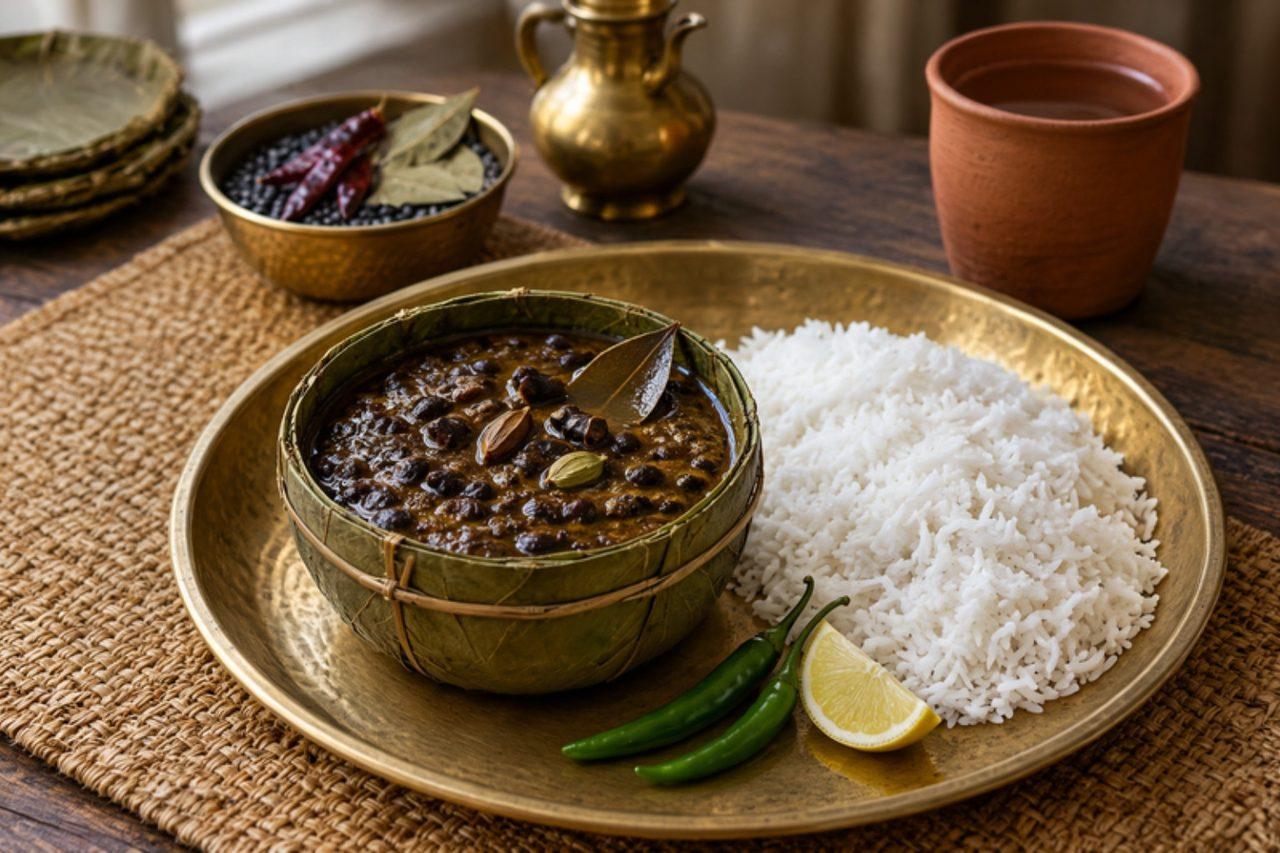
Chainsoo comes from the Garhwal hills, where whole black urad is roasted in a dry pan until it smells like toasted bread, ground coarsely on a hand mill and cooked into a thick, smoky dal. It is a winter dish: heavy, warming and full of protein, eaten with plain rice or jhangora and a drizzle of ghee for anyone who isn't keeping it vegan. Village cooks make it in a lohe ki kadhai, the iron pan that turns it almost black. The texture should be grainy and spoonable, somewhere between a dal and a porridge. Chef's tip: roast the urad slowly over a medium-low heat; the moment it turns from golden to dark brown it tastes bitter, so keep stirring and pull it off early.

by KrazyBadal 0 views

Babru

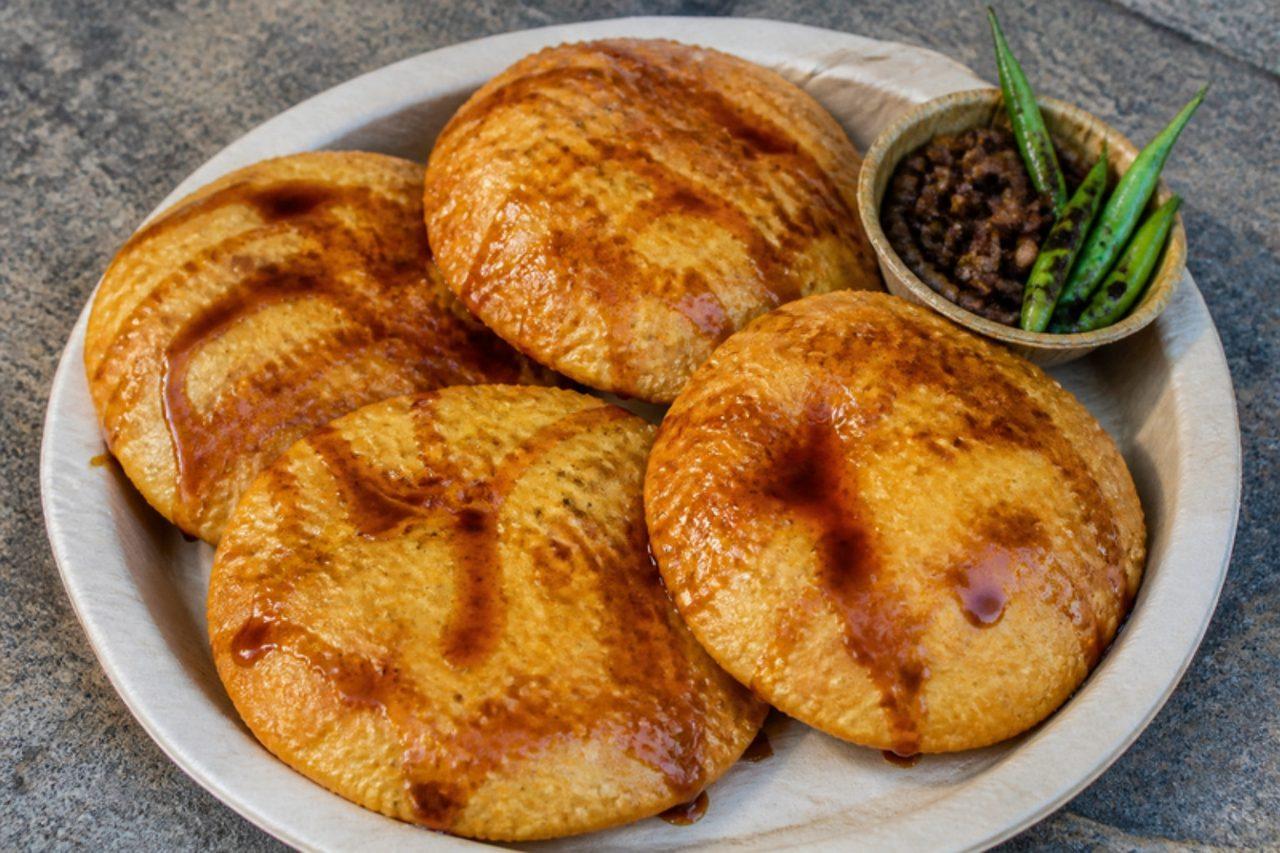
Ask anyone who grew up in Shimla about babru and they will mention a paper plate of them in the Lower Bazaar, still puffing from the oil, with a ladle of dark tamarind chutney poured over. Unlike Uttar Pradesh's flaky urad kachori, babru is made from a soft, yeasted wheat dough, so it fries up light and bready, and it is pressed flat and wide rather than shaped into a ball. The filling is whole black gram, soaked and ground with ginger and green chilli. In Himachal homes it is a tea-time and festival snack, and it travels well in a tiffin. Chef's tip: grind the dal coarse and thick, like hummus; a runny paste leaks and makes the babru greasy.

by KrazyBadal 0 views

Goes well with whole black urad