Skip to content

Recipes with bouquet garni

7 recipes that use bouquet garni, with photos, step-by-step instructions and cook times. The quickest, Estocaficada (stockfish niçois), takes 105 minutes. It is most often cooked with garlic, onion and carrot.

Got a few things in the fridge? Search by everything you have

Estocaficada (stockfish niçois)

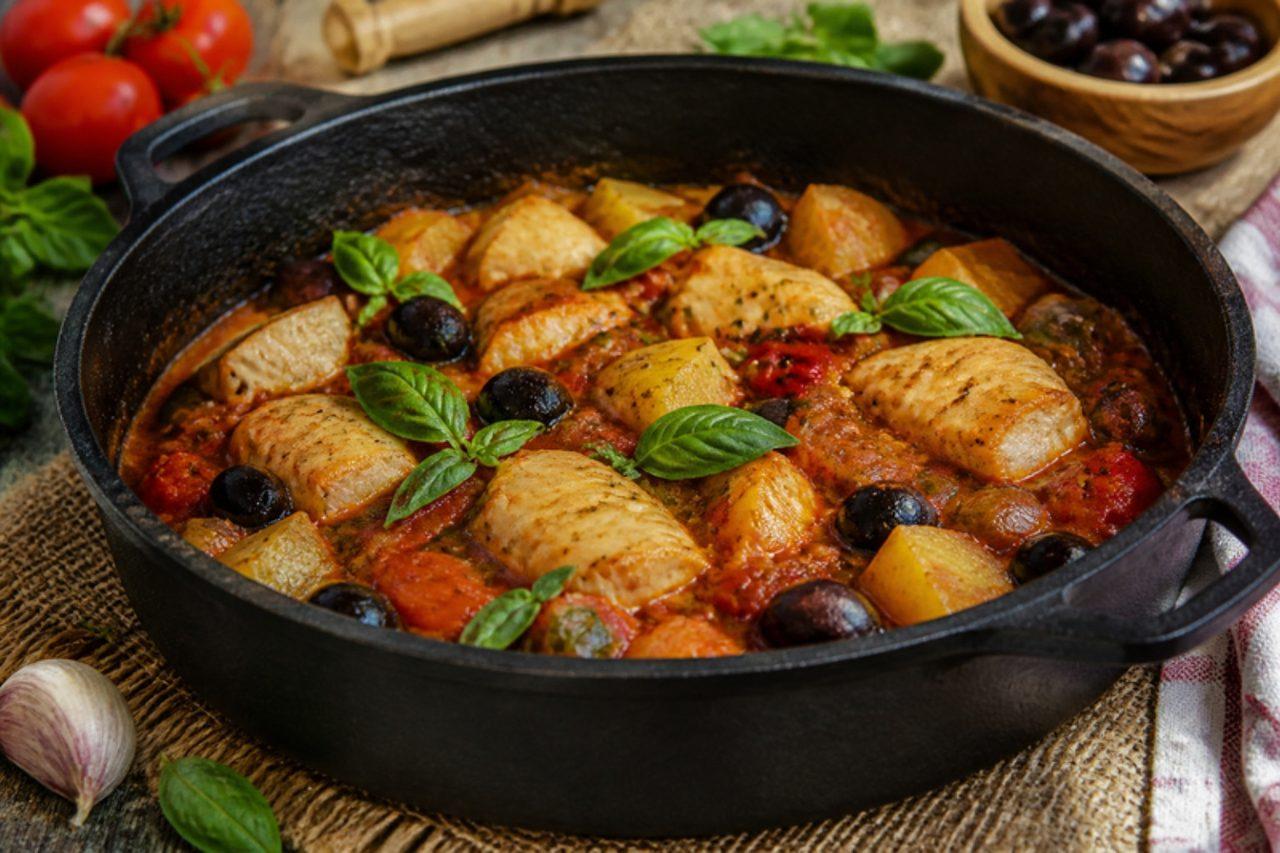
Estocaficada is the old winter dish of Nice's port and old town, where Norwegian stockfish arrived in exchange for olive oil and wine centuries ago; it is still cooked for family Friday lunches and at the city's food festivals. Air-dried cod is rehydrated and stewed slowly with tomatoes, onions, peppers, black olives and potatoes, giving a rich, rust-red stew with a deep, almost meaty flavour. True stockfish is hard to find outside specialist shops and needs 4–5 days of soaking, so this recipe uses salt cod, which is easier and gives a gentler result; the note explains both. Serve in deep plates with crusty bread for the sauce. Chef's tip: add the cod at the end and keep it at a gentle simmer so it stays in juicy flakes rather than turning rubbery.

105 minFrenchFishGluten free
by KrazyBadal 0 views

Lamproie à la bordelaise (with eel)

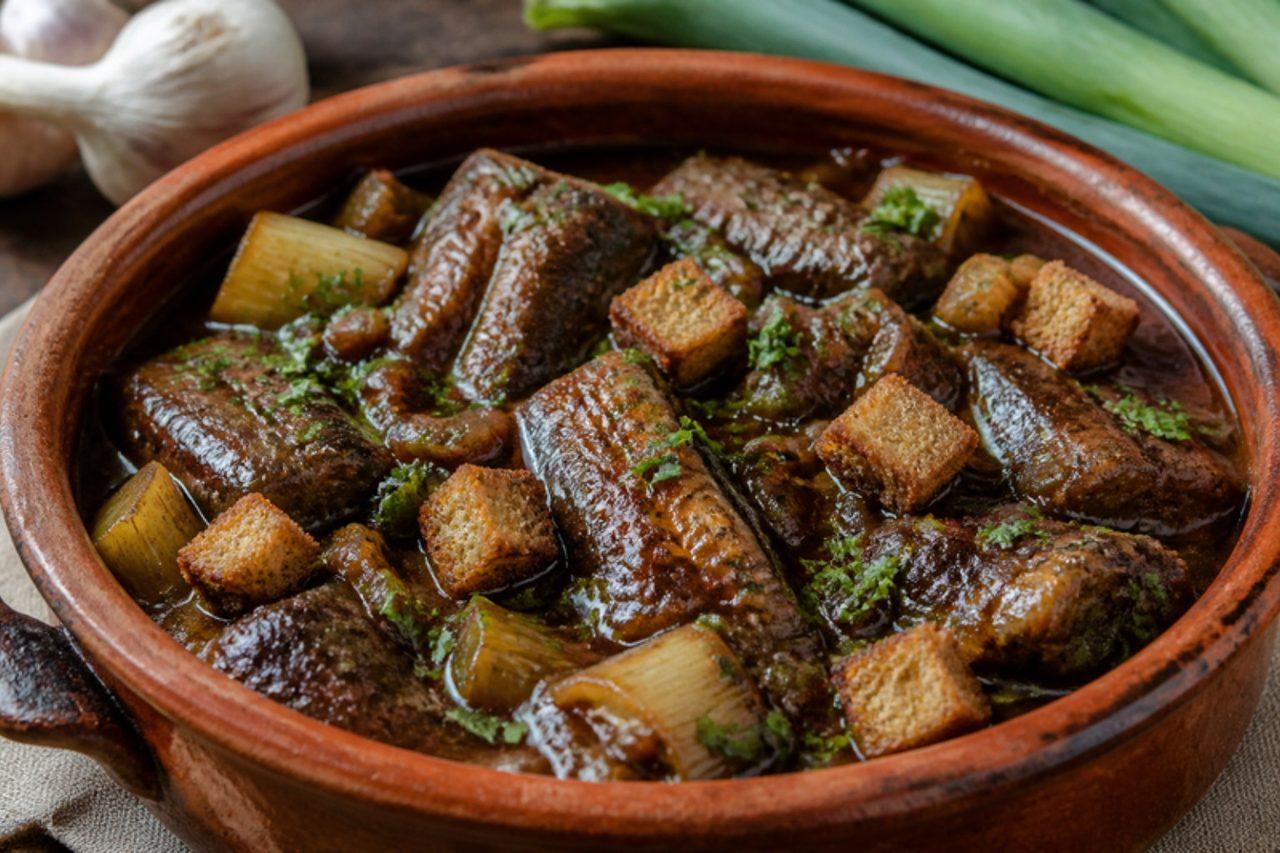
In the Gironde, the spring run of lampreys up the Garonne and Dordogne is celebrated in Sainte-Terre and the villages of the Entre-deux-Mers, where the fish is stewed slowly in red wine with masses of leeks. Lamprey is rare, seasonal and protected in many places, so this is a practical version made with eel (or firm monkfish), which gives the same rich, dark, glossy stew; traditionally the sauce is thickened with the lamprey's own blood, and here a little roux and a square of dark chocolate do that job. It tastes deep and winey, with sweet melting leeks. The dish uses red wine; the ingredient note gives an alcohol-free version. Serve with garlic croutons or boiled potatoes. Chef's tip: ask the fishmonger to skin and cut the eel, and keep it cold until the moment it goes into the sauce.

110 minFrenchFish
by KrazyBadal 0 views

Garbure

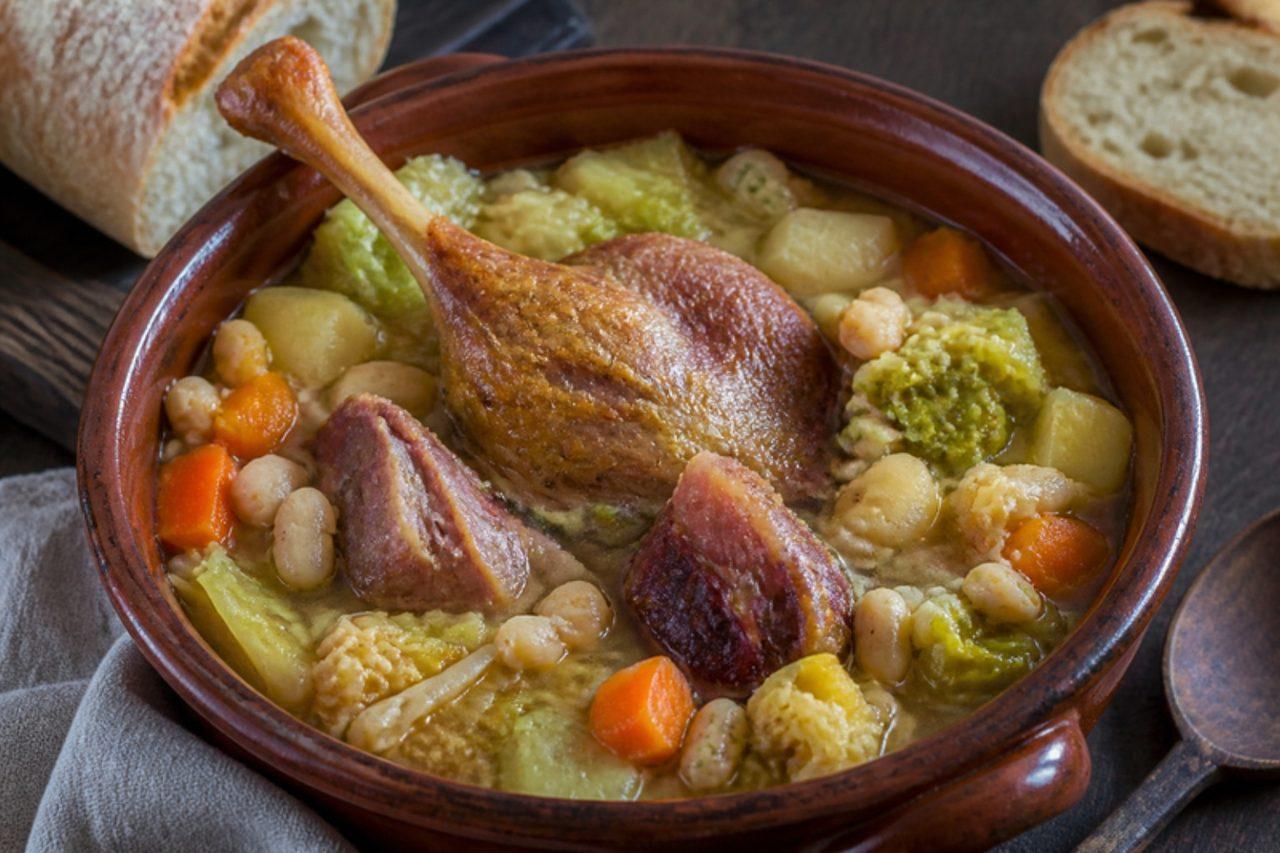
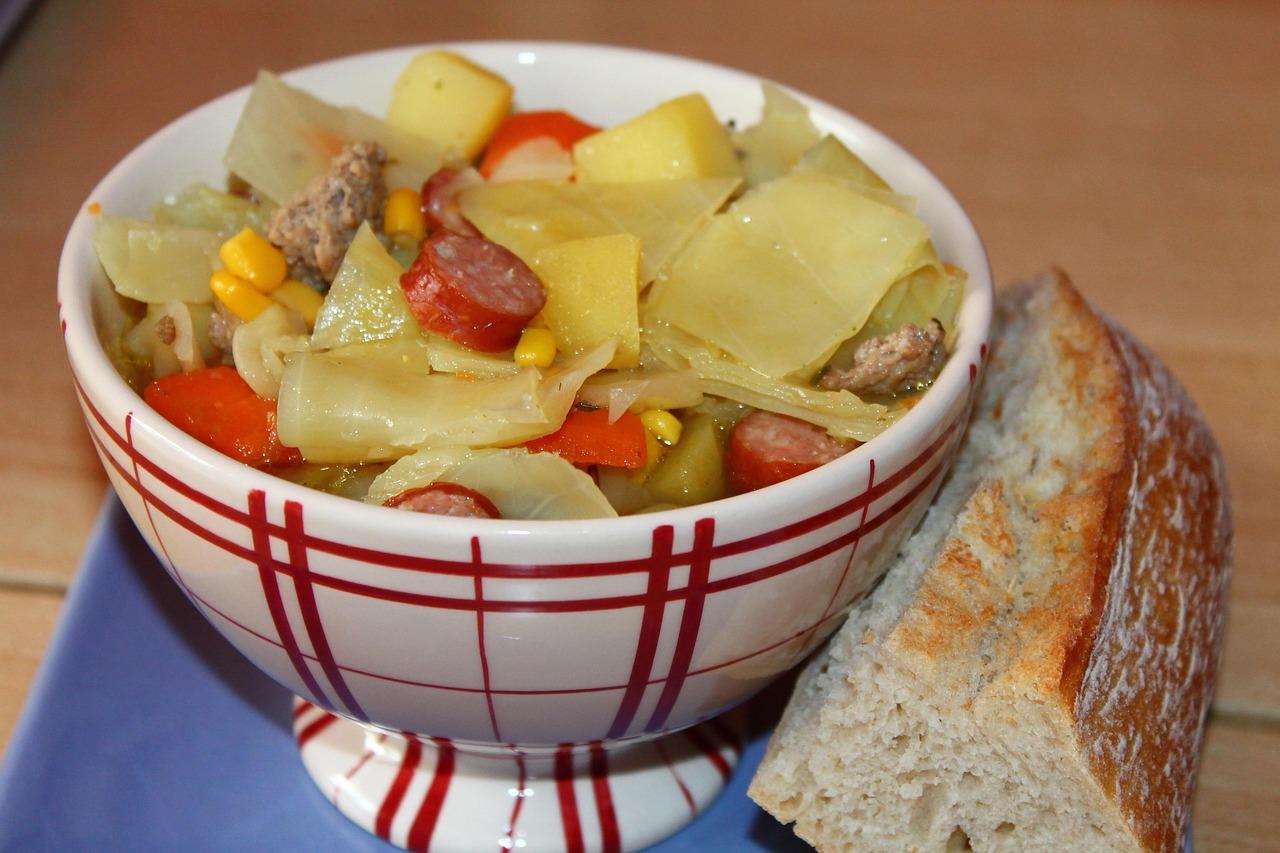
Shepherds in the Béarn valleys and farmers across Gascony have eaten garbure through the cold months for centuries, and it is still the centrepiece of village rugby-club suppers and winter fêtes. It is a soup so thick that, as people in Pau like to say, the ladle should almost stand up in it: white beans, cabbage, potatoes, leeks and turnips cooked down slowly, finished with pieces of duck confit warmed through in the pot. A ham hock is often added too; that version is a pork dish as well as a duck one, so leave it out if you need to. Serve it in deep bowls with thick slices of country bread. Chef's tip: hold back the salt until the very end, because confit duck and ham hock both season the soup as they warm.

180 minFrenchSoupsGluten free
by KrazyBadal 0 views

Daube provençale

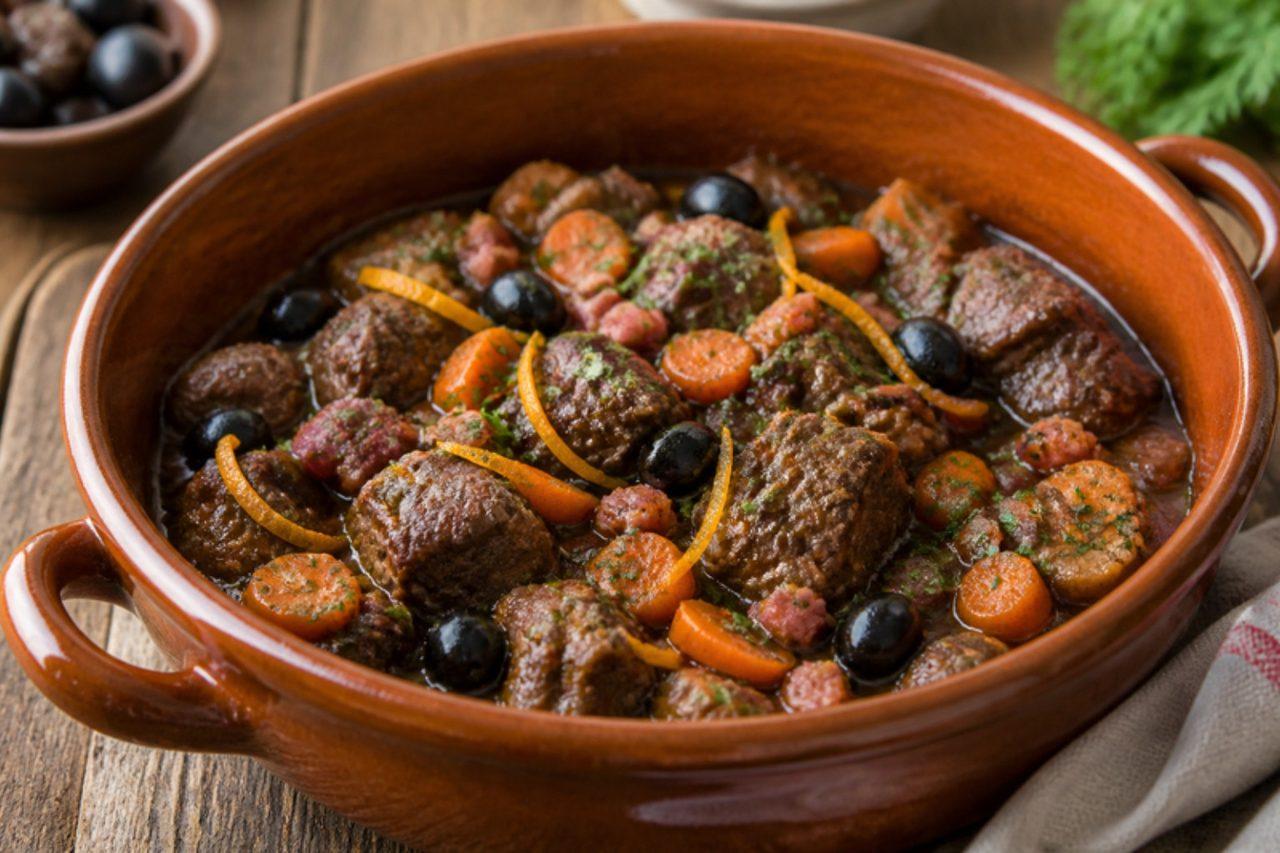
In Provence the daube is the Sunday and winter-feast dish, traditionally simmered all morning in a pot-bellied clay daubière at the edge of the fire. Chunks of beef are marinated overnight in the fridge with red wine, garlic, herbs and a strip of orange peel, then braised slowly with black olives until the sauce turns dark, glossy and fragrant with citrus. It uses red wine, and the ingredient note gives an alcohol-free version; the optional smoked lardons make it a pork dish too. In Avignon and Nice the leftover sauce dresses macaroni (the macaronade), but polenta or plain boiled potatoes are just as good. Chef's tip: make it a day ahead; it tastes even better reheated, and the fat is easy to lift off once cold.

250 minFrenchMeatGluten free
by KrazyBadal 0 views

Kig ha farz

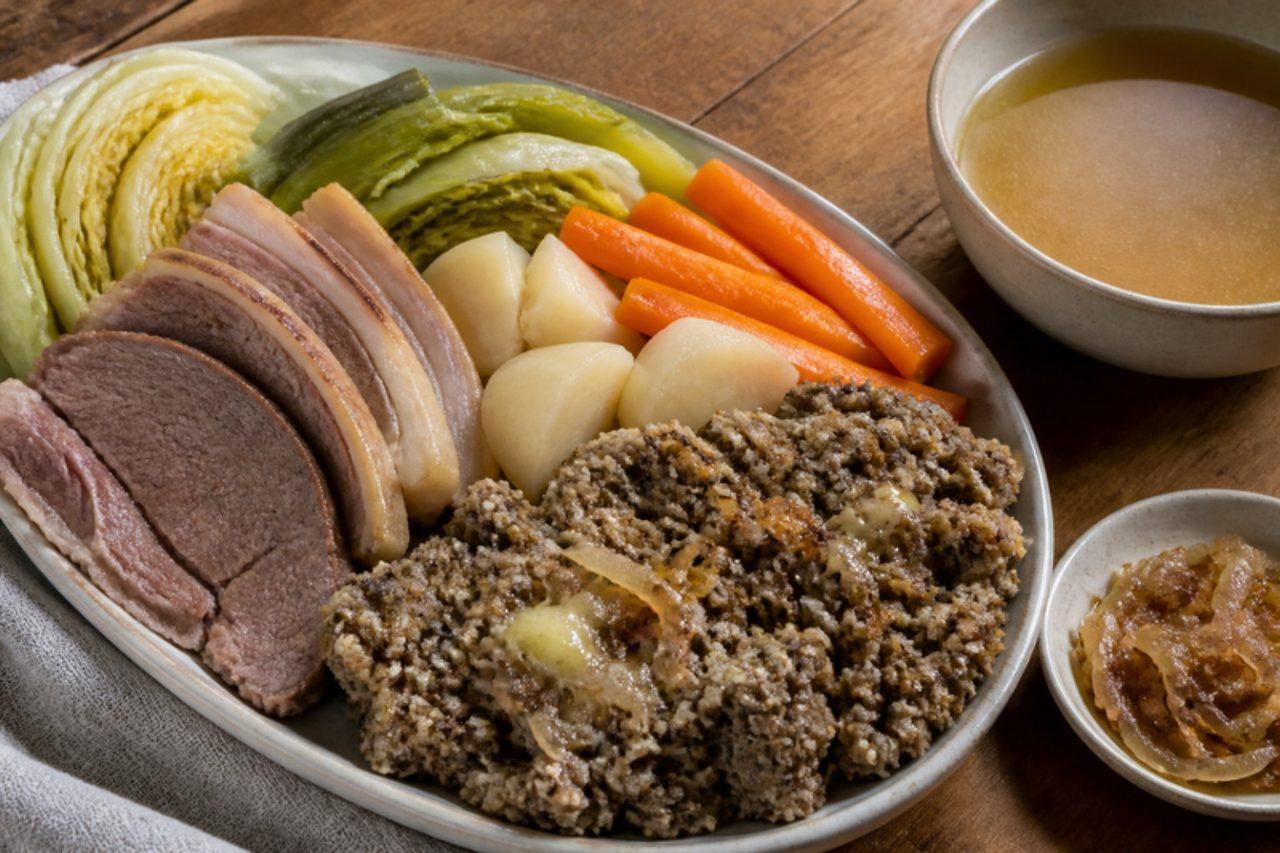
Kig ha farz, "meat and stuffing" in Breton, belongs to the Léon country of north Finistère, where it is still the big shared dish of village fêtes, rugby-club dinners and family gatherings. Beef shin and salt pork belly simmer for hours with cabbage, carrots, leeks and turnips, and in the same pot sits a cotton bag of buckwheat batter that cooks into a dense, nutty pudding. The pudding is crumbled and served with the meats and vegetables, often with lipig, a sauce of shallots melted in butter. Chef's tip: tie the cloth bag loosely, leaving room for the batter to double, or the pudding turns heavy and rubbery.

250 minFrenchMeat
by KrazyBadal 0 views

Potée lorraine

In Lorraine farmhouses around Nancy and the Vosges foothills, the potée simmered on the stove through winter and fed the household after a cold morning outside. It is a pork dish through and through: smoked pork shoulder, smoked belly and a garlic sausage gently poached with a whole green cabbage, carrots, turnips, leeks and white beans until the broth is smoky and the vegetables melt. The broth is ladled out first, sometimes over toasted bread, and the meat and vegetables follow with mustard and gherkins. Chef's tip: blanch the cabbage for five minutes before adding it to the pot, which takes away its sulphurous edge and keeps the broth sweet.

180 minFrenchMeat
by KrazyBadal 0 views

Cassoulet

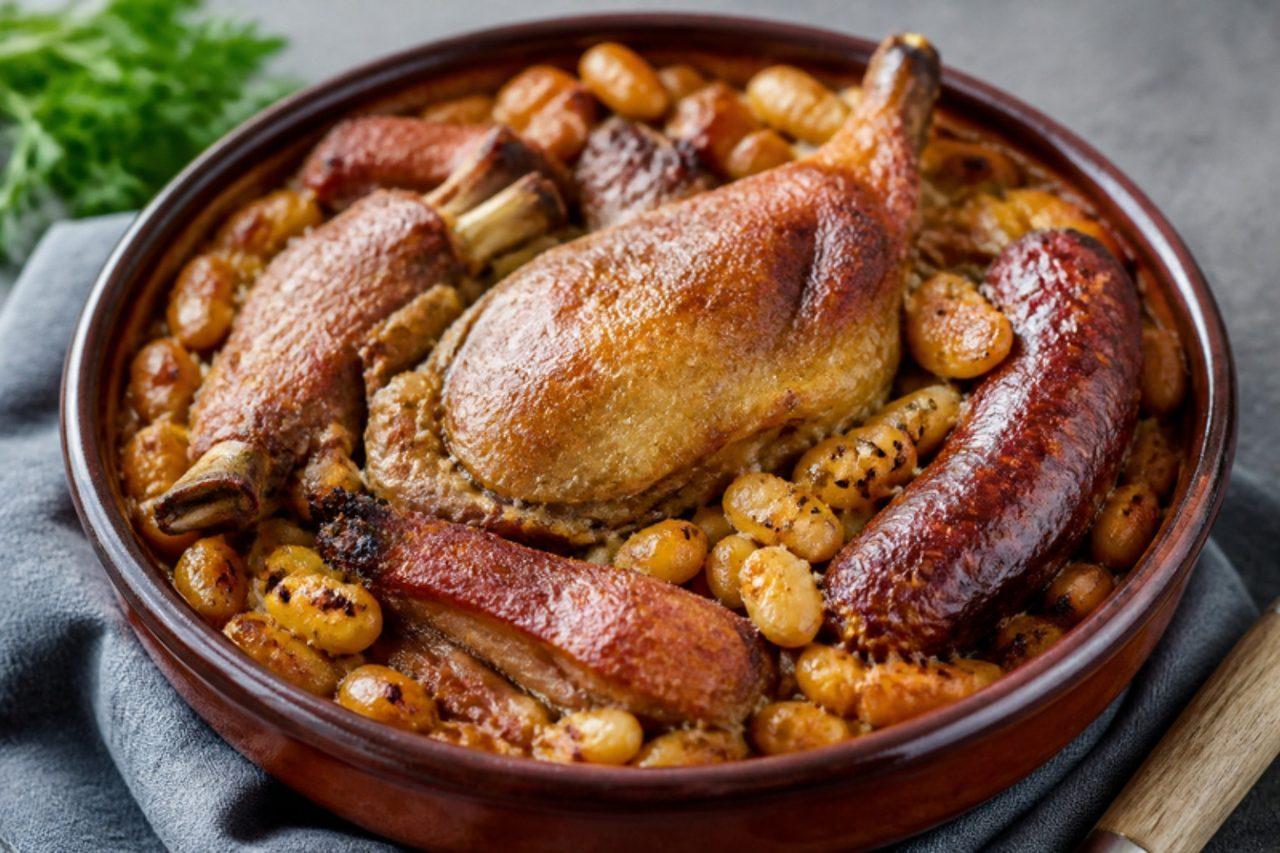
Cassoulet is the great winter feast of the Languedoc, and the towns of Castelnaudary, Carcassonne and Toulouse still argue over who makes it best. Contains pork: white beans cook with pork rind and belly, then bake for hours with duck confit and garlicky Toulouse sausages in a deep earthenware dish until a dark crust forms on top. It takes two days at a relaxed pace and feeds a crowd. Serve with nothing more than a green salad. Chef's tip: break the crust and push it under several times while it bakes; each new crust adds flavour and body.

280 minFrenchMeatGluten free
by KrazyBadal 0 views

Goes well with bouquet garni