Skip to content

Recipes with burdock root

3 recipes that use burdock root, with photos, step-by-step instructions and cook times. The quickest, Takikomi gohan, takes 50 minutes. It is most often cooked with mirin, soy sauce and boneless chicken thigh.

Got a few things in the fridge? Search by everything you have

Tōge no kamameshi

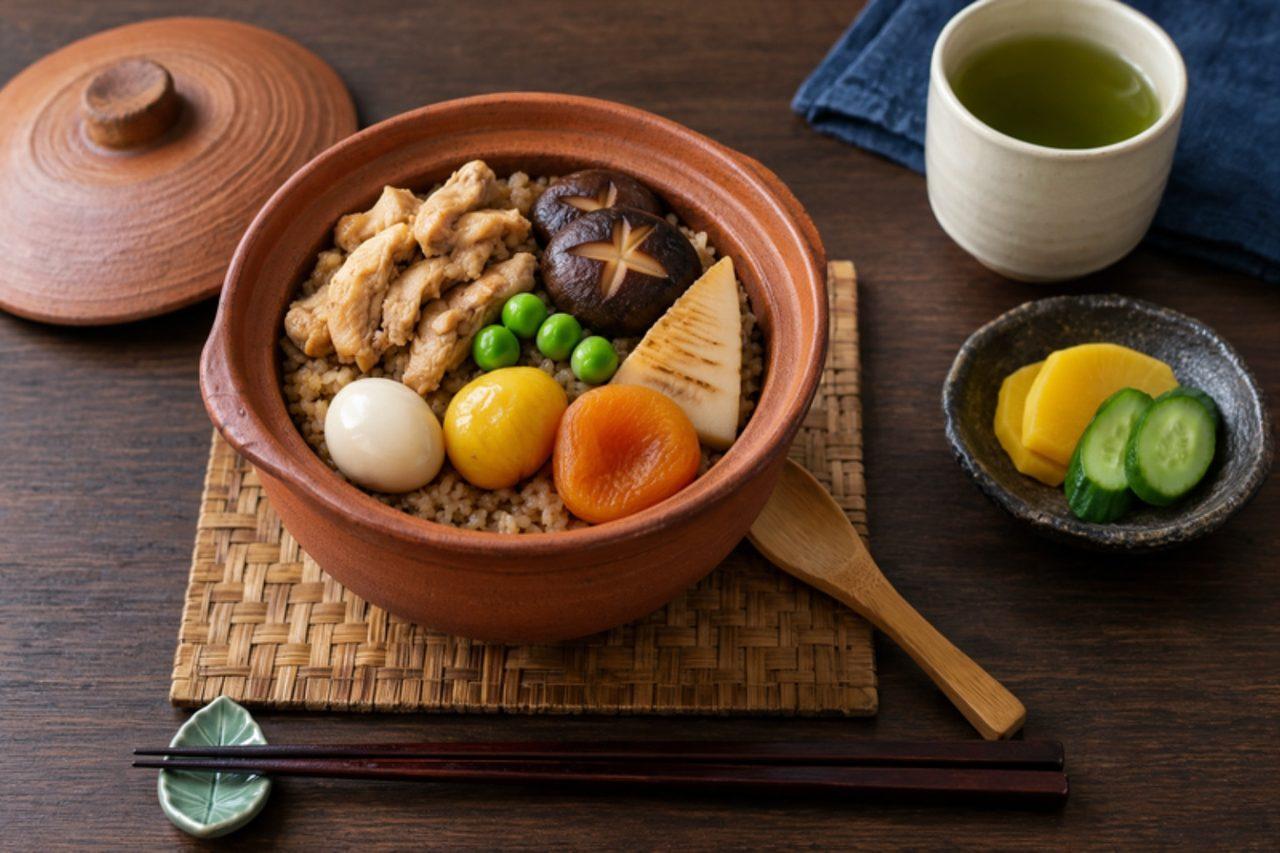
At Yokokawa Station in Gunma, at the foot of the Usui Pass, travellers have bought tōge no kamameshi since 1958: a little clay pot of rice cooked in soy-seasoned dashi and crowded with chicken, shiitake, bamboo shoot, burdock, a sweet chestnut, a dried apricot and a quail egg. It tastes just as good at room temperature on a train. The seasoning includes mirin, a sweet rice wine that bubbles away as it cooks; for alcohol-free, use 1 tbsp sugar instead. The common mistake is lifting the lid while the rice cooks, which lets the steam out and leaves the grains hard. Chef's tip: simmer the chicken and mushrooms first and use that liquid to cook the rice, so every grain tastes of them.

by KrazyBadal 0 views

Kiritanpo nabe

In Akita, in Japan's snowy north-west, the new rice harvest in October marks the start of kiritanpo season, and the town of Odate holds a festival for it every autumn. Freshly cooked rice is half-pounded, pressed around sticks and toasted, then cut up and dropped into a soy-seasoned chicken broth with burdock, maitake mushrooms and crunchy Japanese parsley called seri. Locals use the region's Hinai-jidori chicken; any good free-range bird works. The toasted rice soaks up the broth but keeps a little chew. Chef's tip: toast the rice sticks until dry and golden in patches all over, as a crisp outer skin keeps them from dissolving in the pot.

by KrazyBadal 0 views

Takikomi gohan

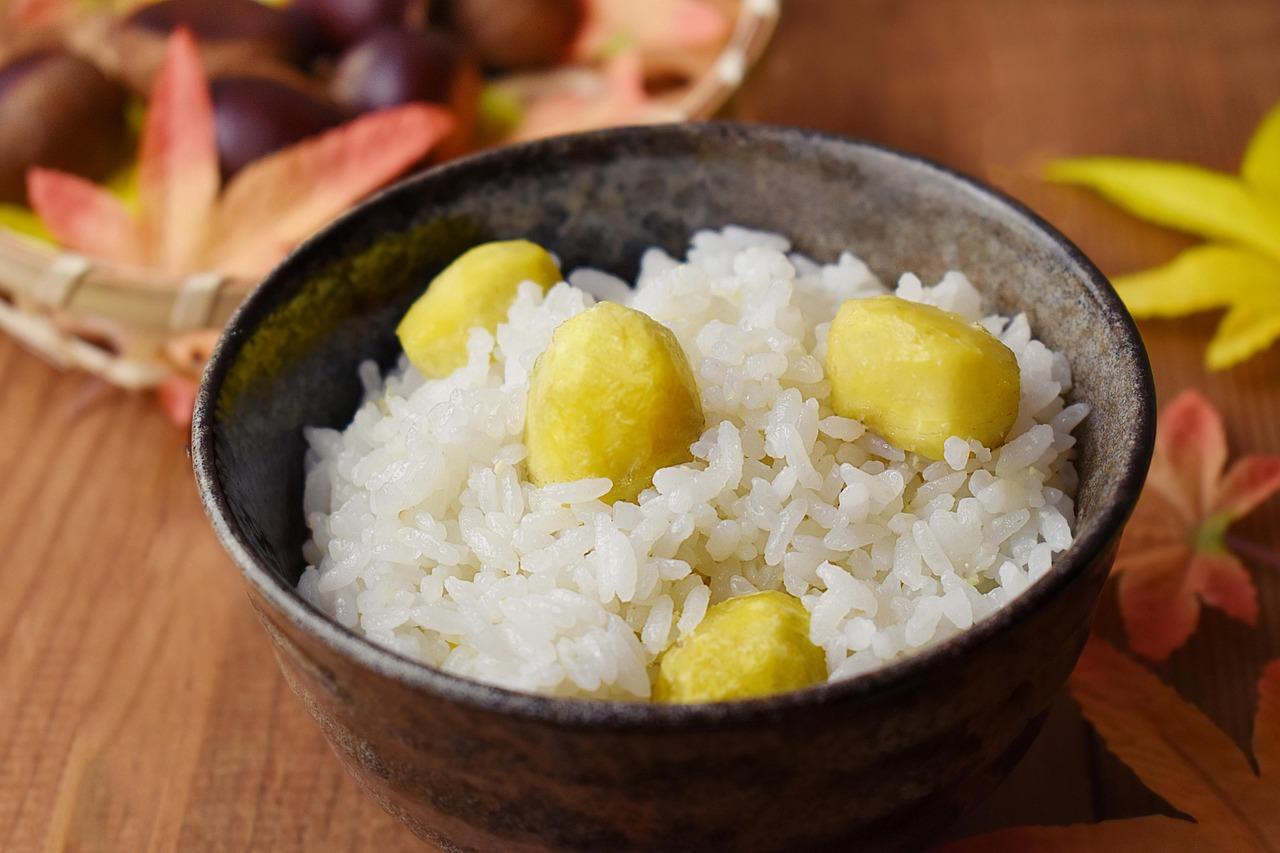
Takikomi gohan (炊き込みご飯) is mixed rice cooked in one pot with seasonal vegetables and a savoury broth, made in homes across Japan, especially in autumn when mushrooms and chestnuts are in season. Every grain soaks up the soy, mirin and mushroom flavour, and the bottom forms a prized toasty crust (okoge). This vegetarian version uses a kombu and shiitake dashi. Serve it with miso soup and pickles, or pack it into onigiri the next day. Chef's tip: never stir once the vegetables are on top, and don't lift the lid while it cooks. The heavy vegetables would sink and the rice cook unevenly; leaving it alone also gives you the toasty okoge crust at the bottom.

by KrazyBadal 0 views

Goes well with burdock root