Skip to content

Recipes with chilled water

8 recipes that use chilled water, with photos, step-by-step instructions and cook times. The quickest, Masala chaas, takes 10 minutes. It is most often cooked with ice cube, black salt and sugar.

Got a few things in the fridge? Search by everything you have

Kulukki sarbathShaken lime cooler

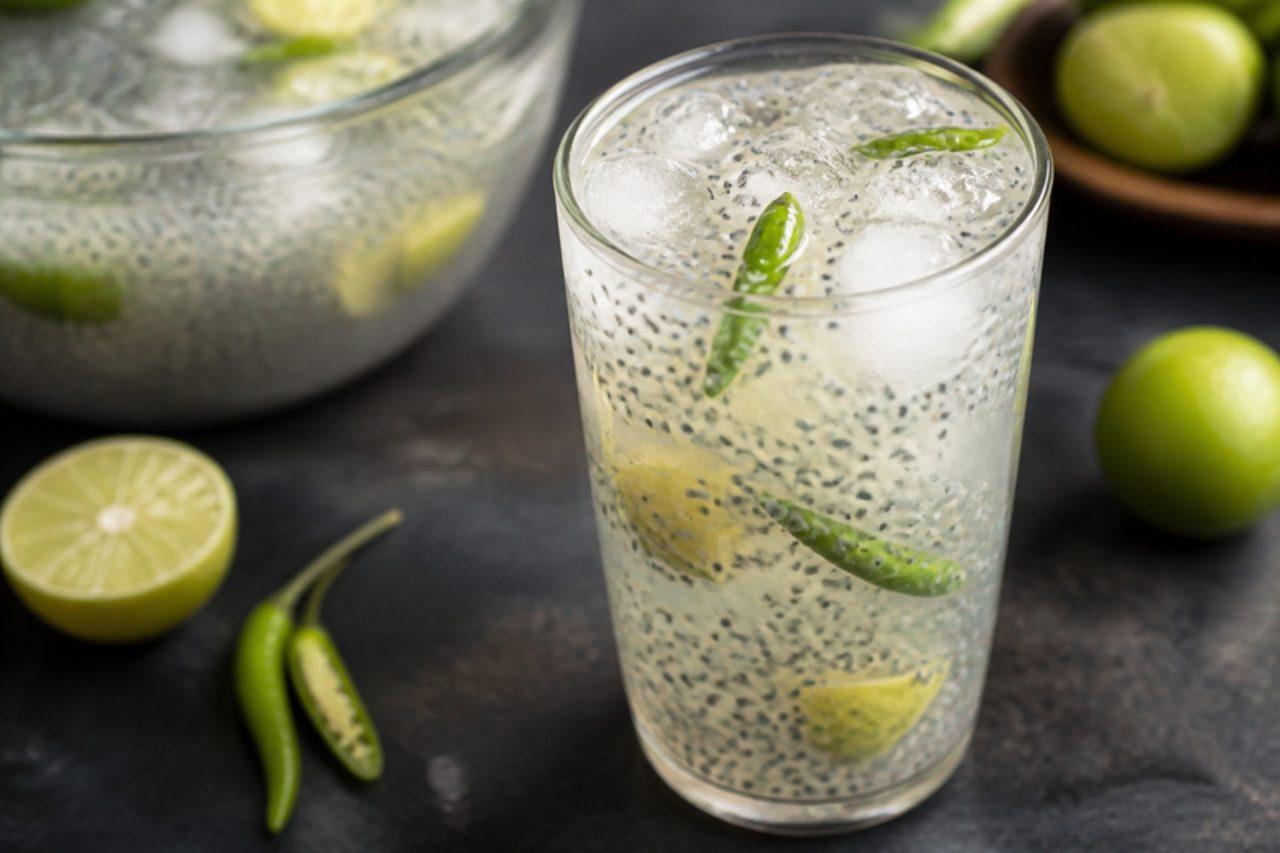
Kulukki means shaken, and the show is half the fun: at roadside stalls in Kozhikode, Kochi and Thrissur, the vendor drops lime, a slit green chilli, basil seeds, syrup and ice into a tall steel tumbler, caps it with another and rattles it furiously before pouring a frothy glass. The drink became a craze across Kerala in the 2010s and is now a beach and festival favourite. It tastes sharp, sweet, salty and then hot as the chilli catches the back of your throat. Some stalls add pineapple or passion fruit. The common mistake is crushing the lime and chilli too hard or leaving them to sit, which makes the drink bitter from the peel and far too fiery; shake briefly and pour at once. Chef's tip: use a jar with a tight lid half filled with ice; the ice does the crushing and makes the foam.

by KrazyBadal 0 views

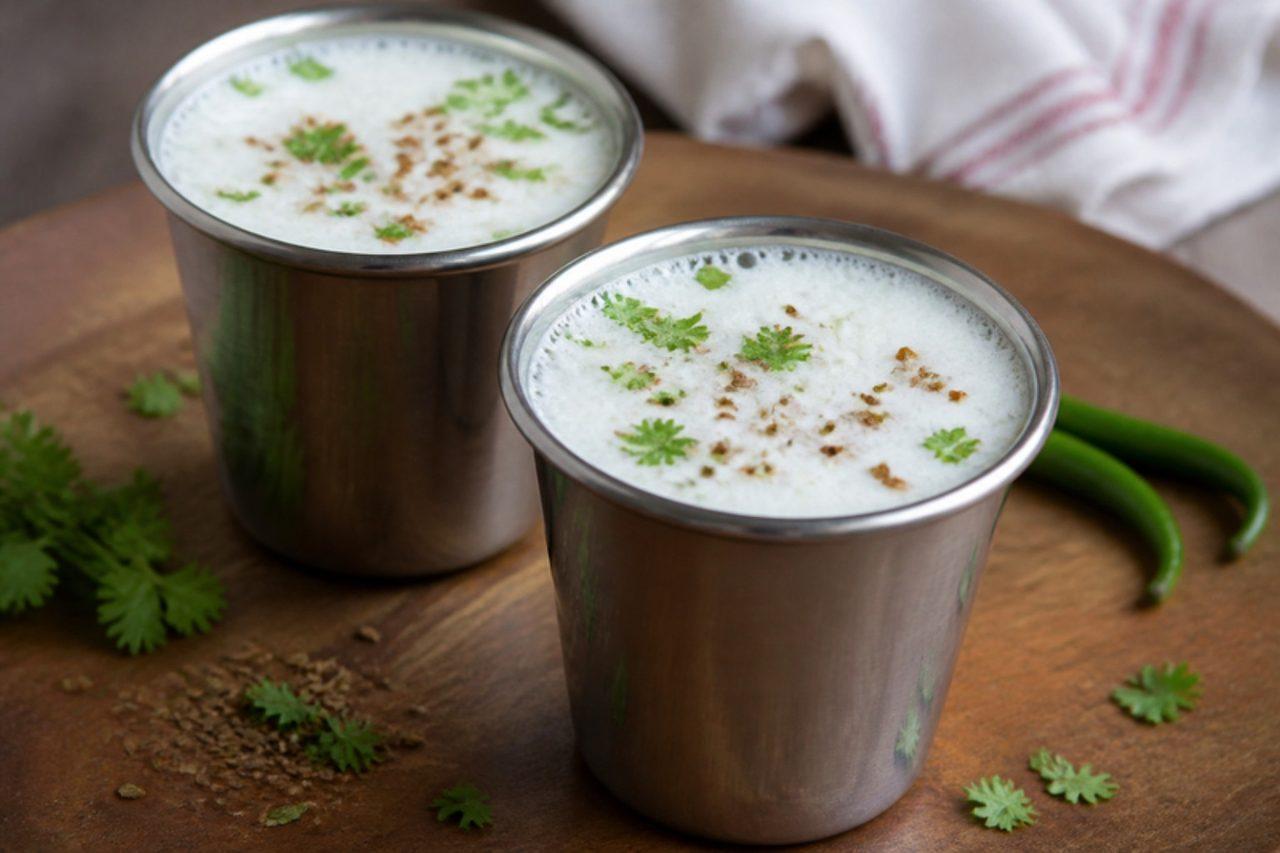
Masala chaasSpiced buttermilk

No Gujarati lunch is finished until the steel glass of chaas comes round. From Ahmedabad pols to Kathiyawadi farmhouses, homemade dahi is thinned right down, churned with a wooden ravai or a blender, and seasoned with roasted cumin, black salt, a little ginger and green chilli, then poured ice-cold after dal-bhaat-shaak-rotli. It should be thin enough to drink in one go, salty, gently hot and full of coriander; that is what settles a heavy meal in May. Kerala's sambaram, with shallot and curry leaf, is a close cousin. A common mistake is churning thick, very cold full-fat dahi for too long: the fat clumps into flecks of butter and the chaas turns thin and greasy. Blend the dahi with only part of the water for a few seconds, then stir in the rest. Chef's tip: dahi that is a day old and slightly sour makes the best chaas; very fresh, sweet dahi tastes flat however much masala you add.

by KrazyBadal 0 views

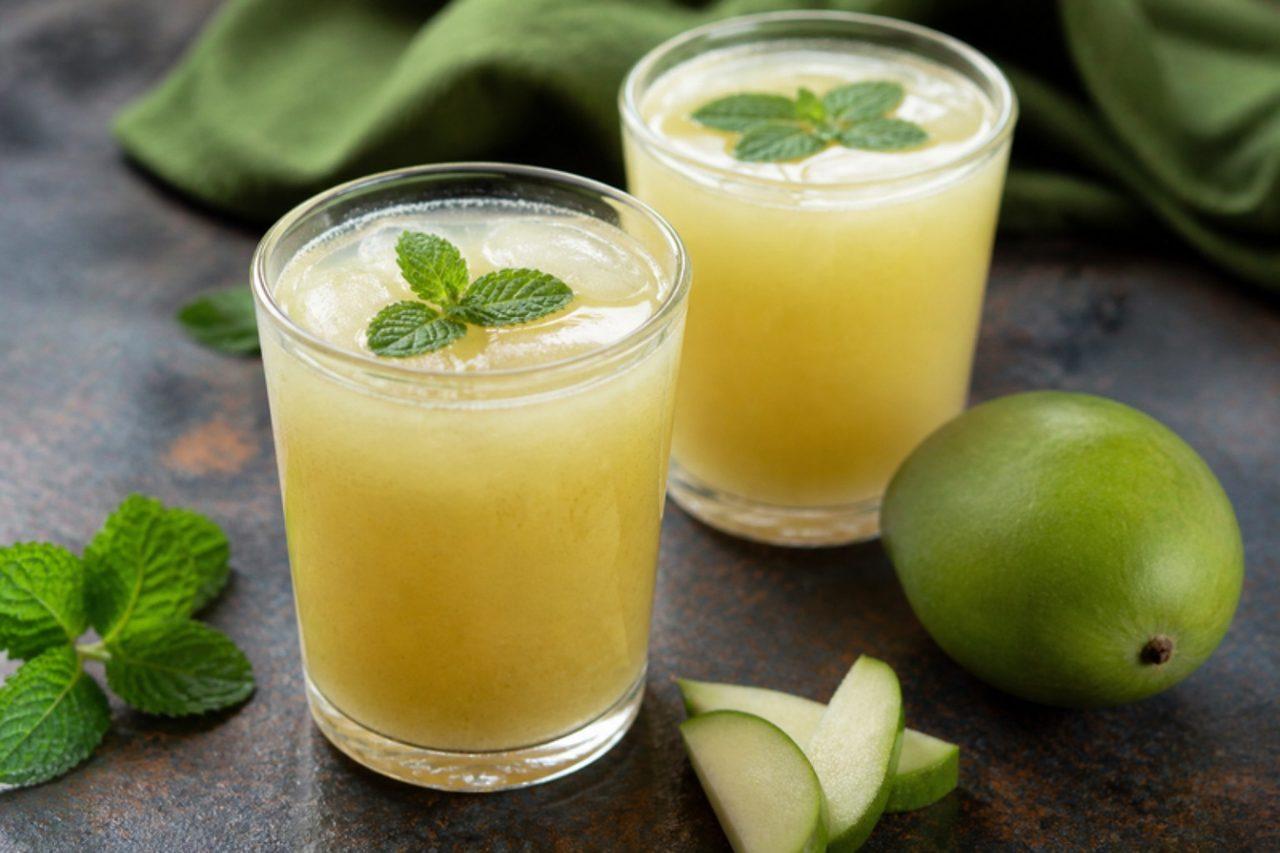
Aam pannaRaw mango cooler

When the first hard green mangoes arrive in April, kitchens from Lucknow to Pune start boiling them for panna. The cooked pulp is blended with roasted cumin, black salt, mint and sugar or jaggery into a thick concentrate that keeps in the fridge for a week, then diluted glass by glass with cold water. Grandmothers swear by it against loo, the hot dry wind of a North Indian summer, and in Maharashtra the same drink, called kairi panha, is served to guests at Gudi Padwa and haldi-kumkum gatherings. It tastes sour first, then sweet, then smoky from the cumin. A common mistake is using mangoes that have begun to ripen and turn yellow: the panna tastes flat and fruity rather than bracing, so pick firm, green, sour ones. Chef's tip: pressure cooking the mangoes whole in their skins keeps the pulp pale and fragrant; scraping too close to the skin and stone adds bitterness.

by KrazyBadal 0 views

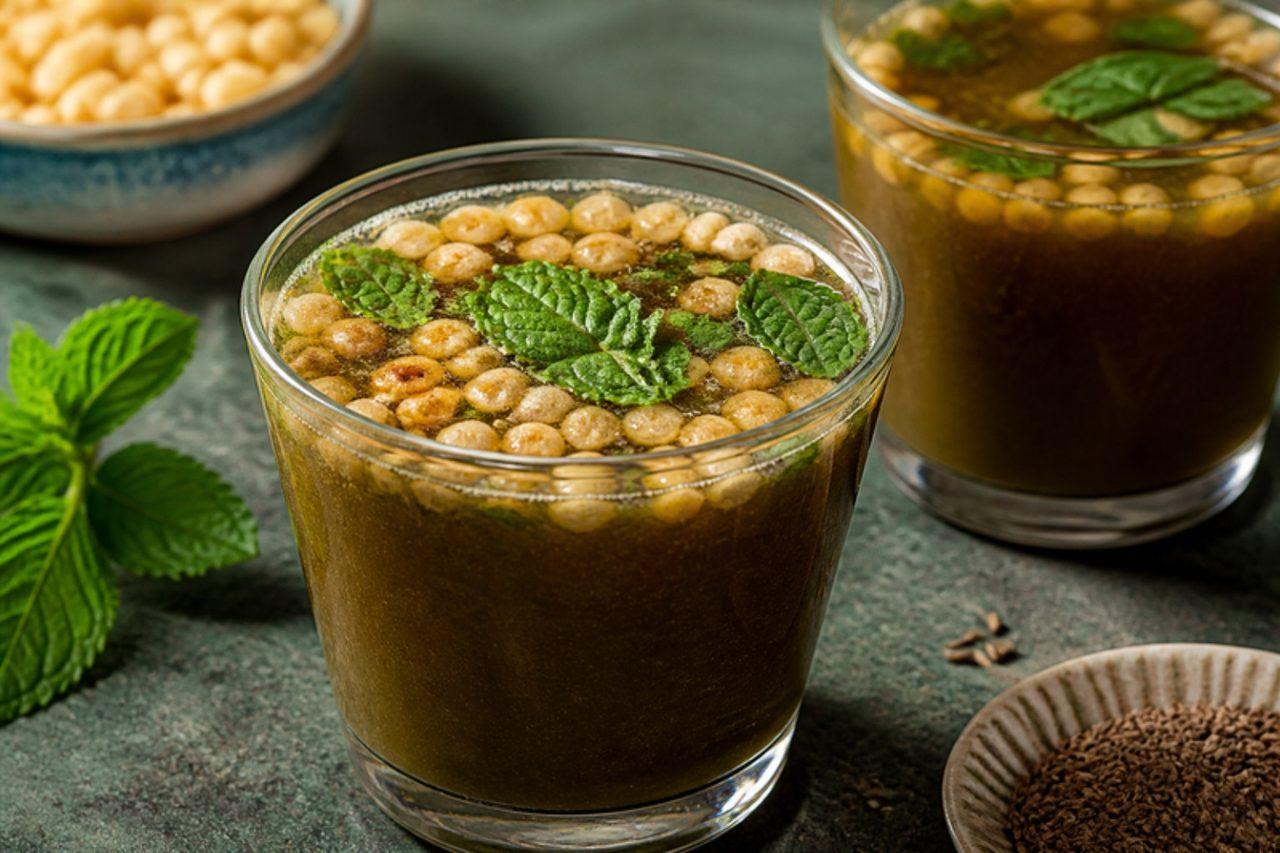
JaljeeraTamarind mint cumin drink

Street vendors in Old Delhi and Varanasi sell jaljeera from big red clay matkas wrapped in wet cloth, ladling it into glasses with a handful of boondi on top. The name simply means cumin water, but the flavour is busier than that: sour tamarind and lemon, a cool rush of mint, the sulphur note of black salt and the warmth of roasted cumin and dry ginger. It is drunk before a heavy Punjabi meal to wake the appetite, at summer weddings, and on long train journeys. Make the masala fresh and the difference shows. The common mistake is using raw cumin powder; it tastes dusty. Dry-roast whole cumin until it darkens a shade and smells toasty, then grind it. Chef's tip: add the boondi only at the table so it stays crunchy for the first sip and softens by the last.

by KrazyBadal 0 views

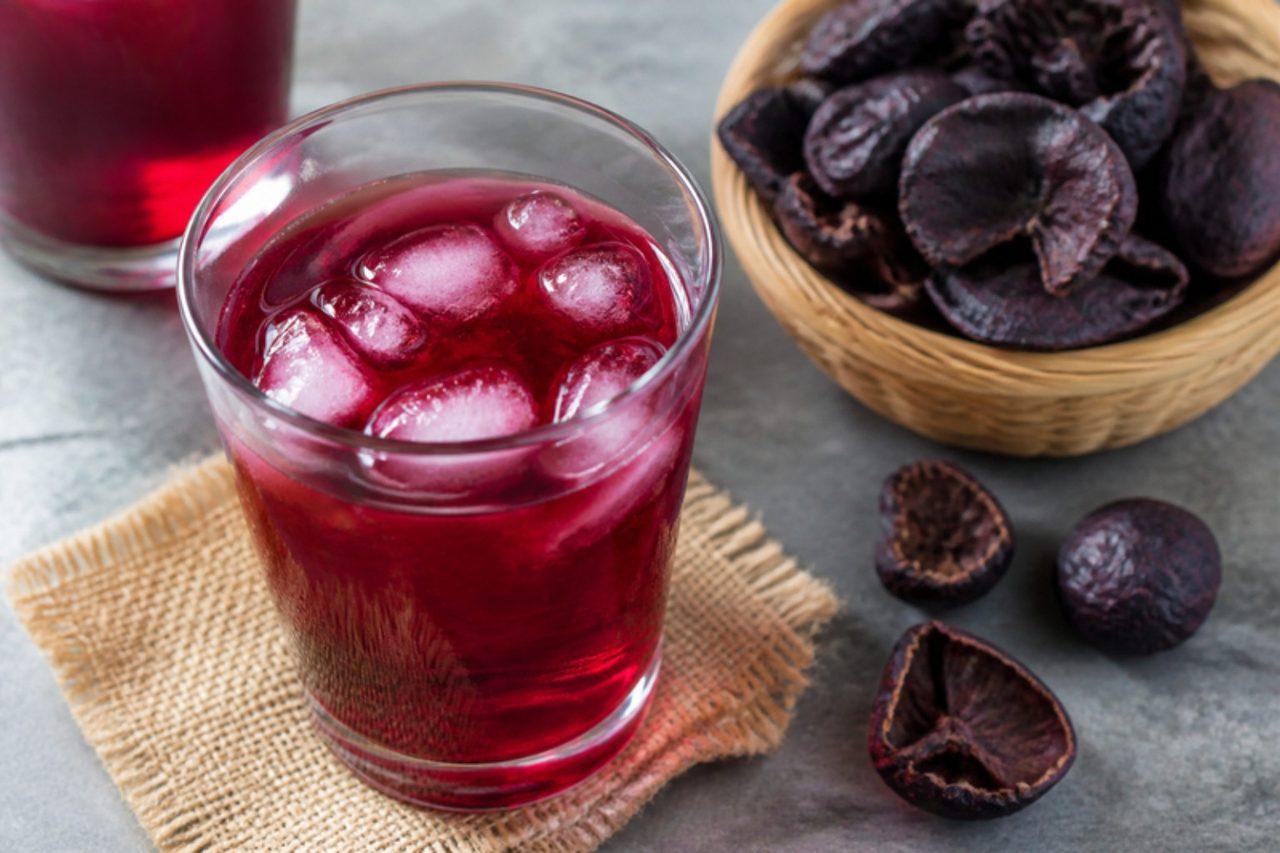
Kokum sharbatKokum cordial

Along the Konkan coast, from Ratnagiri down to Goa, the purple kokum fruit is split and dried in the sun every summer, and the leathery rinds go into curries, sol kadhi and this sharbat. Unlike sol kadhi, there is no coconut milk here: just a clear, deep-red syrup that is fruity, tart and faintly salty, diluted with cold water and drunk after a fish lunch or on a hot afternoon to cool the stomach. Families in Malvan and Sawantwadi still make the concentrate by layering fresh fruit with sugar in jars; this quicker version uses the dried rinds you can buy anywhere. The common mistake is boiling the kokum hard for a long time, which makes the syrup taste stewed and murky; simmer gently just until the colour floods out. Chef's tip: a pinch of roasted cumin and black salt in the glass turns a simple sweet drink into the proper coastal version.

by KrazyBadal 0 views

Khus sharbatVetiver root syrup drink

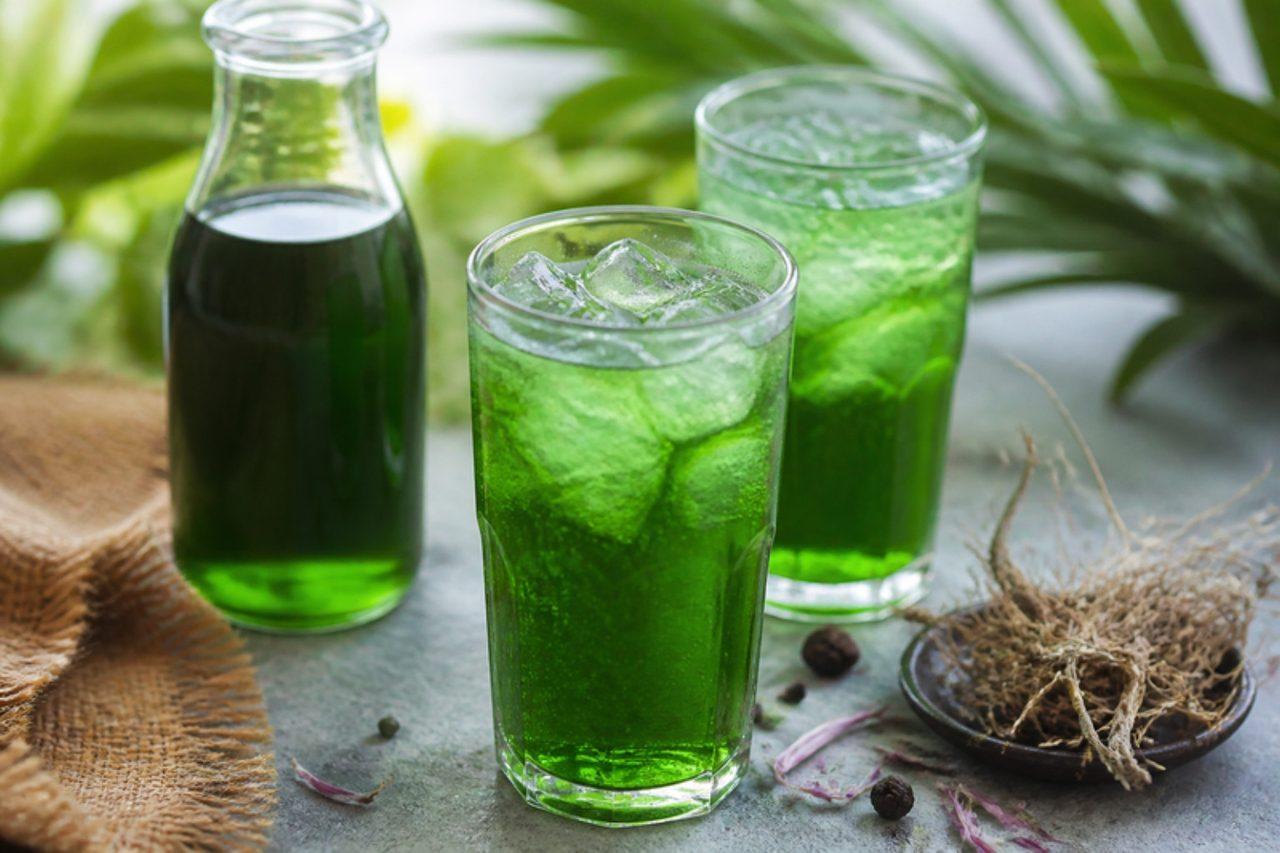
Before air-conditioning, North Indian houses hung wet mats of khus grass over their doors in June, and the breeze through them smelt of damp earth and wood. The same vetiver root flavours this sharbat, a summer staple in Delhi, Rajasthan and Uttar Pradesh. Shop-bought bottles are bright emerald green from colouring; a homemade syrup is pale gold and tastes far more of the root itself, cool and grassy. Families serve it diluted with water to guests arriving from the heat, or with cold milk as a dessert drink at summer parties. The common mistake is boiling the roots hard; the aroma is delicate and cooks off, so infuse them in hot water instead and add the infusion to the syrup off the heat. Chef's tip: if you want the classic green colour for children, a drop of green food colour does no harm, but taste it plain first.

by KrazyBadal 0 views

Nannari sarbathSarsaparilla and lime cooler

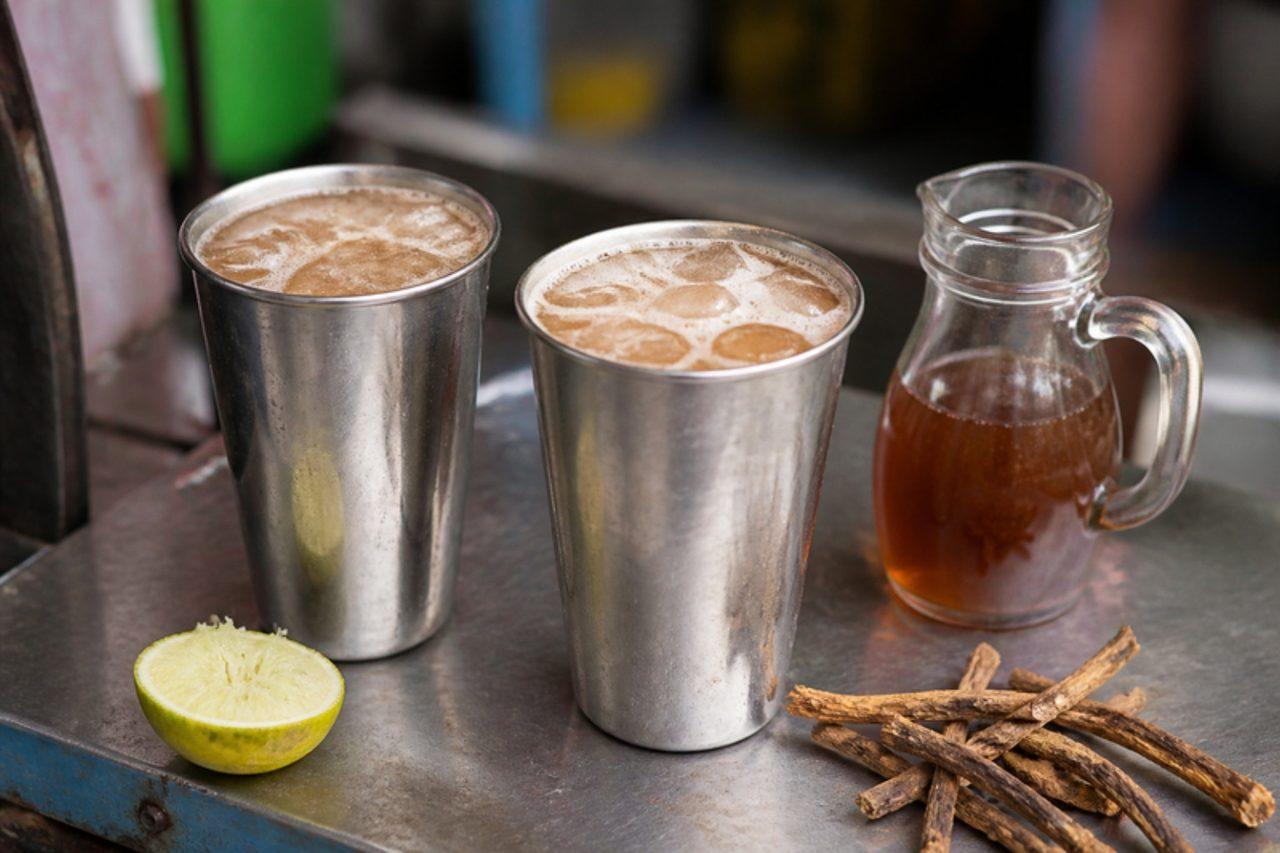
Walk past any sarbath kadai in Madurai, Tiruchi or Chennai's Parry's Corner in summer and you'll hear the clink of a glass being stirred with a long spoon. Nannari, the sweet, woody, vanilla-like root of Indian sarsaparilla, is cooked into a dark syrup; the vendor pours a little into a glass, squeezes in a whole lime, adds a pinch of salt and ice, and tops it with water or a fizz of soda. It is sweet, sharp and earthy all at once, and nothing like the milky jigarthanda made with the same syrup. Many shops add soaked sabja seeds for texture. The common mistake is too much syrup: the root flavour gets lost in sweetness, so start with less and let the lime lead. Chef's tip: squeeze the lime straight into the glass and drop in one squeezed half; a little oil from the peel gives that roadside freshness.

by KrazyBadal 0 views

Gondhoraj gholLime-scented yogurt drink

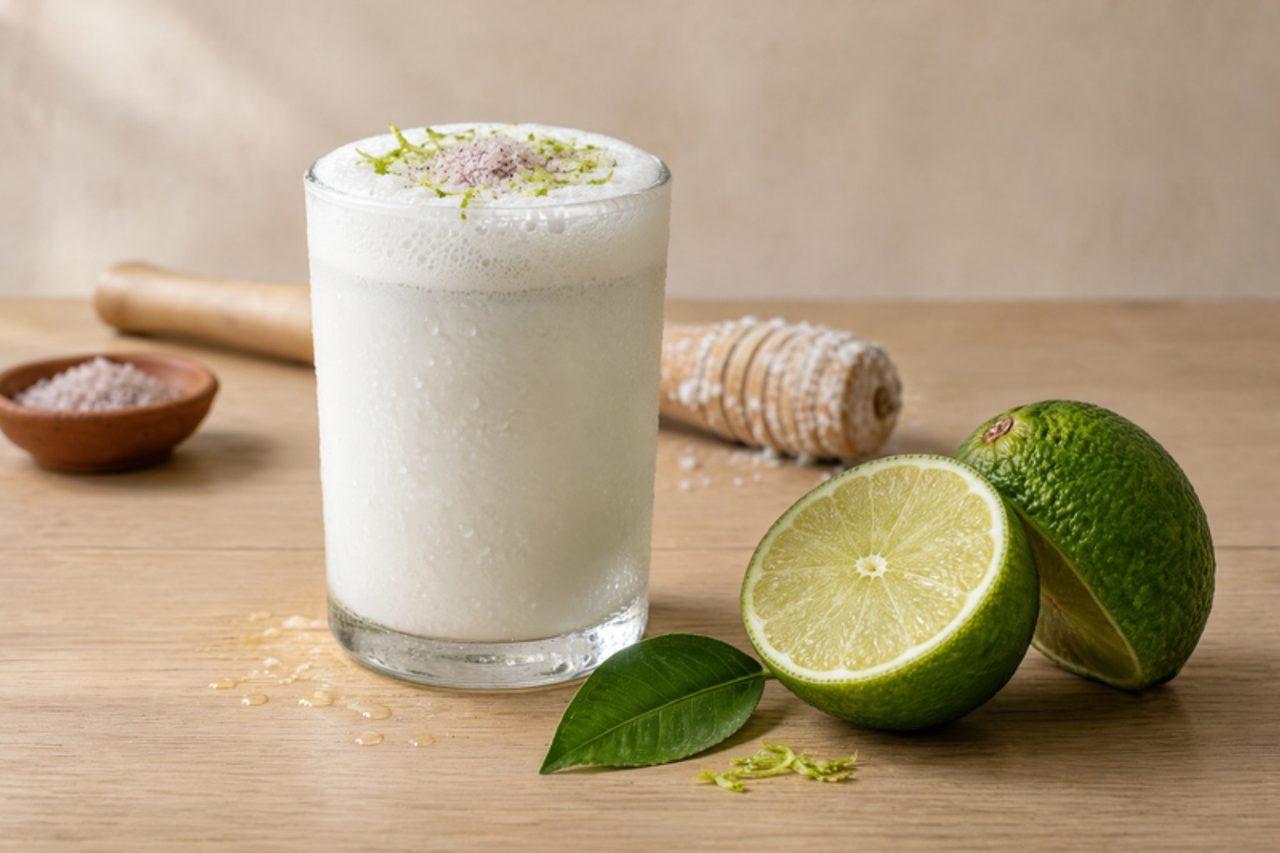
In Kolkata the gondhoraj lime arrives with the monsoon heat, a knobbly green fruit whose peel smells of flowers and pine more than of sour citrus. Bengali households use it to lift dal and fish, but in the sticky months from Boishakh into Srabon it goes into ghol: dahi churned with cold water until frothy, sweetened lightly and scented with the zest, a squeeze of juice and a torn leaf. Cafés along Gariahat and old sweet shops serve it in clay bhaar cups after lunch, and it is just as good mid-afternoon with a plate of muri. It drinks thin, cool and silky, with a soft tang and a perfume that hits the nose before the first sip. The usual mistake is grating too deep or leaving the zest to sit for an hour: the white pith and the oils turn bitter. Take only the green outer layer, add it just before serving, and stop when the ghol smells floral rather than sharp. It is ready when the top is covered in fine foam and a spoon comes out lightly coated. Chef's tip: for the salted version, swap the sugar for black salt and a pinch of roasted cumin, as many Kolkata homes do on the hottest days.

by KrazyBadal 0 views

Goes well with chilled water