Skip to content

Recipes with coarse sea salt

10 recipes that use coarse sea salt, with photos, step-by-step instructions and cook times. The quickest, Açorda alentejana, takes 20 minutes. It is most often cooked with garlic, ginger and gochugaru.

Got a few things in the fridge? Search by everything you have

Baechu kimchi

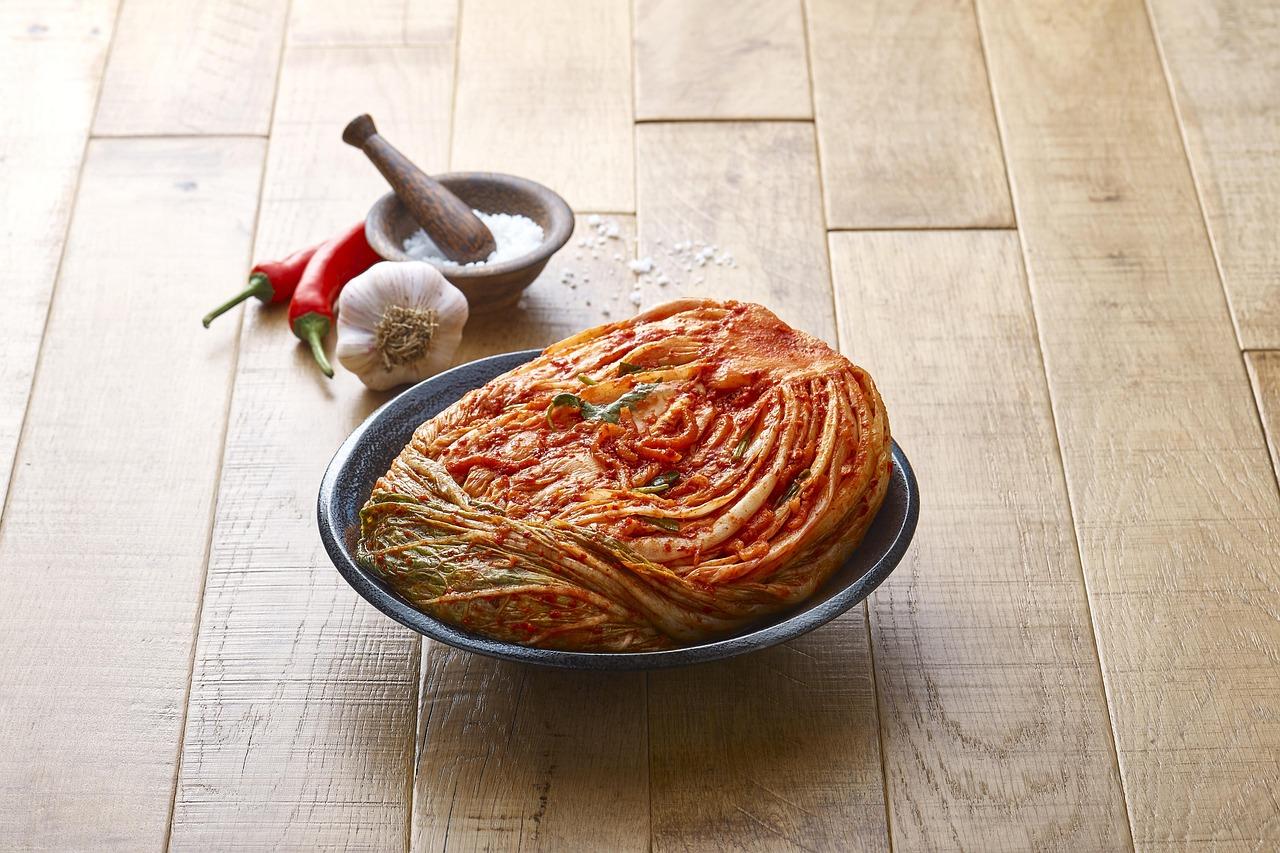
Baechu kimchi (배추김치) is the napa cabbage kimchi served at almost every Korean meal, from Seoul to Jeju. Salted cabbage quarters are rubbed leaf by leaf with a red paste of chilli flakes, garlic, ginger, radish and spring onion, then left to ferment until sour, fizzy and deeply savoury. Most recipes use fish sauce and salted shrimp; this one gets its depth from kelp stock and tamari, so it is vegetarian and gluten free. Eat it fresh after a day or two, or let it sour for a few weeks for kimchi fried rice, stews and pancakes. Salting takes about 2 hours, then allow 1–2 days for fermenting. Chef's tip: the salting is everything. Under-salted cabbage goes mushy and spoils; over-salted kimchi is harsh. Test a thick white stem: when it bends without snapping, rinse.

150 minBasicsVeganGluten freeSpicy
by KrazyBadal 0 views

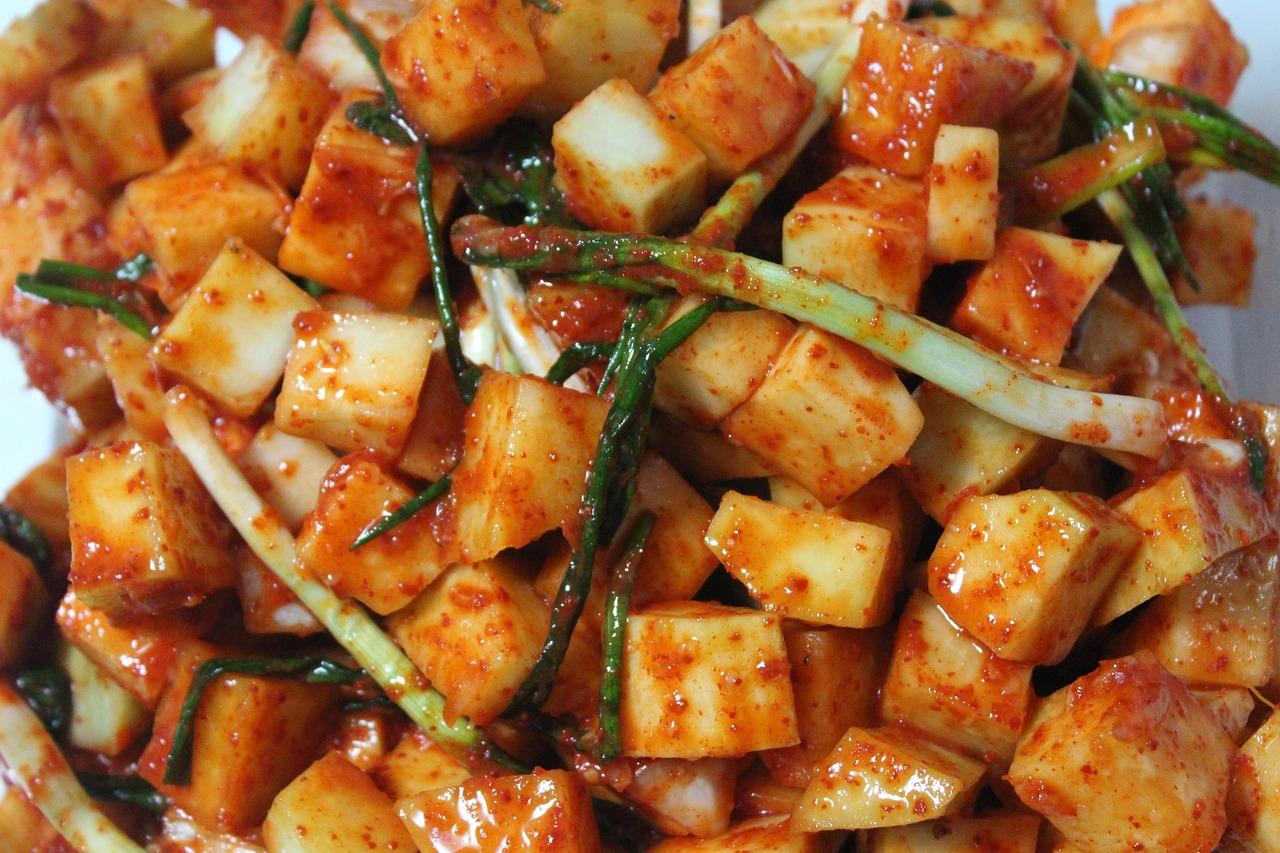
Kkakdugi

Kkakdugi (깍두기) is kimchi made from chunky cubes of Korean radish instead of cabbage. It is quicker to make than cabbage kimchi and stays crunchy and juicy, with a sweet, peppery bite. Made all over Korea, it is the classic partner to rich soups and noodles. Traditional versions are seasoned with fish sauce and salted shrimp; here soy sauce and a little grated pear give the same savoury-sweet depth, keeping it vegan. Ready to eat after a day or two of fermenting. Chef's tip: rub in the chilli flakes on their own first, before the wet seasonings. The red then clings to every cube, and the radish keeps its crunch.

40 minBasicsVeganSpicy
by KrazyBadal 0 views

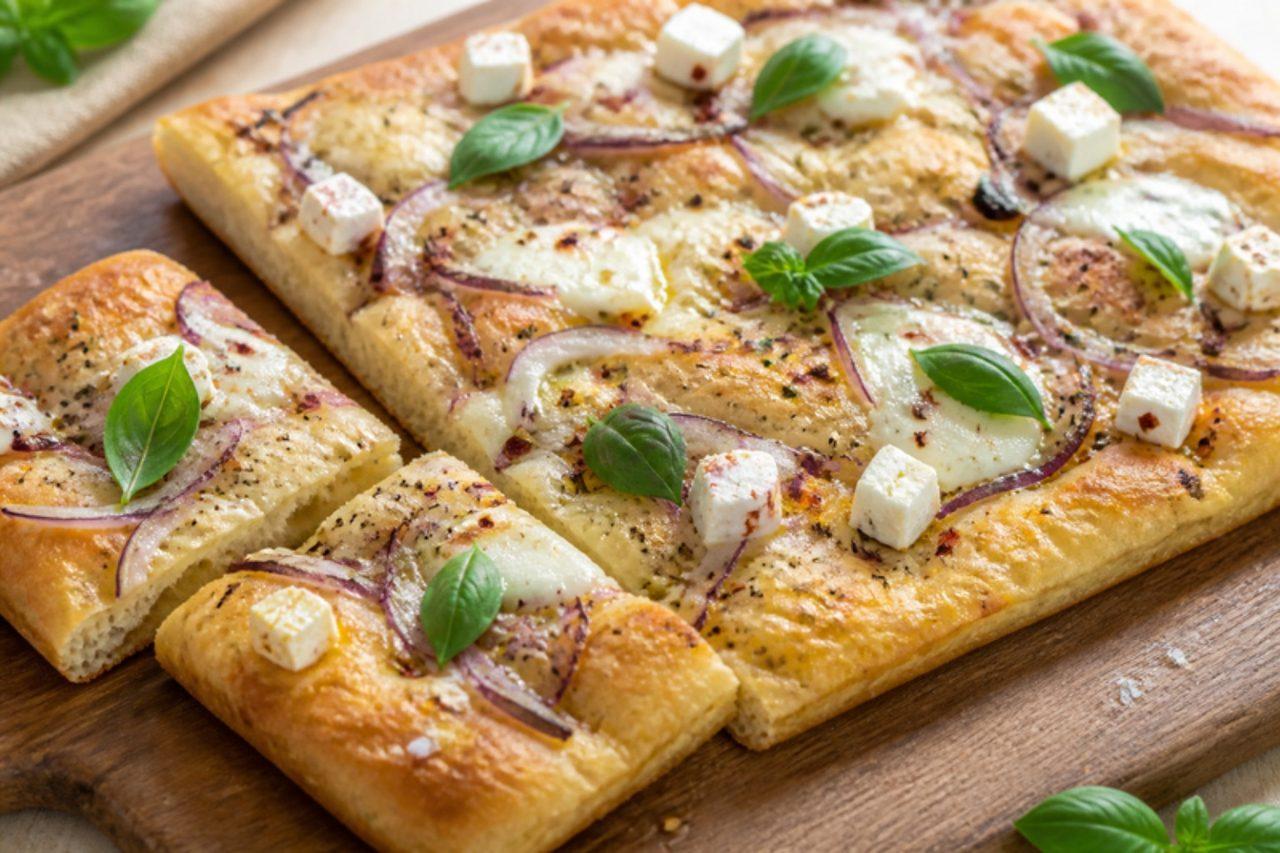
Onion focaccia

A soft, dimpled focaccia topped with thinly sliced red onion, crumbled paneer and mozzarella, torn basil, chilli flakes and crunchy sea salt, all drizzled with olive oil. It's crisp underneath and airy inside. Cut it into pieces and serve hot alongside barbecue dishes and salads.

by KrazyBadal 0 views

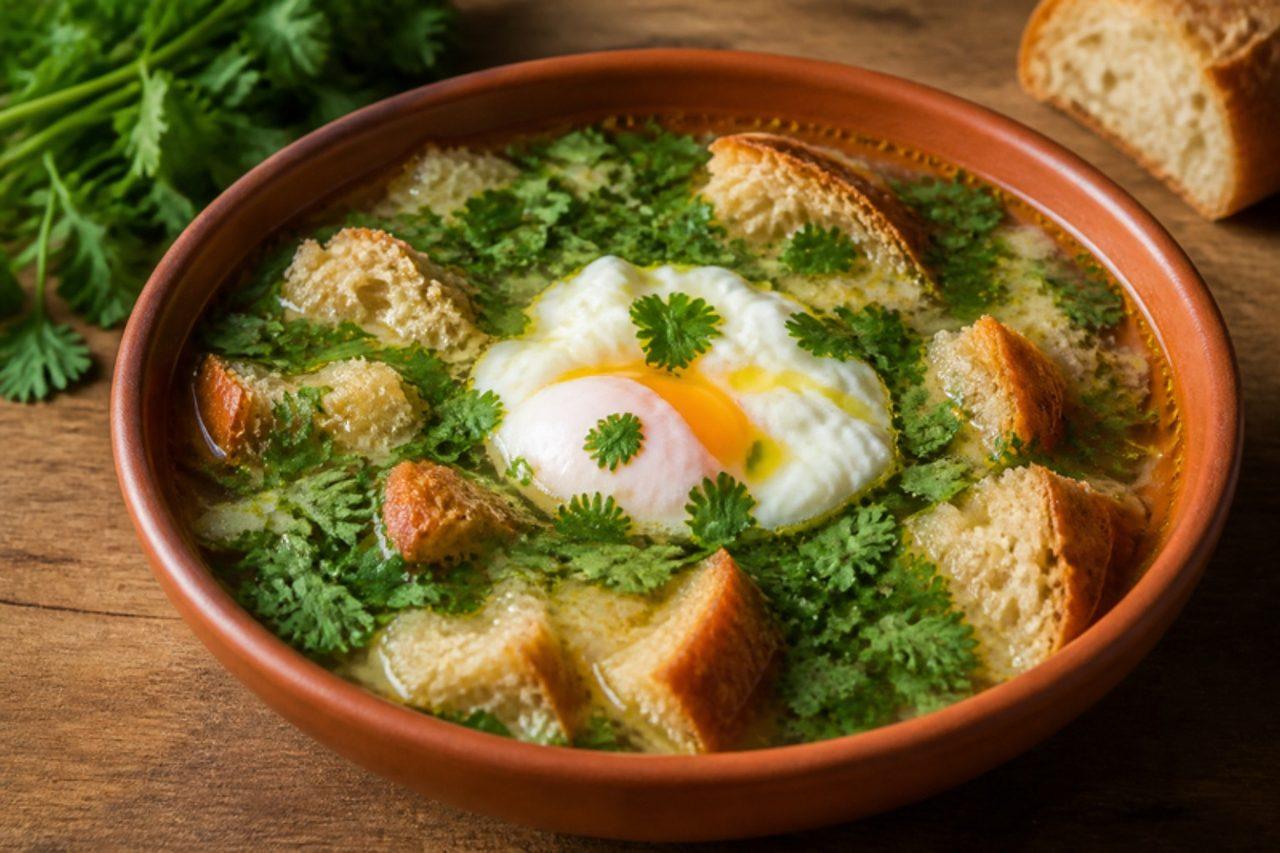
Açorda alentejana

Açorda à alentejana is the shepherd's supper of the Alentejo, the wide, hot plain of cork oaks and wheat fields south of Lisbon. It is barely cooked at all: raw garlic, salt and a big handful of fresh coriander are pounded to a paste in the bowl, sliced day-old bread goes on top, and boiling water poured over turns it all into a fragrant, green broth, crowned with a soft poached egg. Unlike Spain's sopa de ajo, nothing is fried and there is no paprika; the flavour is fresh herbs, sharp garlic and fruity olive oil. Alentejanos eat it at home in summer and winter alike, and in Évora's tascas in the evening, sometimes with a few olives or a slice of fresh cheese. Chef's tip: use firm, dense, two-day-old country bread; soft sandwich bread collapses into mush the moment the water hits it.

20 minSoups
by KrazyBadal 0 views

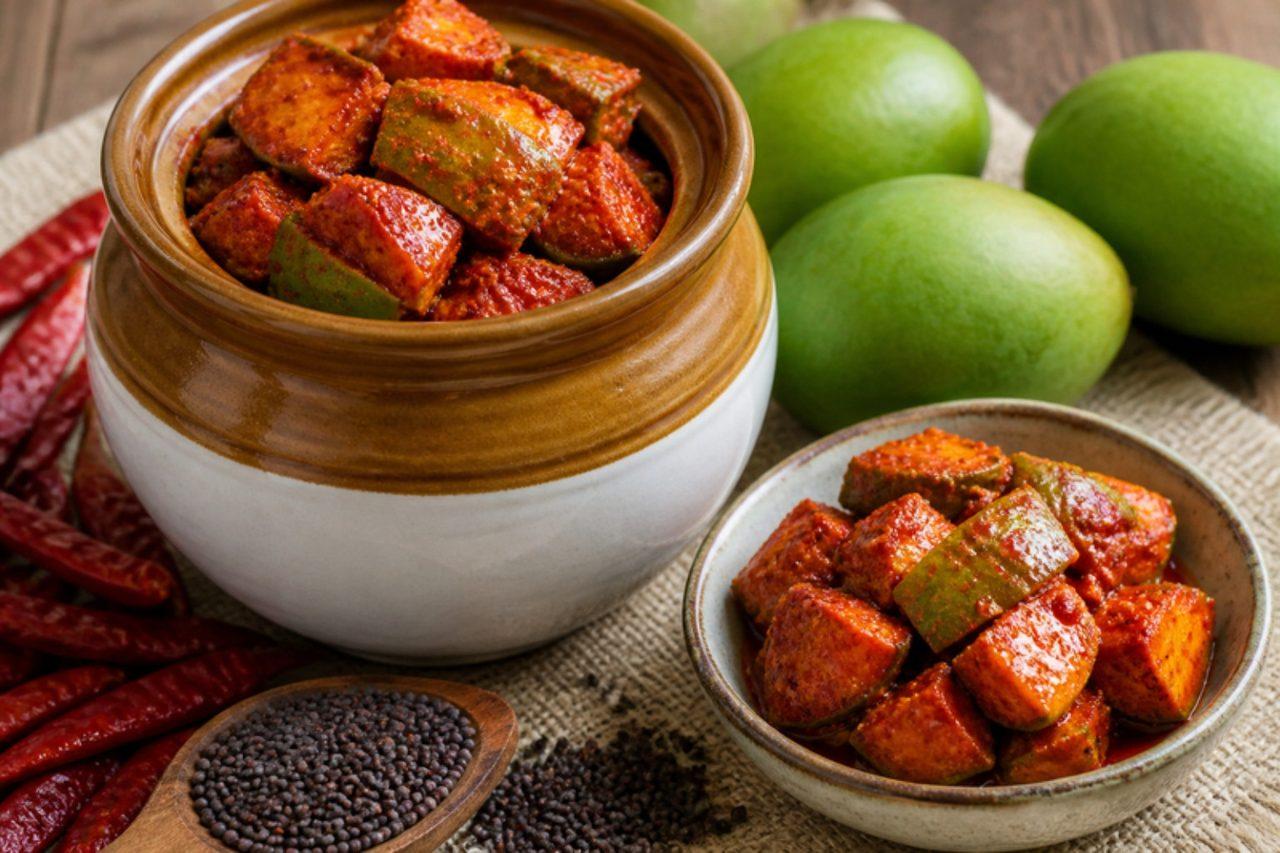
Avakaya

Every April and May, when the hard, sour green mangoes arrive, Andhra homes turn into pickle factories. The mangoes are cut, stone and all, with a heavy cleaver, then mixed with freshly ground mustard, fiery red chilli powder, salt and a flood of sesame oil, and packed into ceramic jars to mature. Avakaya is fierce, pungent, salty and sour, and a tiny piece mashed into hot rice with ghee and dal is many Telugu people's idea of perfect lunch. A jar lasts the whole year. Chef's tip: every piece of mango, every knife and the jar must be bone dry; a single drop of water can turn a whole batch mouldy.

by KrazyBadal 0 views

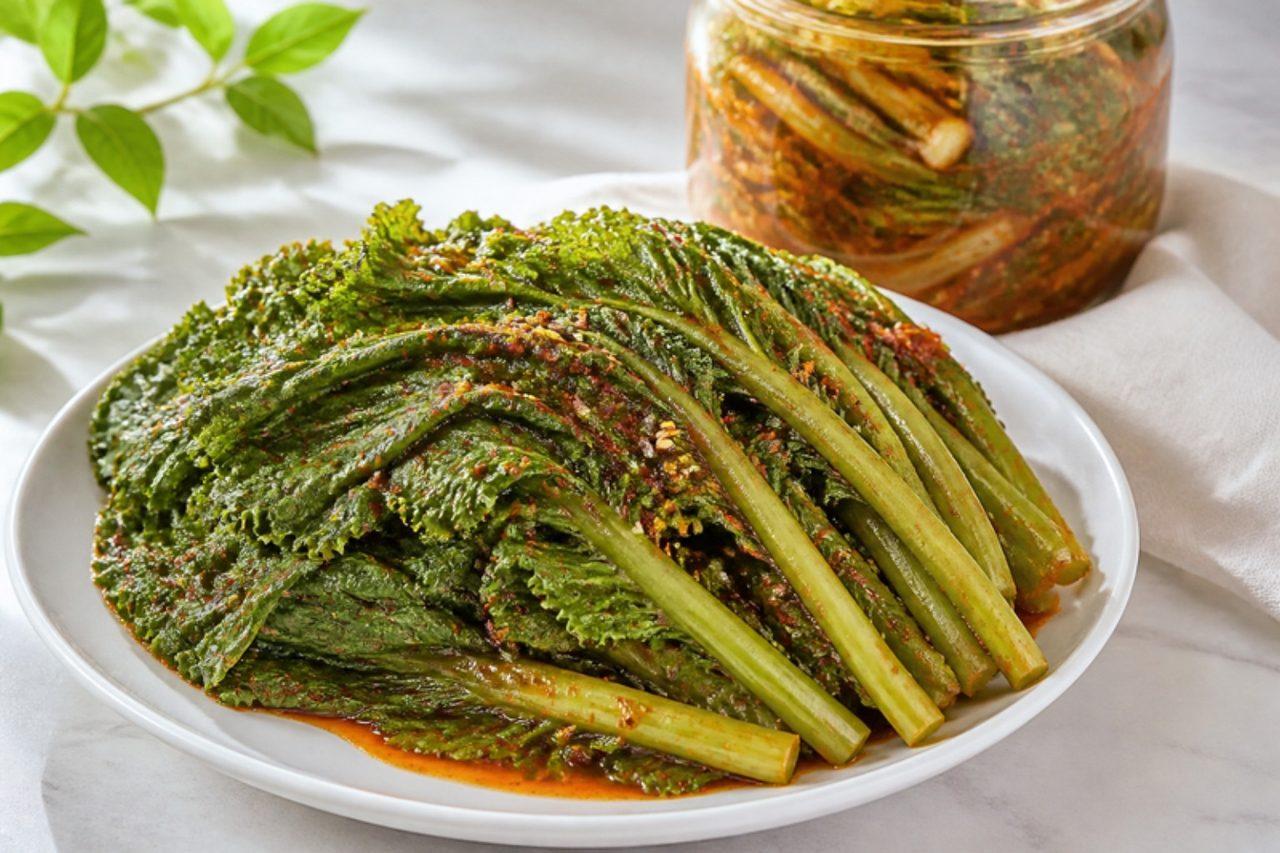
Gat kimchi

Dolsan island, off the port city of Yeosu in South Jeolla, grows a purple-tinged mustard green called gat that is milder and more tender than mainland mustard leaves, and gat kimchi (갓김치) made from it is the region's pride. The leaves keep a hot, wasabi-like bite that softens and turns tangy after a week or two of fermenting. Jeolla kimchi is usually heavy with fish sauce and salted anchovy; this version gets its depth from a kelp-and-rice porridge, pear, onion and soy, so it is vegan. Eat it with plain rice, noodles or on the side of jeon. Chef's tip: salt the leaves stems-first and turn them halfway; the thick stems need longer than the leaves.

50 minBasicsVeganSpicy
by KrazyBadal 0 views

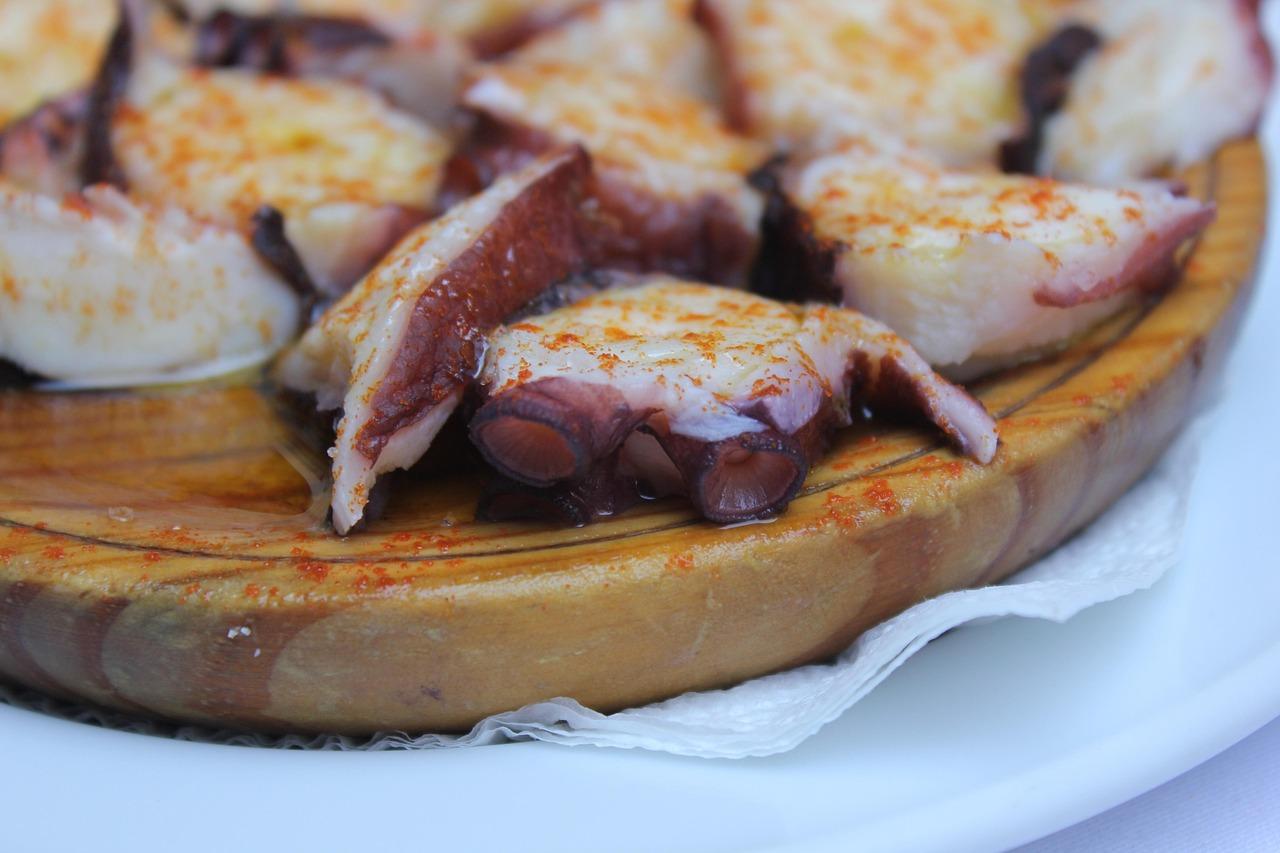
Pulpo a la gallega

Pulpo a feira is fair-day food in Galicia: at markets and village fiestas, pulpeiras boil whole octopus in big copper pots, snip it with scissors onto round wooden plates and finish it with coarse salt, pimentón and olive oil. The town of O Carballiño in Ourense holds an octopus festival every August, and you'll find the dish in pulperías across the region all year. At home it is simpler than it looks; the secret is that a frozen octopus is a tender one, because freezing breaks down the tough fibres. Chef's tip: use the octopus cooking water to boil the potatoes, which picks up its flavour and pink colour.

60 minFishGluten free
by KrazyBadal 0 views

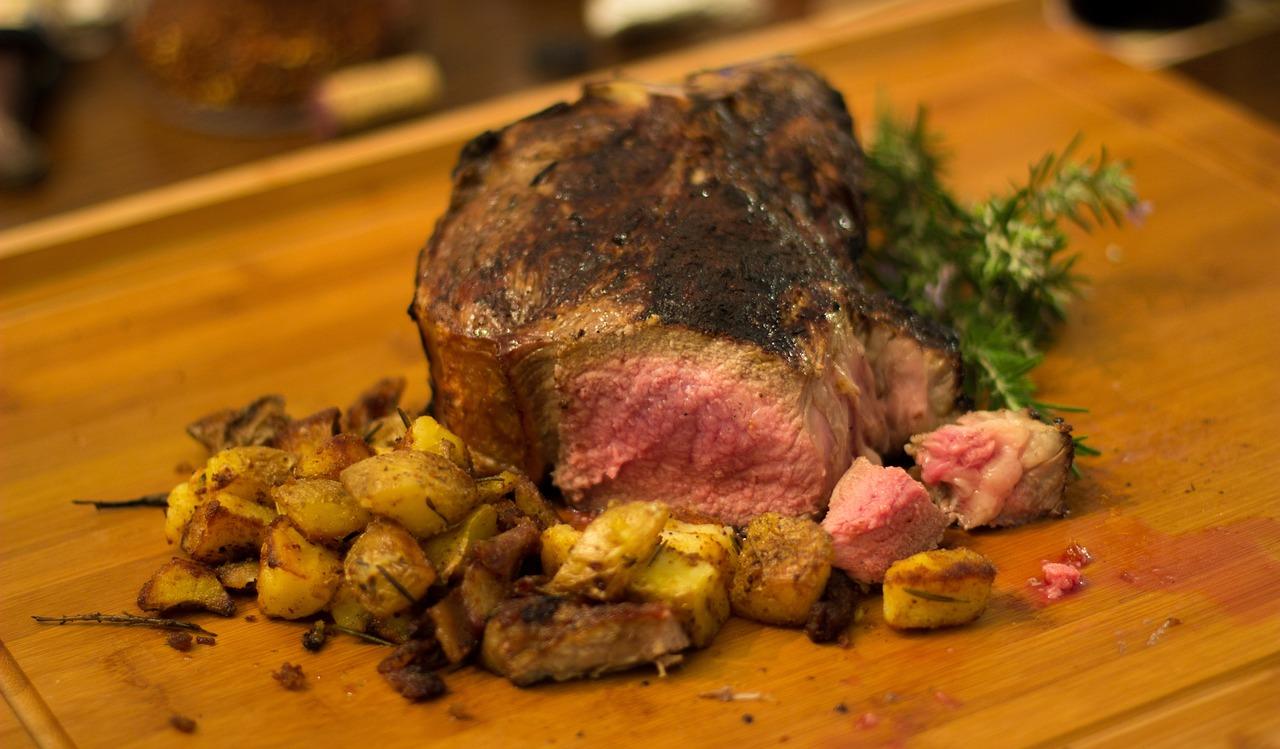
Bistecca alla fiorentina

A proper fiorentina is a T-bone cut three fingers thick, traditionally from Tuscany's white Chianina cattle, and Florentine steakhouses sell it by weight and serve it one way only: charred outside, deep red within. It is a sharing steak for three or four, sliced off the bone at the table and finished with nothing more than good olive oil and coarse salt. On one side of the bone sits the tender fillet, on the other the beefier sirloin, and the bone itself gives the meat flavour as it cooks. Cannellini beans with olive oil and sage and a simple green salad are the usual companions. Chef's tip: after searing both flat sides, stand the steak upright on its bone for several minutes; the heat travels up through the bone and cooks the middle evenly without overdoing the outside.

40 minMeatGluten freeItalian
by KrazyBadal 0 views

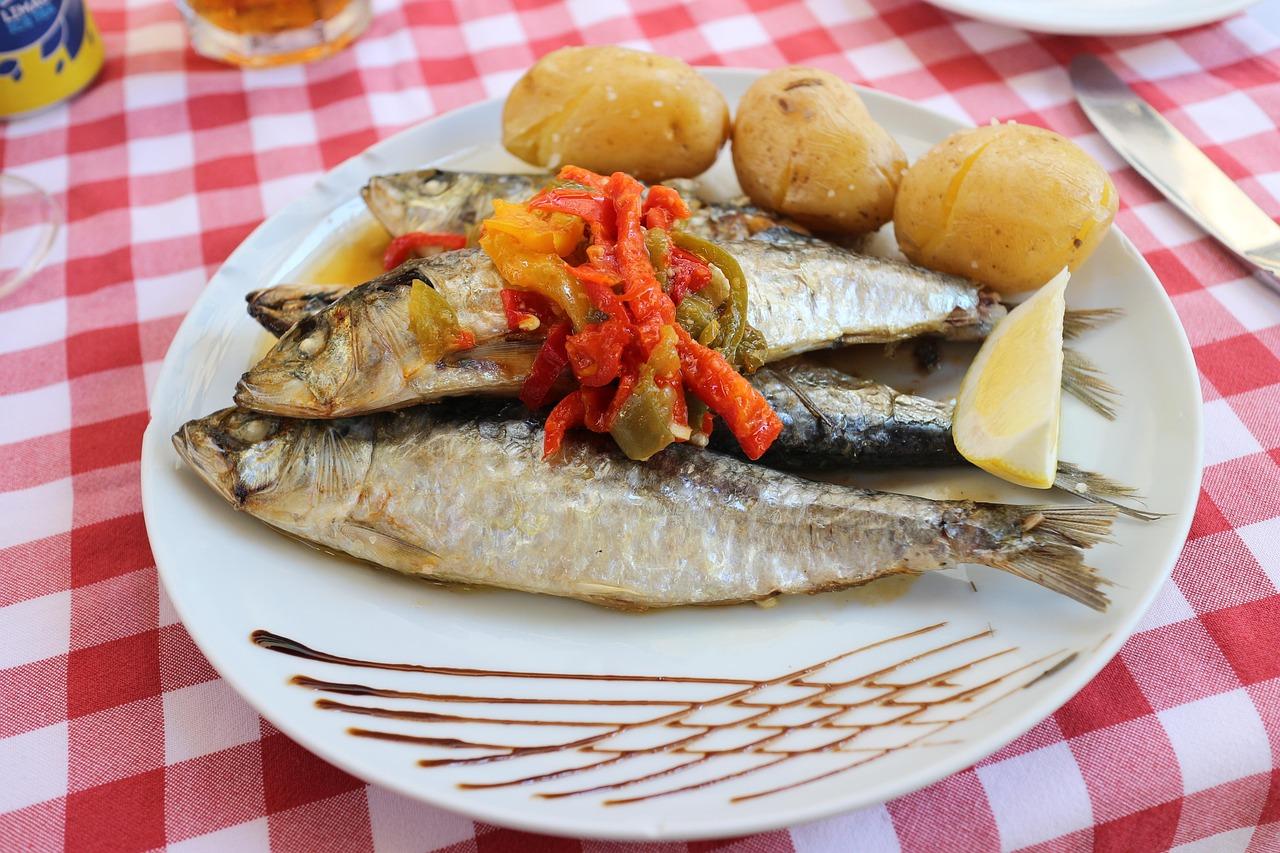
Sardinhas assadas

In June the steep lanes of Alfama and Mouraria fill with smoke during the Santos Populares, Lisbon's street festivals for Saint Anthony, and almost every grill is loaded with sardines. They are salted, grilled whole over charcoal until the skin blisters, and laid on a thick slice of country bread that soaks up their juices. Add roasted green peppers and a salad of tomato and onion, and that is the whole feast. Chef's tip: salt the sardines with coarse salt 30 minutes before grilling and keep them chilled; the salt firms the skin so it doesn't stick to the grill.

20 minFish
by KrazyBadal 0 views

Gravlax with mustard-dill sauce

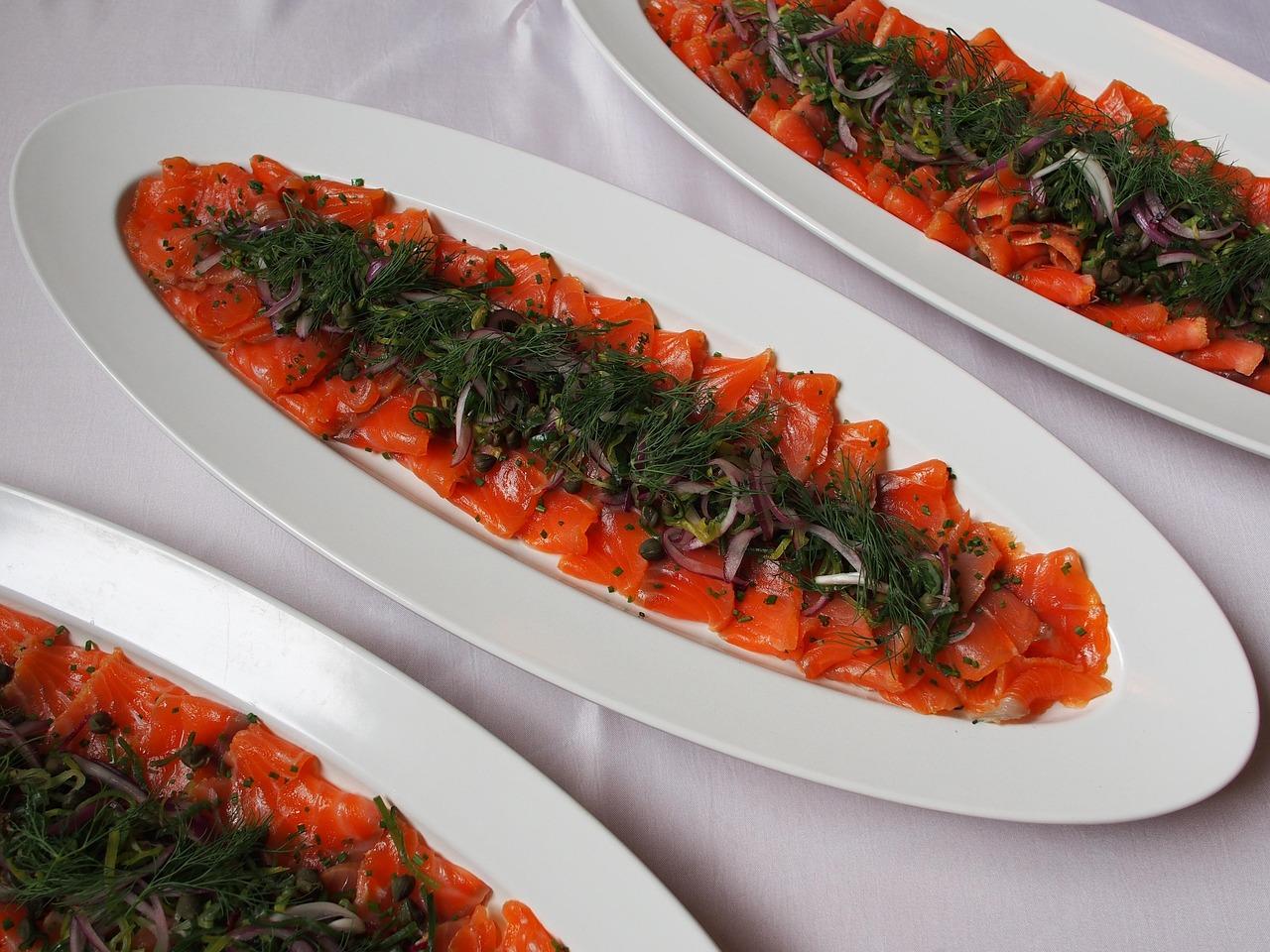
Along the coasts of Norway and Sweden, gravlax is the centrepiece of Christmas and Easter buffets and a favourite on open sandwiches through the year. A side of salmon is pressed under salt, sugar, dill and white pepper for two days in the fridge, which firms the flesh and turns it silky, then it is sliced paper-thin and served with a sweet mustard-dill sauce, rye bread or boiled new potatoes. This is cured, not cooked, fish: use very fresh salmon that has been previously frozen (or freeze it yourself at -18 °C for at least 4 days, then thaw in the fridge) to kill any parasites, and it is not suitable for pregnant women, young children or anyone with a weakened immune system. A frequent error is slicing it thick and straight down; cut long, thin slices at a low angle towards the tail. Chef's tip: turn the parcel every 12 hours and baste with the brine it releases so the cure is even on both sides.

25 minFishGluten free
by KrazyBadal 0 views

Goes well with coarse sea salt

Recipes with coarse sea salt: 10 easy ideas · WhatToEat.Today