Skip to content

Recipes with culinary apricot-kernel oil

5 recipes that use culinary apricot-kernel oil, with photos, step-by-step instructions and cook times. The quickest, Molida, takes 20 minutes. It is most often cooked with butter, wholewheat flour and green chilli.

Got a few things in the fridge? Search by everything you have

Giyaling

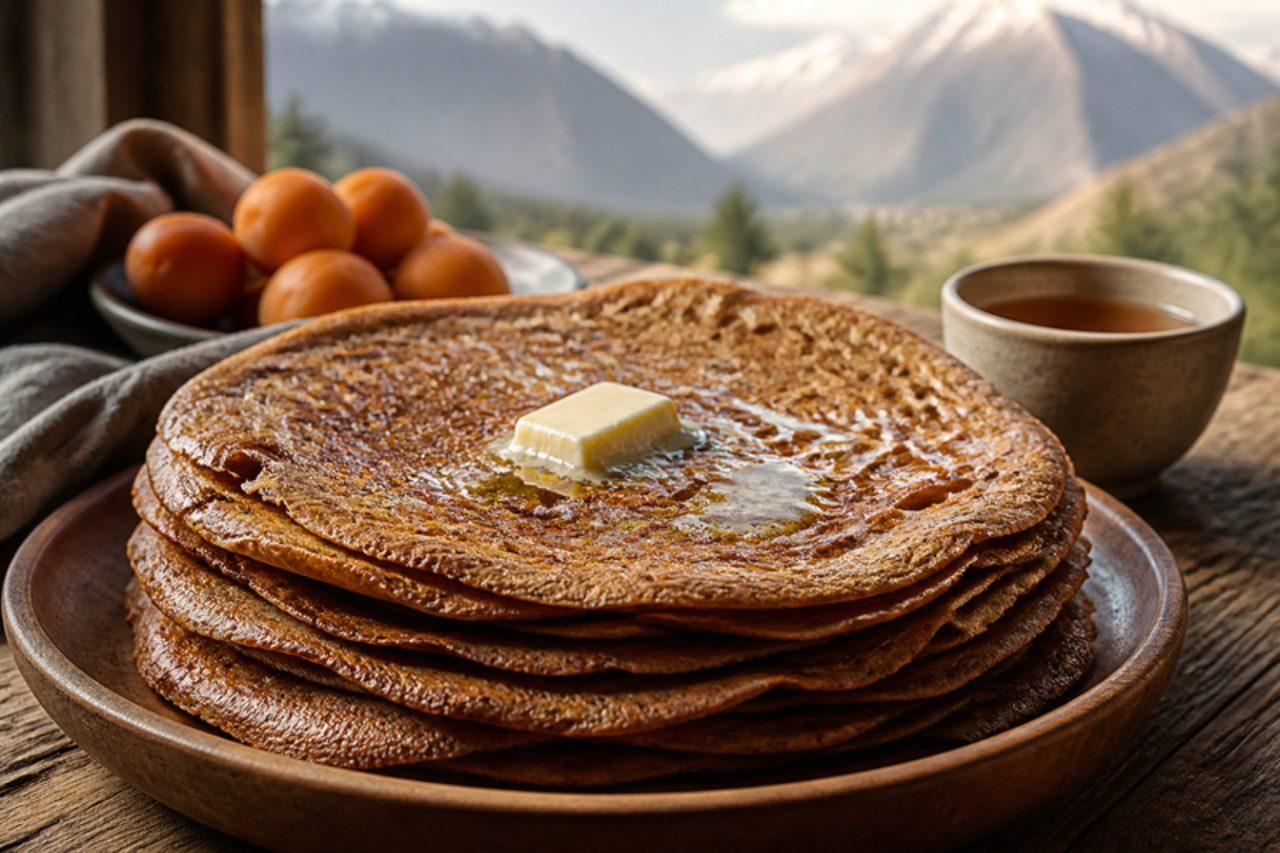
Buckwheat, known locally as bro, grows in the cold upper villages of Hunza and Nagar where wheat struggles, and giyaling are the thin, lacy pancakes made from its flour for breakfast. The batter is no more than buckwheat flour, water and a little milk, poured thin onto a hot griddle so the pancakes cook in a minute or two, with crisp edges and an earthy, nutty flavour. They are stacked and eaten warm, smeared with butter and a few drops of apricot-kernel oil, sometimes with a drizzle of honey and always with tea, especially on cold mornings. A thick, gloopy batter is the frequent mistake, because it makes heavy, raw-tasting pancakes. Chef's tip: rest the batter for 15 minutes, then thin it to the consistency of single cream, and buy flour labelled gluten-free if that matters to you, as buckwheat is often milled alongside wheat.

by KrazyBadal 0 views

Molida

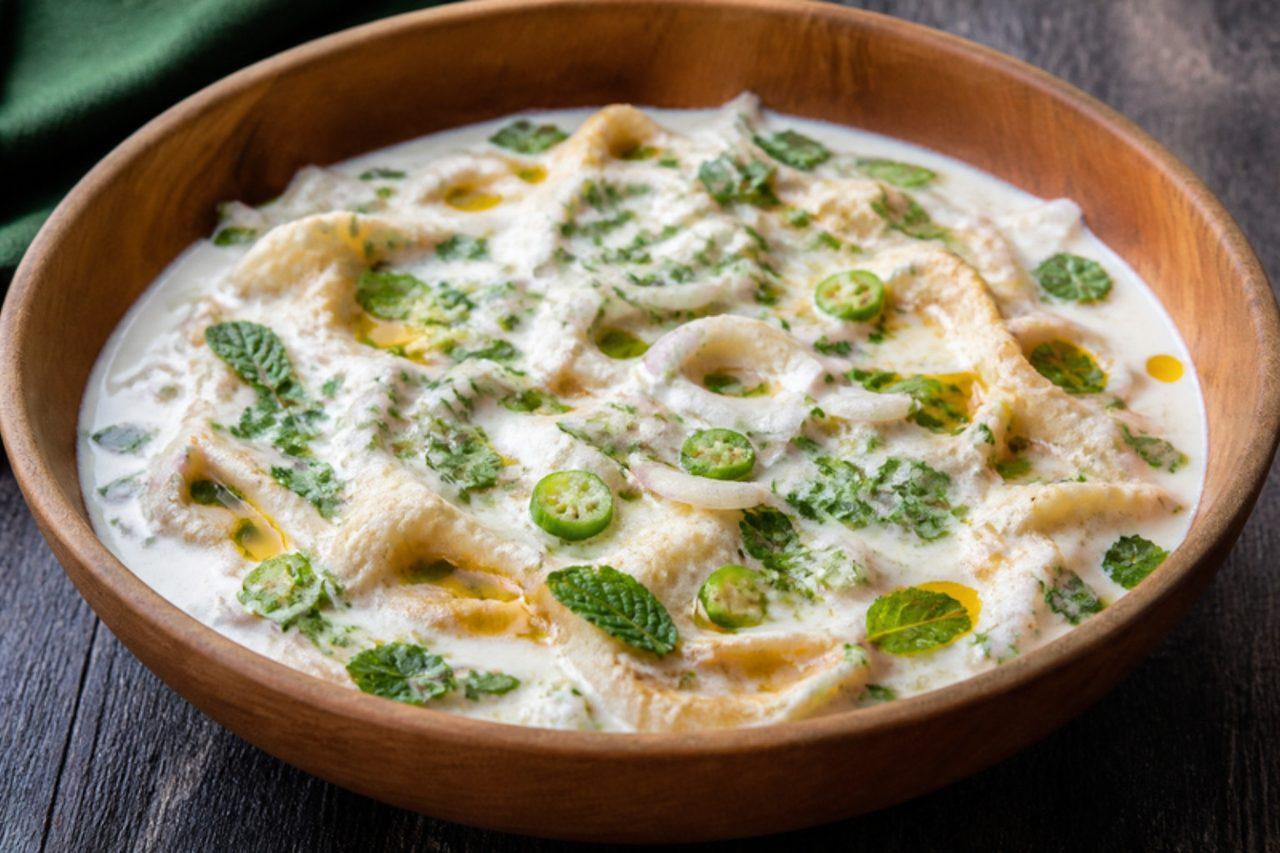
Molida is what Hunza and Gilgit households make on a hot summer afternoon from yesterday's bread and a pot of sour yogurt, a cooling, tangy bowl that needs almost no cooking at all. Pieces of thick bread or chapati are torn into a sauce of tart yogurt thinned with water and stirred with chopped onion, coriander, mint and green chilli, then left for a few minutes to soften before a spoon of hot apricot-kernel oil with fried onion goes on top. The bread ends up soft but not soggy, the yogurt sharp and herby, and it is eaten as a light lunch or after field work. Sweet, mild yogurt is the main mistake; molida needs real sourness. Chef's tip: use yogurt that is a day or two old, or add a squeeze of lemon, and use culinary apricot-kernel oil only, or swap in butter or walnut oil.

by KrazyBadal 0 views

Hoilo garma

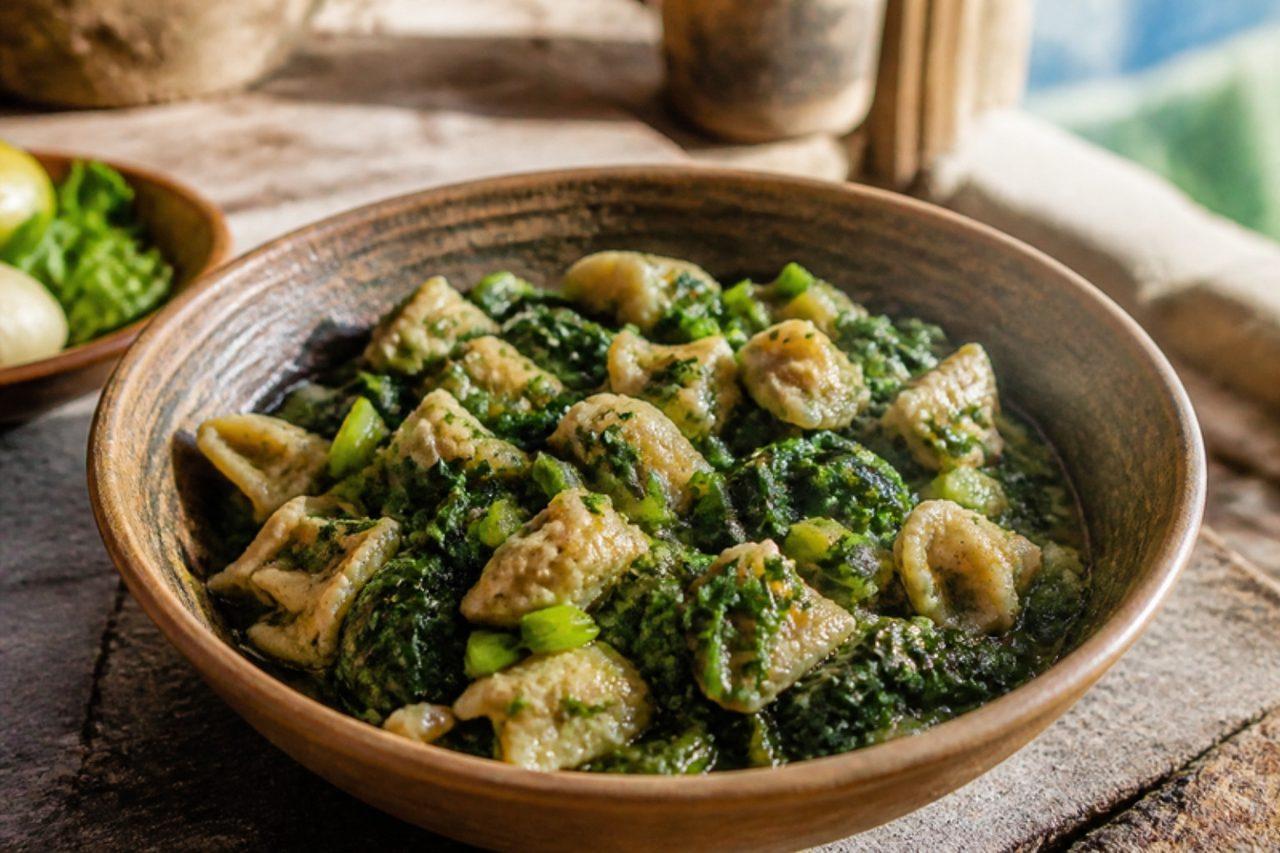
In early spring the first wild greens appear on the terraces of Hunza before anything else is ready, and families gather them for hoilo garma, a thick, warming pot of chopped greens cooked with small pieces of wholewheat dough pinched off by hand. The dough pieces turn soft and slightly chewy, almost like dumplings, and the greens melt into a glossy, savoury mass enriched at the end with butter and a little apricot-kernel oil. It is a one-pot lunch eaten from a shared dish with the fingers or a spoon, often with salty tea. Rolling the dough pieces too thick is the common error; they stay doughy in the middle. Chef's tip: spinach is the easiest choice, but a handful of dill, spring onion or chard makes it closer to the mix of wild greens used in the valley.

by KrazyBadal 0 views

Marzan

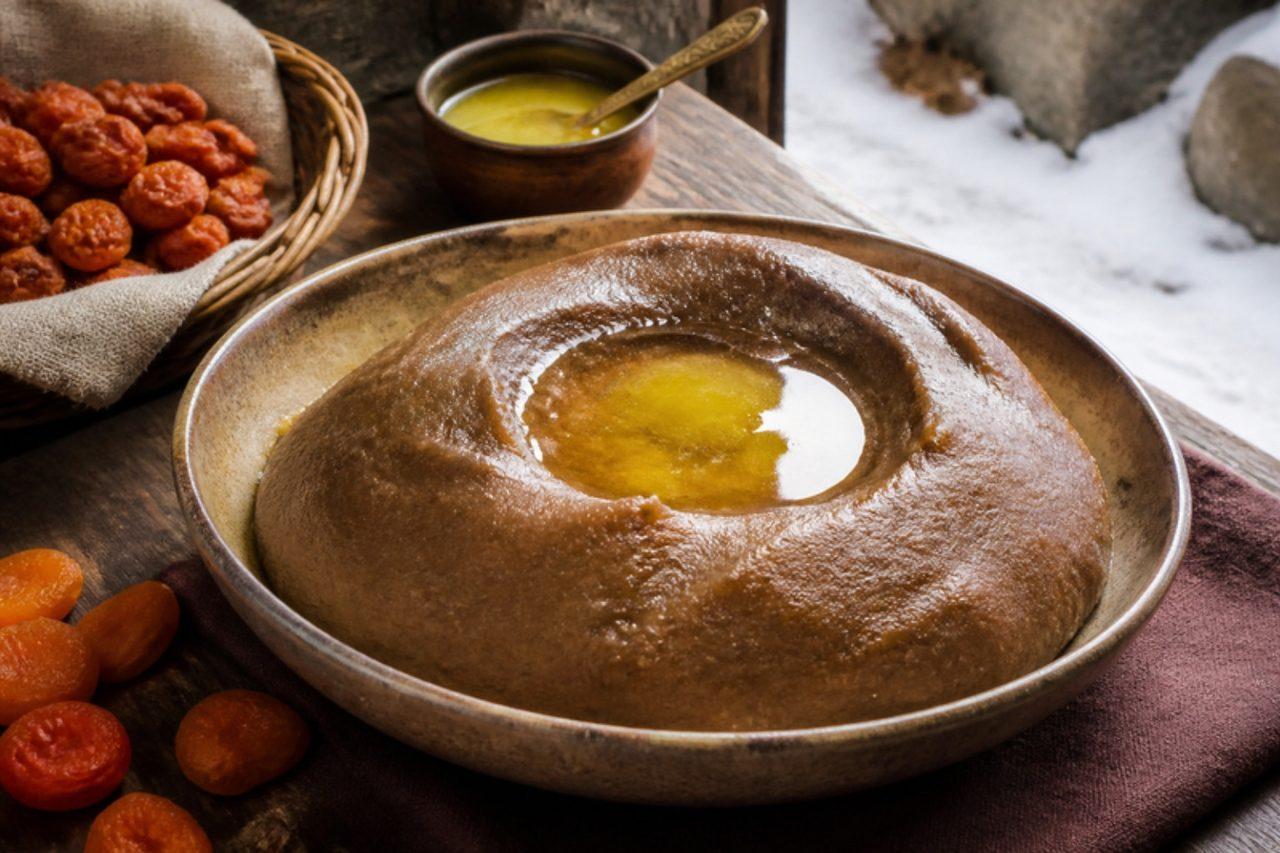
When snow cuts off the villages of Baltistan around Skardu and Khaplu, marzan is the dish that keeps people going: wholewheat flour stirred into boiling water until it becomes a thick, smooth, heavy pudding, shaped into a mound with a well in the centre filled with melted butter and apricot-kernel oil. It is eaten communally by hand, each person pulling a piece from the edge and dipping it in the fat, and it is made for new mothers, for guests after a cold journey and for winter mornings. Some families eat it plain and savoury, others sweeten it with a little sugar or serve it with dried apricots, which is how it is written here. Lumps are the usual complaint, so add the flour slowly. Chef's tip: whisk the flour into the water a spoonful at a time, then switch to a sturdy wooden spoon and beat hard as it thickens; and use only food-grade culinary apricot-kernel oil, or more butter.

by KrazyBadal 0 views

Diram fitti

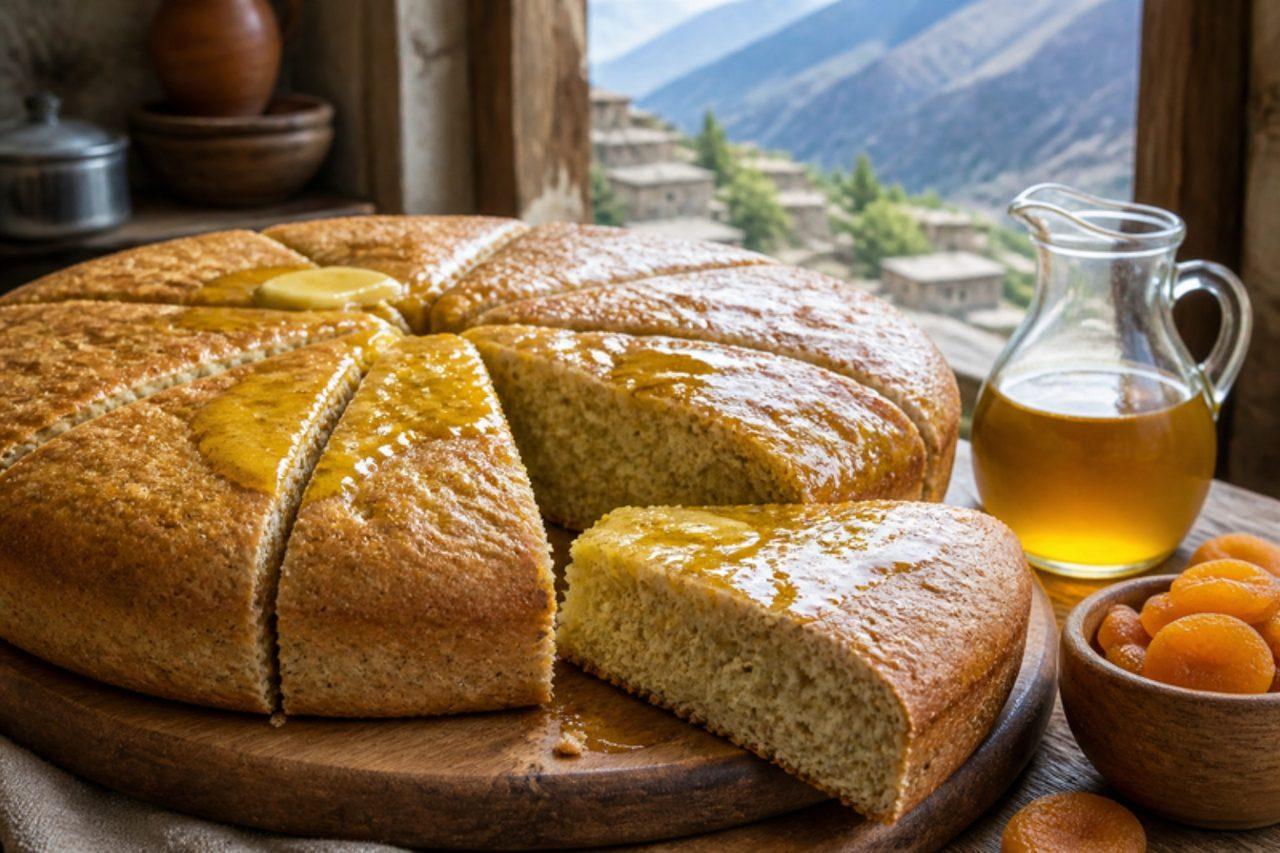
High in the Hunza valley, diram is flour ground from wheat that has been soaked, sprouted and sun-dried, and it gives this thick, round bread a gentle natural sweetness and a faintly malty smell. Diram fitti is cooked slowly in a covered pan, then broken into rough pieces while still hot and drowned in melted butter and a little apricot-kernel oil, so it turns rich, soft and fragrant; in Karimabad and Altit it is made for guests, for festivals such as Ginani at harvest time and to feed someone through a hard winter. It is eaten with the hands, often with salty Hunza tea. Pale, raw centres are the common fault, so cook it slowly with the lid on. Chef's tip: sprouted wheat flour is sold in health-food shops; use only food-grade culinary apricot-kernel oil, or swap in walnut oil or more butter.

by KrazyBadal 0 views

Goes well with culinary apricot-kernel oil