Skip to content

Recipes with dhana-jiru

7 recipes that use dhana-jiru, with photos, step-by-step instructions and cook times. The quickest, Turiya nu shaak, takes 25 minutes. It is most often cooked with red chilli powder, turmeric and black mustard seeds.

Got a few things in the fridge? Search by everything you have

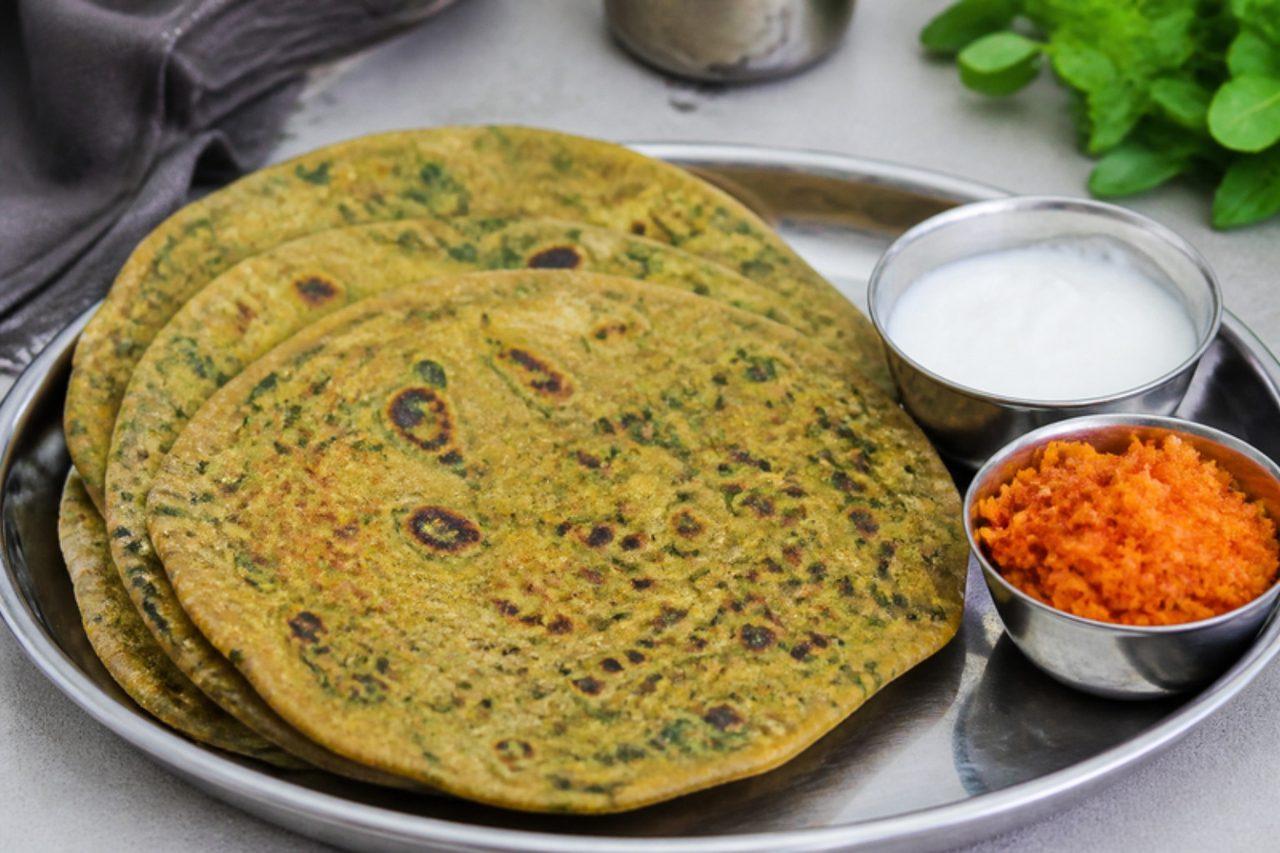
Methi theplaFenugreek flatbreads

Ask any Gujarati family heading for a train, a flight or a yatra what is in the steel dabba and the answer is methi thepla, with a jar of chhundo and some dry garlic chutney. Kneaded with dahi and a little oil rather than water, and spiced with turmeric, chilli, ajwain and sesame, they stay soft and fresh for three or four days without a fridge. Fresh methi gives a gentle bitterness balanced by a pinch of sugar, and the spoonful of besan adds a nutty depth. They are breakfast with masala chai, the school tiffin with dry aloo shaak, and the evening snack with pickle. A common mistake is pouring in water at the start; salt draws juice from the methi and dahi loosens the dough, so it turns sticky. Add water only by the spoonful at the end. Chef's tip: roll them really thin and cook on a medium tawa; thick theplas go leathery once cold.

by KrazyBadal 0 views

Kacha kela nu shaakRaw banana stir-fry

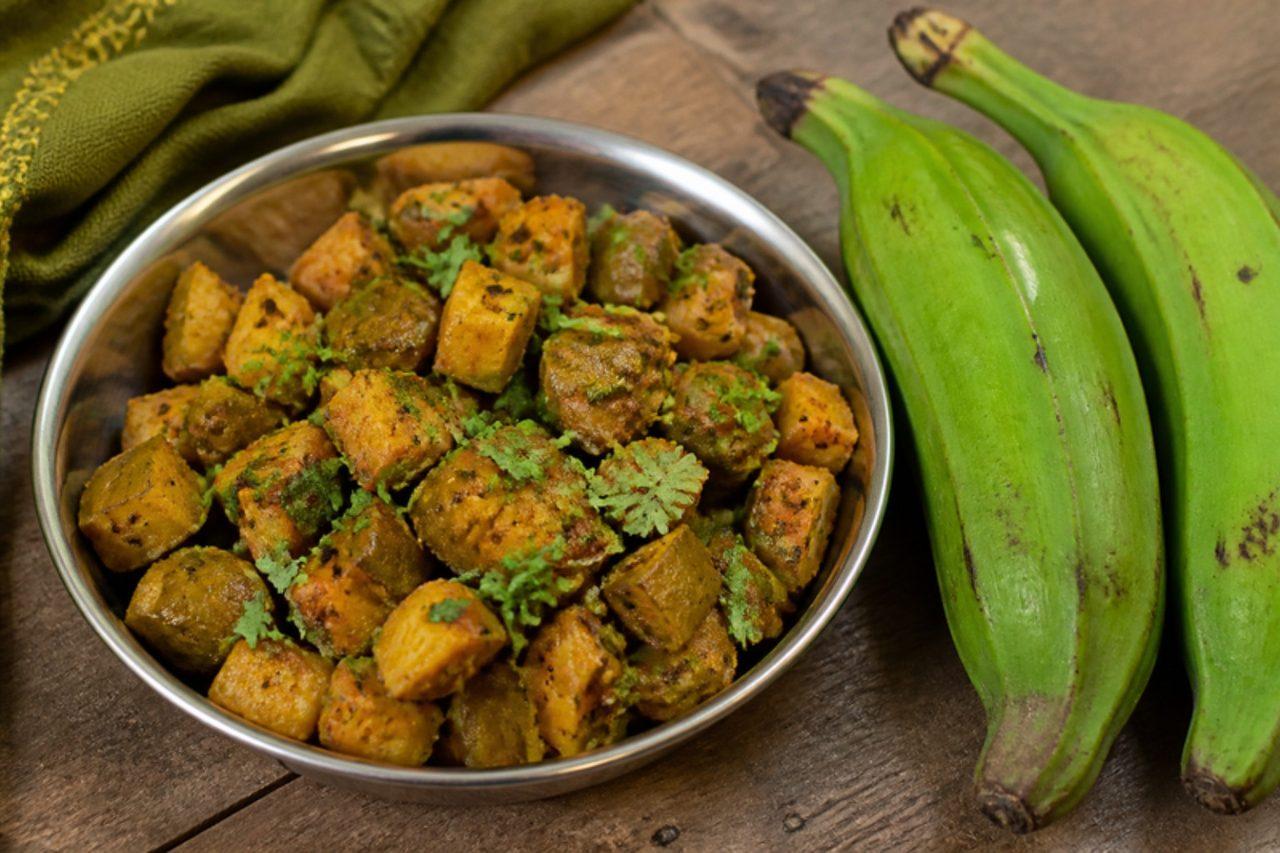
Jain kitchens leave out potatoes, along with every other root, so in Ahmedabad, Palanpur and Mumbai's Gujarati homes raw green banana steps in, and this dry shaak is the one you'll find in the thali at paryushan and at Jain bhojanshalas year round. The cubes are cooked gently in a vaghar of mustard seed, ajwain and hing, dusted with turmeric, chilli and dhana-jiru, and finished with a pinch of sugar and lemon, so they turn soft and creamy inside with lightly browned edges. It tastes savoury, sweet-sour and peppery from the ajwain. Serve it with rotli, dal-bhaat or puri. The common mistake is stirring too much once the banana softens; the cubes break and turn mushy. Turn them with a flat spatula only two or three times. Chef's tip: drop the cubes into water as you cut them so they stay pale, and drain well before they hit the oil.

by KrazyBadal 0 views

Mag nu shaakDry whole green moong

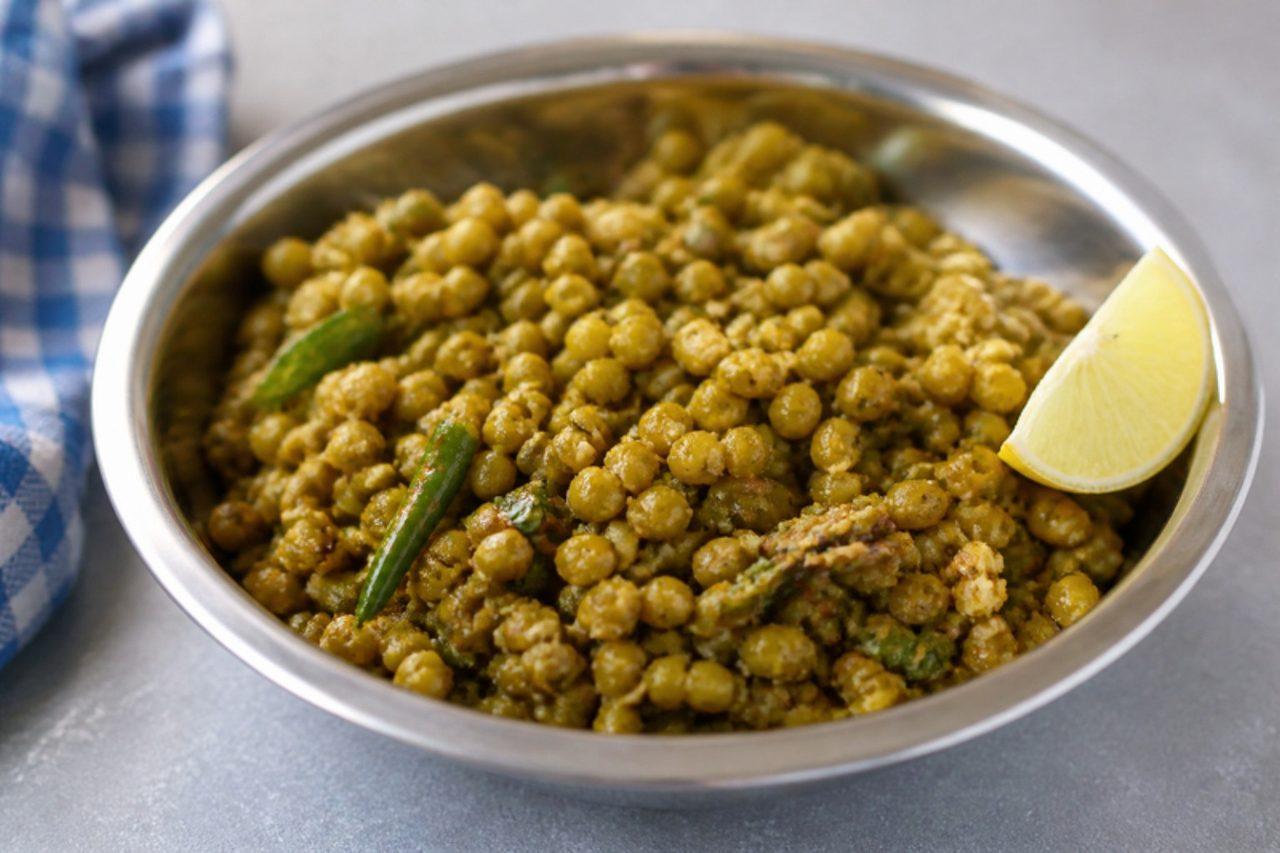
Wednesday is mag day in many Gujarati homes, and in Jain families this is how it is cooked: whole green moong soaked overnight, pressure-cooked until just soft, then tossed in a vaghar of mustard seed, ajwain and hing with green chilli and dry ginger powder instead of fresh ginger, and no onion or garlic at all. A pinch of jaggery and a squeeze of lemon give it the gentle sweet-sour taste Gujaratis expect. It's a dry shaak, each bean whole and coated, eaten with rotli, or with kadhi-bhaat for a light, very satisfying meal. A common mistake is overcooking the moong until it bursts and turns to mush; two whistles is enough, and the beans should still hold their shape. Chef's tip: save the cooking water; a few spoons loosen the shaak if it looks too dry, and the rest makes a lovely mag nu osaman with a little lemon and vaghar.

by KrazyBadal 0 views

Chora nu shaakBlack-eyed pea curry

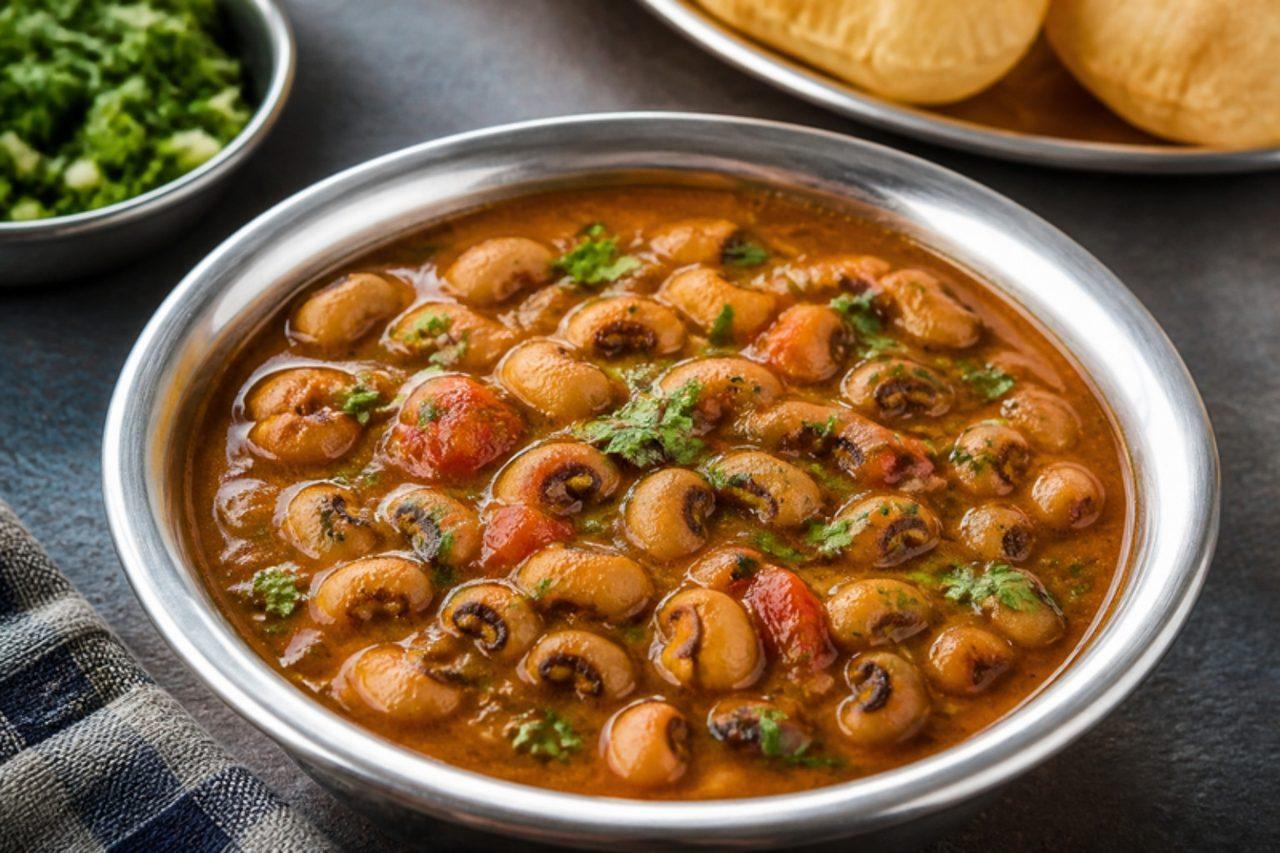
Chora nu shaak is a Sunday favourite in Surat and Baroda homes and one of the pulse shaaks that rotate through a Jain kitchen in place of onion-based gravies. Black-eyed peas are cooked soft, then simmered in a thin tomato gravy built on a vaghar of mustard seed, cumin, hing, cloves and dry red chilli, sweetened with jaggery and sharpened with lemon in true Gujarati style. Dry ginger powder replaces fresh ginger, and there is no onion or garlic. The gravy should be loose enough to soak into rotli or rice, with a few beans mashed to give it body. A common mistake is adding tomato and jaggery before the beans are fully soft; acid and sugar keep them hard however long you cook them. Chef's tip: let the shaak rest for 10 minutes before serving; the chora drink up the gravy and the flavours round out.

by KrazyBadal 0 views

Karela nu shaakBitter gourd and jaggery curry

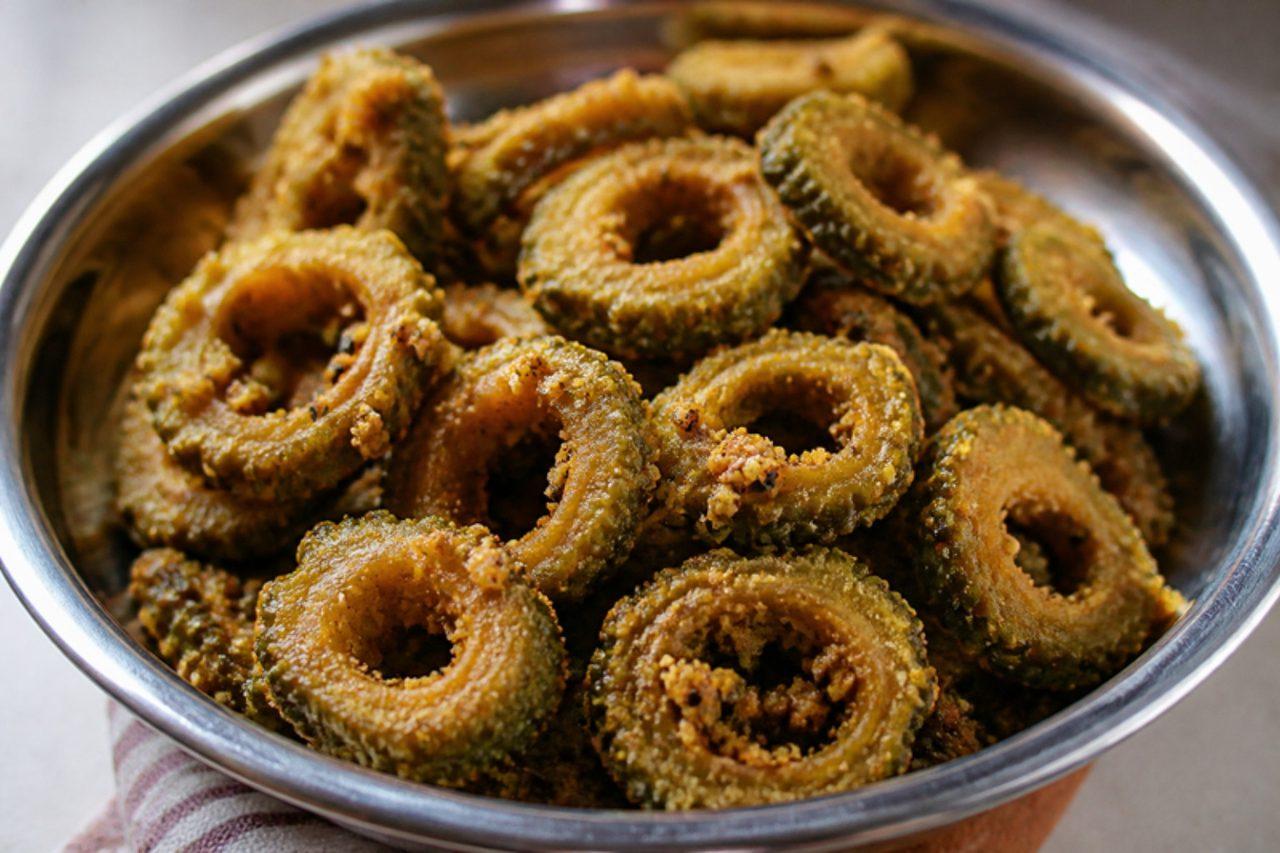
Most children in Gujarat grow up hating karela and end up asking for this version. Bitter gourd is sliced into thin rings, rubbed with salt and turmeric, squeezed, then cooked slowly in a vaghar of mustard seed and hing until soft and browned. A spoonful of besan toasted in the same pan clings to each ring, and jaggery melts into a glossy coating, so it tastes sweet, nutty, spicy and only pleasantly bitter. With no onion or garlic it suits Jain homes, and it's a monsoon favourite with dal-bhaat-rotli. A common mistake is salting the shaak again as if from scratch; the squeezed karela still holds salt, so taste first. Chef's tip: add the besan only once the karela is dry and browned, and stir constantly for a minute; in a wet pan it forms lumps.

by KrazyBadal 0 views

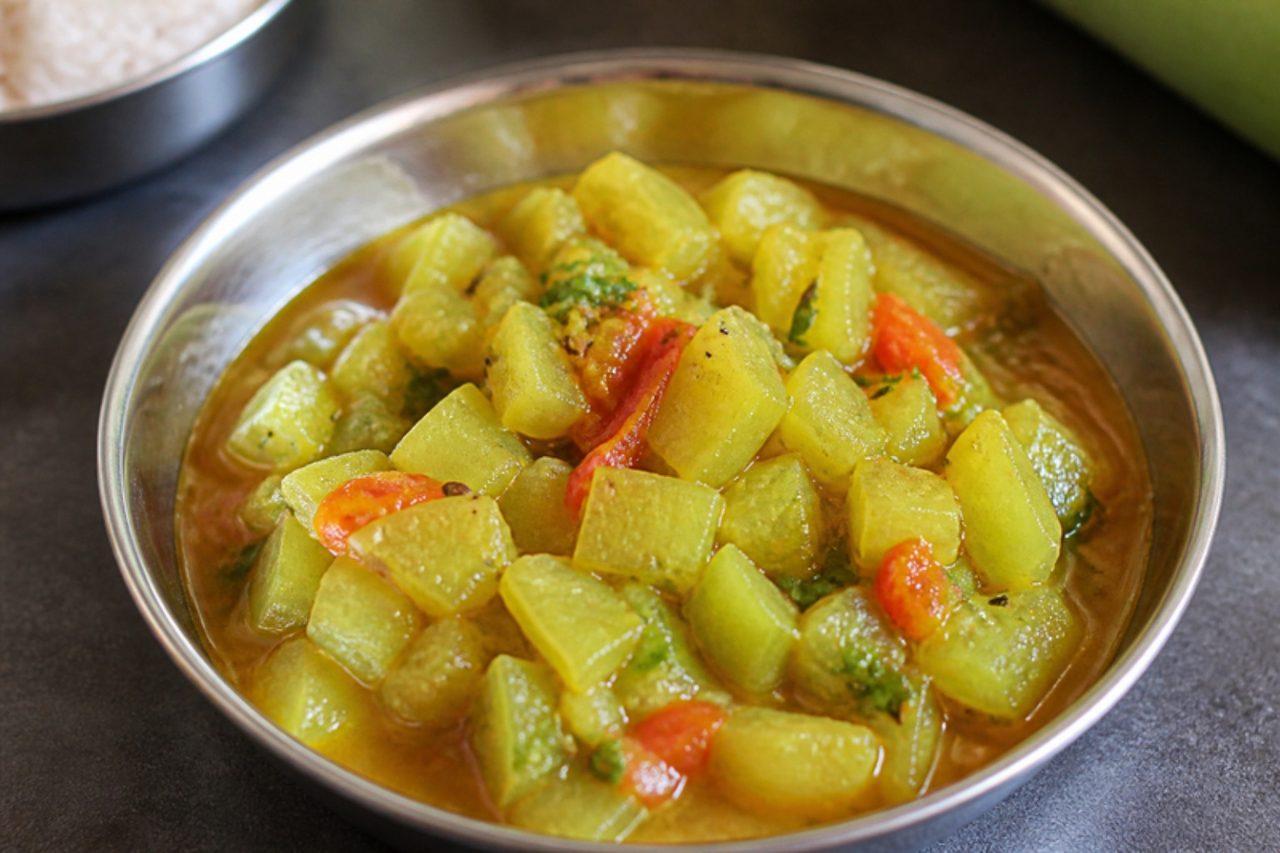
Dudhi nu shaakBottle gourd curry

When someone in a Gujarati house is unwell, or it's simply too hot to eat anything heavy, this is the shaak that appears with khichdi or thin rotli. Pale green bottle gourd cubes are cooked in a vaghar of cumin, mustard seed and hing with green chilli, a little tomato and a pinch of jaggery, and they release so much juice that almost no water is needed. With no onion, garlic or fresh ginger, it's everyday Jain food too. It ends up soft, light and gently sweet-sour, with a little thin gravy to soak into rice. The common mistake is adding water; dudhi is mostly water itself, and the shaak goes soupy and bland. Cover and let it stew in its own juice. Chef's tip: always taste a tiny raw piece first; a bottle gourd that tastes bitter can make you ill and must be thrown away.

by KrazyBadal 0 views

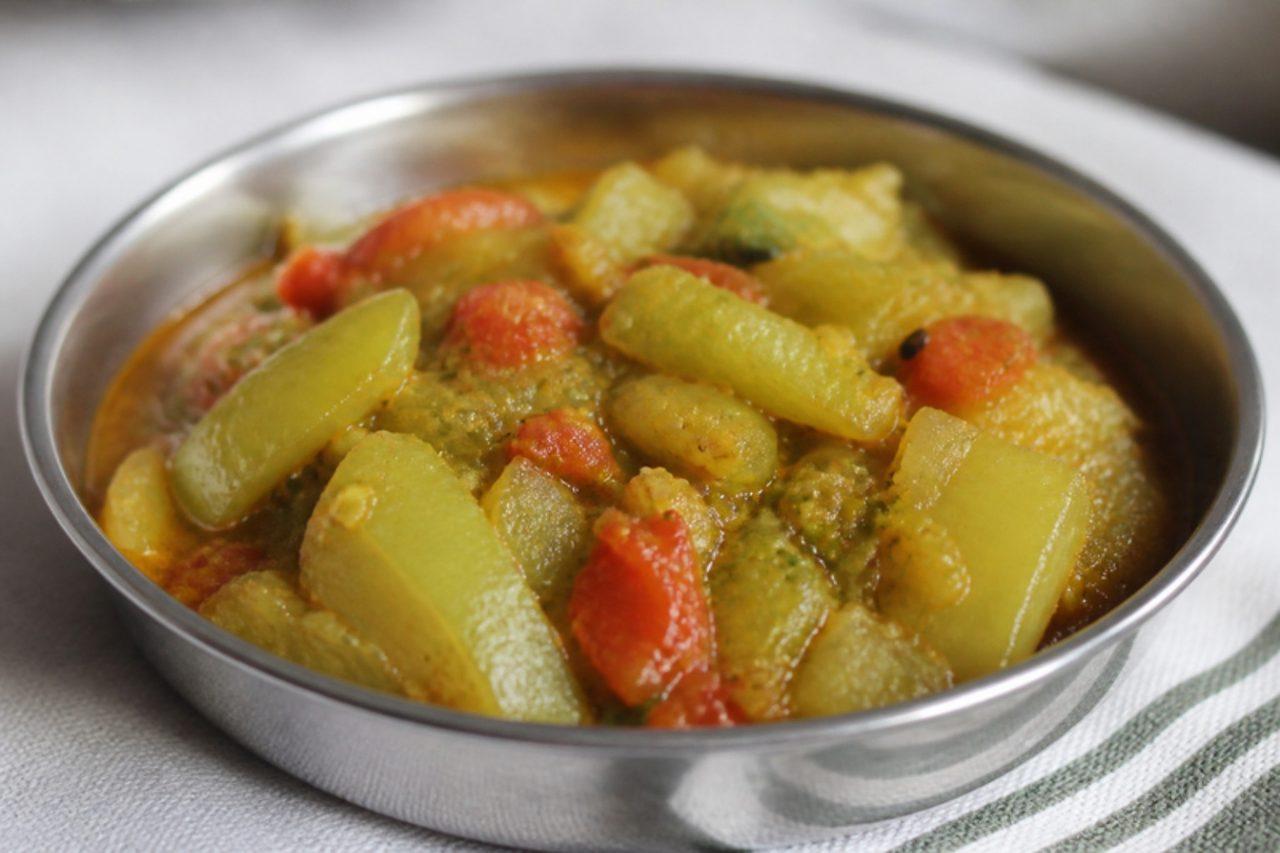
Turiya nu shaakRidge gourd curry

Turiya arrives in Gujarat's markets with the monsoon, and this quick, juicy shaak is a weekday staple from Rajkot to Navsari, eaten with rotli and a dollop of ghee, or with khichdi and kadhi. It is cooked the Jain way, in a vaghar of mustard seed, ajwain and hing with green chilli and dry ginger powder instead of fresh ginger, plus tomato and a pinch of sugar. The gourd turns silky and almost melts, leaving a light, sweetish gravy. A common mistake is overcooking: ridge gourd softens in about eight minutes and turns to mush soon after. Take it off the heat as soon as the pieces are translucent but still hold their shape. Chef's tip: scrape off only the hard ridges and leave the green skin between them; it keeps the pieces together and adds flavour.

by KrazyBadal 0 views

Goes well with dhana-jiru