Skip to content

Recipes with dried kashmiri red chillies

3 recipes that use dried kashmiri red chillies, with photos, step-by-step instructions and cook times. The quickest, Haak, takes 20 minutes. It is most often cooked with mustard oil, green chillies and asafoetida.

Got a few things in the fridge? Search by everything you have

Marchwangan korma

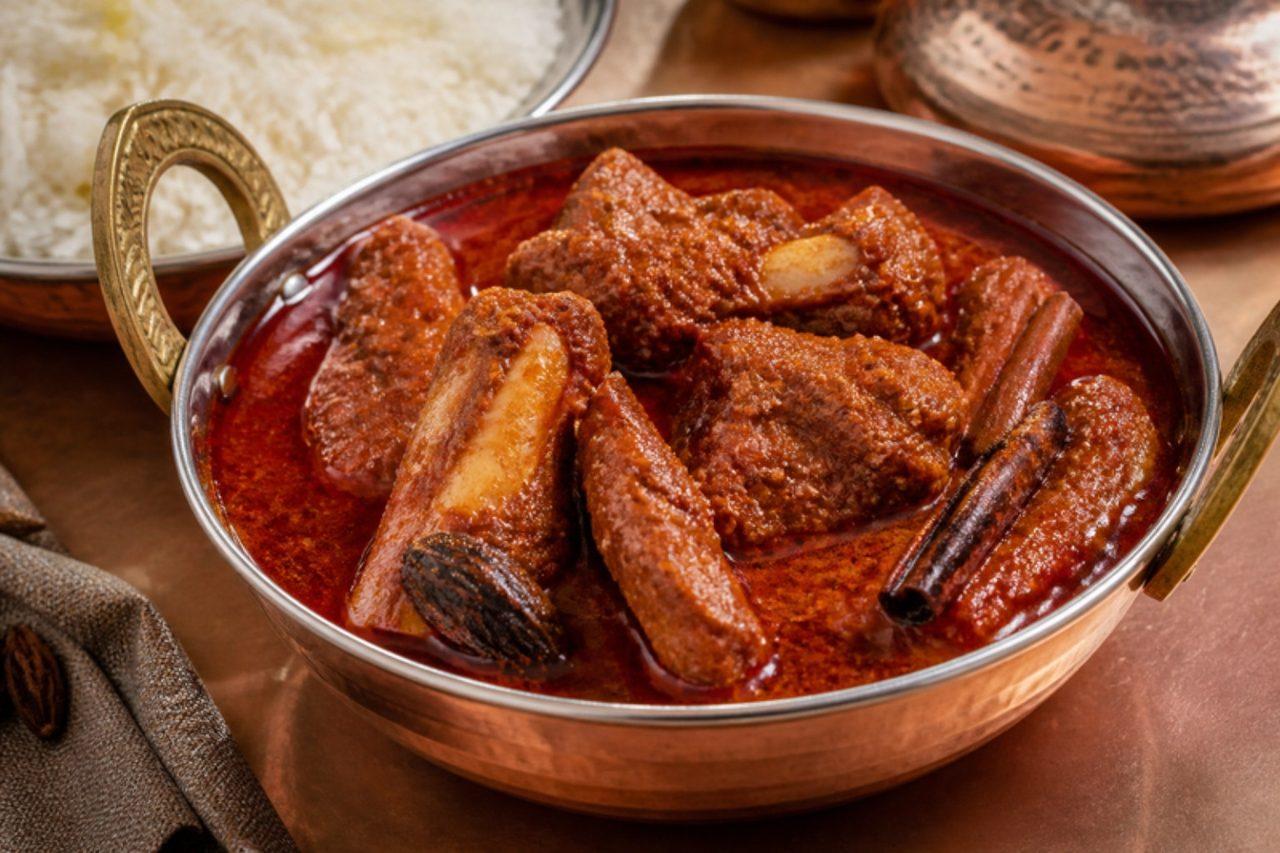
The name says it all: marchwangan means chilli, and this is the wazwan's hottest course, mutton cooked in a deep crimson gravy of Kashmiri chillies, mustard oil, fennel, dry ginger and a breath of cinnamon, with a spoonful of tamarind for sharpness. Kashmiri chillies bring colour more than ferocity, so you need a lot of them, and a few hotter dried chillies give the real kick. It is served at weddings and family feasts in Azad Kashmir and by Kashmiri households in Lahore and Rawalpindi with plain rice, alongside milder dishes like gushtaba to cool the palate. Scorching the chilli paste is how it goes wrong; it turns bitter and brown, so fry it on a moderate heat with a splash of water. Chef's tip: soak the whole dried chillies in hot water and blend them rather than using only powder, for a smoother, glossier gravy.

by KrazyBadal 0 views

Haak

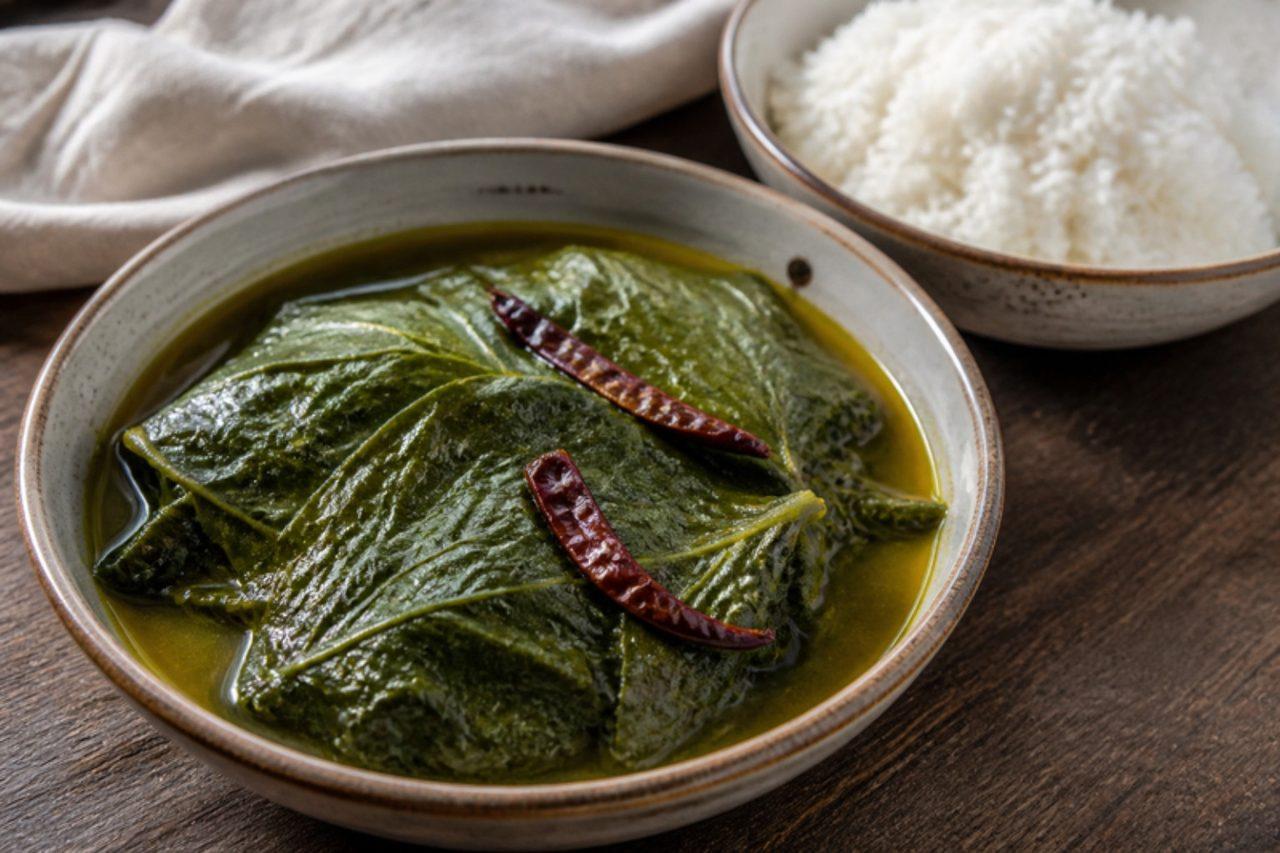
Haak is the everyday green of Kashmir: collard greens grown in every kitchen garden, cooked whole with nothing more than mustard oil, dried red chilli, asafoetida and salt. The leaves stay bright, tender and slightly silky, with a clean, peppery taste that sings next to rice. Kashmiri Pandit households keep it this simple; Muslim homes often add a few garlic cloves. Serve with plain rice and a dal or rajma. Chef's tip: leave the leaves whole or in large pieces and cook them uncovered for the first minutes; chopping and covering too early turns them dull olive-green.

by KrazyBadal 0 views

Monji haak

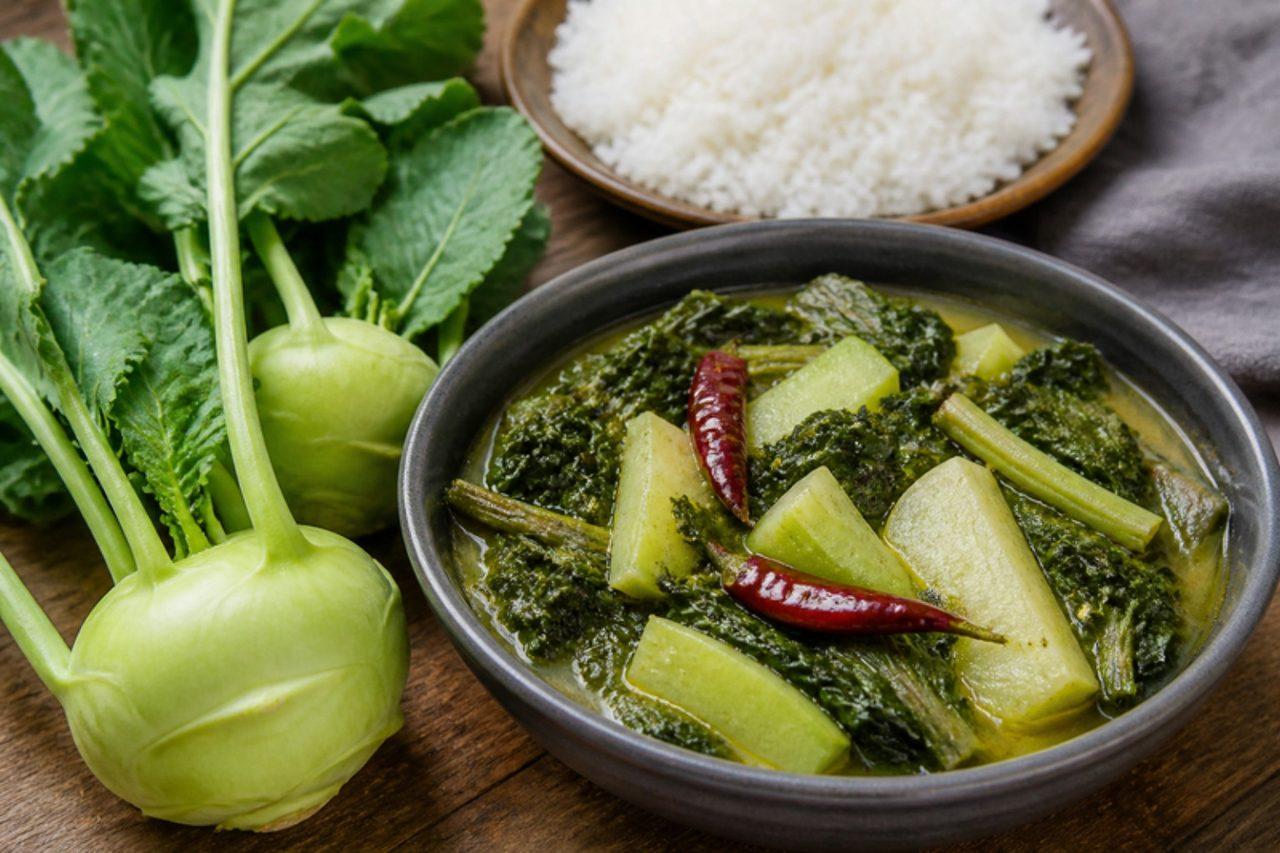
Kohlrabi, monji in Kashmiri, grows in almost every kitchen garden in the Kashmir Valley, and families cook the round bulb and its leaves together in one pot. Like its cousin haak, it is a dish of very few ingredients: mustard oil, dried chilli, a pinch of asafoetida and salt, simmered with a splash of water until the bulb turns sweet and tender. It is eaten through the cold months with plain rice and a bowl of yogurt, and Kashmiris will tell you it tastes best in autumn when the bulbs are young. Chef's tip: buy kohlrabi with fresh, perky leaves attached; if the leaves are tired, add a handful of spinach instead.

by KrazyBadal 0 views

Goes well with dried kashmiri red chillies