Skip to content

Recipes with dried shiitake mushroom

8 recipes that use dried shiitake mushroom, with photos, step-by-step instructions and cook times. The quickest, Miso soup, takes 10 minutes. It is most often cooked with spring onion, kombu and soy sauce.

Run out of dried shiitake mushroom? Aubergine, diced, same weight.

Got a few things in the fridge? Search by everything you have

Tteokbokki

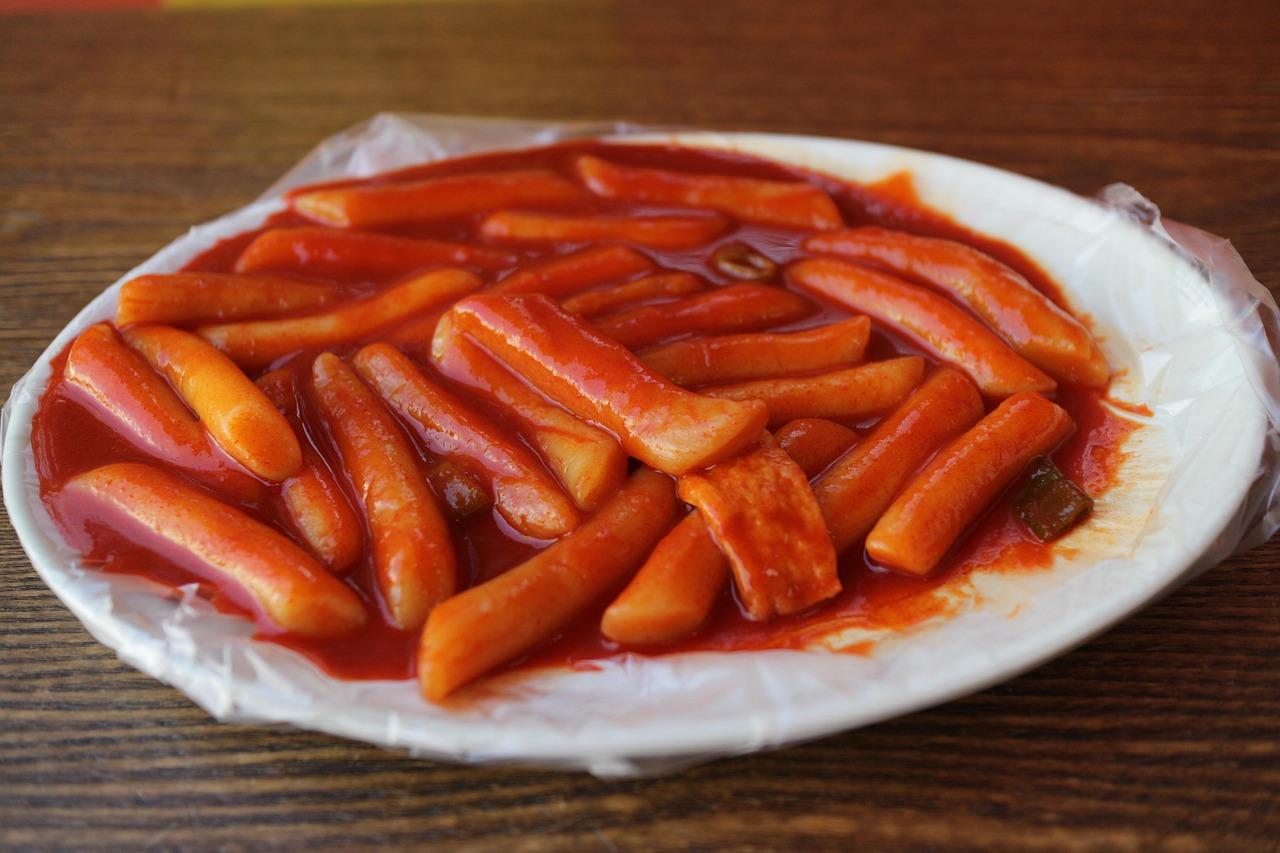
Tteokbokki (떡볶이) is Korea's best-loved street snack: chewy cylinders of rice cake simmered in a thick, glossy, sweet and spicy red sauce. It became a classic in Seoul, where it is sold from street stalls and snack bars in every neighbourhood. Street versions use anchovy stock and fish cakes; this vegan version uses a quick kelp and shiitake stock with cabbage and spring onions, and has all the same punch. Eat it hot, while the rice cakes are soft and stretchy. Chef's tip: keep stirring and scrape the bottom; the rice cakes release starch that thickens the sauce but also catches. The sauce is right when it clings to the spoon in a glossy coat.

by KrazyBadal 1 views
Vegetable miso ramen

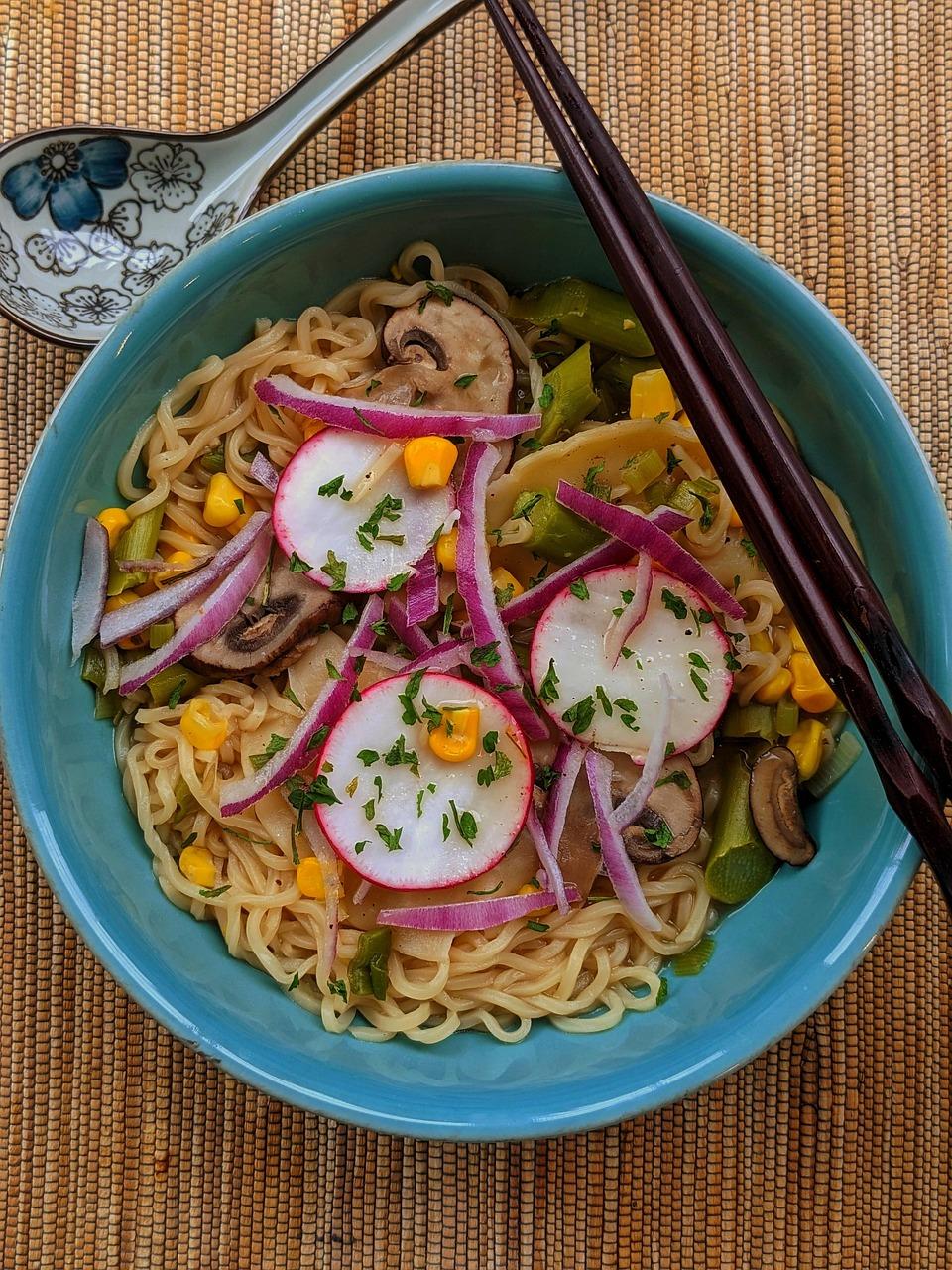
Miso ramen was born in Sapporo, Hokkaido, and is now eaten all over Japan. This vegetarian version builds a deep broth from kombu and dried shiitake instead of pork bones, then thickens it with miso and toasted sesame paste. A pile of quickly stir-fried cabbage, bean sprouts, carrot and sweetcorn goes on top with a soft-boiled egg. Slurp it while it's piping hot on a cold day. Chef's tip: fry the miso paste for a minute in the hot wok with the garlic and ginger before it meets the broth, as Sapporo shops do; the toasted miso gives the soup its deep, roasted flavour.

by KrazyBadal 0 views

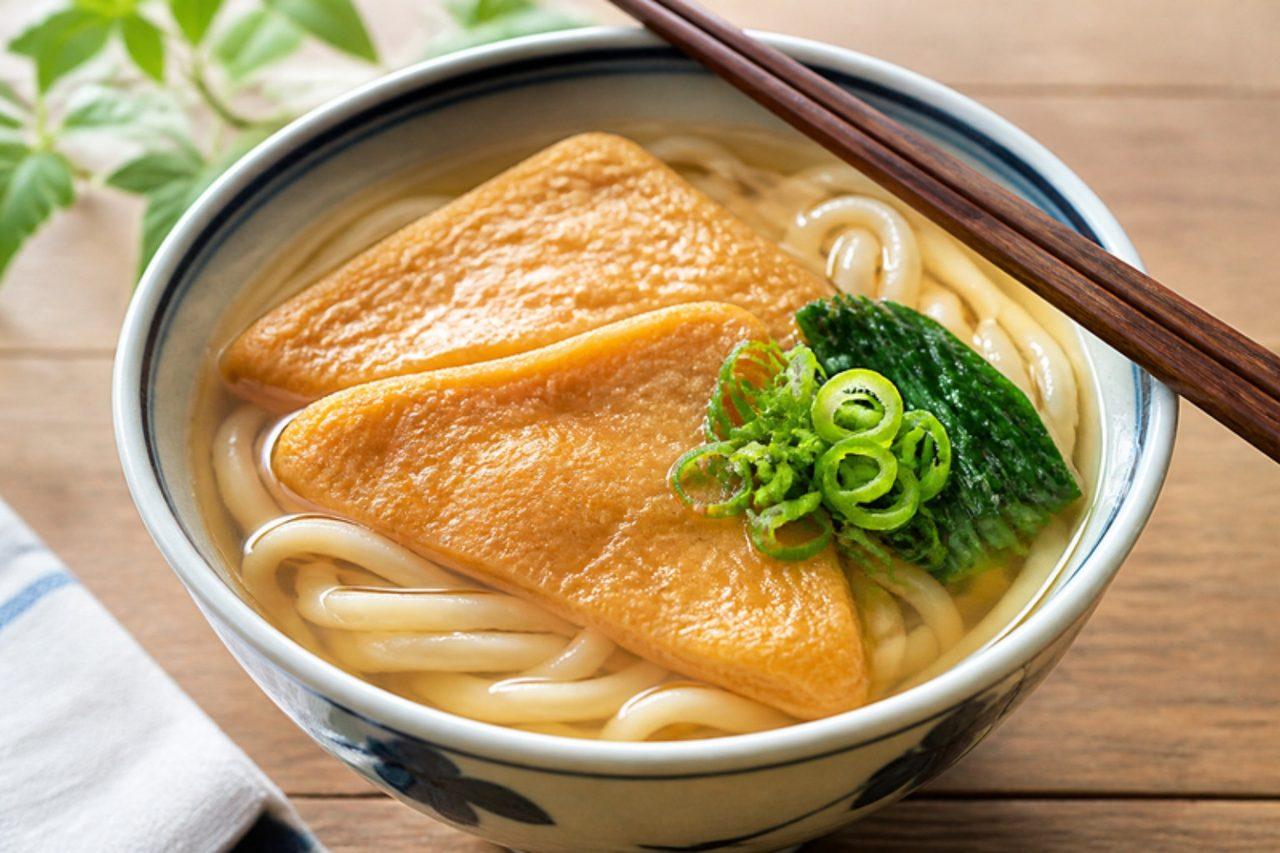
Kitsune udon

Kitsune udon (きつねうどん, 'fox udon') comes from Osaka, where a noodle shop first floated a sheet of sweet simmered fried tofu on a bowl of udon in the 1890s. The name comes from the folk tale that foxes love fried tofu. Soft, chewy noodles sit in a pale, gently sweet broth, and the tofu soaks up the soup like a sponge. This version uses a kombu and shiitake dashi instead of bonito, so it is fully vegetarian. Chef's tip: let the sweet tofu cool in its simmering liquid if you have time; as it cools it drinks up the sauce, so every bite bursts with sweet soy juice in the hot broth.

by KrazyBadal 0 views

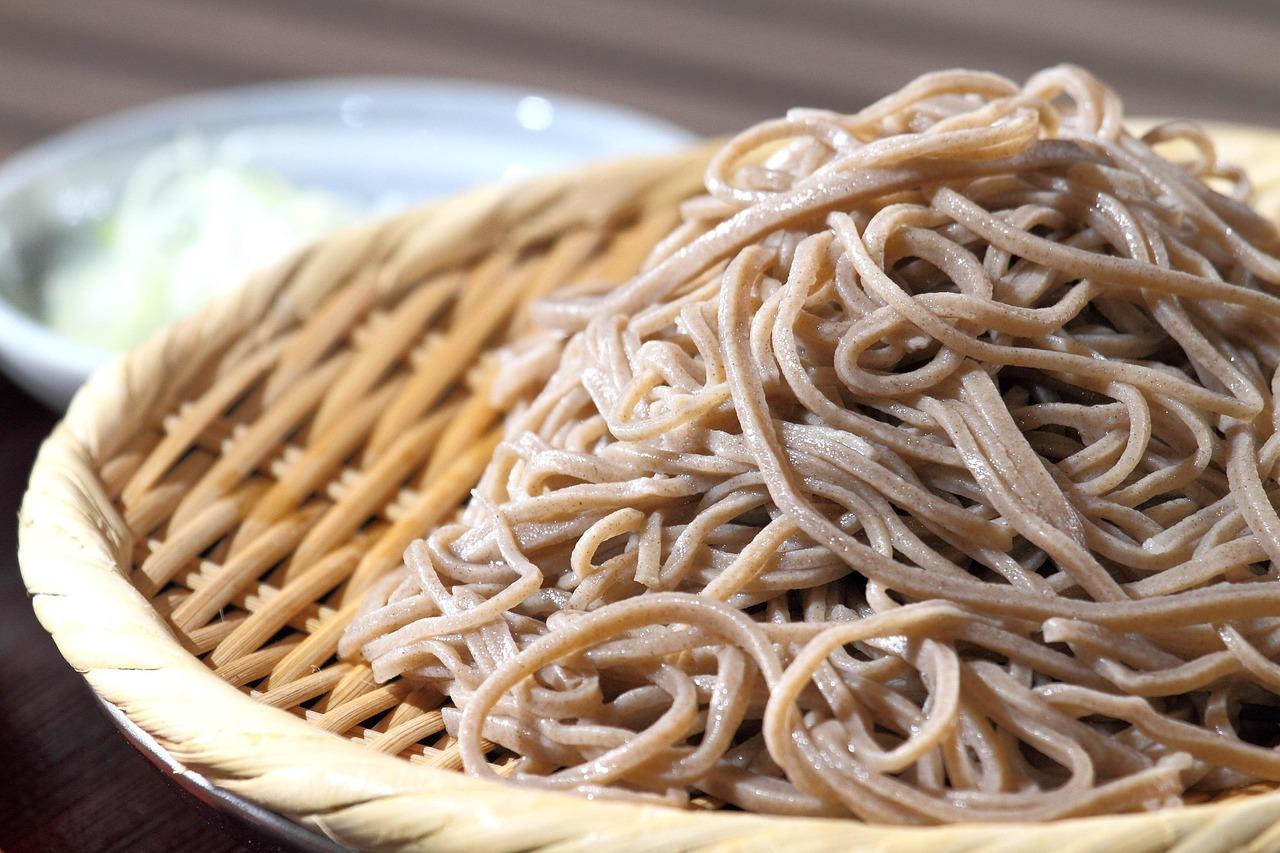
Zaru soba

Zaru soba (ざるそば) is the simplest and most loved way to eat buckwheat noodles in Japan, served chilled on a bamboo tray (zaru) with a small cup of dipping sauce. You pick up a mouthful of noodles, dip them, and slurp. The usual tsuyu sauce is made with bonito; this one gets its savoury depth from kombu and dried shiitake. Refreshing on a hot day, with grated wasabi, spring onion and a little nori. Chef's tip: the ice-water rinse is not optional. It washes off the surface starch and tightens the noodles so they're slippery and firm; soba shops call this 'shime', the finishing chill.

by KrazyBadal 0 views

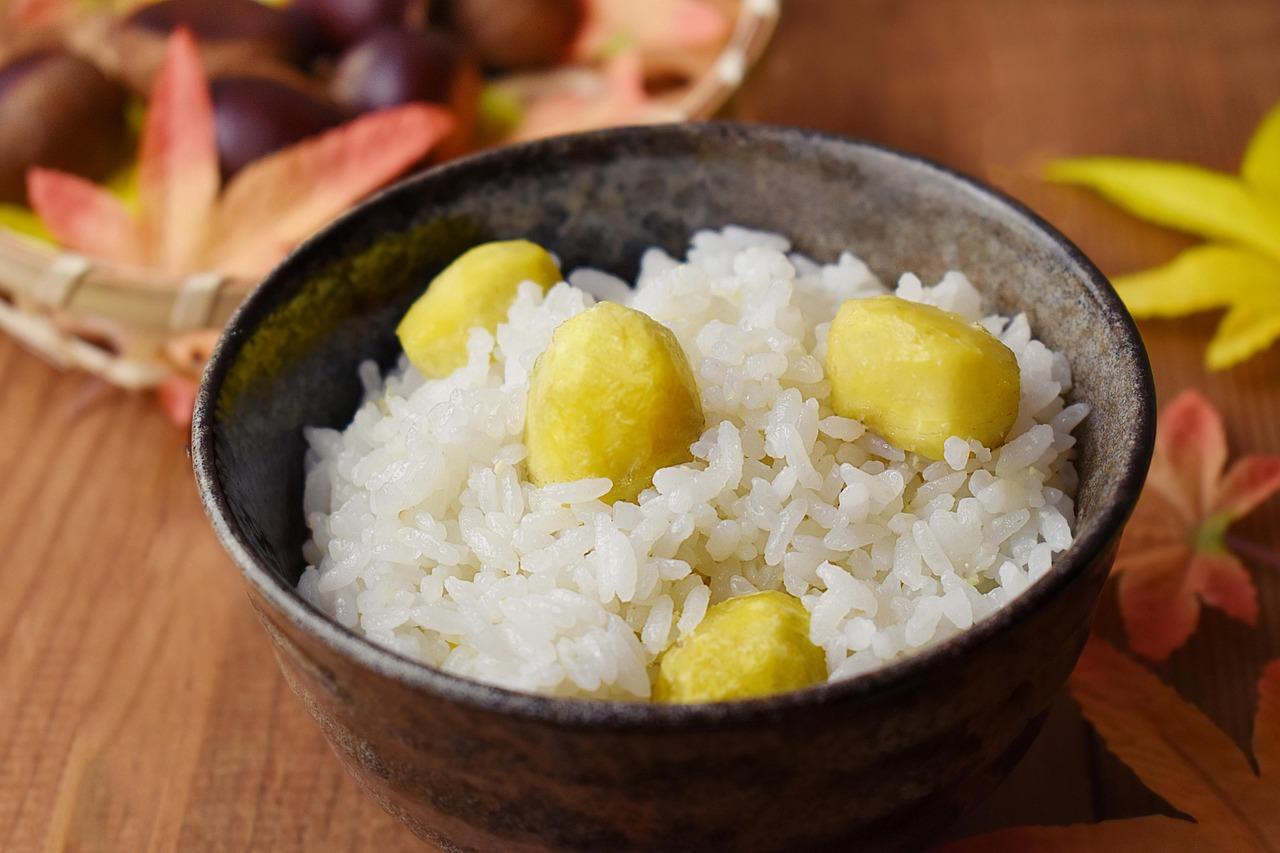
Takikomi gohan

Takikomi gohan (炊き込みご飯) is mixed rice cooked in one pot with seasonal vegetables and a savoury broth, made in homes across Japan, especially in autumn when mushrooms and chestnuts are in season. Every grain soaks up the soy, mirin and mushroom flavour, and the bottom forms a prized toasty crust (okoge). This vegetarian version uses a kombu and shiitake dashi. Serve it with miso soup and pickles, or pack it into onigiri the next day. Chef's tip: never stir once the vegetables are on top, and don't lift the lid while it cooks. The heavy vegetables would sink and the rice cook unevenly; leaving it alone also gives you the toasty okoge crust at the bottom.

by KrazyBadal 0 views

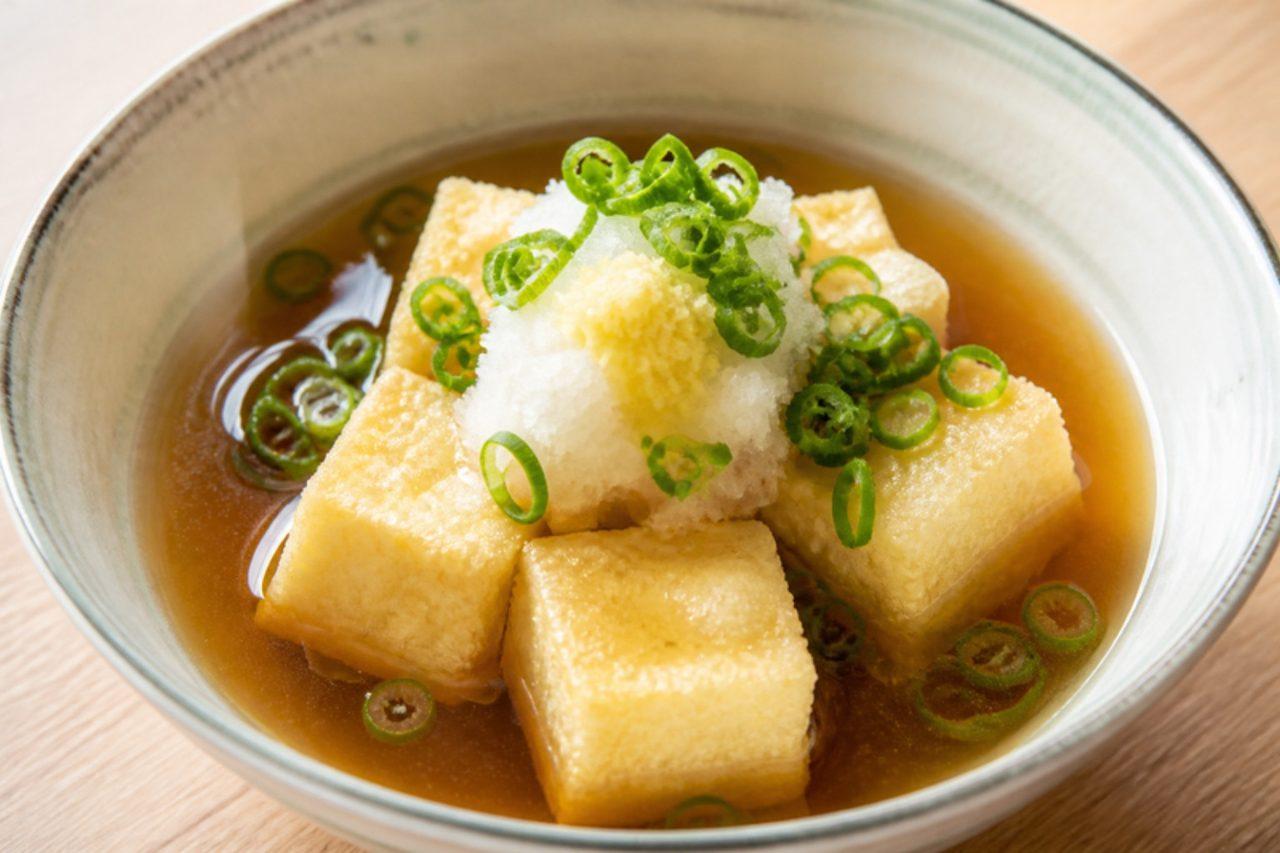
Agedashi tofu

Agedashi tofu (揚げ出し豆腐) is a classic izakaya dish eaten all over Japan: cubes of soft tofu dusted in potato starch, fried until they form a thin, crisp shell, then bathed in a hot, savoury broth. The coating turns silky as it soaks up the sauce while the tofu inside stays creamy. Usually topped with bonito flakes; here it's grated daikon, ginger and spring onion with a kombu-shiitake broth instead. Chef's tip: coat the tofu in starch right before it goes into the oil, not ahead of time; if it sits, the starch turns damp and the coating fries up gummy instead of crisp.

by KrazyBadal 0 views

Miso soup

Miso soup (味噌汁) is drunk every day in homes all over Japan, at breakfast as well as dinner, beside a bowl of rice. The base is dashi; this vegan version uses kombu and dried shiitake instead of bonito, which gives it a deep, rounded flavour. Silken tofu and wakame seaweed are the classic fillings. It takes ten minutes; just remember not to boil the miso. Chef's tip: add the miso at the very end and never let it boil. Boiling kills the miso's fresh, fermented aroma; Japanese cooks say the soup should only 'smile', with the surface barely trembling.

10 minSoupsVegan
by KrazyBadal 0 views

Doenjang jjigae

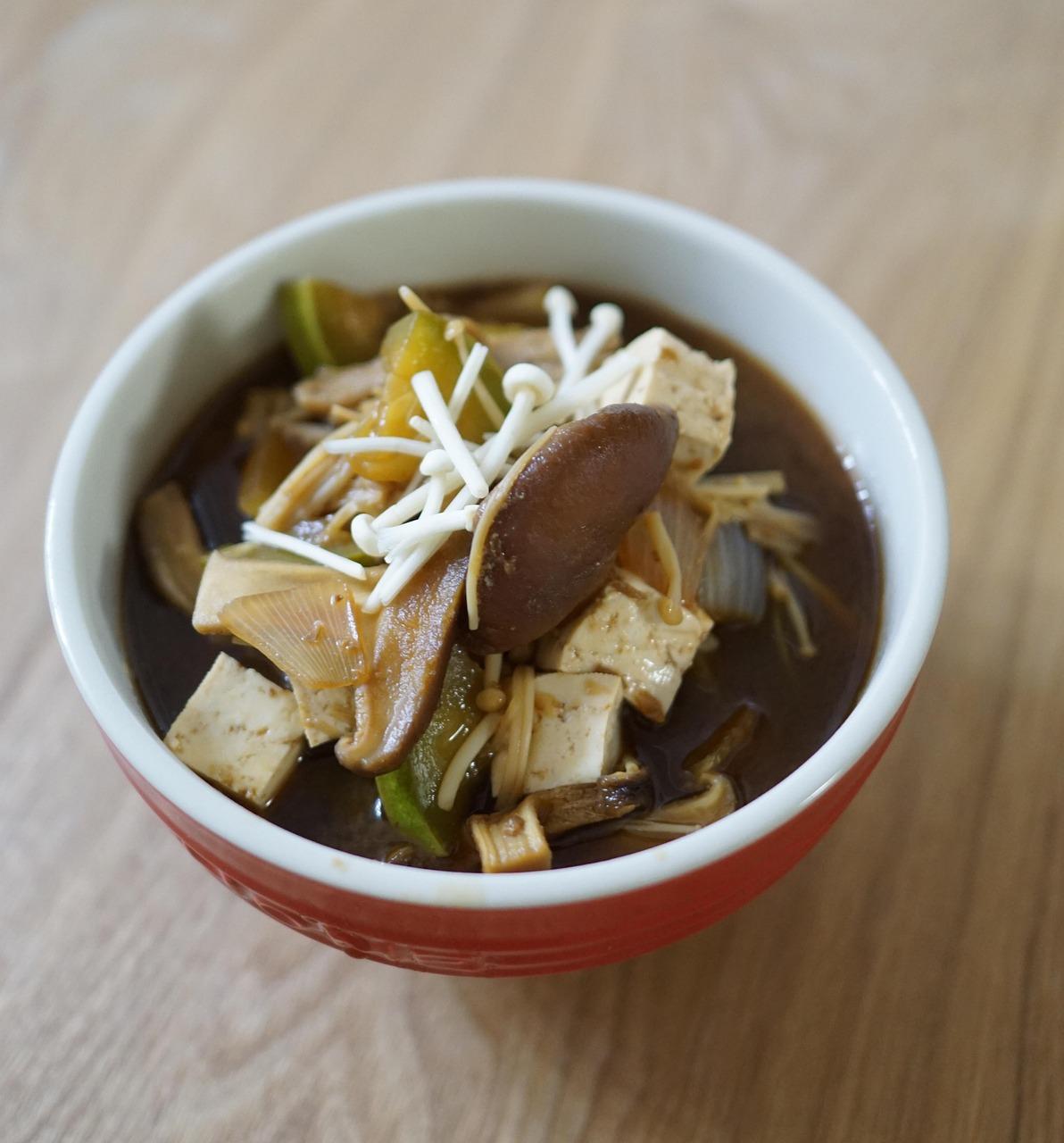
Doenjang jjigae (된장찌개) is the stew Korean families all over the country eat most often: a bubbling pot of fermented soybean paste broth with tofu, potato, courgette, mushrooms and chilli, served with rice and banchan. Doenjang is deeper and funkier than Japanese miso, and it gives the broth a rich, earthy savouriness. It is usually made with anchovy stock; here a quick kelp and shiitake stock does the same job, so the stew is vegan. Serve it in the pot it was cooked in, still bubbling. Chef's tip: add the doenjang early and let it simmer. Its earthy depth comes out with a few minutes of bubbling, and it is better a little thick and salty than thin, as it is eaten with plenty of rice.

25 minSoupsVegan
by KrazyBadal 0 views

Goes well with dried shiitake mushroom