Skip to content

Recipes with fenugreek powder

3 recipes that use fenugreek powder, with photos, step-by-step instructions and cook times. The quickest, Vadukapuli naranga achar, takes 35 minutes. It is most often cooked with curry leaves, gingelly and ginger.

Got a few things in the fridge? Search by everything you have

Vadukapuli naranga achar

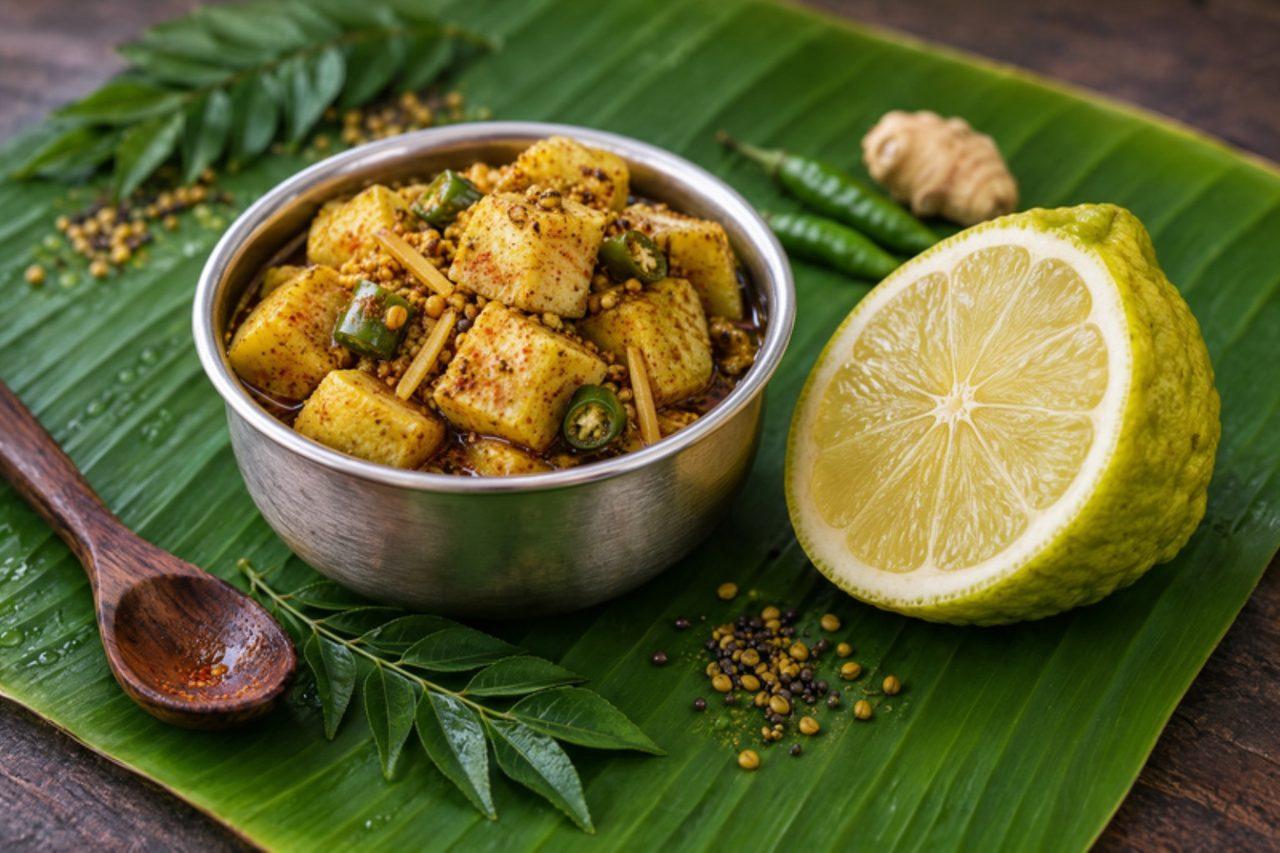
Vadukapuli naranga is a large, knobbly, thick-skinned wild lemon grown in Kerala backyards, and it is ripe just in time for Onam in August–September. Cut into small cubes with its spongy white pith and mixed with green chilli, ginger, chilli powder and a sesame-oil tempering, it becomes the pale yellow pickle dabbed on the end of every sadya banana leaf, next to inji puli and mango. It is sour, bitter and fresh at once, with juicy flesh and a soft, absorbent pith that soaks up the spices. It is just as welcome with curd rice or a simple moru curry. The common mistake is leaving the bitter seeds and the tough central core in; take them out or the whole jar turns harsh. It is ready to eat after a day, once the salt has drawn out the juice and the pieces look moist and slightly translucent. Because it has fresh ginger, green chilli and curry leaves, keep it in the fridge and eat within a month. Outside Kerala, use a citron or the biggest thick-skinned lemons you can find. Chef's tip: a spoon of vinegar sharpens the pickle and helps it keep; Kerala Christian homes often add one.

by KrazyBadal 0 views

Pavakka achar

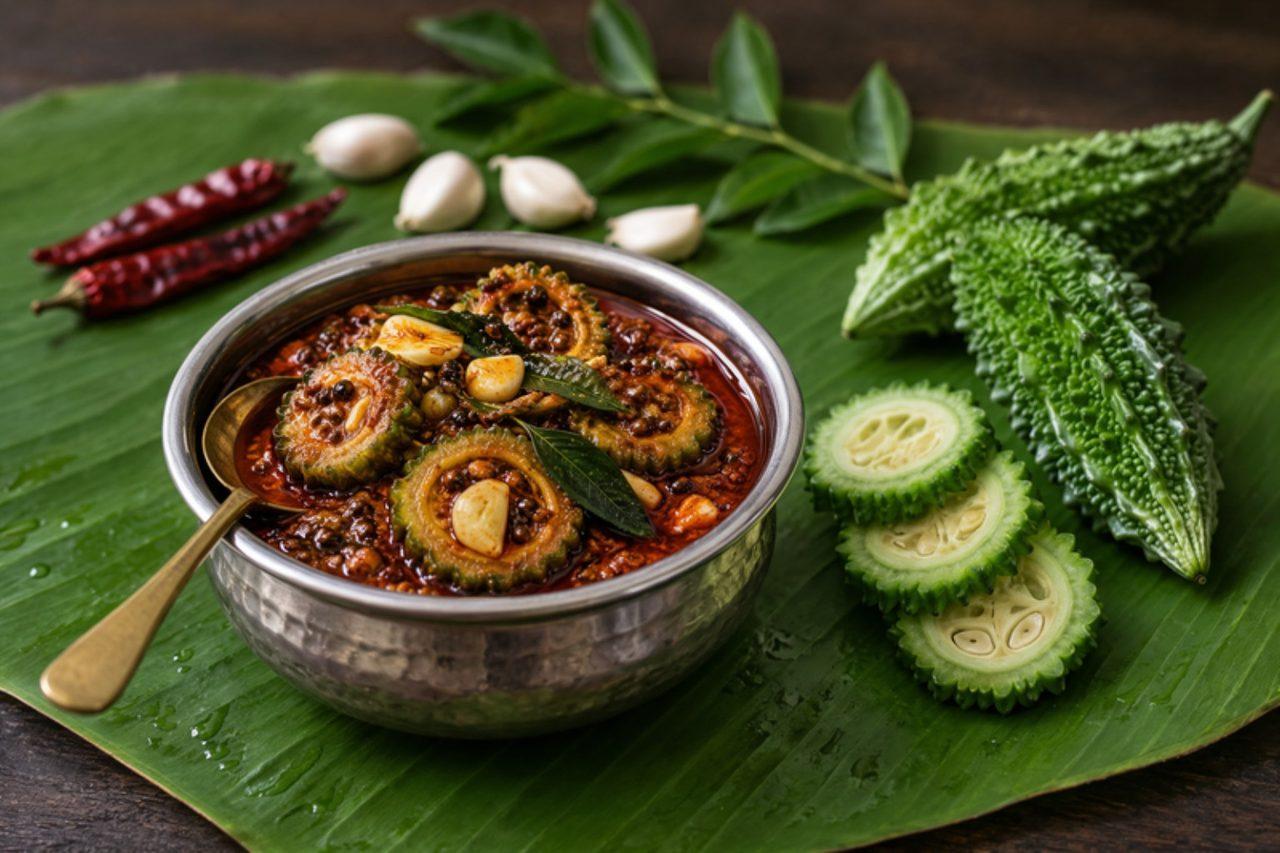
Bitter gourd pickle is a speciality of Kerala's Syrian Christian kitchens in Kottayam and Thiruvalla, made through the year and always on the table at Christmas and wedding lunches. Thin rounds of pavakka are salted to tame the bitterness, fried until crisp at the edges, then tossed in a garlicky, ginger-sharp masala of Kashmiri chilli and vinegar cooked in gingelly oil. The pieces stay slightly crunchy and chewy, the masala is tangy and hot, and the bitterness is there but rounded off by a little sugar. Eat it with rice and moru curry, appam or chapati. The common mistake is under-frying: pale, soft pavakka goes soggy and spoils fast in the vinegar. Fry until the rounds are deep golden and the bubbling in the oil almost stops. The masala is ready when the oil separates and the vinegar's sharp smell has mellowed. Because it holds garlic and ginger in oil, the vinegar (at least 5% acidity, never diluted) and the fridge both matter: keep it chilled and eat within a month. Chef's tip: choose small, dark green Kerala pavakka with tight ridges; they are firmer and less watery than the big pale ones.

by KrazyBadal 0 views

Eenthapazham achar

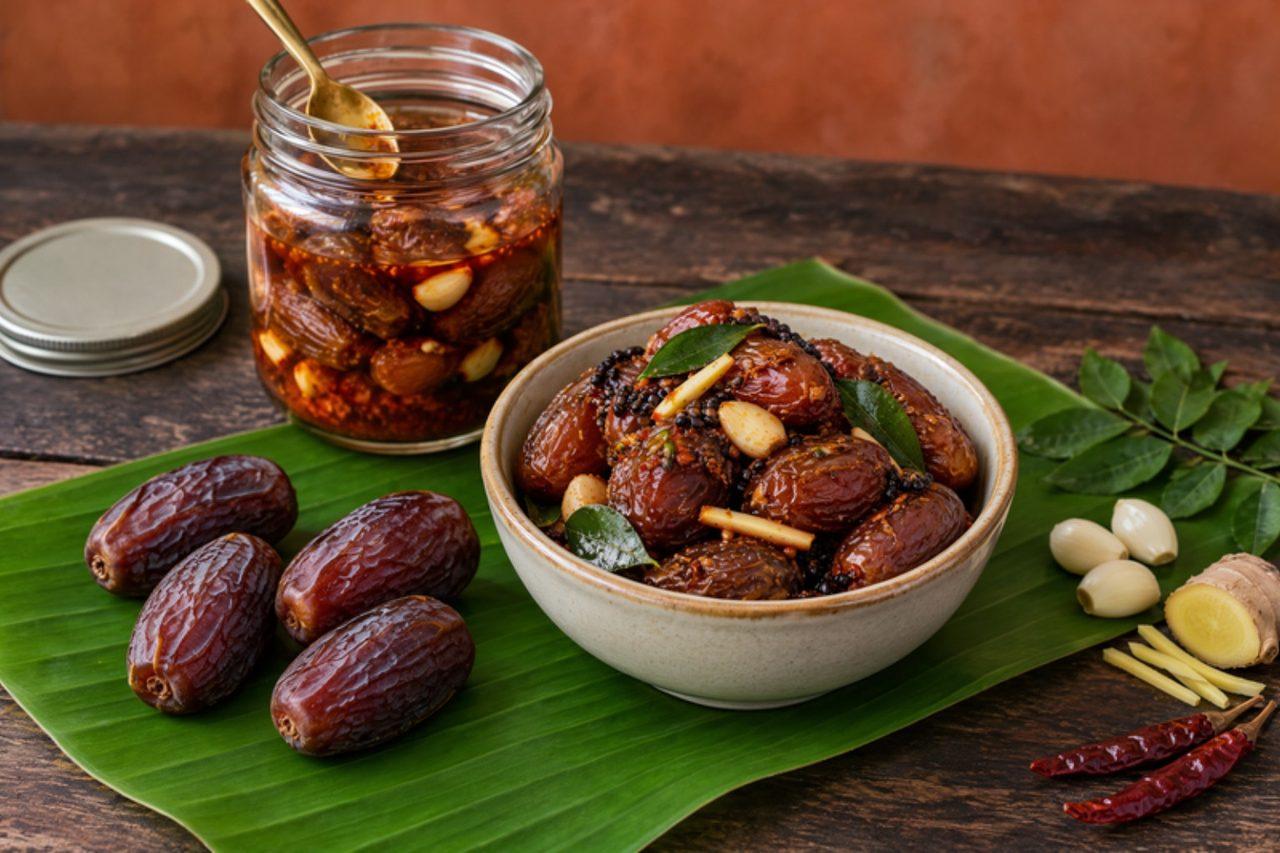
Date pickle came to Kerala with the Gulf, and in Malabar and central Travancore it has become a fixture at weddings, where it sits on the leaf beside the biriyani or the sadya rice. Pitted dates are simmered briefly in a gingelly-oil masala of garlic, ginger, green chilli and Kashmiri chilli, then loosened with vinegar and a little sugar. The dates stay plump and sticky, and the sauce is sweet, sour and gently hot all at once, like a spiced chutney with more punch. Serve it with ghee rice or biriyani, with chapati and a mild kurma, or tucked into a sandwich with cucumber. The common mistake is cooking the dates for too long so they dissolve into paste; add them at the end and warm them through for only a few minutes. It is ready when the masala is glossy and thick enough to cling to each date and the oil shines at the edges. With garlic and ginger in it, the vinegar (at least 5% acidity, undiluted) keeps it sharp, but it still belongs in the fridge: it keeps up to a month. Chef's tip: use soft, semi-dry dates rather than very sticky ones; they hold their shape and soak up the vinegar better.

by KrazyBadal 0 views

Goes well with fenugreek powder