Skip to content

Recipes with fine maize flour

3 recipes that use fine maize flour, with photos, step-by-step instructions and cook times. The quickest, Muufo (Somali maize flatbread), takes 50 minutes. It is most often cooked with sugar, dried chilli and fast-action dried yeast.

Got a few things in the fridge? Search by everything you have

Kokoro (crunchy maize sticks)

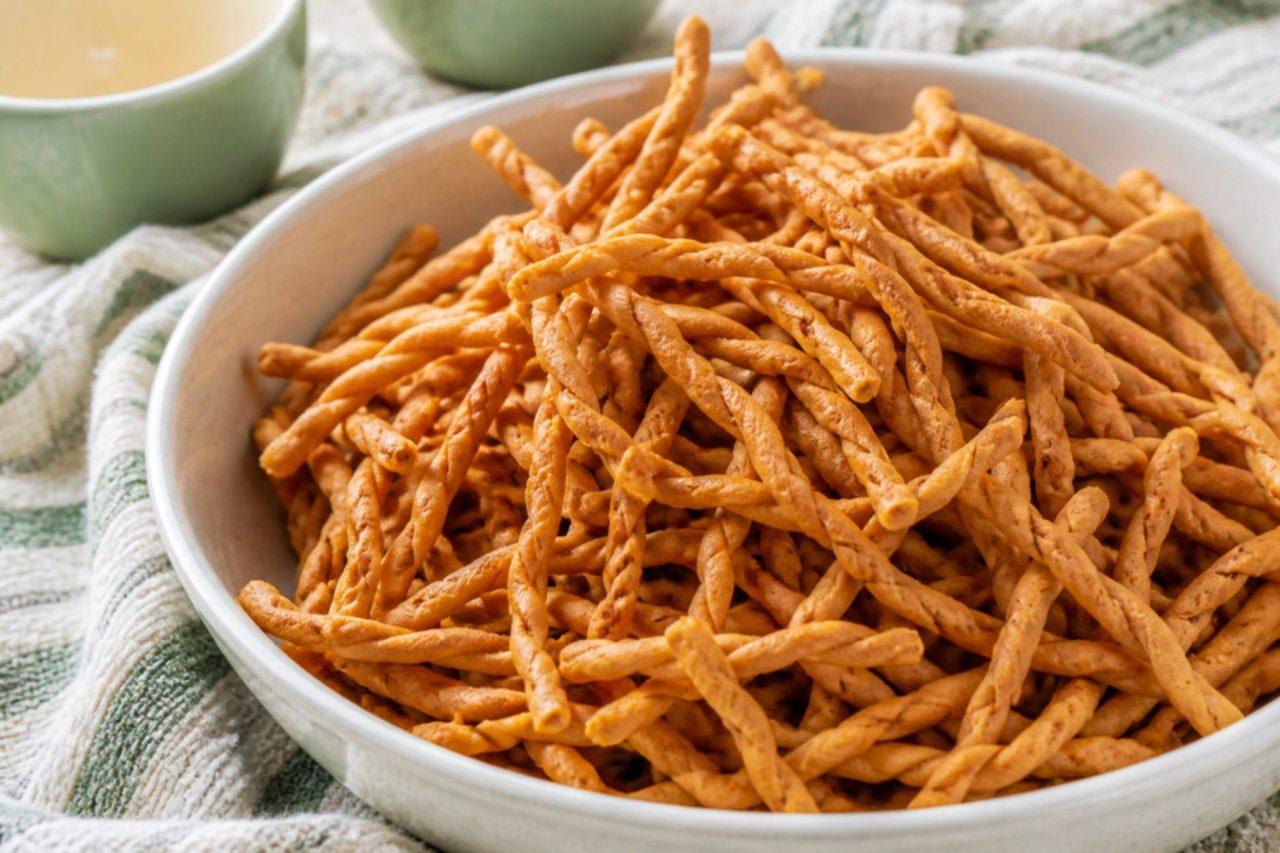
Kokoro is sold in clear bags at motor parks, markets and school gates across the Southwest, and it is the snack people tuck into a pocket for a long bus ride. The dough is made by cooking part of the maize flour with water into a thick paste, then kneading in more flour with a little sugar, salt, chilli and ginger, and rolling it into thin sticks that are fried slowly until hard and golden. The result is very crunchy, lightly sweet and peppery, and it keeps for weeks. Children love it, and it is traditionally eaten with roasted groundnuts or coconut. Avoid frying in oil that is too hot; the outside browns before the sticks are crisp all the way through. Chef's tip: roll the sticks no thicker than a pencil and fry them at a moderate heat so they crisp right through; thick sticks fried hot stay hard outside and doughy inside.

by KrazyBadal 0 views

Muufo (Somali maize flatbread)

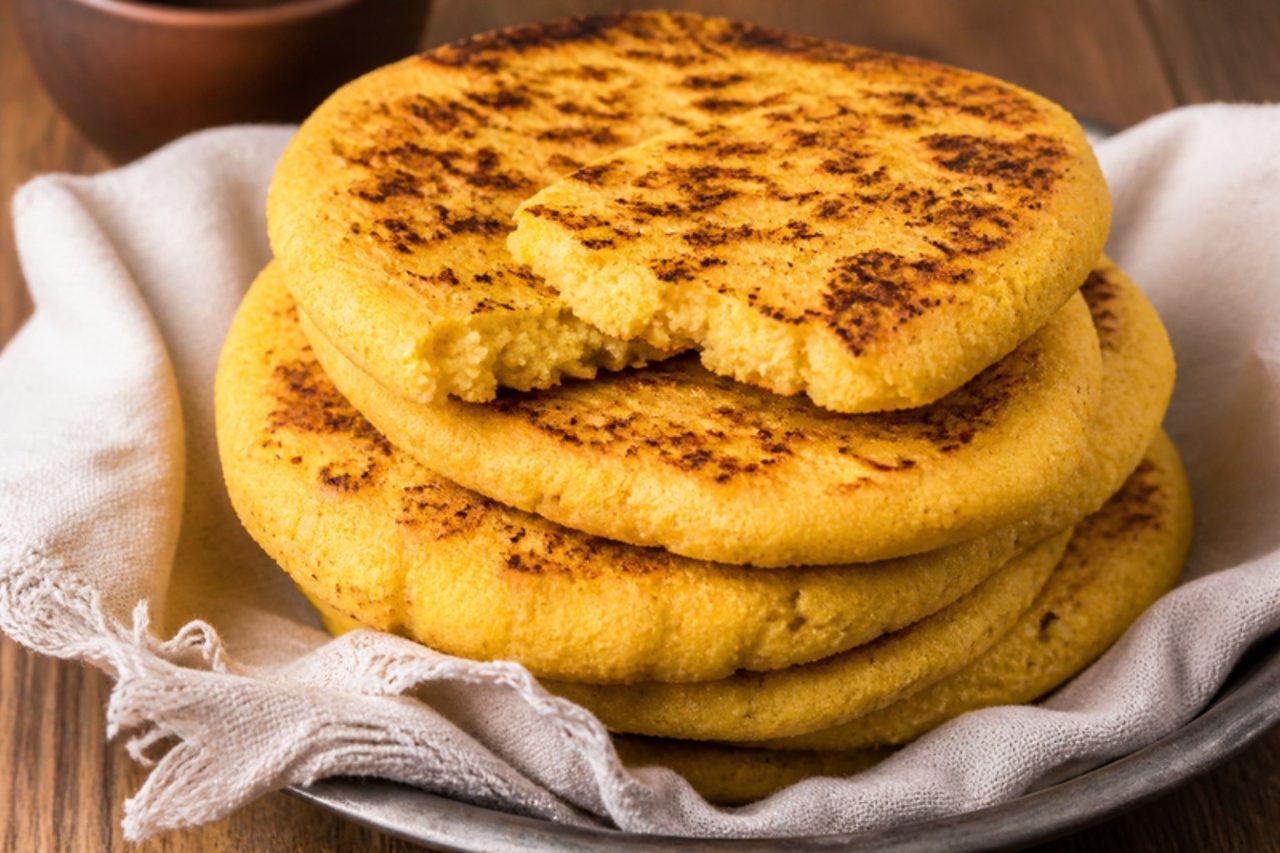
Along the southern Somali coast and in the farming areas of the Shabelle valley, muufo is baked by pressing rounds of maize dough against the hot inner wall of a clay oven, where they puff and char in minutes. The bread is thick, a little sweet from the corn and slightly tangy, and its dimpled surface is perfect for soaking up digir, maraq or a drizzle of sesame oil and sugar at breakfast. At home a heavy pan and a very hot grill do a good job. Most cooks mix maize flour with some wheat flour so the dough holds together; this version uses yeast and oil, so it is vegan. The usual mistake is an oven or pan that is not hot enough, which gives a pale, dense bread; let the pan heat for a full 5 minutes. Chef's tip: wet your hands when shaping, as the sticky dough is far easier to pat out.

by KrazyBadal 0 views

Bettaw

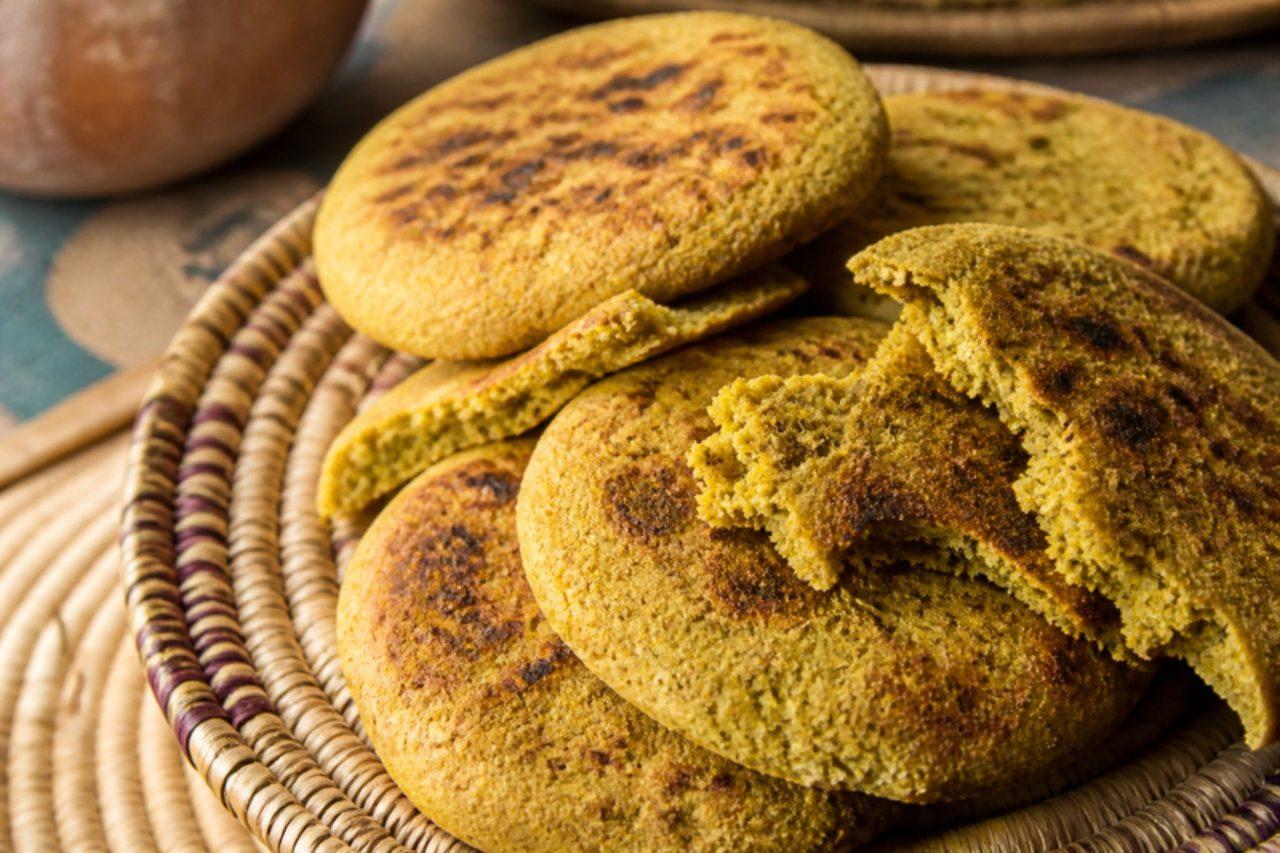
Farming families in the Sa'id have long baked bettaw from maize grown on their own land, flavoured with fenugreek and baked in big batches, then dried until hard so it keeps for weeks. The bread is dense, crumbly and earthy, with the bittersweet, maple-like scent of fenugreek, and is softened by dipping in mish, molasses, buttermilk, lentils or a bowl of stew. A little wheat flour holds the maize together. Maize dough has no stretch and cracks if you treat it like wheat, so wet your hands and press it out rather than kneading or rolling. The usual mistake is using too much fenugreek, which turns the bread bitter; a little goes a long way. Chef's tip: to soften dried bettaw, sprinkle it with water and warm it for a few minutes in a covered pan.

by KrazyBadal 0 views

Goes well with fine maize flour