Skip to content

Recipes with fried onions

4 recipes that use fried onions, with photos, step-by-step instructions and cook times. The quickest, Bihari kebab, takes 40 minutes. It is most often cooked with coriander, garam masala and ginger-garlic paste.

Run out of fried onions? 2 shallots per onion.

Got a few things in the fridge? Search by everything you have

Shab deg

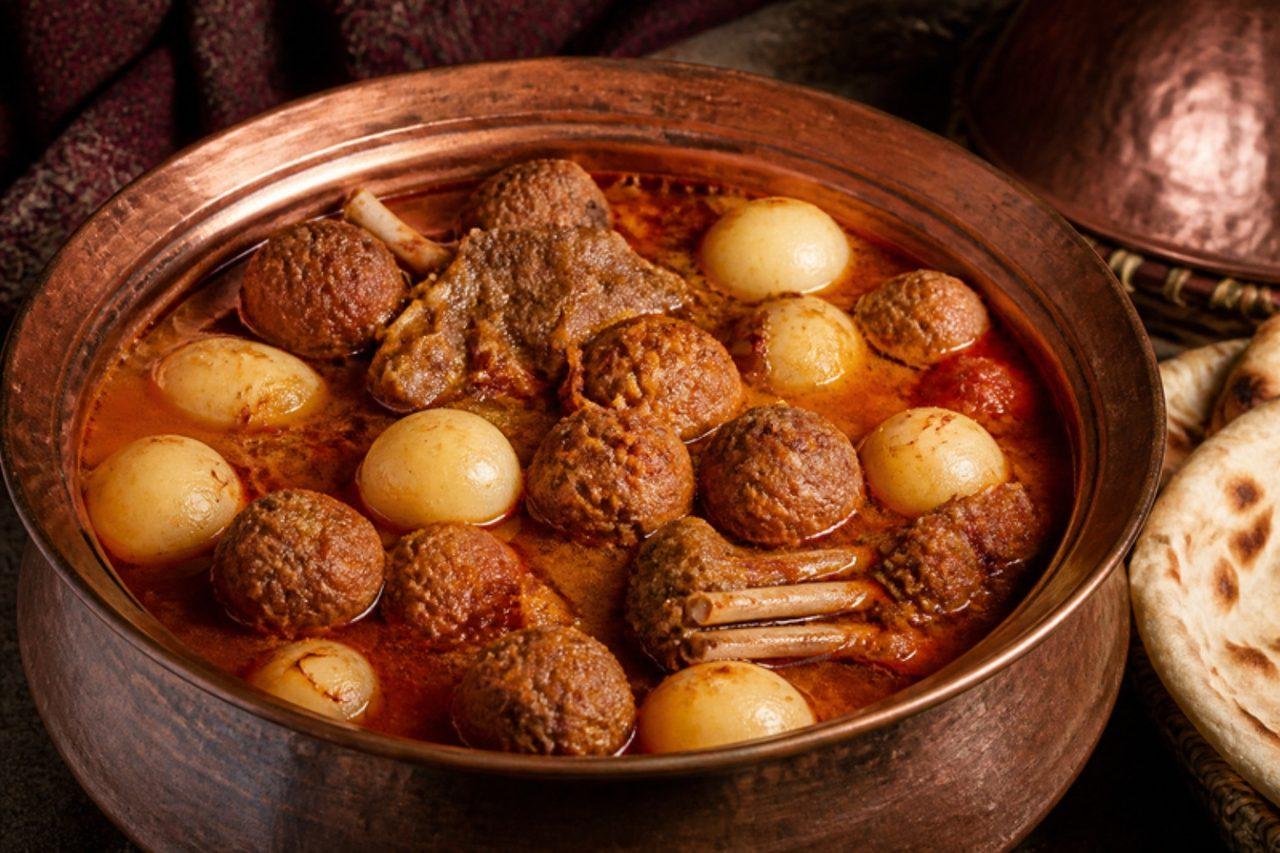
Shab deg is the "night pot": in old Lahore and in Kashmiri families the deg really was set on dying embers after the evening meal and opened at dawn, by which time whole turnips had soaked up the mutton juices and turned almost sweet. It is a winter dish made when turnips are at their best, usually for a wedding breakfast or a cold Sunday, and it arrives as tender meat on the bone, soft meatballs and golden turnips in a thick saffron-scented gravy, eaten with naan or sheermal. A low oven gives the same slow, even heat without anyone staying up. Many cooks drop the meatballs in raw and stir hard, and they fall apart; fry them first and slide them in without stirring. Chef's tip: prick the turnips all over and rub them with a little salt and sugar before frying, which draws out their bitterness and helps them colour.

by KrazyBadal 0 views

Bihari kebab

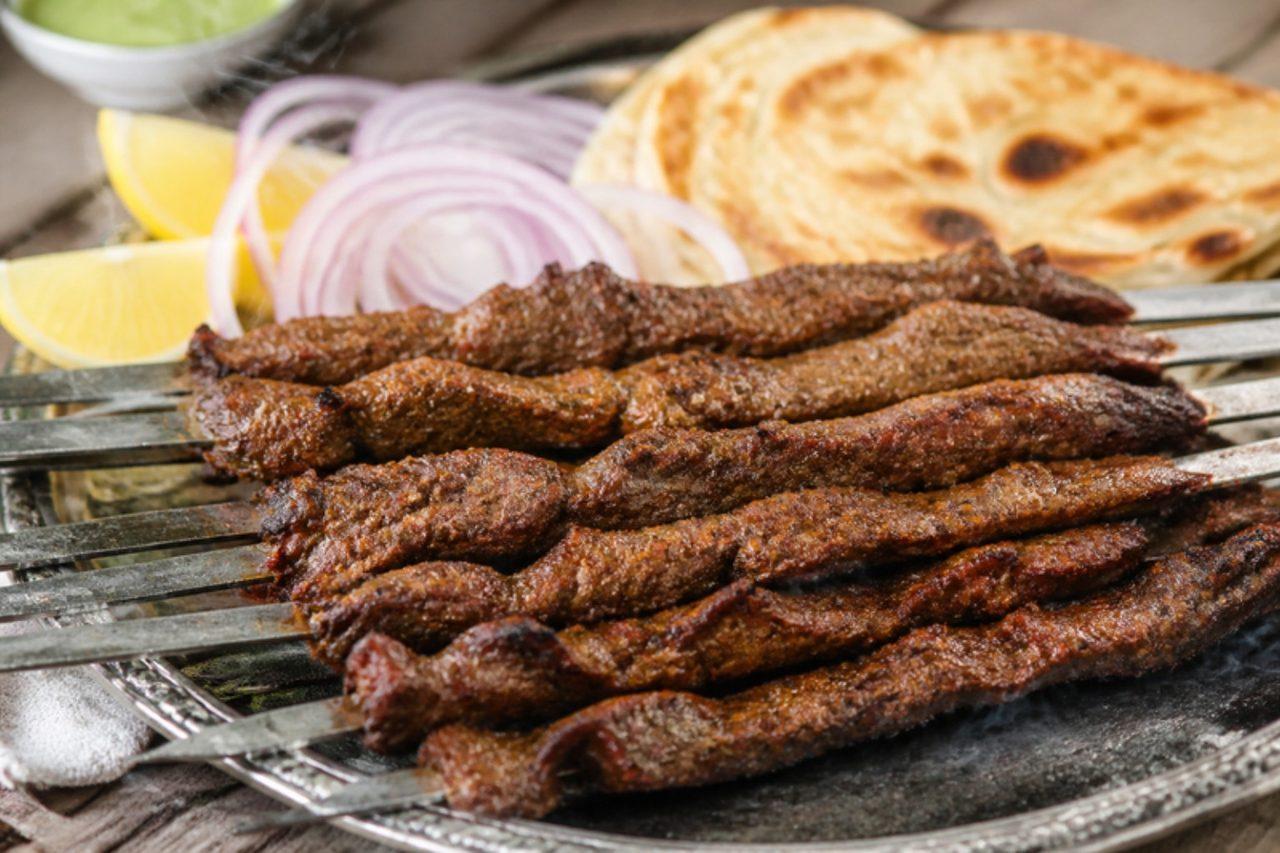
Migrants from Bihar who settled in Karachi after 1947 brought this kebab with them, and it has become one of the city's signature grills, served from the smoky stalls of Burns Road, Hussainabad and Boat Basin. Thin ribbons of beef are beaten flat, marinated with raw papaya paste to tenderise them, mustard oil, browned onion and a heady spice mix, then threaded onto skewers and grilled fast over coals, finished with a puff of charcoal smoke. They are soft enough to pull apart with your fingers and are eaten with paratha, sliced onion and mint chutney. Leaving the papaya on too long is the risk, because it keeps working and turns the meat mushy; four to six hours in the fridge is plenty. Chef's tip: slice the beef while it is half-frozen, across the grain, and you will get even, paper-thin strips with ease.

by KrazyBadal 0 views

Gola kebab

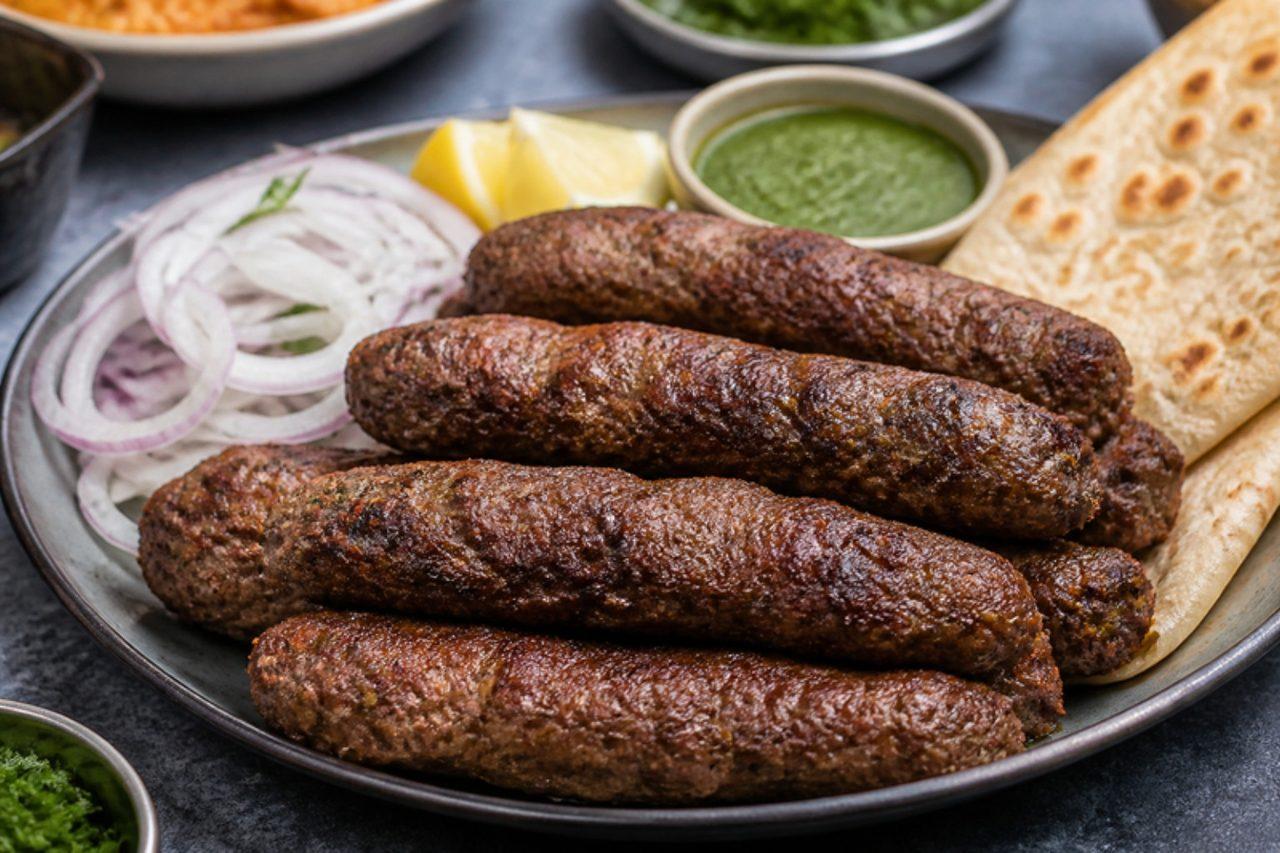
Gola kebabs are so soft that Karachi grill men have to pat the mince onto the skewer with a practised, quick hand, and they still slump as they cook; at Boat Basin and Burns Road at midnight you will see tray after tray of the plump, dark tubes waiting for customers. The softness comes from raw papaya, beef with plenty of fat, roasted gram flour and a very fine grind, and the flavour from browned onion, green chilli and a final smoking with a hot coal. They are eaten with paratha or puri, a pile of raw onion and green chutney. The mix will not stay on skewers if it is too wet, which is the usual frustration; chill it for at least an hour and use wet hands. Chef's tip: at home, shape the kebabs as fat fingers on a lined tray and cook them under a very hot grill; you lose nothing in taste.

by KrazyBadal 0 views

Raan roast

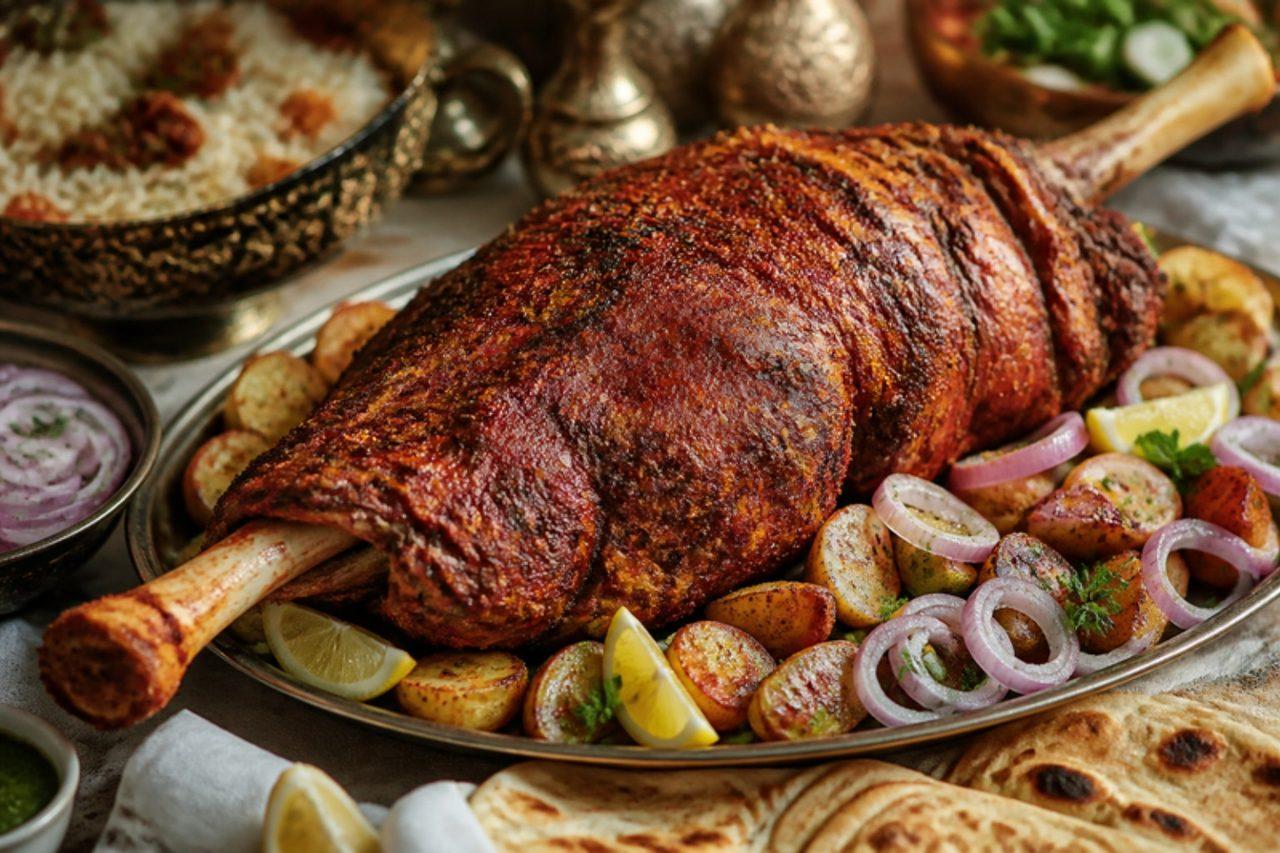
On the second or third day of Eid-ul-Adha, once the sacrificed animal has been shared out with neighbours and the poor, many Pakistani families keep back one leg for a raan: scored deeply, rubbed with raw papaya, then soaked overnight in yogurt, garlic, chilli and garam masala and roasted slowly until the meat pulls from the bone in soft, spiced shreds. It is the centrepiece of the Eid dinner table, carved at the table and served with naan, a crisp salad, mint raita and sometimes fried potatoes. The crust should be dark and sticky, the inside juicy. Roasting it hot from the start is the misstep; the outside burns while the bone end stays tough, so go low and covered first. Chef's tip: let the leg sit at room temperature for an hour before roasting, and baste it with the pan juices every 30 minutes once the foil comes off.

by KrazyBadal 0 views

Goes well with fried onions