Skip to content

Recipes with gelatine leaves

5 recipes that use gelatine leaves, with photos, step-by-step instructions and cook times. The quickest, Escavèche, takes 55 minutes. It is most often cooked with egg, onion and plain flour.

Got a few things in the fridge? Search by everything you have

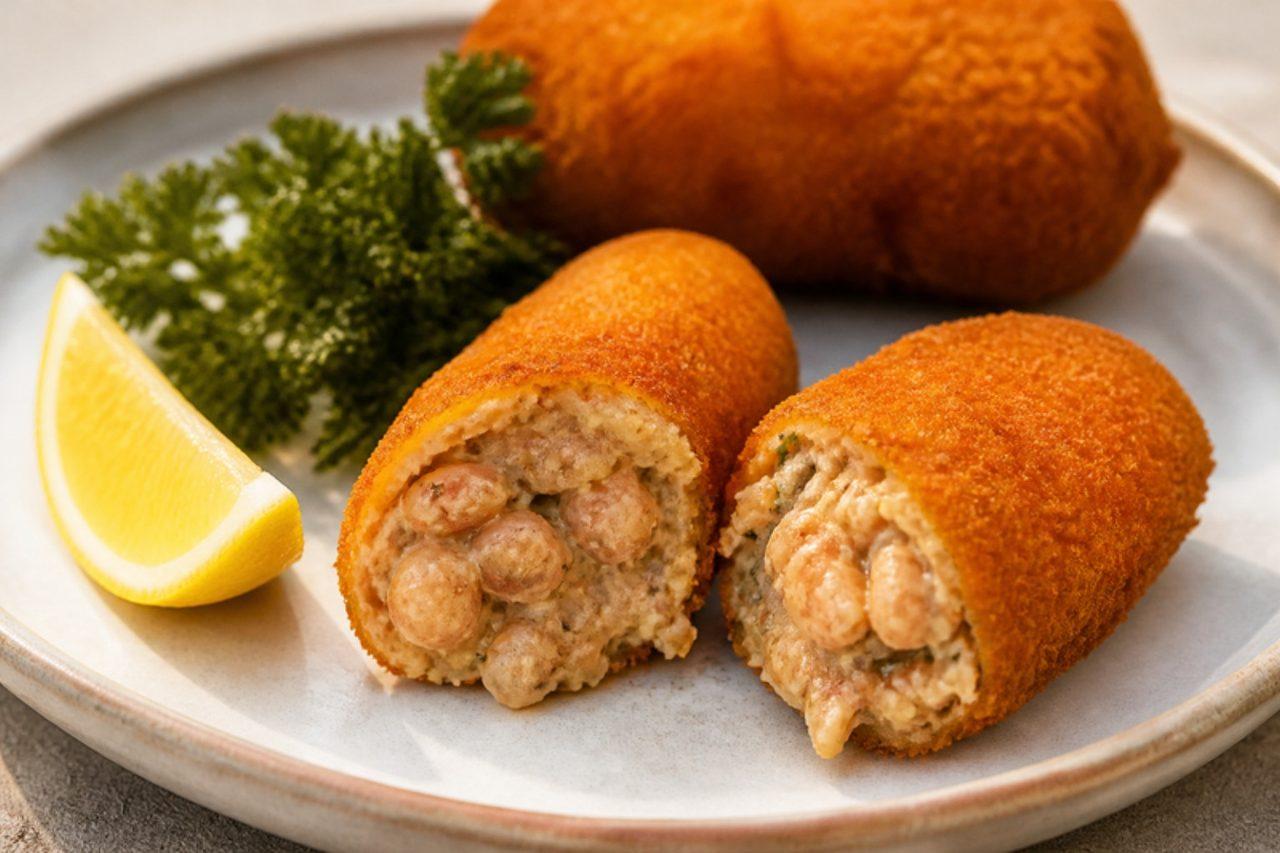
GarnaalkrokettenGrey shrimp croquettes

Along the Flemish coast, from De Panne to Knokke, the North Sea grey shrimp is king, and garnaalkroketten are the dish every seaside restaurant is judged by: a molten, creamy shrimp-flavoured béchamel packed with little brown shrimps, set firm, crumbed and fried until golden, served with fried parsley and lemon. In Oostduinkerke, shrimp fishers on horseback still drag their nets through the shallows. A common mistake is a béchamel that isn't thick enough, so the croquettes burst in the oil. Chef's tip: make a strong shrimp stock from the shells, if you have them, for the béchamel, and chill the mix overnight so it is firm to shape. The shrimp are already cooked; fry until golden and hot through.

by KrazyBadal 0 views

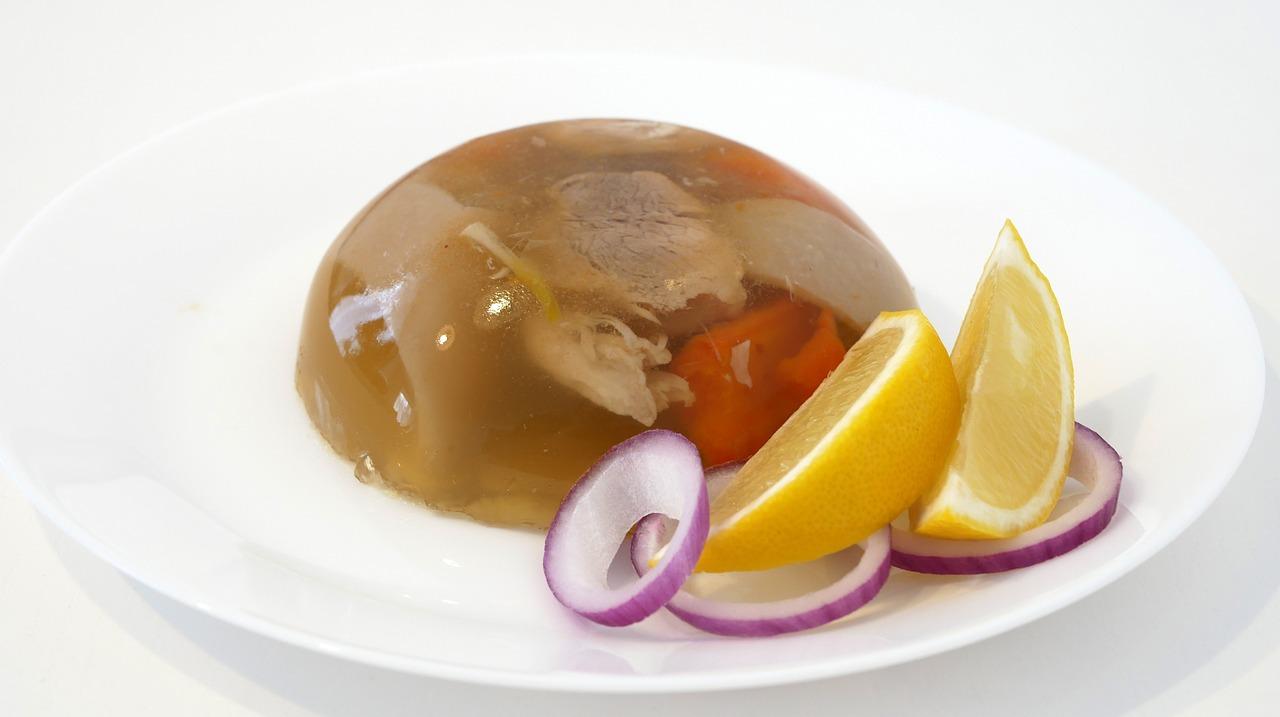
EscavècheCold fried fish in vinegar jelly

Escavèche is a speciality of the Chimay and Couvin area in southern Wallonia, a legacy of Spanish rule in the 16th century: fish fillets, traditionally eel or pike, fried and then covered with a hot marinade of vinegar, onion, thyme and bay that sets into a clear, tangy jelly as it cools. It is eaten cold, sliced, with crisp fries, in the brasseries of the Botte du Hainaut. A common mistake is not cooking the fish through before it goes into the marinade; cold marinade does not cook it. Chef's tip: let it set for at least 12 hours in the fridge; the vinegar mellows and the jelly firms. The fish should be opaque and flaking before marinating.

by KrazyBadal 0 views

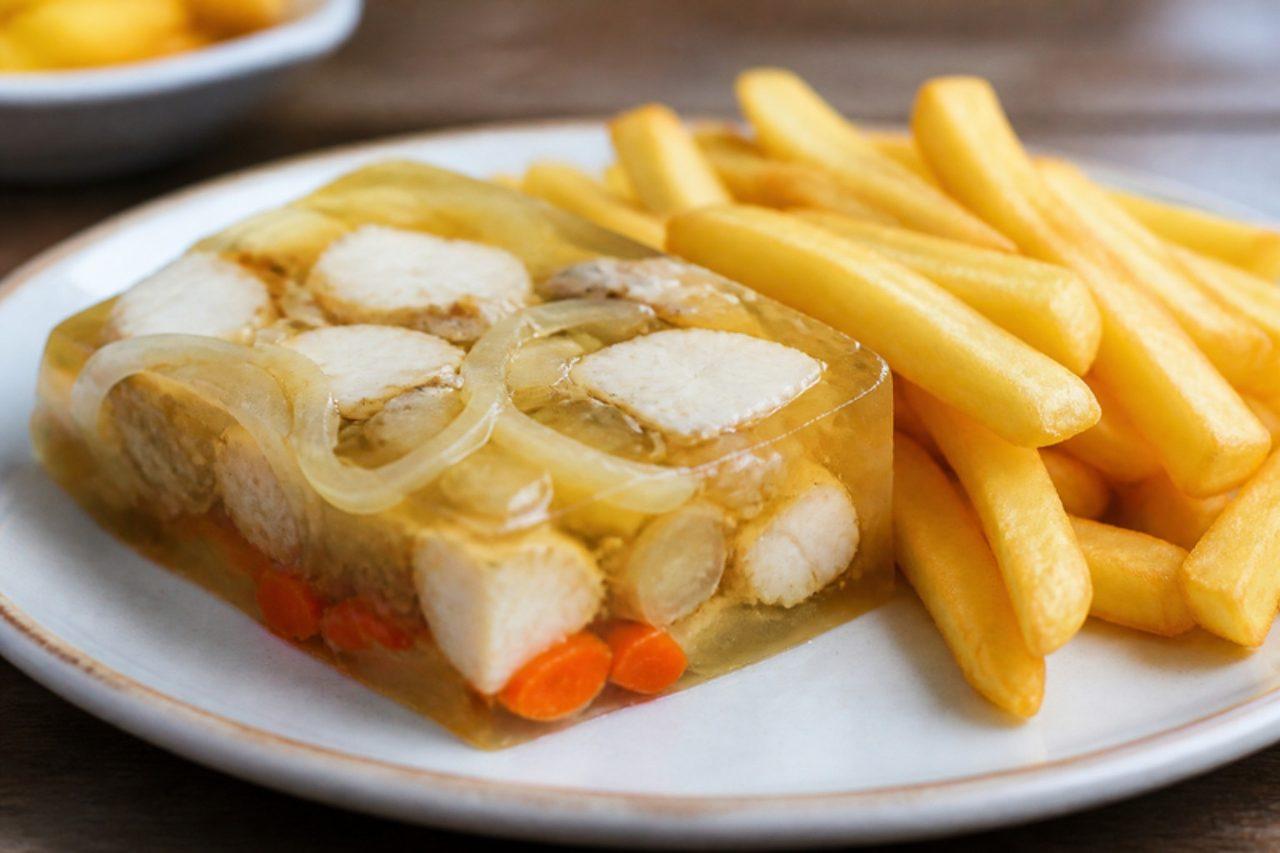
PotjevleeschJellied chicken, rabbit, pork and veal

Potjevleesch, Flemish for "little pot of meat", comes from French Flanders around Dunkirk, Bergues and Hazebrouck, where it fills the cold cabinets of every friterie and estaminet. Chunks of chicken, rabbit, pork and veal are layered with onion, garlic and herbs, covered with white wine and a little vinegar and baked slowly in a covered terrine; the juices are then set with gelatine so the meat is held in a clear, tangy jelly. It is eaten cold, sliced, with hot chips and a green salad, a contrast that the Nord loves. It contains pork and uses white wine; the notes give an alcohol-free option. If rabbit is hard to find, use more chicken thighs. Chef's tip: slice it straight from the fridge with a hot knife, so the jelly cuts cleanly.

930 minFrenchMeatGluten free
by KrazyBadal 0 views

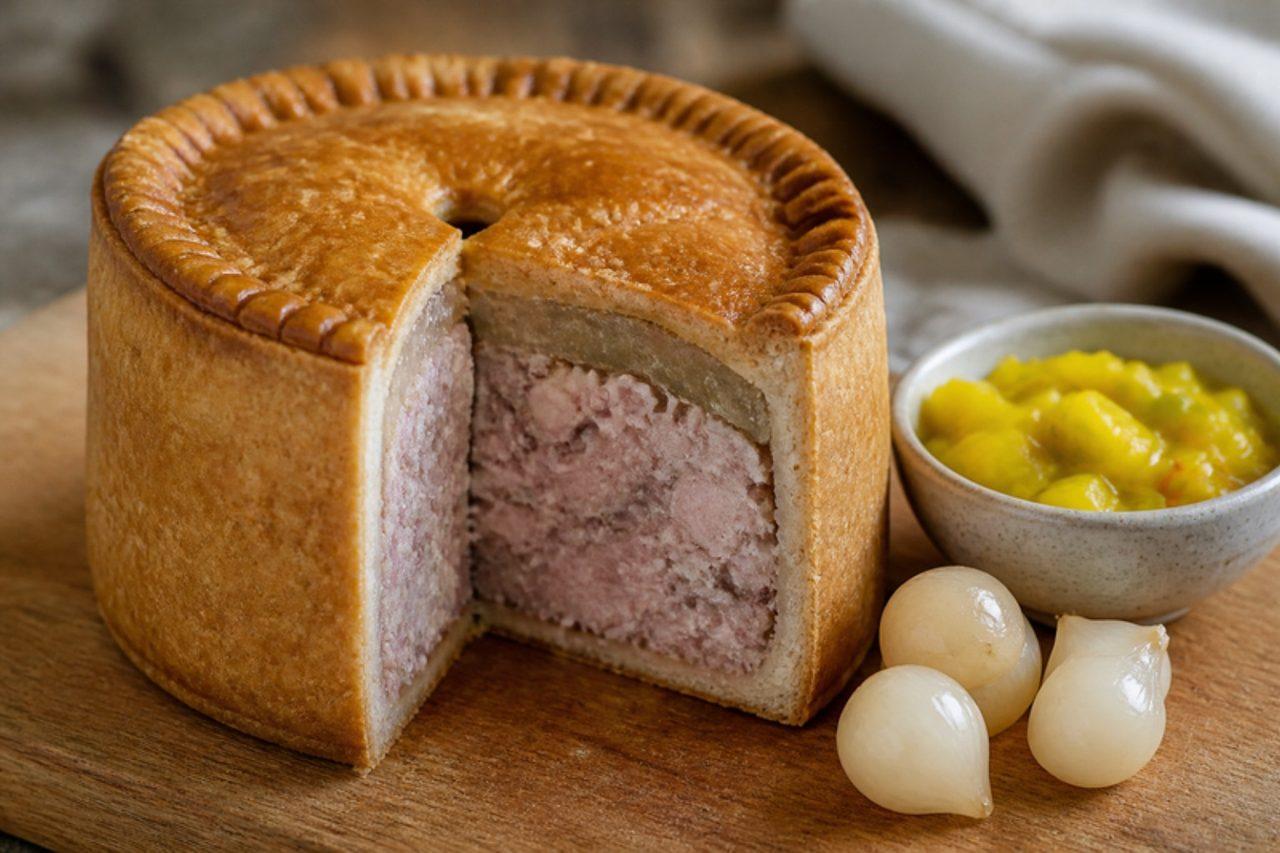
Raised pork pie

This is a raised pork pie in the style of Melton Mowbray in Leicestershire, the hunting town whose pies were carried in saddle bags; only pies made in the area may use the town's name, so this is our home version. Chopped, uncured pork shoulder and belly, peppered and spiced with mace, is packed into a crisp hot water crust made with lard, baked with bowed sides, then filled with a savoury jelly. Eat it cold with English mustard and pickle at picnics or on Boxing Day. Chef's tip: work the pastry while it is still warm; as it cools it cracks.

180 minBritishMeat
by KrazyBadal 0 views

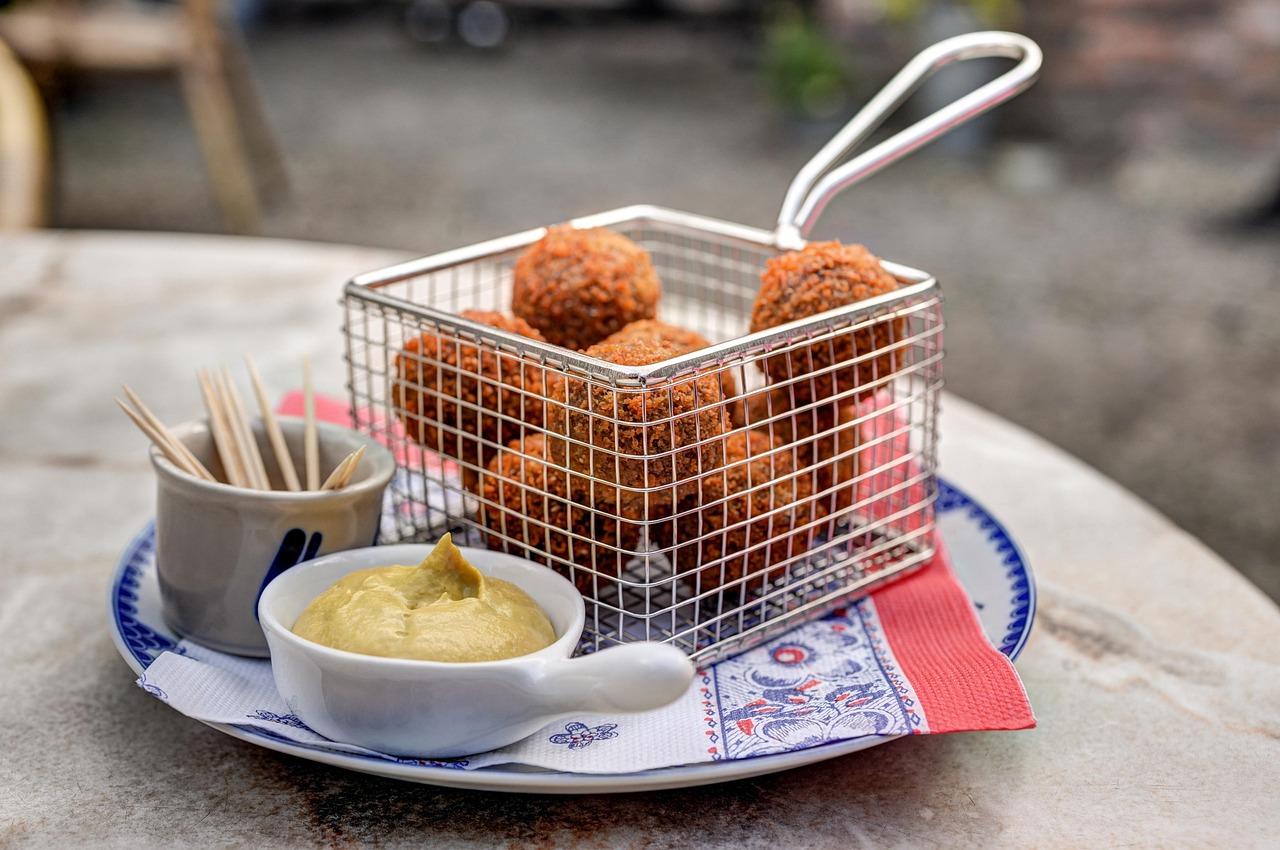
BitterballenCrisp beef ragout balls

Order a round of drinks in an Amsterdam brown café and a plate of bitterballen will follow: small crumbed balls with a crackling shell and a molten centre of beef ragout, eaten with a dab of sharp mustard. They are the classic borrel snack across the Netherlands, served at parties and receptions as well as in bars. The filling is a thick roux sauce with slow-cooked shredded beef that has to set firm in the fridge before it can be rolled. The usual failure is a filling that is too soft, so the balls split open in the oil; cook the ragout until it is very thick and chill it for at least four hours. Chef's tip: crumb them twice (egg, crumbs, egg, crumbs) and freeze them for 20 minutes before frying for a shell that never bursts.

by KrazyBadal 0 views

Goes well with gelatine leaves