Oriental dipping sauce
A sweet and salty dipping sauce of soy sauce, hoisin, sesame oil, garlic, ginger and spring onions. Leaving it in the fridge for an hour or two lets the flavours blend. Serve it warm with spring rolls, dumplings and momos.
6 recipes that use hoisin sauce, with photos, step-by-step instructions and cook times. The quickest, Oriental dipping sauce, takes 8 minutes. It is most often cooked with spring onion, carrot and firm tofu.
Got a few things in the fridge? Search by everything you have
A sweet and salty dipping sauce of soy sauce, hoisin, sesame oil, garlic, ginger and spring onions. Leaving it in the fridge for an hour or two lets the flavours blend. Serve it warm with spring rolls, dumplings and momos.
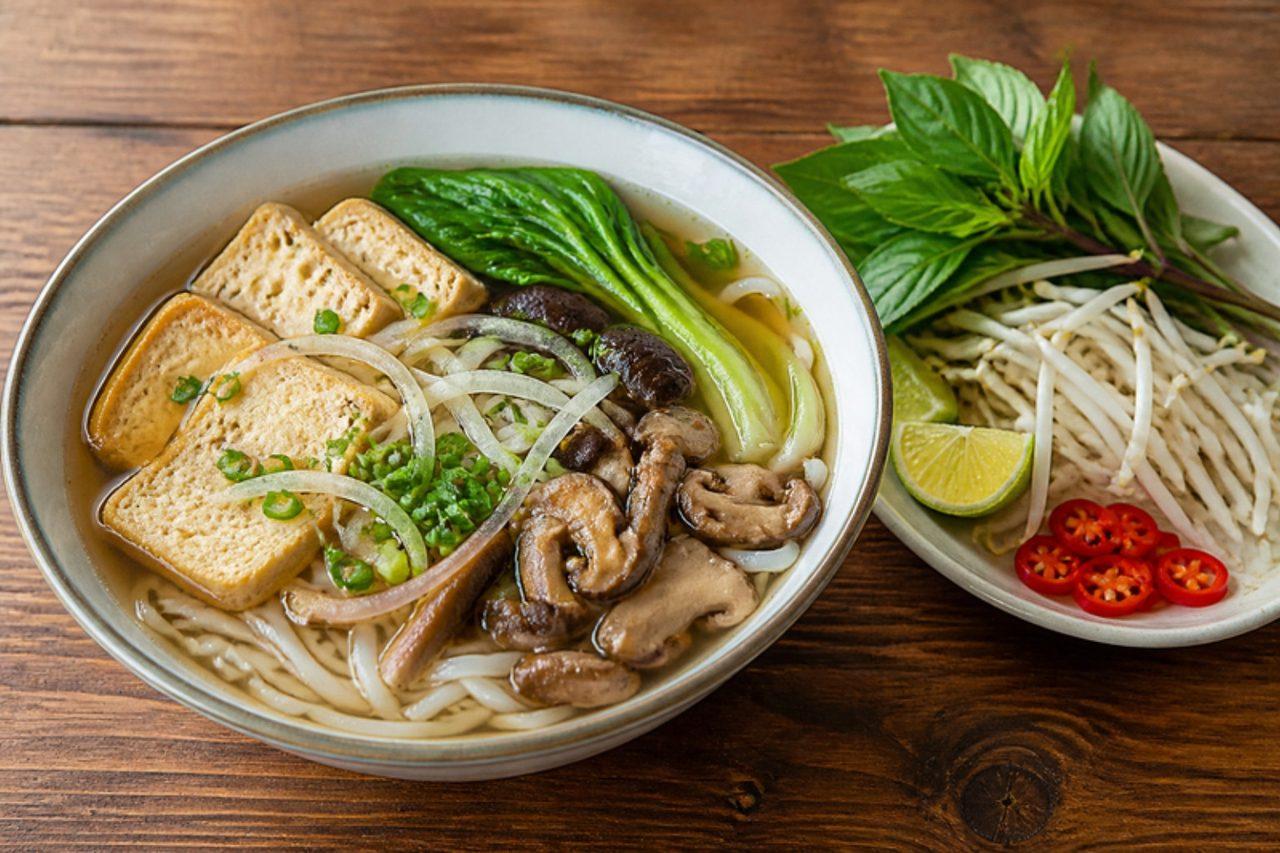
Pho began in the north, around Hanoi and Nam Định, and is now eaten all over Vietnam, often for breakfast. Phở chay is the Buddhist vegetarian version served in temple kitchens and chay restaurants: the deep, clear broth comes from charred onion and ginger, toasted star anise, cinnamon and cloves, simmered with daikon, carrot, sweetcorn and dried shiitake instead of beef bones. Silky flat rice noodles, golden tofu and mushrooms go in the bowl, and everyone adds their own bean sprouts, Thai basil, lime and chilli at the table. Chef's tip: char the onion and ginger until properly blackened in patches and toast the spices in a dry pan until they smell like warm Christmas cake; that smoky, perfumed base is what makes the broth taste like pho and not vegetable soup.
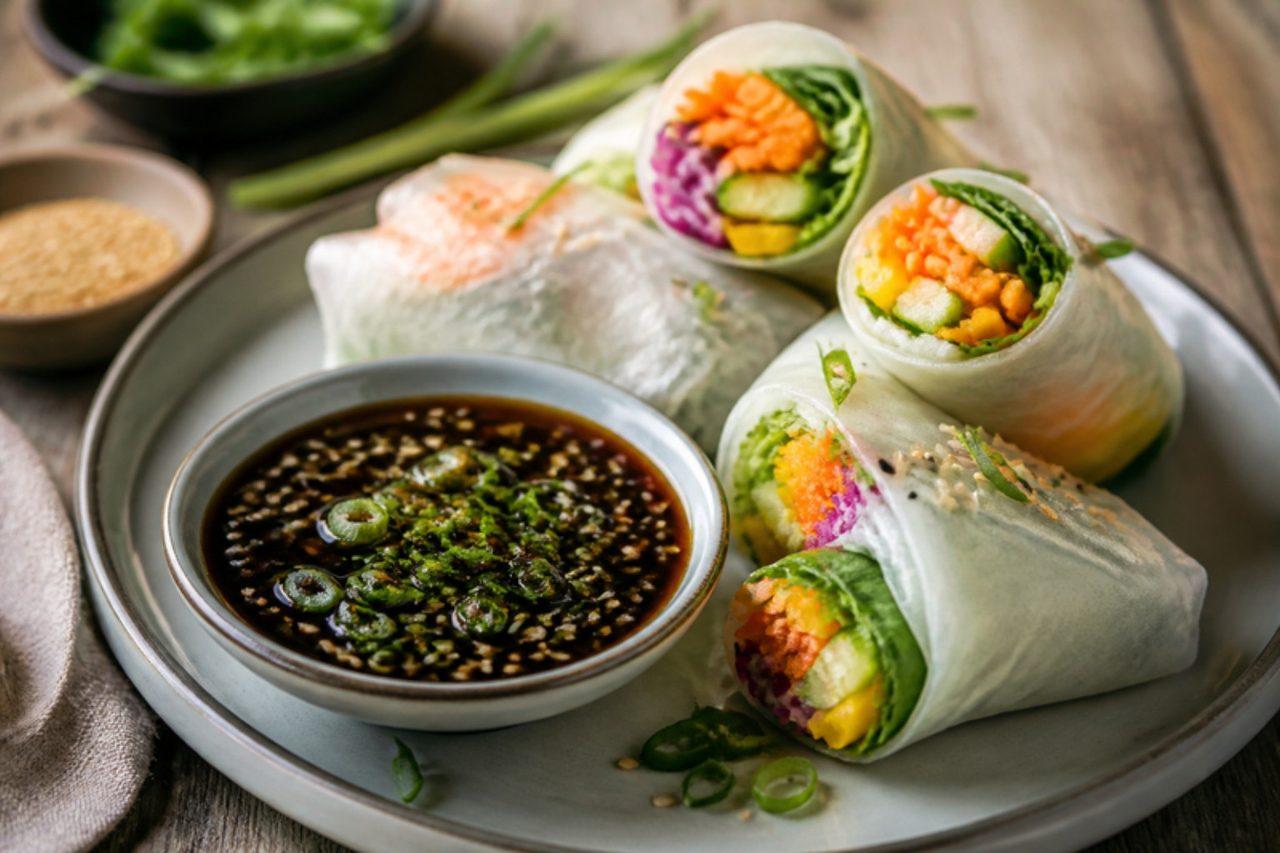
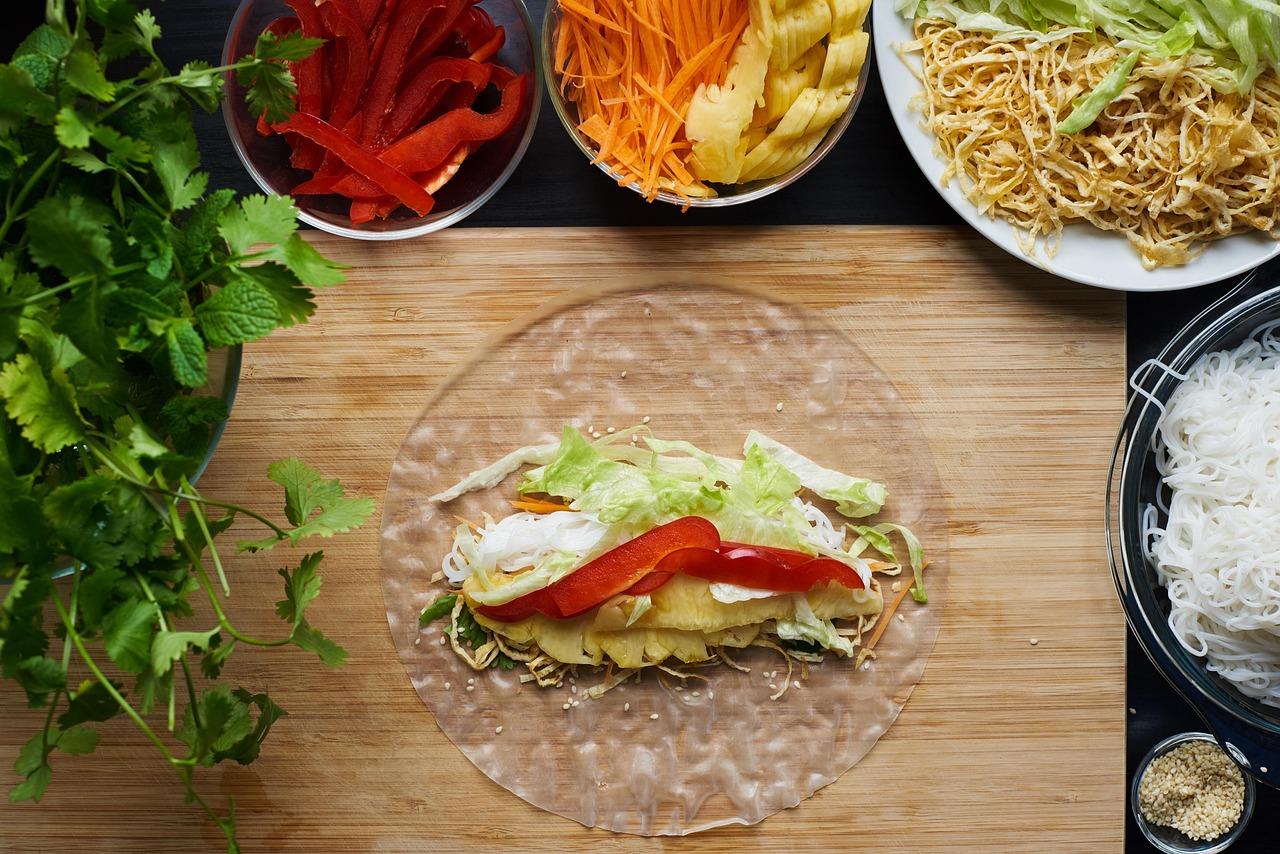
Gỏi cuốn are the fresh, unfried rolls sold from glass cases at Saigon street stalls and eaten as a light lunch or snack on hot afternoons. Here golden tofu takes the place of the usual prawns and pork, rolled up with rice vermicelli, lettuce, mint, Thai basil, cucumber and garlic chives. They come with a thick, sweet-salty peanut and hoisin dip, as they do in the south. Chef's tip: dip the rice paper for barely a second and let it soften on the board, then lay the prettiest ingredients against the wrapper first, so the tofu and herbs show through the translucent skin and the roll stays tight.
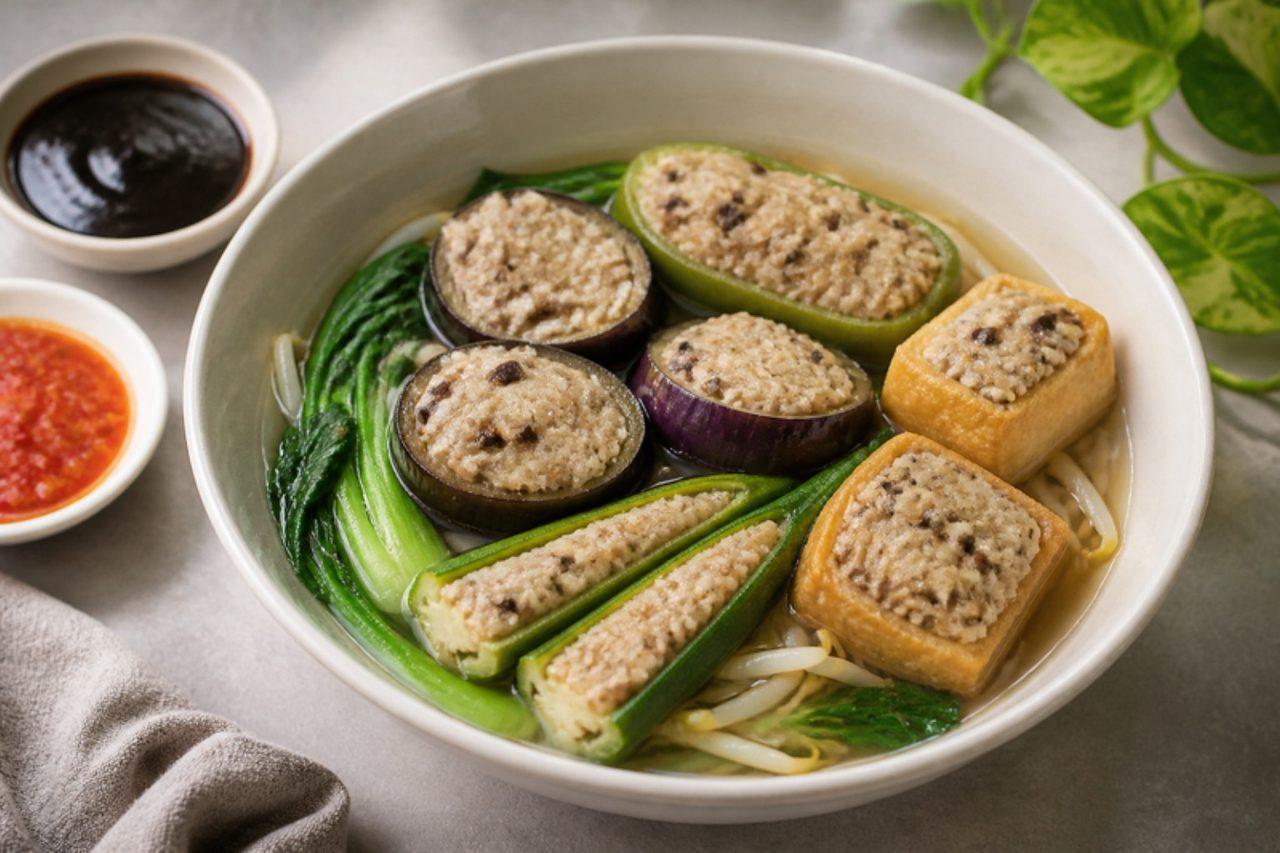
Hakka miners brought yong tau foo to the tin town of Ampang, on the edge of Kuala Lumpur, and families still drive there on weekends for big bowls of it. You choose your pieces from a counter, tofu, chillies, okra, aubergine and bitter gourd, each stuffed with a savoury paste, and the stall poaches or fries them and serves them in a light broth, with a sweet brown sauce and chilli sauce to dip. The traditional filling is fish and pork; this one is firm tofu, shiitake, water chestnut and carrot. It is a gentle, light meal. Chef's tip: press the stuffing in tightly and smooth it flush with a wet finger, so it stays put while it cooks.
Before Hanoi's offices open, pavement pho stalls are already busy, with diners on low plastic stools bent over bowls of rice noodles in a clear, spiced beef broth. The northern style is restrained: brisket and thin slices of raw beef that cook in the bowl, spring onion and a little coriander, with lime and chilli on the side rather than a heap of herbs and sauces. The work is in the broth, simmered slowly from bones with blackened onion and ginger and a small bag of toasted spices. Make it on a weekend; it keeps for three days and the bowls then take ten minutes. Chef's tip: char the onion and ginger until they are properly black in patches, because that smoky sweetness is what makes the broth taste of pho rather than plain beef stock.
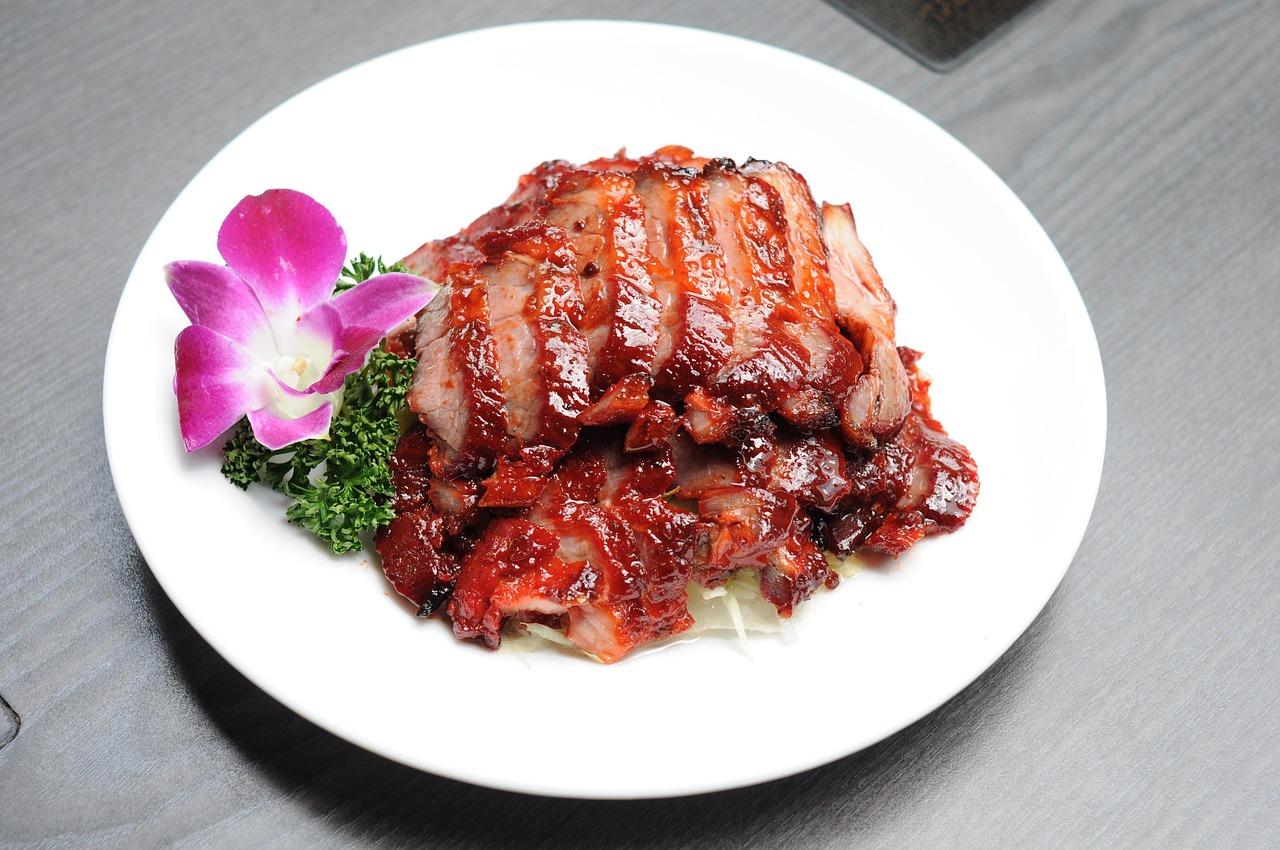
Hanging in long glossy strips in the windows of Guangzhou's siu mei shops, char siu is the roast pork Cantonese families pick up on the way home to put on rice, noodles or into steamed buns. The outside is lacquered, sweet and a little charred at the edges; the inside stays juicy, savoury and faintly scented with five-spice. Shoulder (pork butt) is the cut to use, because its marbling keeps the strips moist through a hot oven. Marinate it overnight in the fridge, roast it the next day and eat it warm with steamed rice and blanched greens, or cold in fried rice and noodle soups. Chef's tip: save the honey for the last ten minutes; brushed on at the start it burns black long before the pork is cooked.