Skip to content

Recipes with jute leaves

4 recipes that use jute leaves, with photos, step-by-step instructions and cook times. The quickest, Ewedu (jute leaf soup), takes 25 minutes. It is most often cooked with onion, potash and bicarbonate of soda.

Got a few things in the fridge? Search by everything you have

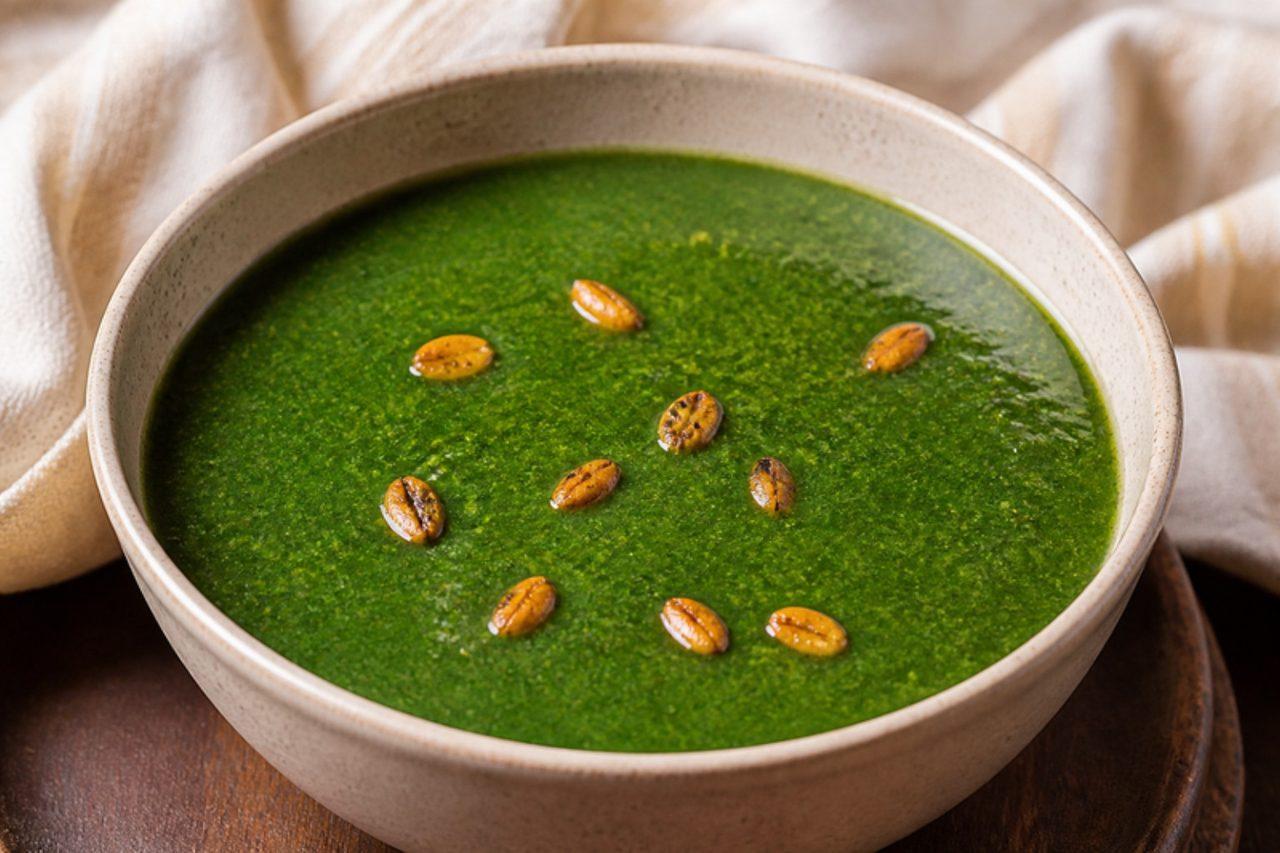
Ewedu (jute leaf soup)

Bright green, light and famously slippery, ewedu is the soup that makes amala slide down so easily, and in Ibadan and across Oyo State it is rare to see one without the other. Only the tender jute leaves are picked from the stems, boiled for a few minutes and then beaten with a small broom until finely shredded and stretchy, with a few locust beans for a savoury, funky depth. Some cooks add crayfish; this version keeps it meat-free. It tastes fresh and grassy and is eaten with amala, gbegiri and a red pepper stew. Frozen chopped ewedu or Egyptian molokhia leaves work well outside Nigeria. Chef's tip: cook it briefly and uncovered; long boiling or a lid turns the bright green an olive drab, the most common ewedu mistake.

by KrazyBadal 0 views

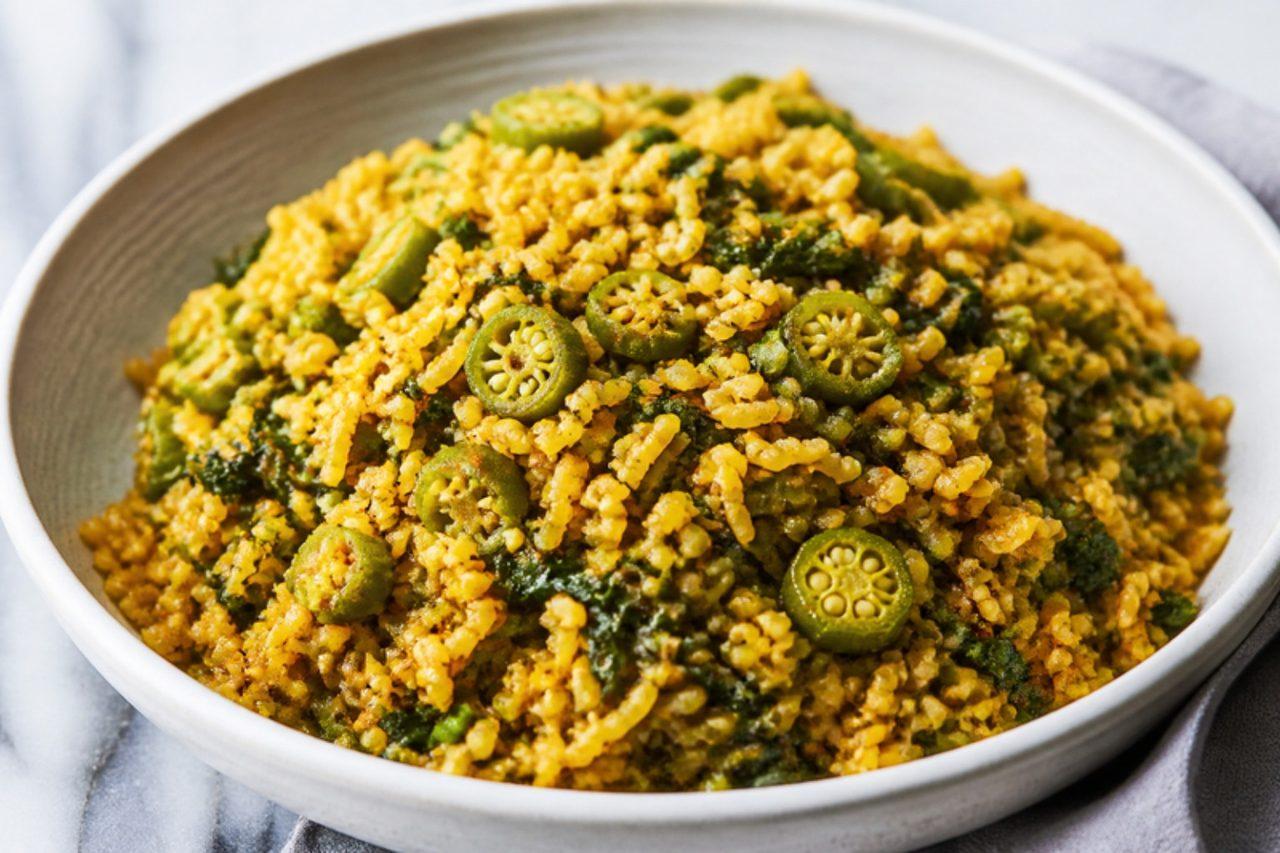
Check rice

Liberians call it check rice because the grains come out flecked green with chopped jute leaves and okra, a checked pattern on a white field. It is a Monrovia home favourite, cooked in one pot so the rice absorbs the palm oil, onion and pepper while the greens soften into the grains and give them a gentle silkiness. Dried fish or meat often goes in; this version stays meat-free and is good alongside a pepper sauce, fried plantain or a simple bean stew. Chef's tip: lay the jute leaves on top of the rice instead of stirring them in; they steam gently, and you fold them through only at the end, which keeps the grains separate.

by KrazyBadal 0 views

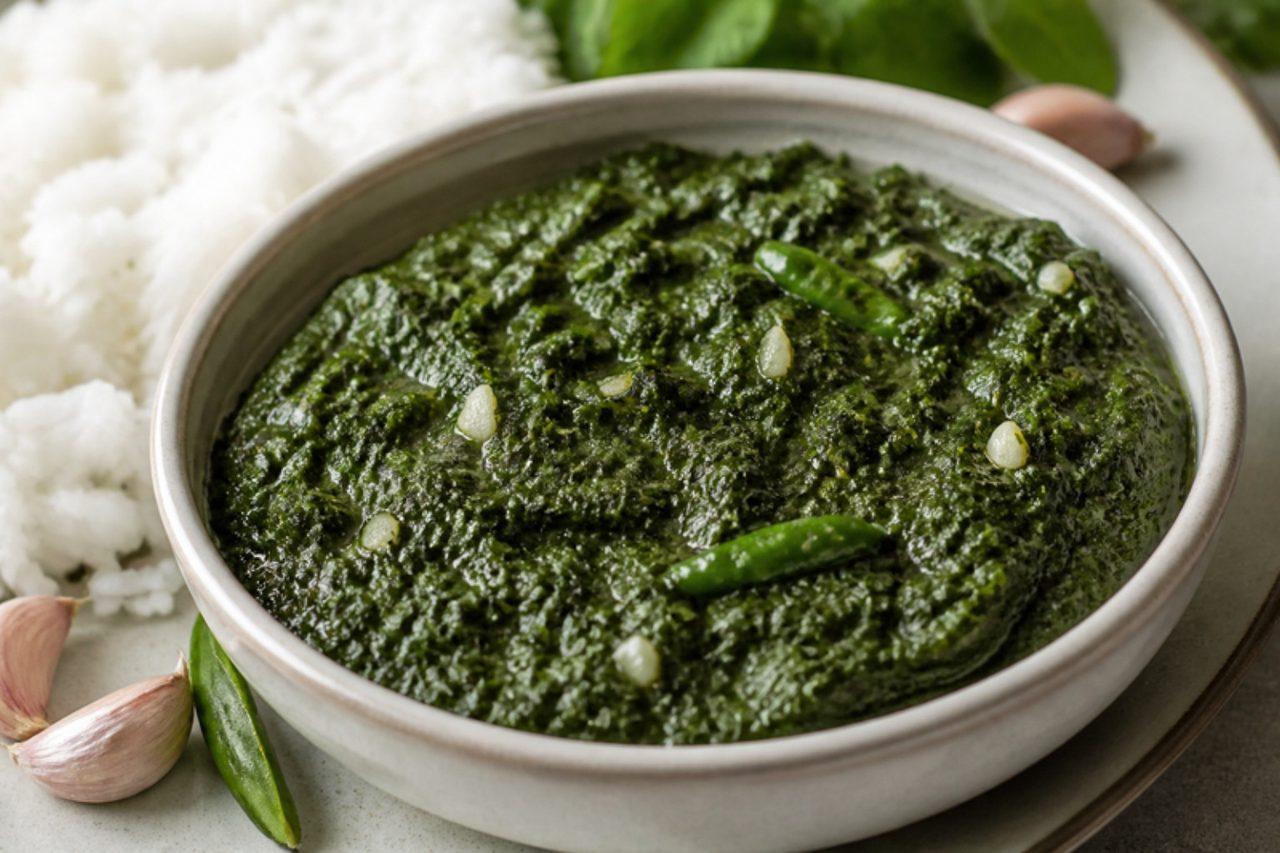
Pelka

Ask anyone from Rangpur what they miss most from home and pelka comes up quickly: a humble, almost soupy dish of jute leaves and other greens cooked with a pinch of khar, a natural alkali, until they collapse into a soft, silky green mass. Traditionally the khar is made from the ash of dried banana peel or mustard stalks; a pinch of bicarbonate of soda does the same job, keeping the colour bright and the texture smooth. Rice water, the starchy liquid poured off cooking rice, gives it body, and garlic and green chilli are the only seasoning. It is eaten in summer, mixed into hot rice as the first course of a meal. Overdoing the soda is the easy way to spoil it; too much tastes soapy, so measure only a pinch. Chef's tip: save the water from rinsing or boiling your rice that day and use it instead of plain water.

by KrazyBadal 0 views

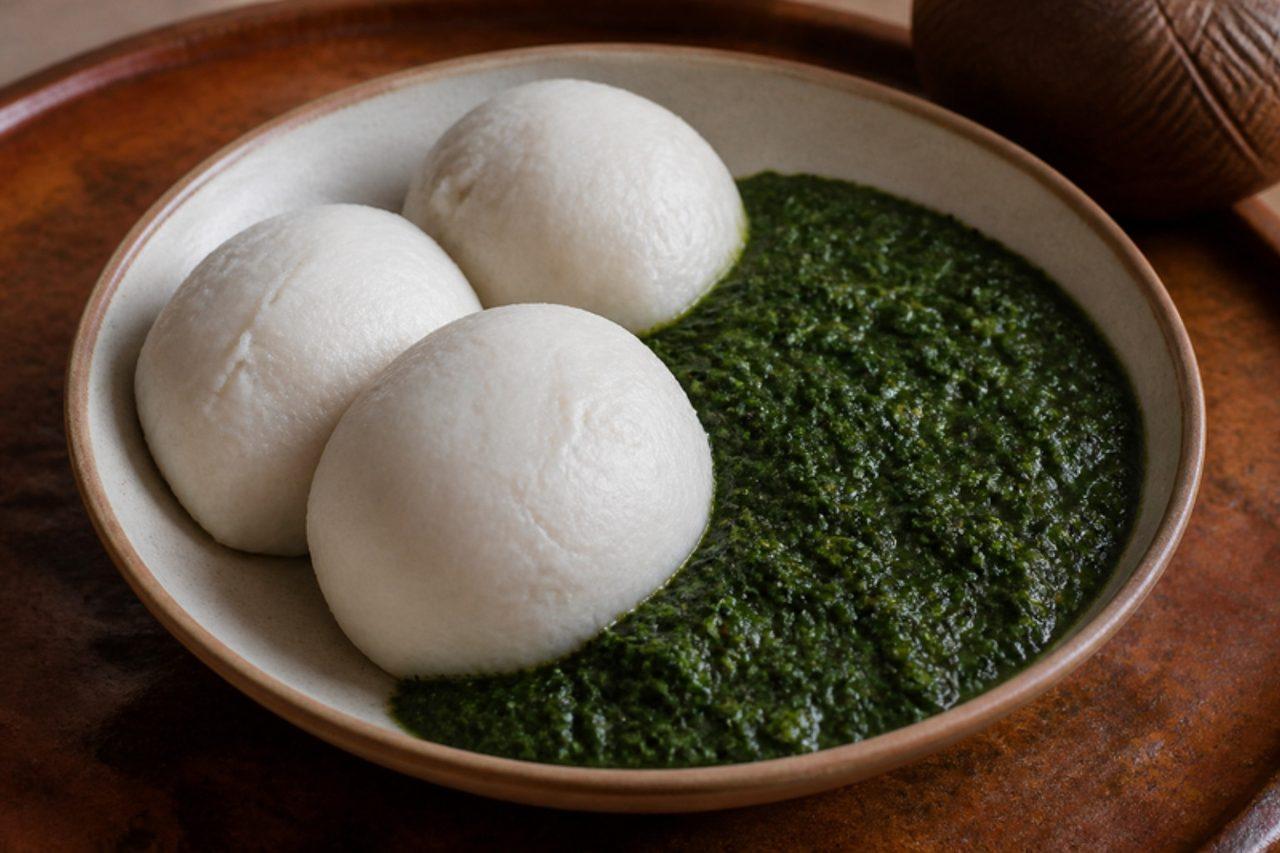
Tuo zaafi with ayoyo soup

In Tamale and across northern Ghana, TZ is the evening meal: a soft, smooth swallow of maize (sometimes millet) that wobbles in the bowl and is eaten with ayoyo, a bright green, slippery jute-leaf soup flavoured with dawadawa. The pair is often served with a meat or fish stew alongside; this version is fully vegan, with the ayoyo seasoned well enough to stand alone. Frozen jute leaves, sold as ewedu or molokhia, are a good substitute, and a teaspoon of miso can stand in for dawadawa. Chef's tip: make a thin porridge with part of the maize meal first and then thicken it; the usual mistake is adding all the meal at once, which makes a lumpy, stiff TZ.

by KrazyBadal 0 views

Goes well with jute leaves