Skip to content

Recipes with kithul jaggery

6 recipes that use kithul jaggery, with photos, step-by-step instructions and cook times. The quickest, Koththamalli, takes 20 minutes. It is most often cooked with cardamom, cashews and clove.

Run out of kithul jaggery? Dark brown or muscovado sugar, same amount.

Got a few things in the fridge? Search by everything you have

Koththamalli

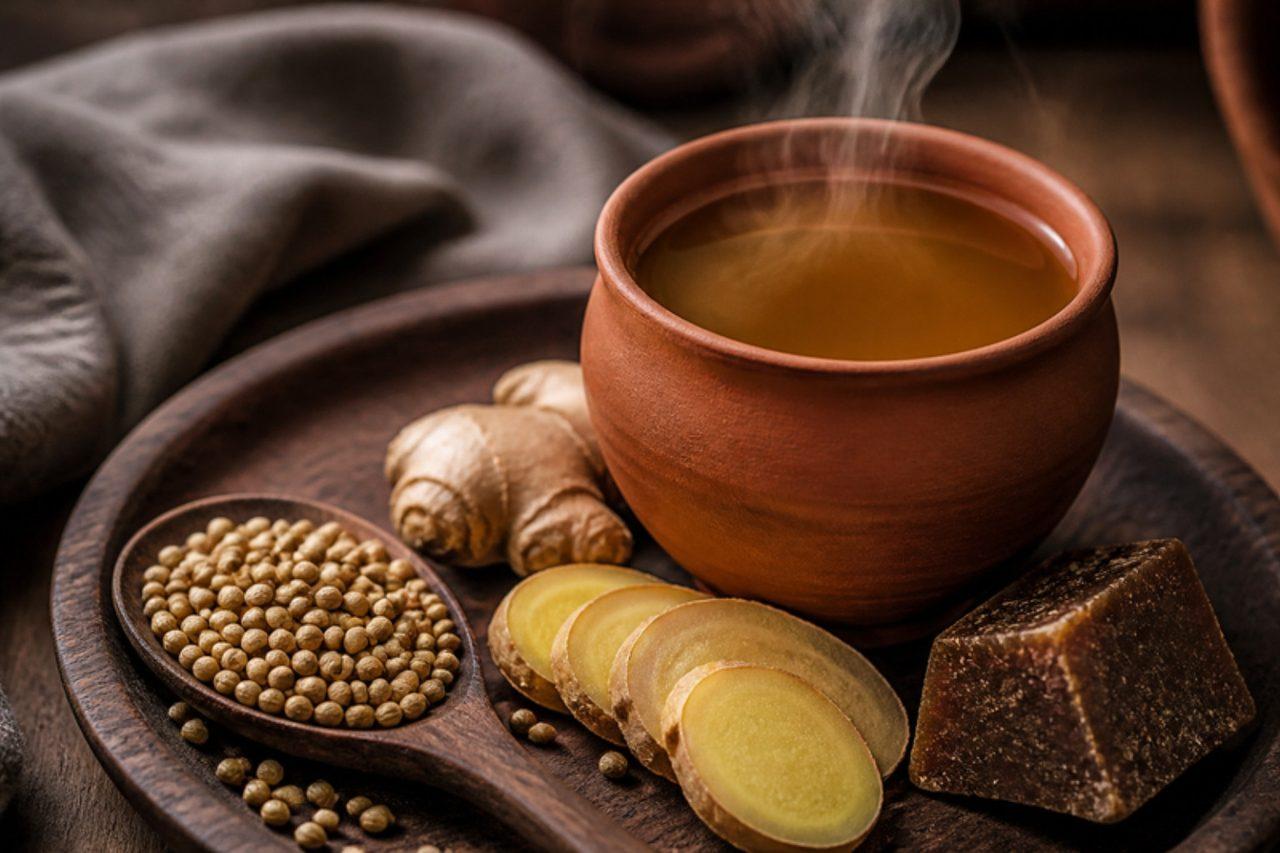
At the first sniffle, many Sri Lankan mothers put a pot of koththamalli on the stove, and in Colombo offices and up in the damp hill towns during the monsoon you will see people sipping it from steel tumblers instead of tea. Coriander seeds are toasted, cracked and boiled with plenty of ginger until the water turns amber, giving a warm, earthy, slightly citrusy drink with a gentle ginger burn. It is traditionally drunk unsweetened with a piece of kithul or palm jaggery held in the other hand and nibbled between sips, though you can dissolve the jaggery in if you prefer. Grinding the seeds to powder is a mistake, because the drink turns muddy and gritty; they should only be cracked. Chef's tip: toast the coriander just until it darkens a shade and smells like orange peel; that is when the oils are at their best.

by KrazyBadal 0 views

Kola kenda

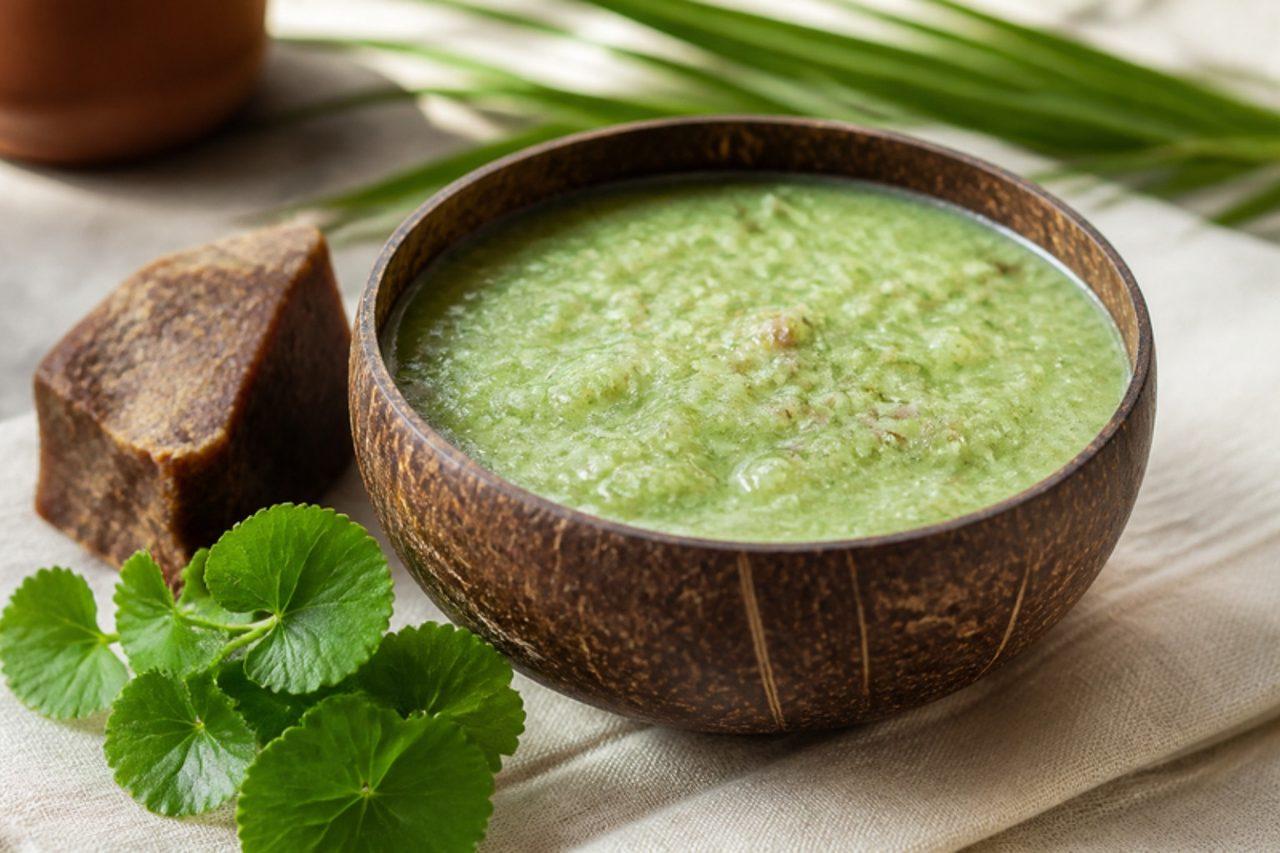
Early in the morning, outside bus stands in Kandy and along the walking paths of Colombo's parks, vendors ladle bright green kola kenda from big pots into cups, handing each customer a lump of jaggery to bite between sips. It is a thin, savoury porridge of red rice cooked until it breaks down, enriched with coconut milk and coloured with the juice of fresh leaves, most often gotu kola, though cooks also use hathawariya, mukunuwenna or even curry leaves. The taste is grassy, slightly bitter and very restoring, and older Sri Lankans drink it as a daily tonic. The leaf juice must never boil; adding it to a bubbling pot is the mistake that turns the porridge khaki and dulls the fresh flavour. Chef's tip: blend the leaves with cold water and strain them through a fine sieve, so the kenda stays silky with no stringy bits.

by KrazyBadal 0 views

Kalu dodol

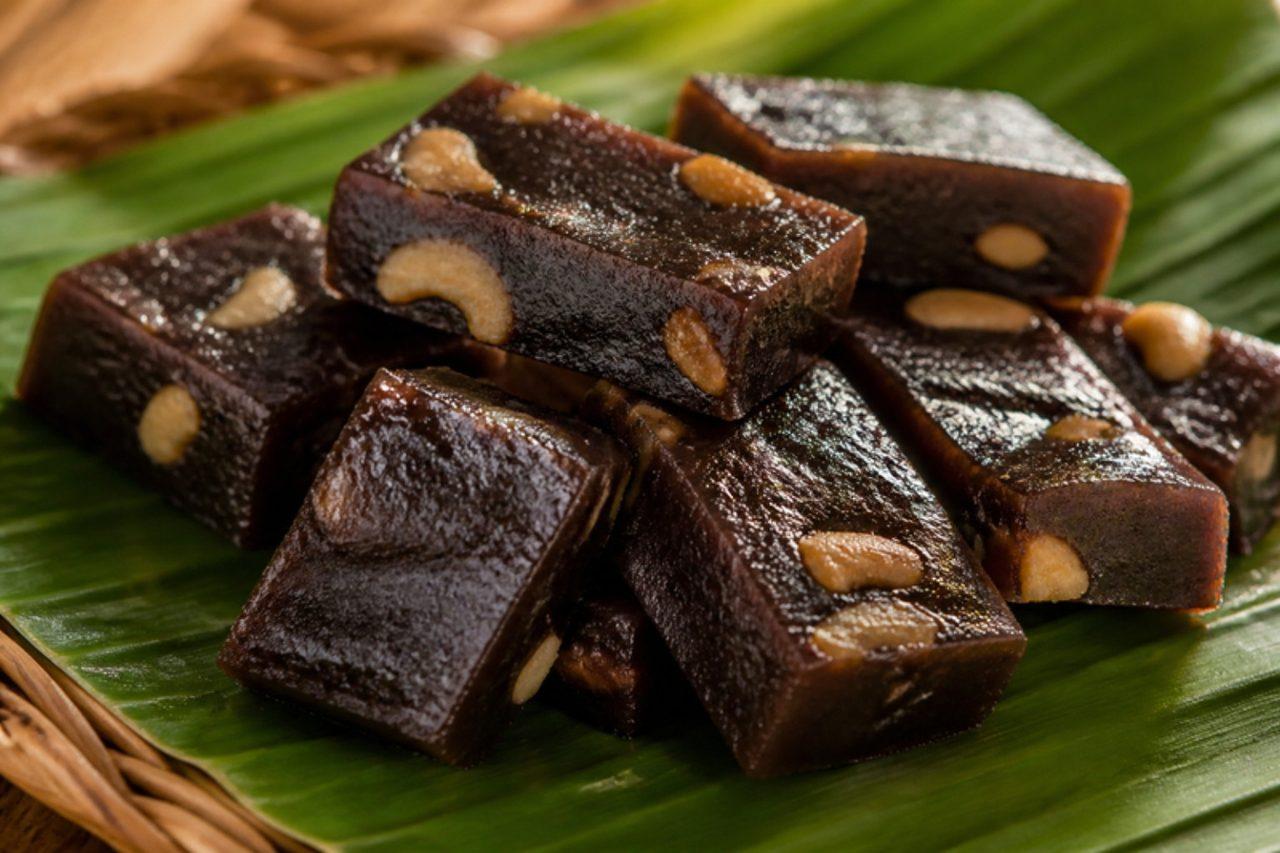
Hambantota and Kalutara both claim the best kalu dodol, and roadside shops in each town sell long, black, glistening slabs wrapped in paper, bought by travellers as gifts for the family back home. The sweet is a test of stamina: coconut milk is cooked down until its oil separates, then rice flour and kithul jaggery are stirred in and the mixture is worked over the heat for two to three hours until it turns dark, glossy and stiff, with cashews and cardamom added at the end. It sets into a chewy, fudgy sweet with a deep caramel and coconut flavour, and is served in thin slices during Avurudu and at weddings. Giving up too early is the one mistake everyone makes once; undercooked dodol stays sticky and grey instead of firm and almost black. Chef's tip: use the widest heavy pan you have and a long wooden spoon, and keep stirring the same direction, scraping the base, so nothing catches.

by KrazyBadal 0 views

Weli thalapa

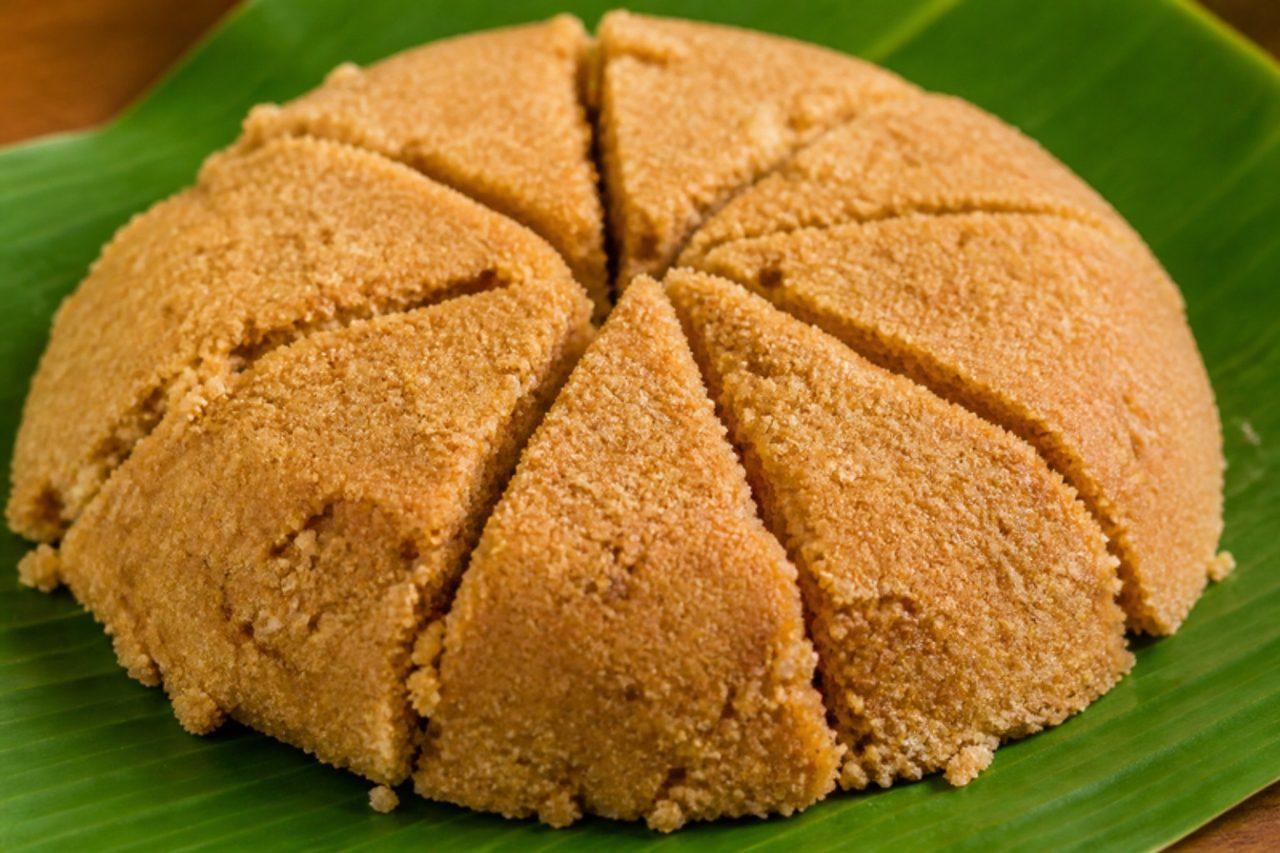
Weli means sand, which perfectly describes the texture of this old-fashioned Sinhala sweet: soft, crumbly and slightly gritty on the tongue, packed with coconut and the dark, smoky sweetness of kithul jaggery. It is made in many southern and western homes for the Avurudu table and for pirith ceremonies, pressed into a tray and cut into squares or diamonds, and its simple ingredients make it a quick, frugal treat. Grated coconut is cooked in melted jaggery until it soaks up the syrup, then roasted rice flour is stirred in until the mixture clumps and leaves the pan. Overcooking at the end is a frequent slip, turning it hard and chewy instead of sandy, so take it off the heat as soon as it starts to come together. Chef's tip: roast the rice flour well in advance and let it cool; warm flour clumps and stops the sweet from getting that loose, sandy crumb.

by KrazyBadal 0 views

Bibikkan

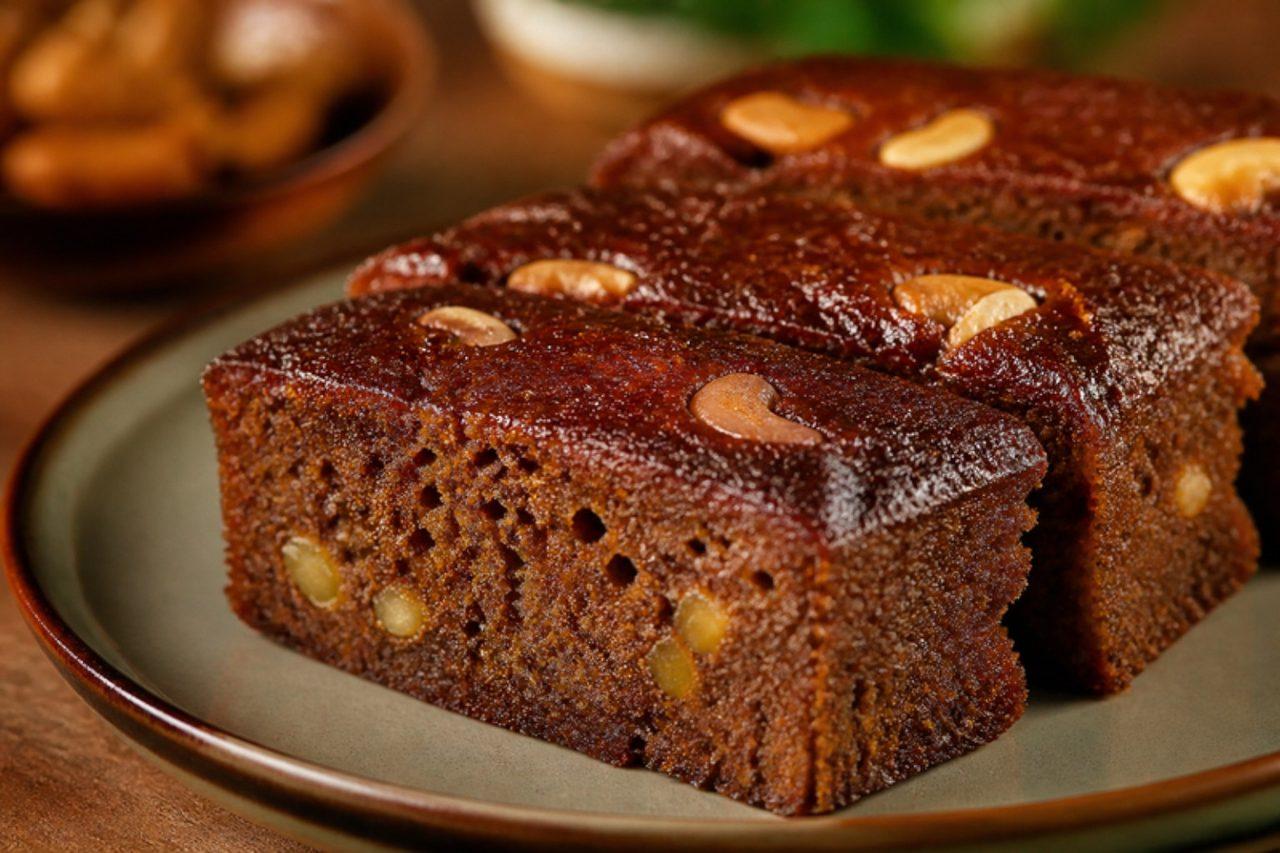
Bibikkan is the darkest, stickiest cake in the Sri Lankan repertoire, baked by Burgher families for Christmas and by Sinhala households for the New Year table, and nobody quite agrees whether its roots lie in Portuguese or local kitchens. Freshly grated coconut is first cooked in melted kithul jaggery, then mixed with roasted semolina, flour, eggs, cashews, raisins, chopped ginger preserve and a mix of cinnamon, cardamom, nutmeg and cloves, and baked until almost black on the outside. The crumb is moist, heavy and chewy with coconut, with a deep treacle sweetness and a warm, spiced finish, and slices are served with tea. Baking it too hot is where it often goes wrong, as the jaggery burns before the middle sets, so keep the oven moderate and cover it if the top darkens early. Chef's tip: cook the coconut in the jaggery until it looks thick and sticky before mixing; that is what gives bibikkan its fudgy texture.

by KrazyBadal 0 views

Watalappan

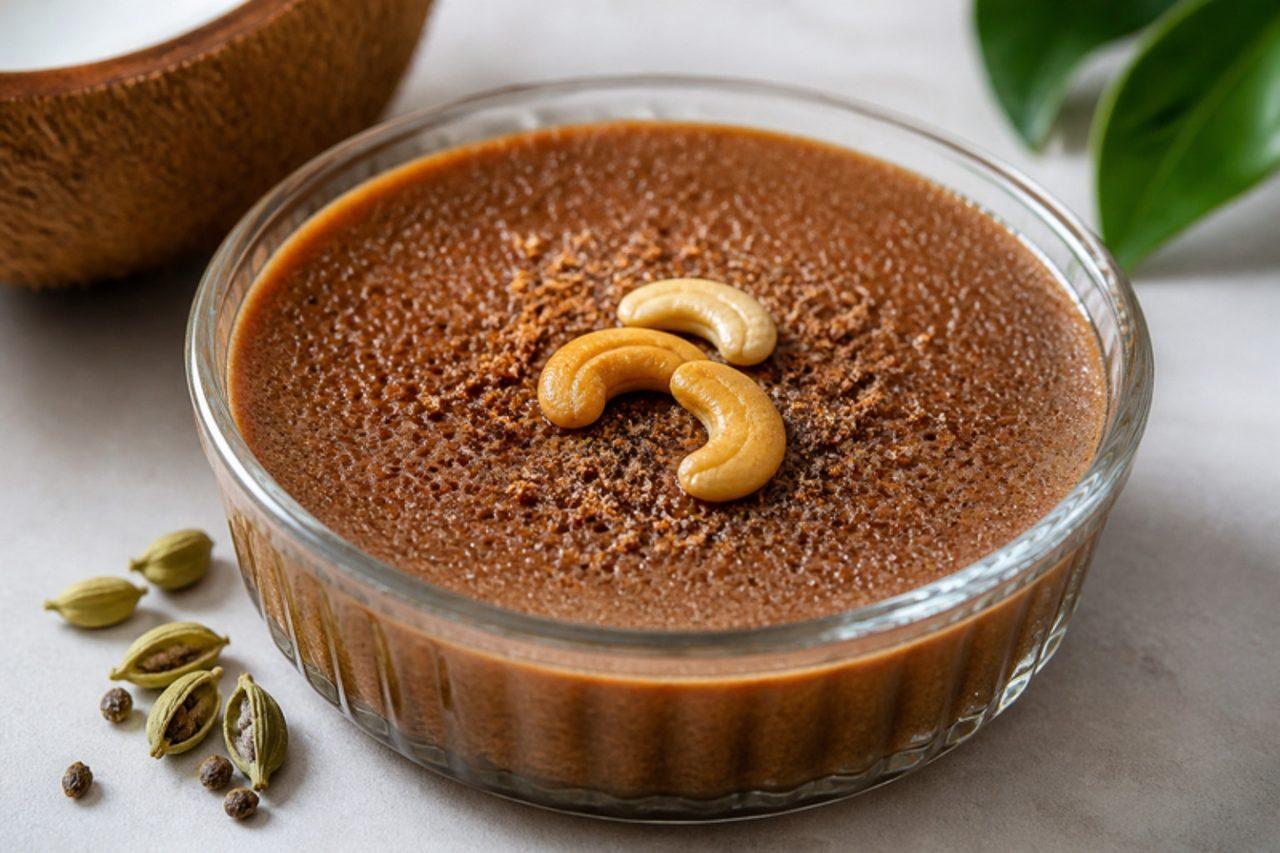
Watalappan came to Sri Lanka with the island's Malay and Muslim communities, and no Eid table in Colombo, Beruwala or Kandy is complete without it; it now turns up at weddings and birthdays across every community. Thick coconut milk and eggs are sweetened with kithul jaggery, the dark palm sugar from the fishtail palm, and spiced with cardamom, nutmeg and a little clove, then steamed until it sets into a wobbly, honeycombed custard the colour of toffee. Cashews scattered on top add crunch. Dark muscovado sugar works if you can't find kithul jaggery. The common mistake is steaming it on a fierce boil, which makes it full of large holes and watery; a steady, gentle simmer gives a smooth set with the fine honeycomb that's prized. Chef's tip: strain the mixture through a sieve before steaming to remove any stringy egg and jaggery grit.

by KrazyBadal 0 views

Goes well with kithul jaggery