Skip to content

Recipes with kombu dashi

4 recipes that use kombu dashi, with photos, step-by-step instructions and cook times. The quickest, Mozuku-zu, takes 10 minutes. It is most often cooked with light soy sauce, soy sauce and sugar.

Got a few things in the fridge? Search by everything you have

Nanohana karashi-ae (rapeseed blossoms with mustard)

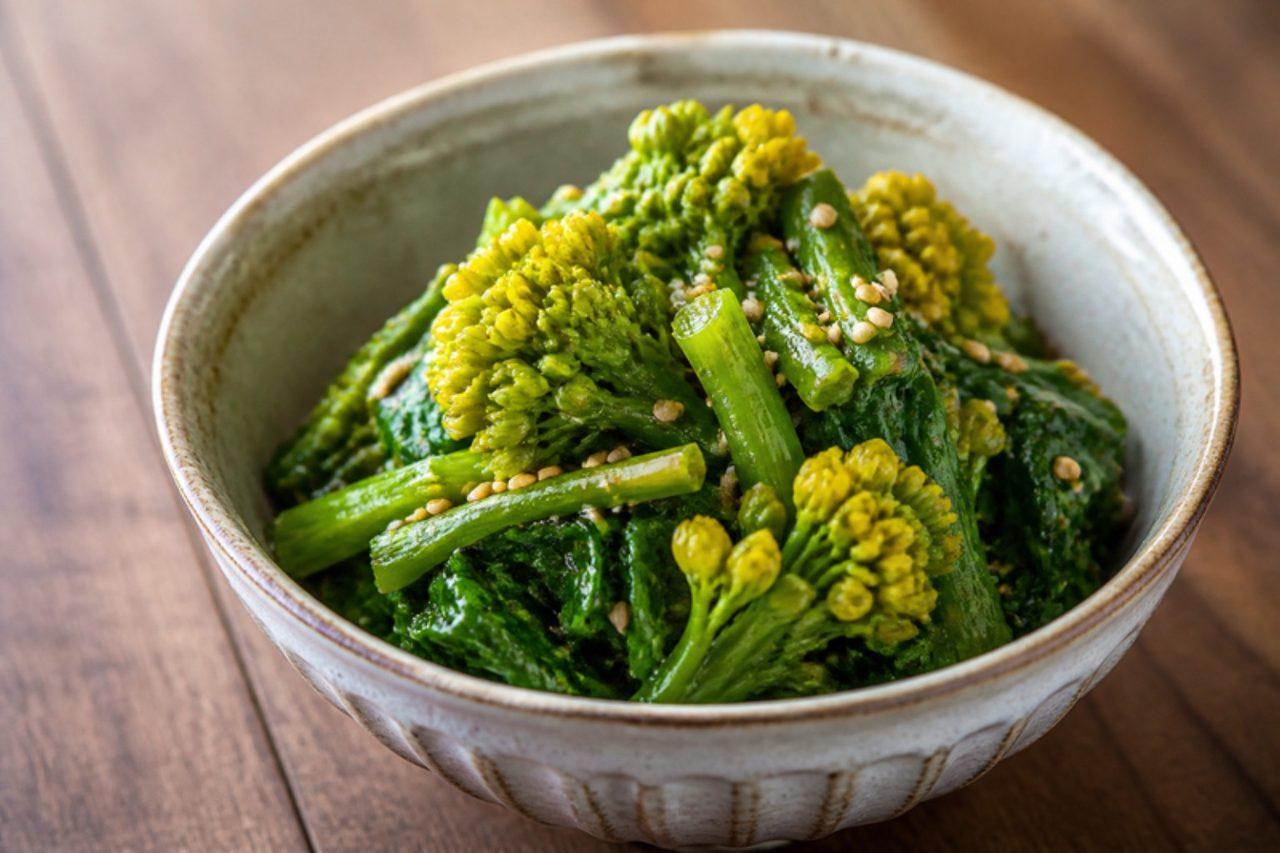
Nanohana, the budding shoots of the rapeseed plant, arrive in Japanese shops at the end of winter, and their little yellow-green flower heads are a sign that spring has come. That makes them a natural side dish for Hinamatsuri on 3 March, next to chirashizushi and clam soup. The greens are blanched just until tender, then dressed with Japanese karashi mustard loosened with soy sauce and kombu dashi: pleasantly bitter, nose-tinglingly hot and very fresh. Outside Japan, tenderstem broccoli or cime di rapa works almost as well. Chef's tip: dress the greens at the last minute, because the soy starts to dull the green colour within half an hour.

by KrazyBadal 0 views

Mozuku-zuSeaweed in sweet vinegar

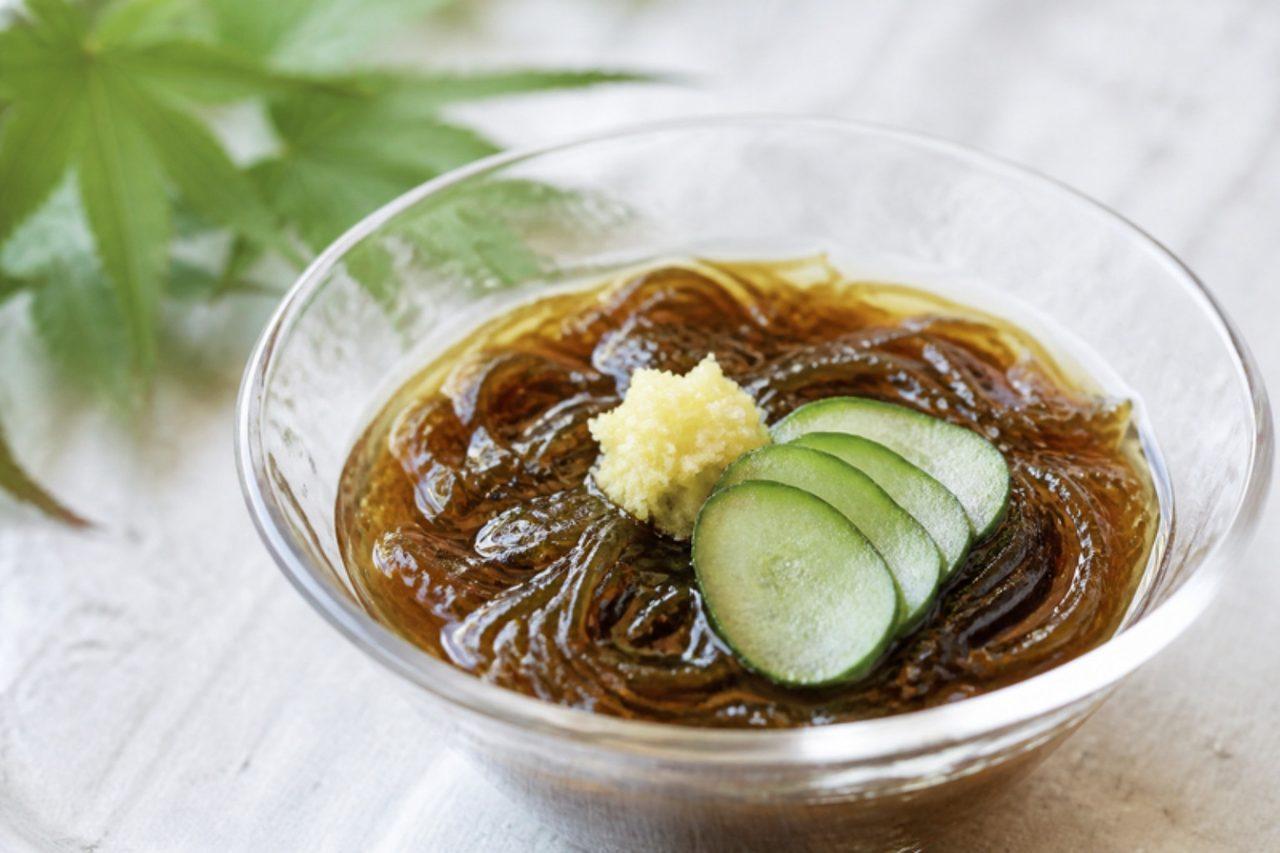
In Okinawa, where most of Japan's mozuku is farmed, a small bowl of mozuku-zu starts many a home supper and izakaya meal, especially in the hot months. The fine, slippery strands of seaweed are rinsed of their salt and served cold in a gentle dressing of rice vinegar, a little sugar and soy, topped with grated ginger, so it tastes clean, sour and of the sea. Shop versions often use bonito dashi; this one uses kombu dashi, so it is vegan. It is very light, with less than 1 g of protein a portion, so it belongs alongside a tofu dish and rice rather than as a main. The most common mistake is not rinsing salted mozuku enough: it needs two or three changes of water or the dish turns harsh. Chef's tip: chill the dressing and the bowls well; mozuku-zu should be served icy cold.

by KrazyBadal 0 views

Ninjin shirishiri (Okinawan carrot and egg)

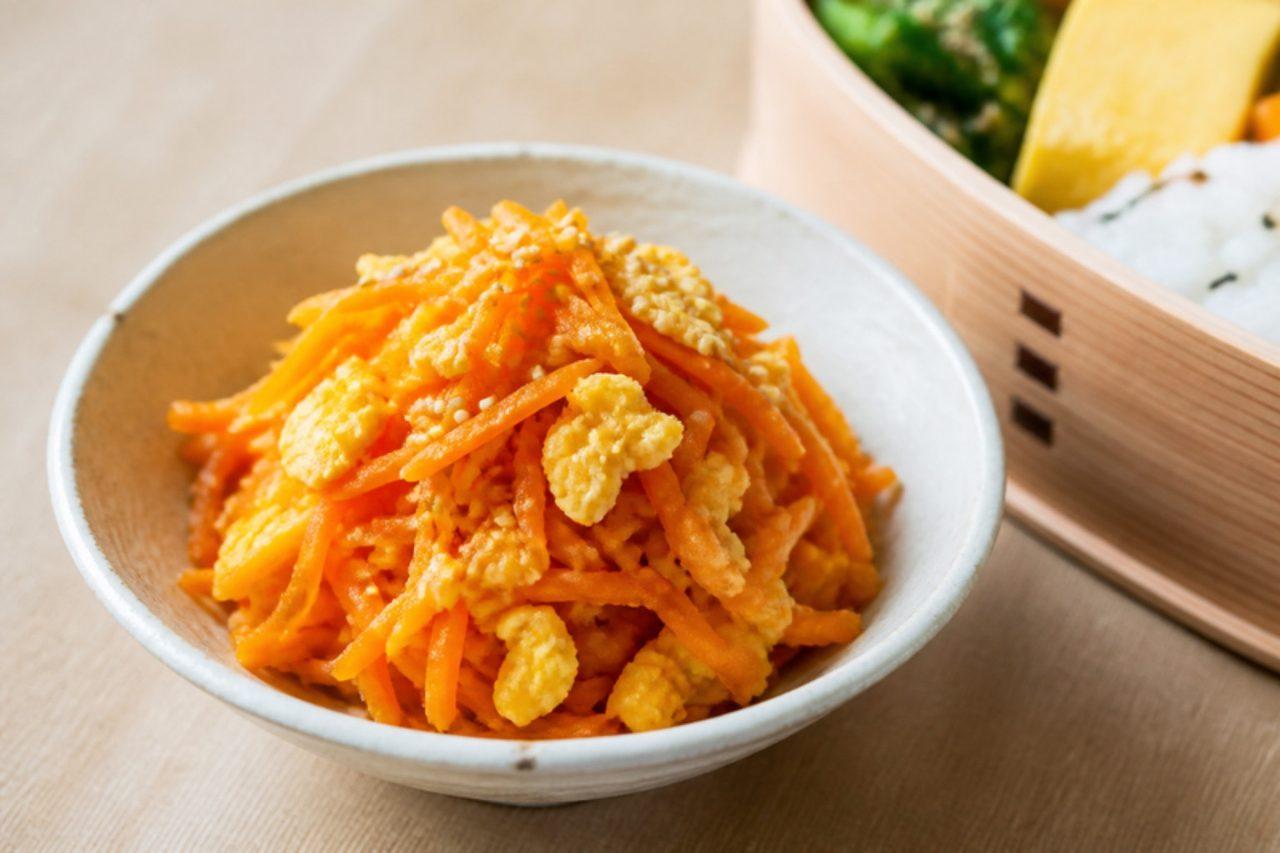
In Okinawa, at the southern tip of Japan, ninjin shirishiri is what home cooks make when there is a bag of carrots and a lunchbox to fill. The carrots are grated into fine ribbons on a shirishiri grater, softened in sesame oil and bound with a scrambled egg and a splash of kombu dashi, so they taste sweet and mild enough for small children. It is served warm at dinner and cold in the next day's bento. It contains egg, soya and wheat (soy sauce) and sesame. Chef's tip: cook the carrot until it turns limp and glossy before the egg goes in; that is where its sweetness comes from.

by KrazyBadal 0 views

Tororo gohanMountain yam over barley rice

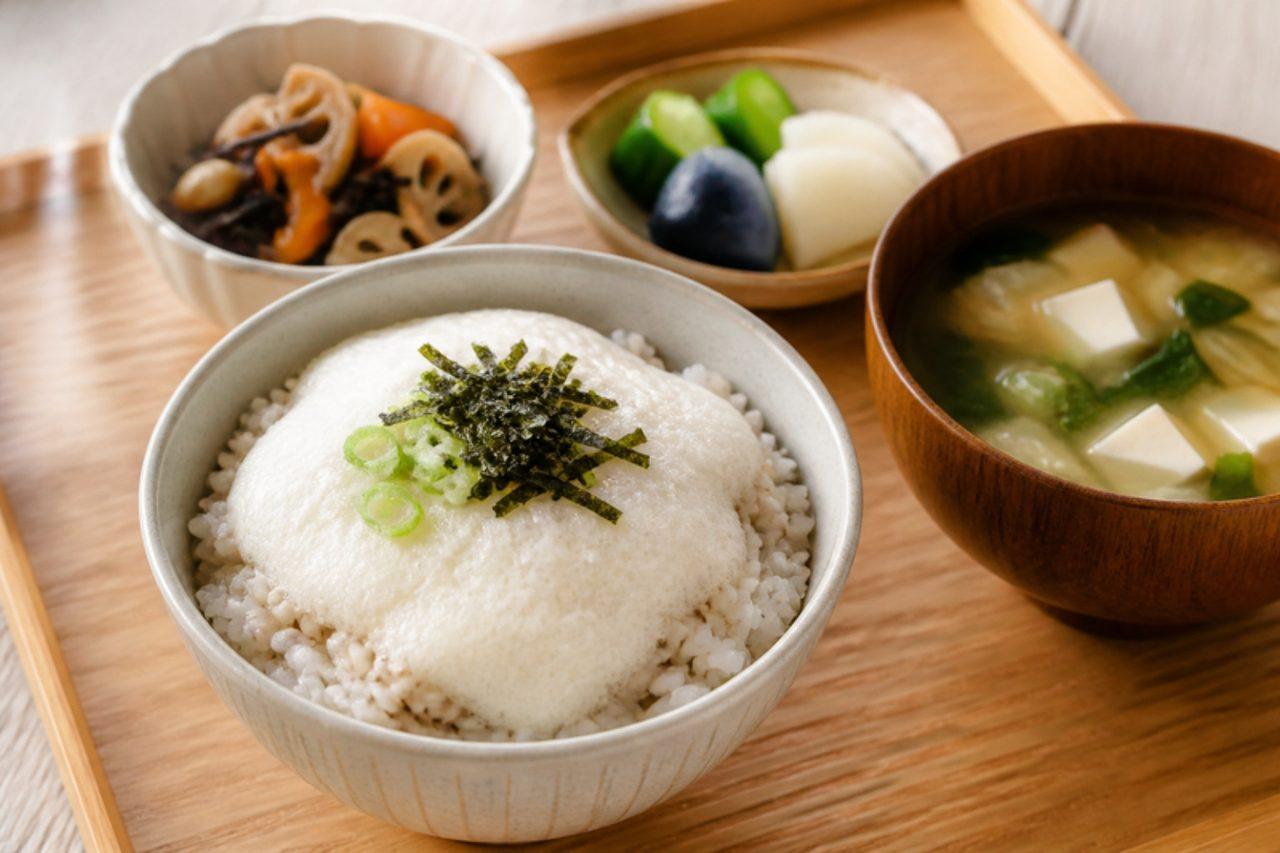
Tororo gohan is the speciality of Mariko-juku in Shizuoka, a post town on the old Tokaido road where travellers have stopped for bowls of it for four centuries, and it is now a simple, nourishing lunch all over Japan. Raw nagaimo (Chinese yam) is grated into a frothy, slippery purée, thinned with cool seasoned dashi and poured over hot barley rice, then topped with spring onion and nori. It sounds strange and tastes clean and comforting. This version uses vegetarian kombu dashi. A portion is about 330 kcal. Many people add a raw egg yolk: use a pasteurised egg if you do, especially for anyone pregnant, very young, older or with a weakened immune system. The common mistake is letting the dashi go in hot, which cooks the yam and loses its fluffiness; it must be cool. Chef's tip: grate the yam on the fine side of a grater, or the rough side of a suribachi bowl, and wear gloves; the raw sap can make skin itch.

by KrazyBadal 0 views

Goes well with kombu dashi