Skip to content

Recipes with malabar spinach

3 recipes that use malabar spinach, with photos, step-by-step instructions and cook times. The quickest, Pui shak bhaji, takes 25 minutes. It is most often cooked with turmeric, dried red chillies and garlic.

Got a few things in the fridge? Search by everything you have

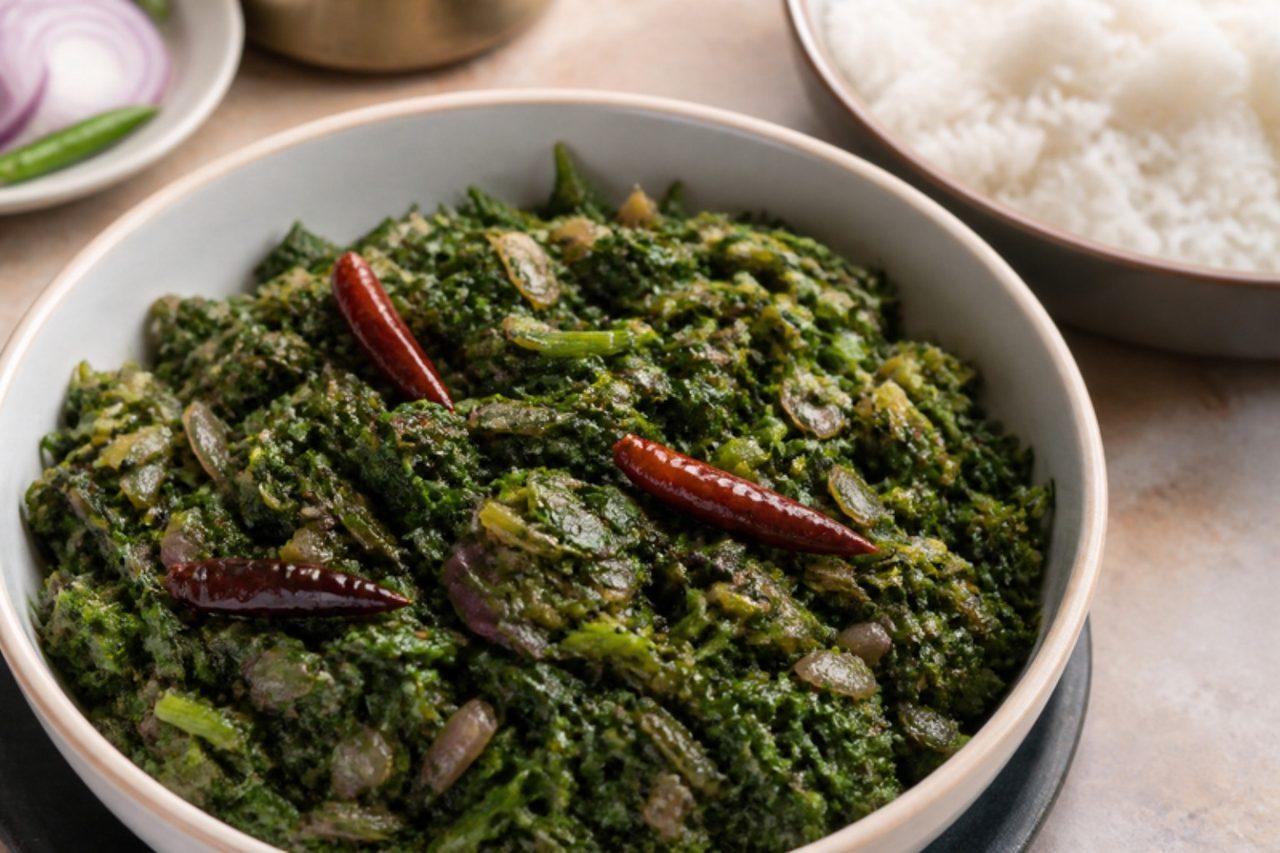
Choddo shaakFourteen leafy greens stir-fry

On Bhoot Chaturdashi, the night before Kali Puja and Diwali, Bengali homes light fourteen lamps for their ancestors and eat a dish of fourteen greens at lunch to keep illness and restless spirits away. Markets in Kolkata sell bundles already mixed for the day: spinach, red and green amaranth, Malabar spinach, water spinach, fenugreek, mustard and radish greens, bathua, jute leaves, pumpkin leaves, helencha and a few neem leaves for bitterness. Fried briefly in mustard oil with nigella and dried chilli, they cook down to an earthy, slightly bitter, faintly sweet tangle. It is eaten as the first course with hot rice and a drizzle of ghee for those who want it. If you can't find all fourteen, use what your grocer has; the mix matters more than the exact list. Chef's tip: cook it uncovered after the first wilt so the water evaporates; choddo shaak should be dry and glossy, not stewed.

by KrazyBadal 0 views

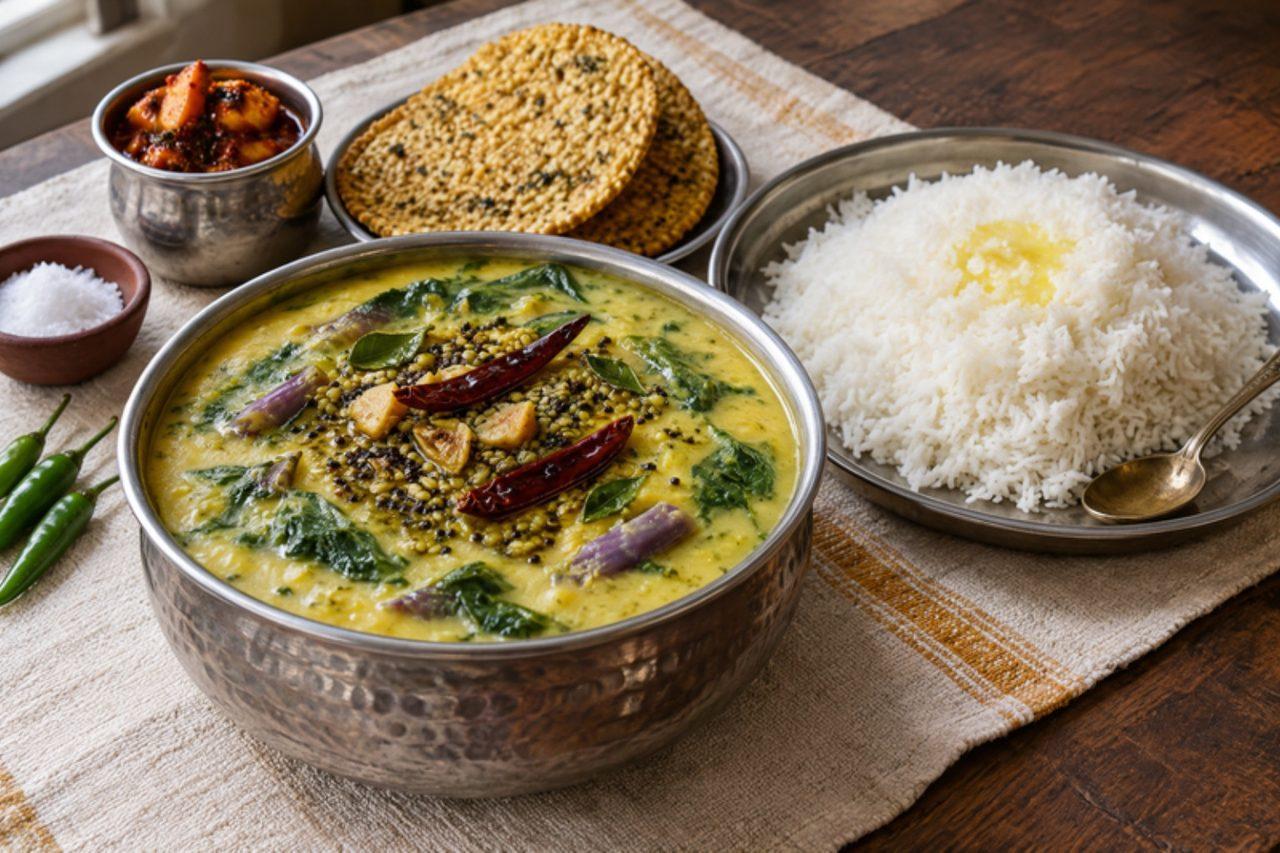
Bachali kura pappuDal with Malabar spinach

Bachali, or Malabar spinach, climbs over back walls all across Telangana and Andhra, and its thick, glossy leaves go into this everyday pappu that turns up at lunch several times a month with rice, ghee and a pickle. The leaves give the dal a silky body and a faint lemony note. People often overcook it until the greens turn khaki; add them after the dal is soft and cook just long enough to wilt. Chef's tip: use the tender stems too, chopped small; they add a pleasant crunch.

by KrazyBadal 0 views

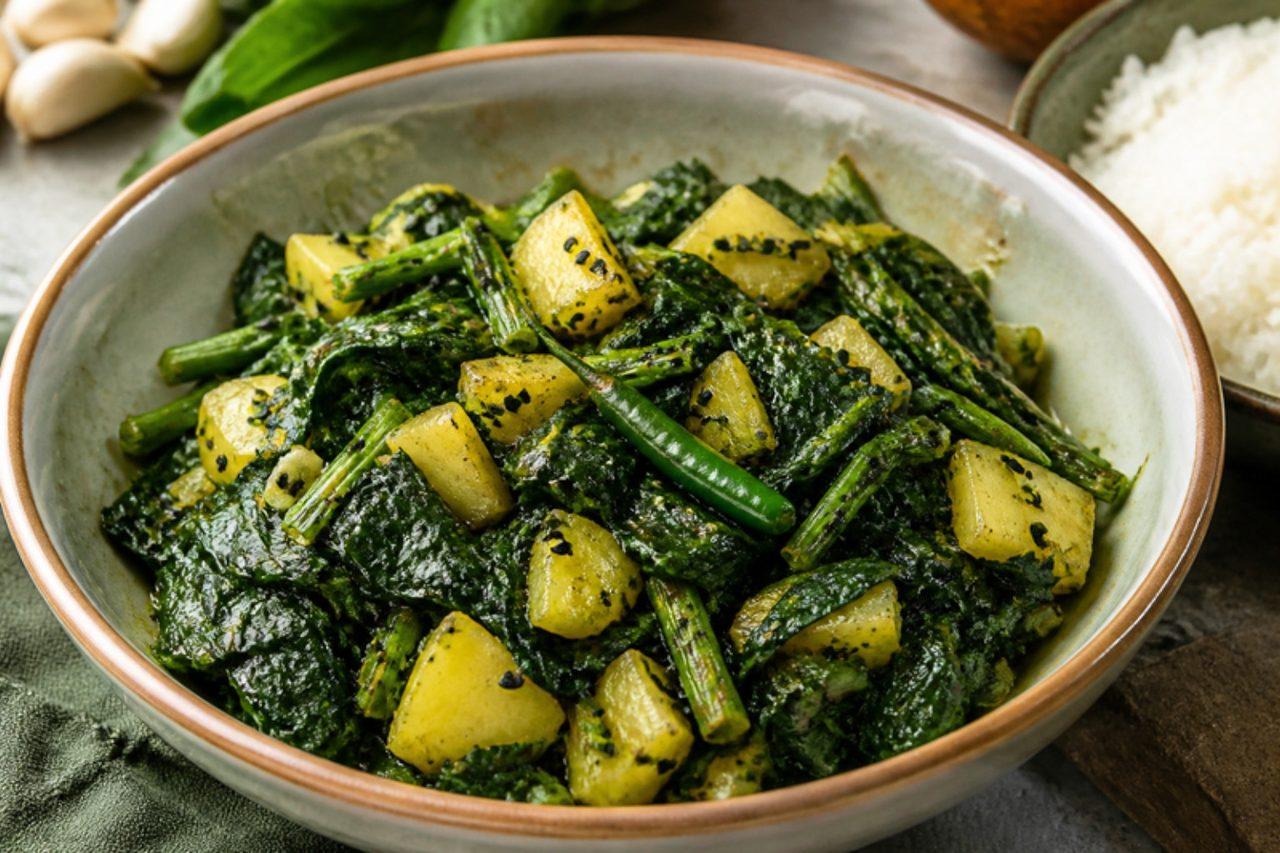
Pui shak bhajiStir-fried Malabar spinach

Pui shak climbs over the tin roofs and fences of village homes all through the monsoon, and its thick, glossy leaves and succulent stems cook down into a soft, slightly silky side dish that people either love or find a little slippery. In most homes it is cooked with small shrimp, or with a fish head, and with chunks of pumpkin or potato; this is the plain vegetarian version, with garlic, green chilli and a pinch of nigella, plus a few cubes of potato for body. It is eaten with hot rice and dal at lunch, especially in July and August when the vine is at its best. Covering the pan is the misstep that makes it watery and slimy; keep it open and let the moisture cook off. Chef's tip: cut the thick stems into short pieces and give them a 3-minute head start before the leaves go in.

by KrazyBadal 0 views

Goes well with malabar spinach