Skip to content

Recipes with mekelesha

4 recipes that use mekelesha, with photos, step-by-step instructions and cook times. The quickest, Asa wat, takes 55 minutes. It is most often cooked with berbere, garlic and ginger.

Got a few things in the fridge? Search by everything you have

Asa wat

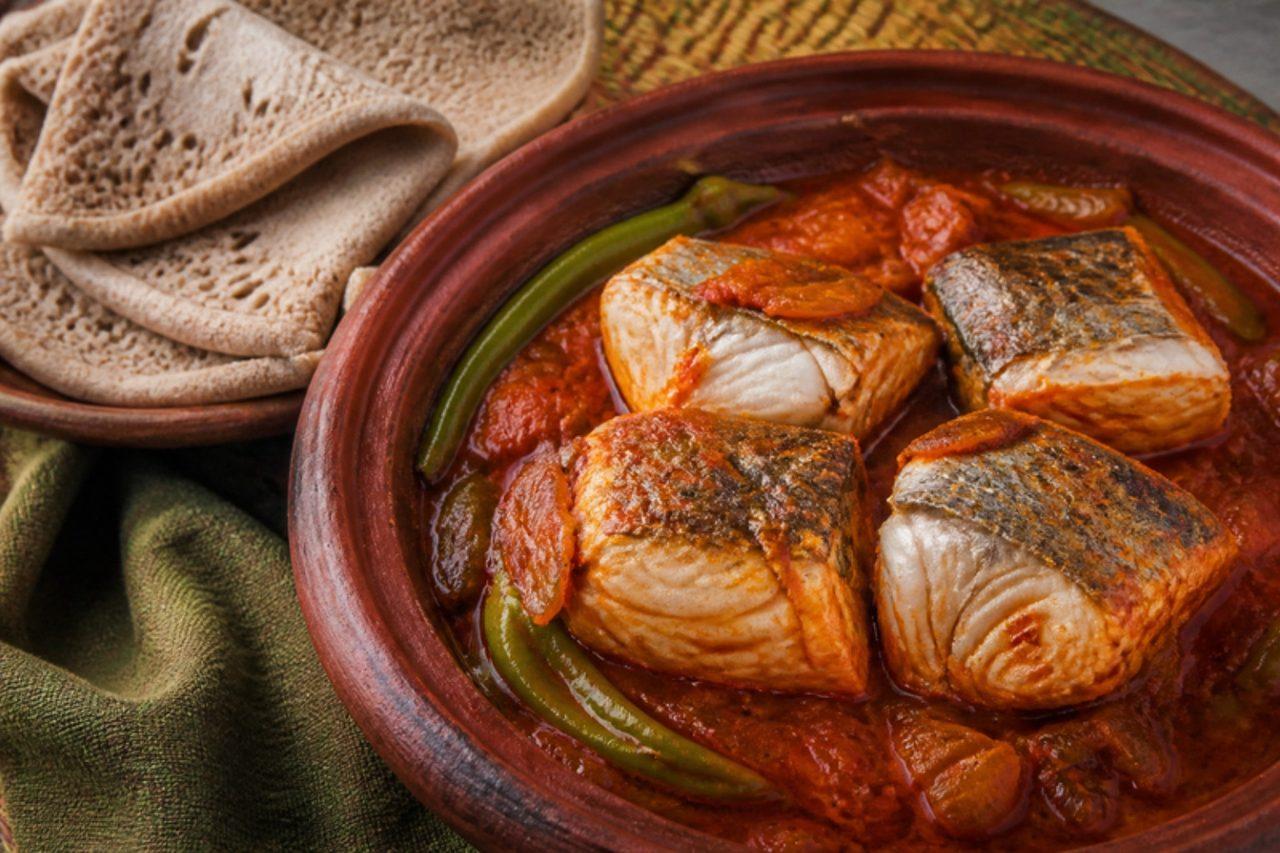
Around Lake Tana in Bahir Dar and on the shores of Lake Hawassa, fresh tilapia, Nile perch and catfish are cheap and plentiful, so fish goes into the same deep red berbere sauce that elsewhere would hold beef or chicken. Asa wat has the familiar long-cooked onion base and warming spice, but it is lighter than a meat wat, with tender, sweet chunks of fish soaking up the sauce. It is eaten with injera, often alongside a lentil or greens dish, and is a popular choice on fasting days for those who eat fish. Stirring once the fish is in is the classic mistake; it breaks into shreds, so shake the pan instead. Chef's tip: add the fish only once the sauce is fully cooked and thick, then give it no more than 10 minutes.

by KrazyBadal 0 views

Tihlo

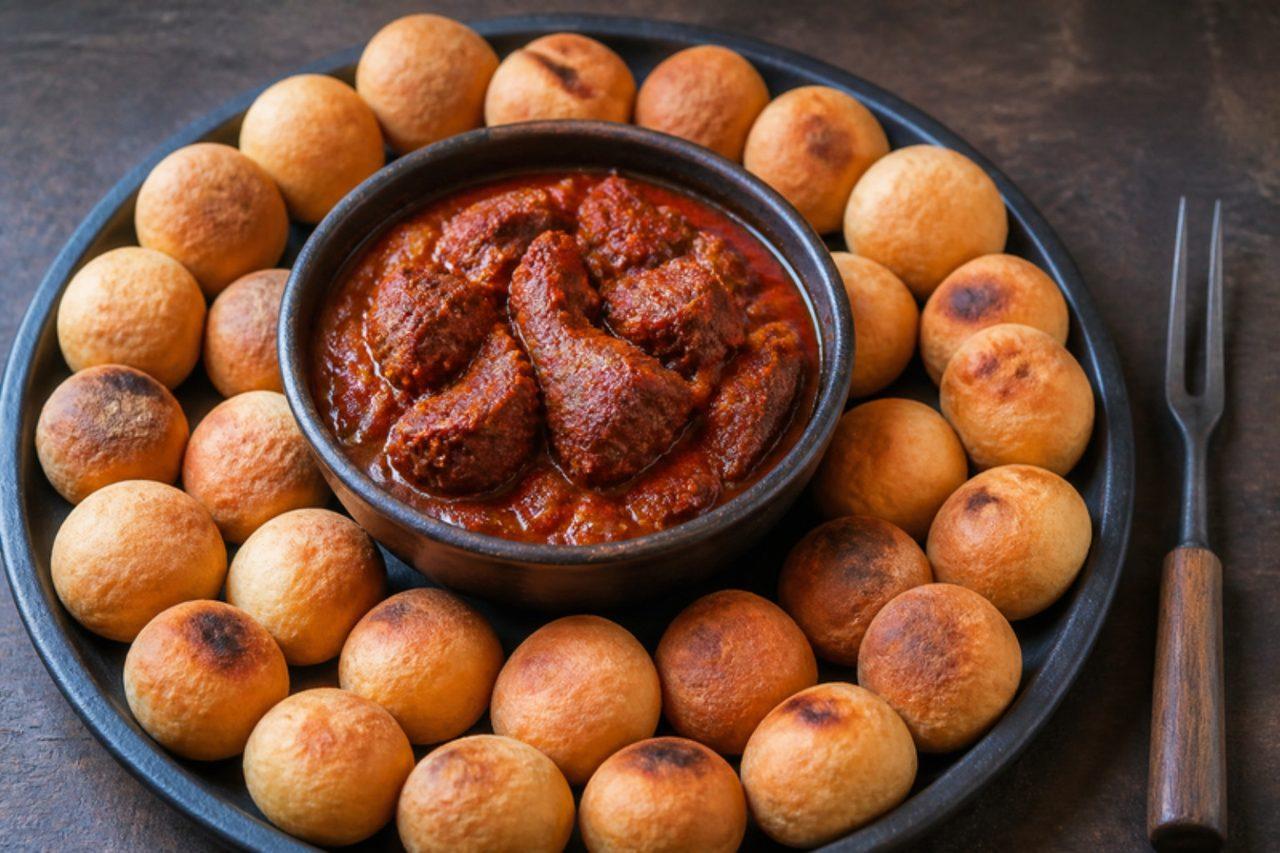
From Enderta in southern Tigray, around Mekelle, tihlo is the dish of celebrations and of guests: small balls of dough made from roasted barley flour are arranged around a bowl of spicy stew, and everyone spears them with a long two-pronged fork and dunks them in. The barley gives a nutty, toasty flavour and a dense, chewy bite that soaks up the red sauce. On fasting days the same balls are dipped into thick shiro; this version uses a beef or lamb stew cooked in oil, so it is dairy free. Barley contains gluten. Chef's tip: make the dough firm, like modelling clay; a dough that is too wet is the usual mistake, as the balls slide off the fork and dissolve in the stew.

by KrazyBadal 0 views

Minchet abish

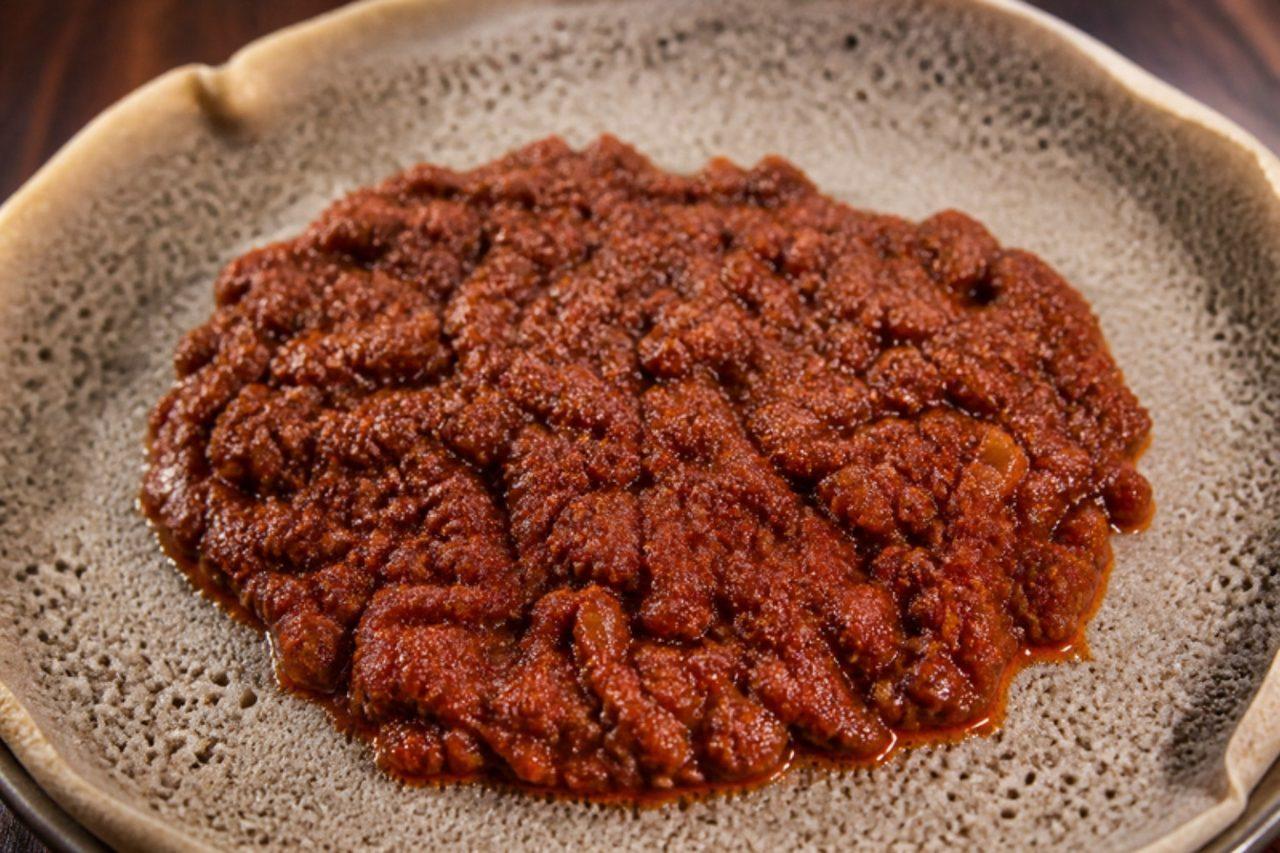
Where key wat is made with chunks of beef, minchet abish uses beef minced so finely that it melts into the sauce, giving a smooth, spoonable stew that clings to every piece of injera. Addis Ababa restaurants list it beside the other wats, and at home it is a Sunday and holiday dish because it stretches a modest amount of meat a long way. The flavour is deep and slightly sweet from a long-cooked onion base, warmed with berbere, ginger and a hint of fenugreek, with a lovely glossy finish. This version uses oil, which keeps it dairy free. Chef's tip: loosen the raw mince with a little cold water before it goes into the pan; it then breaks into fine grains instead of seizing into lumps, which is the most common mistake with this dish.

by KrazyBadal 0 views

Ye-fyel wat

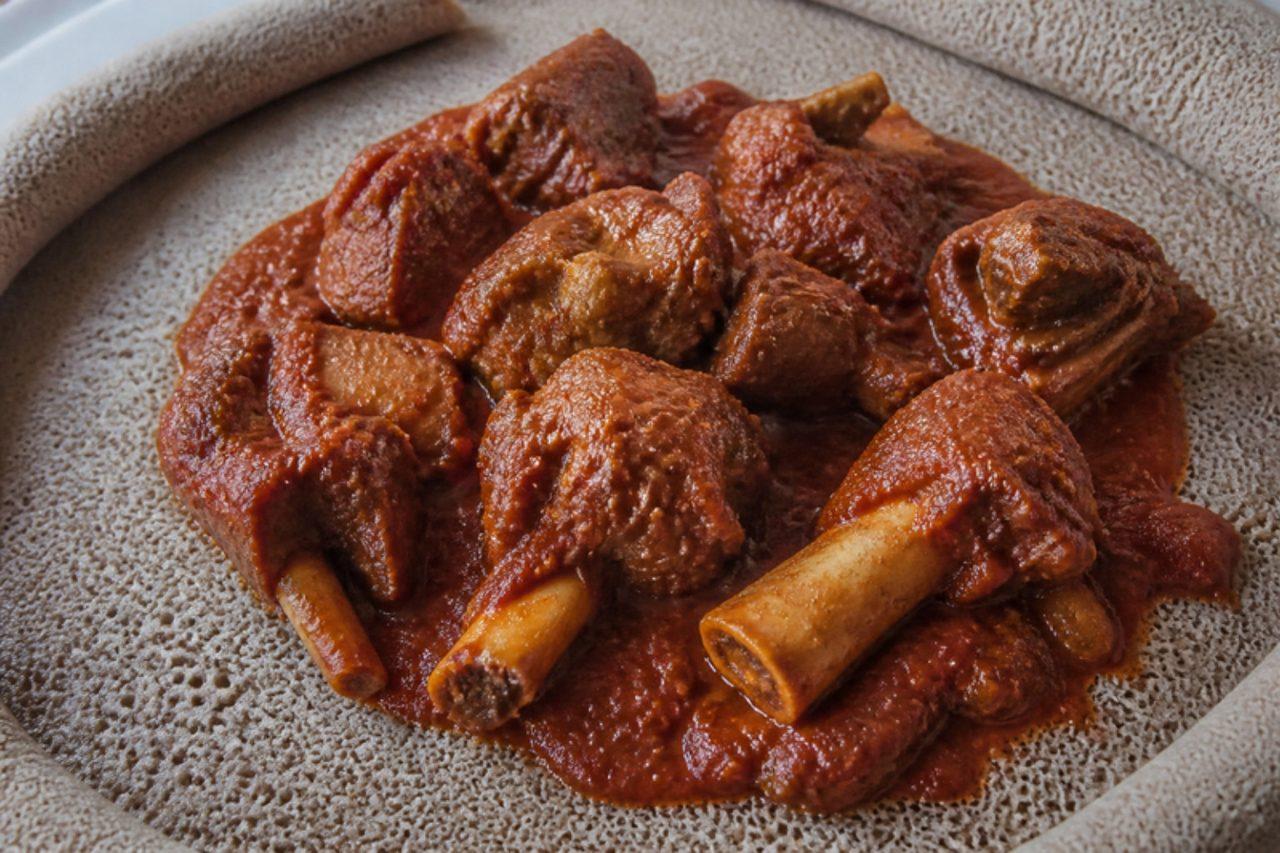
Goat is the everyday meat across Ethiopia's eastern lowlands, where herds do better than cattle in the dry heat, and a pot of ye-fyel wat marks holidays, Eid and the arrival of guests. The meat is cut small on the bone and cooked slowly in a dark, glossy sauce built on a mountain of onions and plenty of berbere, so it is spicy, deeply savoury and slightly sweet, with the faint gaminess of goat coming through. It is eaten from a shared platter of injera, often with a fresh salad of tomato and chilli on the side. This version is cooked in oil and is dairy free. The mistake to avoid is rushing the onions: if they are not cooked down for a good 20 minutes the sauce stays thin and sharp. Chef's tip: make it a day ahead; goat wat thickens and tastes even better after a night in the fridge.

by KrazyBadal 0 views

Goes well with mekelesha