Skip to content

Recipes with nagaimo

3 recipes that use nagaimo, with photos, step-by-step instructions and cook times. The quickest, Tororo gohan, takes 20 minutes. It is most often cooked with nori, soy sauce and spring onion.

Got a few things in the fridge? Search by everything you have

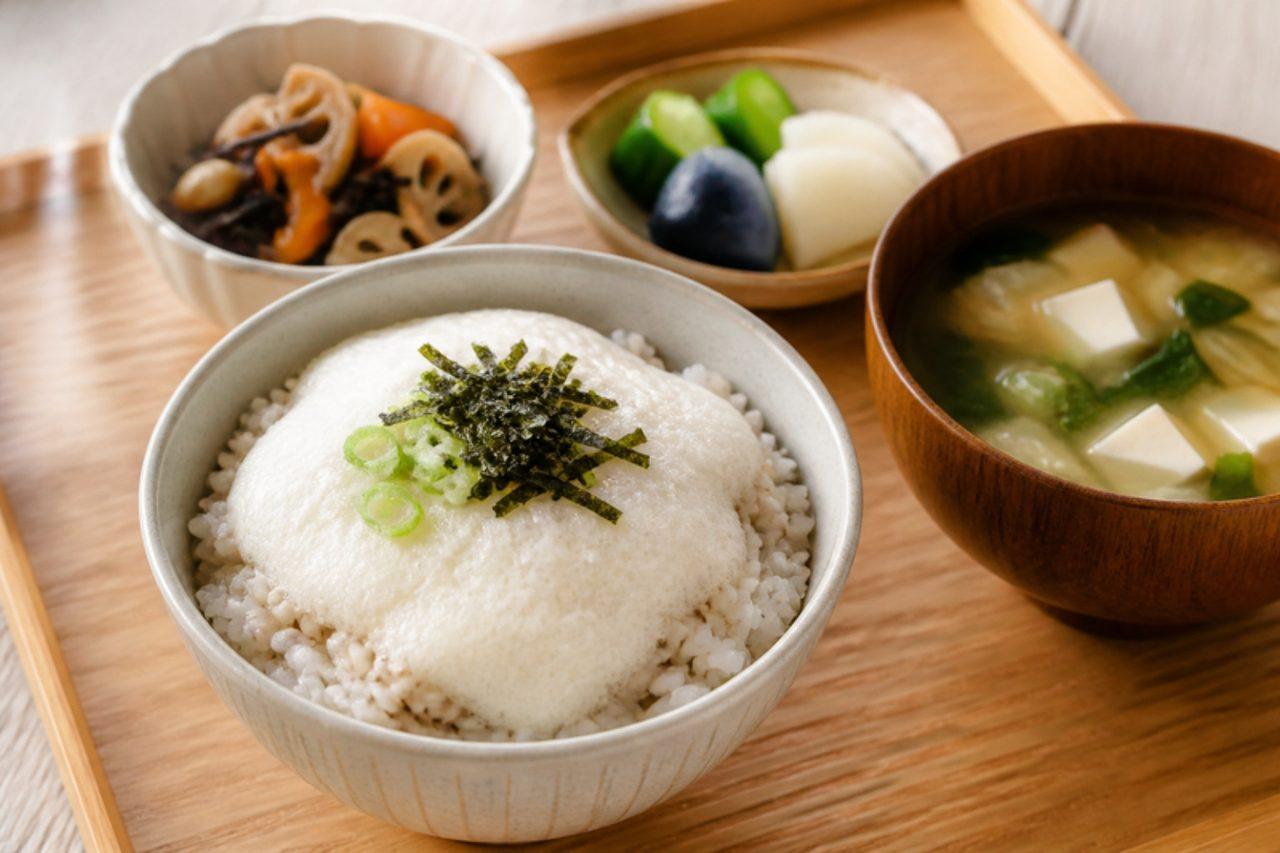
Mugi gohan with tororoBarley rice with grated yam

Mugi gohan, white rice cooked with flattened barley, was everyday food in rural Japan and is back on family tables for its nutty chew and fibre. In Shizuoka and along the old Tokaido road it is famously eaten as mugitoro: barley rice under a pour of grated nagaimo yam loosened with seasoned dashi, slurped quickly at lunch. A portion is about 300 kcal and gives roughly 8 g of protein, so it is light rather than high in protein. The usual mistake is using the plain rice water ratio: barley drinks more, so add extra water or the grains stay hard. Raw nagaimo can make sensitive skin itch, so peel it with gloves on. The dashi here is made from kombu and shiitake, with no bonito. Chef's tip: grate the yam on the finest side of the grater and beat it with a spoon for a minute; it turns light and fluffy and coats the rice evenly.

by KrazyBadal 0 views

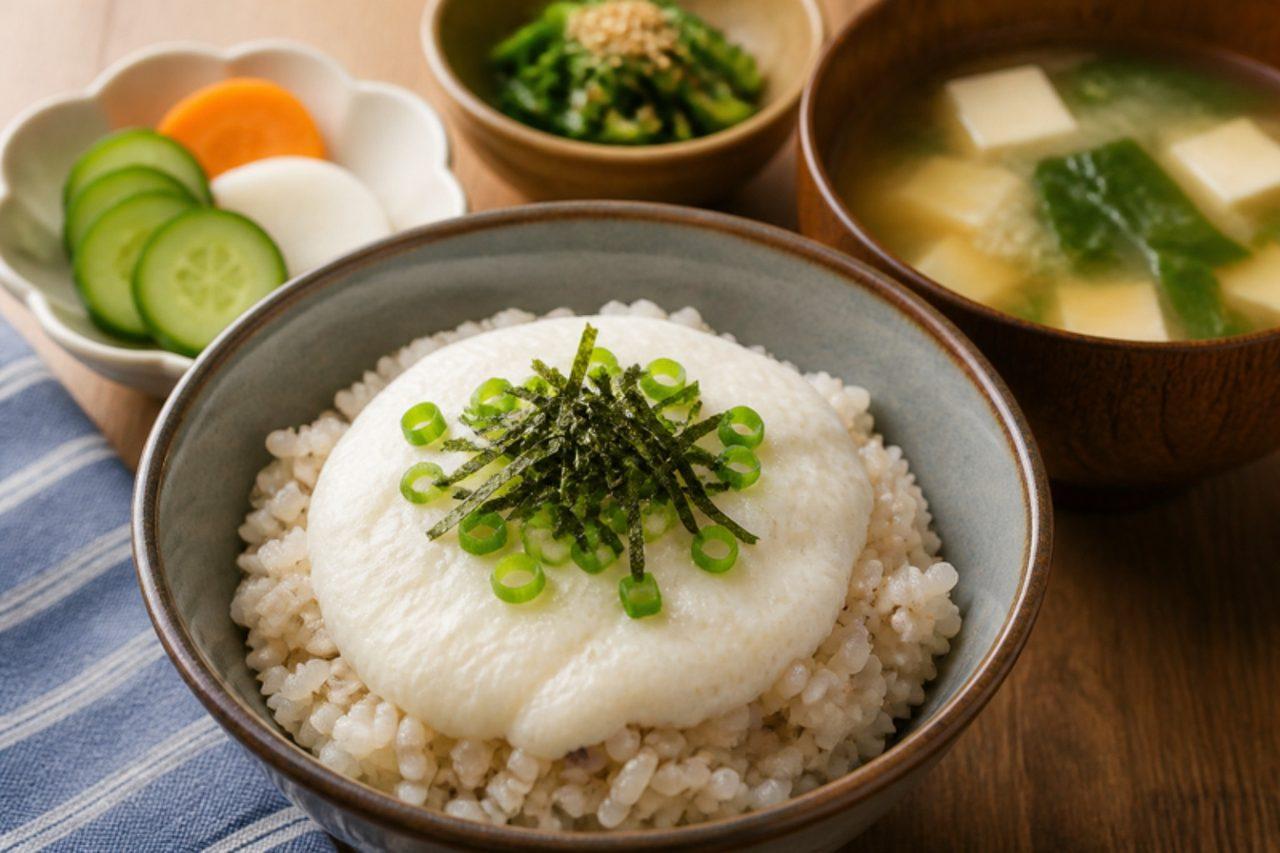
Tororo gohanMountain yam over barley rice

Tororo gohan is the speciality of Mariko-juku in Shizuoka, a post town on the old Tokaido road where travellers have stopped for bowls of it for four centuries, and it is now a simple, nourishing lunch all over Japan. Raw nagaimo (Chinese yam) is grated into a frothy, slippery purée, thinned with cool seasoned dashi and poured over hot barley rice, then topped with spring onion and nori. It sounds strange and tastes clean and comforting. This version uses vegetarian kombu dashi. A portion is about 330 kcal. Many people add a raw egg yolk: use a pasteurised egg if you do, especially for anyone pregnant, very young, older or with a weakened immune system. The common mistake is letting the dashi go in hot, which cooks the yam and loses its fluffiness; it must be cool. Chef's tip: grate the yam on the fine side of a grater, or the rough side of a suribachi bowl, and wear gloves; the raw sap can make skin itch.

by KrazyBadal 0 views

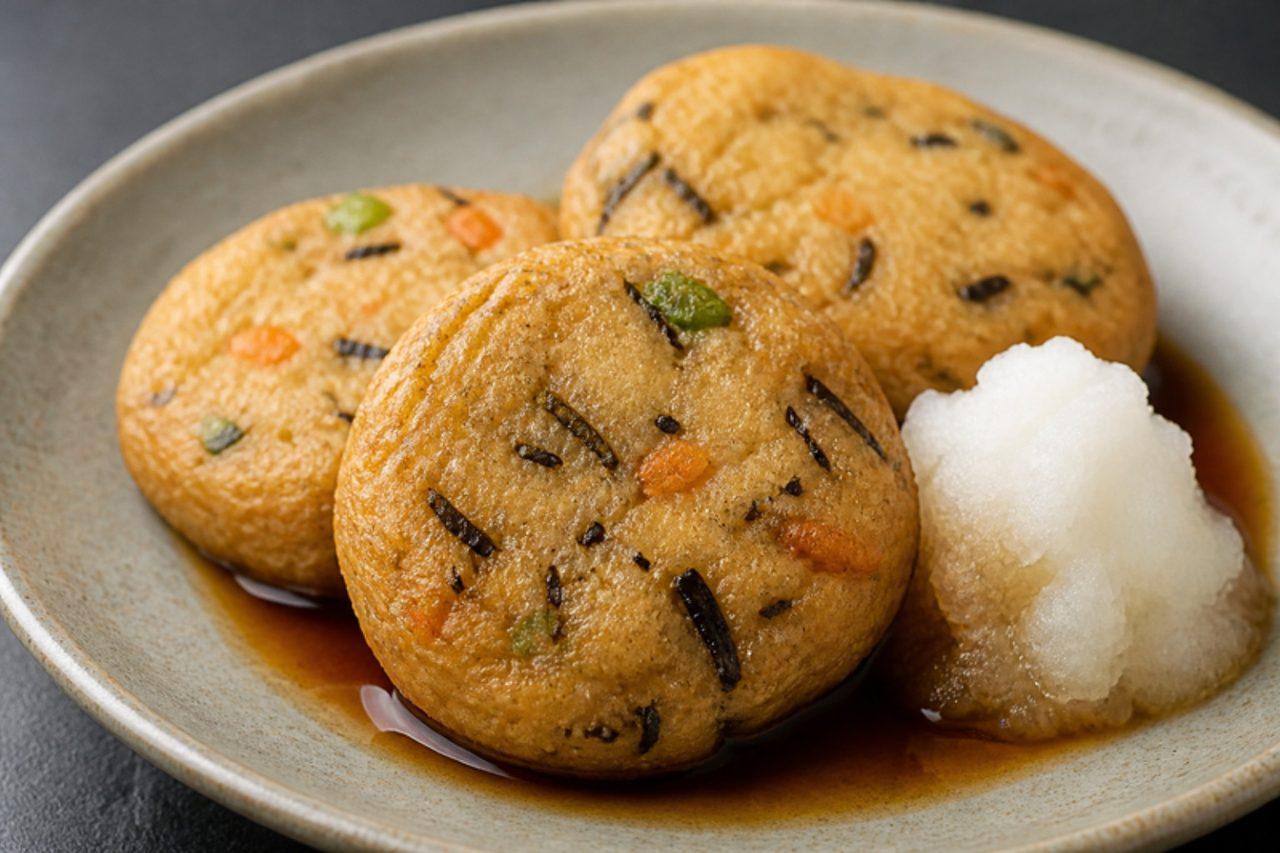
GanmodokiTofu and vegetable fritters

The name means 'mock goose', a hint that these fritters were invented by Buddhist monks who wanted something rich and satisfying without meat; in Kyoto they are called hiryōzu. Firm tofu is pressed, mashed with grated yam, carrot, hijiki and sesame, then fried into golden discs that are crisp outside and soft and springy within. Eat them hot with ginger and soy, or simmer them in oden or sweet dashi on cold days. The common mistake is not pressing the tofu enough; wet tofu makes fritters that split and spit in the oil. Chef's tip: a little grated Japanese mountain yam (nagaimo) binds the mix without egg and makes it fluffier; potato starch alone gives a denser fritter.

by KrazyBadal 0 views

Goes well with nagaimo