Skip to content

Recipes with pasteurised whole milk

4 recipes that use pasteurised whole milk, with photos, step-by-step instructions and cook times. The quickest, Kachi lassi, takes 5 minutes. It is most often cooked with ice cubes, sugar and citric acid.

Run out of pasteurised whole milk? Semi-skimmed milk with 1 tbsp cream per 240ml (1 cup).

Got a few things in the fridge? Search by everything you have

Kachi lassi

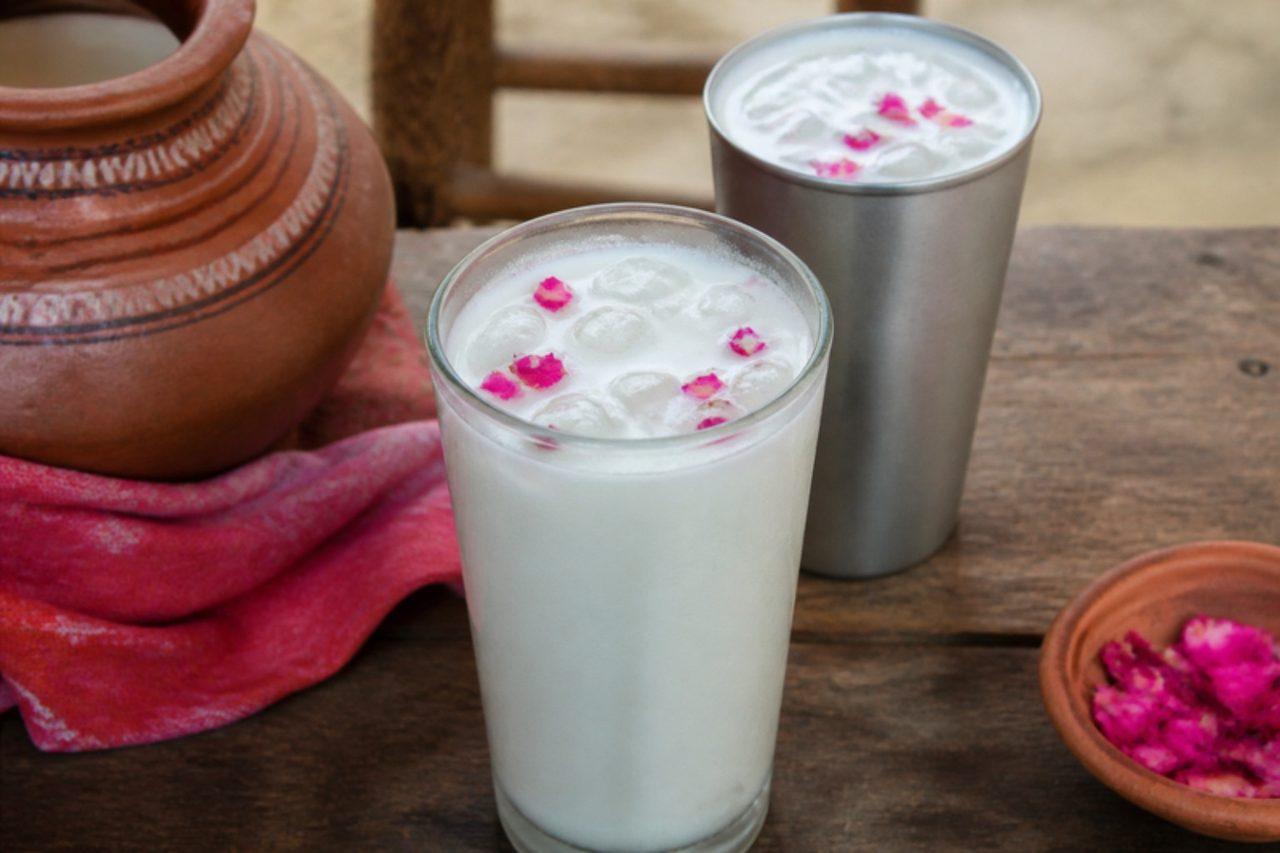
Harvest time in the Punjab is thirsty work: when the wheat is being cut in the April heat, a steel jug of kachi lassi is carried out to the workers: fresh milk thinned with cold water, stirred with sugar and poured over chunks of ice. Unlike yogurt lassi there is no tang, just a light, clean, milky sweetness that quenches thirst better than plain water, and in many villages it is the drink offered to any guest who arrives on a hot afternoon. Some people add a pinch of salt instead of sugar, or a few drops of rose water. The traditional kind uses raw milk straight from the buffalo; use pasteurised milk instead to be safe. The usual mistake is making it with too little water, which turns it heavy instead of refreshing. Chef's tip: whisk it hard or shake it in a jar so it turns frothy, which makes it feel even cooler.

by KrazyBadal 0 views

Ergo

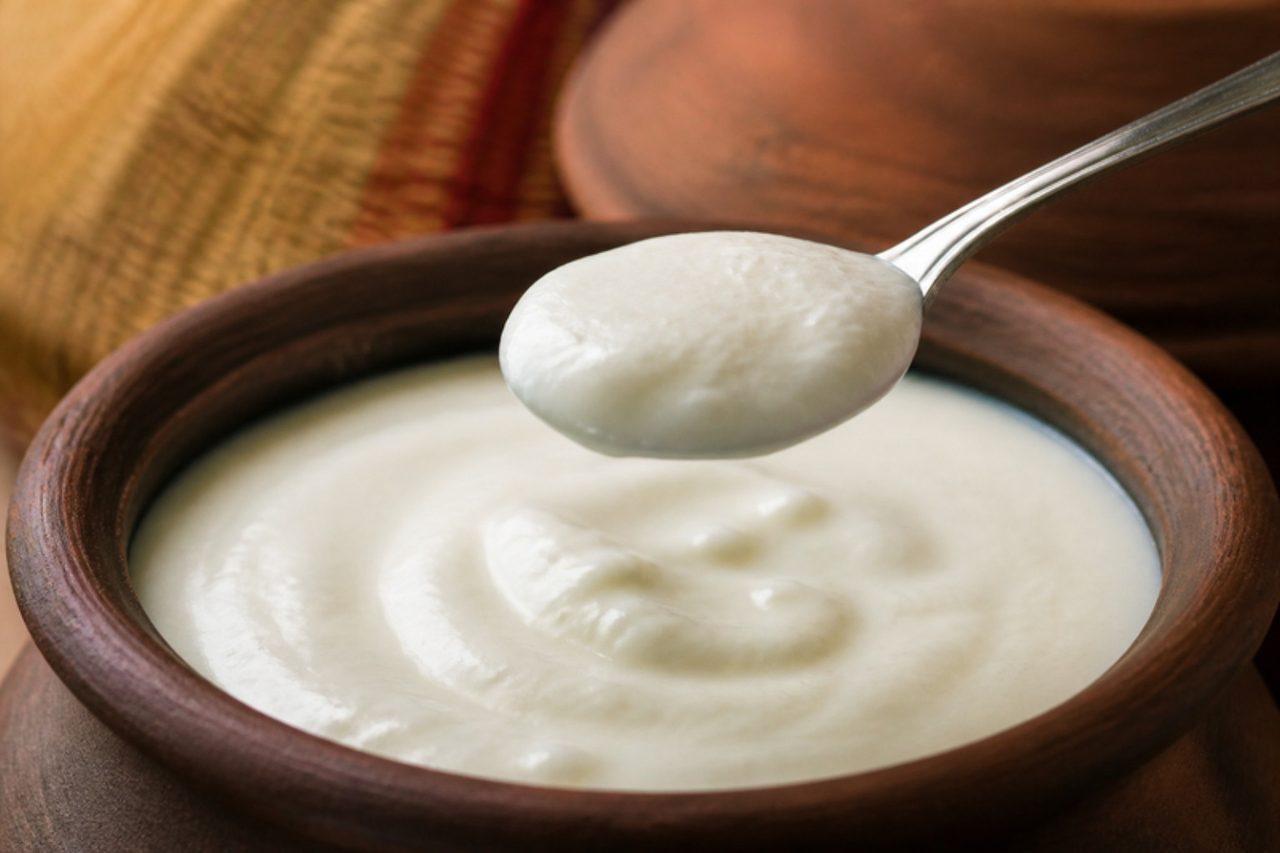
Cattle-keeping families across rural Ethiopia leave fresh milk to thicken in smoked clay pots or gourds, and the result, ergo, is tangier and looser than yoghurt, somewhere between set buttermilk and a soft curd. It is spooned beside a spicy kitfo or wat to calm the heat, eaten for breakfast with bread, or drunk as it is on hot afternoons. The traditional way relies on raw milk souring by itself, which is not safe to copy at home; this version uses pasteurised whole milk with a spoon of live buttermilk or yoghurt as the starter, so the right bacteria do the work. Allow about 24 hours at room temperature for it to set. Chef's tip: keep it somewhere steady at 22–26 °C; too cool and it barely thickens, too warm and it separates into whey and lumps.

by KrazyBadal 0 views

Korbáčiky

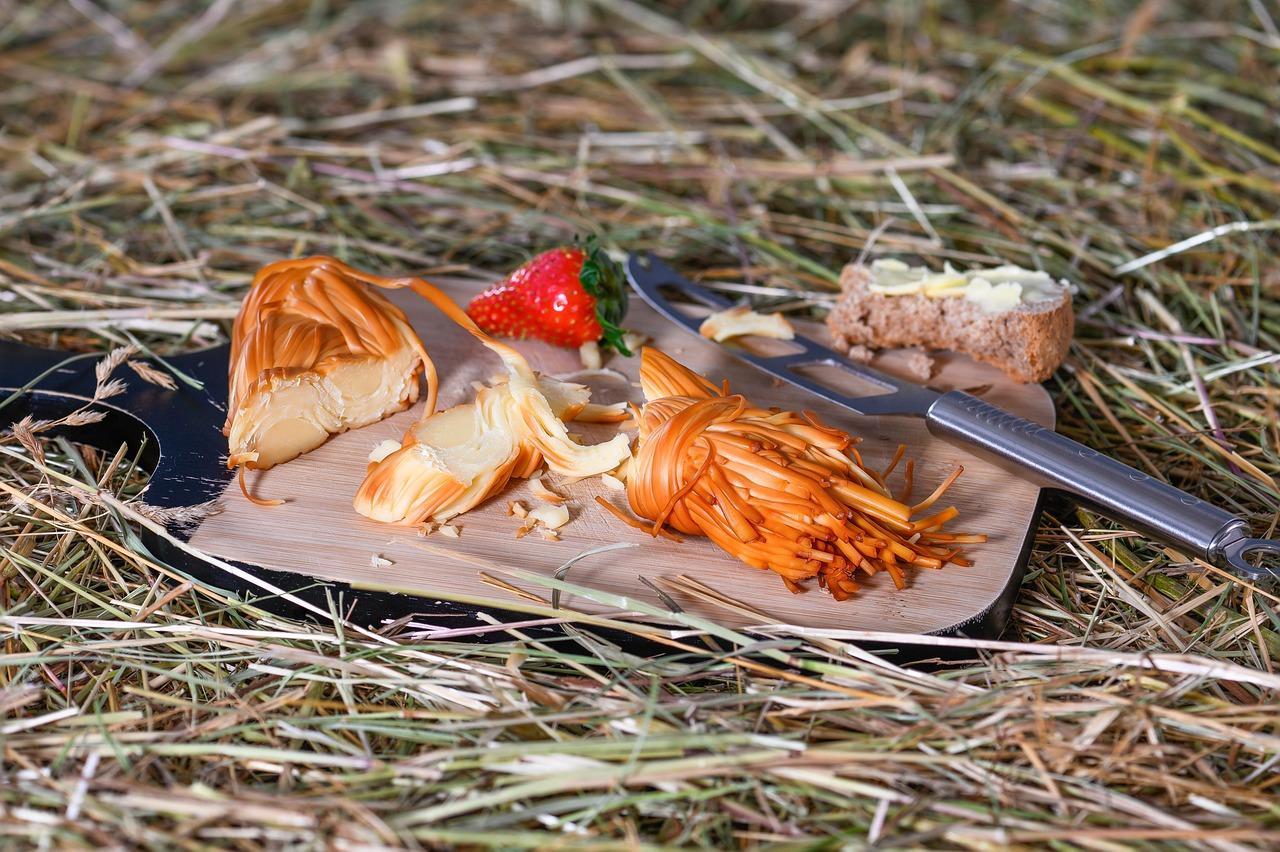
Korbáčiky (little whips) come from Orava in northern Slovakia, where cheesemakers pull hot, stretchy curd into long thin strings and plait them into braids. Sold at roadside stalls in the Tatra foothills, they are chewy, squeaky and salty, usually lightly smoked, and are pulled apart and eaten with fingers like a snack, often with a cold drink on a hike. At home you can make the curd yourself from pasteurised milk in under an hour. Traditional korbáčiky are set with animal rennet, so this recipe uses vegetarian (microbial) rennet; any shop-bought curd should say the same. Use pasteurised whole milk that is not UHT-treated, or the curd will not set. Where most people go wrong is stretching the curd when it is not hot enough: it tears instead of pulling into glossy ropes. Chef's tip: wear clean rubber gloves for stretching, so you can work with water hot enough to make the curd silky.

by KrazyBadal 0 views

Raib (set yogurt with orange-flower water)

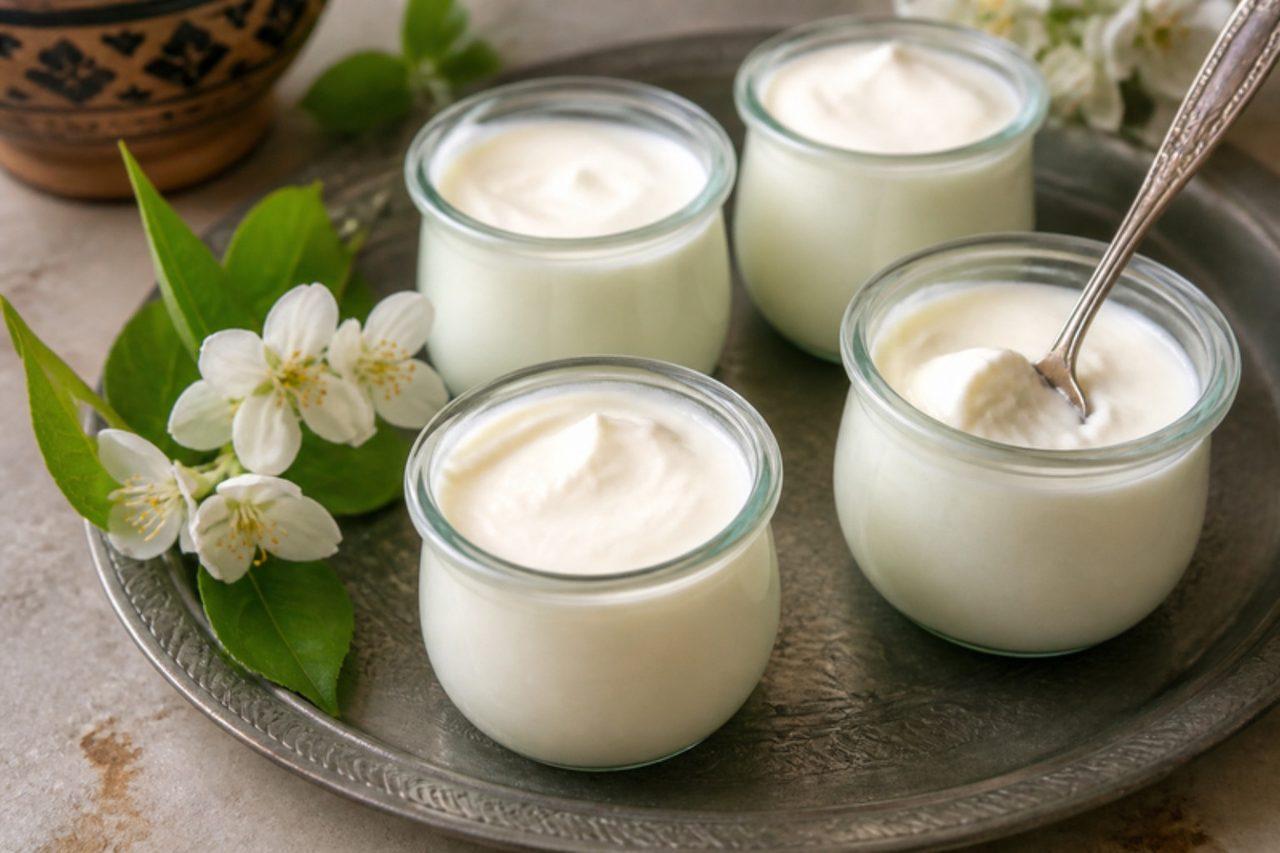
Every Moroccan town has a mahlaba, a dairy café, with a fridge full of little glass pots of raib: soft, wobbly set yogurt, lightly sweetened and often scented with orange-flower water or flavoured with strawberry. It is eaten with a spoon as a snack, as a dessert after dinner, or with msemen at breakfast. The texture is delicate and spoonable rather than thick like strained yogurt. The oldest versions were set with rennet; this home version uses live yogurt as a starter (if you try rennet tablets, choose a vegetarian one). It needs 6–8 hours to set and a few hours to chill. Chef's tip: let the milk cool to 43 °C before adding the starter; too hot and the cultures die, so the raib never sets, which is the most common mistake.

by KrazyBadal 0 views

Goes well with pasteurised whole milk