Cracker bites
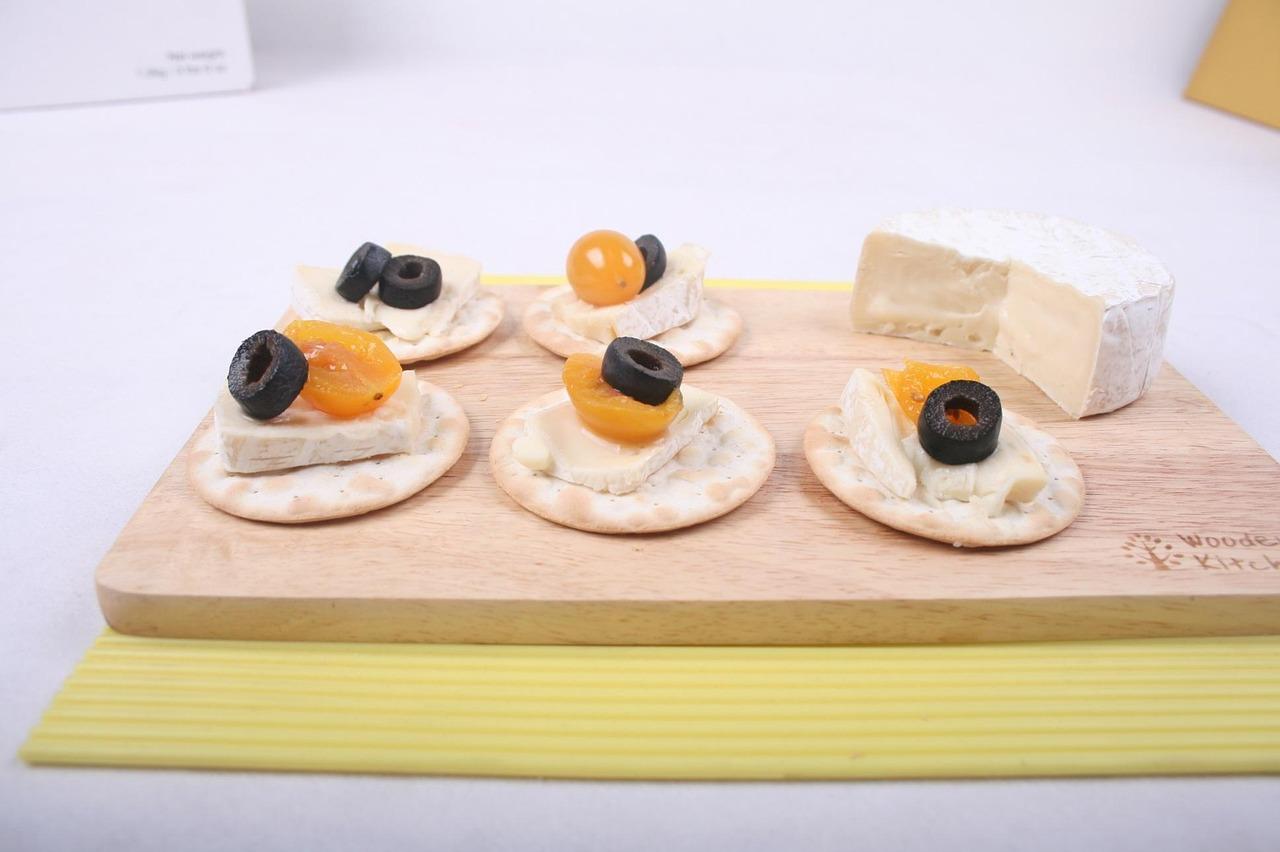
Crisp, buttery crackers topped with a chaat-style mixture of crushed roasted peanuts, chilli, garlic, coriander and lemon. There's no cooking: just mix and spoon on. Assemble them just before serving so the crackers stay crisp.
7 recipes that use red chilli, with photos, step-by-step instructions and cook times. The quickest, Cracker bites, takes 15 minutes. It is most often cooked with sugar, plain flour and spring onion.
Run out of red chilli? Green chilli, same amount.
Got a few things in the fridge? Search by everything you have
Crisp, buttery crackers topped with a chaat-style mixture of crushed roasted peanuts, chilli, garlic, coriander and lemon. There's no cooking: just mix and spoon on. Assemble them just before serving so the crackers stay crisp.
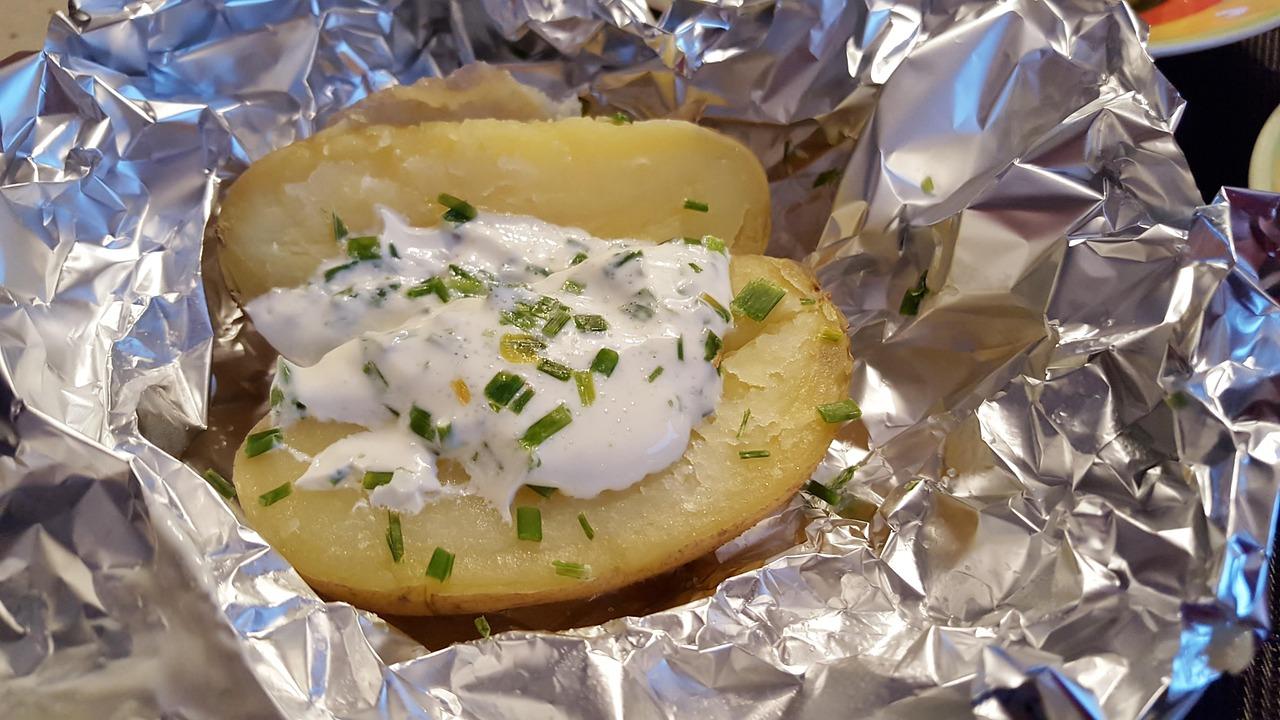
Jacket potatoes split and piled with a spicy kidney bean and capsicum chilli, topped with sour cream and served with a crunchy mixed salad. A filling supper for two.
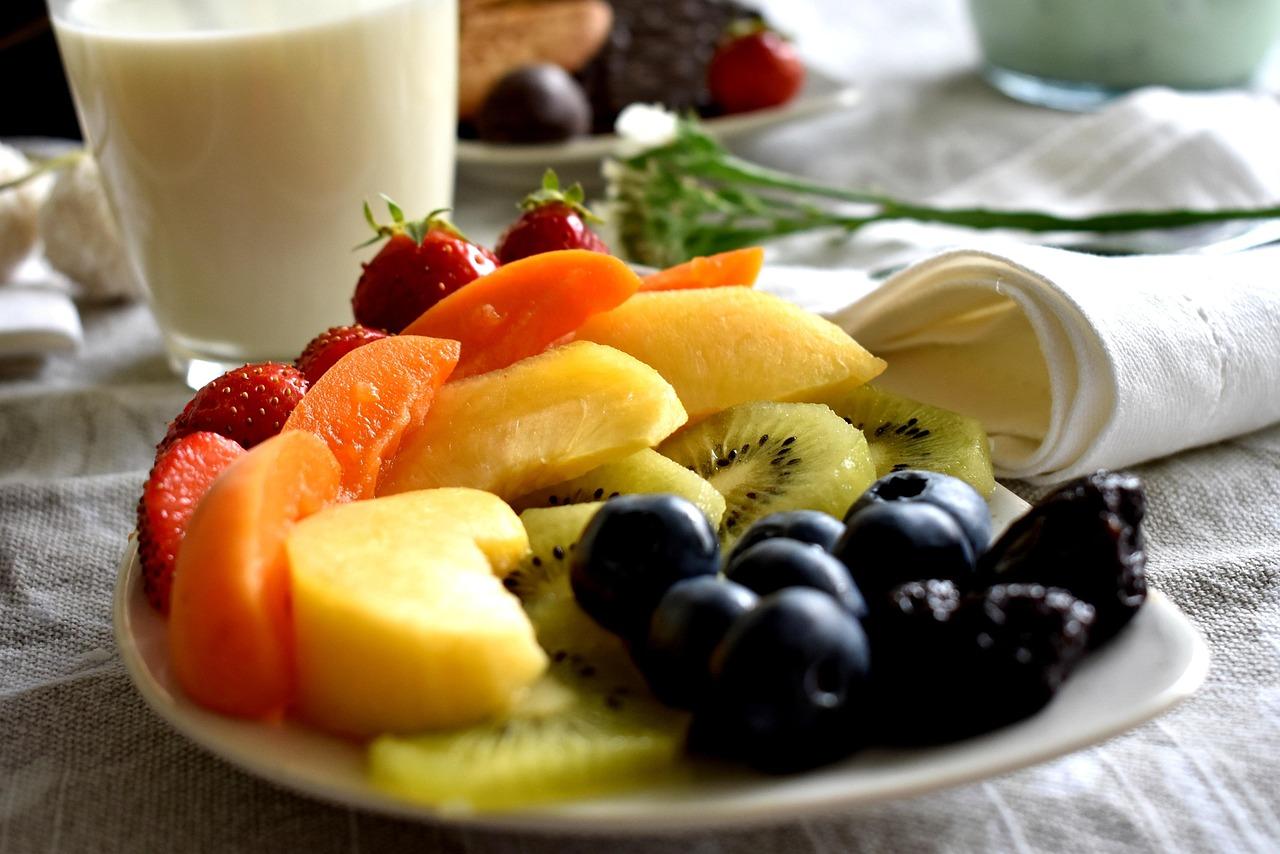
A sweet-and-savoury Thai fruit salad: crisp apple, banana, semi-ripe papaya and mango tossed in a coconut milk dressing sharpened with lime and warmed with fresh red chilli and a little red curry paste. Fresh coriander lifts it, and it is served chilled on lettuce leaves. Good as a starter, with a curry, or on its own on a hot day.
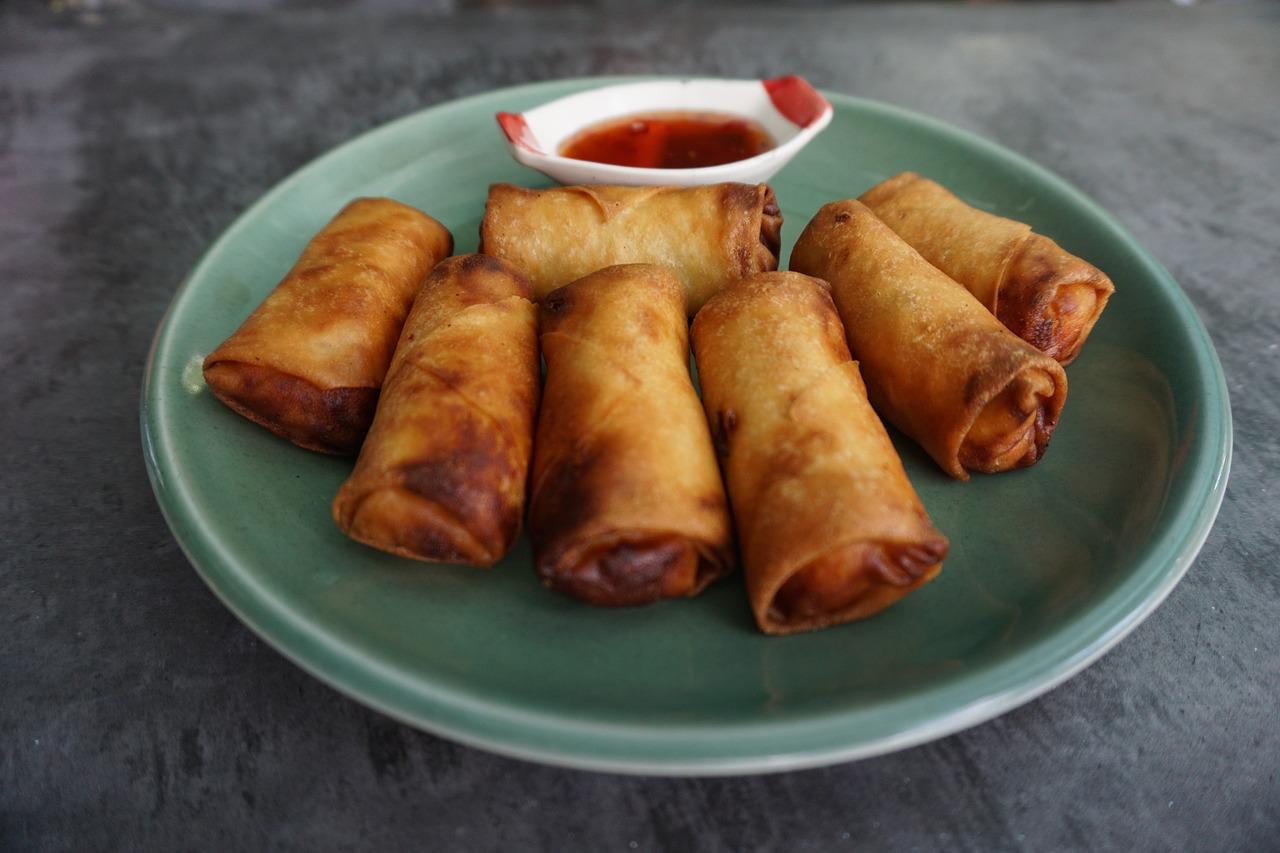
Golden, crackly spring rolls made with the book's home-made samosa pastry and filled with rice vermicelli, capsicum, carrot, celery and spring onion seasoned with chilli sauce and coriander. They are served hot with a sweet, sharp dipping sauce of vinegar syrup, cucumber, red chilli and peanuts. A party favourite: make 15 and watch them go.
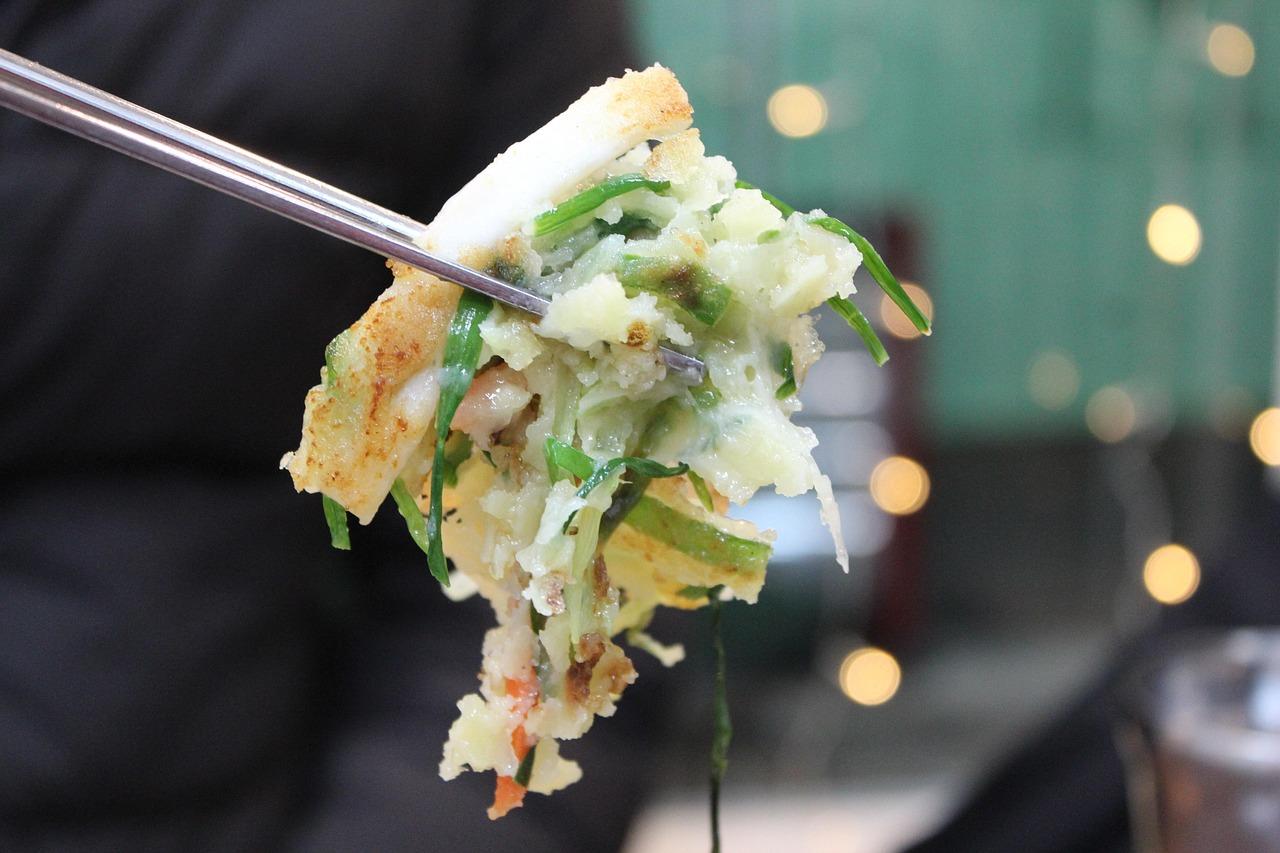
Pajeon (파전) is a savoury pancake packed with whole spring onions held together by a thin batter. Dongnae, a district of Busan, is famous for its version, made with rice flour in the batter and finished with beaten egg poured over the top; Dongnae pajeon is usually loaded with seafood, which is left out here. Korean families often make it on rainy days and eat it with a soy and vinegar dip. Keep the batter ice cold and the pan hot for the crispest edges. Chef's tip: use just enough batter to glue the spring onions together. Dongnae cooks want you to taste spring onion first and batter second, so it should look lacy, not cakey.
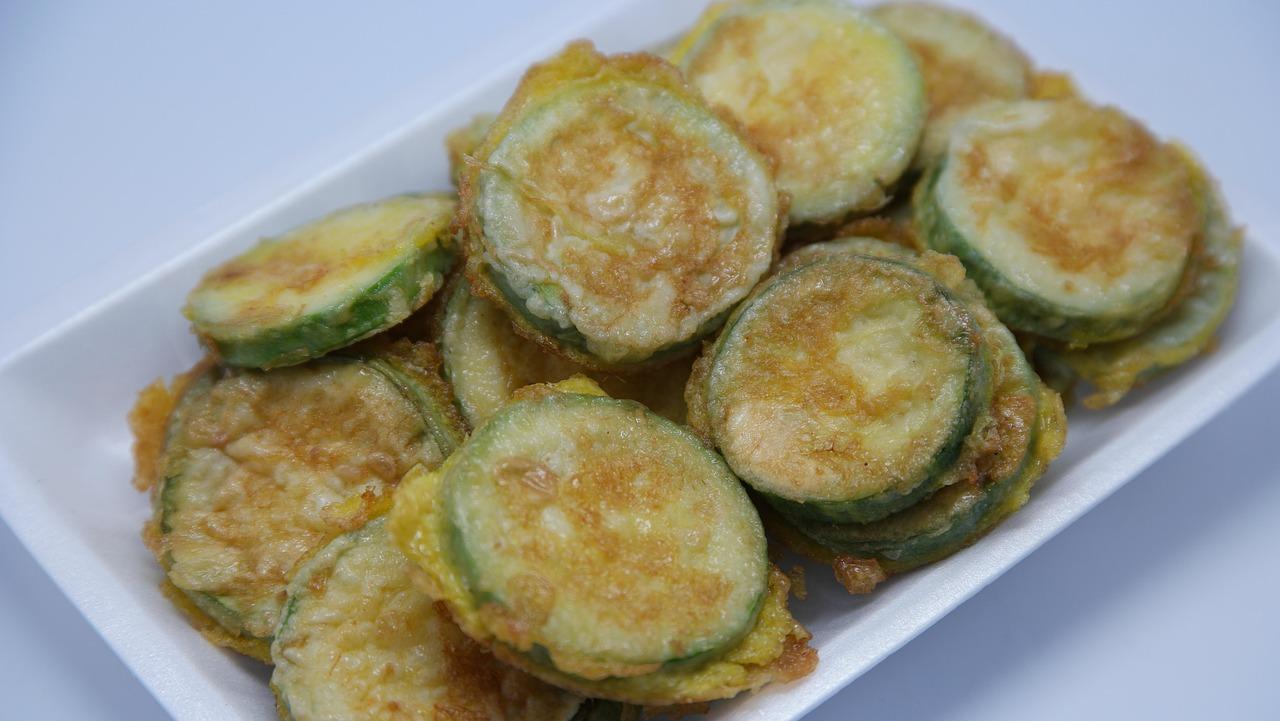
Hobak jeon (호박전) are slices of Korean courgette dusted in flour, dipped in beaten egg and pan-fried until golden. They are one of the jeon that families all over Korea make for holiday tables, and they also make an easy side dish for an everyday meal. The courgette turns sweet and tender inside its soft egg coating. Korean aehobak is paler and sweeter than a regular courgette, but either works. Serve warm or at room temperature with a soy dipping sauce. Chef's tip: keep the heat gentle. Good hobak jeon is bright yellow with only light golden spots; a hot pan browns the egg before the courgette is tender.
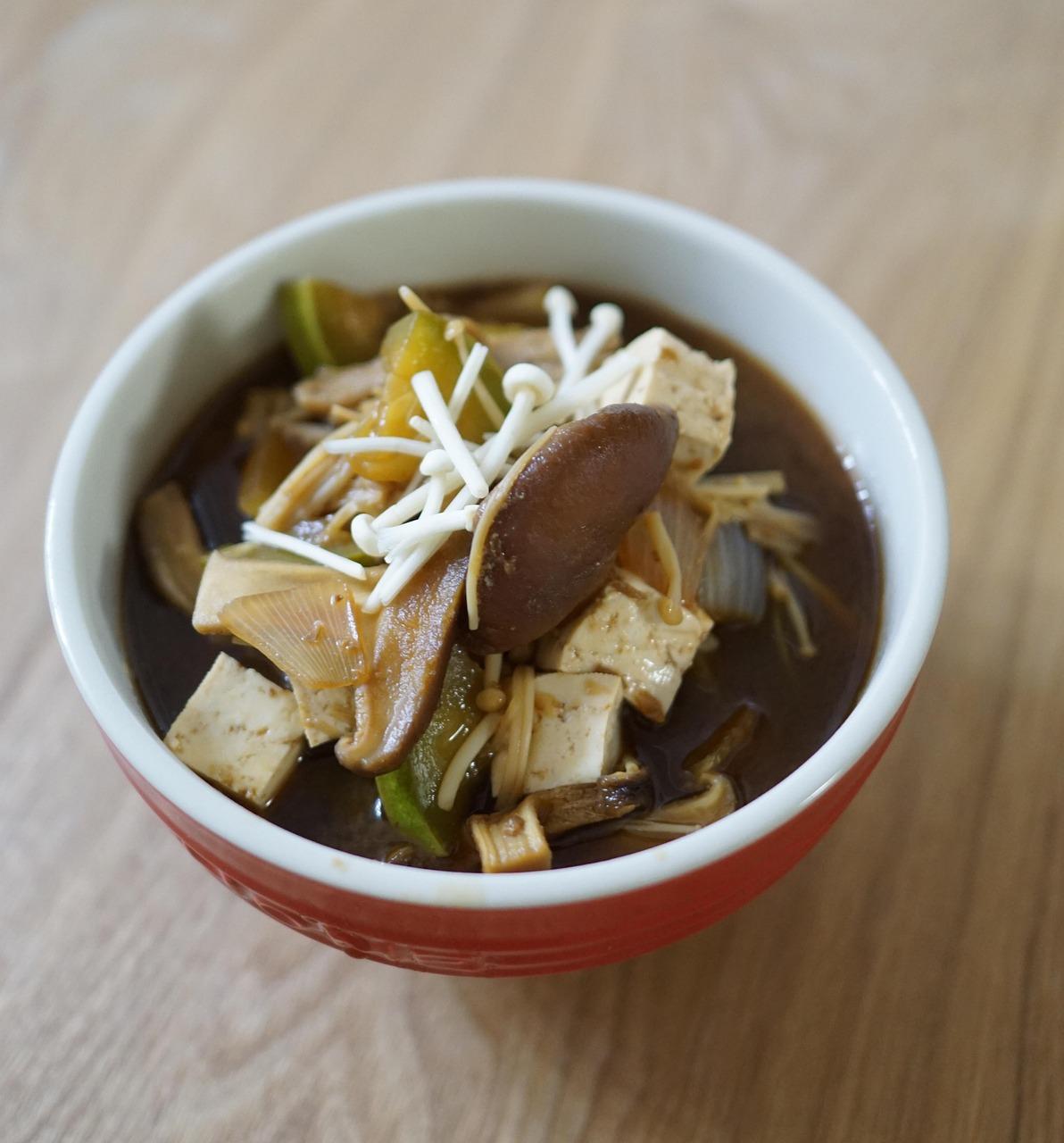
Doenjang jjigae (된장찌개) is the stew Korean families all over the country eat most often: a bubbling pot of fermented soybean paste broth with tofu, potato, courgette, mushrooms and chilli, served with rice and banchan. Doenjang is deeper and funkier than Japanese miso, and it gives the broth a rich, earthy savouriness. It is usually made with anchovy stock; here a quick kelp and shiitake stock does the same job, so the stew is vegan. Serve it in the pot it was cooked in, still bubbling. Chef's tip: add the doenjang early and let it simmer. Its earthy depth comes out with a few minutes of bubbling, and it is better a little thick and salty than thin, as it is eaten with plenty of rice.