Skip to content

Recipes with salsa criolla

6 recipes that use salsa criolla, with photos, step-by-step instructions and cook times. The quickest, Majarisco, takes 55 minutes. It is most often cooked with cumin, garlic and red onion.

Got a few things in the fridge? Search by everything you have

Papa rellena

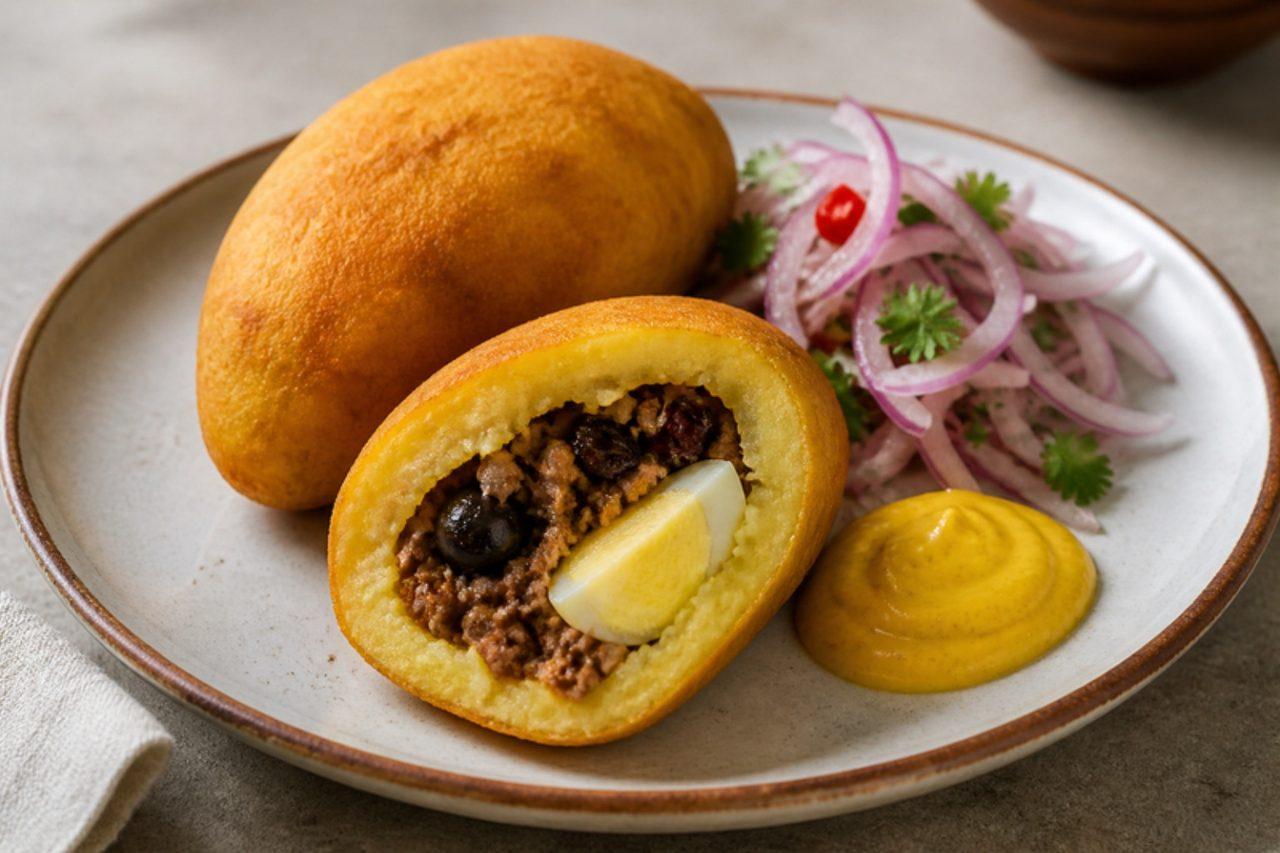
Torpedo-shaped and golden, papas rellenas sit stacked in the glass cases of Lima's sangucherías and market stalls, and they are just as often made at home on a weekday to use up a pot of mash. The shell is plain yellow potato with a crisp, thin crust; inside is a picadillo of minced beef with onion, ají panca, cumin, sliced egg, black olives and a few raisins for sweetness. They are eaten warm with a heap of salsa criolla and a spoon of ají sauce. The usual mistake is working the potato while it is still hot and wet: it turns gluey and splits in the oil, so let it steam dry and cool before shaping. Chef's tip: dust your hands and the croquettes with rice flour rather than wheat flour; it gives a thinner, crisper shell and keeps them gluten free. For a meat-free version, swap the beef for chopped mushrooms fried hard until dry.

by KrazyBadal 0 views

Carapulcra

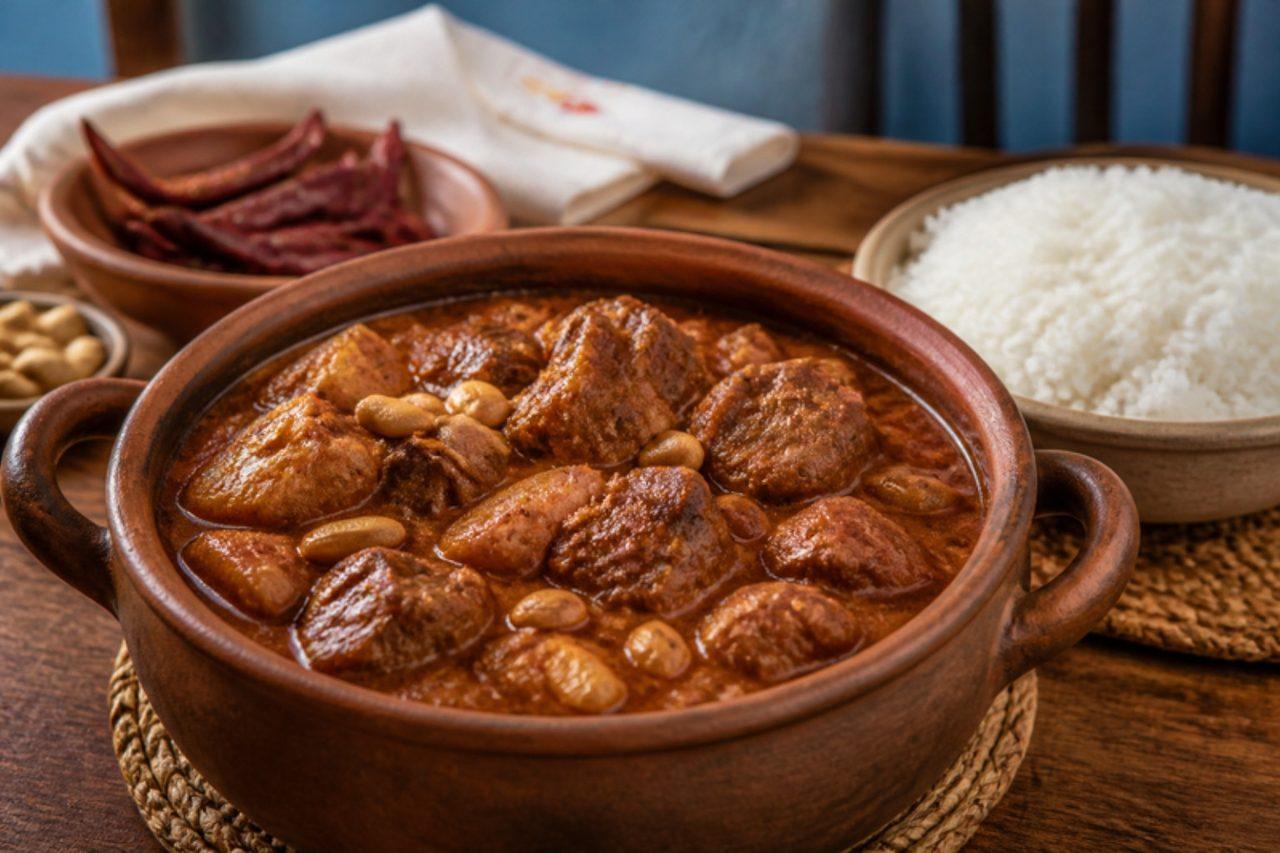
Older than Peru itself, carapulcra comes from the Afro-Peruvian kitchens of Chincha, south of Lima, where it is cooked in big pots for saints' days and family lunches and served next to a mound of sopa seca, a pairing locals call the 'matrimonio'. Pieces of papa seca, potato that has been boiled, sun-dried and broken into nuggets, are toasted and simmered with pork shoulder in a brick-red sauce of ají panca, garlic, cumin and ground peanuts, until the potato swells into chewy, savoury lumps and the sauce turns thick and nutty. Most people skip toasting the papa seca, and the stew tastes flat; the dry pan is where the flavour comes from. Chef's tip: stir often in the last half hour and add hot stock a ladle at a time; papa seca drinks liquid and catches on the base without warning.

by KrazyBadal 0 views

Puca picante

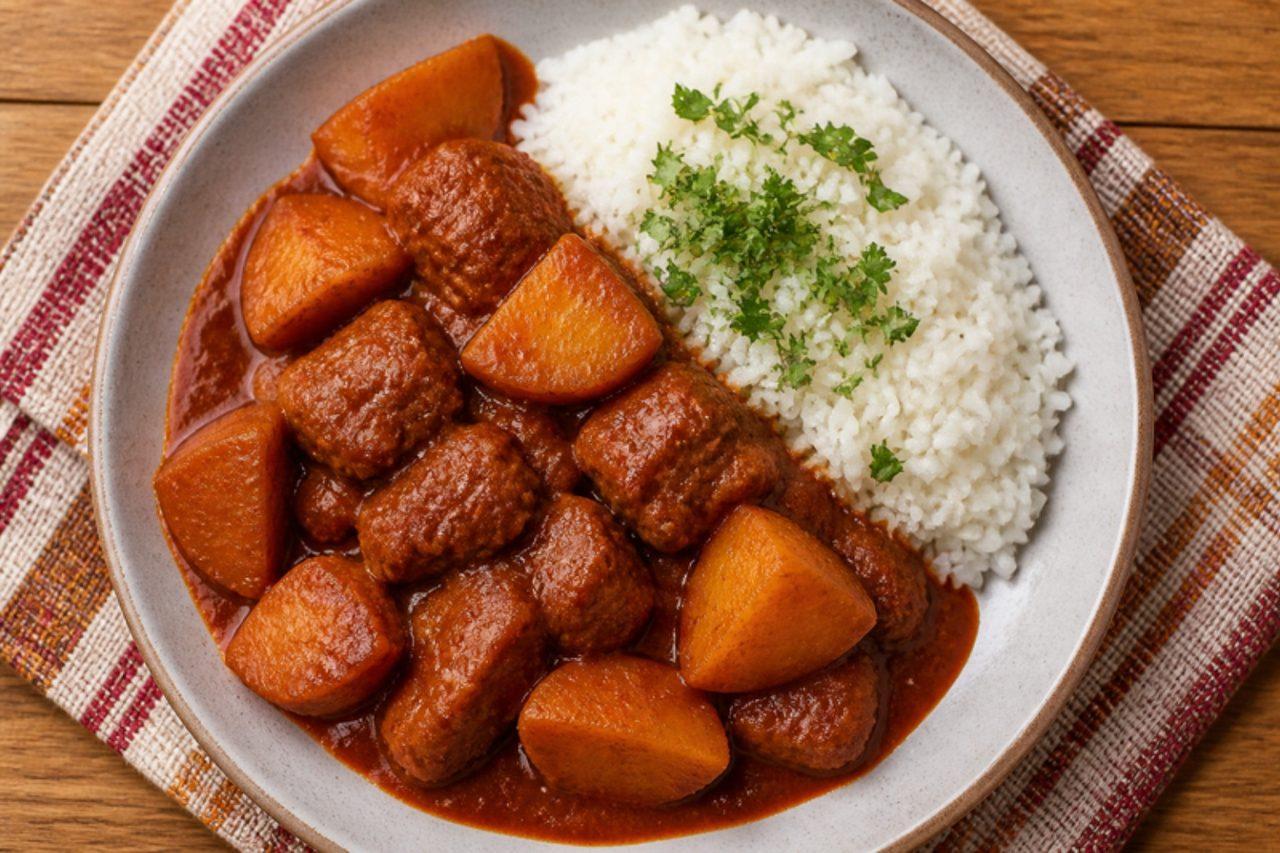
Puca means red in Quechua, and Ayacucho's puca picante is as red as a stew gets, thanks to ají panca and a little beetroot. Cubes of pork and potato simmer in a sauce thickened with ground toasted peanuts until creamy, nutty and mildly hot; it is served at Ayacucho's Sunday lunches and during Semana Santa with white rice, a fried pork chunk on top and a sharp salsa criolla. A frequent error is too much beetroot, which makes it earthy and sweet; you only need enough for the colour. Chef's tip: toast the peanuts in a dry pan before grinding them, and the sauce tastes twice as deep.

by KrazyBadal 0 views

Arroz con pato

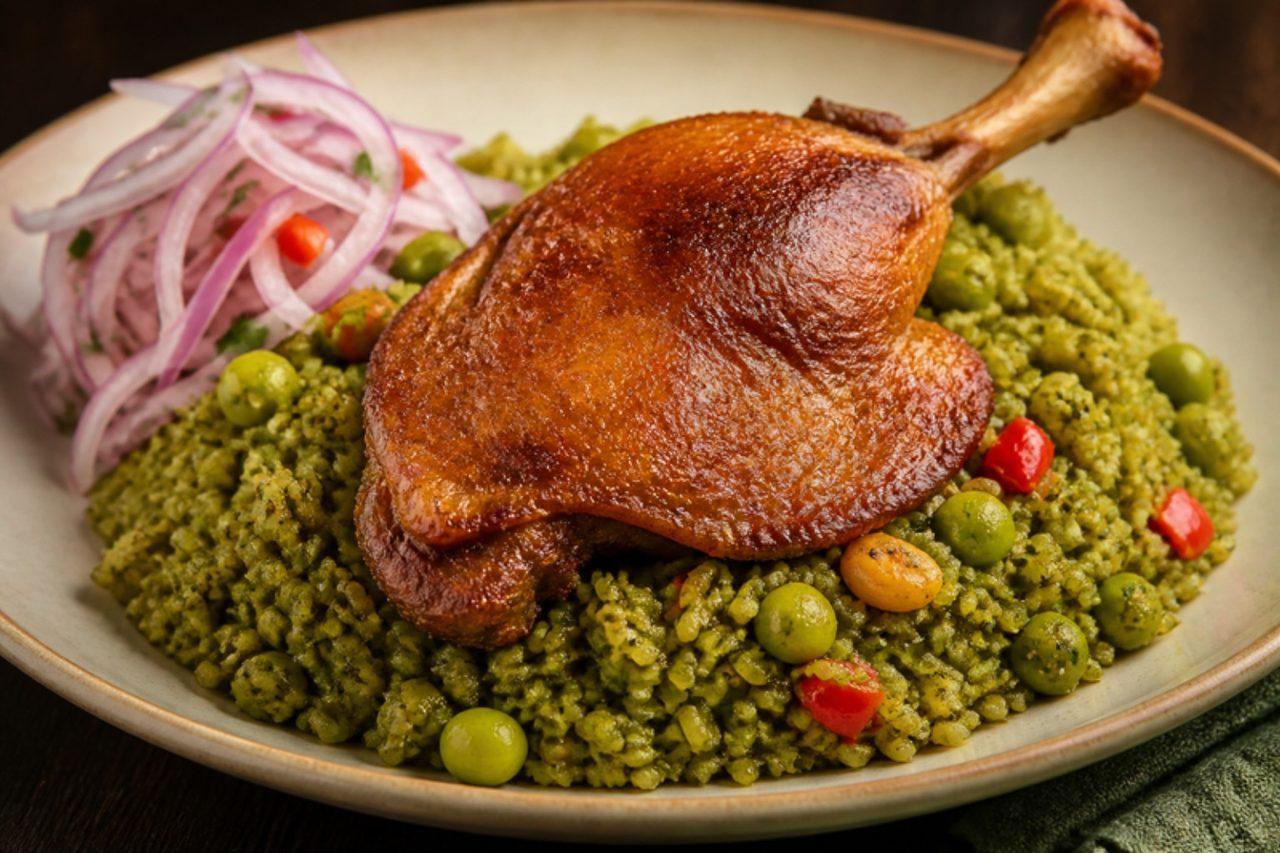
Chiclayo and the northern coast claim arroz con pato as their own, and family lunches and big Sunday gatherings there often centre on a deep pot of it: duck legs browned and simmered in dark beer and a purée of coriander and spinach, then rice cooked in the same green, duck-rich liquid with peas, red pepper and ají amarillo. The rice is moist and loose, the duck tender with crisp edges, and it is served with salsa criolla and, often, papa a la huancaína. The beer contains alcohol, and not all of it cooks off; for an alcohol-free pot use alcohol-free beer or the stock swap in the ingredients. A common mistake is skipping the browning, which leaves flabby skin and a pale, fatty rice; render the duck slowly first and pour off excess fat. Chef's tip: let the cooked rice rest under the lid off the heat for 10 minutes before fluffing.

by KrazyBadal 0 views

Seco de chabelo

Piura's picanterías, near the dry northern border, serve this rough, savoury mash at lunch: green plantains, roasted or boiled and pounded, mixed with fried strips of carne seca (salted dried beef) and a quick sofrito of onion, tomato and ají amarillo. It is dense, salty and smoky, with the plantain's starchy sweetness, and is eaten with salsa criolla and fried ripe plantain or chifles (plantain crisps). The legend says it was invented for a soldier called Chabelo in the War of the Pacific. Use carne seca or cecina from Latin shops, or unseasoned beef jerky. Pounding the plantains smooth is the classic mistake: chabelo should be lumpy and rustic. Chef's tip: soak the dried beef in warm water for 30 minutes and taste a piece; if it's still very salty, change the water and soak again.

by KrazyBadal 0 views

Majarisco

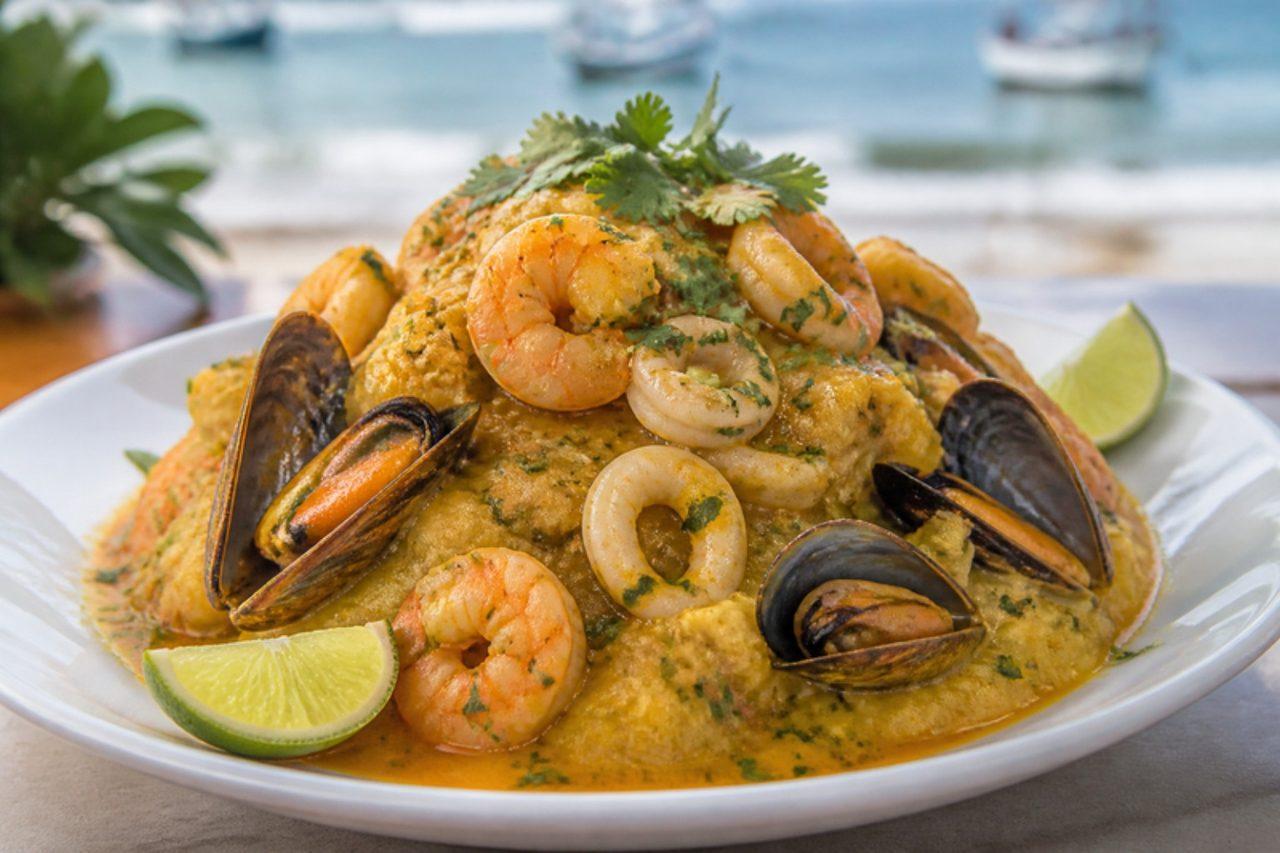
Its name blends 'majado' (mashed plantain) and 'marisco' (seafood), and along the coast of Piura and Tumbes, near the Ecuadorian border, it's what cevicherías and beach restaurants serve when you want something hot and filling. Mashed green plantain is folded into a sauce of garlic, onion, ají and seafood juices, with prawns, squid and mussels running through it, so every forkful is creamy, garlicky and briny. Serve it with lime and salsa criolla. Mussels must be alive: tap any open ones and discard those that don't close, and discard any that stay shut after cooking. Overcooking the seafood is the most frequent mistake; it goes in at the end, just until pink and opaque. Chef's tip: keep the mussel cooking liquid and use it to loosen the mash; it's pure seafood flavour.

by KrazyBadal 0 views

Goes well with salsa criolla