Skip to content

Recipes with shiitake mushrooms

5 recipes that use shiitake mushrooms, with photos, step-by-step instructions and cook times. The quickest, Vegetable tempura, takes 35 minutes. It is most often cooked with soy sauce, garlic and toasted sesame oil.

Run out of shiitake mushrooms? Aubergine, diced, same weight.

Got a few things in the fridge? Search by everything you have

Vegetable gyoza

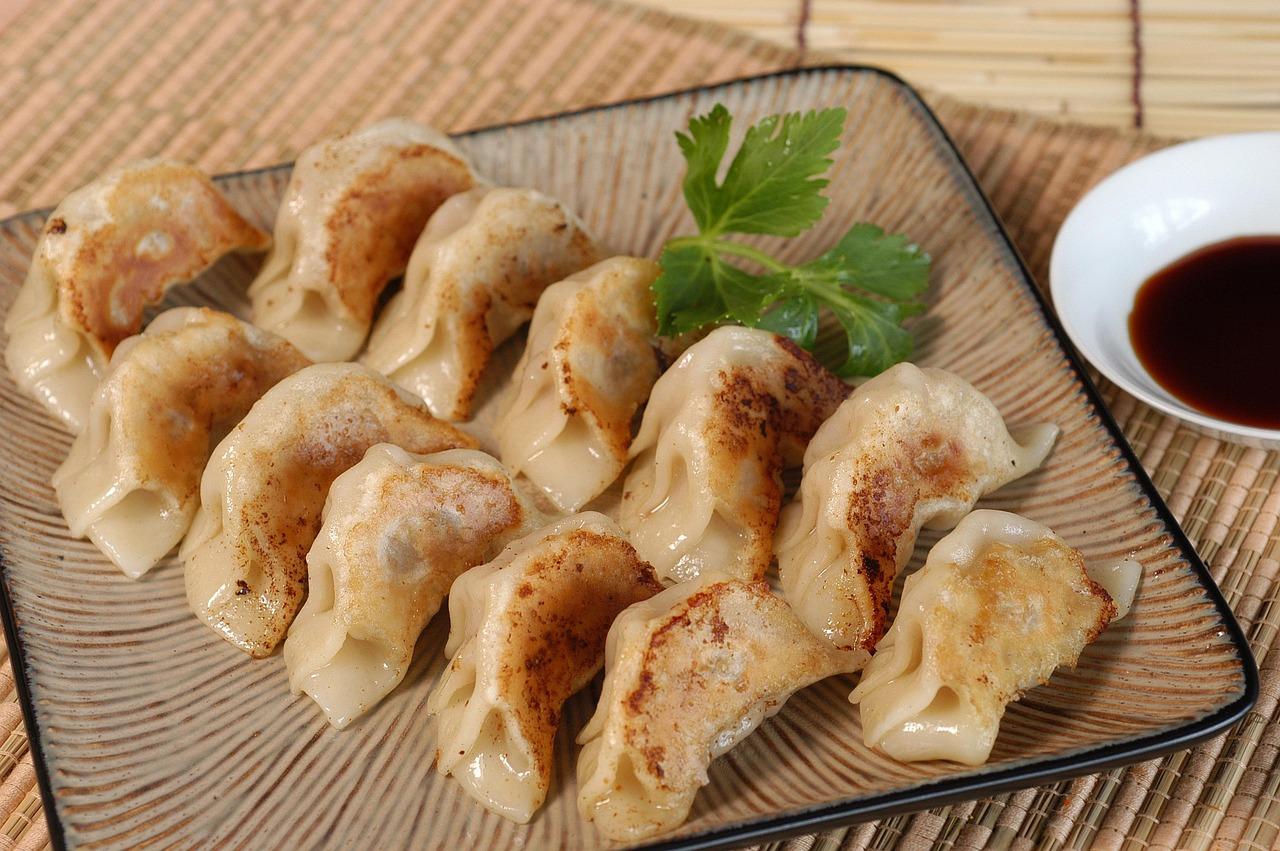
Gyoza (餃子) came to Japan from China and became a passion in Utsunomiya, a city north of Tokyo that calls itself the gyoza capital, with a gyoza statue outside the station. These vegetarian dumplings are filled with salted cabbage, shiitake, tofu and garlic chives. They're pan-fried and then steamed, so the bottoms turn crisp and golden while the tops stay soft. Shape a big batch and freeze some for later. Chef's tip: squeeze the salted cabbage really hard. Watery filling makes soggy, torn gyoza; a dry filling keeps the wrappers sealed and the bottoms crisp.

by KrazyBadal 0 views
Vegetable tempura

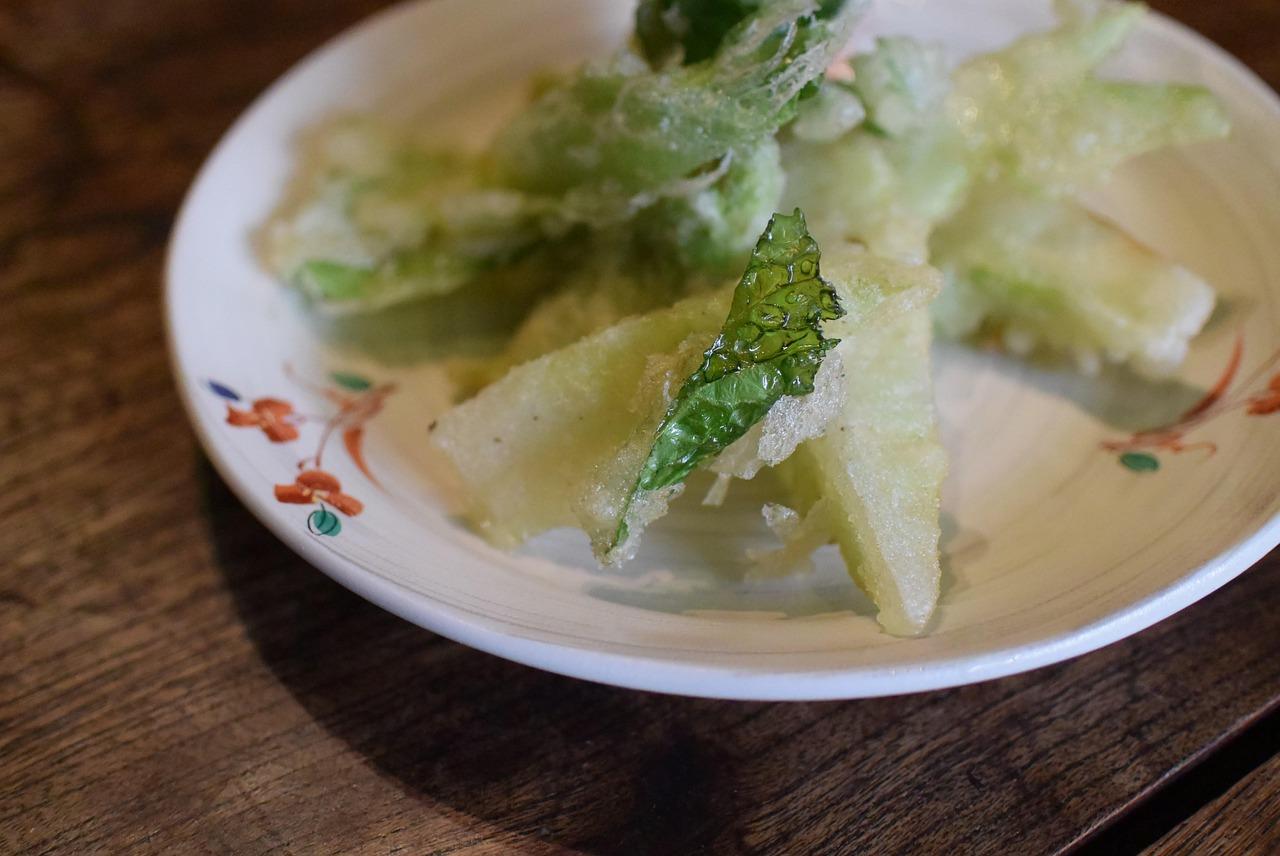
Tempura (天ぷら) became a Tokyo street food in the Edo period, when stalls fried it to order by the city's riverbanks. The secret to the thin, lacy coating is an ice-cold, lumpy batter mixed at the last second and vegetables fried in small batches. Sweet potato, aubergine, pepper, shiitake and green beans all work well. Serve straight from the pan with a light dipping sauce and grated daikon. Chef's tip: keep everything cold. Use ice-cold water, mix the batter only seconds before frying, leave it lumpy, and stand the bowl in a larger bowl of ice. Cold batter hitting hot oil is what makes the lacy, crackly shell that Tokyo tempura masters prize.

by KrazyBadal 0 views

Bibimbap

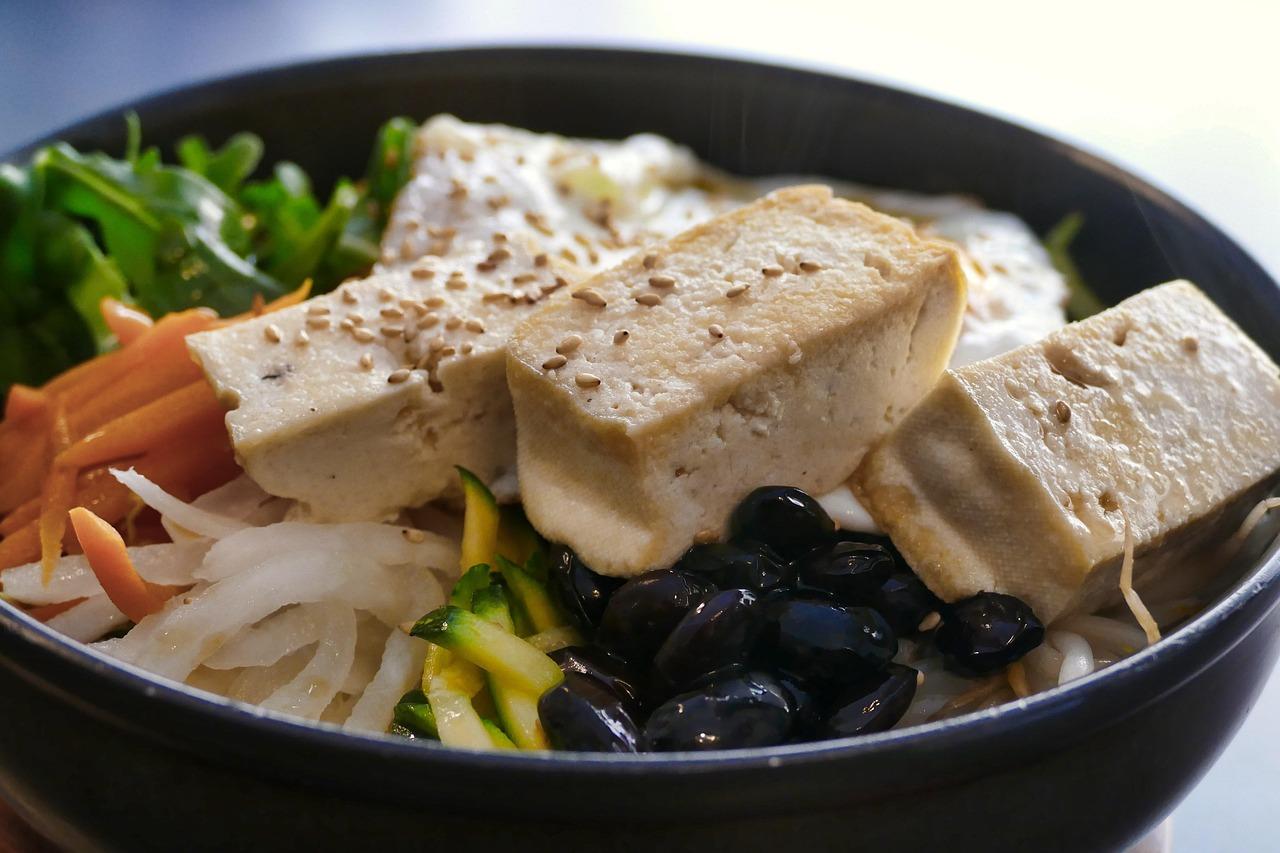
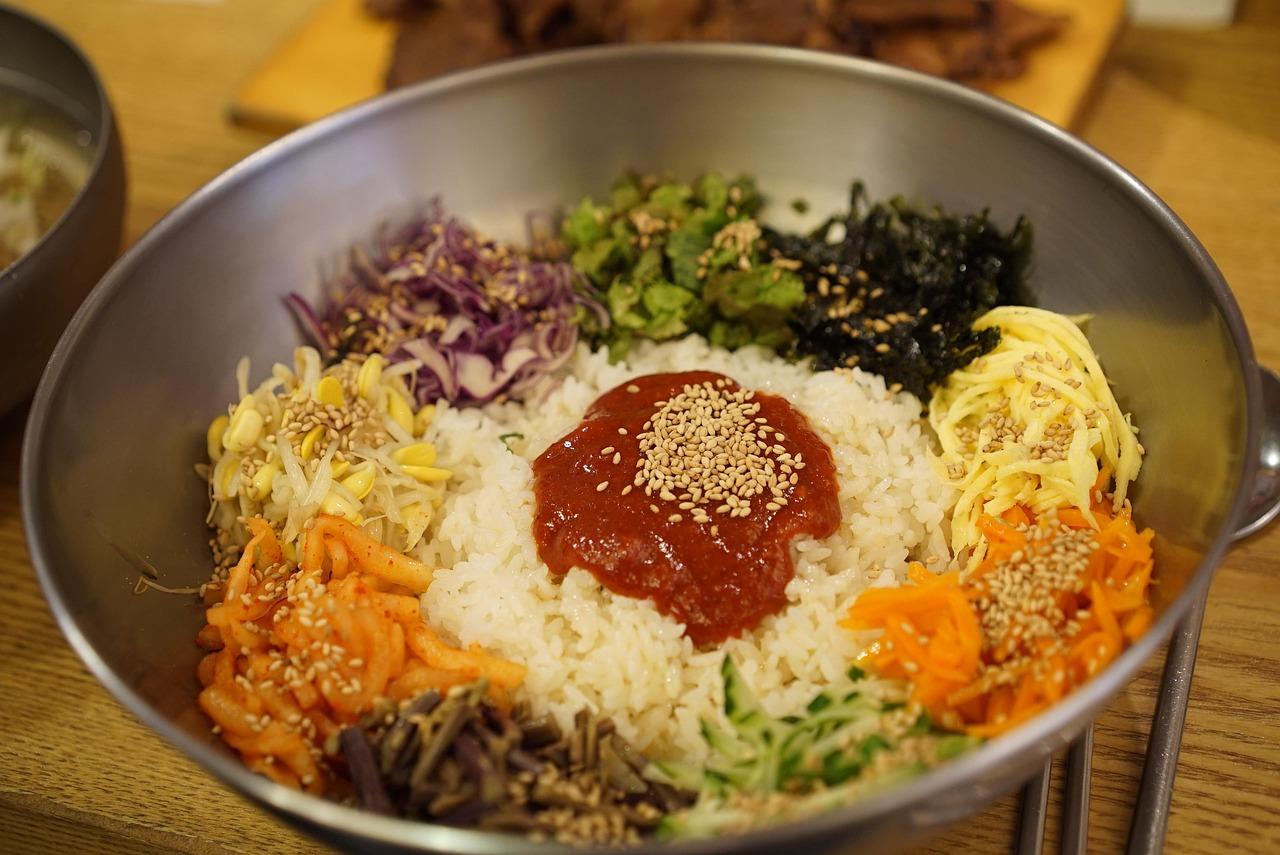
Bibimbap (비빔밥) means 'mixed rice': a bowl of warm rice topped with small heaps of separately seasoned vegetables, a fried egg and a spoonful of gochujang sauce, all stirred together at the table. The city of Jeonju in North Jeolla province is famous for it and serves it with a dozen or more toppings; this home version keeps five that are easy to find. Each vegetable is cooked on its own so it keeps its colour and texture, and the sauce brings sweetness, heat and a nutty sesame finish. Serve with kimchi and a light soup. Chef's tip: season every vegetable on its own, lightly, and taste each one. If each heap is good alone, the mixed bowl will be balanced; if they are all dressed alike, the bowl tastes flat.

by KrazyBadal 0 views

Dolsot bibimbap

Dolsot bibimbap (돌솥비빔밥) is bibimbap served in a heavy stone pot (dolsot) that is heated on the hob until the rice touching the stone turns into a crackling golden crust, called nurungji. It is eaten all over Korea and is still sizzling when it reaches the table. This vegetarian version tops the rice with seasoned spinach, bean sprouts, carrot, mushrooms and pan-fried tofu, and an egg that cooks gently in the heat of the pot. A small cast-iron pan works if you don't have stone bowls. Chef's tip: listen to the pot. A steady crackle with a toasty, nutty smell means the crust is forming; a sharp burnt smell means the heat is too high.

by KrazyBadal 0 views

Japchae

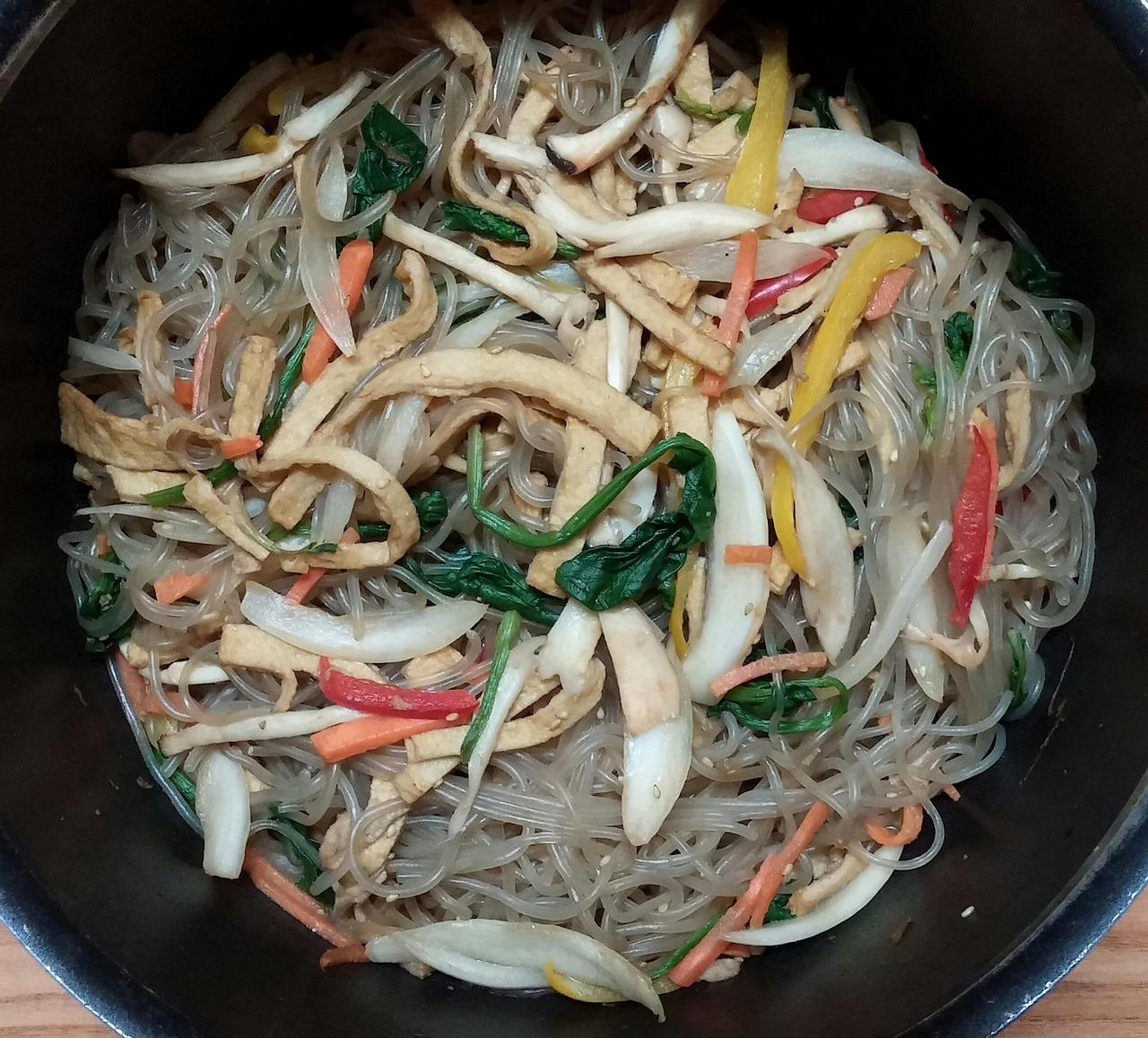
Japchae (잡채) is a dish of chewy, translucent sweet potato starch noodles tossed with spinach, mushrooms and brightly coloured vegetables in a sweet soy and sesame dressing. It is made all over Korea for birthdays, holidays and big family meals, because it can be prepared ahead and is eaten warm or at room temperature. Each vegetable is cooked quickly on its own, then everything is mixed by hand so the noodles soak up the seasoning. Older recipes include beef; this one uses shiitake for the savoury depth. Chef's tip: dress the noodles while they are still hot and keep each vegetable crisp. Overcooked noodles clump and turn gluey, so pull them as soon as they are clear and chewy.

by KrazyBadal 0 views

Goes well with shiitake mushrooms