Skip to content

Recipes with split urad dal

6 recipes that use split urad dal, with photos, step-by-step instructions and cook times. The quickest, Chana sundal, takes 17 minutes. It is most often cooked with curry leaves, black mustard seeds and ginger.

Got a few things in the fridge? Search by everything you have

Pesaha appamUnleavened rice and lentil cake

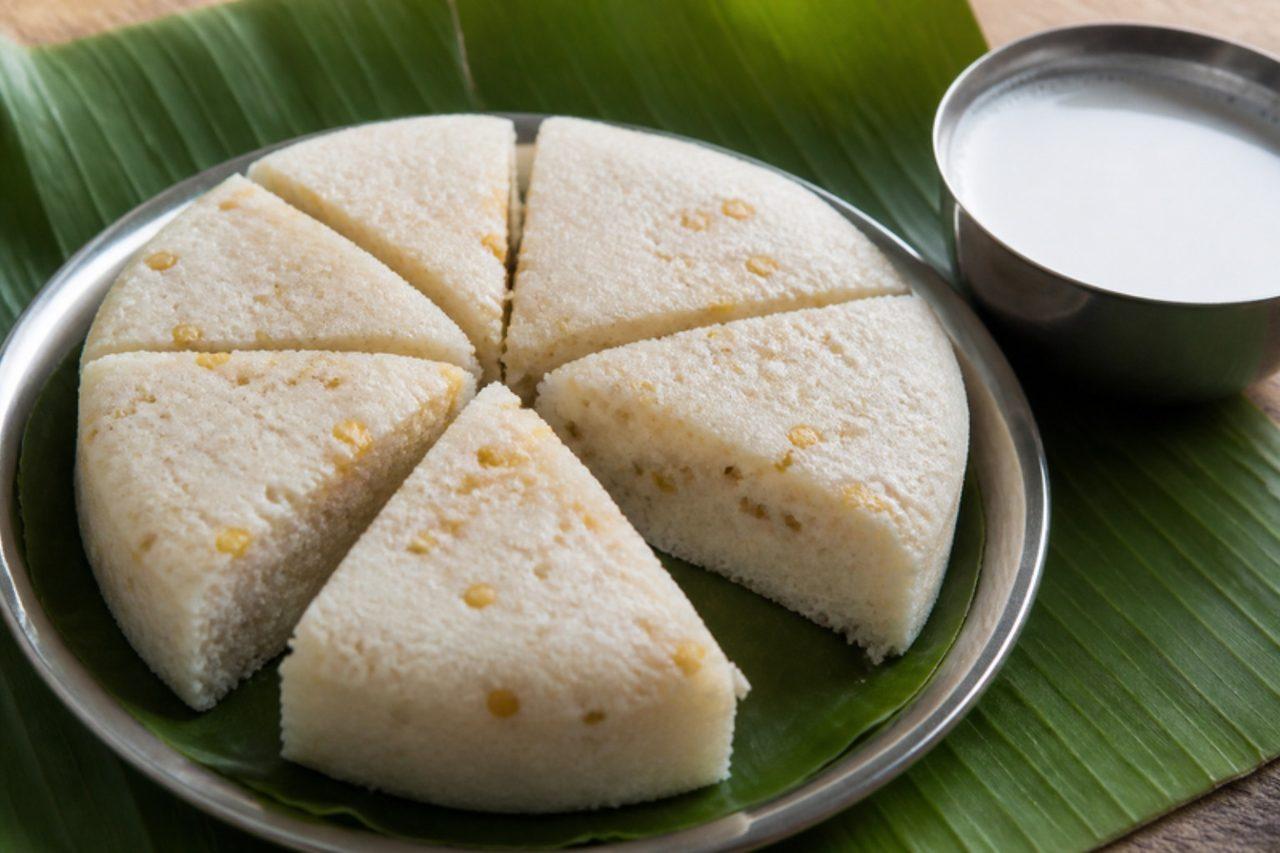
On Pesaha, Maundy Thursday, Syrian Christian families in Kerala gather in the evening for a meal that remembers the Last Supper. The head of the house cuts the Pesaha appam (indri appam), an unleavened, steamed cake of roasted rice flour, urad dal and coconut, marked with a cross made from the palm leaves blessed on Palm Sunday, and shares it with everyone, dipped in sweet Pesaha paal. It is soft, dense and lightly savoury. Chef's tip: grind the soaked urad dal and coconut together very finely; the batter should be smooth and thick, like idli batter.

by KrazyBadal 0 views

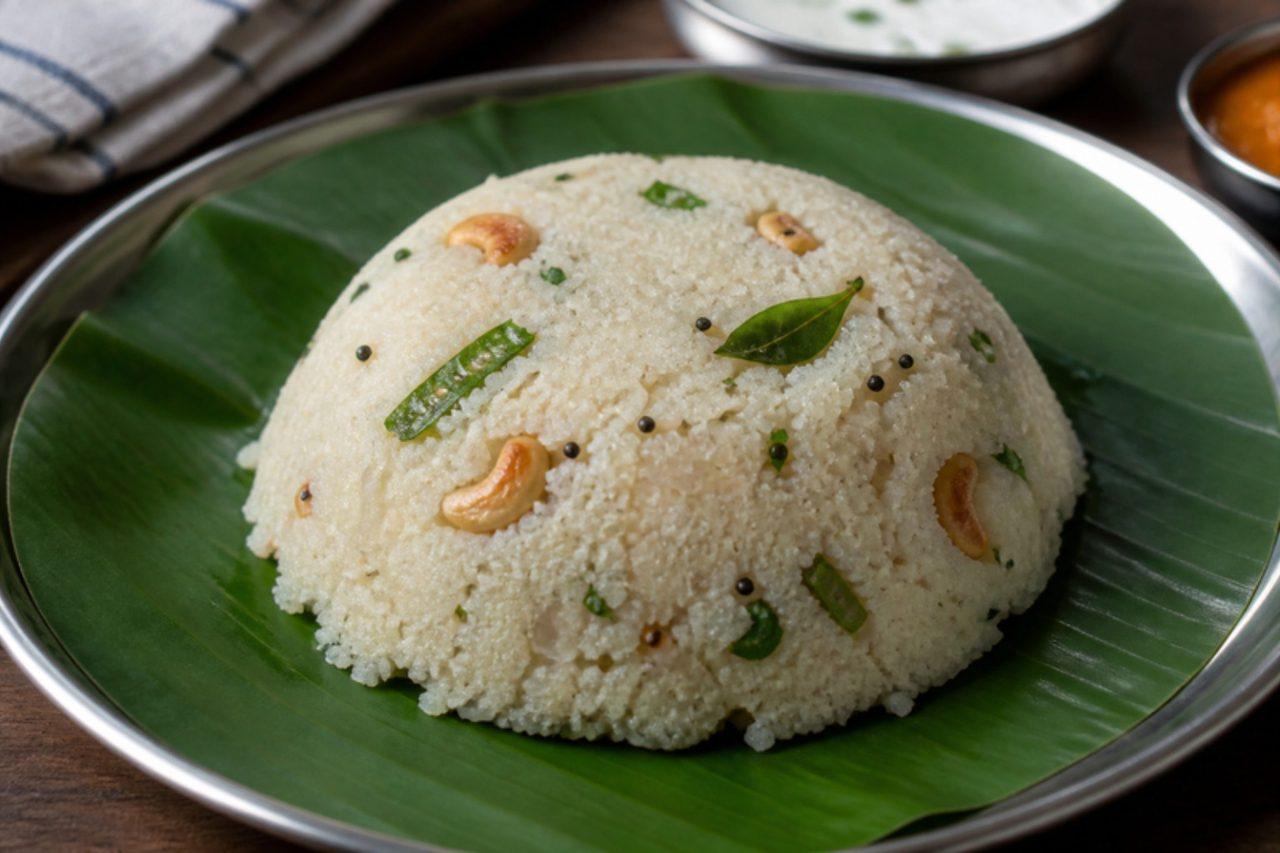
Rava upmaSavoury semolina porridge

Rava upma is breakfast in countless homes across Tamil Nadu, Karnataka, Andhra Pradesh and Kerala, and the dish every South Indian student learns to cook first. Semolina is roasted until it smells nutty, then stirred into boiling water flavoured with a tempering of mustard seeds, urad and chana dal, curry leaves, ginger and green chilli, so it swells into a soft, fluffy, savoury porridge. Serve it with coconut chutney, a little pickle or a banana. The classic mistake is pouring the rava into water that is not boiling, or all at once, which gives lumps. Chef's tip: roast the rava in advance and keep it in a jar; roasted rava makes lump-free upma in ten minutes on a busy morning.

by KrazyBadal 0 views

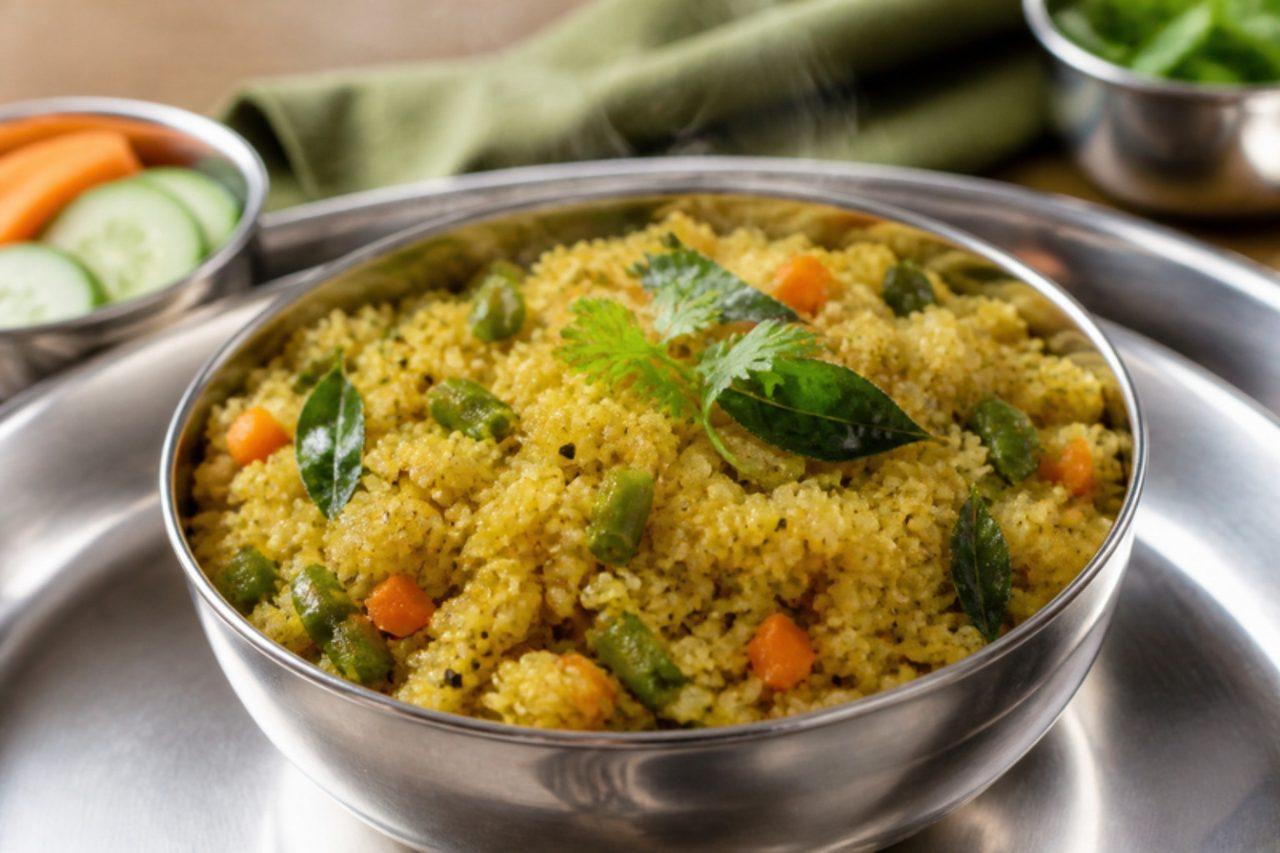
Thinai upmaFoxtail millet upma

Foxtail millet, thinai, was the grain of the Tamil hills long before rice took over, and in Coimbatore and Madurai it has come back into home kitchens as a lighter breakfast for diabetics and anyone watching their rice. Here it is cooked like a vegetable upma: a tempering of mustard seeds, urad and chana dal, then onion, carrot, beans and peas, and the rinsed millet simmered until each grain is fluffy and separate. A portion is about 250 kcal. The common mistake is too much water, which makes it gluey; use two and a half times the millet's volume and leave it covered off the heat to finish. Chef's tip: toast the rinsed millet in the pan for three minutes before the water goes in; it stays separate and tastes nuttier.

by KrazyBadal 0 views

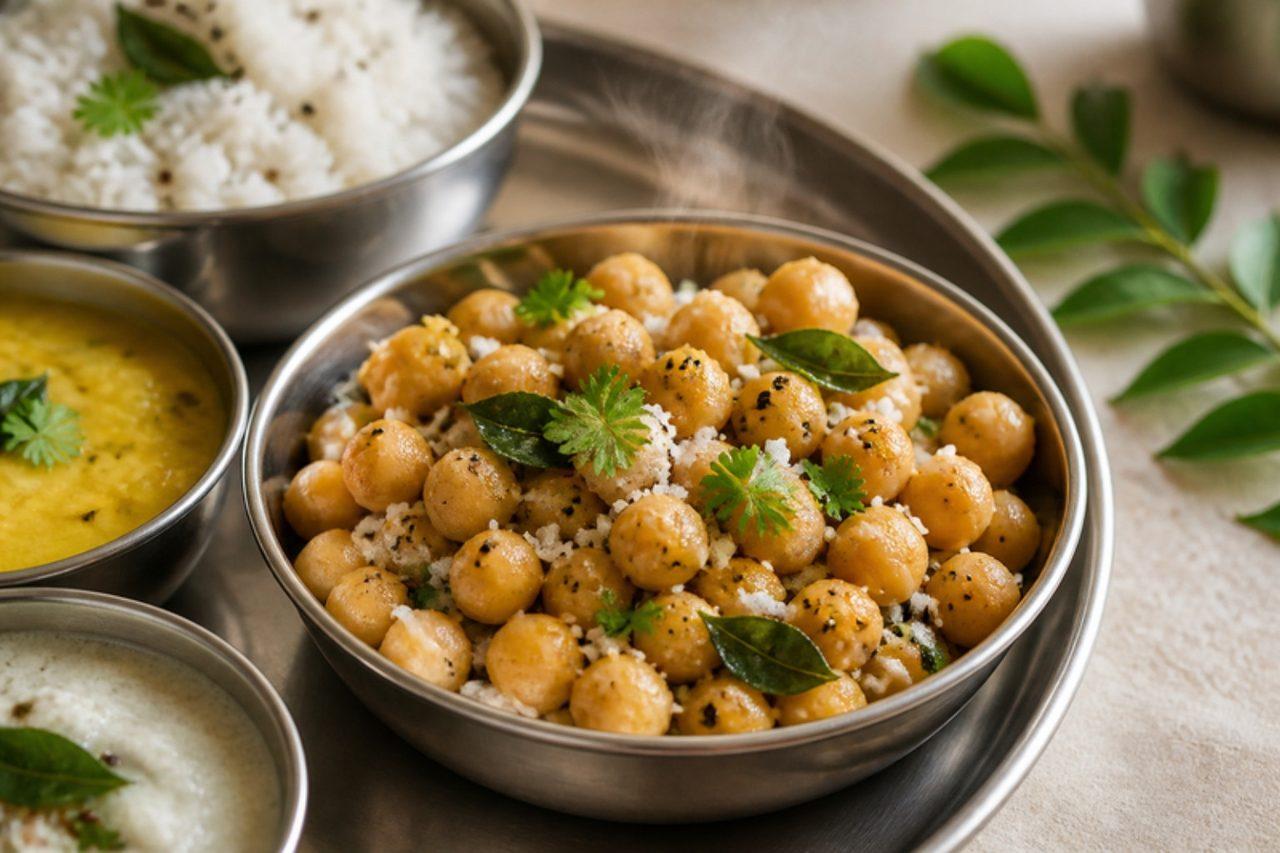
Chana sundalChickpea coconut stir-fry

On the sand of Chennai's Marina Beach, vendors sell sundal in paper cones at sunset, and during the nine nights of Navaratri every Tamil home makes a different sundal to offer at the golu doll display and hand out to visiting neighbours. This one is chickpeas tossed in a hot tempering of mustard seeds, urad dal, dried chilli and curry leaves, finished with fresh coconut and a squeeze of lime. A portion is about 190 kcal. Using cooked or tinned chickpeas keeps it under 20 minutes; if you start from dried, soak 120 g overnight and pressure-cook them until soft. The common mistake is wet, mushy chickpeas, which make the coconut clump; drain them well and let them steam dry for a few minutes. Chef's tip: add the coconut off the heat; cooked coconut loses its fresh, milky sweetness.

by KrazyBadal 0 views

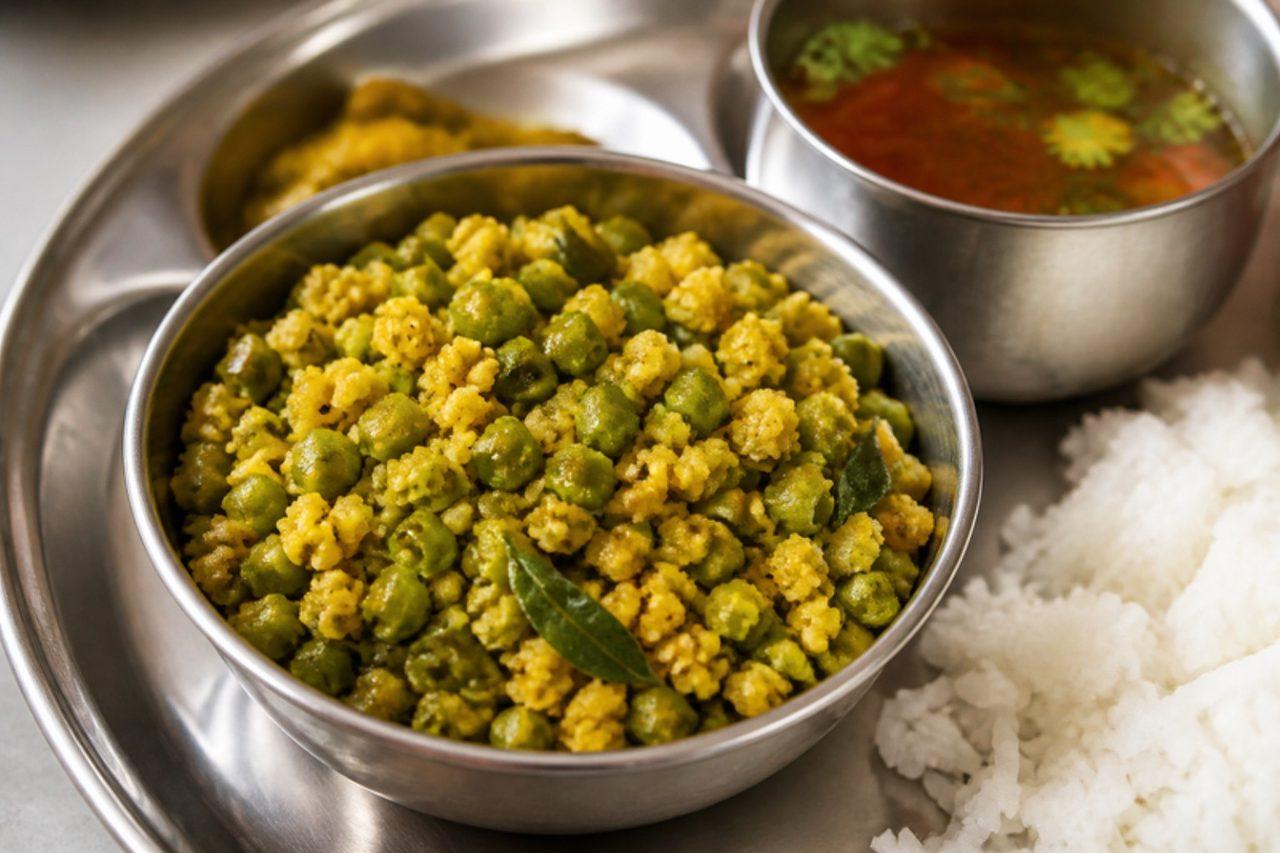
Paruppu usiliGreen beans with crumbled lentils

Paruppu usili is a Tamil Brahmin speciality, the dry dish that sits beside more kuzhambu or rasam on a Thanjavur lunch leaf at weddings and at home: chana and toor dal are soaked, ground coarsely with red chilli, steamed into a cake, crumbled, then fried with finely chopped green beans until the crumbs turn golden and crisp in places. The result is nutty, spicy and full of protein. A portion is about 220 kcal. The dals soak for 1 hour first (not counted in the times). The mistake most people make is grinding the dal to a smooth paste; it should be coarse like semolina, or the usili turns into lumps instead of crumbs. Chef's tip: steam the ground dal before frying, rather than frying it raw; it crumbles perfectly and needs far less oil.

by KrazyBadal 0 views

Dubki kadhiUrad dal dumplings in curd curry

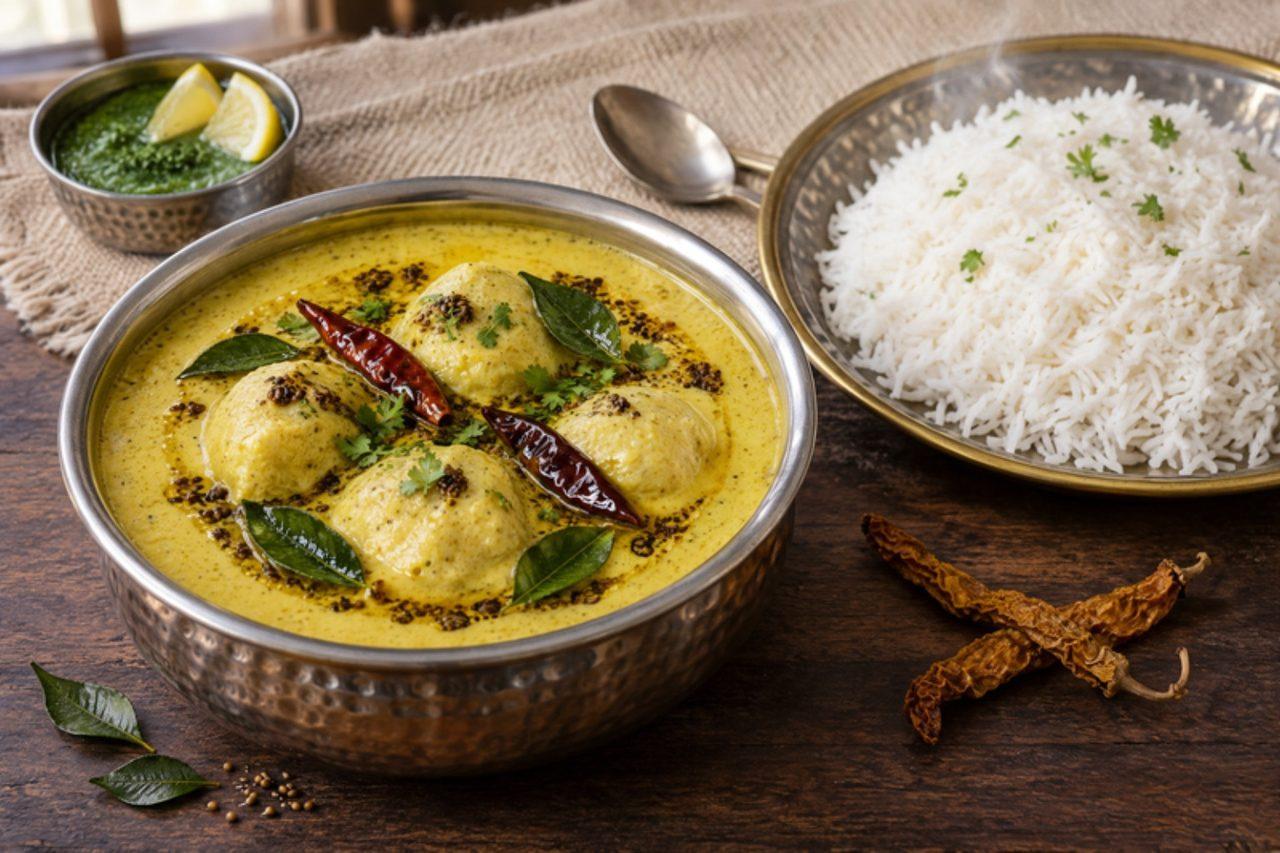
Dubki means a dip, and in this Chhattisgarhi kadhi the spiced urad dal batter is dropped raw straight into the simmering curd so the dumplings cook in the pot rather than in hot oil. It is the lighter, everyday cousin of pakora kadhi, served with rice at lunch across Durg and Raipur and at village feasts. The common mistake is dropping the batter into kadhi that is barely warm; the dumplings fall apart, so the kadhi must be at a lively simmer. Chef's tip: whisk the batter by hand for a full 3 minutes until a spoonful floats in water, and the dumplings will be airy, not dense.

by KrazyBadal 0 views

Goes well with split urad dal