
Skip to content

Recipes with strong white flour

12 recipes that use strong white flour, with photos, step-by-step instructions and cook times. The quickest, Aish fino, takes 45 minutes. It is most often cooked with sugar, egg and fast-action dried yeast.

Got a few things in the fridge? Search by everything you have

Cougnou

Cougnou, also called cougnolle or bommetje, is the Christmas bread of Wallonia, given to children on Christmas morning: a soft brioche shaped like the infant Jesus in swaddling clothes, with a little clay or sugar medallion pressed into the middle, eaten with hot chocolate. Bakeries in Namur and Charleroi make them from early December. A common mistake is shaping them too small, which dries them in the oven. Chef's tip: make three balls, one large for the body and two small for the head and feet, pressed together tightly so they bake as one.

by KrazyBadal 0 views

Pastrmajlija

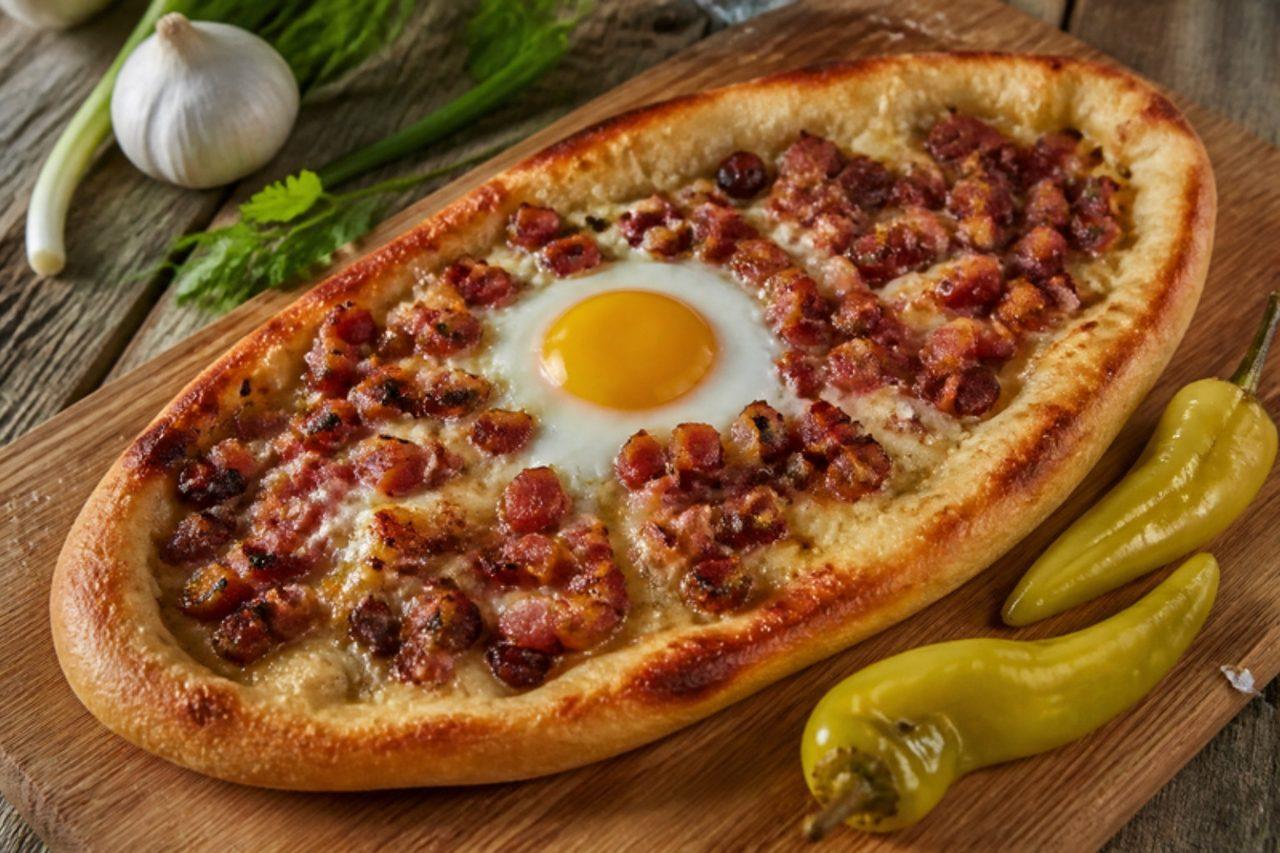
Štip in eastern North Macedonia holds a whole festival for pastrmajlija, a long boat-shaped flatbread baked in a wood oven and loaded with little cubes of salted pork, finished with a cracked egg and sometimes a hot pepper. Traditionally the meat is pastrma, dried salted pork or mutton; this home version salts diced pork shoulder in the fridge for a few hours and then bakes it on the dough until fully cooked, so it is safe and juicy. Eat it hot from the oven, torn by hand, with pickled peppers and a glass of cold yogurt drink. A common mistake is rolling the dough too thin; it needs a soft, chewy base to hold the meat juices. Chef's tip: bake on a pizza stone or upturned heavy tray, as hot as your oven goes.

150 minBalkanMeat
by KrazyBadal 0 views

Cramique

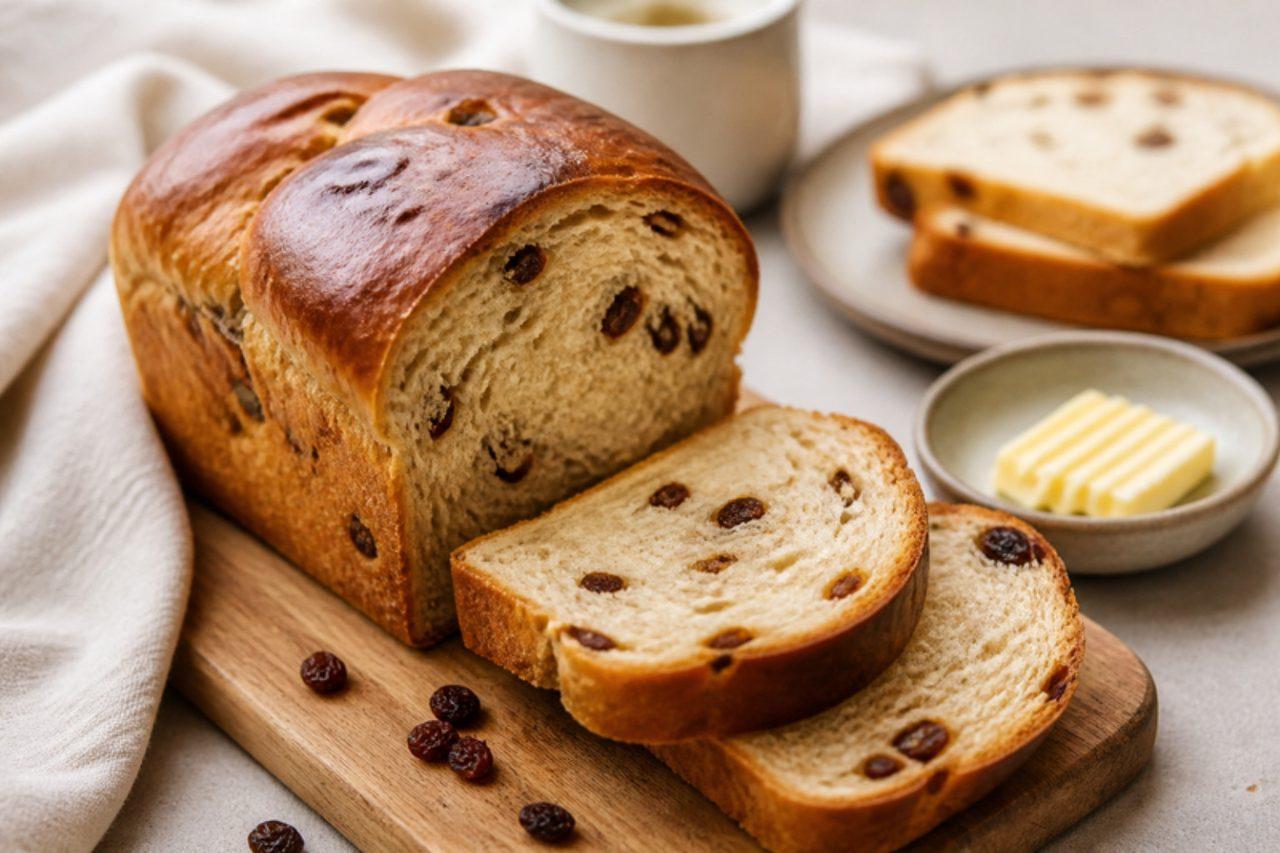
Cramique is the Sunday breakfast loaf of Brussels and Wallonia: a soft, golden brioche packed with raisins, bought from the bakery on Sunday morning and sliced thickly with salted butter. Its sister, craquelin, swaps the raisins for pearl sugar. A common mistake is adding the raisins at the start of kneading, which tears the gluten and turns the dough grey. Chef's tip: soak the raisins in warm tea for 20 minutes, then knead them in only at the end, gently.

by KrazyBadal 0 views

Aish baladi

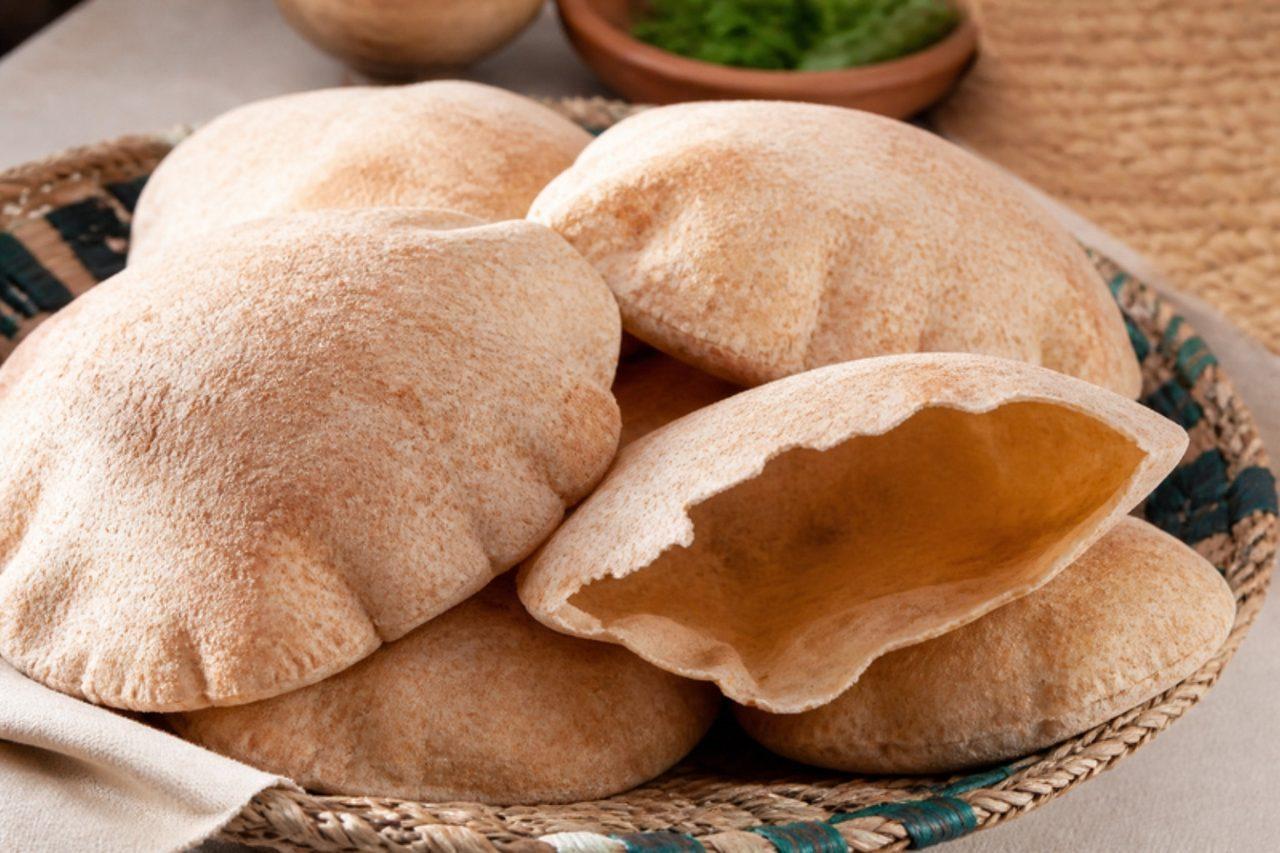
Aish means 'life', and in Egypt this bread really is: neighbourhood bakeries turn out thousands of loaves an hour, cooling on palm-rib trays carried through the streets on cyclists' heads. Made with wholemeal flour and rolled in bran, the rounds puff dramatically in a fierce oven into a soft, slightly chewy pocket with a nutty, wheaty taste. It is the scoop, spoon and wrapper for ful, falafel, salads and stews at every meal. Allow about 1 hour 45 minutes for rising and resting. The most common mistake is a stone or tray that isn't hot enough, so the rounds bake flat with no pocket. Chef's tip: preheat the oven at its highest setting for a full 45 minutes, and bake only two rounds at a time.

by KrazyBadal 0 views

Aish shamsi

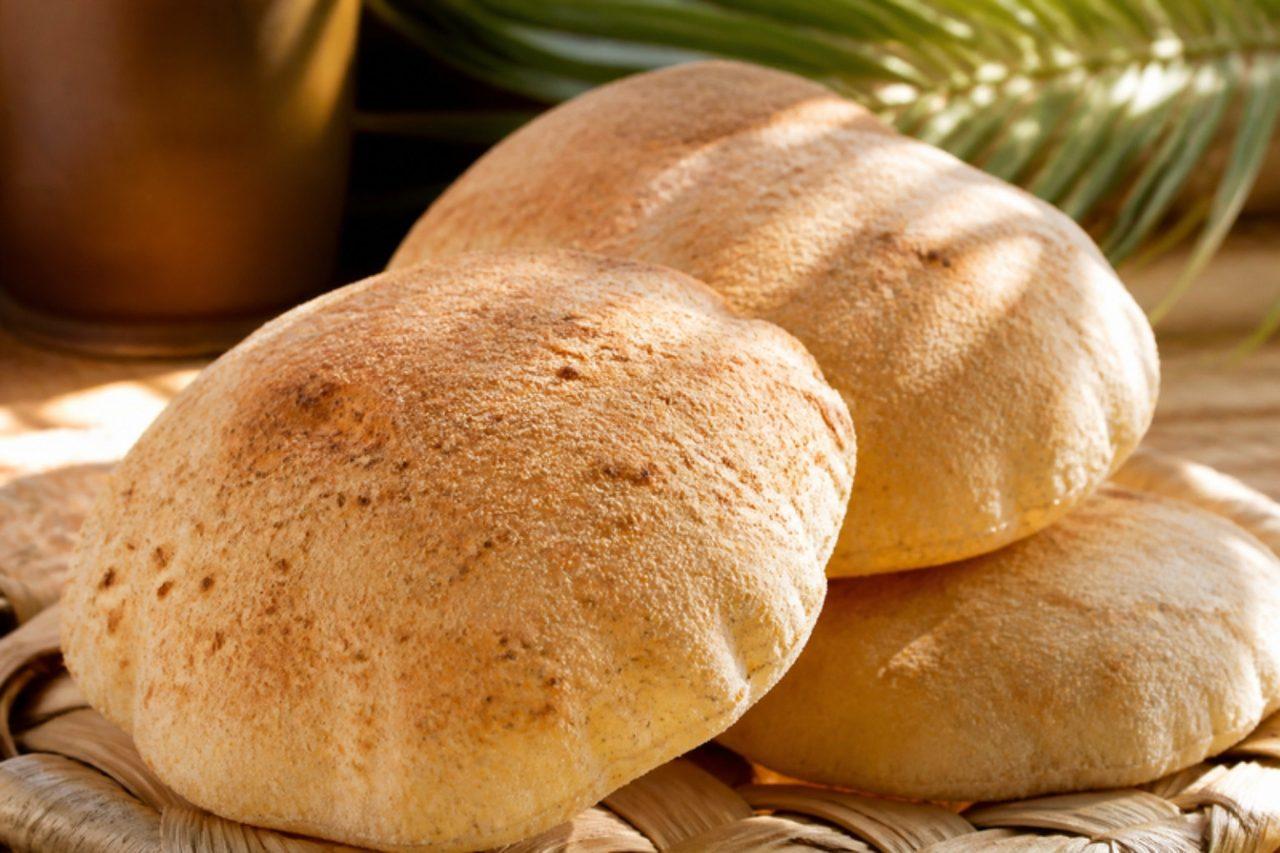
On the rooftops and in the courtyards of villages around Luxor and across Upper Egypt, women set trays of dough out in the sun to rise before baking them in mud-brick ovens, which is where aish shamsi, 'sun bread', gets its name. A sourdough leaven and the warmth of the sun make the rounds swell tall and domed, with a thin bran-flecked crust and an open, tangy crumb. It is eaten with mish, molasses, cheese and stews. Allow about 6 hours from mixing to baking, most of it rising time. A sunny windowsill or a warm spot at about 30 °C works fine at home; don't leave it in fierce direct sun above about 40 °C, which kills the yeast and dries out the skin. Chef's tip: cover the rising loaves with a light cotton cloth, just as village bakers do.

by KrazyBadal 0 views

Aish fino

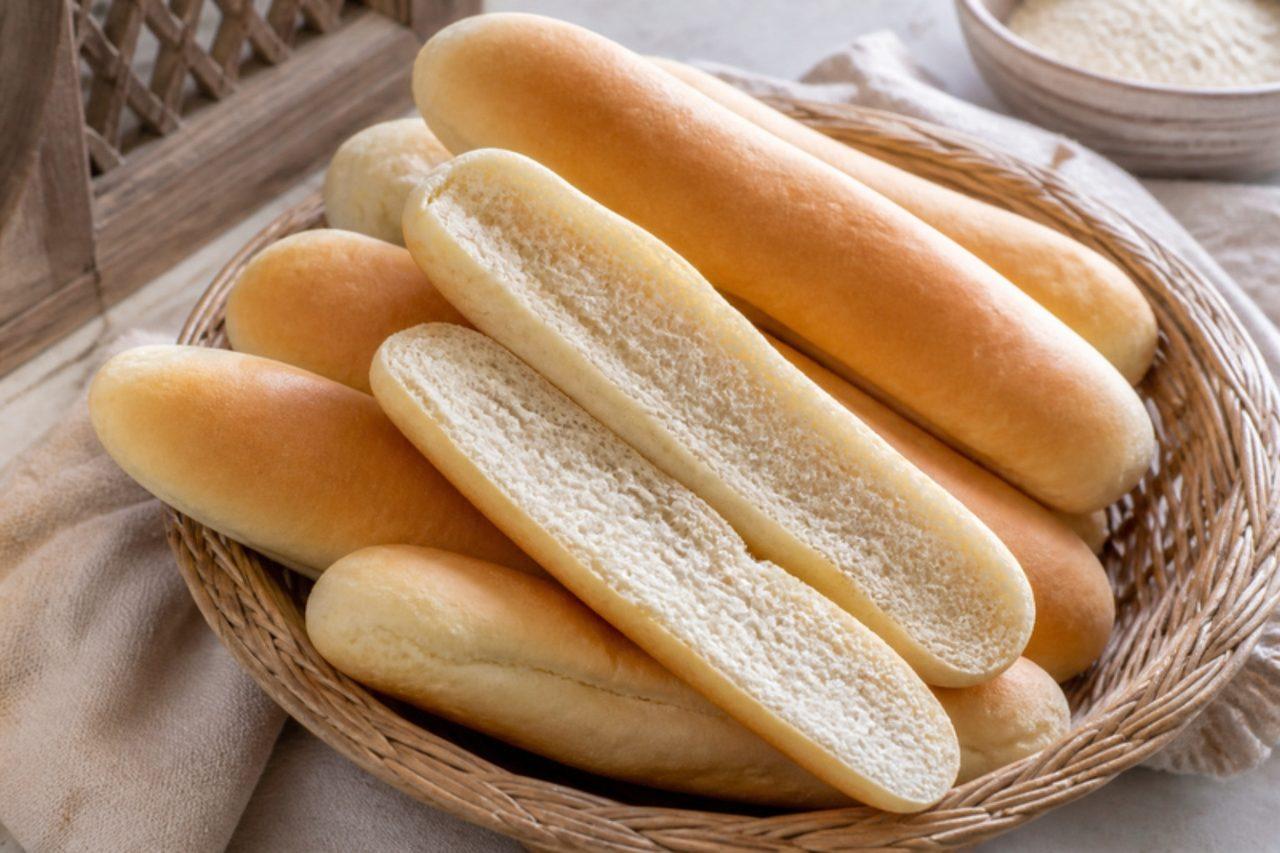
Ask any Egyptian about school lunches and aish fino comes up: the long, soft white rolls that bakeries sell by the bagful each morning and parents split and fill for lunch boxes. The crumb is pillowy and slightly sweet, the crust thin and pale gold, perfect for white cheese, halawa, egg, falafel or a smear of molasses and tahini. Its name comes from the French pain fin. Allow about 1½ hours for rising. Overbaking is the classic mistake; take them out while still pale gold, otherwise the crust turns hard instead of soft. Chef's tip: cover the rolls with a clean tea towel as soon as they leave the oven so the steam keeps the crust tender.

by KrazyBadal 0 views

Babka wielkanocna

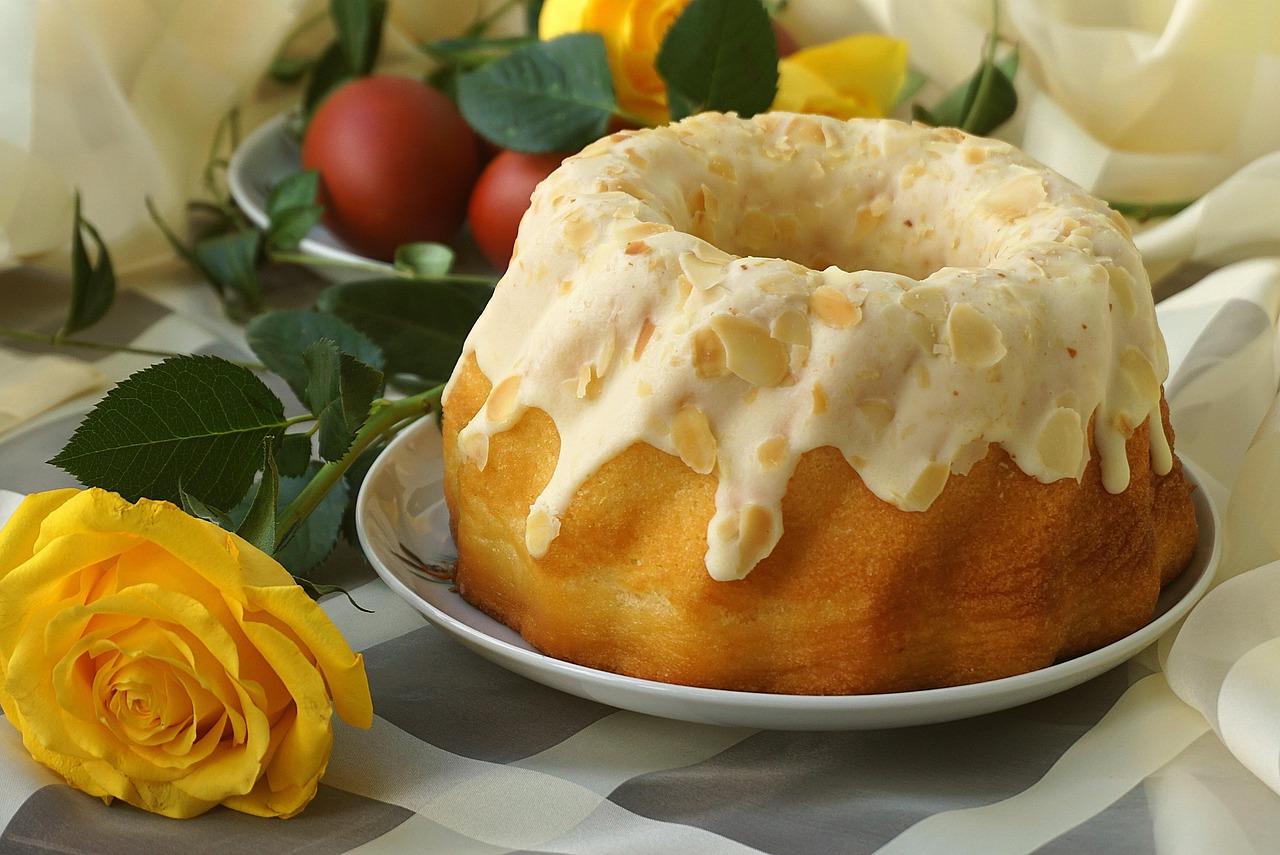
A golden babka standing tall in the Easter basket used to be a matter of family pride, and old cooks whispered while it baked, convinced a slammed door would make it sink. The dough is soft and rich with egg yolks and butter, beaten until it is elastic, then baked in a fluted ring tin into a cake with a fine, feathery, saffron-yellow crumb. Raisins are often soaked in rum; this version uses orange juice, but a couple of spoons of rum work if you prefer. The usual slip is adding too much flour to a sticky dough, which makes the babka dry; it should stay soft and almost batter-like. Chef's tip: cool the babka on its side, turning it now and then, so the delicate crumb doesn't collapse.

185 minPolishBaking
by KrazyBadal 0 views

Rogal świętomarciński

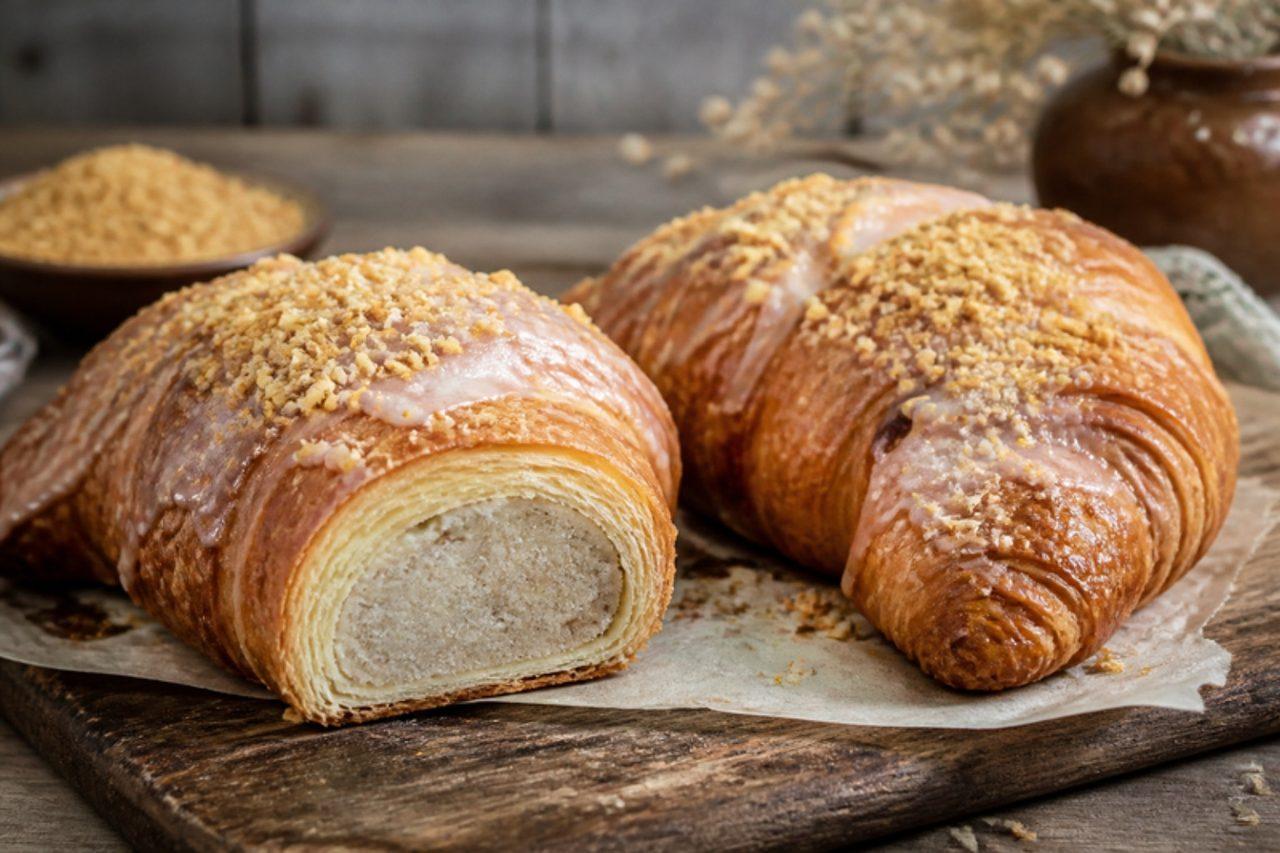
Every 11 November, St Martin's Day, Poznań eats well over a million of these heavy crescents, and only certified local bakeries may sell them under the protected name. Our home version follows the same idea: a flaky laminated yeast dough wrapped around a rich filling of white poppy seed, nuts, dried fruit and cream, glazed with icing and scattered with chopped nuts. Each rogal is large, sweet and almond-scented, best shared with coffee. A common mistake is letting the butter get warm during folding; it then melts into the dough and the layers disappear. Chef's tip: white poppy seed is milder than blue; ask for it at Polish shops or online, and grind it fine.

175 minPolishBaking
by KrazyBadal 0 views

Knyshi

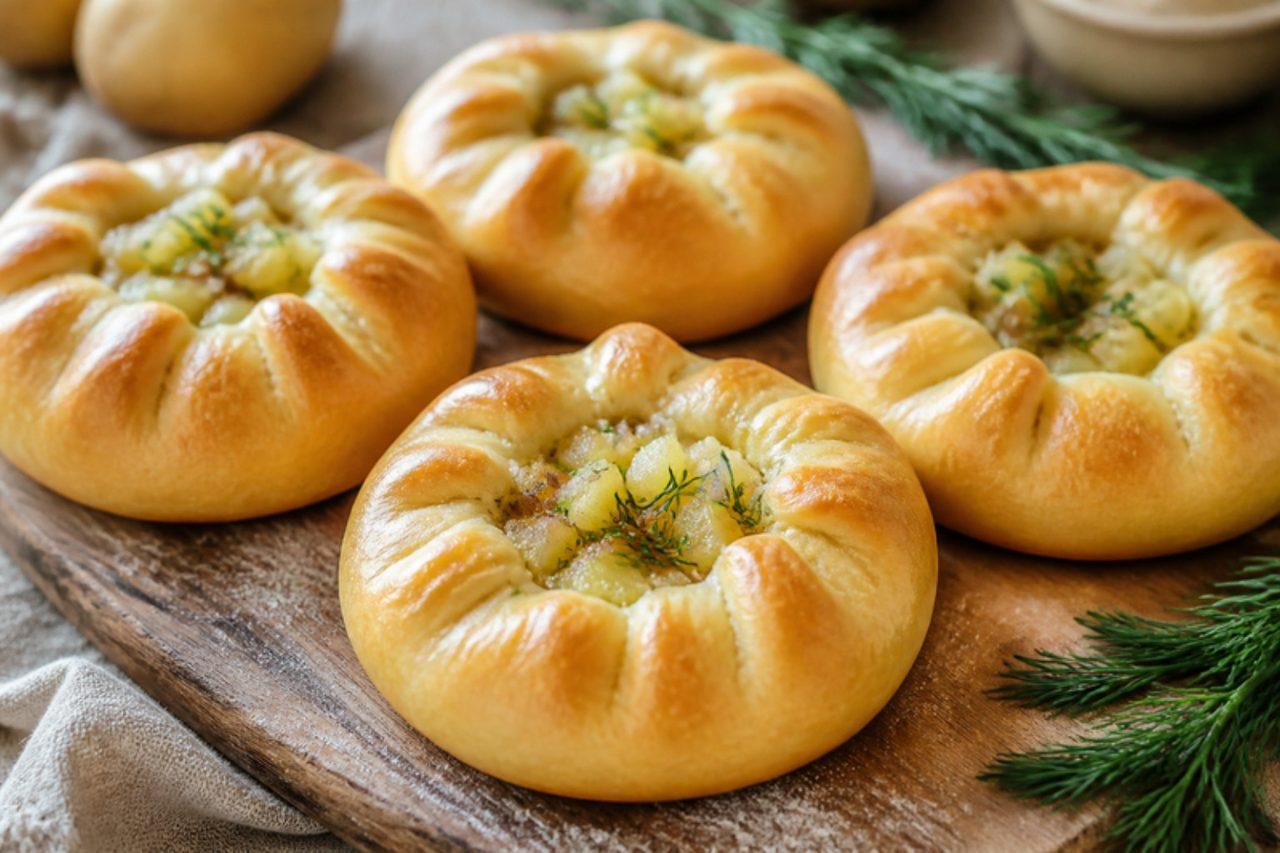
On Poltava farms knyshi came out of the stove alongside the bread on baking day: rounds of soft milk dough with their edges pinched up like a little open basket, so the filling shows in the middle. Potato mashed with plenty of onion fried in sunflower oil and a handful of dill is the everyday version, and the buns are eaten warm with a bowl of soup or cold on the way to the fields. Some cooks fill them with curd cheese or poppy seed instead, especially for Christmas Eve. The dough should be pillowy and the potato soft and peppery. Most people go wrong by spooning in warm, wet mash, which steams the dough from inside and makes it soggy; let the filling cool fully. Chef's tip: brush the baked buns with melted butter the moment they come out of the oven, then cover with a towel for 10 minutes so the crust turns soft and silky.

by KrazyBadal 0 views

Vánočka

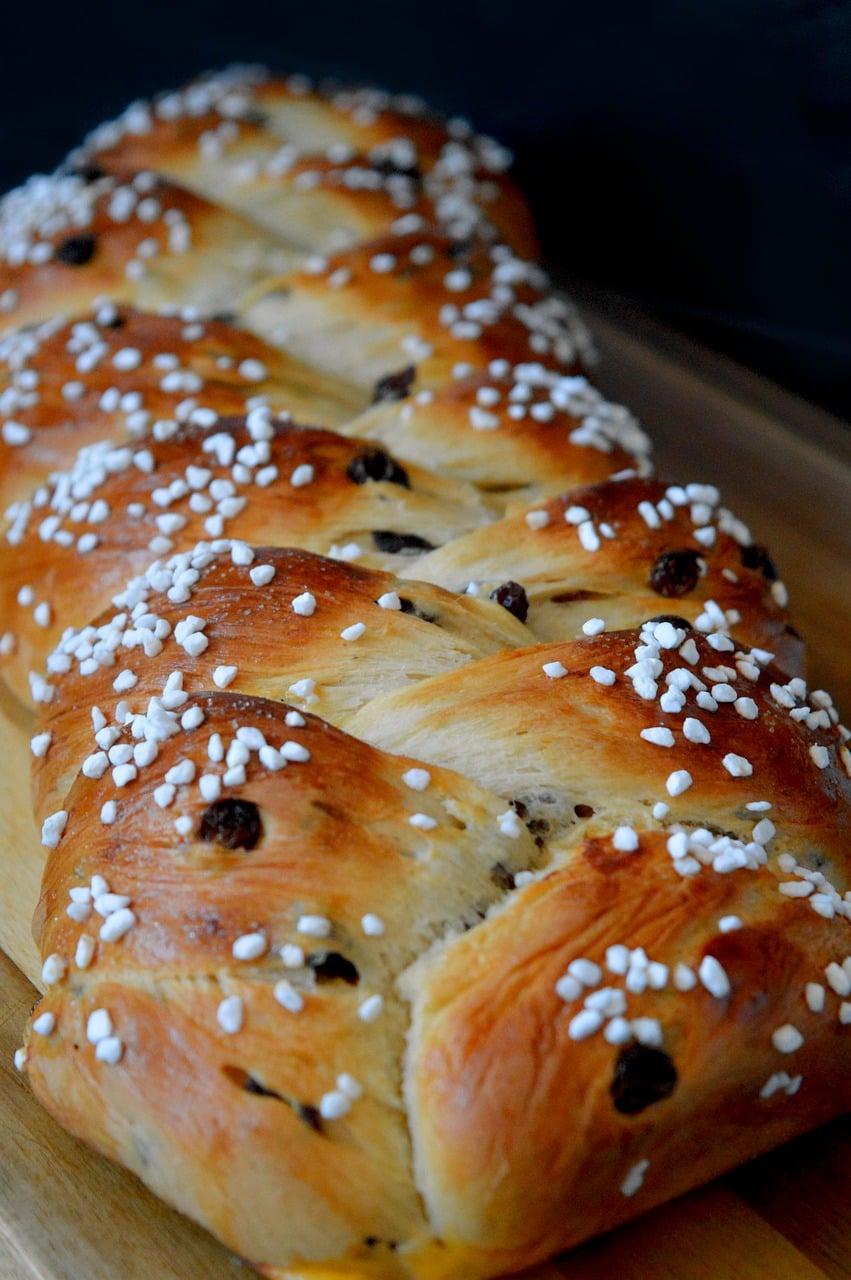
On Czech Christmas Eve morning, before the carp and the potato salad, the table holds a long golden vánočka, a sweet braided loaf whose layered plaits are said to represent the baby Jesus in swaddling. Families slice it for breakfast through the holidays with butter, honey or jam. The crumb is soft and rich with egg and butter, scented with lemon zest and studded with raisins; flaked almonds crisp up on the crust. The usual slip is braiding too loosely, so the tiers slide apart in the oven; plait tightly and hold them with wooden skewers while baking. Soaking raisins in warm water (not rum) keeps them juicy and alcohol-free. Chef's tip: vánočka keeps for days wrapped in a cloth, and slightly stale slices make superb French toast.

185 minCzechBaking
by KrazyBadal 0 views

Berliner Pfannkuchen

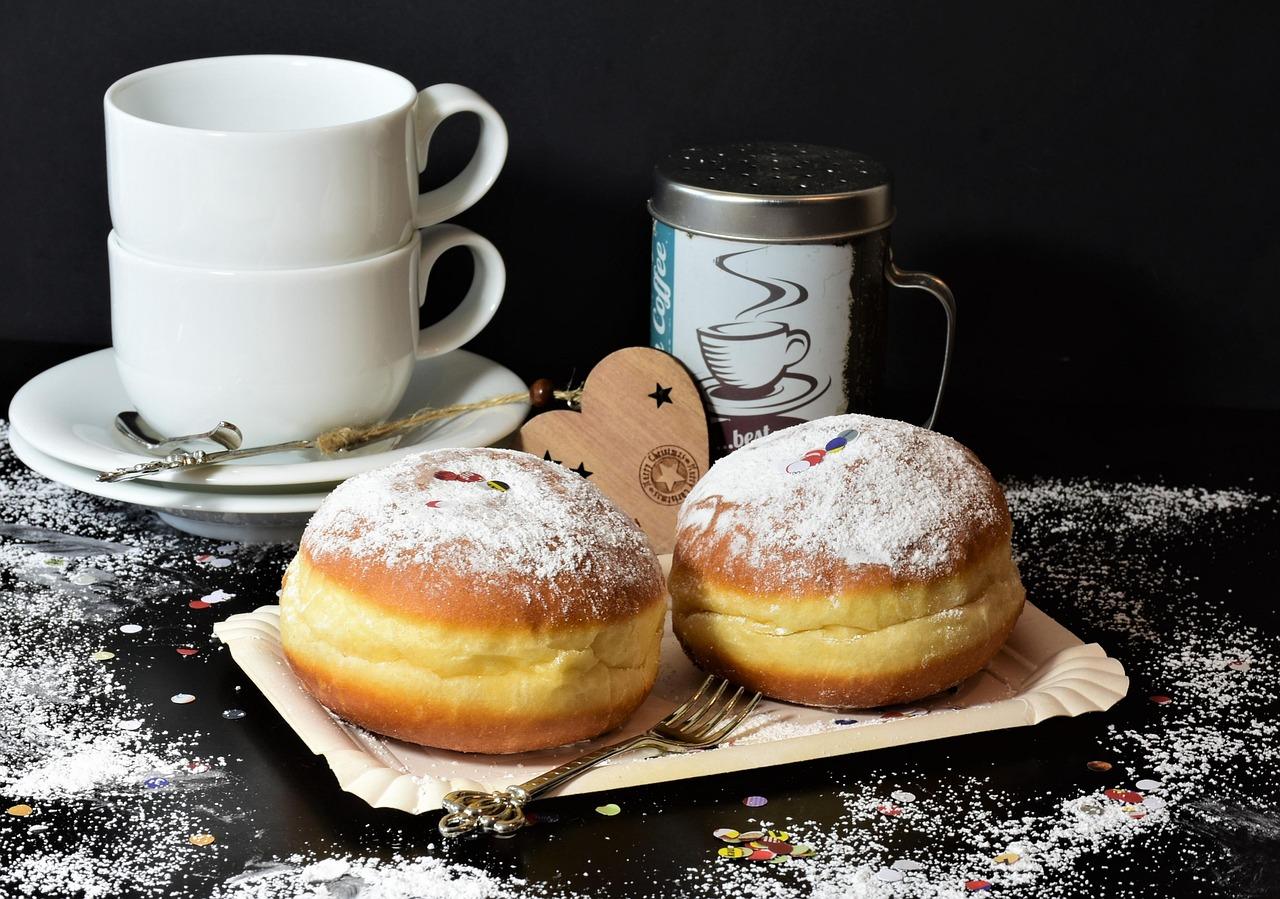
In Berlin a Pfannkuchen is not a pancake but a round, sugar-dusted yeast doughnut with a pale ring around its middle and a squirt of jam inside; most of Germany calls them Berliner. Bakeries pile them up for New Year's Eve and for Carnival in February, and the old joke is to slip one filled with mustard into the batch. Good ones are light and springy, never greasy. A common mistake is frying in oil that is too hot, which browns the outside before the middle cooks; keep it at 170 °C. Chef's tip: let the shaped dough rise uncovered for the last 10 minutes so a thin skin forms; that is what gives the classic white band round the middle.

by KrazyBadal 0 views

Tunisian fricassé

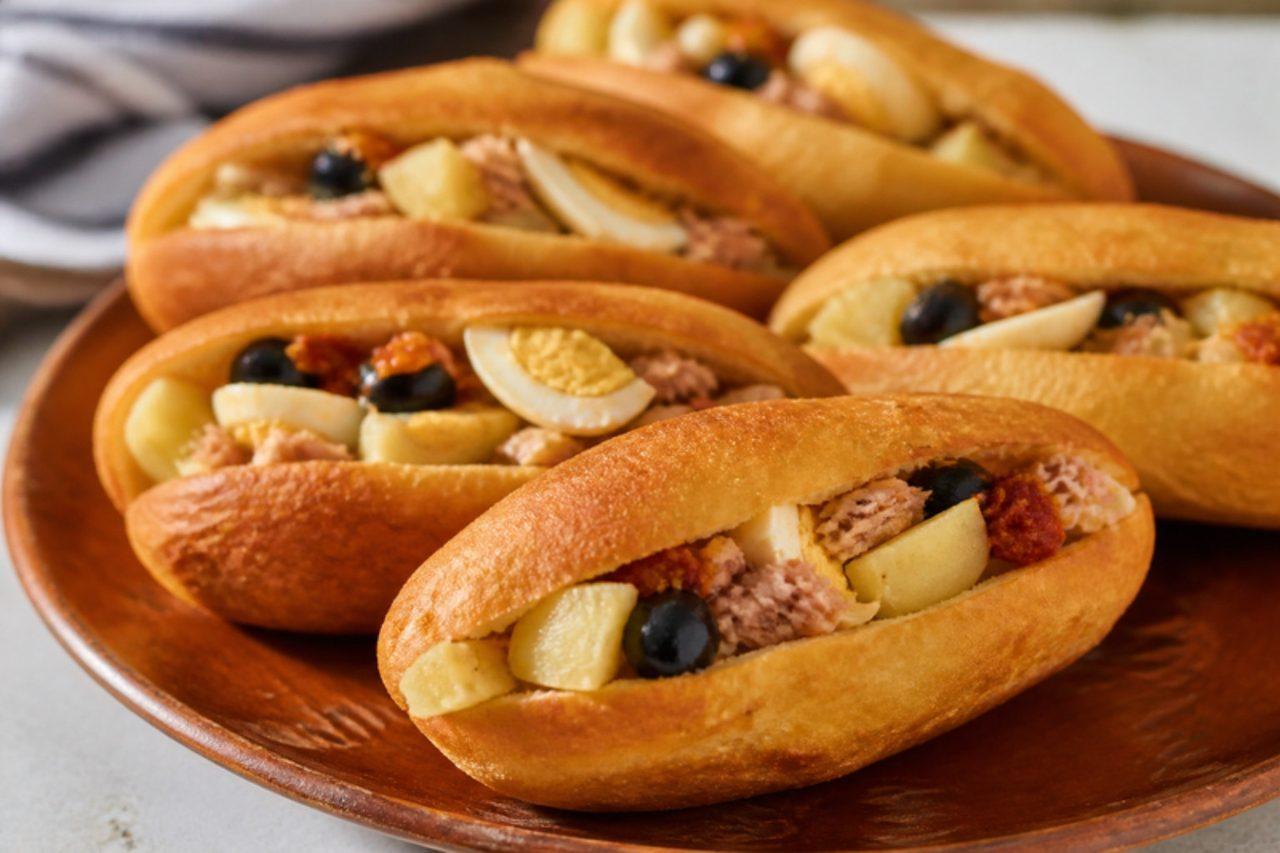
Fricassé are the small, soft fried rolls sold from glass-fronted counters in Tunis and the coastal towns, split while still warm and filled to order with tuna, boiled egg, olives, boiled potato, mechouia salad and a smear of harissa. They are an afternoon snack, a beach lunch and a Ramadan favourite. The mistake is frying the dough when the oil is too cool, which makes it greasy and heavy; keep the oil at 170 °C. Chef's tip: give the shaped rolls a full second rise so they puff and stay light inside.

by KrazyBadal 0 views

Goes well with strong white flour