Skip to content

Recipes with sweet cassava

13 recipes that use sweet cassava, with photos, step-by-step instructions and cook times. The quickest, Maito de tilapia, takes 45 minutes. It is most often cooked with garlic, egg and lime.

Got a few things in the fridge? Search by everything you have

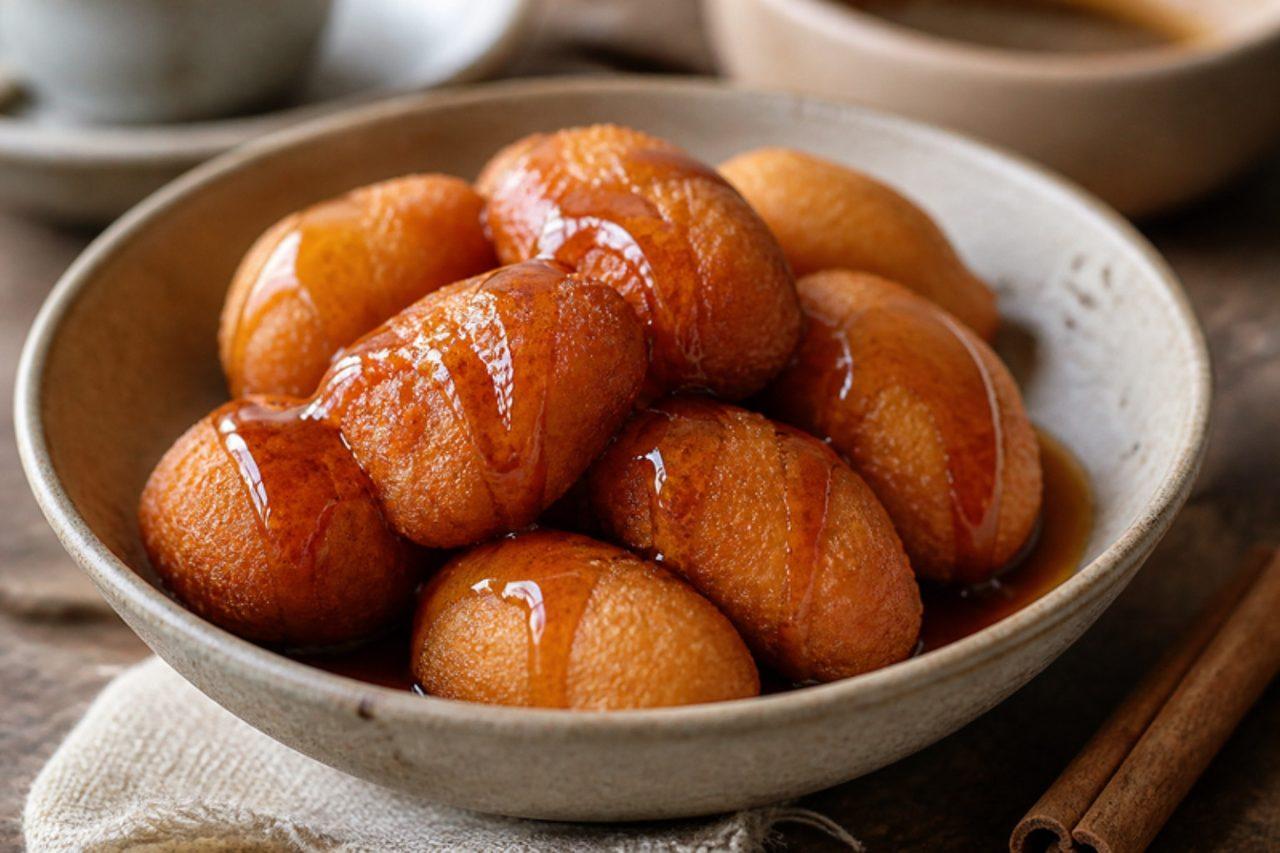
Nuegados

On Holy Week and at the patron-saint fairs of towns like Izalco and Suchitoto, women fry nuegados in big pans and ladle hot panela syrup over them to order. The fritters are made from mashed sweet cassava and egg, crisp outside and soft and stretchy inside, and the syrup is scented with cinnamon and cloves. Use sweet cassava, the kind sold fresh or frozen in shops; bitter varieties are not for home cooking. The most common mistake is a wet mash, which drinks up oil and falls apart; dry the cooked cassava well before mashing. Chef's tip: wet your hands or the spoon before shaping each fritter so the sticky dough drops cleanly into the oil.

by KrazyBadal 0 views
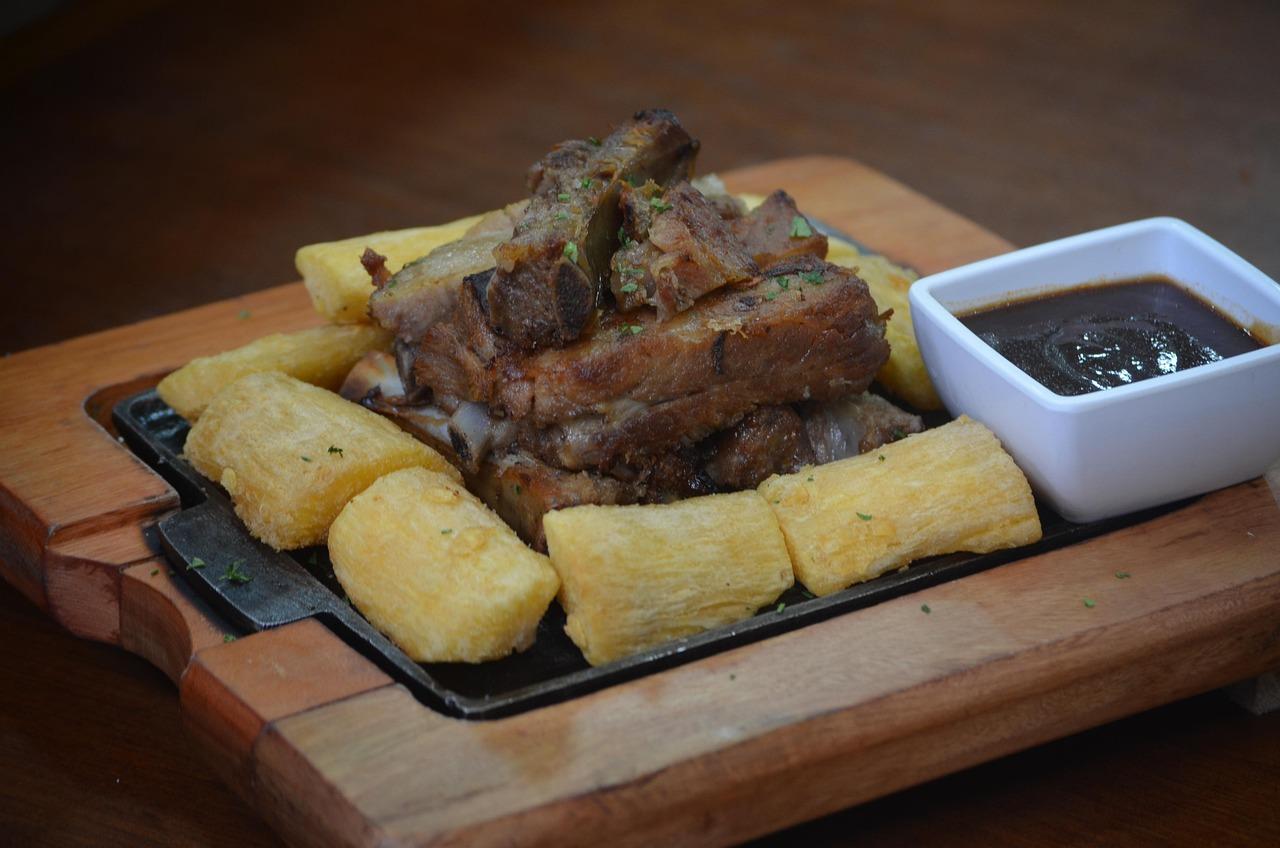
Yuca frita con chicharrón

Every Salvadoran town has a corner where yuca frita is sold from a big pan, usually by the market or the parish church on Sunday evenings: boiled sweet cassava fried until crackly, topped with crisp chunks of pork chicharrón, curtido and a thin tomato salsa. The pork is belly or shoulder simmered in salted water until the water is gone and it fries in its own fat. Use sweet cassava; bitter varieties need special processing. The classic mistake is frying raw cassava, which stays hard in the middle; it must be boiled until tender first. Chef's tip: let the boiled cassava cool and dry for 15 minutes before frying, and the outside will shatter like a good chip.

by KrazyBadal 0 views

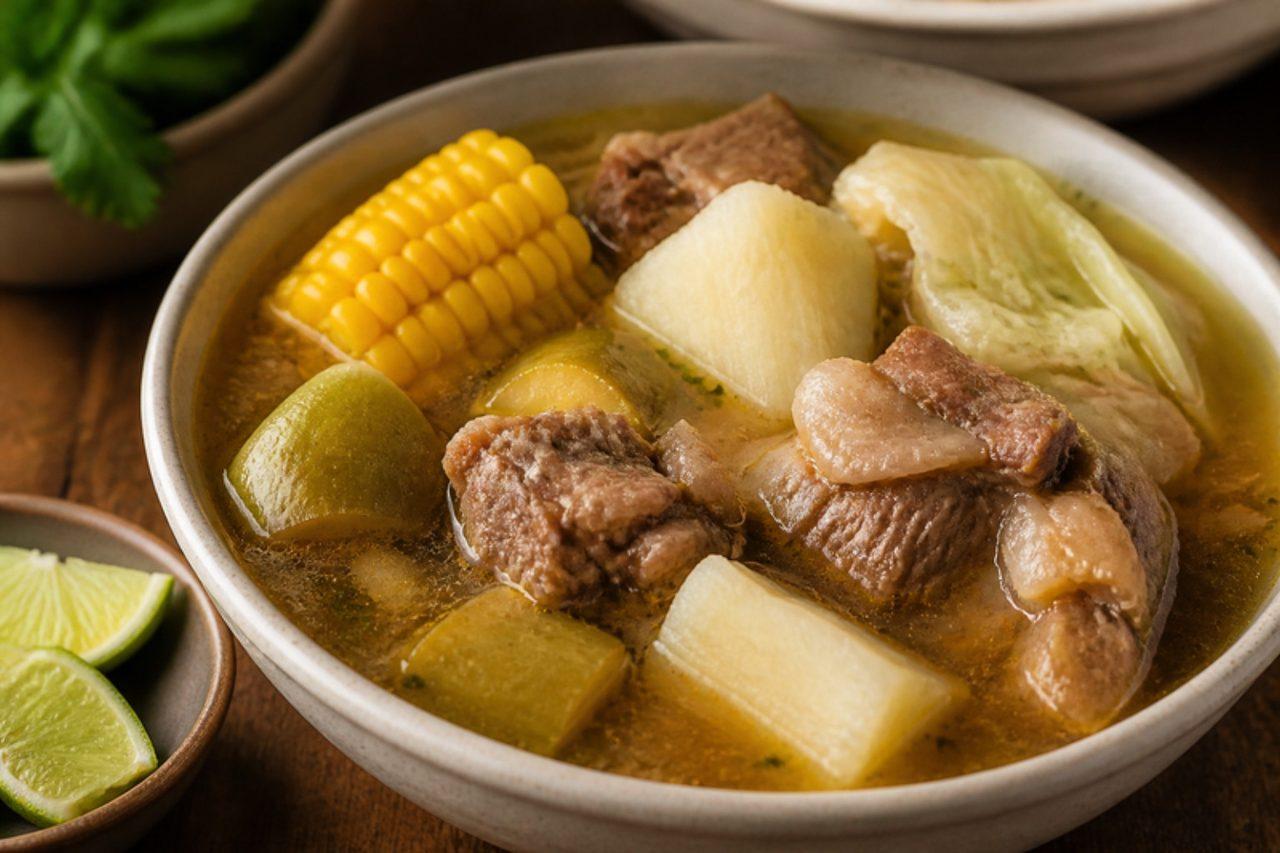
Sopa de pata

Sunday is sopa de pata day in many Salvadoran towns, and market stalls in San Miguel and Santa Ana sell it from huge pots from early morning. Cow's foot and tripe are simmered for hours until the broth turns rich and sticky with gelatine, then corn, yuca, chayote and green plantain go in, with lime, chilli and tortillas on the side. Ask the butcher to cut the foot into pieces and buy tripe already cleaned and blanched. The big mistake is under-cooking: the tripe must be soft enough to cut with a spoon and the foot falling off the bone. Chef's tip: blanch the foot and tripe for 10 minutes and pour that water away before the long simmer; it gives a clean-tasting broth.

by KrazyBadal 0 views

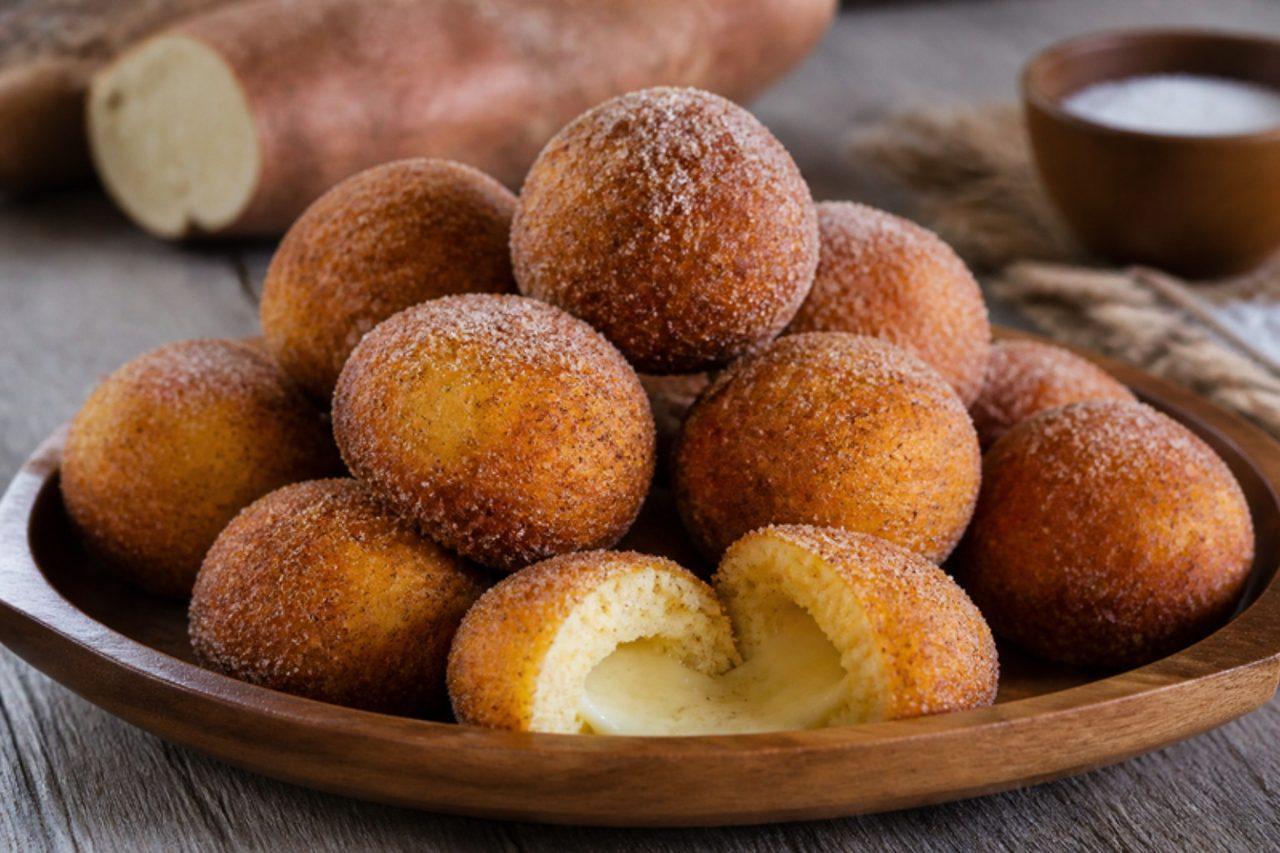
Muchines de yuca

Guayaquileños buy muchines from street carts and bakeries in the afternoon, often with a cup of coffee or a cold fruit juice: golden balls of mashed cassava, crisp outside and soft and chewy within, hiding a pocket of melted cheese and rolled while hot in a little sugar. The salty-sweet mix is the point. Use sweet cassava (yuca) only, fresh or frozen, and always cook it fully; never eat it raw. The usual mistake is letting the cassava cool before mashing, which makes a crumbly dough that splits in the oil. Traditional queso fresco is often set with animal rennet; choose a cheese labelled vegetarian if that matters to you. Chef's tip: pull out the woody fibre down the centre of each boiled piece before mashing, or the dough will be stringy.

by KrazyBadal 0 views

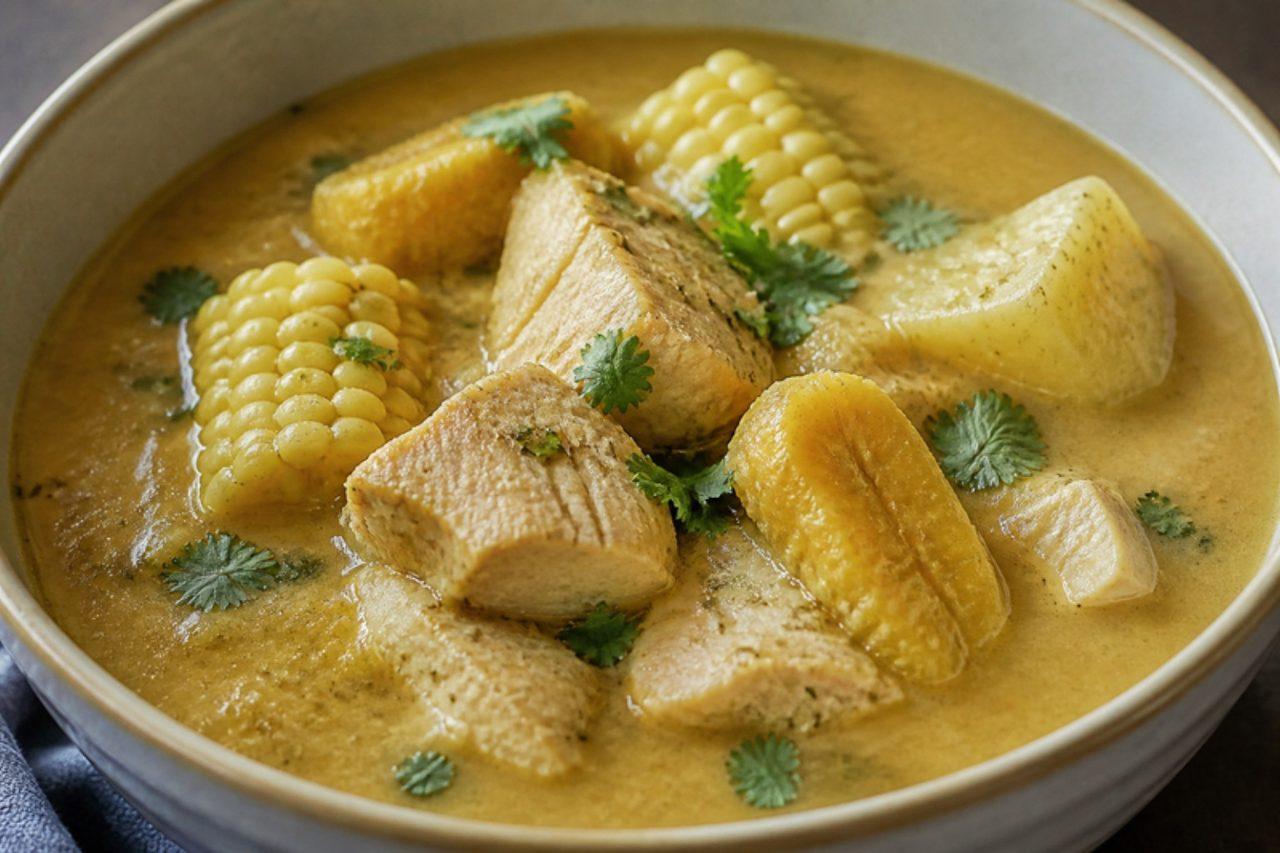
Viche de pescado

Viche is the Sunday soup of Manabí's coast, cooked in Portoviejo kitchens and beach shacks at Crucita: a golden broth thickened with ground peanuts and grated green plantain, loaded with corn, cassava, squash and chunks of white fish. It is nutty, earthy and gently sweet, a meal in a bowl, served with lime and chilli. Peanuts are a major allergen. The common mistake is adding the fish too early, so it breaks into threads; it goes in last and needs only 8 minutes, until opaque and flaking. Chef's tip: toast the peanuts until golden before grinding; it gives the broth its deep, roasted flavour.

by KrazyBadal 0 views

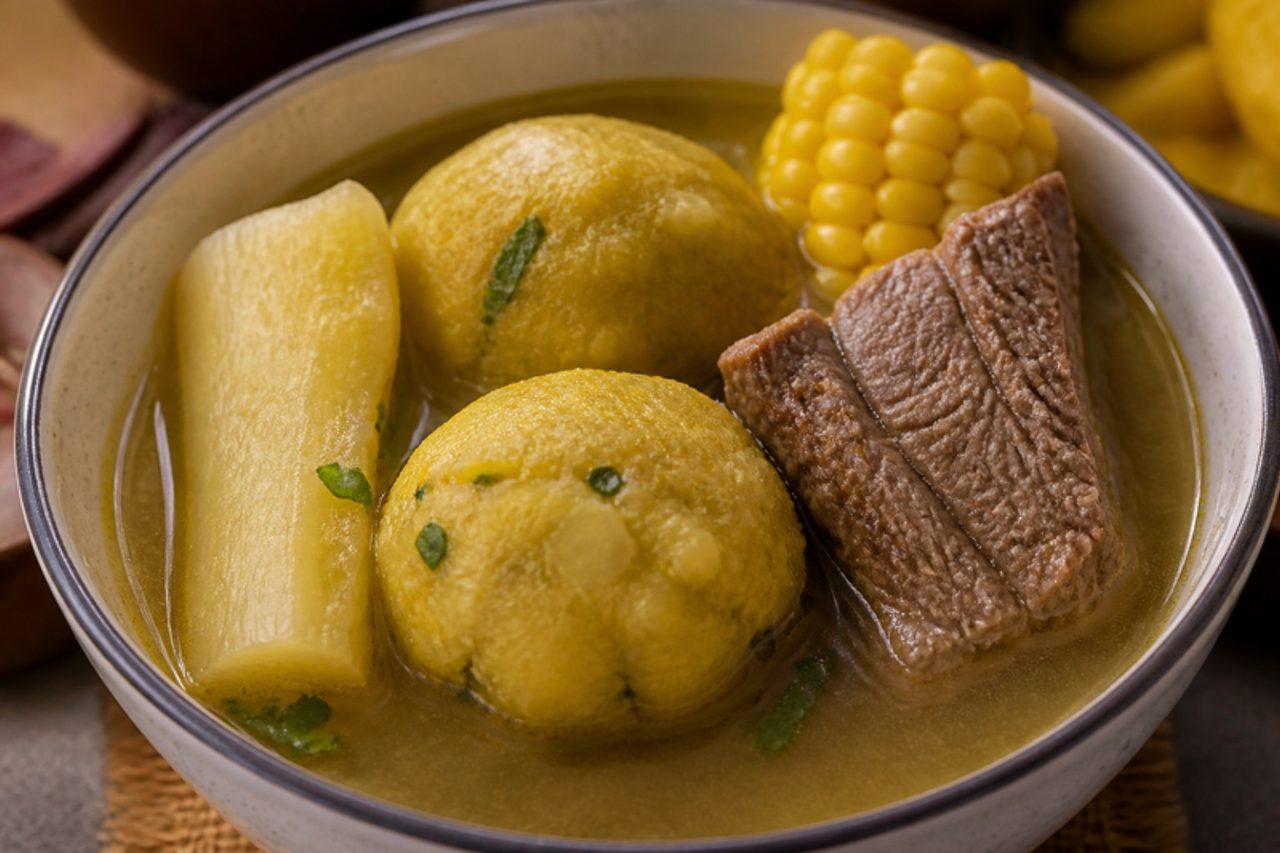
Caldo de bolas de verde

Caldo de bolas is the big Sunday soup of Guayaquil and the Guayas coast: a clear beef broth with corn and cassava in which float fist-sized dumplings of green plantain, each stuffed with a savoury filling of beef mince, egg, peas and peanuts. It takes time, so families make it for gatherings and serve it with lime, chilli and rice. Peanuts are an allergen and optional here. The usual mistake is a plantain dough that is too dry, which cracks and falls apart in the broth; it should feel like soft play dough. Cook the mince filling until no pink remains. Chef's tip: mix boiled and raw grated plantain; the raw starch is the glue that holds the bolas together.

160 minAndeanSoupsGluten free
by KrazyBadal 0 views

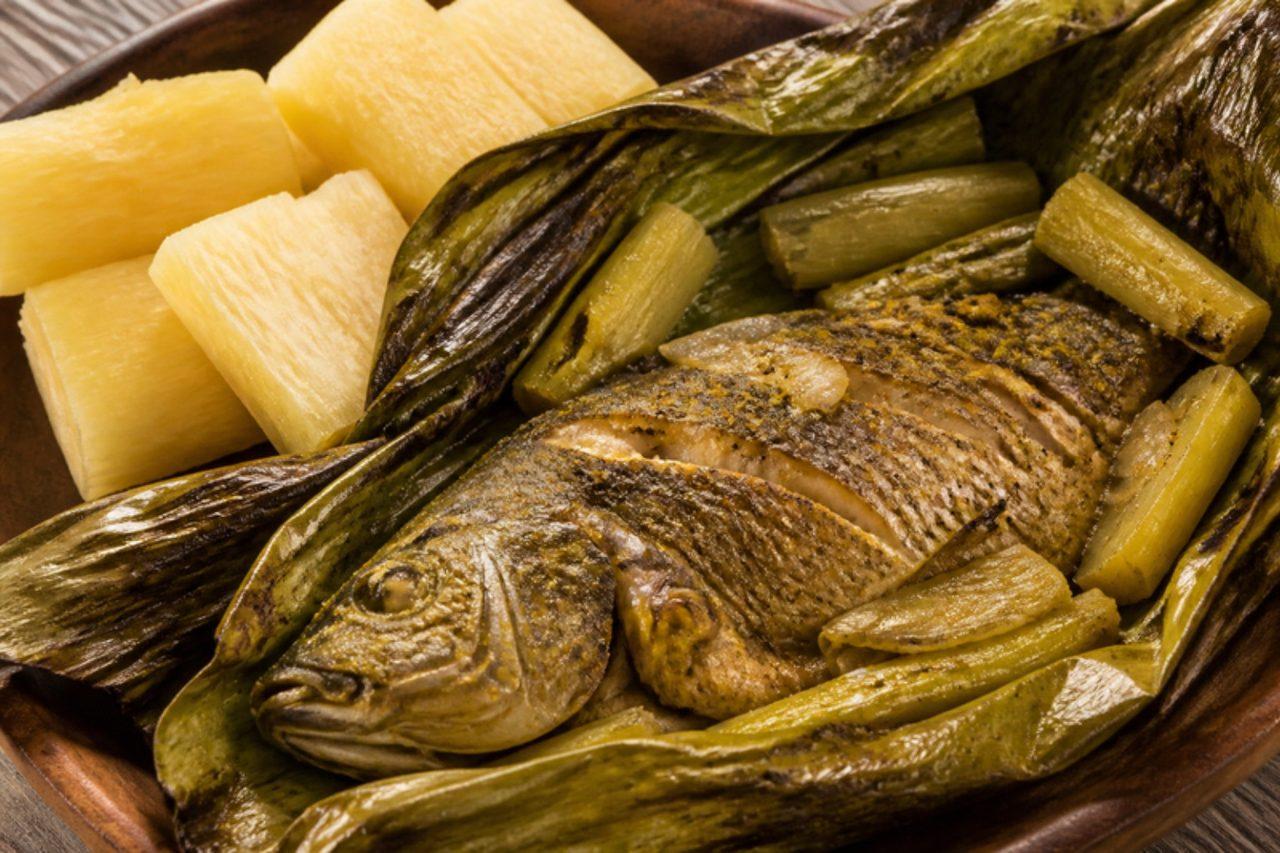
Maito de tilapia

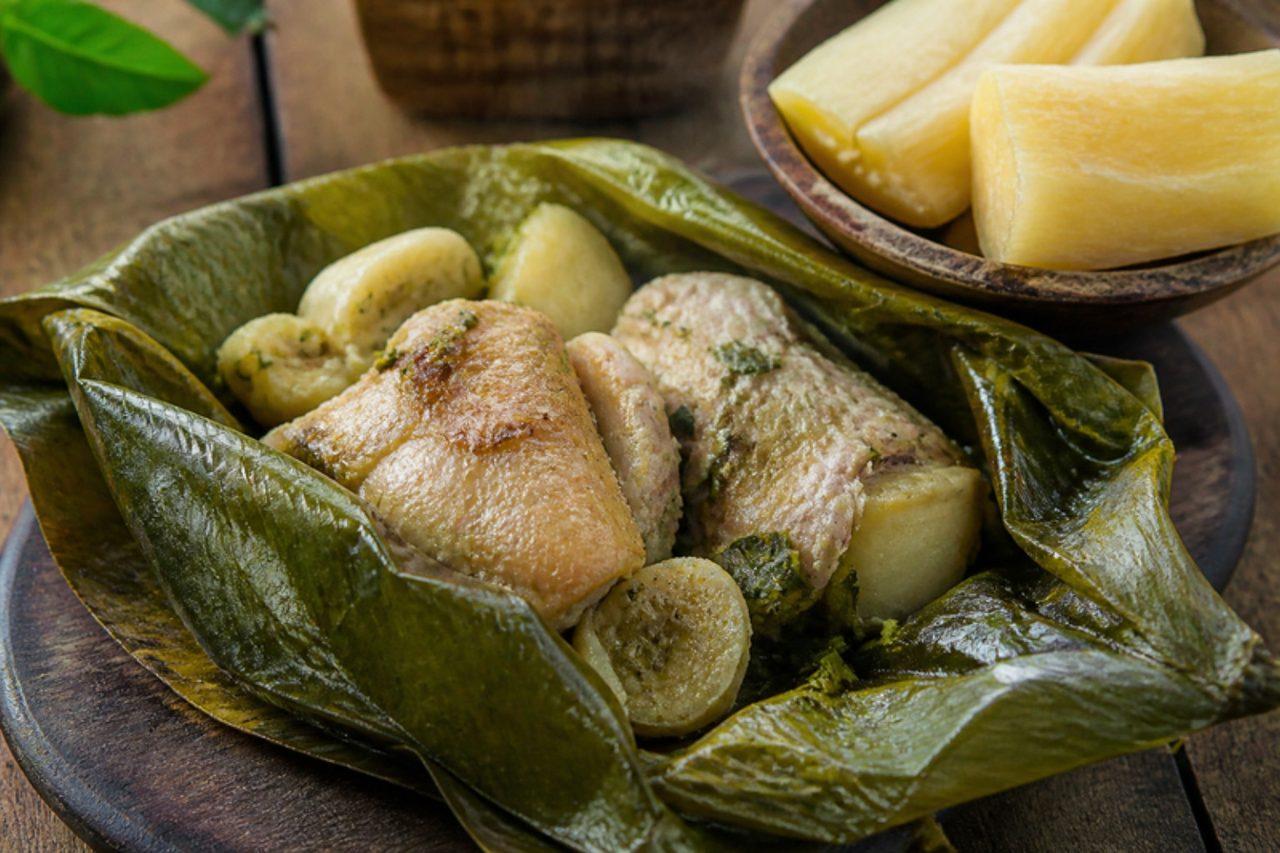
Maito is how Kichwa and Shuar cooks along the rivers around Puyo and Tena prepare fish: seasoned simply with salt, garlic and palm heart, wrapped in big bijao leaves and laid over glowing coals until the parcel blackens and the fish steams in its own juices. Banana leaves, sold frozen in Asian and Latin shops, work just as well at home. It comes to the table in its leaves with boiled sweet cassava, a fiery ají and a cup of guayusa. The common mistake is wrapping the fish in stiff leaves, which split and let the juices escape; soften them over a flame first. Chef's tip: open one parcel to check: the fish is ready when the flesh is opaque and lifts cleanly off the bone.

45 minAndeanFishGluten free
by KrazyBadal 0 views

Ayampaco

From Macas and the Shuar communities of Morona Santiago comes ayampaco: chicken with palm heart, garlic, culantro and spring onion wrapped in bijao leaves and cooked over the fire, so everything steams together into a fragrant, juicy bundle. It is a celebration dish at festivals and family gatherings, served with boiled cassava and a sharp chilli sauce. Banana leaves stand in for bijao at home. The usual mistake is packing the parcels too full, so the middle stays undercooked; keep them flat and check the chicken reaches 74 °C. Chef's tip: let the chicken marinate in the fridge for at least 30 minutes so the garlic and herbs flavour it right through.

by KrazyBadal 0 views

Sonso de yuca

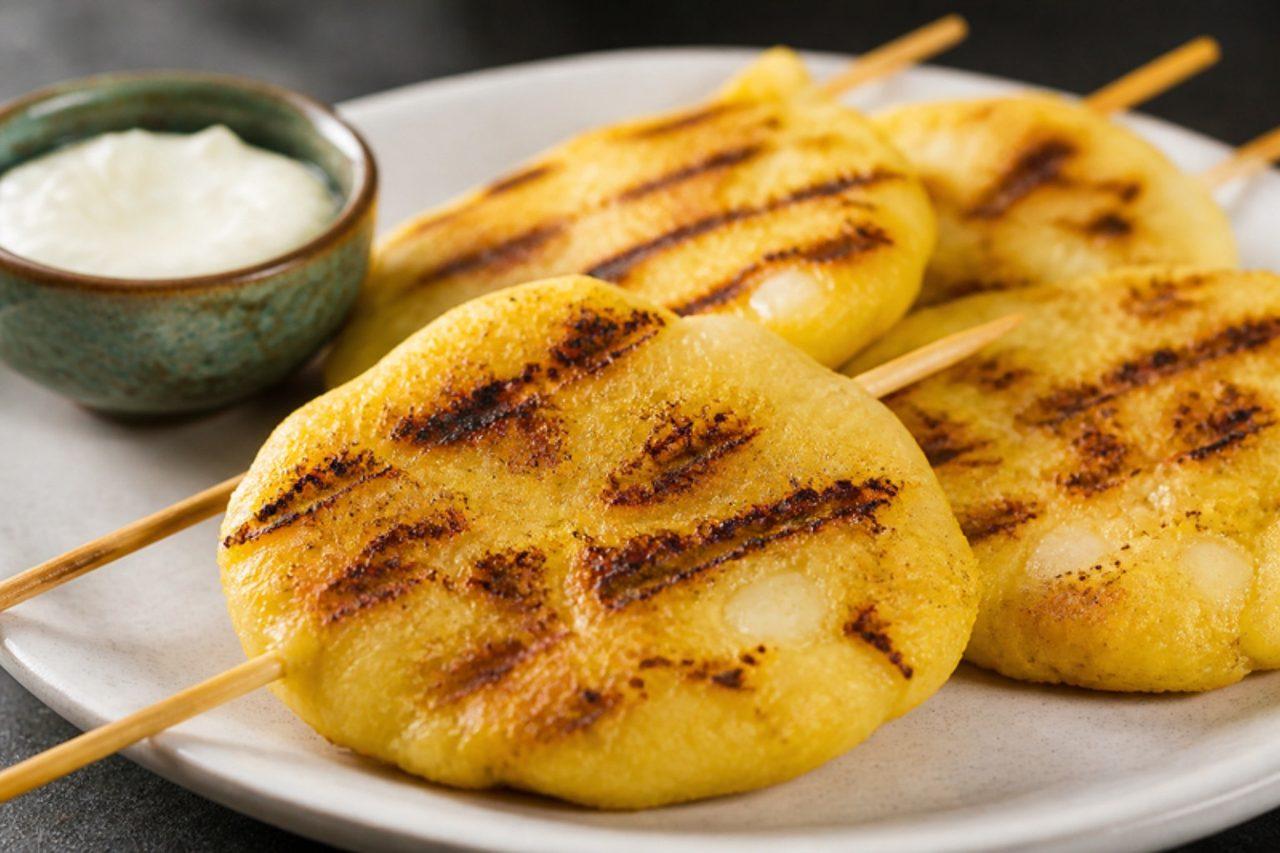
At Sunday churrascos and roadside grills around Santa Cruz de la Sierra, sonso is wrapped round thick wooden sticks and turned slowly over embers until blistered and smoky, then eaten hot with coffee or alongside grilled meat. The dough is simply mashed cassava worked with cheese, butter and a little milk, so it is chewy, stretchy and salty-sweet. Bolivian lowland cheese is usually set with animal rennet; a vegetarian mozzarella and Cheddar mix works well. Always use sweet cassava, the kind sold in supermarkets. The common mistake is mashing the cassava cold, which gives a crumbly dough that falls off the stick. Chef's tip: if you have no grill, press the dough into a buttered dish and bake it as sonso al horno.

by KrazyBadal 0 views

Mandi'o chyryry

Mandi'o chyryry means 'fried cassava' in Guaraní, and it is what rural Paraguayan families make from yesterday's boiled mandi'o: chunks crushed and fried in a big pan with onion until crisp in places, then scrambled with eggs. It comes out for breakfast with cocido or for a quick supper, and costs next to nothing. Use sweet cassava, the kind sold in supermarkets. The mistake is stirring constantly, which turns it to mush; let the cassava sit and brown. Chef's tip: the best chyryry starts with cold, day-old boiled cassava, which fries crisper than freshly boiled.

by KrazyBadal 0 views

Payaguá mascada

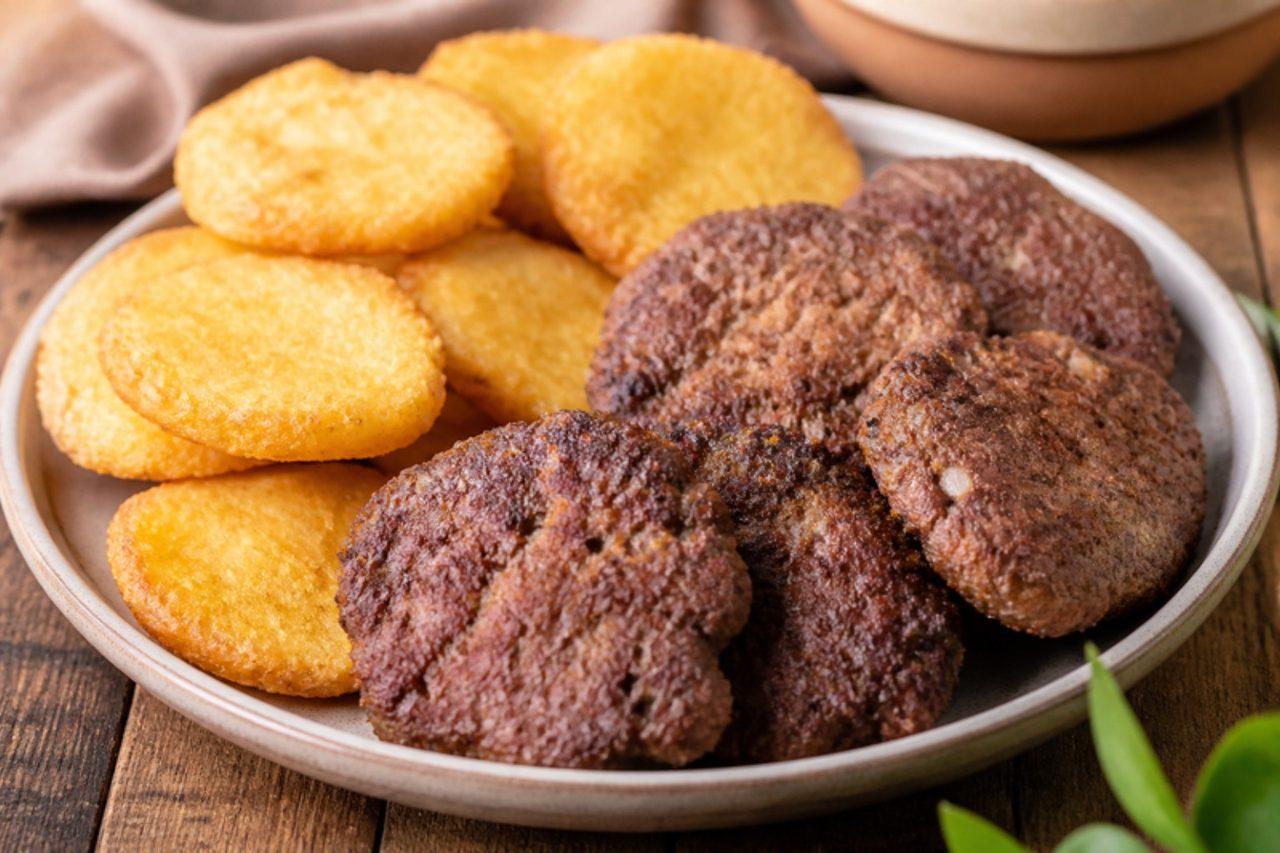
Payaguá mascada is an Asunción family supper and a favourite for using up boiled cassava: mashed mandioca kneaded with minced beef, onion and garlic, shaped into flat cakes and fried until crusty, then eaten with a tomato salad or with mandioca on the side. Use sweet cassava. A common mistake is using watery, freshly boiled cassava, which makes patties that fall apart in the pan. Chef's tip: let the boiled cassava steam dry in the colander for ten minutes before mashing.

by KrazyBadal 0 views

Cassareep

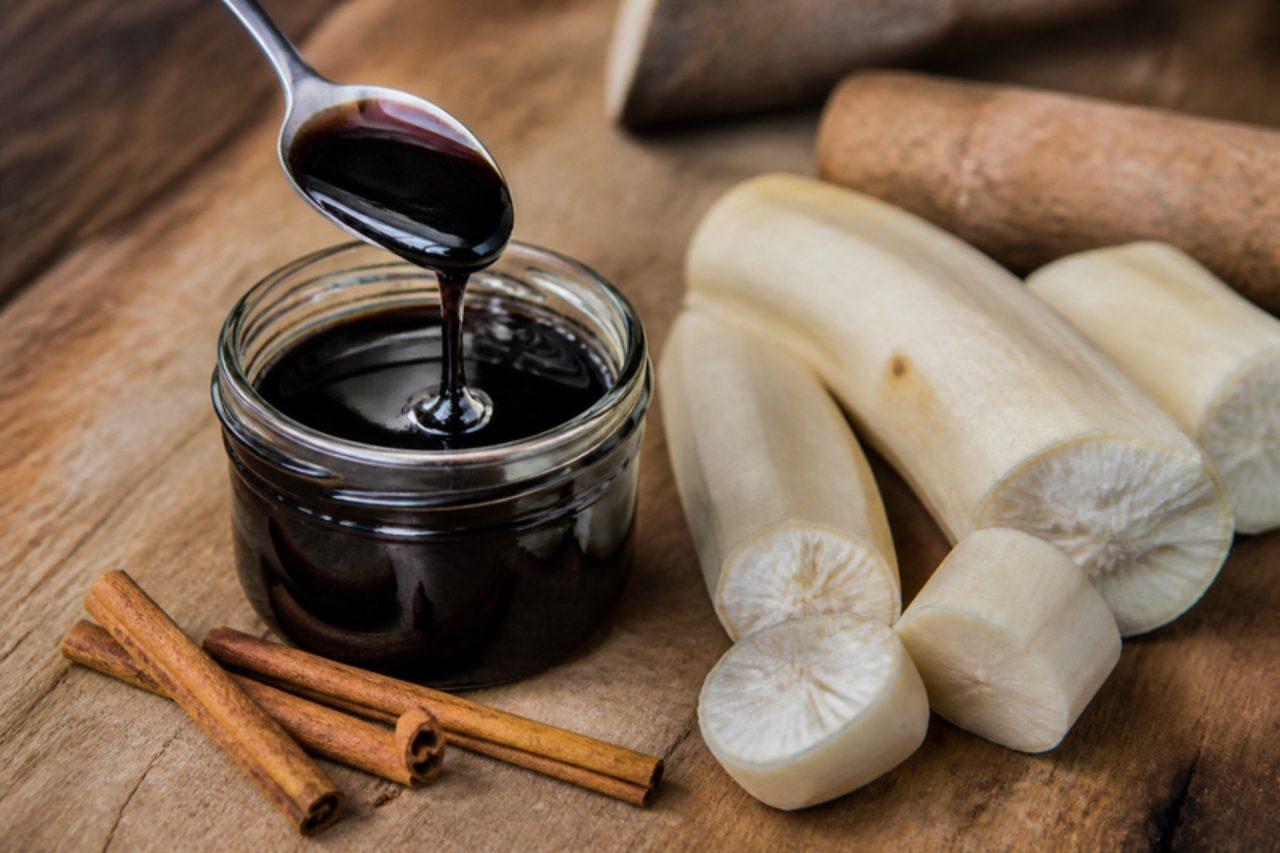
Cassareep is what makes Guyana's Christmas pepperpot dark, sweet-savoury and long-keeping, and in Amerindian villages of the Rupununi and along the rivers it is still boiled down from the juice of grated cassava. Traditional cassareep uses bitter cassava, whose raw juice is poisonous until it has been boiled for hours; this home version uses only sweet cassava (the kind sold in shops as yuca), and still boils the juice for a long time, because even sweet cassava must never be eaten raw. A little dark sugar helps it reach the deep colour that slow reduction gives in the villages. The usual mistake is stopping too soon, when it is brown and thin; it should be black and syrupy, like molasses. Chef's tip: take the pan off the heat when it coats a spoon thickly, as it thickens much more as it cools.

by KrazyBadal 0 views

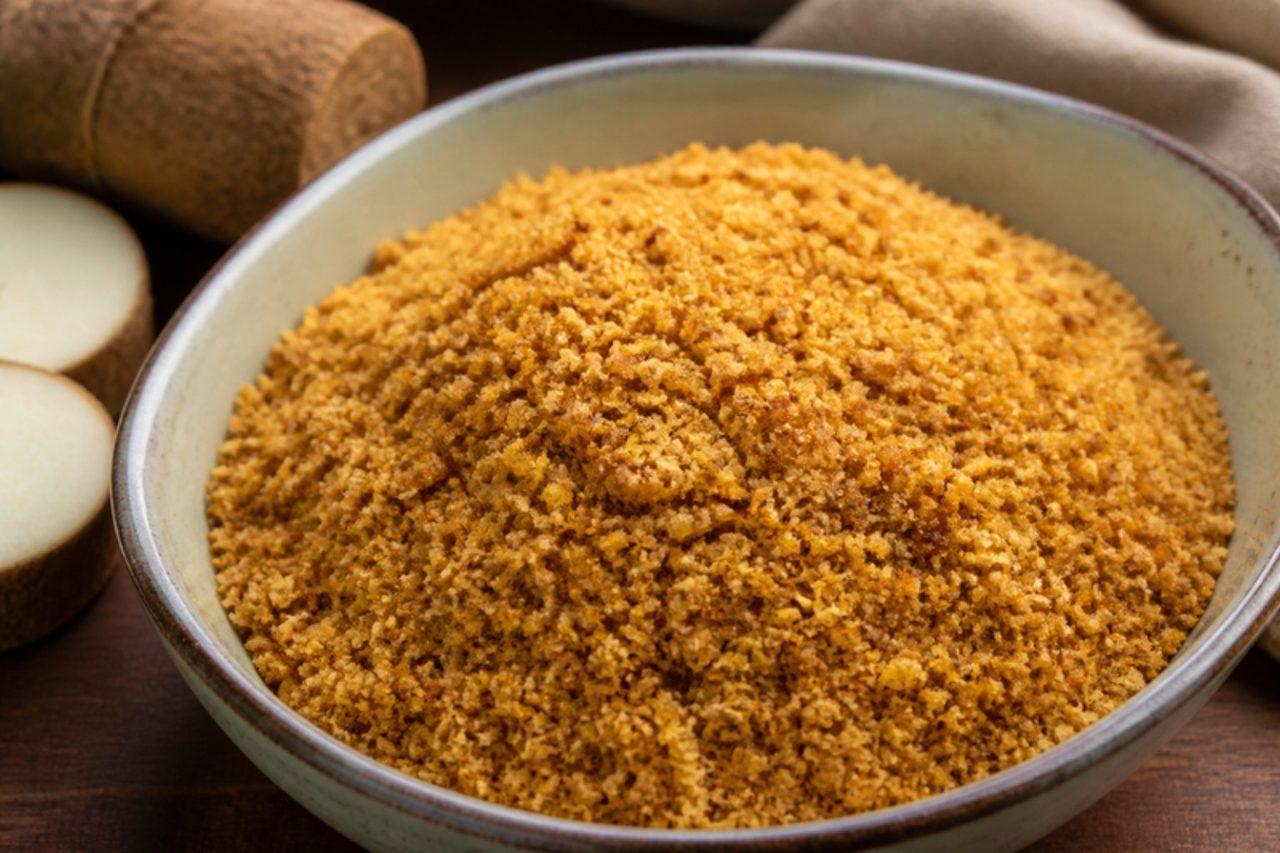
Couac

In French Guiana couac is on the table at almost every meal, sprinkled over fish in sauce, stirred into stews or soaked in water with sugar as a snack, and it is still made in the carbets (open-sided sheds) of Amerindian and Maroon villages along the Maroni river. Traditionally it is made from bitter cassava, which is poisonous until its juice has been pressed out and the meal roasted for hours. This home version uses only sweet cassava (yuca), and still presses out and discards all the juice and toasts the meal until fully dry, because cassava must never be eaten raw. The usual mistake is a heat that is too high: the outside scorches while the inside is still damp. Chef's tip: stir almost constantly over a medium-low heat; the couac is done when it rattles in the pan, smells nutty and a grain snaps cleanly between your teeth.

by KrazyBadal 0 views

Goes well with sweet cassava