Skip to content

Recipes with sweet soy sauce

11 recipes that use sweet soy sauce, with photos, step-by-step instructions and cook times. The quickest, Bakabana, takes 30 minutes. It is most often cooked with garlic, shallot and coriander.

Run out of sweet soy sauce? Tamari, same amount.

Got a few things in the fridge? Search by everything you have

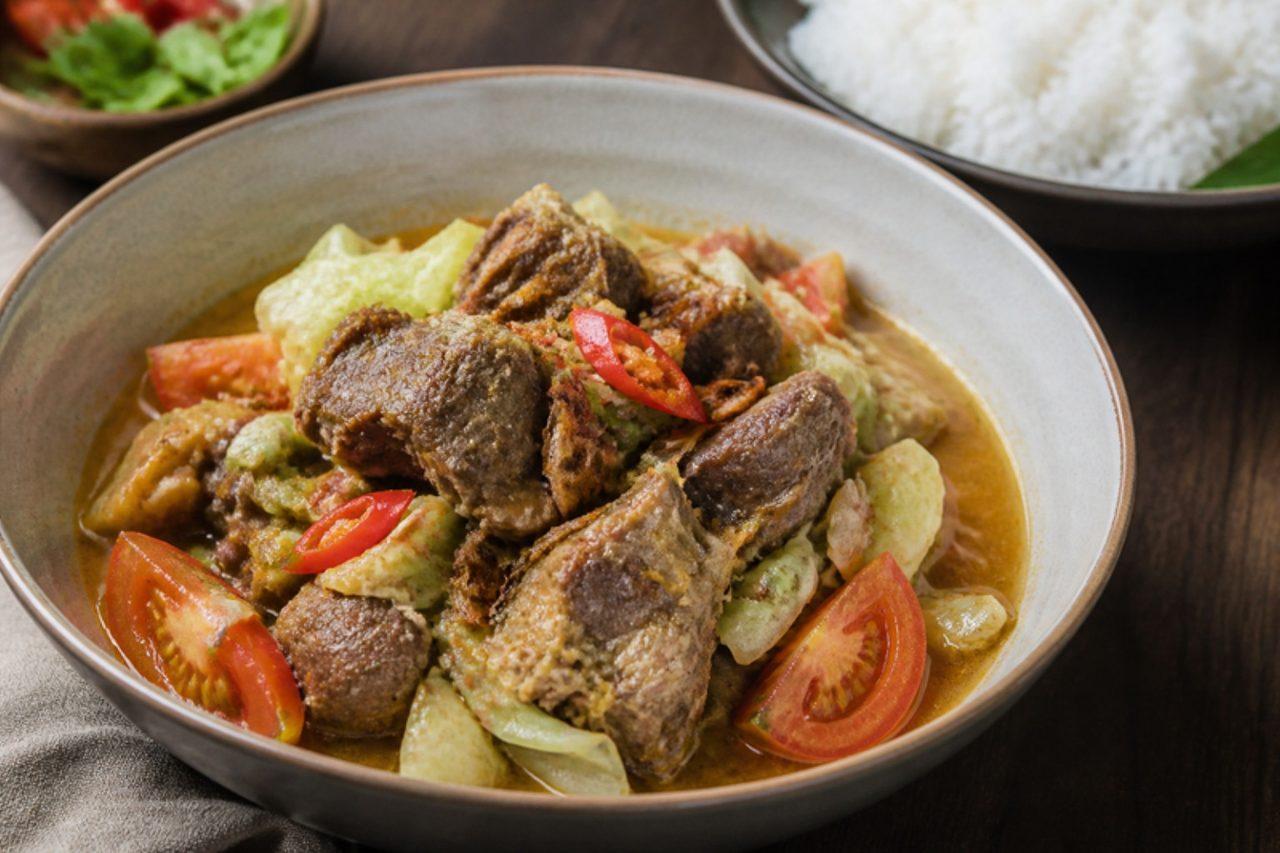
Tongseng kambingGoat in curry broth with cabbage

After the Idul Adha sacrifice in Solo, Central Java, the neighbourhood warung and home kitchens turn bite-sized goat into tongseng: meat quickly stir-cooked in a thin, spiced coconut curry with cabbage, tomato and a generous pour of sweet soy sauce. The result is sweet, peppery and a little hot, served with rice and eaten the same day the meat is shared out. Chef's tip: add the cabbage at the very end so it stays crisp-tender and bright.

by KrazyBadal 0 views

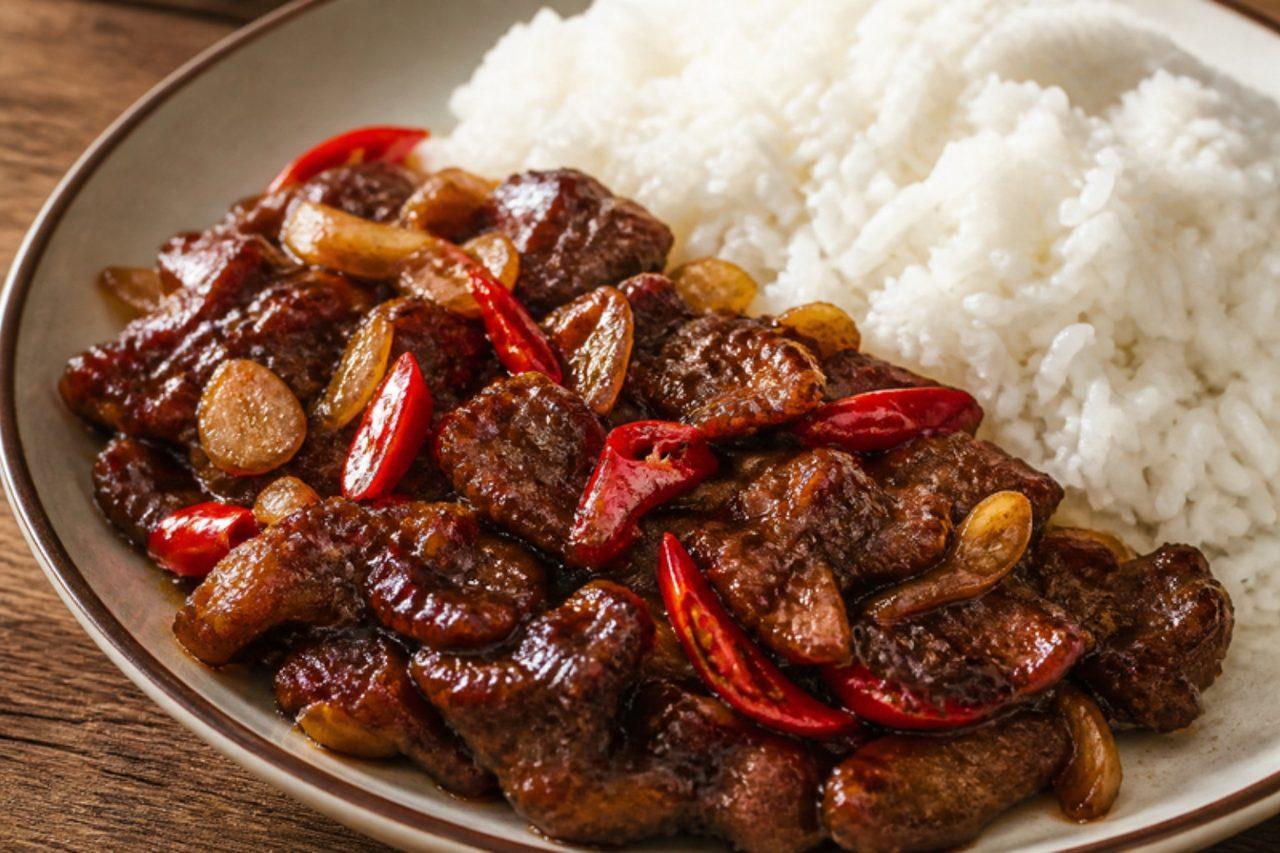
KrengsenganGoat stir-fried with sweet soy

Krengsengan is how many East Javanese households in Surabaya and Malang cook their share of Idul Adha goat or beef: thin slices stir-fried with shallots, garlic and chilli, then cooked down with sweet soy and a little petis (dark shrimp paste) until sticky and glossy. It is sweet, savoury and fiery, best with hot rice and cucumber. Petis is optional for anyone who prefers not to use shrimp. Chef's tip: slice the meat thinly across the grain, which keeps it tender in a quick cook.

by KrazyBadal 0 views

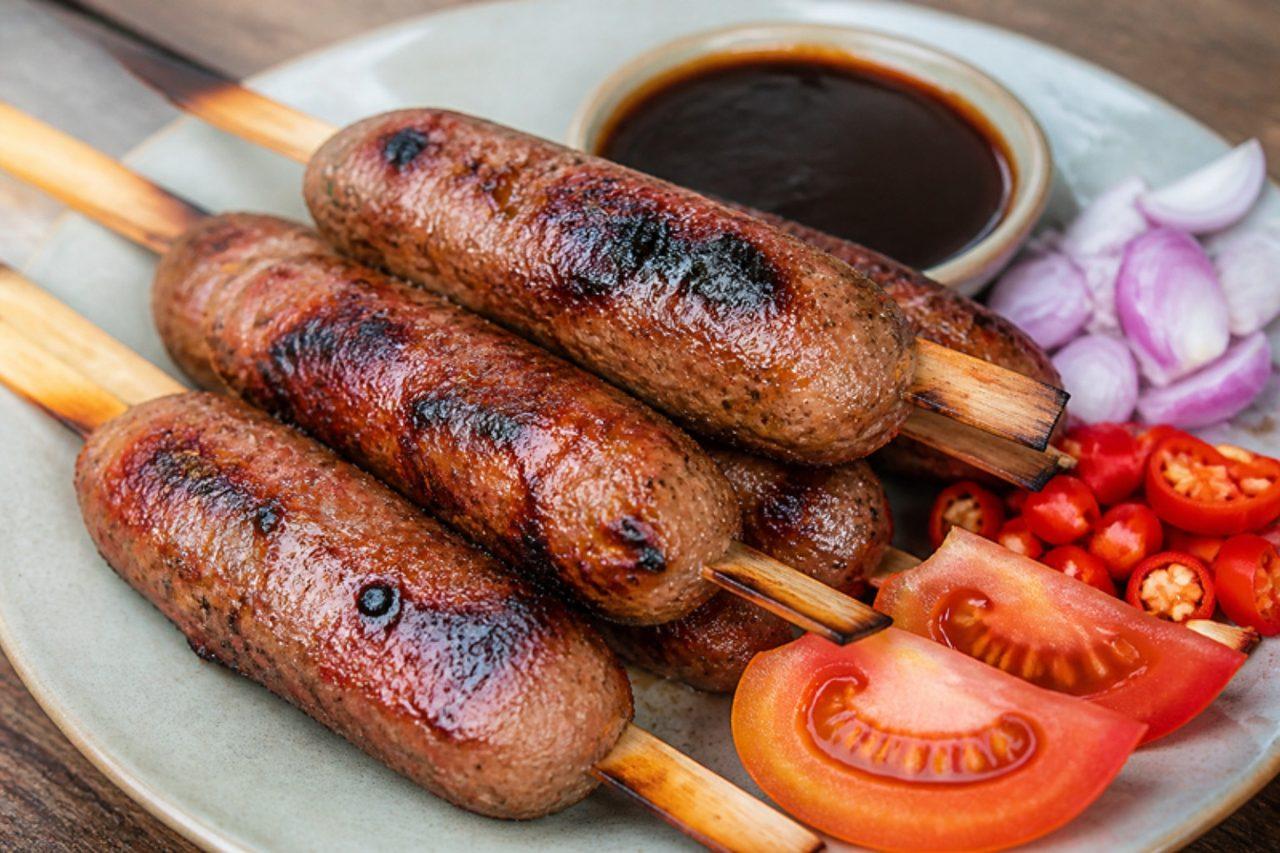
Sate buntelMinced goat skewers

Sate buntel is the grand satay of Solo, Central Java: minced goat seasoned with garlic, shallot and pepper, wrapped in a thin lace of caul fat around a flat skewer and grilled until crisp outside and juicy inside. At Idul Adha, when families have plenty of goat from the sacrifice, sate buntel is the special-occasion dish, served with sweet soy, raw shallots, chilli and cabbage. Chef's tip: chill the wrapped skewers for 30 minutes before grilling so the caul fat holds tight and doesn't slip off.

by KrazyBadal 0 views

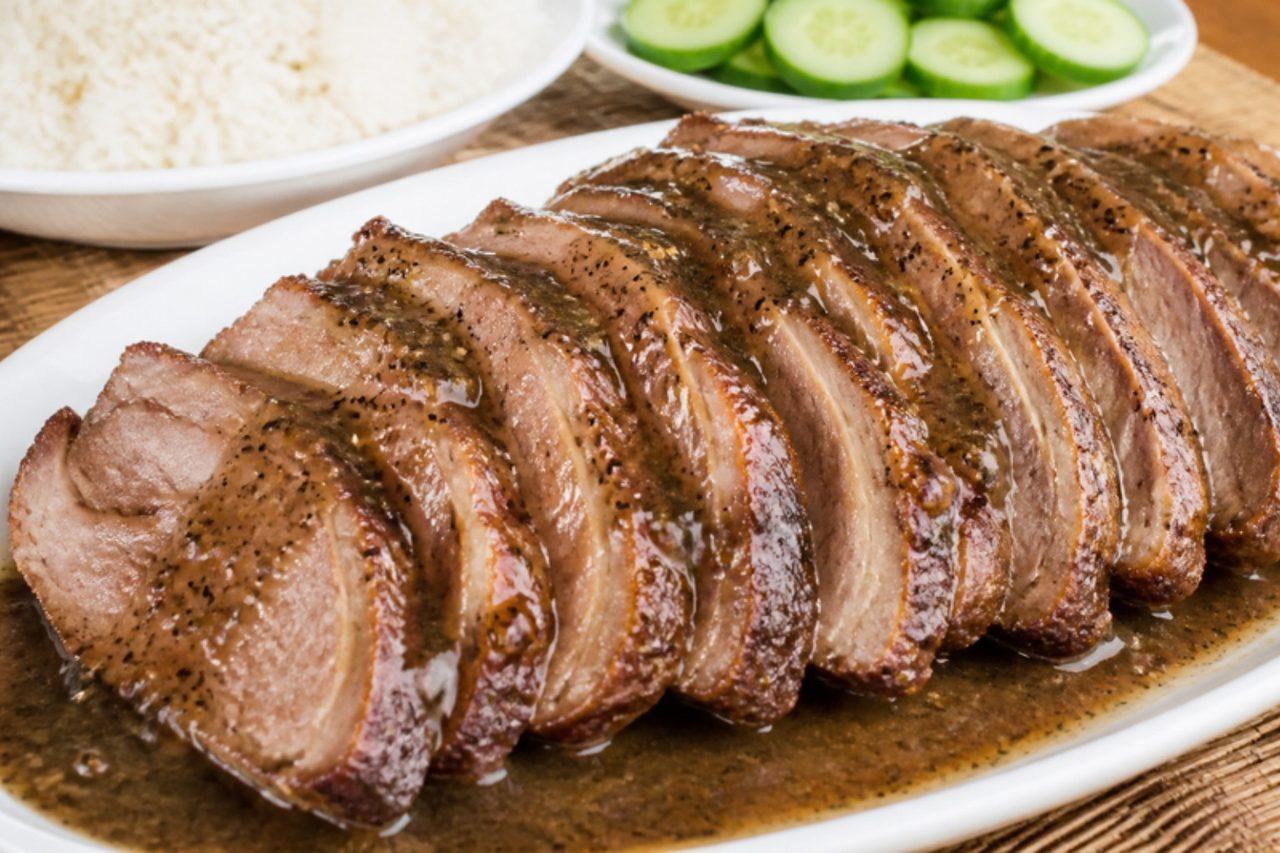
Kambing golekSpiced roast goat

At Aidiladha and big kenduri feasts in Johor and Selangor, kambing golek is the showpiece: a goat rubbed with spices and turned for hours on a spit until the meat falls from the bone, carved for the crowd and served with a peppery brown sauce. A whole spit-roast goat isn't practical at home, so this recipe is written as carved bone-in leg and shoulder portions, marinated overnight and slow-roasted in the oven, keeping the flavour of the original. Chef's tip: roast covered first and uncover only at the end, so the meat stays moist and then gets its golden crust.

by KrazyBadal 0 views

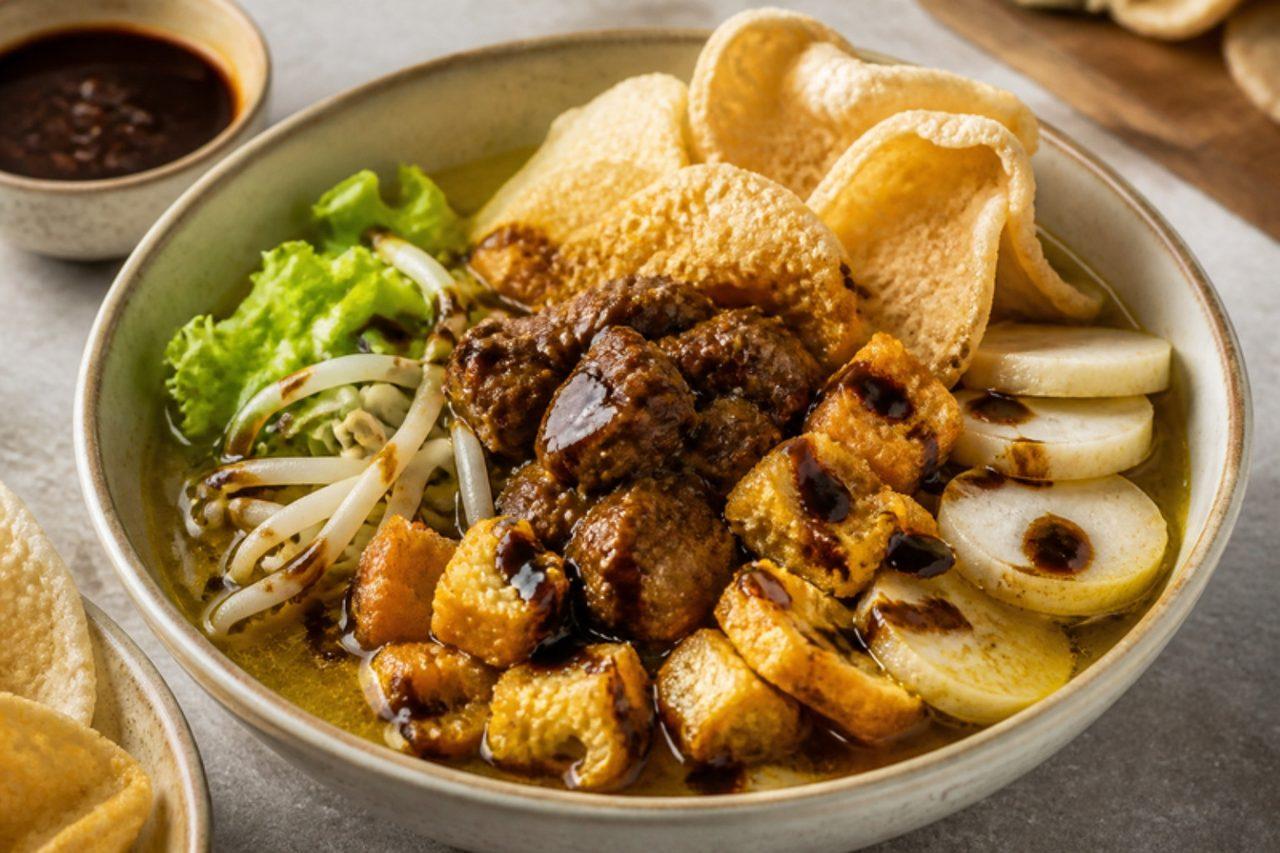
Tahu campurFried tofu and beef noodle soup

Tahu campur comes from Lamongan in East Java, and its vendors carry it all over Surabaya, where it is a filling lunch or early supper eaten from a deep plate. Golden fried tofu, slices of rice cake, beef, bean sprouts and lettuce sit in a light, spiced beef broth, and a spoon of black petis (fermented shrimp paste) mashed with chilli, garlic and sweet soy is stirred through at the table. This version uses beef shin, which gives a clear broth and tender meat. A portion has about 30 g of protein, from the beef and the tofu. The common mistake is boiling the broth hard: it turns cloudy and greasy, so keep it at a gentle simmer and skim it. Chef's tip: thin the petis with a little hot broth before you add the chilli and lime, or it stays in sticky lumps.

by KrazyBadal 0 views

Nasi tumpengTurmeric coconut rice cone

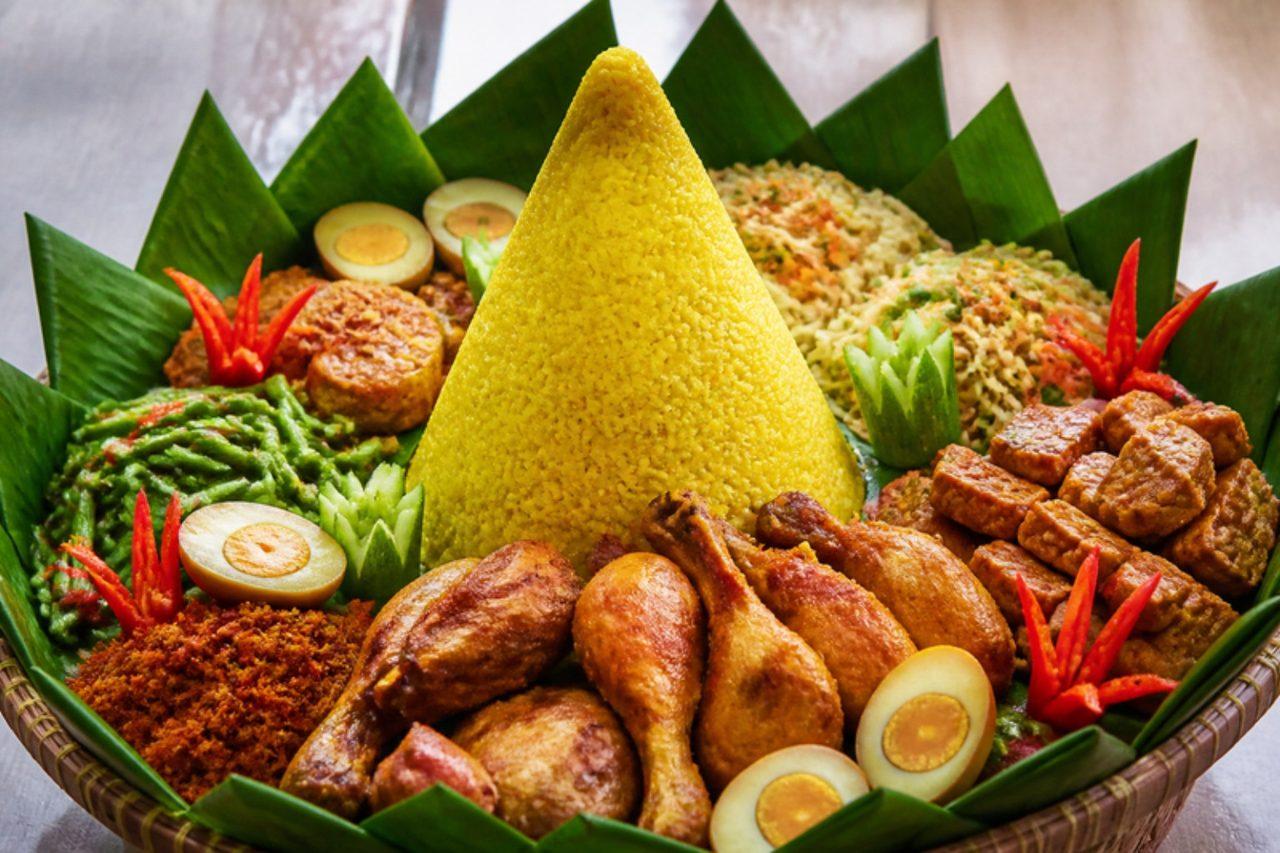
In Java, and now across Indonesia, a birthday, a new house or a child's first school day is marked with a tumpeng: a tall cone of golden turmeric rice cooked in coconut milk, set on a banana leaf and surrounded by side dishes. The top is cut off and handed to the guest of honour, often the birthday child, before everyone shares the rest. This home version keeps the sides mild for children: sweet soy chicken, boiled eggs, crisp tempeh and blanched vegetables. It contains soya and egg. For a vegetarian tumpeng, leave out the chicken and double the tempeh. Chef's tip: pack the rice into a cone made from a rolled sheet of baking paper or a large funnel lined with cling film, then turn it out in one go.

by KrazyBadal 0 views

Cilok (Sundanese tapioca balls with peanut sauce)

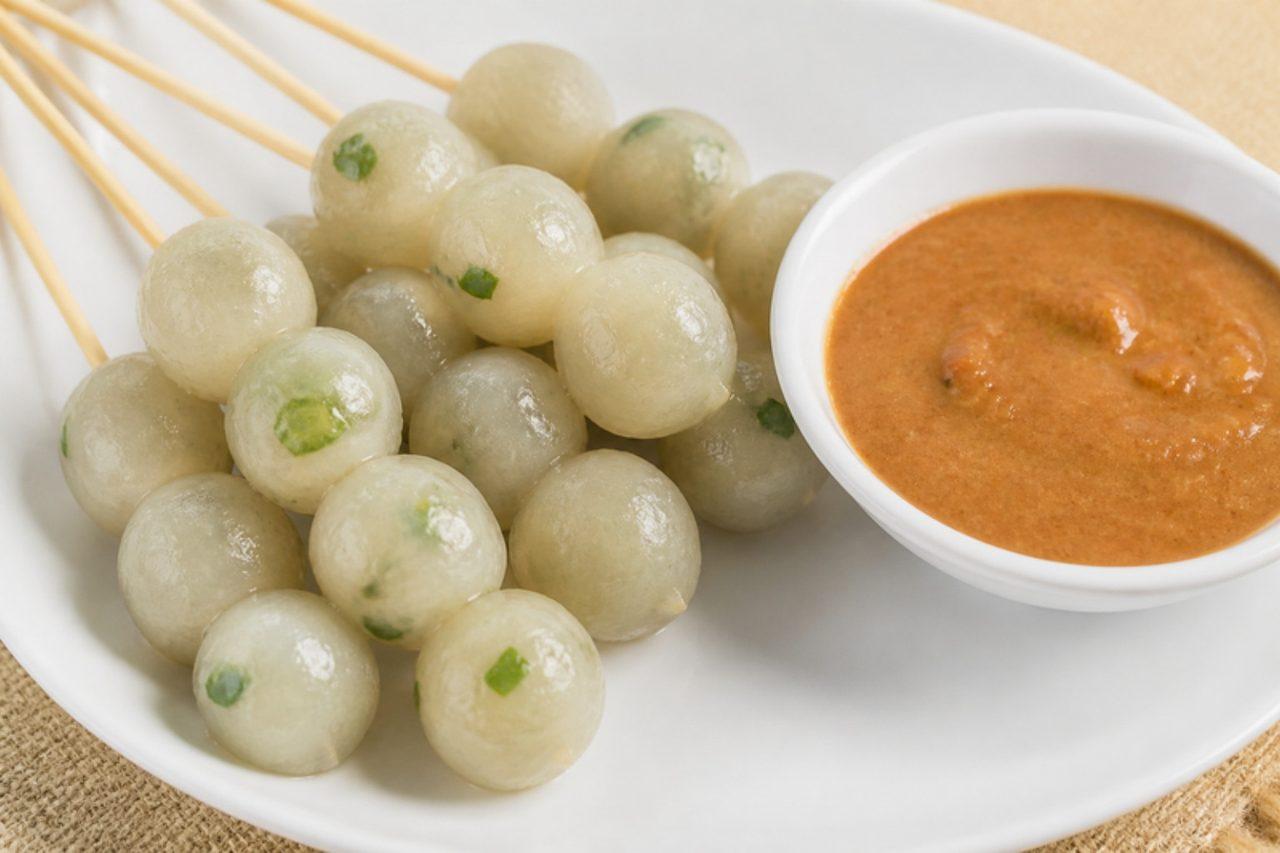
Cilok comes from Bandung in West Java, where its name is short for 'aci dicolok', tapioca you stab with a stick, and vendors sell it outside schools from steaming carts. The little balls are chewy and bouncy with garlic and spring onion through them, dunked in a thick peanut sauce that is sweet, savoury and only gently spicy for children. It contains peanuts, soya and gluten (sweet soy sauce). Chef's tip: pour boiling water onto part of the starch first; that scalded paste is what keeps cilok soft and stretchy instead of hard.

by KrazyBadal 0 views

VlammetjesSpicy mini spring rolls

Vlammetjes, little flames, are the fiery mini spring rolls of the Dutch borrel, served by the dozen in bars from Amsterdam to Groningen with a bowl of sweet chilli sauce. The filling is beef mince cooked with onion, garlic, sambal and sweet soy until dry and spicy, then rolled tightly in spring roll pastry and fried until blistered and crisp. Make the heat to your own taste. A common mistake is rolling a wet filling, which splits the wrappers and spits in the oil. Chef's tip: cook the mince until the pan is dry and it starts to crackle, then cool it completely before rolling.

by KrazyBadal 0 views

BamischijfFried noodle disc

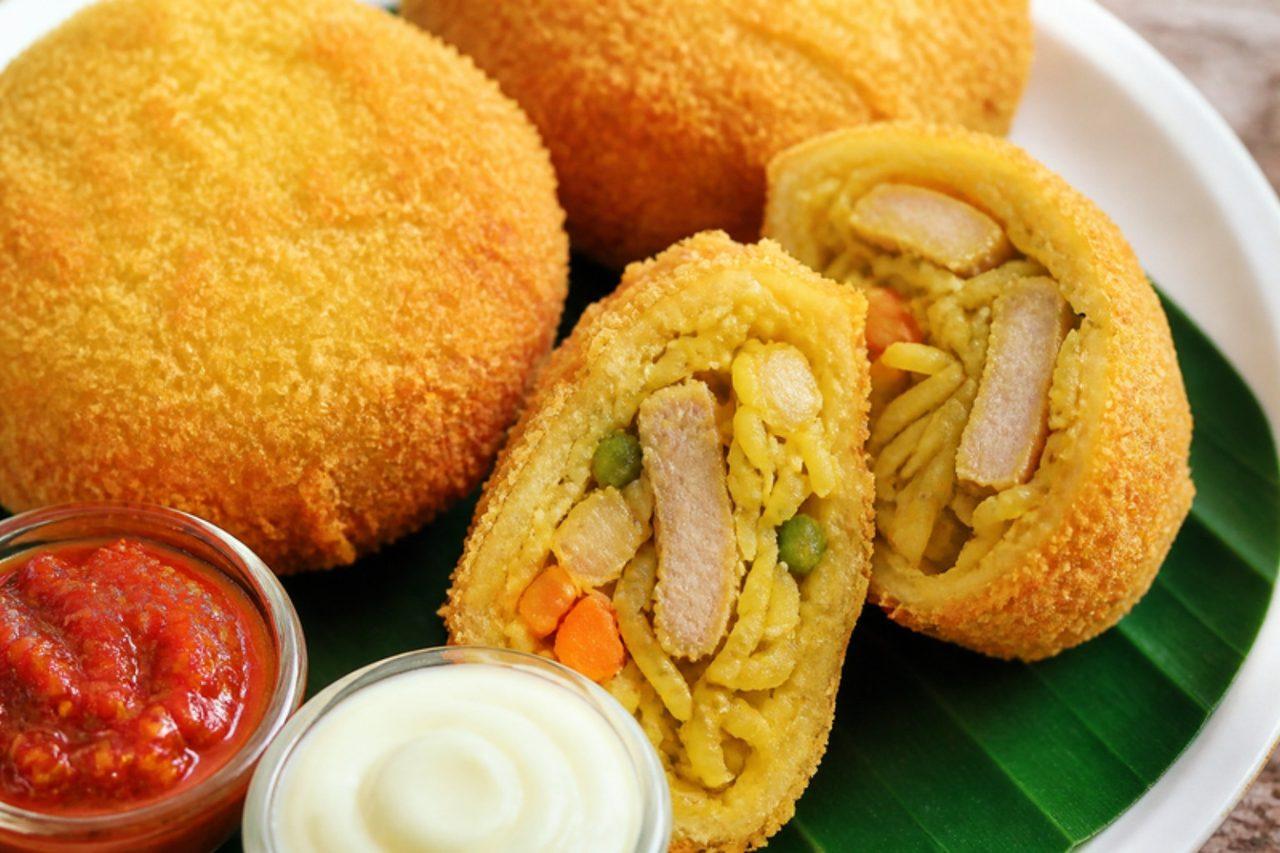
The bamischijf is pure Dutch snack-bar culture: Indonesian-style bami goreng, fried noodles with pork, leek and celery, set firm with a little ragout, cut into discs, breaded and deep-fried. It came out of the Indo-Dutch kitchen into the cafetarias of Rotterdam and The Hague, and it is eaten at borrels with sweet chilli or peanut sauce. Here the pork mince is cooked to 71 °C before it goes in. For a vegetarian version, leave out the pork and add more cabbage, carrot and mushrooms. A common mistake is skipping the chilling, which makes the discs fall apart in the oil. Chef's tip: press the noodle mix hard into the tin with a second tin on top before chilling.

by KrazyBadal 0 views

Daging masak hitamBlack braised beef

Daging masak hitam, 'black-cooked beef', is a centrepiece of Hari Raya open houses and kenduri feasts across Malaysia, and it is just as good on an ordinary weekday with rice and cucumber. Beef is braised slowly with blended shallots, garlic, ginger and dried chillies, whole spices, tamarind and both sweet and dark soy sauce until the gravy reduces to a sticky, almost black glaze. It tastes better the next day, which is why cooks make it ahead for festivals. The usual mistake is reducing too fast over a high heat: the sugar in the sweet soy scorches and turns bitter. Chef's tip: once the gravy starts to thicken, stir from the bottom every few minutes and lower the heat.

by KrazyBadal 0 views

BakabanaFried plantain fritters

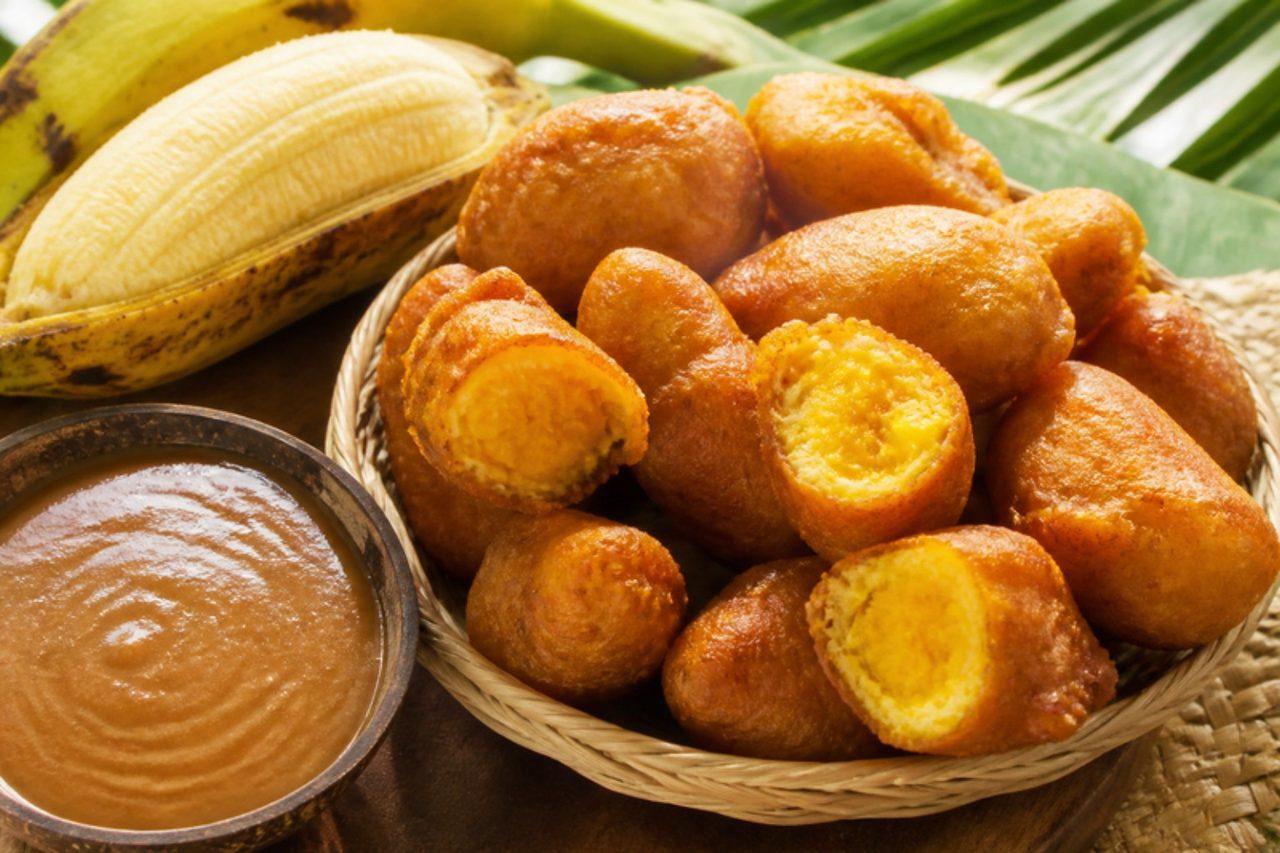
Bakabana are Suriname's favourite snack: long slices of ripe plantain dipped in a light batter and fried until crisp outside and custard-soft within. In Paramaribo they're sold from warung stalls (the Javanese-Surinamese snack bars), and in Dutch cities with Surinamese communities, always with a spicy peanut sauce on the side for dipping. The sweet fruit, crisp shell and salty-hot sauce make them hard to stop eating. Chef's tip: pick plantains that are yellow with lots of black spots but still firm; fully black and soft ones fall apart in the batter.

by KrazyBadal 0 views

Goes well with sweet soy sauce