Skip to content

Recipes with thick dulce de leche

5 recipes that use thick dulce de leche, with photos, step-by-step instructions and cook times. The quickest, Alfajores de maicena, takes 42 minutes. It is most often cooked with sugar, butter and egg yolk.

Got a few things in the fridge? Search by everything you have

Cañoncitos de dulce de leche

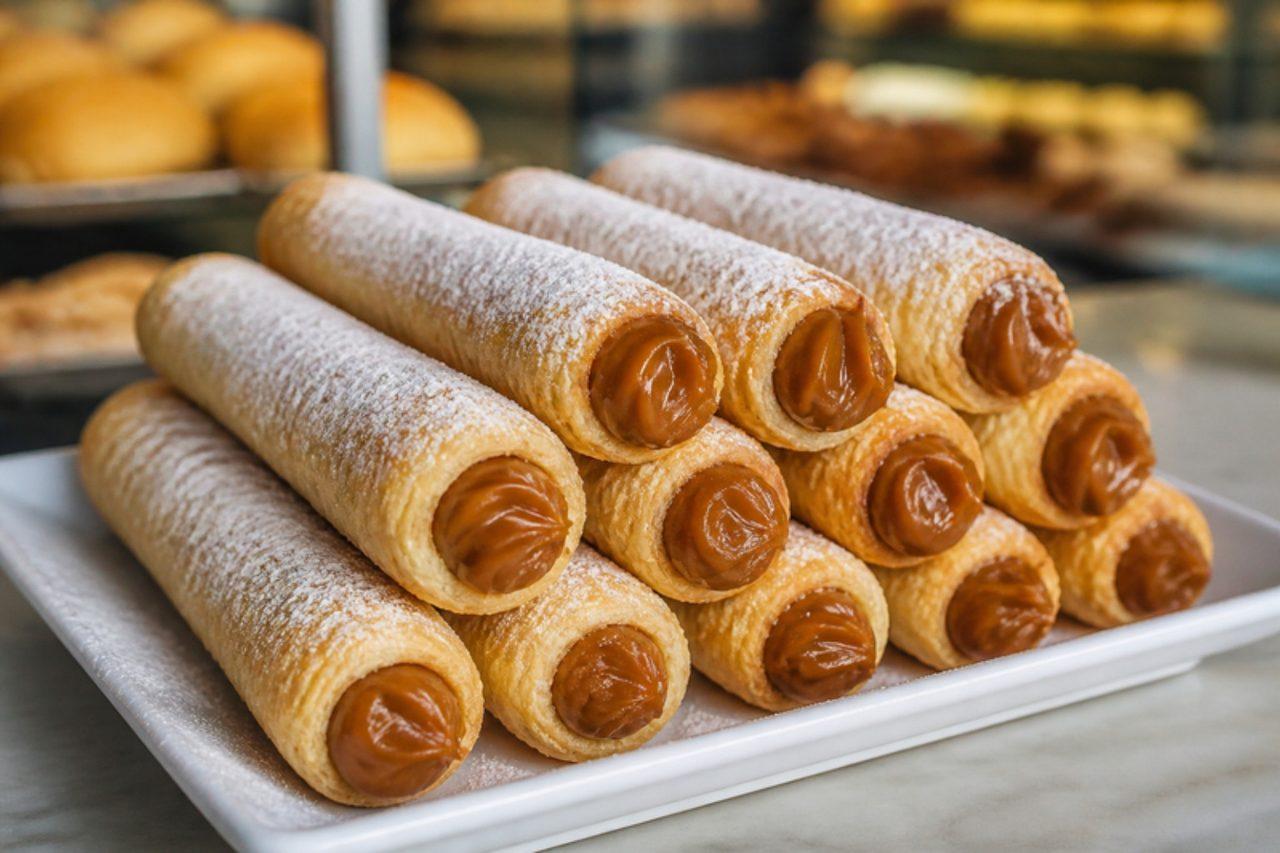
Look at the tray of facturas in any Argentine panadería and the little cannons are easy to spot: flaky tubes of puff pastry, baked around metal moulds and filled from both ends with dulce de leche, then finished with a snowfall of icing sugar. They come from the Italian cannoncini, but here the filling is almost always dulce de leche. Each bite is crisp, buttery and shattering on the outside with a dense, caramel middle, and they sit on the Sunday table next to medialunas and bolas de fraile. Undercooking is the problem to avoid: pale pastry goes soft as soon as the filling goes in, so bake until it is a deep gold all over. Use all-butter puff pastry, and metal cannoli or cream-horn tubes (or rolls of foil). Chef's tip: wrap the strips without stretching them, overlapping each turn by a third; stretched pastry shrinks in the oven and the tubes split.

by KrazyBadal 0 views

Bolas de fraile

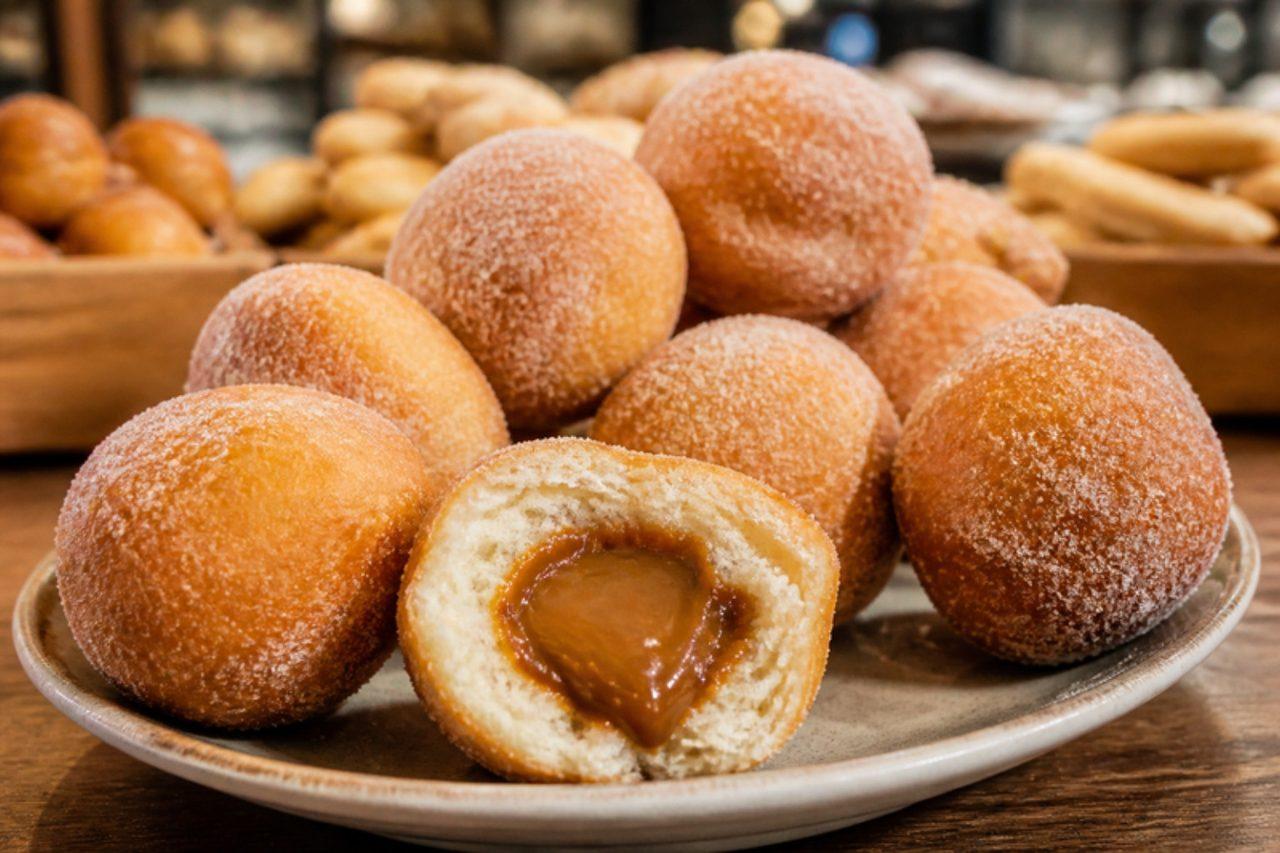
Friars' balls, to translate them literally, are a fixture of the Buenos Aires panadería counter among the facturas that porteños buy by the dozen on Sunday morning: soft, round yeast doughnuts, fried golden, rolled in sugar and split or piped with dulce de leche or crema pastelera. Children dive for them first. Inside they are light and fluffy, outside slightly crisp and sweet, and they are at their best within a few hours, with mate or coffee with milk. Oil that is too hot is the mistake: the outsides brown in seconds and the centres stay raw and doughy, so keep it at 170 °C and fry slowly. A thermometer helps a lot. Pastry cream is the other classic filling if you prefer it. Chef's tip: let the shaped balls rise on individual squares of baking paper and slide them into the oil on the paper; they keep their round shape and the paper peels off after a few seconds.

by KrazyBadal 0 views

Colaciones

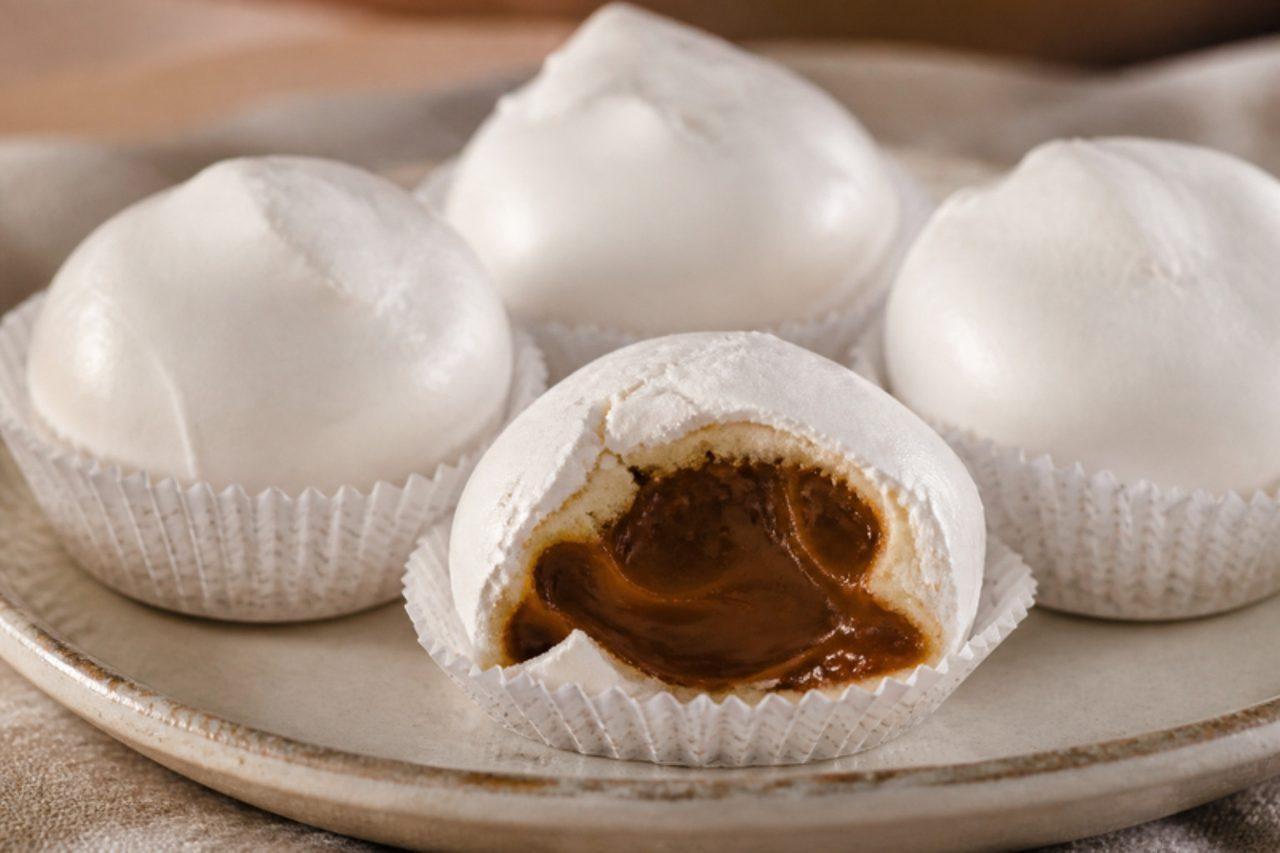
Small enough to eat in two bites, colaciones have been Córdoba's sweet gift since colonial times, when they were made in the city's convents; today confiterías in the old centre still sell them stacked in paper trays, and visitors carry them home with the alfajores. A crumbly short pastry encloses a spoon of dulce de leche, shaped into a little dome, baked pale and then dipped in a glossy white glaze that hardens into a crisp sugary shell. They are lovely with coffee or mate after lunch. The usual problem is leaking: too much filling, or edges that aren't sealed, and the dulce de leche boils out in the oven, so use a level teaspoon and press the rims firmly. The glaze is a light Italian meringue, where hot syrup cooks the egg white. Chef's tip: chill the filled colaciones for 15 minutes before baking; cold pastry keeps its shape and seals better.

by KrazyBadal 0 views

Alfajor santafesino

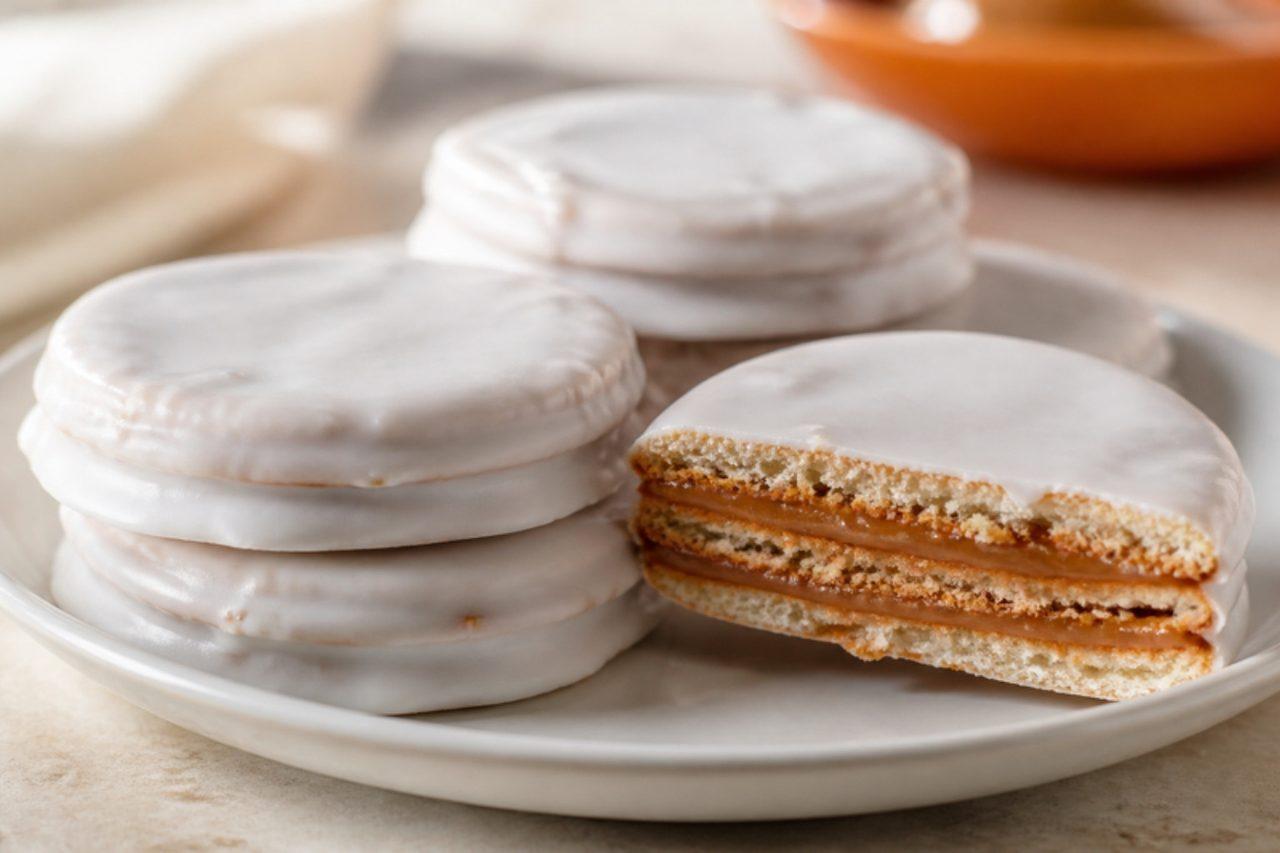
Santa Fe's alfajor is a different animal from the soft cornflour kind sold everywhere else: three wafer-thin, crackly discs of yolk-rich pastry, stacked with dulce de leche, then dipped in a cooked sugar glaze that sets hard, white and shiny. Bakeries in Santa Fe city and along the Paraná river ship them all over the country in boxes, and travellers bring them home as the regional present. Bite through and the glaze shatters, the pastry flakes and the dulce de leche holds it all together. Thick pastry is the mistake that ruins the texture; it has to be rolled until you can almost see the worktop through it, or the alfajor turns bready. Some old recipes add a splash of cane spirit to the dough; this version uses only water and is alcohol-free. Use a thick, pastry-chef's dulce de leche (repostero) so it doesn't ooze. Chef's tip: bake the discs in batches and keep the rest of the dough covered; it dries out fast and then cracks when rolled.

by KrazyBadal 0 views

Alfajores de maicena

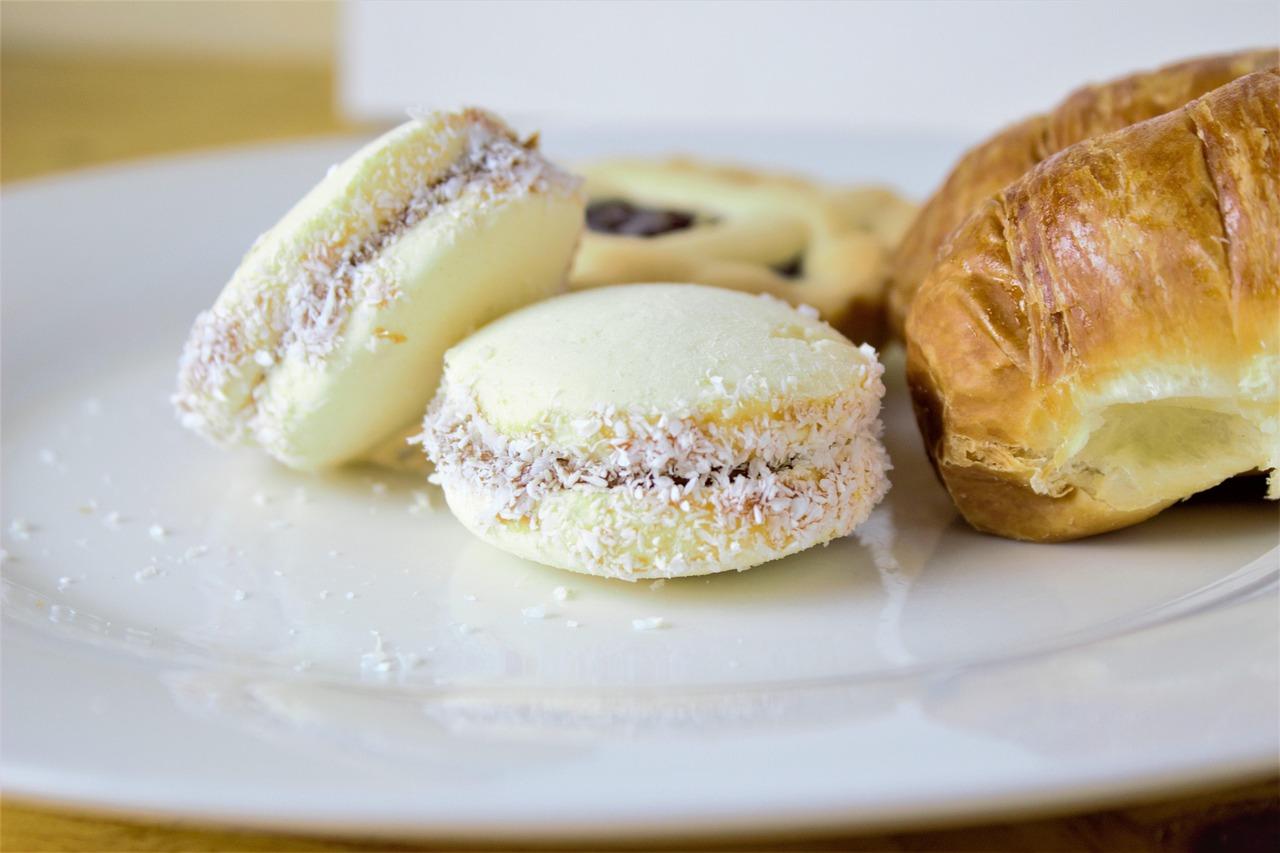
Alfajores de maicena are the homemade alfajor of Argentina and Uruguay, baked for birthdays, school fairs and merienda (afternoon tea) with mate. Two pale, melt-in-the-mouth biscuits made mostly with cornflour are sandwiched with a thick layer of dulce de leche and rolled in desiccated coconut around the edge. They should crumble at the first bite. Chef's tip: take them out of the oven while still pale; if they colour they lose their tender, sandy texture.

by KrazyBadal 0 views

Goes well with thick dulce de leche