Skip to content

Recipes with thinly sliced beef

3 recipes that use thinly sliced beef, with photos, step-by-step instructions and cook times. The quickest, Gyudon (beef and onion rice bowl), takes 20 minutes. It is most often cooked with sake, soy sauce and sugar.

Got a few things in the fridge? Search by everything you have

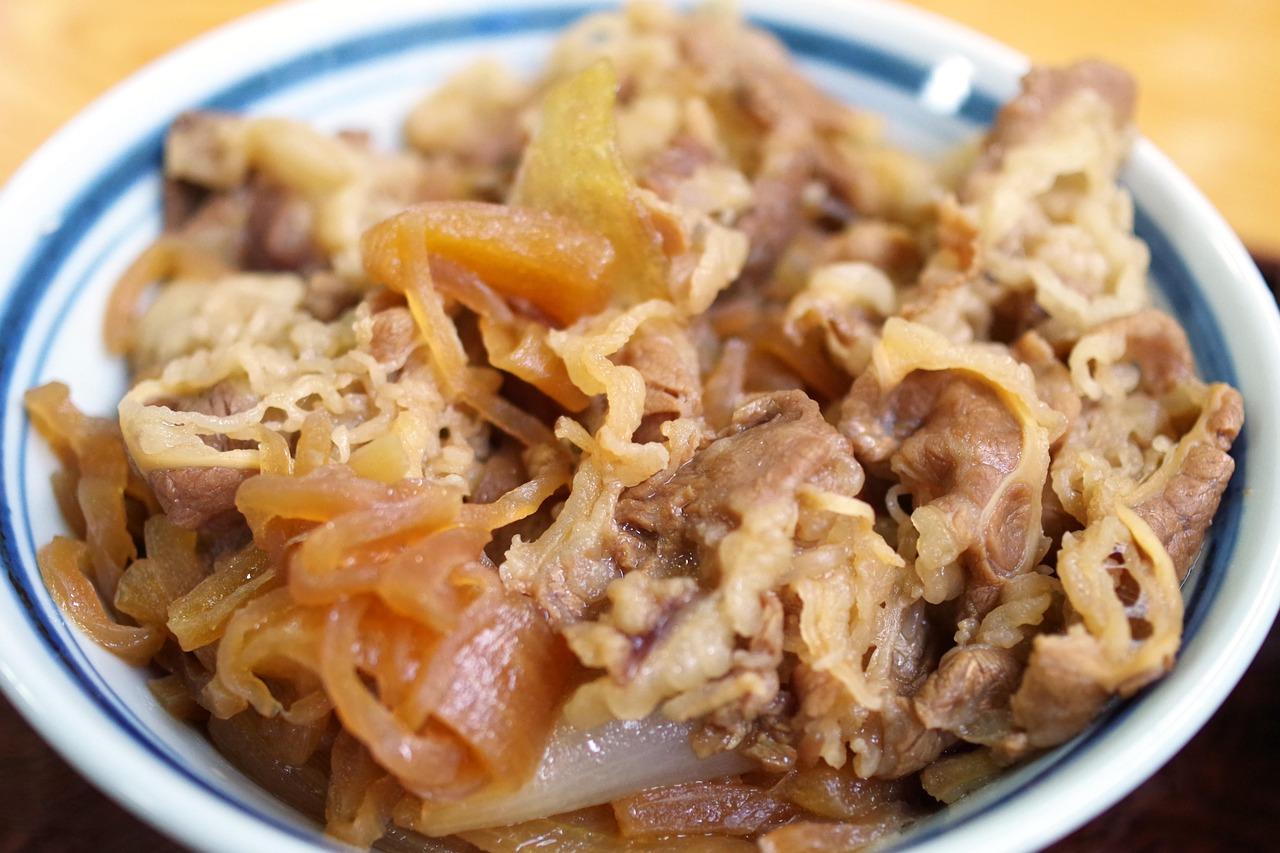
Gyudon (beef and onion rice bowl)

Gyudon fuels Japan's commuters: at 24-hour counters near every big station from Tokyo to Osaka, a bowl of rice topped with soft onions and wafer-thin beef in sweet soy broth arrives in under a minute. At home it takes about 20. Sake and mirin go into the broth and simmer away, so very little alcohol is left; swap them for water and a little sugar if you prefer. The usual mistake is boiling the beef hard and long, which makes thin slices tough and grey; simmer the onion first, then add the beef only until it changes colour. Chef's tip: pile on pink pickled ginger (beni shoga) and a raw or soft-poached egg yolk for the full counter experience; use a soft-poached egg for pregnant women, young children or anyone with a weakened immune system.

by KrazyBadal 0 views

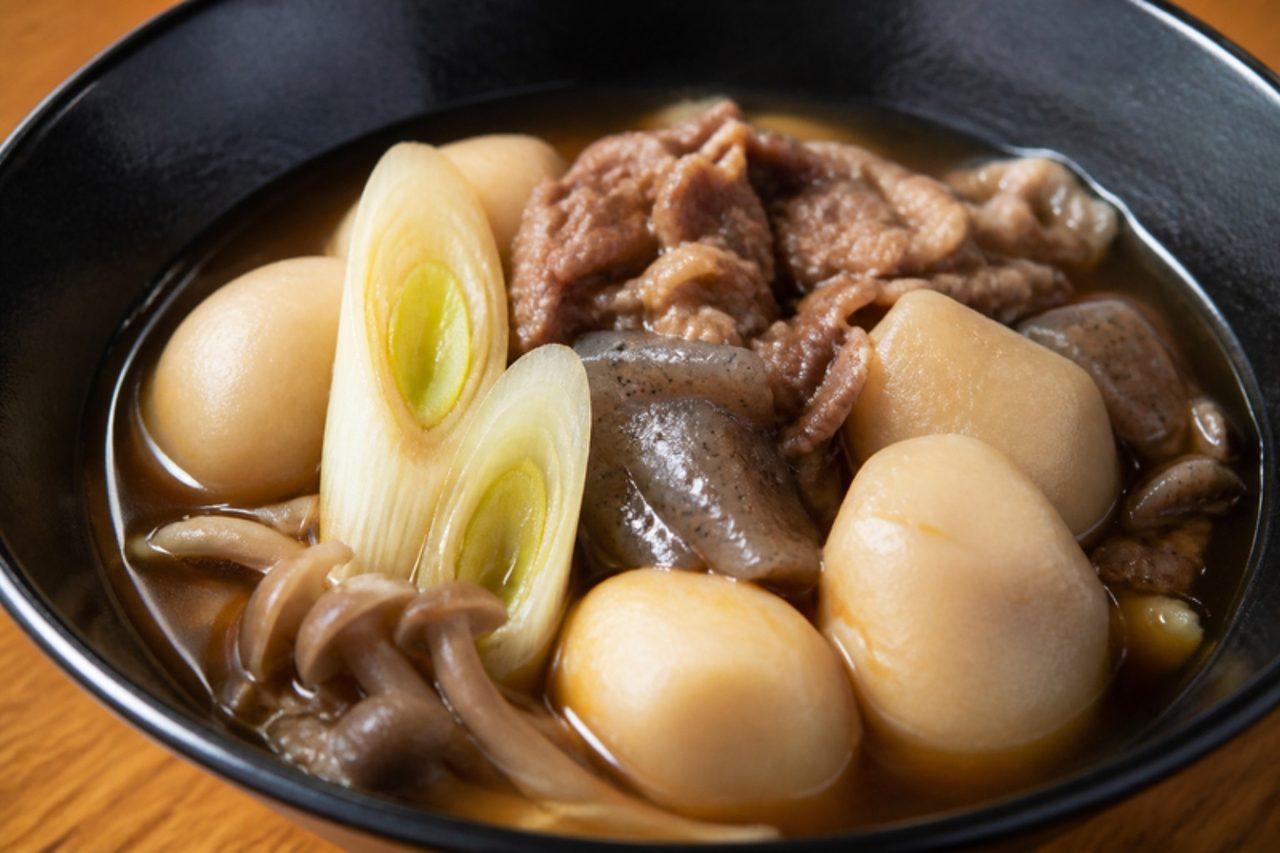
Imoni (Yamagata taro and beef stew)

On autumn weekends in Yamagata, friends, families and workmates carry big pots, firewood and bags of taro down to the riverbanks and cook imoni outdoors; the gathering is called an imoni-kai. Yamagata city even holds a festival on the Mamigasaki River where the stew is made in a giant pot and ladled out with a mechanical digger. The Yamagata version uses beef and a soy broth, while neighbouring Miyagi makes it with pork and miso. Taro gives the soup a soft, slightly thick body, konjac adds bite and the leeks go in last so they stay sweet. Chef's tip: rub the peeled taro with salt and rinse it before cooking; this removes most of the slippery coating, so the broth stays clean rather than gluey.

by KrazyBadal 0 views

NikujagaBeef and potato stew

Two naval port towns, Maizuru near Kyoto and Kure near Hiroshima, both claim nikujaga was first cooked in their navy galleys. Whatever its start, it became the dish many Japanese people think of as mum's cooking, simmered on autumn and winter evenings and served with rice and miso soup. Thin slices of beef, chunks of potato, onion and carrot cook gently in dashi seasoned with soy and sugar until the potatoes are tender and soaked with flavour. Families in eastern Japan often use pork; in the west, beef is usual. Chef's tip: cover the stew with a circle of baking paper with a small hole in the middle (an otoshibuta, or drop lid), so the small amount of liquid bastes everything evenly.

by KrazyBadal 0 views

Goes well with thinly sliced beef