Classic vegetable pasta soup
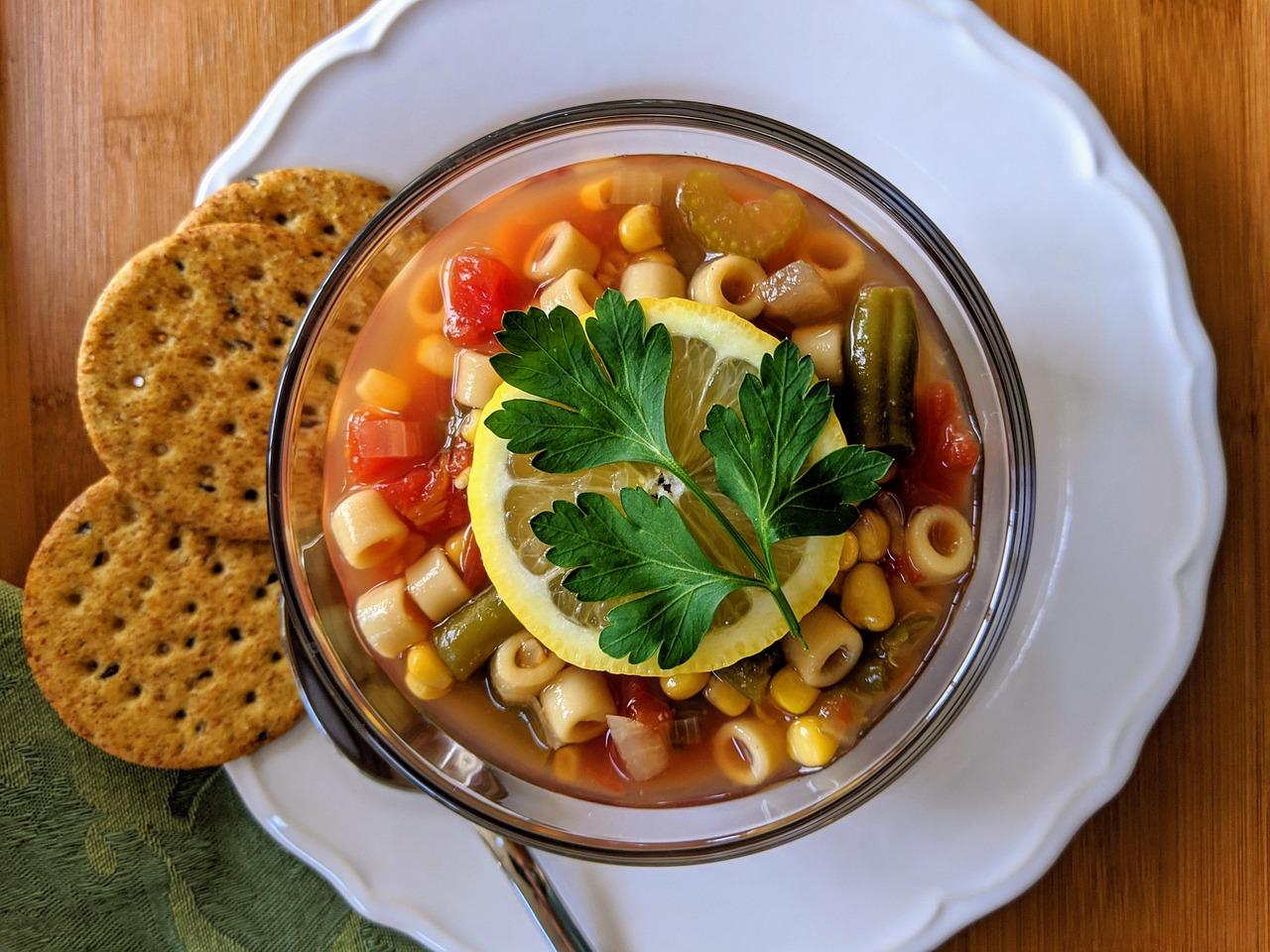
A thick, chunky vegetable soup with beans, herbs and small pasta, simmered slowly so the flavours come together. It's a meal in a bowl: serve it in warmed bowls with grated Parmesan, parsley and some crusty bread.
10 recipes that use thyme leaves, with photos, step-by-step instructions and cook times. The quickest, Epis, takes 15 minutes. It is most often cooked with garlic, spring onion and lime juice.
Got a few things in the fridge? Search by everything you have
A thick, chunky vegetable soup with beans, herbs and small pasta, simmered slowly so the flavours come together. It's a meal in a bowl: serve it in warmed bowls with grated Parmesan, parsley and some crusty bread.
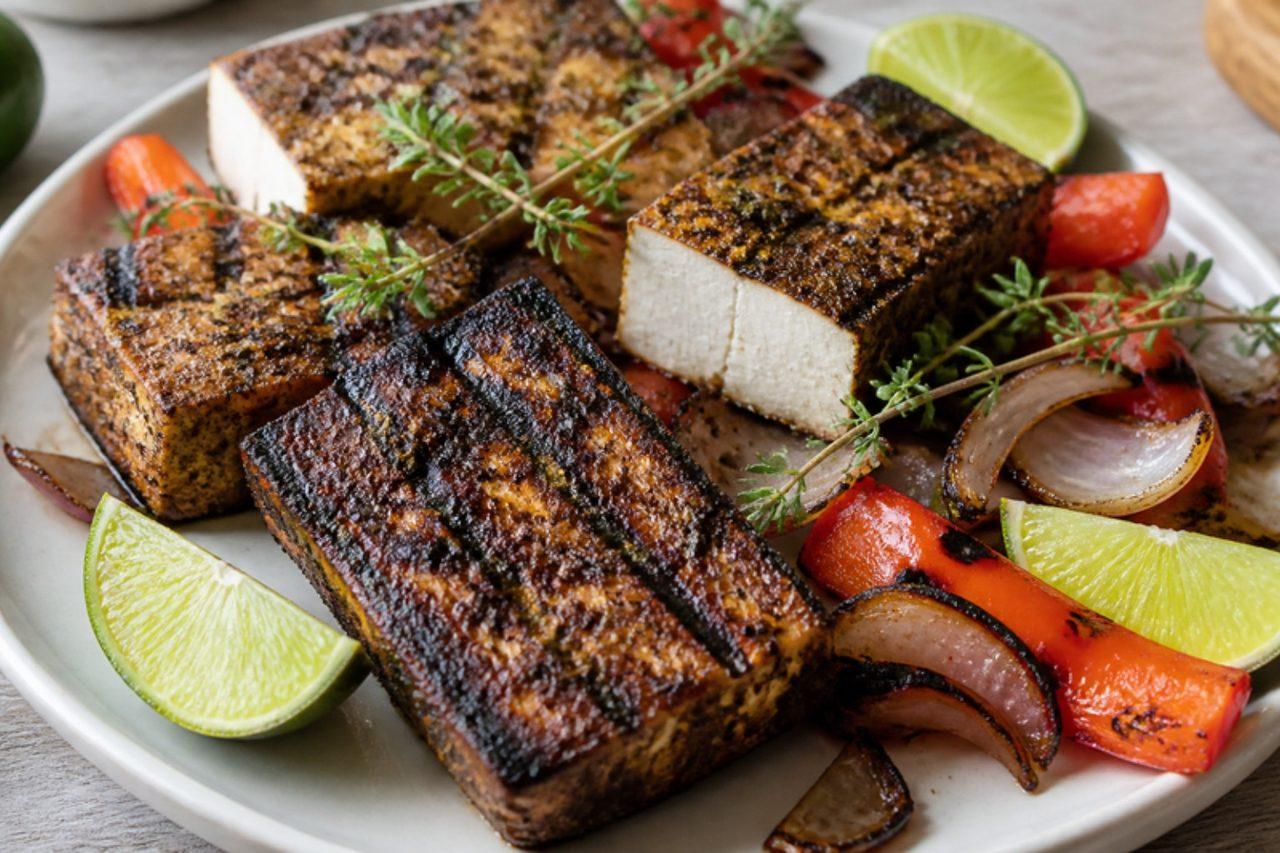
Jerk was born in the hills of Portland parish, where Maroon communities slow-cooked spiced meat over pimento wood, and Boston Bay is still its home today. The heart of it is the wet marinade: spring onion, thyme, scotch bonnet and plenty of pimento (allspice), blitzed into a coarse green-brown paste. Here it clings to slabs of pressed tofu and chunky vegetables that are charred until sticky at the edges, smoky, hot and fragrant. Serve with rice and peas, fried ripe plantain or festival and a squeeze of lime. Chef's tip: toast whole pimento berries in a dry pan and grind them yourself; ready-ground allspice tastes flat, and the warm clove-pepper perfume of fresh pimento is what makes jerk taste like jerk.
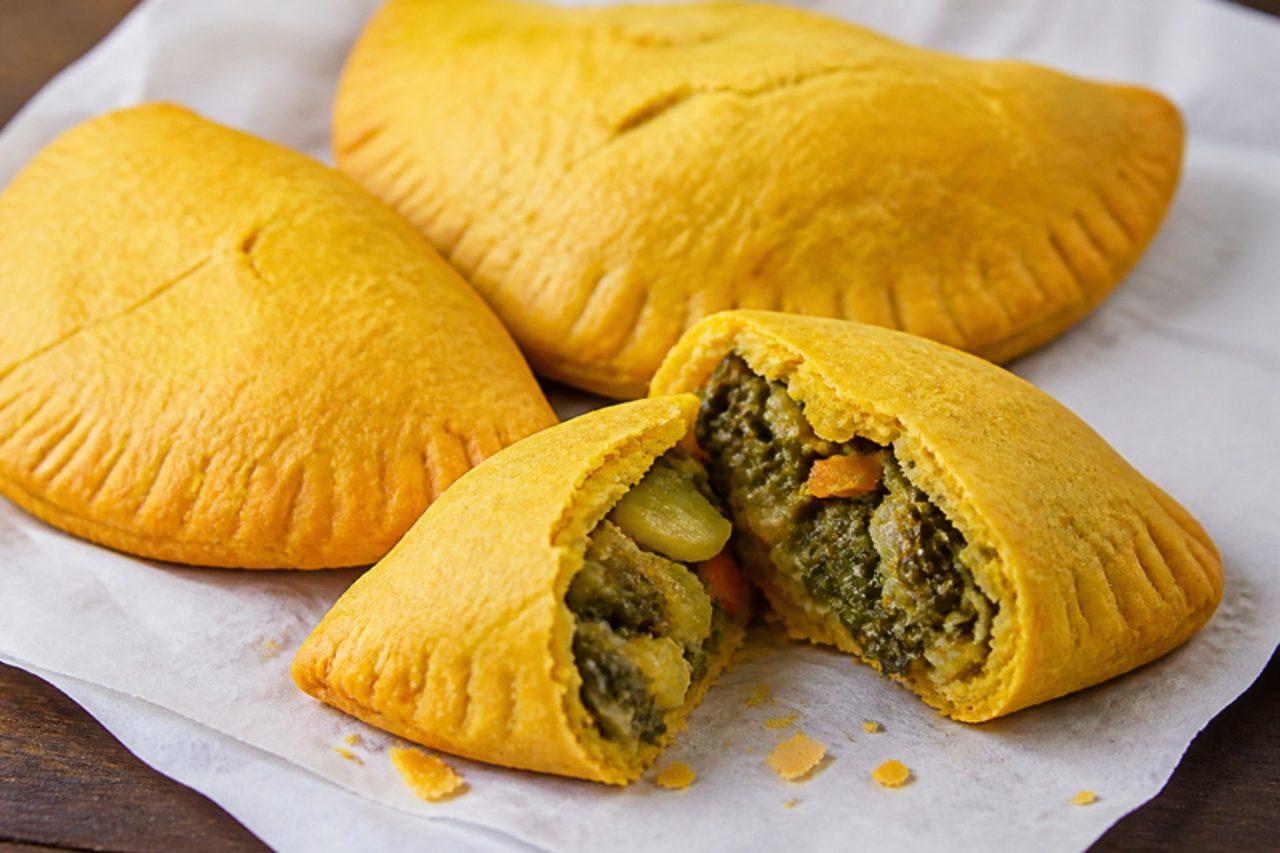
The patty is Jamaica's favourite grab-and-go food, sold hot from glass cases in patty shops and school canteens across the island, from Half Way Tree in Kingston to Montego Bay. Its signature is the pastry: short, flaky and bright yellow from turmeric, wrapped around a spicy filling and crimped with a fork. This vegetarian version is filled with callaloo, potato, carrot and peas seasoned with curry, thyme and scotch bonnet. Eat them warm, on their own or squeezed inside soft coco bread. Chef's tip: use half butter and half solid vegetable shortening in the pastry, and keep everything cold. The shortening gives the patty its crumbly, flaky snap and the butter gives the flavour.
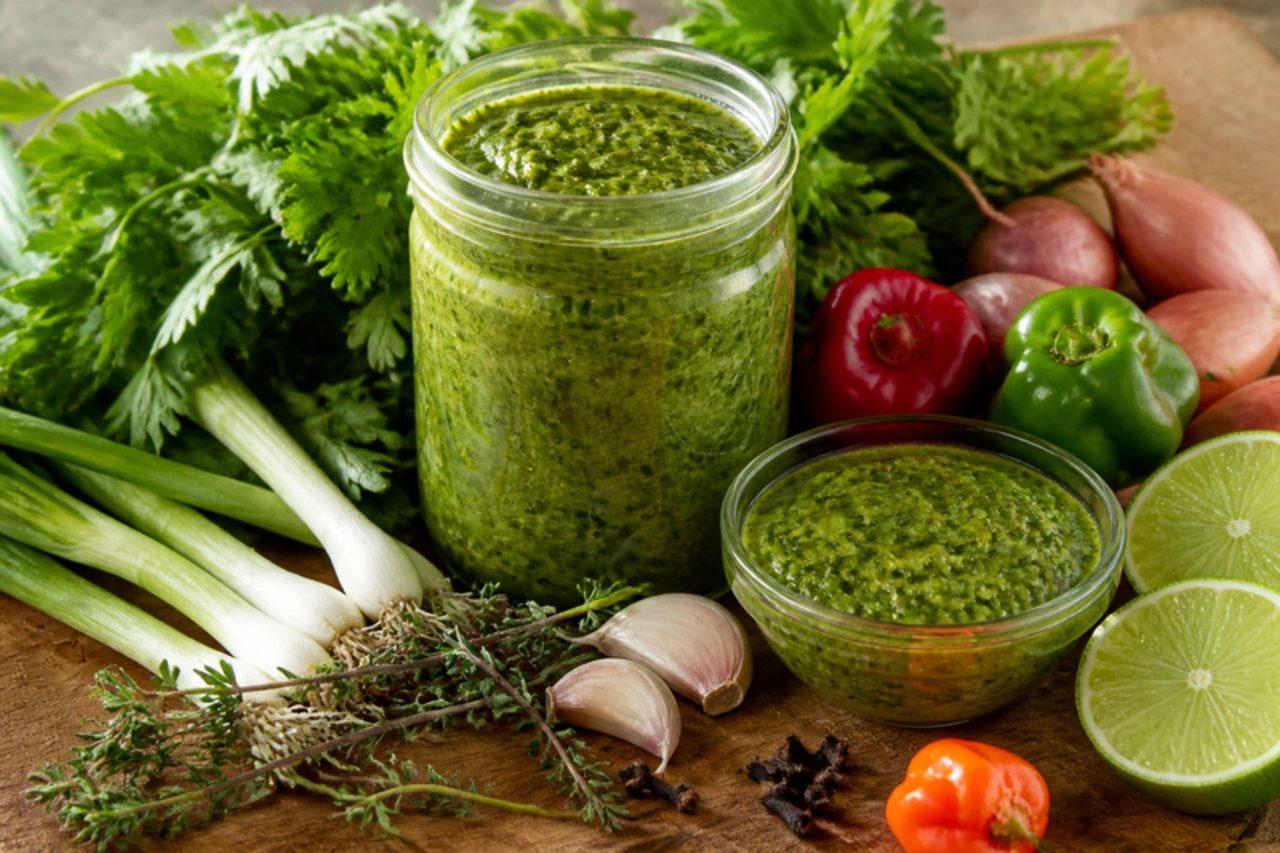
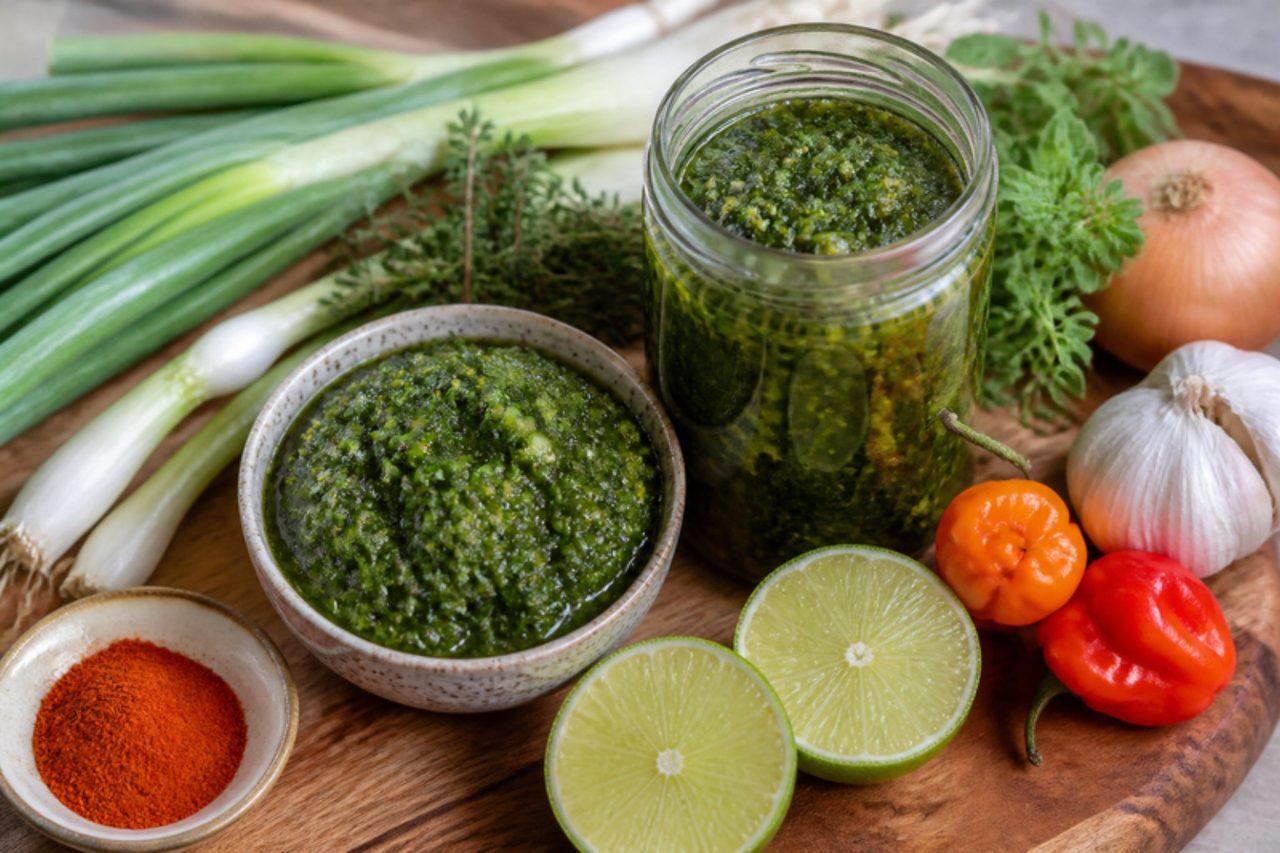
Epis is the jar that lives in every Haitian fridge, in Port-au-Prince flats and in Haitian kitchens in Miami, Montreal and Boston alike, and it's made fresh most weeks. Flat-leaf parsley, spring onion, garlic, sweet peppers and thyme are pounded or blended with a few cloves, a little scotch bonnet, oil and lime into a loose green paste. It is the first thing into the pot for rice and beans, legim and soup joumou, and it's rubbed over vegetables and tofu before they're fried. Raw it smells bright and herby; cooked it turns sweet, savoury and gently warm with clove. Chef's tip: use whole cloves and grind them yourself; just three or four give epis its signature warmth, but more turns it medicinal.
Every cook in Barbados keeps a jar of Bajan seasoning, and families in Bridgetown and St Philip guard their own blend. It's a wet, coarse paste of spring onion, onion, garlic, fresh thyme, marjoram and parsley, sharpened with lime and given a backbone of clove, paprika and scotch bonnet. Bajans press it into slits in fish and meat; here it goes into stews, onto roasted vegetables, tofu and halloumi, and into the stew for cou-cou. It smells strongly herby and peppery, and keeps for weeks. Chef's tip: marjoram is the herb that makes it Bajan; don't skip it, and use fresh if you can find it.
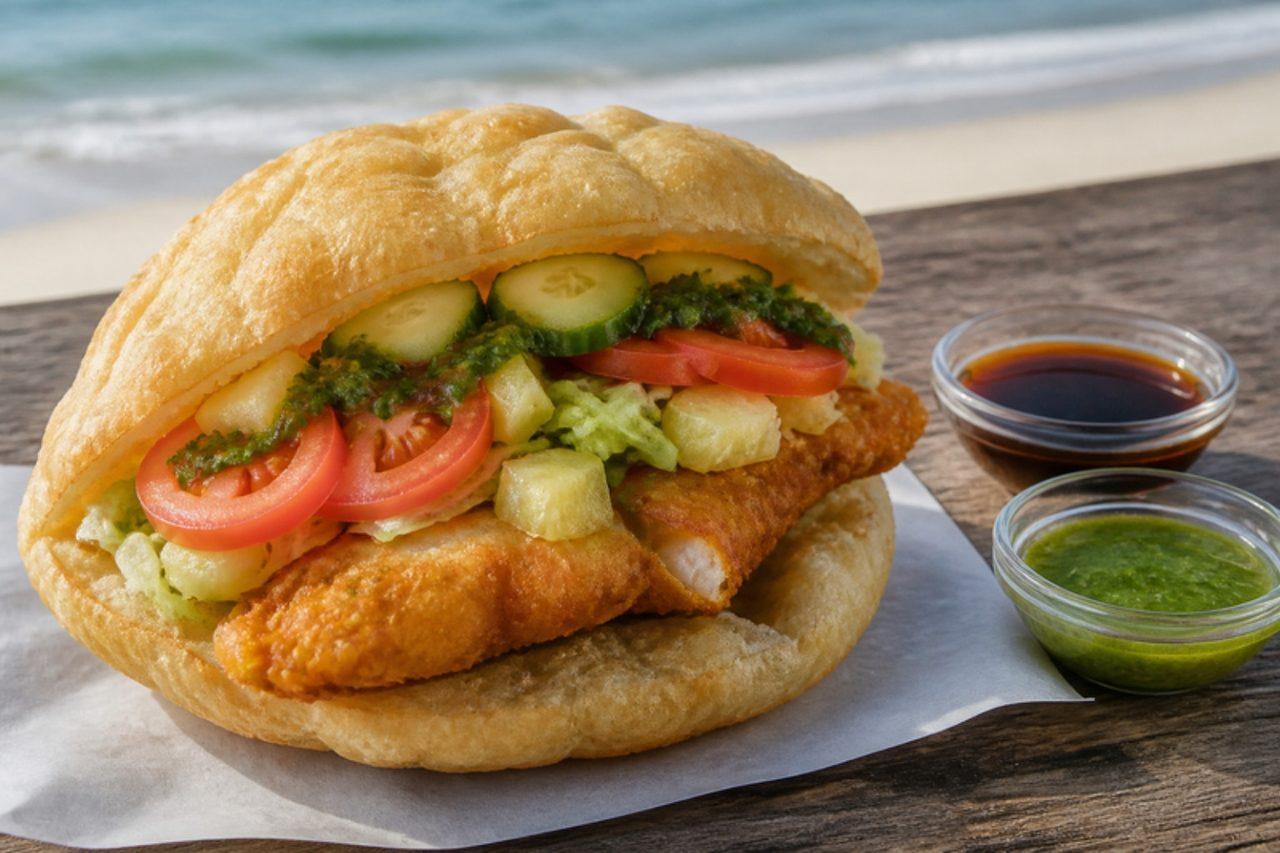
After a swim at Maracas Bay on Trinidad's north coast, the queue at the beach huts is for bake and shark: a puffy fried bread split open around a piece of seasoned, crisp-fried fish, then loaded at a toppings bar with coleslaw, cucumber, pineapple, tamarind sauce, pepper sauce and the bright green chadon beni (culantro) sauce. Shark is the tradition, but many shark species are now overfished and some build up mercury, so this recipe uses a firm, sustainably caught white fish such as hake, pollock, catfish or mahi-mahi; use shark only from a source you trust. Chef's tip: let the bake dough rest for a full 30 minutes; relaxed dough puffs up like a pillow in the hot oil instead of frying flat and tough.
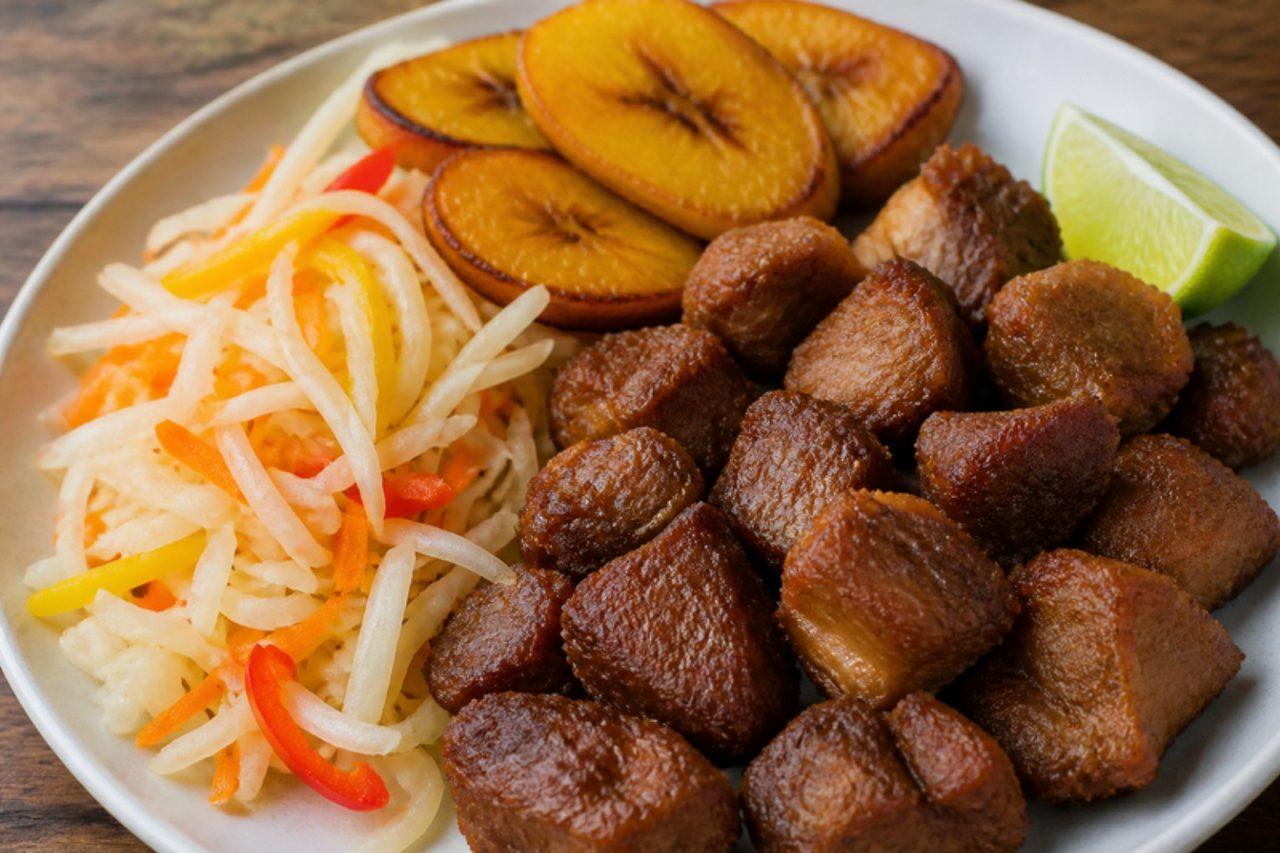
Griot is Haiti's party food: it is piled on platters at weddings, first communions and Saturday-night fritay stalls in Port-au-Prince, always with pikliz, a crunchy, very hot pickle of cabbage, carrot and Scotch bonnet. Chunks of pork shoulder soak up a green epis marinade of sour orange, herbs and garlic, simmer until tender and then fry until the outside turns dark and crisp. This is a pork dish. Serve it with fried plantain (bannann peze) and rice with beans. The mistake that ruins the crust is frying the pork straight from the pot while still wet; it spits and steams instead of browning, so drain and dry the pieces first. Chef's tip: make the pikliz at least a day ahead; after a night in the fridge the heat softens and spreads through the vinegar.
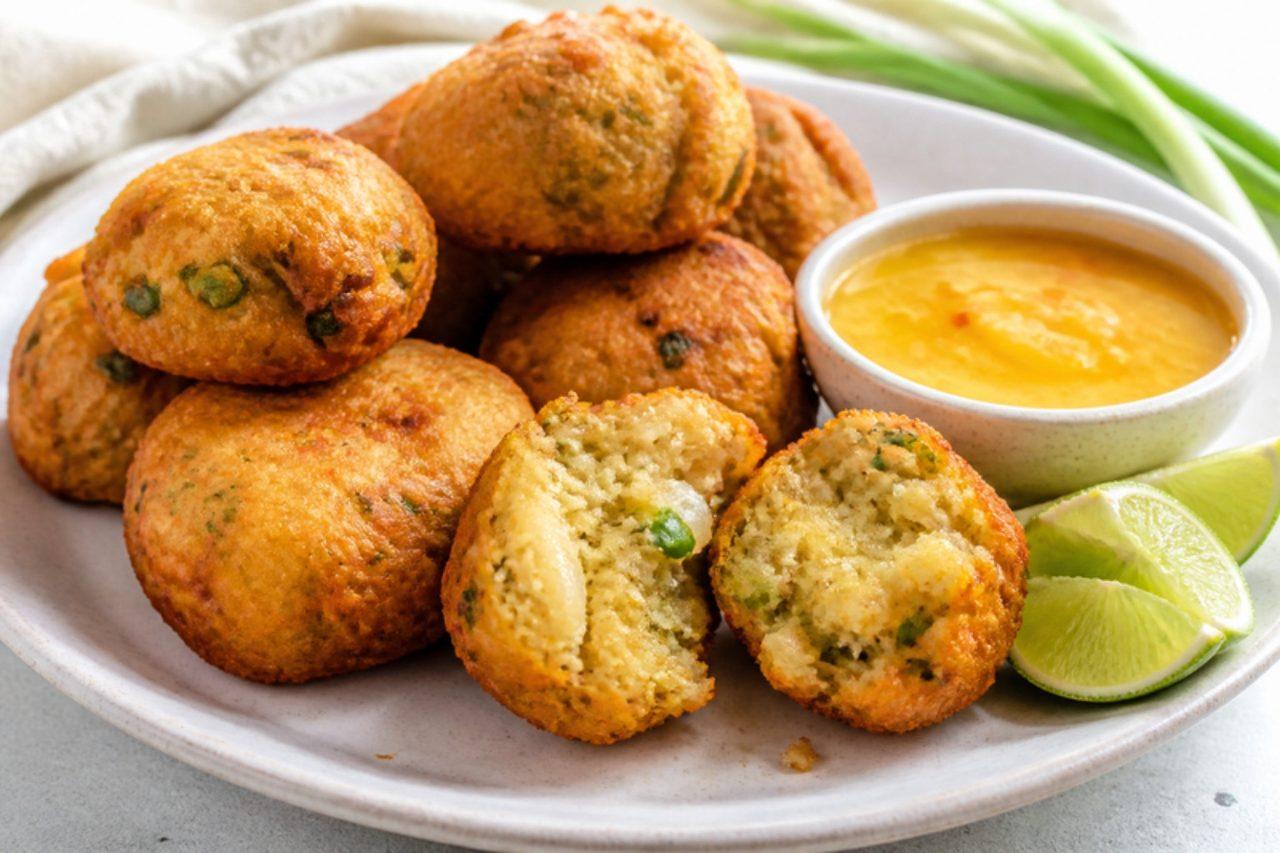
Fish cakes are on every Bajan party table and in every rum-shop snack box, and on Friday nights at Oistins Fish Fry they are tucked into a split salt bread roll as 'bread and two'. These are not potato patties but spoonfuls of light, herby batter full of flaked salt cod, spring onion, thyme and Scotch bonnet, fried until puffed and golden. Serve them hot with Bajan pepper sauce or a squeeze of lime. The mistake that gives flat, greasy fish cakes is a thin batter; it should drop from the spoon in a soft blob, not pour. Chef's tip: taste a flake of the cooked cod before mixing; if it is still salty, don't add any more salt to the batter.
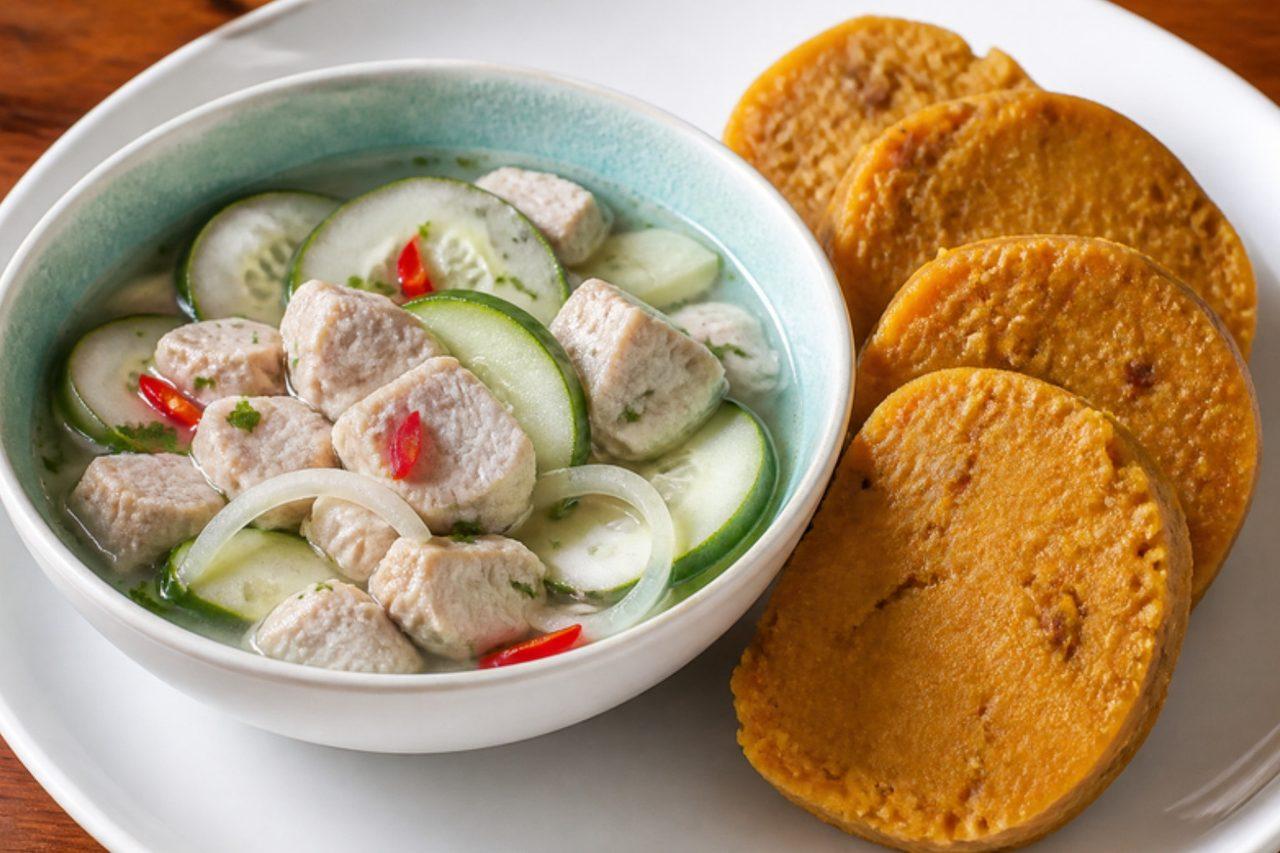
Saturday in Barbados means pudding and souse: rum shops and roadside cooks sell it from late morning, and families buy it by the container for lunch. Souse is boiled pork, traditionally from the head and trotters, served cold in a sharp, cucumber-studded pickle of lime, onion and hot pepper; the pudding is grated sweet potato seasoned with herbs and steamed. This is a pork dish. This home version uses trotters for the jelly-rich texture plus shoulder for meat, and steams the pudding in a basin instead of a casing; blood is left out (that darker version is black pudding). A common mistake is serving the souse as soon as it meets the pickle; it needs at least 2 hours in the fridge to turn sharp and cold. Chef's tip: grate the sweet potato on the fine side of the grater; coarse shreds make a crumbly pudding.
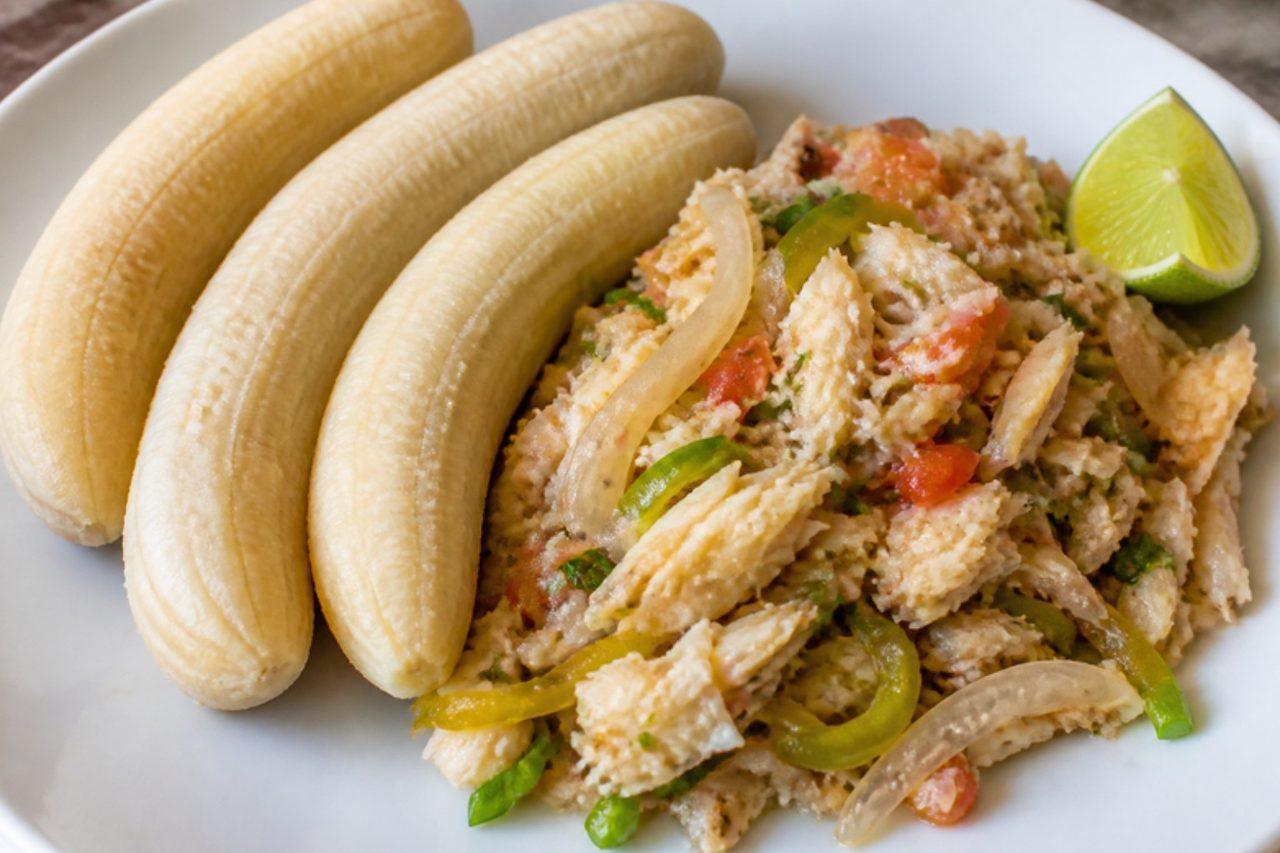
In St Lucia green bananas are called figs, and green fig and saltfish is the national dish: a Saturday lunch in Castries homes and the plate served everywhere on Jounen Kwéyòl, the island's Creole Day in October. The bananas are boiled until tender and mild, a little like potato, and served with salt cod sautéed with onion, sweet pepper, tomato, thyme and hot pepper. Add sliced avocado or cucumber on the side. The most common mistake is not soaking the saltfish long enough, which leaves the whole plate far too salty; taste a flake before you cook it. Chef's tip: rub oil on your hands (or wear gloves) before peeling the green bananas; the sap stains skin black.