Skip to content

Recipes with tulsi

4 recipes that use tulsi, with photos, step-by-step instructions and cook times. The quickest, Panchamrit, takes 10 minutes. It is most often cooked with jaggery, lemon juice and ajwain.

Got a few things in the fridge? Search by everything you have

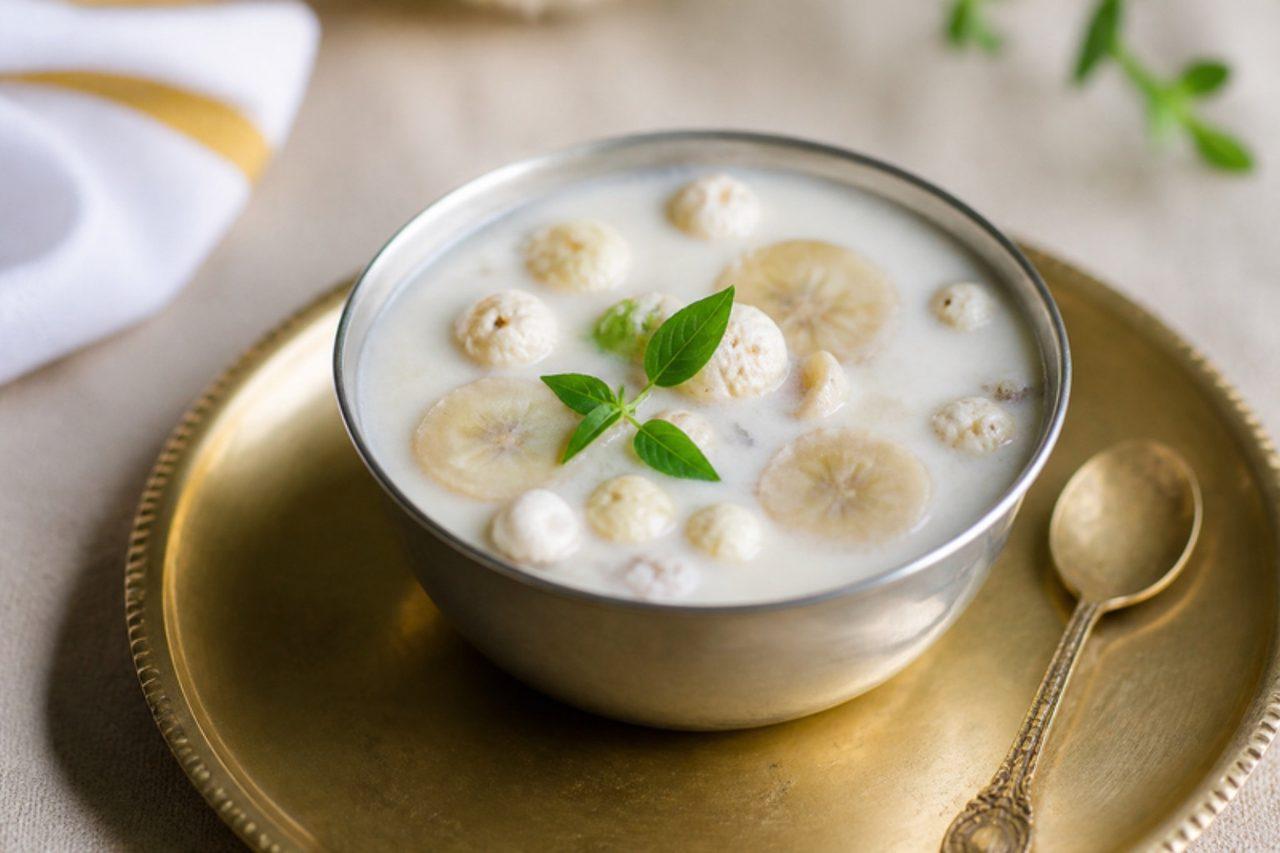
PanchamritMilk, curd, ghee and honey offering

Panchamrit, the 'five nectars', is poured over the image of baby Krishna at the midnight abhishek on Janmashtami and then given out to everyone in the room in a spoonful cupped in the palm. It is made across India for pujas, from Gujarat to Bengal, with five fixed parts: milk, curd, ghee, honey and sugar, plus tulsi leaves and sometimes a few makhana or chopped banana in the north. It tastes sweet, creamy and a little tangy. Common mistake: using hot milk or sour curd, which makes it split and thin; everything should be cool and the curd fresh, and it is ready when it is smooth and pourable like thin custard. Many families treat it as fasting food for the day, but traditions differ on honey and cooked milk, so follow your own household. Chef's tip: stir the honey into a little of the milk first so it loosens before it goes into the cold curd, otherwise it sets in sticky lumps.

by KrazyBadal 0 views

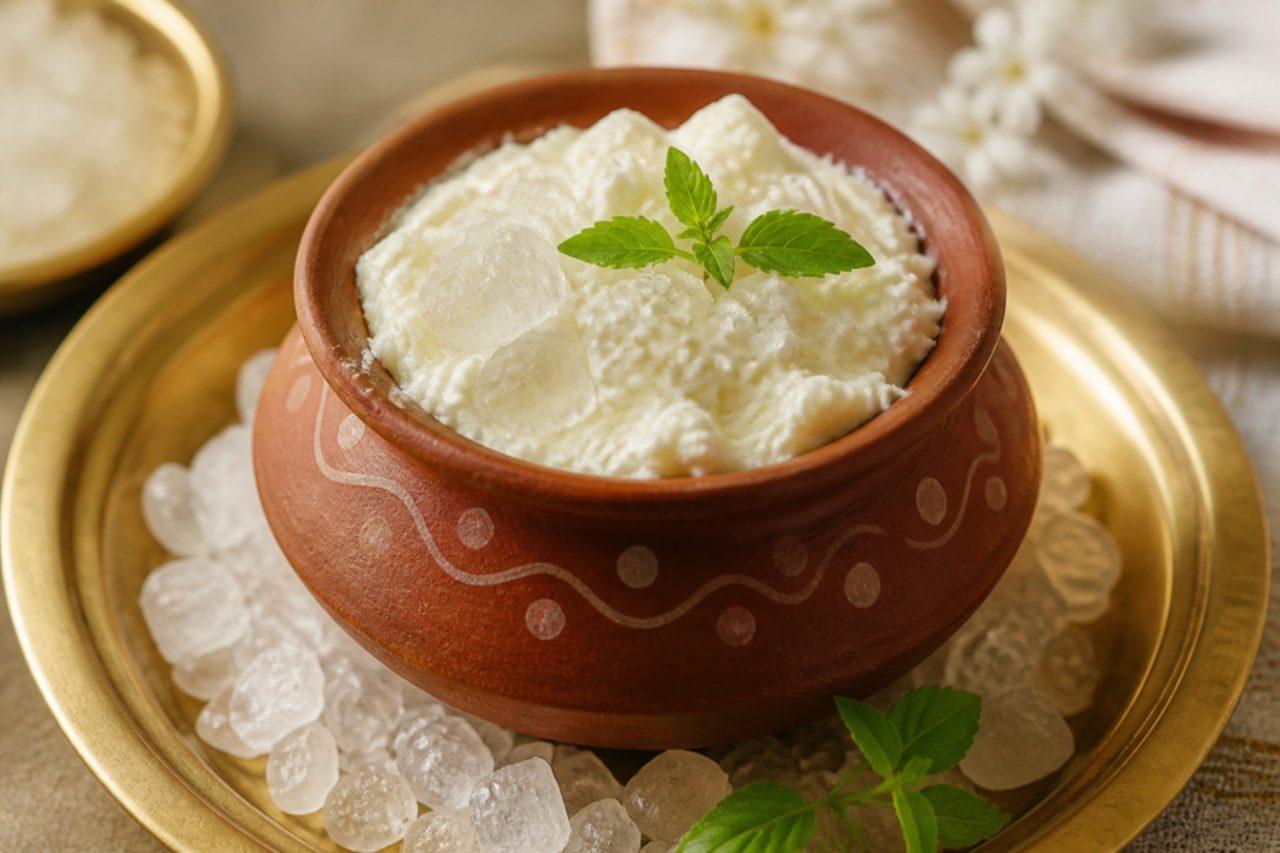
Makhan mishriFresh butter with rock sugar

Stories from Mathura and Vrindavan tell of the child Krishna stealing butter from the pots of the cowherd women, so at midnight on Janmashtami the first offering in the temples and at home is a bowl of fresh white butter mixed with mishri, the rock-sugar crystals. The butter is churned from cream at home, so it is soft, cool and lightly tangy, and the sugar crunches against it. It is eaten as prasad in tiny spoonfuls, often with a tulsi leaf on top. Common mistake: churning warm cream, which turns greasy instead of breaking; the cream must be fridge-cold, and the butter is ready when yellow-white clumps separate cleanly from thin buttermilk. Chef's tip: rinse the butter in iced water two or three times and press it with a spoon; washing out the buttermilk keeps it fresh for a day.

by KrazyBadal 0 views

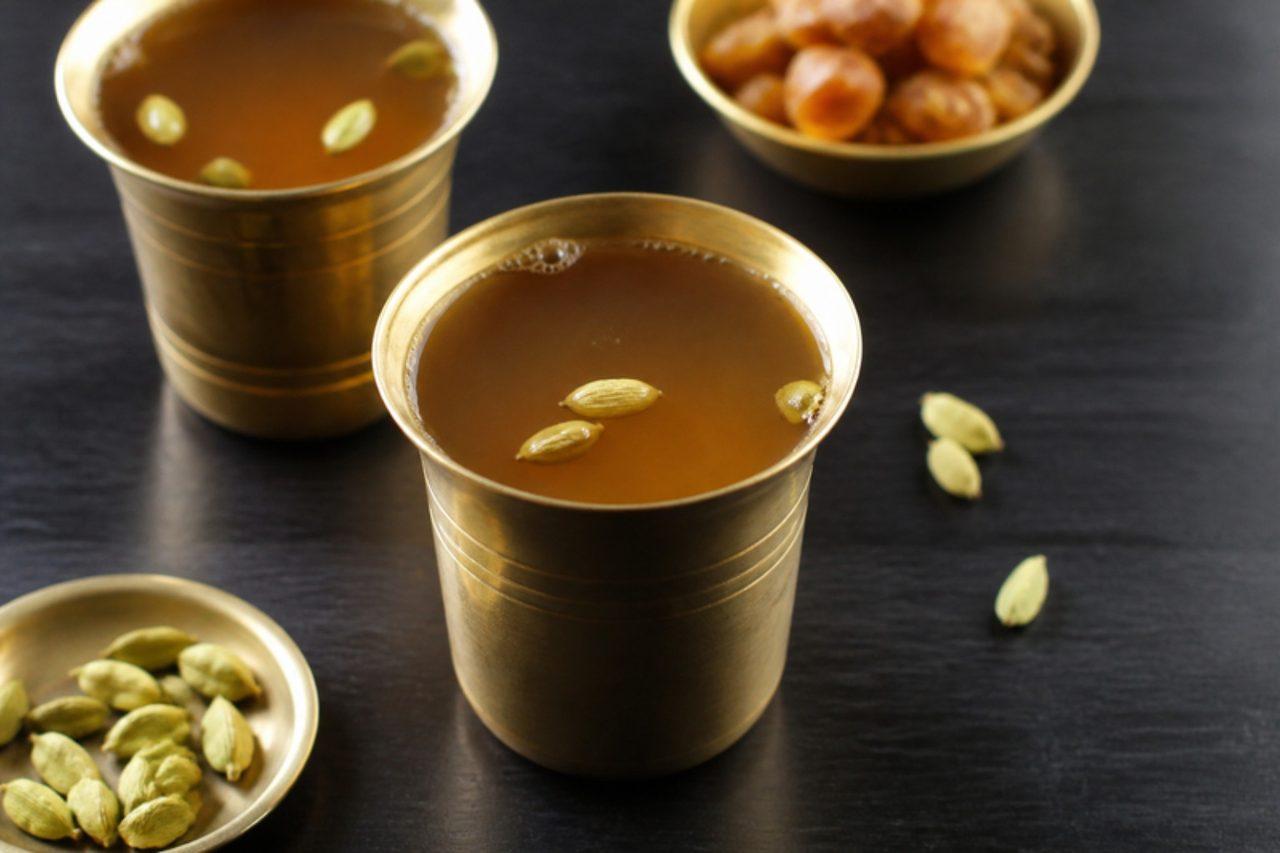
PanakamJaggery and ginger water

On Sri Rama Navami, temples and homes across Andhra Pradesh, Telangana and Tamil Nadu set out brass pots of panakam beside neer mor (spiced buttermilk) and kosambari. The drink is offered first, then handed to everyone in small steel tumblers. It is nothing more than jaggery dissolved in water, but the dry ginger and black pepper give it a pleasant heat that cuts through the sweetness, and cardamom and a few tulsi leaves make it smell of the festival. It is never boiled; it's stirred until the jaggery melts. The common mistake is not straining: jaggery often carries sand and fibres, so always pour it through a fine cloth. Chef's tip: a squeeze of lemon is not traditional everywhere, but in hot Vijayawada summers many homes add it, and it brightens the drink wonderfully.

by KrazyBadal 0 views

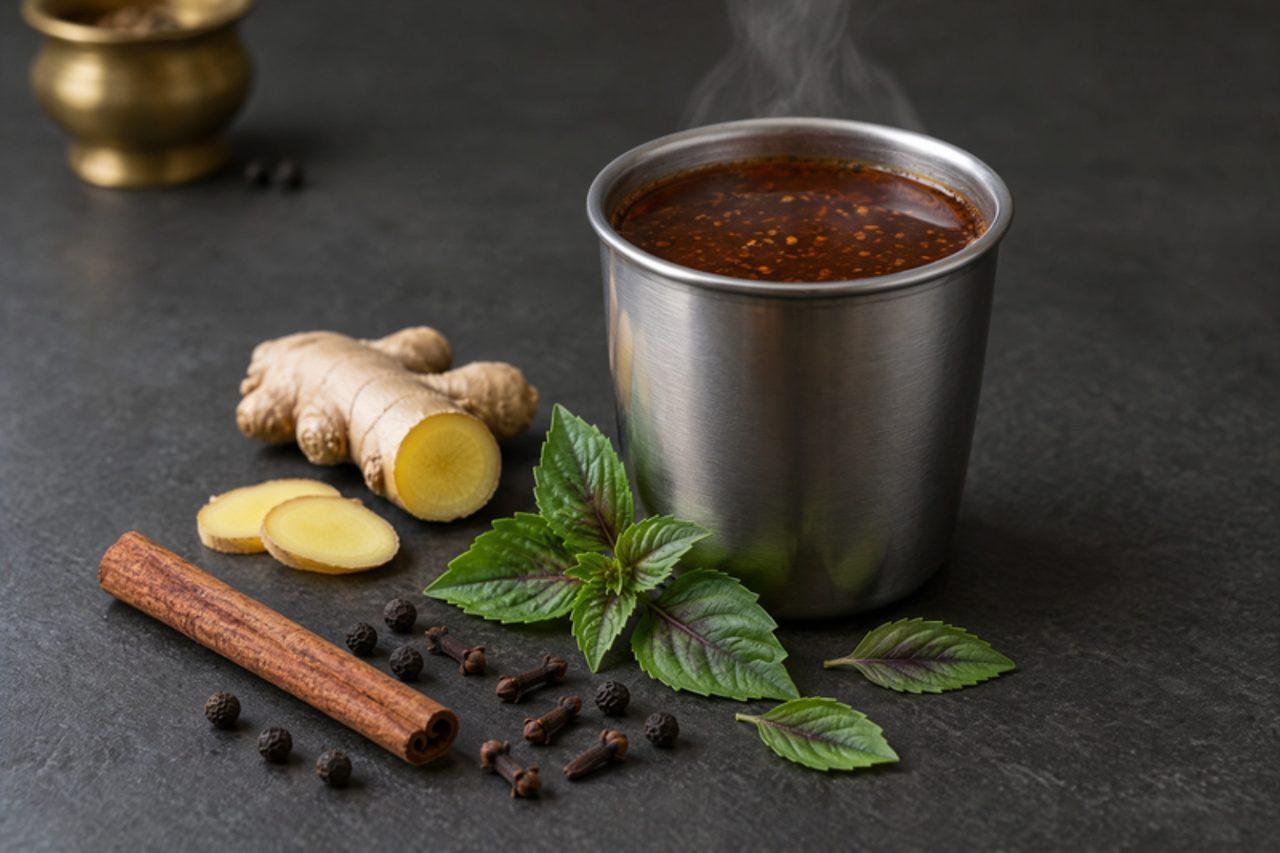
Kadha (spiced herbal decoction)

When the fog settles over Delhi, Lucknow and the plains of Uttar Pradesh in December, or whenever the monsoon brings coughs round the house, someone puts a pan of kadha on the stove. Tulsi leaves, ginger, black pepper, cinnamon, cloves and sometimes a little ajwain are boiled hard until the water reduces by half, then sweetened with jaggery and sipped in small cups, morning or night. It is not a gentle tea: it is hot, peppery, clove-numbing and earthy, with a dark amber colour and a sweet edge. It is traditionally drunk for coughs and colds; it does not replace medical care, and anyone who is pregnant, on medication or giving it to small children should keep it mild and check with a doctor. The common mistake is simmering it gently like tea: kadha needs a steady boil so the spices give up their strength and the liquid reduces. It is ready when the volume has halved and the brew is deep amber and pungent. Chef's tip: crush the pepper and cloves just before they go in; whole spices hardly flavour the water in this short time.

by KrazyBadal 0 views

Goes well with tulsi