Skip to content

Recipes with vegetable or mustard oil

7 recipes that use vegetable or mustard oil, with photos, step-by-step instructions and cook times. The quickest, Piyaju, takes 30 minutes. It is most often cooked with coriander, turmeric and ginger.

Got a few things in the fridge? Search by everything you have

Dhikri

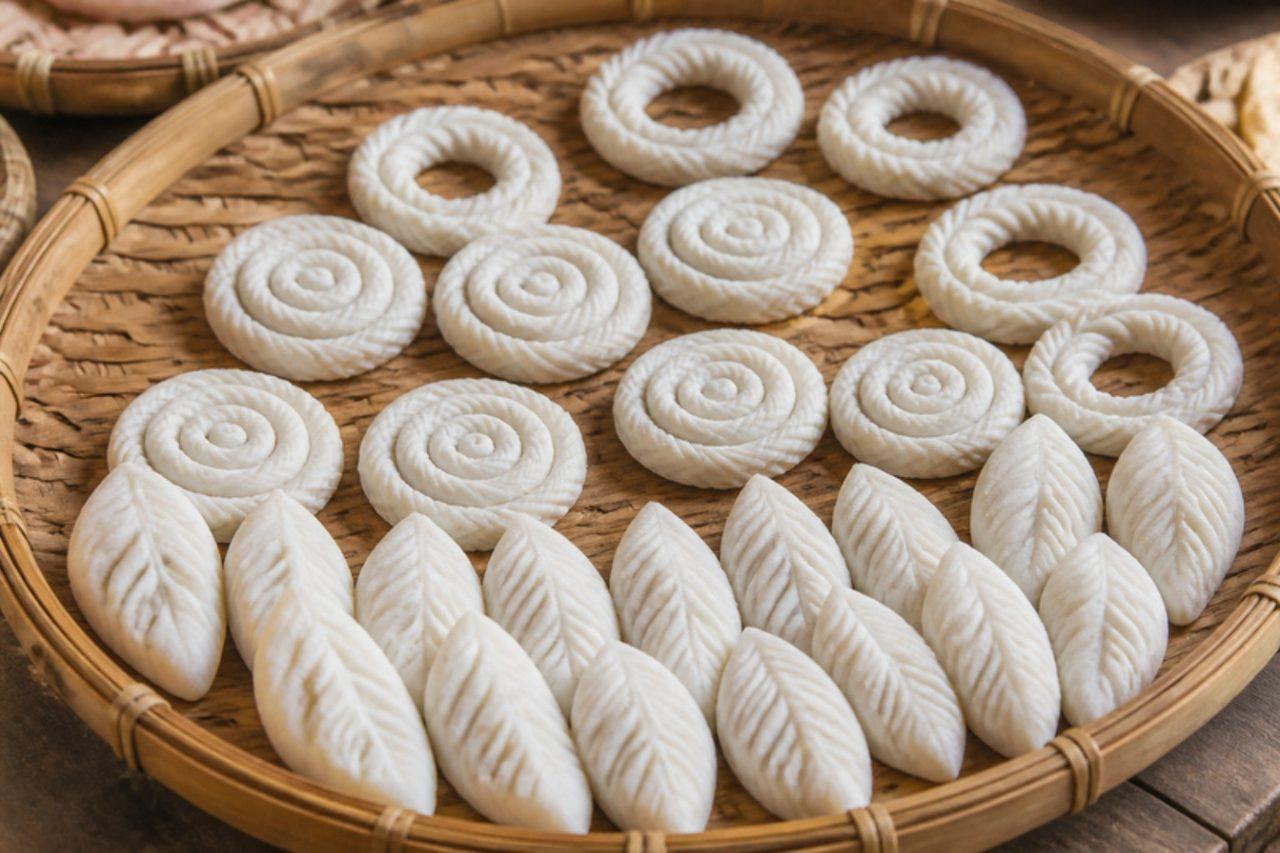
For Maghi, the Tharu new year in mid-January, and for Dashain and Atwari, families in Dang, Bardiya and Kailali sit together on the floor shaping dhikri, long pieces of rice-flour dough rolled and twisted into ropes, spirals, fish, birds and finger-marked ridges before they are steamed. The finished pieces are soft, smooth and chewy, with a clean, sweetish rice flavour that makes them a canvas for whatever is served alongside: a spicy tomato and sesame chutney, a lentil soup, a vegetable curry or, in many homes, a festive meat curry. Leftovers are sliced and fried the next day. The usual mistake is mixing the dough too dry, which cracks as you shape it and steams up hard. Chef's tip: keep the dough covered with a damp cloth while you shape, and dip your fingers in water if it starts to crack.

by KrazyBadal 0 views

Piyaju

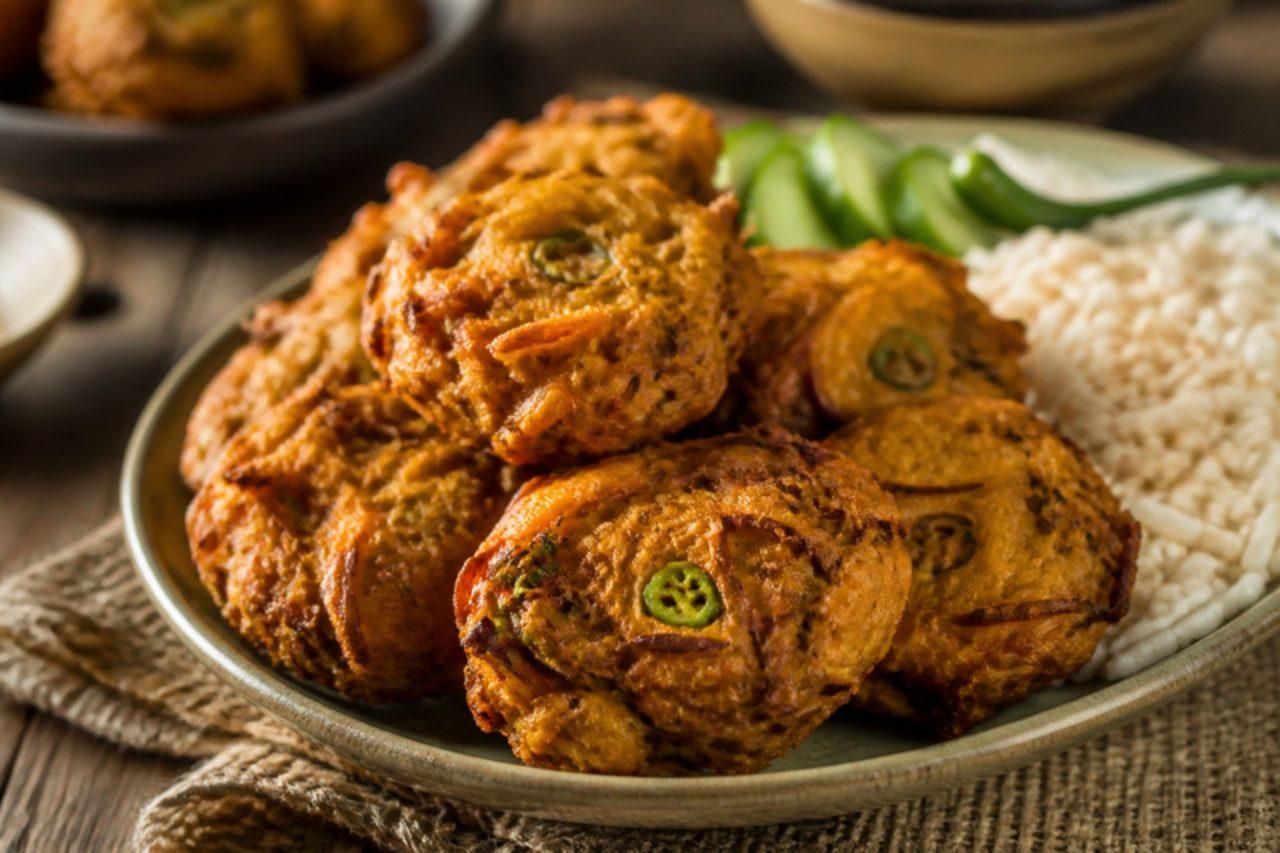
The sound of Ramadan afternoons in Dhaka is oil hissing in giant kadais as street cooks drop spoon after spoon of piyaju, little flat fritters of coarsely ground red lentil packed with sliced onion and green chilli. Bangladeshi piyaju relies on lentils, not gram flour, so the inside is nubbly and soft and the edges lacy and crunchy; it is eaten with chhola bhuna, beguni, muri and dates when the fast is broken, and all year round at tea stalls in the afternoon. Grinding the lentils to a smooth paste with too much water gives flat, oily fritters, and that is the error to avoid; the mix should be thick and grainy. Chef's tip: salt the onions only just before frying, or they release water and the batter turns runny.

by KrazyBadal 0 views

Phapar ko roti

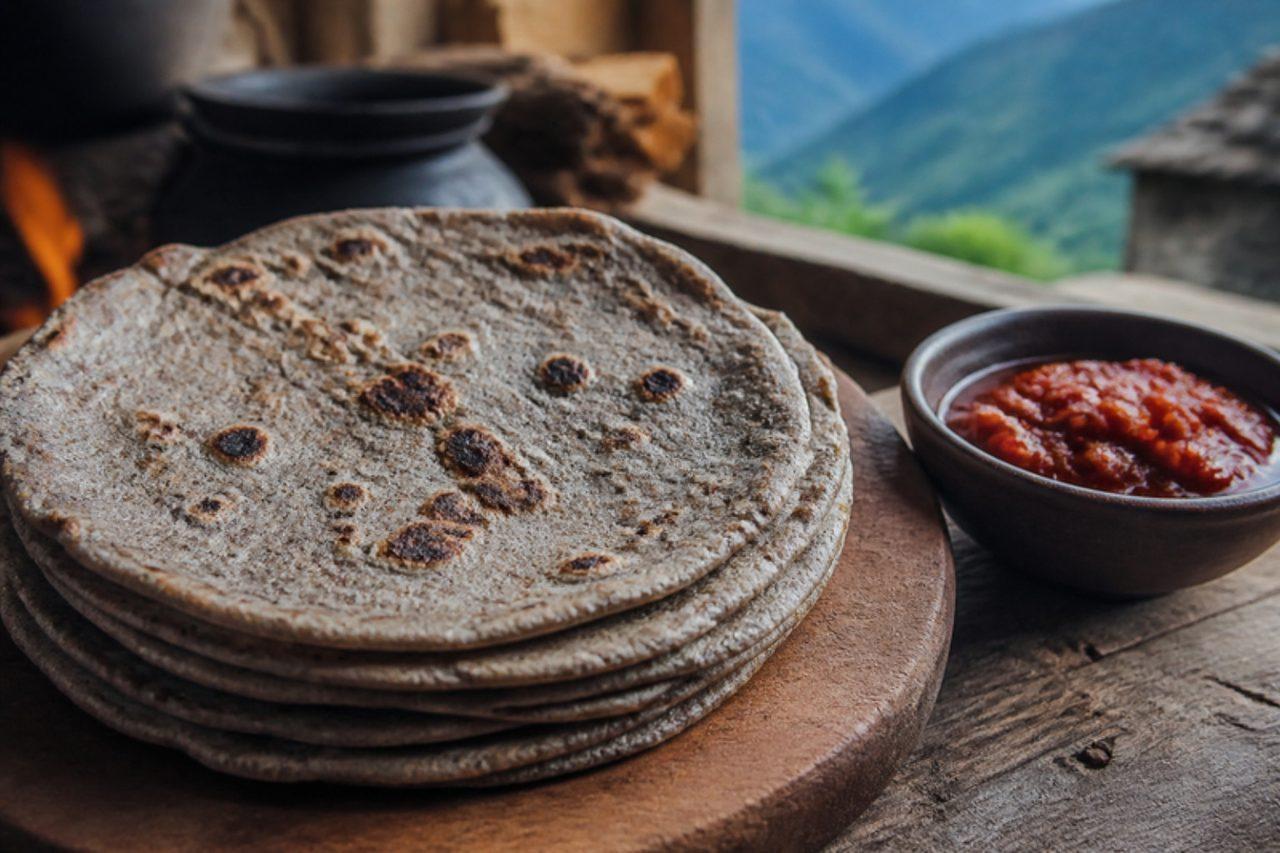
Buckwheat grows in terraced fields right up to the edges of the Kali Gandaki gorge, and in Mustang, Manang and Dolpa the morning bread is phapar ko roti, cooked on an iron griddle over the kitchen fire and eaten warm with salt tea. The dough is just buckwheat flour, water and salt, sometimes with grated ginger or a little chopped onion, patted thin and cooked until speckled, and it has a nutty, faintly bitter flavour and a soft, slightly crumbly bite. Lodges serve it with a chilli and tomato achar, with fried eggs for trekkers, or drizzled with local apple-blossom honey (which, of course, makes it no longer vegan). Expect trouble if you try to roll it like a wheat roti; without gluten it cracks and tears. Chef's tip: pat the dough out between two sheets of baking paper with your palm, peel off the top sheet and flip it straight onto the hot pan.

by KrazyBadal 0 views

Gwaramari

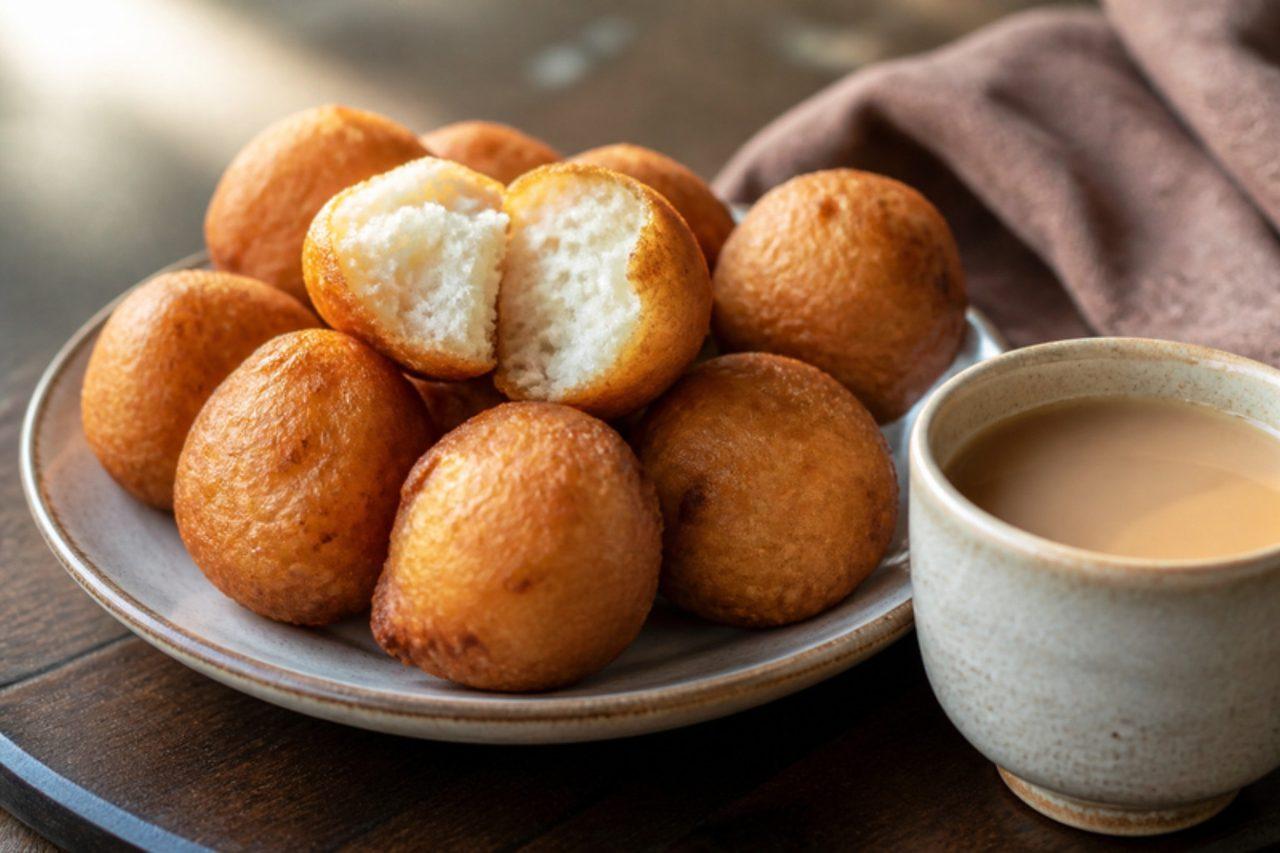
Early on a cold morning in the old lanes of Asan, Patan or Bhaktapur, small tea shops fry gwaramari in big iron pans, and office workers and schoolchildren stop for a paper twist of them with a glass of sweet milky chiya. They are round, golden puffs of wheat dough, about the size of a ping-pong ball, with a thin shattering crust and a soft, slightly chewy, airy centre lightly seasoned with turmeric, black pepper and a pinch of sugar. Newars also make them for bhoj feasts and to send to relatives after a festival. They fail most often when the dough is too stiff or not rested, which gives dense, oily lumps instead of light puffs. Chef's tip: the batter-like dough should be sticky enough to need wet fingers; pinch off pieces with oiled hands and drop them straight into oil that is hot but not smoking.

by KrazyBadal 0 views

Palla machhi

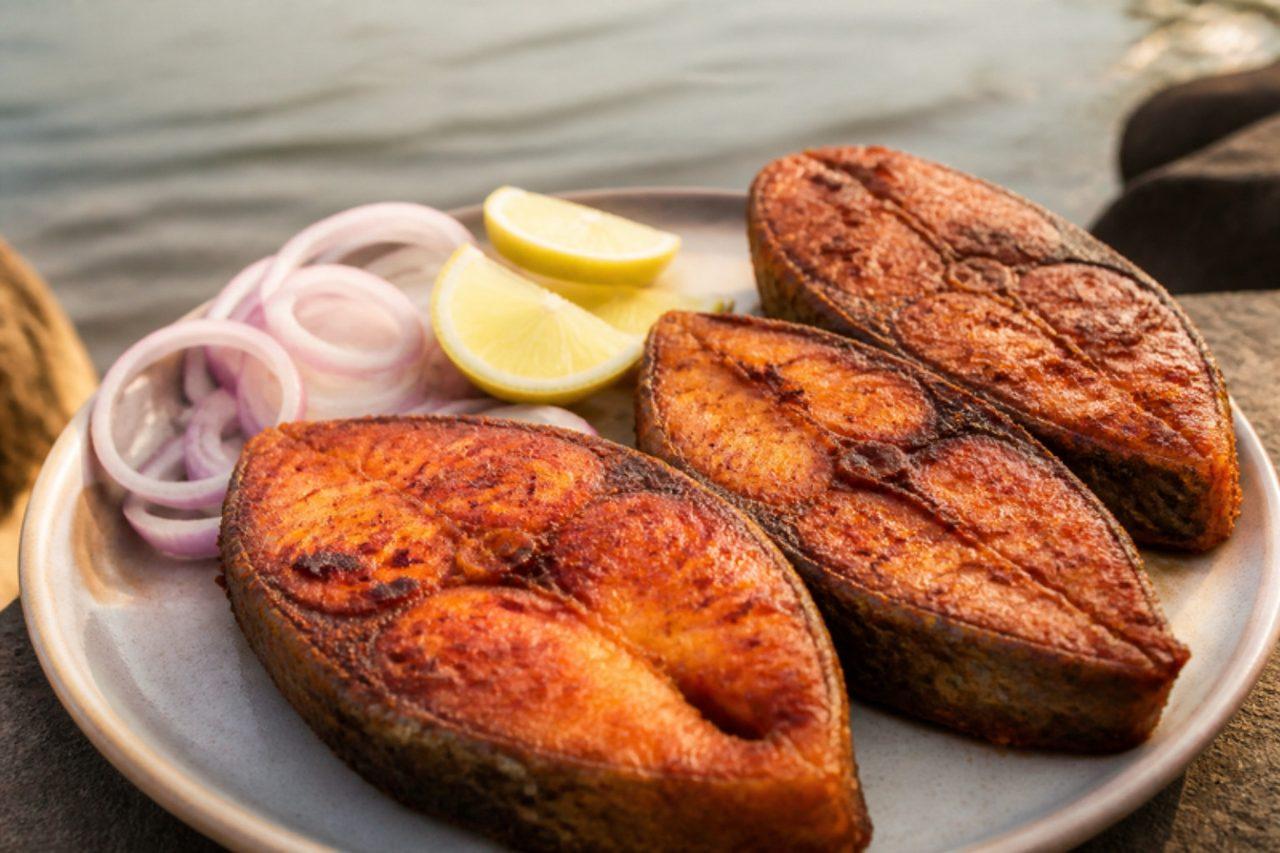
Every monsoon, when the Indus floods and the palla swim upriver past Kotri barrage, roadside stalls between Hyderabad and Thatta fry the oily, silver fish in front of you, and people drive out from Karachi just to eat it. Palla is the Sindhi name for hilsa, a rich fish with a sweet, almost buttery flesh and a forest of fine bones, so you eat it slowly, with your fingers, alongside plain rice, a smear of dal and lemon. The masala is simple and red: chilli, turmeric, garlic and a little ajwain. Turning the steaks too early is the classic way to lose the crust, so let them fry undisturbed until they release from the pan on their own. Chef's tip: if you cannot find hilsa, shad, mackerel or thick sardine fillets take the same masala well, and they are far less bony.

by KrazyBadal 0 views

Dalma

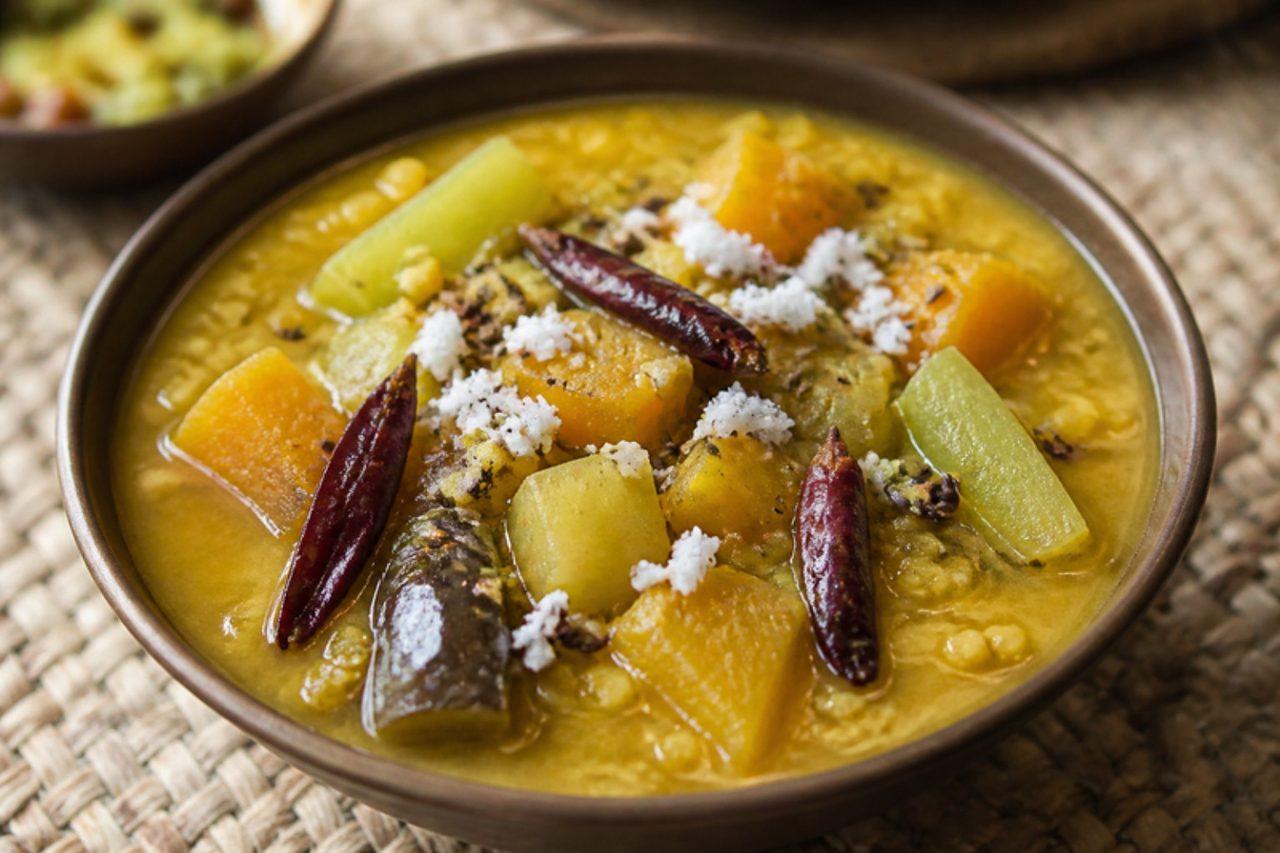
Dalma is the comfort food of Odisha and the dal offered at the Jagannath temple in Puri. Toor dal is cooked together with chunky vegetables, usually raw banana, pumpkin, aubergine and potato, so they soften into it and make it hearty enough to be a meal. A tempering of panch phoron and dried chilli and a sprinkle of roasted cumin-chilli powder give it its smoky warmth; a little grated coconut is often added on top. Odia homes finish it with a spoonful of ghee; this version uses oil so it stays vegan. Serve with plain rice. Chef's tip: add the vegetables halfway through cooking the dal, not at the start, so they keep their shape and the dal stays thick rather than watery.

by KrazyBadal 0 views

Fara

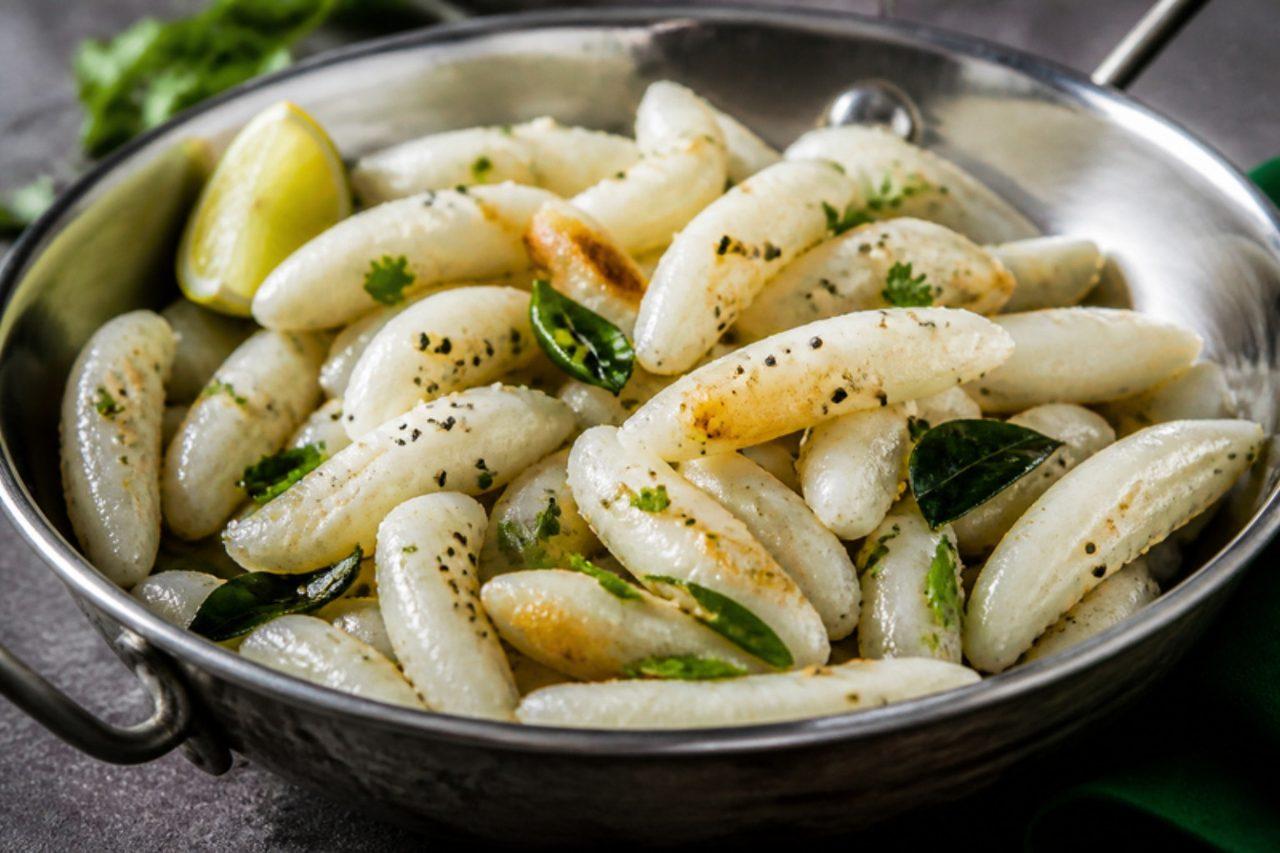
Fara is what a Chhattisgarhi kitchen does with yesterday's rice: it is kneaded with rice flour and hot water into a soft dough, rolled into little fingers, steamed and then tossed in a crackling tadka. Served at teatime or packed for long bus journeys, it is soft and chewy inside with spots of crispness from the pan. Some families spoon it into a thin, tangy curry instead, but the dry tempered version is the one sold in Raipur's snack corners. Chef's tip: knead the dough while it is still hot from the water; cold rice dough cracks and the fara split as they steam.

by KrazyBadal 0 views

Goes well with vegetable or mustard oil