Skip to content

Recipes with white turnips

3 recipes that use white turnips, with photos, step-by-step instructions and cook times. The quickest, Torchi, takes 20 minutes. It is most often cooked with garlic, bay leaf and caraway.

Got a few things in the fridge? Search by everything you have

Torchi

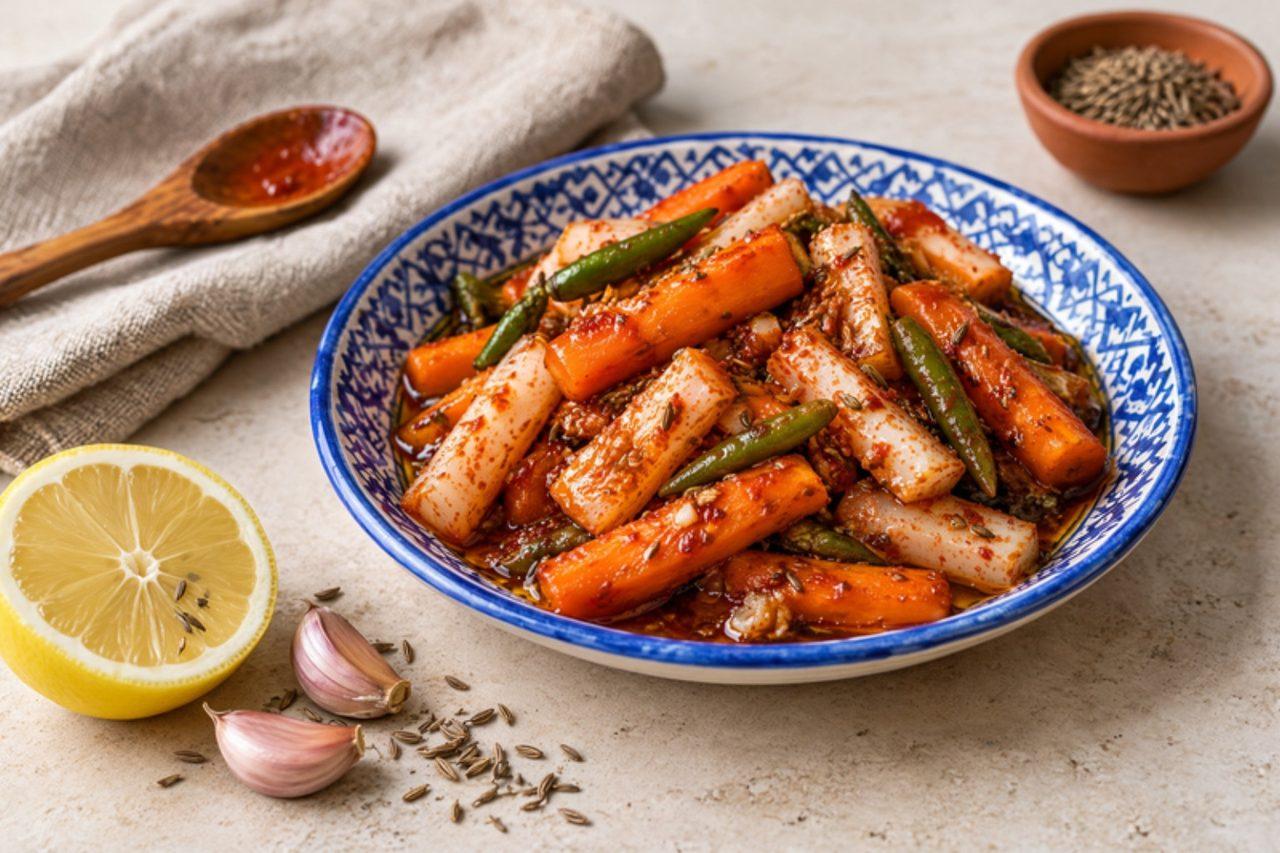
In Tunisian homes and in the small eateries of Tunis and Sousse, a saucer of torchi lands on the table before anything else, beside olives, bread and a little dish of harissa, to wake up the appetite before a couscous, a brik or grilled fish. This quick pickle takes its name from the Persian torshi but is made fresh the same day: carrots and turnips cut into fine sticks with a few chillies, dressed with lemon juice, salt, harissa, garlic, caraway and a thread of olive oil. Half an hour later the vegetables are crunchy and juicy, salty-sour, garlicky and gently hot, and the red dressing pools at the bottom of the plate for mopping with bread. During Ramadan it is a fixture on the iftar table. The mistake to avoid is salting the vegetables and leaving them for hours, which turns them soft and watery; dress them and eat within the day. It is ready when the turnip has lost its raw edge at the corners but still snaps in half. Chef's tip: cut the turnip a touch thinner than the carrot so both soften at the same pace.

by KrazyBadal 0 views

Senmaizuke

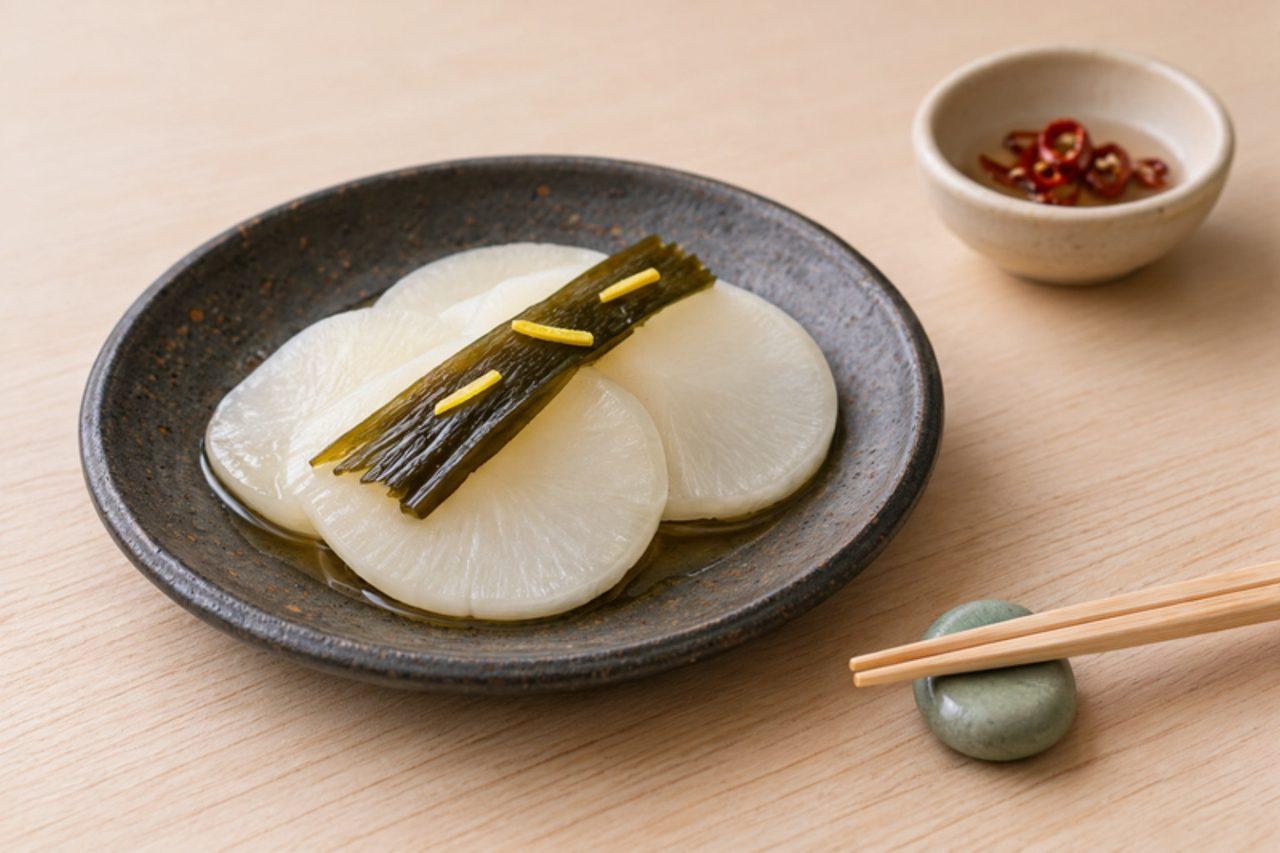
Senmaizuke is the pickle Kyoto sends home with winter visitors: great white Shogoin turnips, sliced so thin you can read through them, layered in fan shapes with kombu and a mild sweet vinegar. Pickle shops along Nishiki Market start making it in November, when the turnips swell and sweeten in the cold, and it stays on New Year tables and beside winter rice through February. It tastes gently sweet and sour with a deep savoury note from the kombu, which turns slightly sticky and coats each slice; the turnip stays crisp at the edge and silky in the middle. Outside Japan use large, firm white turnips (or a young daikon); avoid woody, spongy ones. The common mistake is skipping the first salting: unsalted slices weep water into the vinegar, dilute it and go limp. Salt them, press for an hour and squeeze gently first. It is ready when the slices are translucent, bend without breaking and the kombu feels slick. It is a fridge pickle, not a shelf one. Chef's tip: slice on a mandoline at 2 mm and keep the slices in order, so you can stack them back into a 'turnip' shape for a pretty presentation.

by KrazyBadal 0 views

Kabees lifit

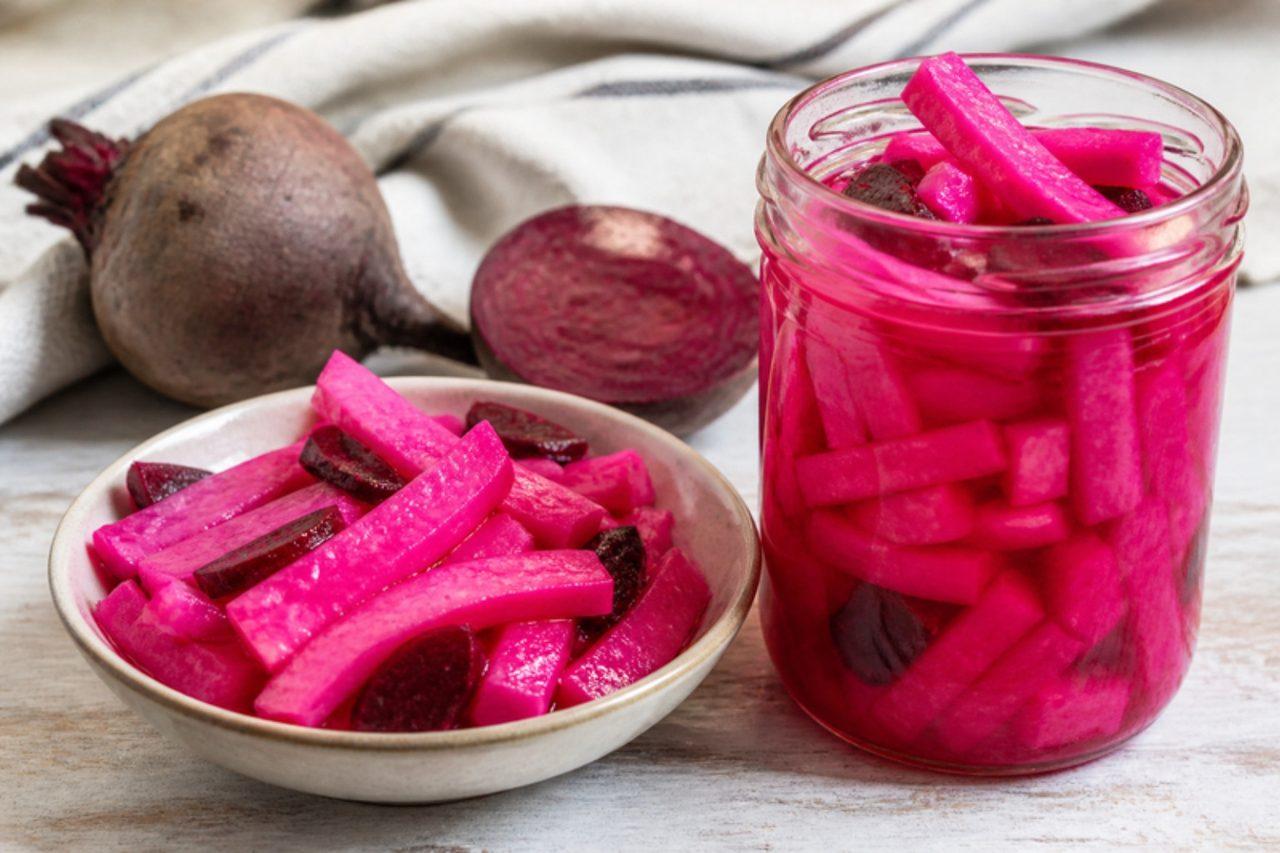
No falafel or shawarma wrap in Beirut is complete without a few batons of kabees lifit, the crunchy, vinegary pickled turnips that glow pink from a slice of raw beetroot in the jar. Lebanese families put them up in autumn when turnips are young and sweet, and a bowl sits on the mezze table next to olives and green chillies. They are sharp, salty and crisp, and cut through grilled meats, fried kibbeh and hummus. Common mistake: using iodised table salt, which clouds the brine; use pure fine salt or sea salt. Chef's tip: choose small, firm turnips with smooth skins — big woody ones stay bitter however long they pickle.

by KrazyBadal 0 views

Goes well with white turnips