Skip to content

Recipes with za'atar

3 recipes that use za'atar, with photos, step-by-step instructions and cook times. The quickest, Labneh with za'atar, takes 15 minutes. It is most often cooked with cucumber, tomato and aleppo pepper.

Got a few things in the fridge? Search by everything you have

Shanklish

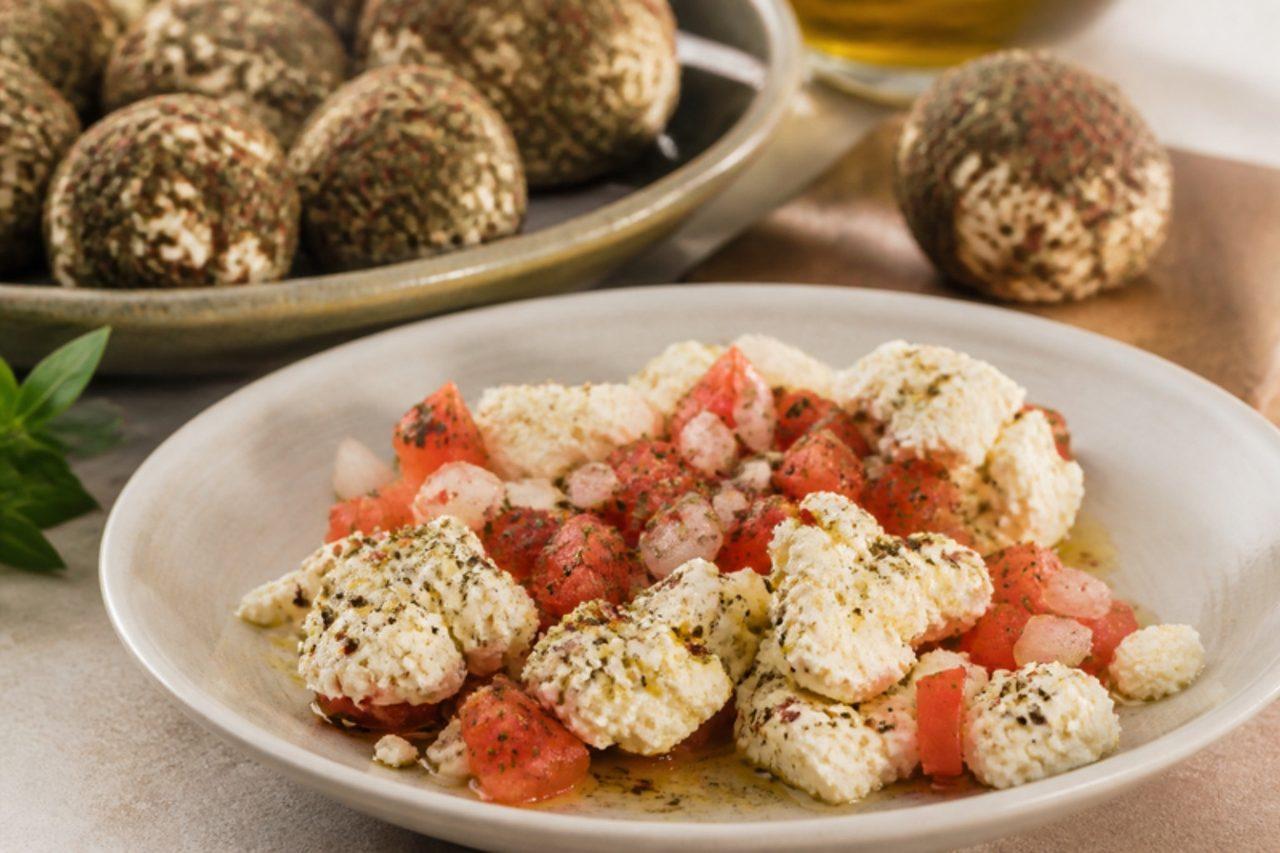
Up in the mountain villages of northern Lebanon and around Tartus on the Syrian coast, families once made shanklish at the end of summer to keep milk through the winter. This home version starts from strained yoghurt (labneh), seasoned and dried into firm balls, then coated in za'atar and Aleppo pepper for a tangy, crumbly cheese with a herby crust. Crumble it over chopped tomato and onion, drown it in olive oil and eat it with bread for breakfast or as mezze. Because it is made from labneh rather than rennet cheese, it is fully vegetarian. Common mistake: rolling the balls while the labneh is still soft; it must be firm enough to hold a thumbprint. Chef's tip: dry the balls uncovered in the fridge for two extra days if you like a sharper, more crumbly cheese.

by KrazyBadal 0 views

Labneh with za'atar

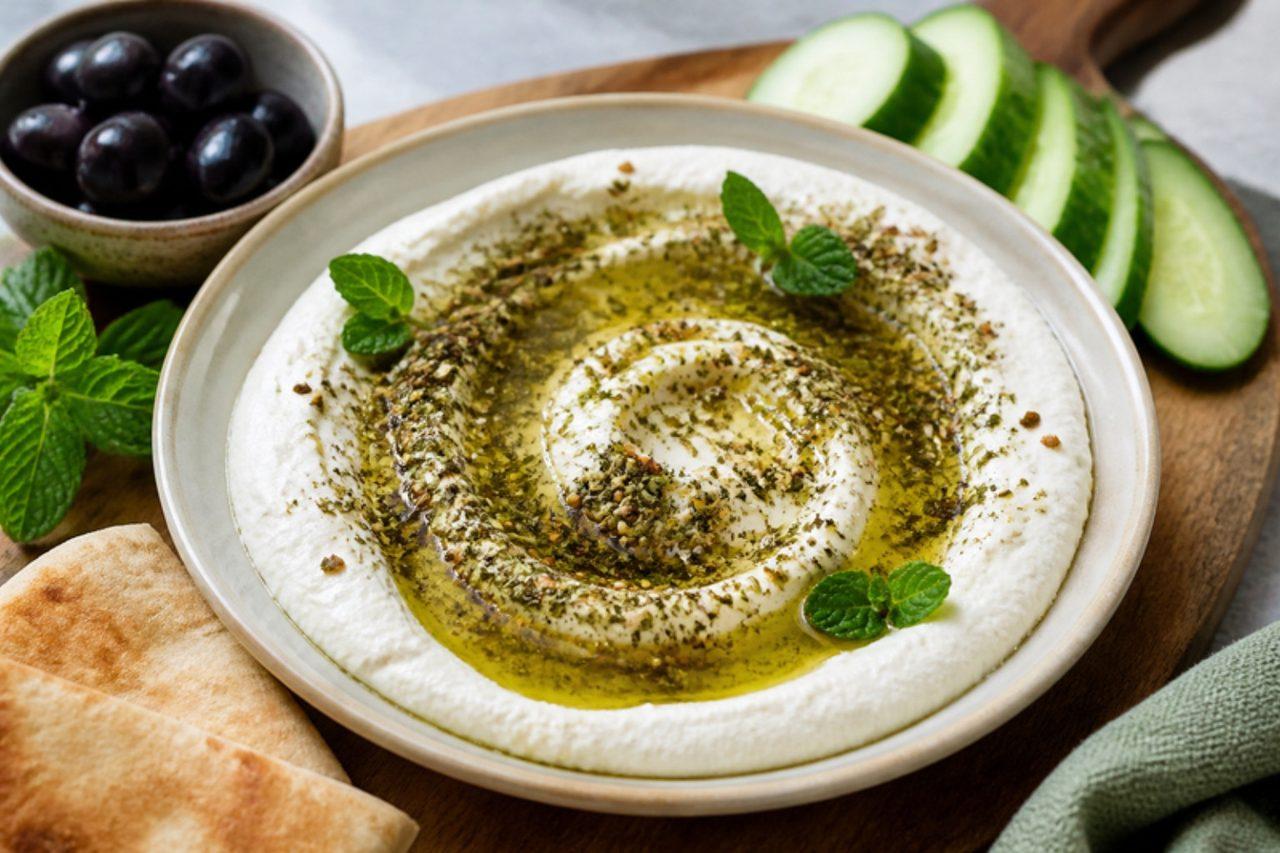
Labneh is the thick, tangy strained yogurt that Lebanese, Syrian and Palestinian families spread on a plate every morning, swirl with olive oil and scatter with za'atar, the wild-thyme, sumac and toasted sesame mix of the Levant. It sits beside olives, cucumber, tomato and warm khubz at breakfast in Beirut and on the mezze table at night, and the firmer version is rolled into small balls and kept in jars of olive oil for weeks. Here salted yogurt hangs for a full day until it is as thick as cream cheese, then goes out two ways: spread in a dish, and rolled into balls. A common mistake is using low-fat or set yogurt with gelatine; it gives a thin, chalky labneh, so choose full-fat plain yogurt with only milk and cultures. Chef's tip: stir the salt in before straining, not after, because it draws out more whey and seasons the yogurt all the way through.

by KrazyBadal 0 views

Man'oushe za'atar

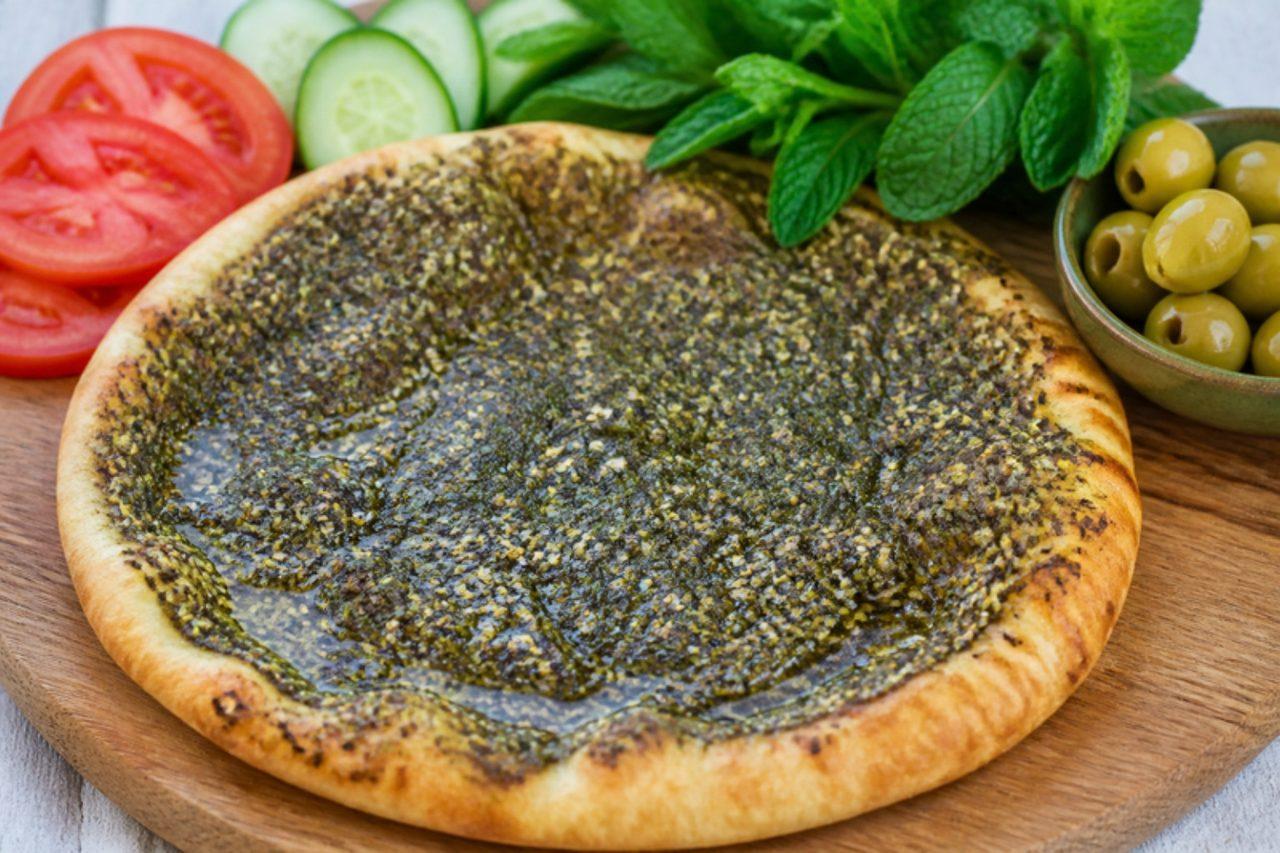
Ask anyone from Beirut what breakfast is and the answer is often man'oushe bi za'atar: a round of soft dough pressed with fingertips, spread with a paste of za'atar and olive oil and baked in the corner bakery's hot oven, then folded in paper and eaten on the way to school or work. At home it is rolled around sliced tomato, cucumber, olives and fresh mint. The most common mistake is too little oil in the topping, which leaves the za'atar dry and dusty, or baking it too long so the herbs scorch and turn bitter; the paste should be loose and spreadable and the bread pulled out once the rim is just golden. Chef's tip: get the oven and tray properly hot, at its highest setting for 20 minutes, so the dough puffs and blisters before the topping has time to burn.

by KrazyBadal 0 views

Goes well with za'atar