Skip to content
Recipes

All recipes

Vegetarian, or something you can't eat? Set your diet once and we'll hide recipes that don't fit.

Massalé cabriGoat curry

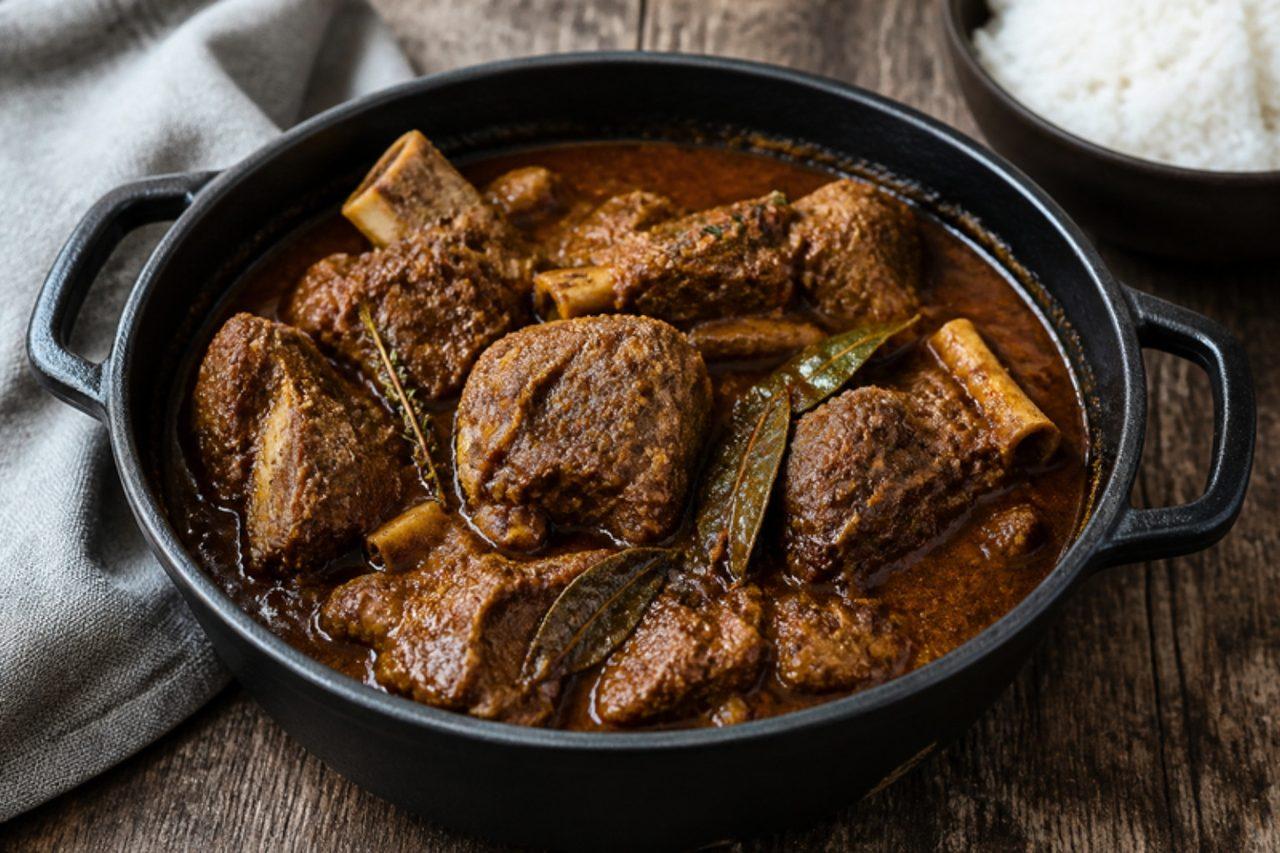
Massalé came to Réunion with Tamil workers in the nineteenth century, and the dark, earthy spice blend still perfumes the island's temple festivals and the big family meals that follow them, where massalé cabri is served from huge pots. Goat on the bone is rubbed with toasted, freshly ground coriander, cumin, fenugreek, pepper and cloves, then simmered with onion, garlic, ginger, tomato and curry leaves until it falls from the bone into a thick brown sauce with a lingering heat. Eat it with white rice, lentils and a rougail. The classic mistake is burning the spices while toasting them, which makes the whole pot bitter; take them off the heat the moment they smell warm and turn a shade darker. Chef's tip: marinate the goat overnight in the fridge if you can, as the massalé gets right into the meat.

by KrazyBadal 0 views

Pâté créolePork and chicken pie

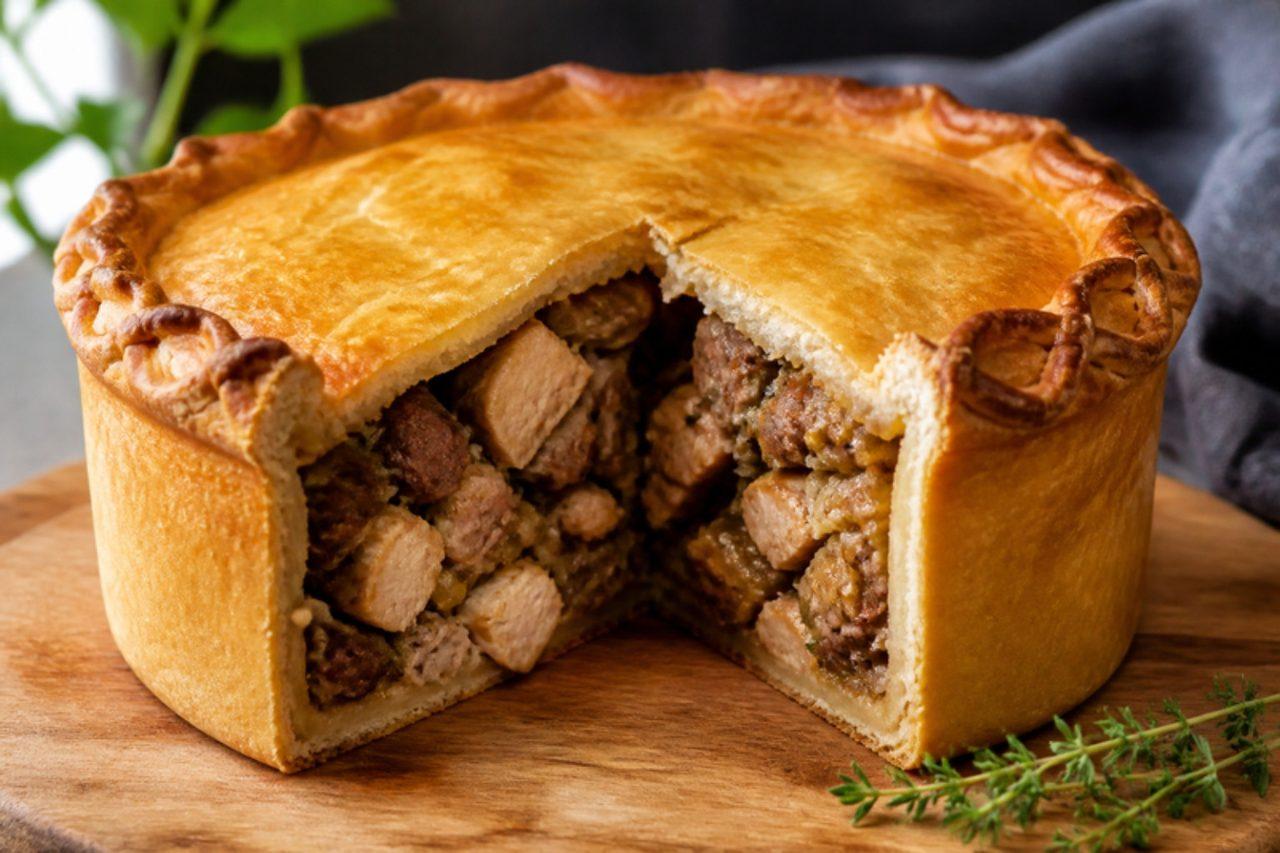
Christmas Eve, New Year and big christenings in Réunion are not complete without a pâté créole, a deep, golden shortcrust pie filled with pork and chicken that have spent a night soaking up garlic, ginger, thyme, parsley and four-spice. It bakes slowly so the meat cooks in its own juices into a tender, fragrant filling that slices neatly, and it is served warm or at room temperature with a green salad. Families often order one from the local baker or traiteur, but it is a satisfying weekend project at home. Because the filling goes in raw, the usual mistake is cutting the meat too large and taking the pie out too early; dice it small and check the centre with a thermometer. Chef's tip: keep a little hole in the middle of the lid; it lets steam escape so the crust stays crisp, and it is exactly where the thermometer goes.

by KrazyBadal 0 views

MacatiaSweet breakfast buns

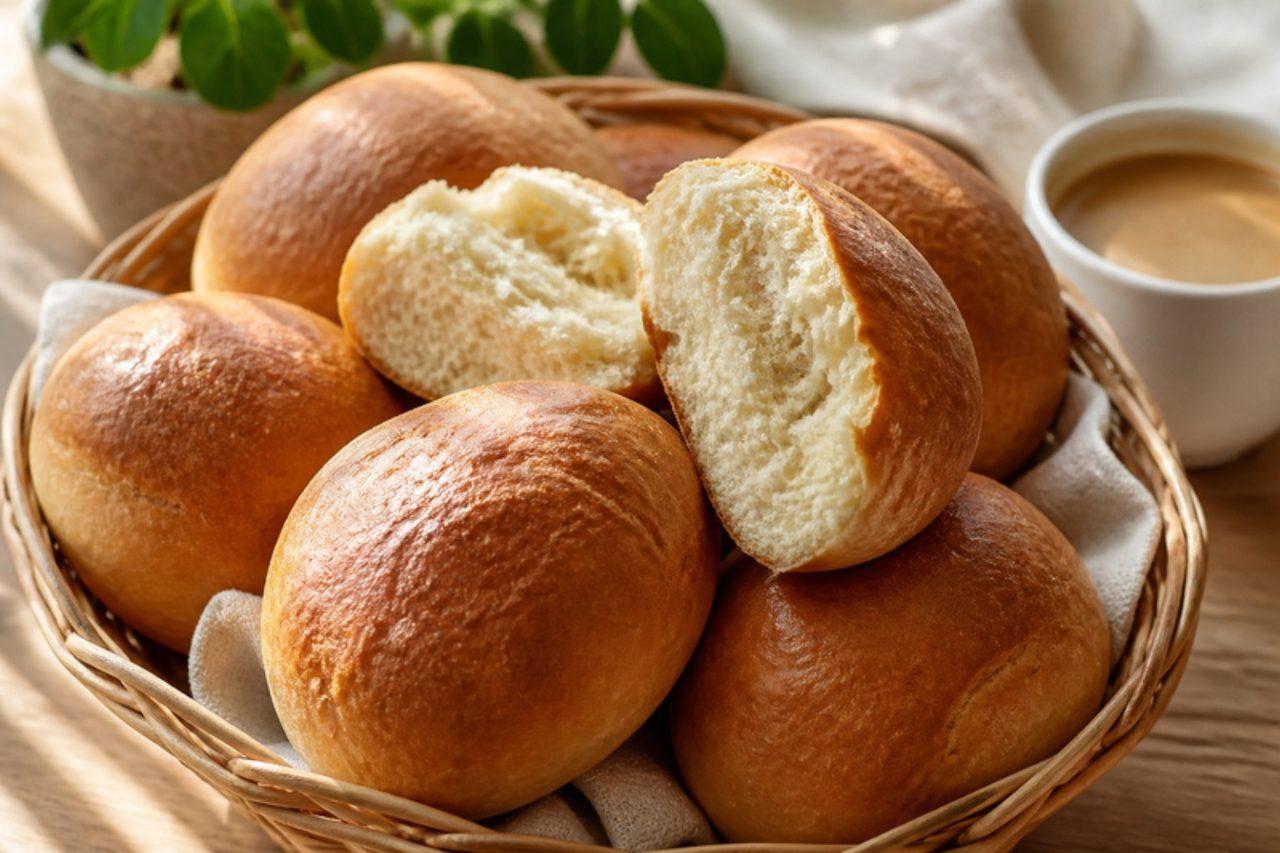
Bakeries in Saint-Denis and Saint-Paul fill their shelves with macatias before dawn, and they go fast: plump, shiny buns with a close, cotton-soft crumb and just enough sugar to taste sweet with black coffee. Children take them to school, workers tear one open on the bus, and people split them and fill them with butter, cheese or even a spoon of cari for a quick lunch. Some bakers add grated coconut and call them macatia coco. The commonest mistake is using milk that is too hot, which kills the yeast; it should feel just warm on your wrist. Chef's tip: brush the buns with a little milk as soon as they come out of the oven and cover them with a cloth, which keeps the crust soft rather than crisp.

by KrazyBadal 0 views

BusecaTripe and white bean stew

Buseca arrived in Montevideo with Italian immigrants from Lombardy and became a classic winter dish of Uruguayan bodegones and family kitchens, eaten on cold June and July days. Honeycomb tripe is simmered until tender, then stewed with white beans, pork chorizo, bacon, peppers, tomato and paprika into a thick, warming stew served with crusty bread. Buy tripe that is already cleaned and blanched (dressed). The usual mistake is undercooking the tripe: it needs a full 2 hours, until it's soft enough to cut with a spoon. Slow-cooker option: after step 4, cook on low for 8 hours. Chef's tip: a little grated lemon zest and parsley stirred in at the end lifts the rich, gelatinous sauce.

by KrazyBadal 0 views

TereréIced yerba mate

In Asunción the hottest part of the day stops for tereré: a horn or cup packed with yerba mate, topped up again and again with ice water infused with crushed herbs, and passed round the group through a metal straw. It was recognised by UNESCO as part of Paraguay's cultural heritage, and the herbs (yuyos) change with the season and the drinker's mood. Yerba mate contains caffeine, so it isn't one for small children. The common mistake is pouring water straight into loose yerba, which then clogs the straw; tilt the yerba to one side first. Chef's tip: for tereré ruso, swap the water for cold orange or grapefruit juice.

by KrazyBadal 0 views

Mauritian vanilla tea

In Mauritius the kettle goes on for dité at breakfast and again at four, when the heat of the day breaks and someone brings out gato piment, a packet of biscuits or a slice of gato patate. The tea is grown on the island's central plateau, around Curepipe and the Bois Chéri hills, and the local favourite is black tea perfumed with vanilla, the same vanilla that grows on the neighbouring islands. It is drunk strong, very sweet and milky, often with evaporated or condensed milk: a round, creamy cup with a soft caramel-vanilla scent and no bitterness. The common mistake is boiling the tea leaves with the milk until they stew; brew the tea in water first, then add hot milk. It is ready when the tea is the colour of milky caramel and the kitchen smells of vanilla. A cup has about as much caffeine as ordinary black tea. If you cannot find vanilla-scented Mauritian tea, a strong black tea and a split vanilla pod do the job well. Chef's tip: dry the used vanilla pod and bury it in your sugar jar; next time the sugar alone will scent the tea.

by KrazyBadal 0 views

NapolitainesJam shortbread sandwiches with pink icing

Pink, round and glossy, napolitaines sit in the front window of every pâtisserie in Port Louis and Quatre Bornes, and they come out at birthday teas, christenings and school fêtes. Two discs of tender, barely sweet butter shortbread are glued together with strawberry jam and dipped in a thin pink icing that sets to a crisp shell; the biscuit should crumble against the sweet glaze, not snap. The common mistake is baking them until golden: they must stay pale, or the shortbread turns hard and tastes toasted. Look for a vegetarian red food colouring, as many red colourings are made from cochineal insects. Chef's tip: chill the cut rounds for 15 minutes before baking so they keep their sharp edges and do not spread.

by KrazyBadal 0 views

Cocido quemadoBurnt sugar mate drink

Cocido is how Paraguay starts the day: in Asunción, in the villages of Guairá and Itapúa, and in school kitchens, a pot of burnt yerba is brewed and poured into cups with chipa, the cheesy cassava bread, or with a hard galleta. The old way is to drop a glowing piece of charcoal into a pot with yerba and sugar and stir until the sugar burns. On a home stove you caramelise them together in a dry pan instead, which is safer and gives the same smoky, toffee-like taste. The drink is clear amber-brown, with roasted, slightly bitter mate notes over burnt-sugar sweetness; with milk added it becomes cocido con leche, creamy and coffee-coloured. Yerba mate contains caffeine, so treat it like a cup of coffee. The common mistake is letting the sugar go black: it turns acrid and bitter. Pull it off the heat when the caramel is deep amber and the yerba smells toasted, not burnt. It is ready when the liquid is a clear dark amber and tastes of toffee and smoke. Chef's tip: the water will spit fiercely when it hits the hot caramel, so pour it in from the side, at arm's length.

by KrazyBadal 0 views

Morcilla dulceSweet blood sausage with walnuts

No Uruguayan parrilla is complete without morcilla dulce: a soft pork blood sausage sweetened with sugar and scented with orange peel, studded with walnuts and raisins, grilled until the skin crisps and served first, as part of the achuras, while the beef is still cooking. It is pork throughout: pork blood, pork back fat and natural pork casings. Making it at home is a project. Buy fresh pork blood with an anticoagulant added from a butcher who supplies it for sausage making, keep it chilled below 4 °C and use it within a day. The common mistake is poaching at a rolling boil, which bursts the casings. Chef's tip: keep the water at 80–85 °C, just shivering, and prick a sausage after 25 minutes: it is done when brown, not red, juice comes out.

by KrazyBadal 0 views

Postre MassiniCustard sponge with burnt sugar top

Montevideo's birthday cake of choice since the early twentieth century, the Massini is two thin layers of sponge sandwiching a thick filling of whipped cream folded with egg-yolk custard, crowned with a thin glassy crust of torched yolk and sugar. Bakeries across Uruguay sell it on Sundays. Traditional versions sometimes add a sweet fortified wine to the custard; this one is alcohol-free. The custard is cooked to a safe 71 °C. The common mistake is assembling with warm custard, which melts the cream into a puddle. Chef's tip: if you don't have a blowtorch, put the sugared top under a very hot grill for a minute and watch it closely.

by KrazyBadal 0 views

Asado uruguayoGrilled beef short ribs and chorizo

Sunday in Uruguay means asado: in Montevideo backyards and the cattle towns of the interior, beef ribs (asado de tira), chorizo and morcilla cook slowly over the embers of a wood fire, with only coarse salt, while the family waits. The parrillero rakes coals under the grill and keeps the heat low and even. This recipe includes pork chorizo. The mistake is cooking over flames; the fire should burn down to embers you can hold your hand above for 6–8 seconds. Chef's tip: salt the meat only when it goes on the grill, with coarse salt, never fine.

by KrazyBadal 0 views

ChajáSponge, peach and cream cake

Chajá was created in 1927 at a bakery in Paysandú, a city on the Uruguay River, and named after a local bird whose feathers look as fluffy as its crumbly meringue coat. Today it's Uruguay's birthday and celebration cake: layers of light sponge soaked in peach syrup, filled with whipped cream, peaches and dulce de leche, then covered in crushed meringue. It's sweet, soft and crunchy at once, best on the day it's assembled. Chef's tip: soak the sponge but not too much; it should feel moist, not wet, or the layers slide.

by KrazyBadal 0 views

AloudaChilled milk drink with basil seeds

Alouda is the cold, sweet milk drink sold from stalls in the Port Louis central market and at beaches all over Mauritius, especially on hot afternoons. Vanilla- or rose-scented milk is poured over soaked tookmaria (sweet basil) seeds and cubes of agar jelly, and often topped with a scoop of ice cream. It is a cousin of the Indian falooda. Because the jelly is set with agar agar, it is vegetarian. Chef's tip: soak the basil seeds for a full 20 minutes until each one has a thick, clear coat; dry seeds stick in the throat.

by KrazyBadal 0 views