Skip to content
Recipes

All recipes

Vegetarian, or something you can't eat? Set your diet once and we'll hide recipes that don't fit.

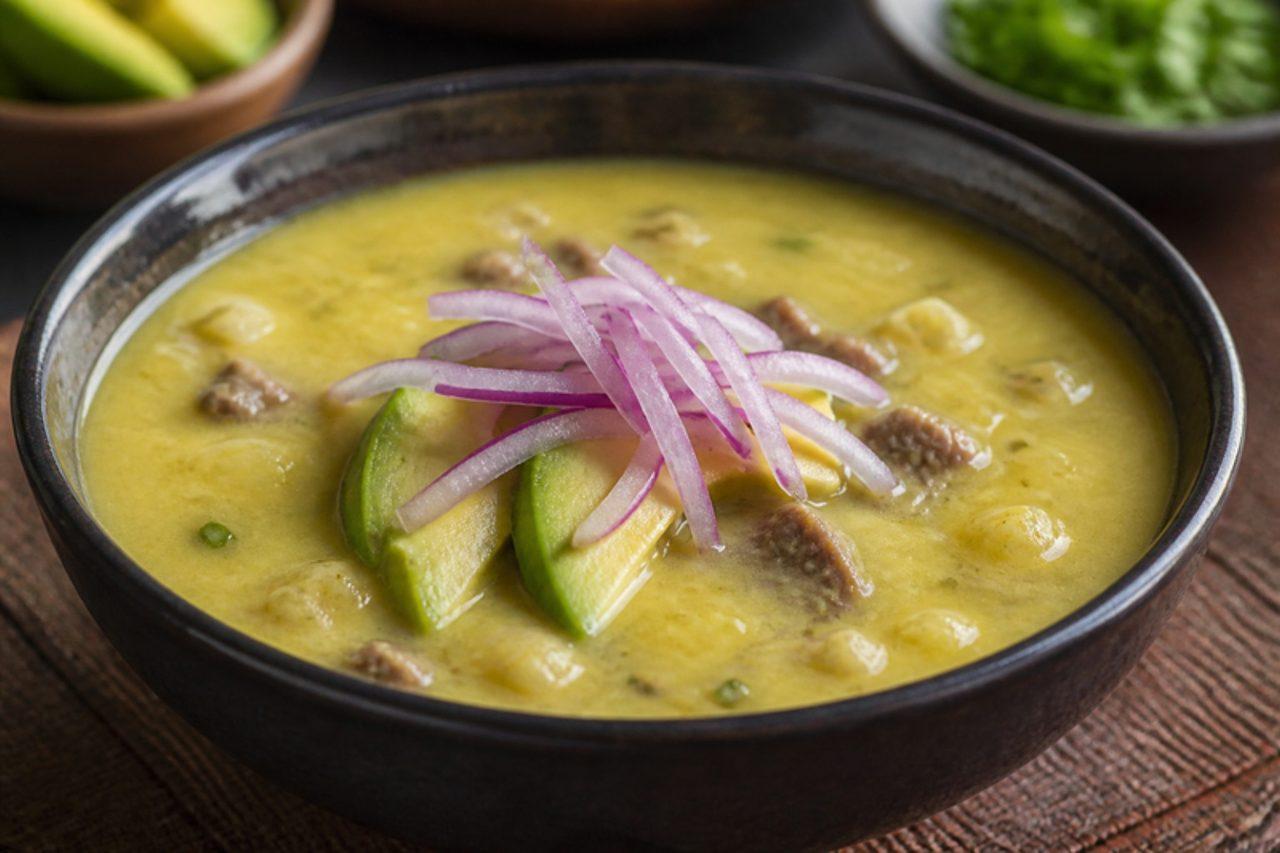
YaguarlocroPotato and lamb offal soup

Yaguar is blood in Kichwa, and yaguarlocro is the Saturday soup of the markets of Ambato, Latacunga and Riobamba: a creamy potato broth cooked with lamb offal, cumin and achiote, crowned with avocado, sharp pickled red onion and, traditionally, crisp fried blood. Here the blood topping is optional; the soup is rich and complete without it. It is served at midday as a full meal. The usual mistake is blending the potatoes, which turns the soup gluey; let some break down by themselves and mash the rest lightly. Cook the offal until tender and the liver until no pink remains. Chef's tip: use half floury and half waxy potatoes, so the soup thickens yet keeps some soft chunks.

150 minAndeanSoupsGluten free
by KrazyBadal 0 views

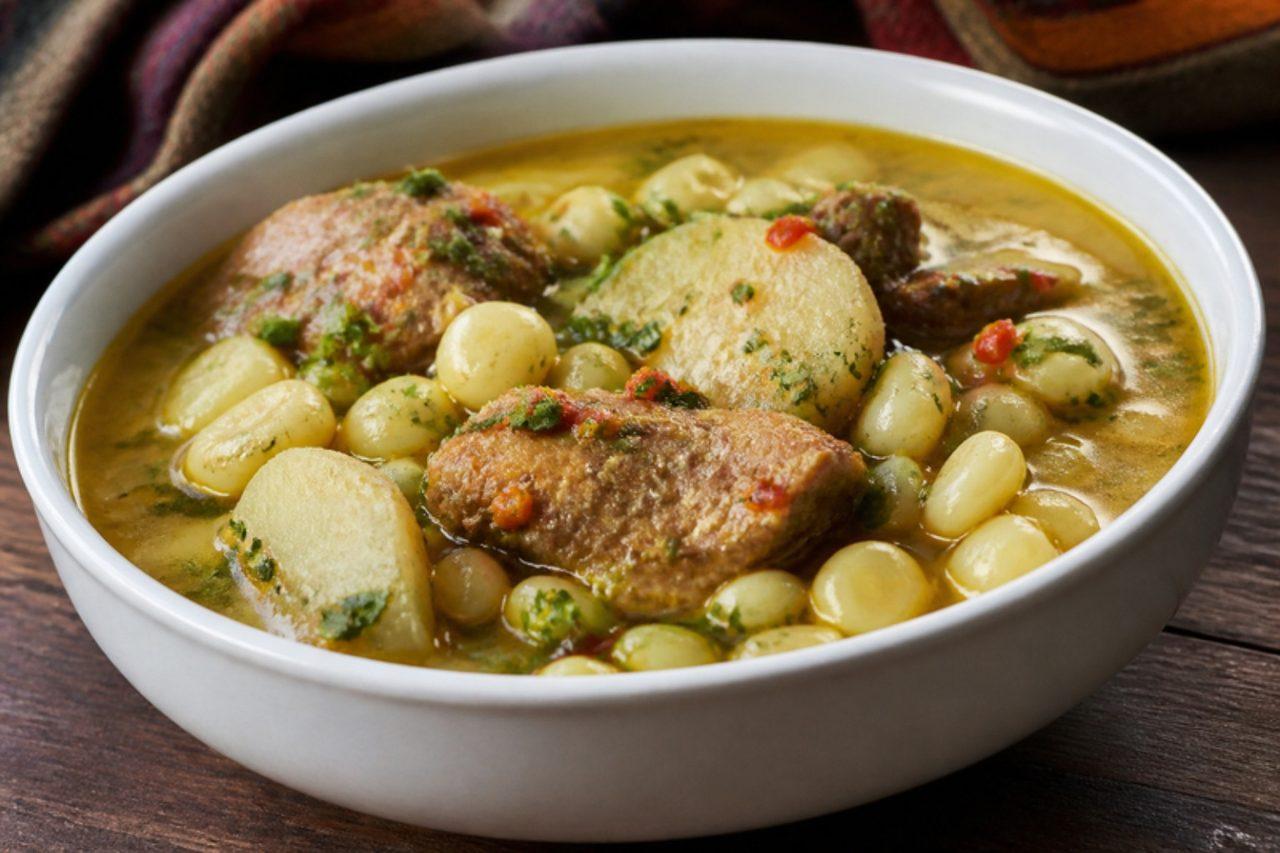
Fricasé paceñoSpicy pork stew with chuño

On Sunday mornings in La Paz, after a long night out or simply because it is cold, people head to the comedores for fricasé: a pork stew of ribs and shoulder in a yellow broth of ají amarillo, cumin and black pepper, with chuño (freeze-dried potato) and big white corn kernels in each bowl. This recipe is made with pork. Many cooks thicken it with breadcrumbs; we use ground chuño or cornflour so it stays gluten free. The usual mistake is boiling it hard, which makes the pork stringy; it should barely tremble. Chef's tip: soak the chuño overnight and squeeze it in several changes of water, which removes its earthy bitterness.

180 minAndeanMeatGluten freeSpicy
by KrazyBadal 0 views

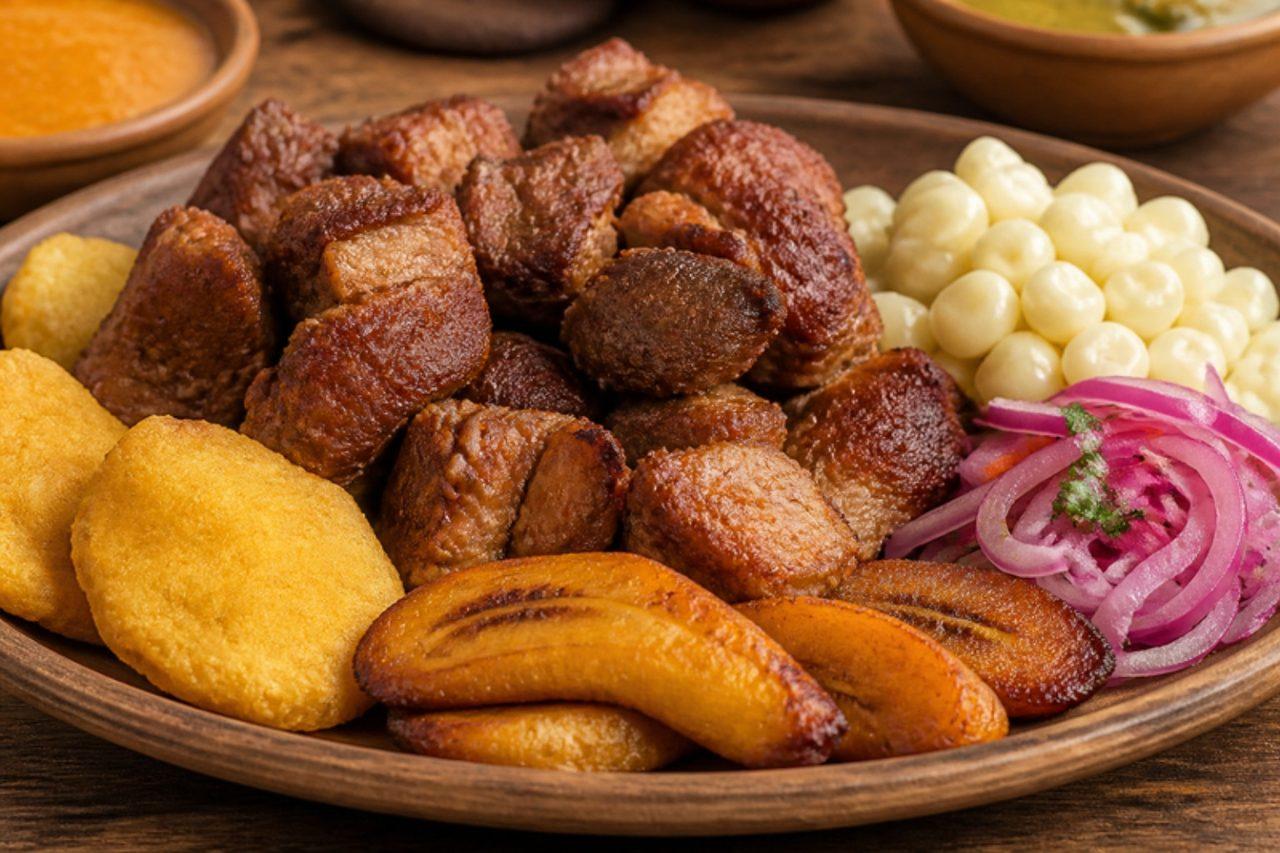
FritadaGarlic and cumin fried pork

Fritada is weekend food all over the Sierra, from roadside stops in Sangolquí to family lunches in Ibarra: chunks of pork shoulder simmered in water with garlic, cumin and orange juice in a wide pan until the water boils away and the meat fries in its own rendered fat, turning sticky and deep golden. It is served with mote, fried ripe plantain, potato cakes and a sharp onion curtido. The usual mistake is using a lean cut and stirring constantly; shoulder with some fat, and patience while it browns, give crisp edges and juicy centres. The pork is cooked well past 71 °C by the time it browns. Chef's tip: use a wide, heavy pan so the liquid evaporates evenly and every piece touches the bottom.

95 minAndeanMeatGluten free
by KrazyBadal 0 views

Guaguas de panSweet bread babies

Guagua means baby in Kichwa, and in late October Quito's bakeries line their windows with these swaddled bread figures, each with a sugar-iced face and blanket, made to eat with colada morada for the Day of the Dead on 2 November. The bread is soft, buttery and lightly sweet, often hiding a strip of guava paste, and children love decorating them. The common mistake is shaping thin heads and arms, which brown and dry long before the body is baked; keep the shapes plump. Chef's tip: let the shaped figures rise fully before baking, so they puff into round, friendly babies rather than cracking at the seams.

by KrazyBadal 0 views

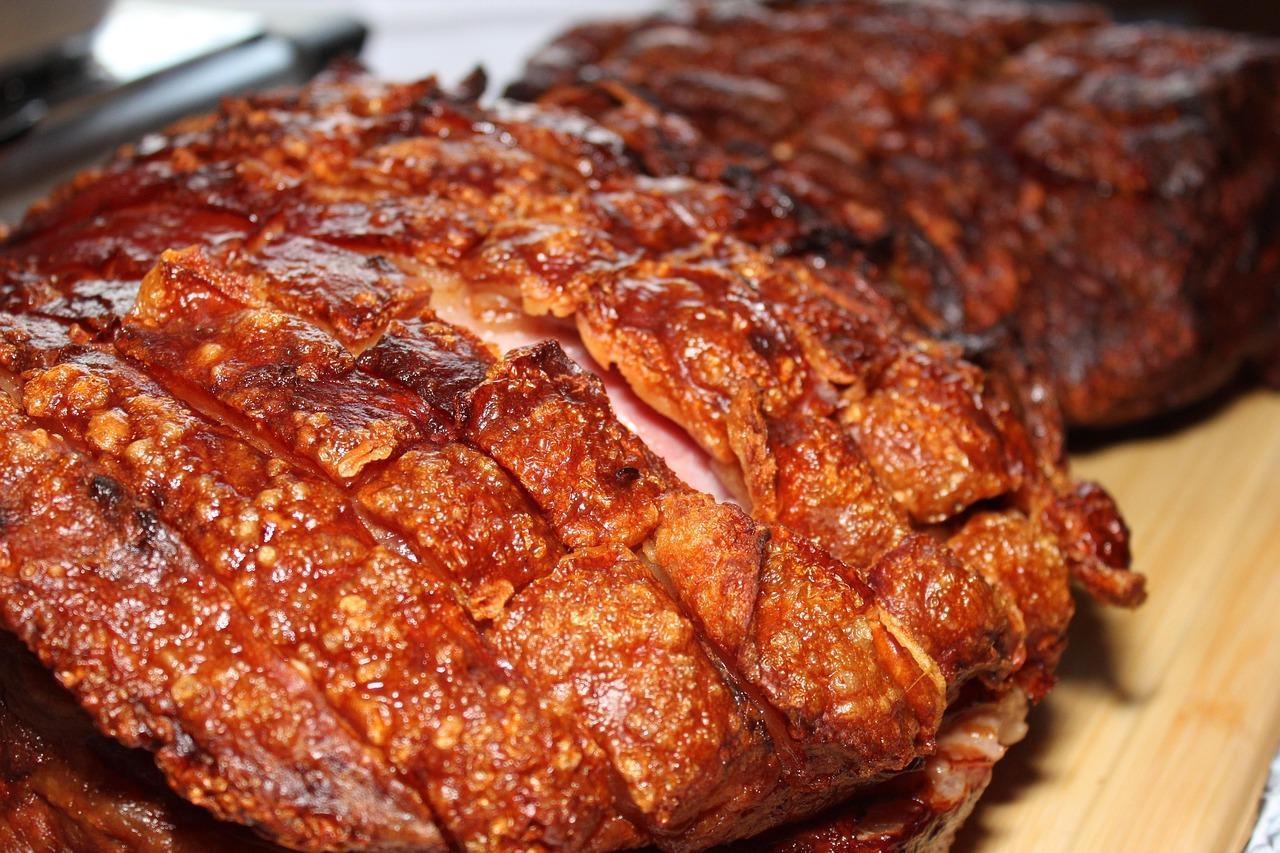
HornadoRoast pork with crackling

At the Sunday markets of Riobamba and Quito's La Ofelia, whole roast pigs glisten on the stalls and vendors carve hornado, garlic-and-cumin pork with crackling, onto plates with potato cakes, mote and a sour onion sauce called agrio. This home version uses a bone-in pork shoulder, roasted low and slow until the meat pulls apart, then blasted for crisp skin. Marinate it overnight in the fridge. The usual mistake is pulling the pork as soon as it is cooked through: it is safe once the thickest part reaches 63 °C and has rested for 3 minutes, but it only becomes tender enough to pull at about 85–90 °C. Serve with llapingachos, mote and avocado. Chef's tip: dry the skin and leave it uncovered in the fridge overnight; dry skin is what crackles.

300 minAndeanMeatGluten free
by KrazyBadal 0 views

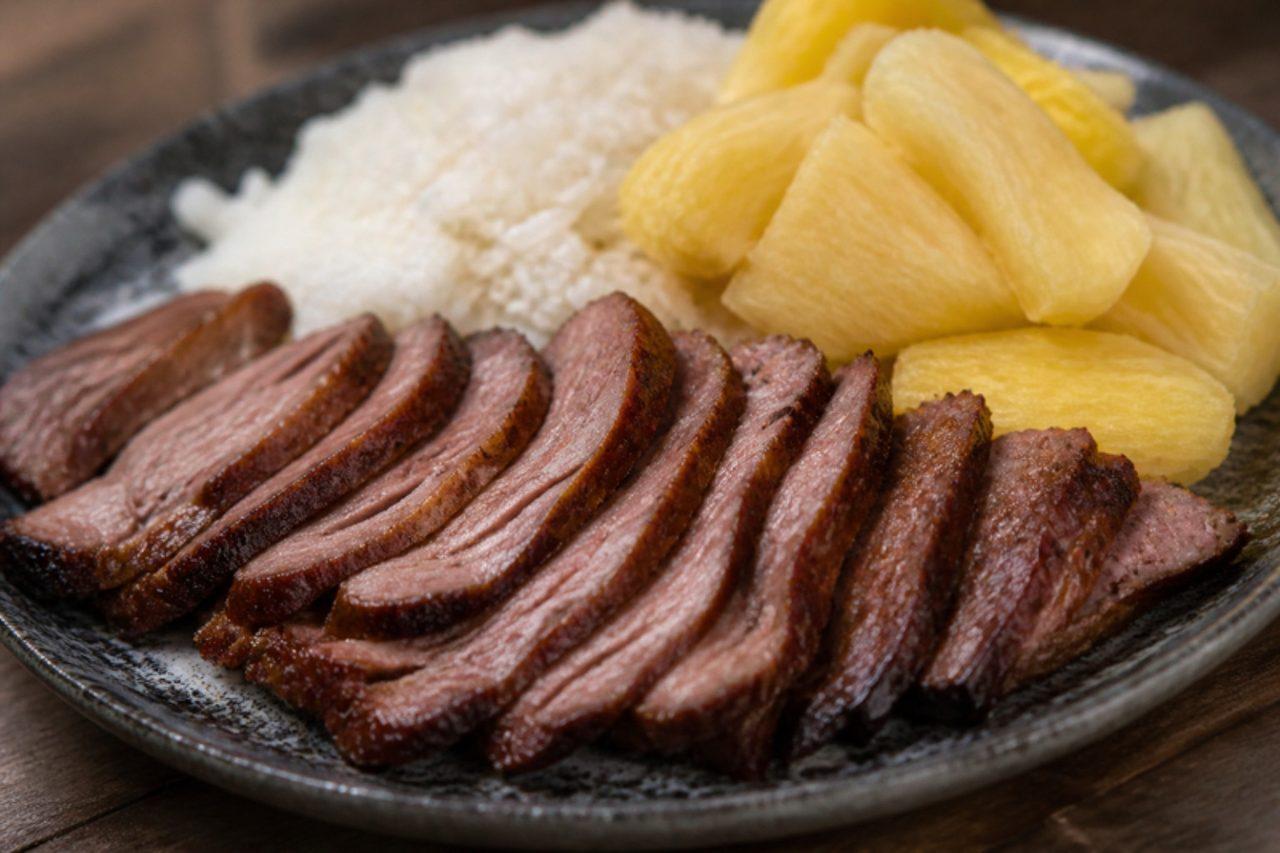
KeperíSlow-roast beef flank

Keperí is the cut Santa Cruz families save for Sundays and birthdays: a flat, well-marbled piece of beef from the flank, rubbed with garlic, cumin and salt, slow-cooked under cover until meltingly soft, then browned hard at the end. It comes to the table sliced across the grain with boiled yuca, rice and a fresh tomato salad. Beef flank or skirt in one piece is the closest cut outside Bolivia. The most common mistake is slicing along the grain, which makes even tender meat chewy. Chef's tip: let the marinade work overnight in the fridge, then cook the meat fat side up so it bastes itself.

200 minAndeanMeatGluten free
by KrazyBadal 0 views

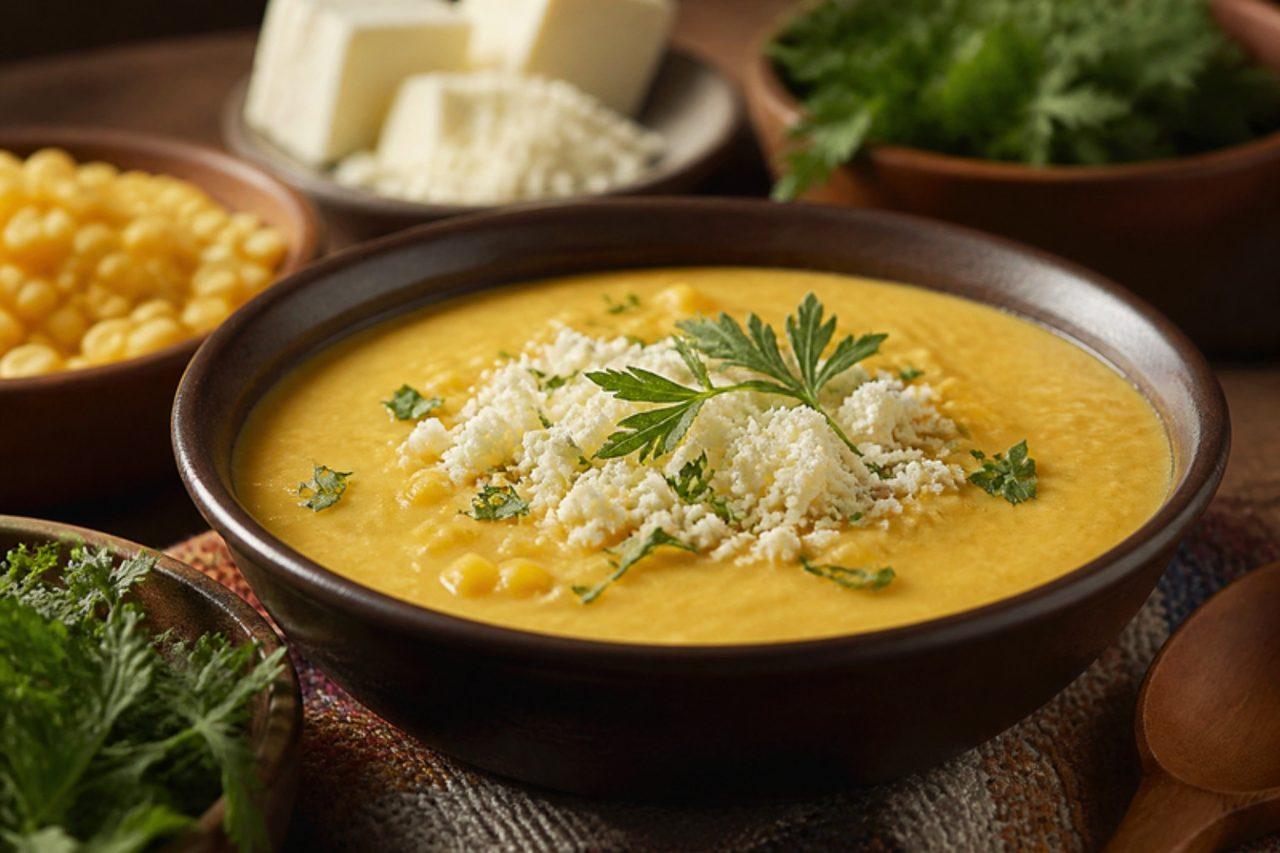
Lawa de chocloFresh corn soup

In the valley markets of Cochabamba and up into the cold highland towns, lawa de choclo is the soup that greets early risers: grated fresh corn simmered into a velvety, naturally sweet porridge-like broth with potato, melting cheese and a handful of herbs. Bolivian cooks use huacataya (black mint); mint and parsley together come close. Traditional queso fresco uses animal rennet, so pick a vegetarian fresh cheese if you need one. Most failed lawas are lumpy because the blended corn went into boiling liquid without stirring. Chef's tip: grate the kernels straight off the cob rather than cutting them; the milky pulp is what thickens the soup.

by KrazyBadal 0 views

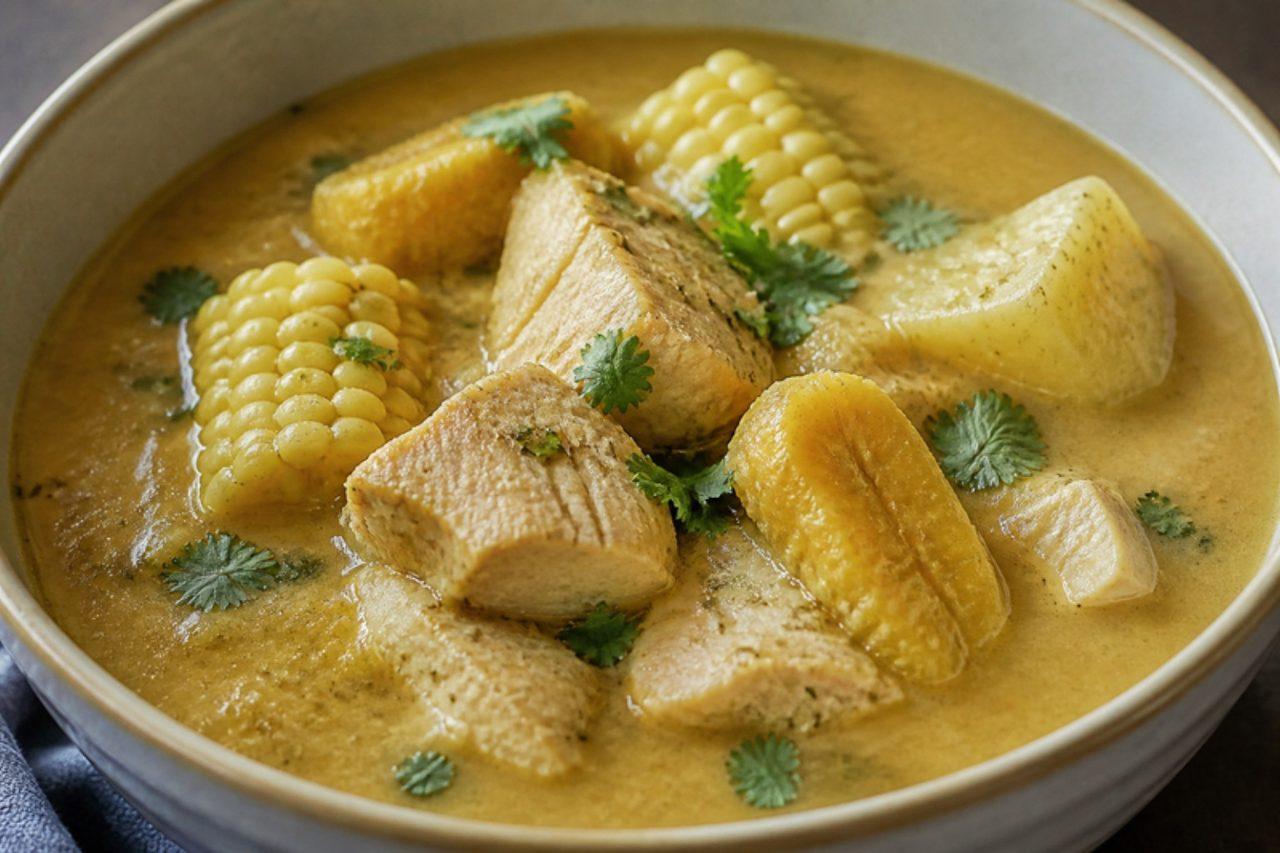
Viche de pescadoFish and peanut soup

Viche is the Sunday soup of Manabí's coast, cooked in Portoviejo kitchens and beach shacks at Crucita: a golden broth thickened with ground peanuts and grated green plantain, loaded with corn, cassava, squash and chunks of white fish. It is nutty, earthy and gently sweet, a meal in a bowl, served with lime and chilli. Peanuts are a major allergen. The common mistake is adding the fish too early, so it breaks into threads; it goes in last and needs only 8 minutes, until opaque and flaking. Chef's tip: toast the peanuts until golden before grinding; it gives the broth its deep, roasted flavour.

by KrazyBadal 0 views

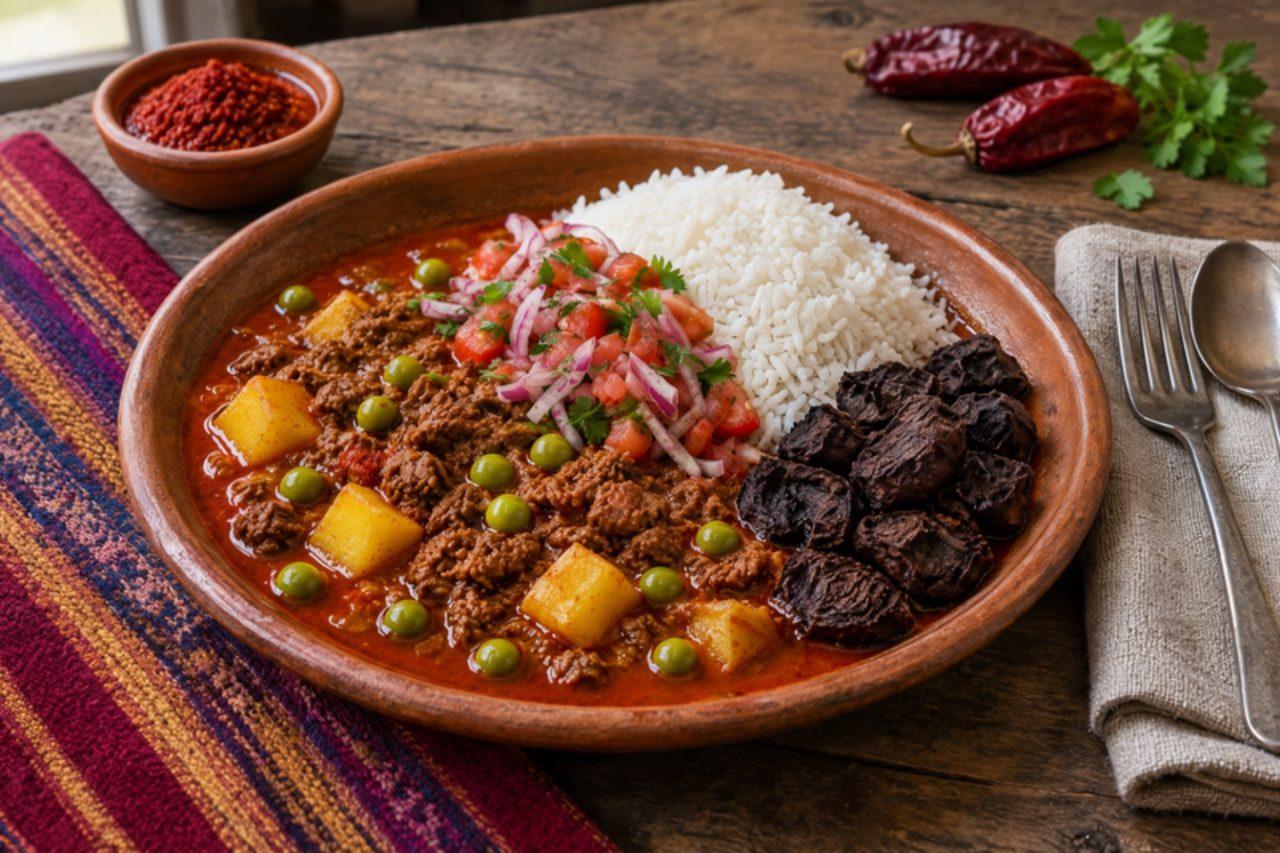
SaiceSpicy minced beef stew

Saice is the signature dish of Tarija in southern Bolivia, eaten at lunchtime in the market comedores and on Sundays at home, especially around the city's spring flower festival. Finely chopped or minced beef is stewed with onion, tomato, peas and ají colorado (dried red chilli) into a spicy, brothy sauce, served with boiled potatoes, white rice, rehydrated chuño (freeze-dried potato) and a fresh salsa of onion and tomato on top. The usual mistake is letting the mince clump: break it up hard as it browns, so it stays fine and soaks up the sauce. Mince is safe at 71 °C. Chef's tip: let the ají colorado simmer for at least 15 minutes, as its raw edge softens into a deep, fruity heat.

60 minAndeanMeatGluten freeSpicy
by KrazyBadal 0 views

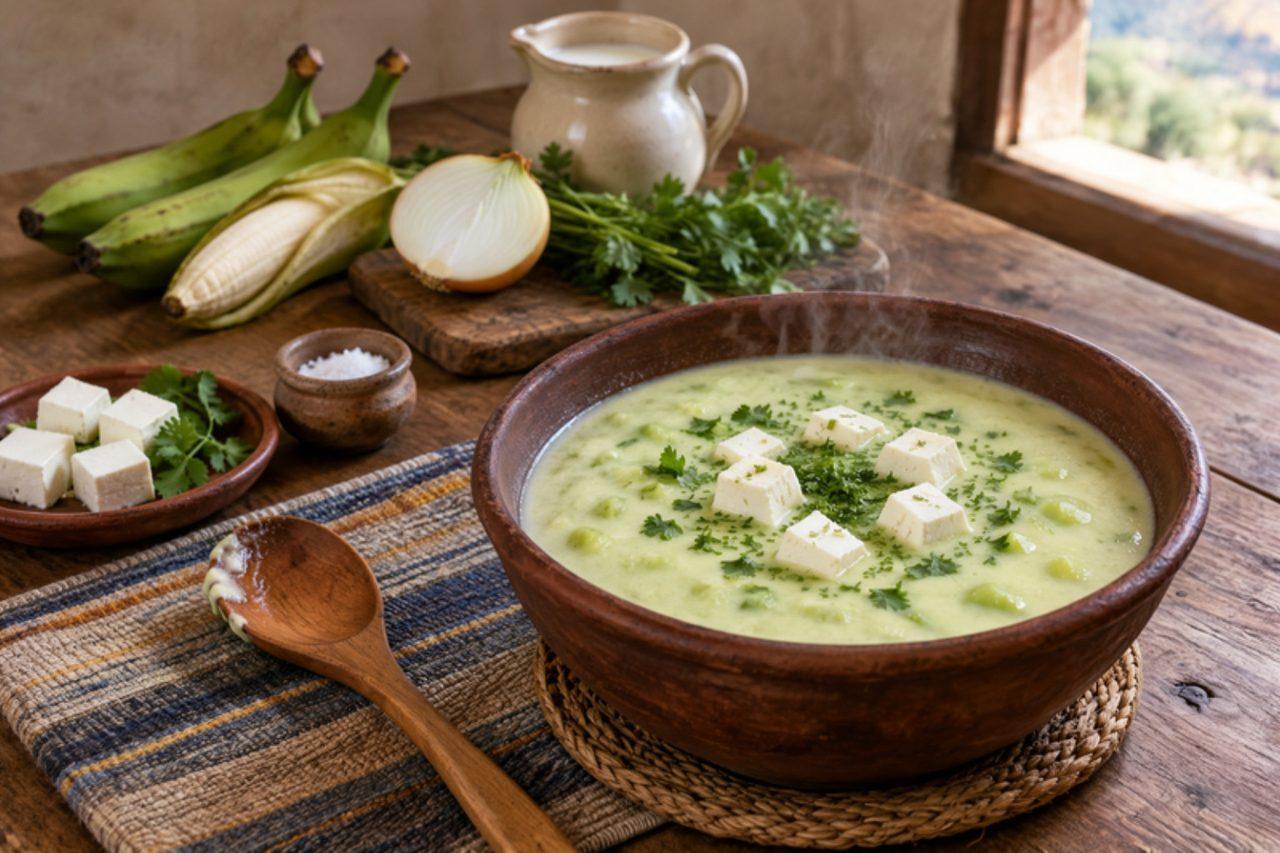
Repe lojanoGreen banana and milk soup

Repe is the comfort soup of Loja in southern Ecuador, eaten at lunch on chilly Andean days and often as the first course of the main midday meal. Green bananas are cooked in a light onion and achiote broth until they break down, then milk and crumbled fresh cheese turn it creamy and gently savoury, with coriander on top and avocado on the side. Lojano quesillo is usually made with animal rennet; use a fresh cheese labelled vegetarian or paneer instead. The usual mistake is cutting the bananas with a knife: break them into rough pieces by hand, as the rough edges dissolve and thicken the soup. Chef's tip: once the milk is in, keep the soup just below a simmer so it doesn't catch or curdle.

by KrazyBadal 0 views

Ají amarillo pasteYellow chilli paste

In Lima's markets ají amarillo is sold fresh all year, and most Peruvian cooks keep a tub of this paste in the fridge the way others keep tomato purée: it is the golden base of causa limeña, ají de gallina, papa a la huancaína, chupe and the sauce for tiraditos. The chillies are seeded, de-veined and blanched in three changes of water, which tames the heat and the raw grassiness, then peeled and blended with oil into a thick, silky, saffron-orange paste. It tastes fruity and sunny, almost like apricot and passion fruit, with a rounded, medium heat. Abroad, buy whole frozen ají amarillo from Latin grocers; dried ají mirasol, soaked, gives a darker, earthier paste. Common mistake: skipping the peeling; the thin skins leave papery flecks and a bitter edge. It is ready when it is completely smooth and holds a soft peak like thick hummus. This is a low-acid paste: keep it in the fridge for a week or freeze it, never on the shelf. Chef's tip: freeze it in an ice-cube tray; one cube is about a tablespoon, just right for a pot of ají de gallina.

by KrazyBadal 0 views

Postre MassiniCustard sponge with burnt sugar top

Montevideo's birthday cake of choice since the early twentieth century, the Massini is two thin layers of sponge sandwiching a thick filling of whipped cream folded with egg-yolk custard, crowned with a thin glassy crust of torched yolk and sugar. Bakeries across Uruguay sell it on Sundays. Traditional versions sometimes add a sweet fortified wine to the custard; this one is alcohol-free. The custard is cooked to a safe 71 °C. The common mistake is assembling with warm custard, which melts the cream into a puddle. Chef's tip: if you don't have a blowtorch, put the sugared top under a very hot grill for a minute and watch it closely.

by KrazyBadal 0 views

Caldo de gallinaHen broth with noodles

In Lima's markets and the all-night caldo stalls of districts like La Victoria, a bowl of caldo de gallina is the dawn breakfast for market porters, taxi drivers and anyone coming home late: a deep, golden broth from a slow-simmered hen (a boiling fowl) with ginger and spring onion, ladled over thick noodles and yellow potato, with a boiled egg, lime and ají chilli on the side. The common mistake is boiling the broth hard, which clouds it and toughens the meat; keep it to a lazy simmer. The chicken must reach 74 °C, though after this long simmer it will be well past that. Chef's tip: cook the noodles separately, then put them in the bowls; cooked in the pot they drink the broth and turn it starchy.

by KrazyBadal 0 views

Morcilla dulceSweet blood sausage with walnuts

No Uruguayan parrilla is complete without morcilla dulce: a soft pork blood sausage sweetened with sugar and scented with orange peel, studded with walnuts and raisins, grilled until the skin crisps and served first, as part of the achuras, while the beef is still cooking. It is pork throughout: pork blood, pork back fat and natural pork casings. Making it at home is a project. Buy fresh pork blood with an anticoagulant added from a butcher who supplies it for sausage making, keep it chilled below 4 °C and use it within a day. The common mistake is poaching at a rolling boil, which bursts the casings. Chef's tip: keep the water at 80–85 °C, just shivering, and prick a sausage after 25 minutes: it is done when brown, not red, juice comes out.

by KrazyBadal 0 views

Pira caldoCreamy fish soup with cheese

Along the Paraguay River from Asunción to Concepción, pira caldo is the fishermen's soup, said to restore strength after a long night: chunks of firm river fish poached in a broth of onion, peppers and tomato fried in fat, then made creamy with milk and melted fresh cheese. Surubí or other catfish is traditional; any firm white fish such as hake or pollock works. The mistake most people make is boiling the soup after the milk and cheese go in, which splits it. Chef's tip: fry the vegetables until they are very soft and sweet before adding the water; that is where the flavour comes from.

by KrazyBadal 0 views

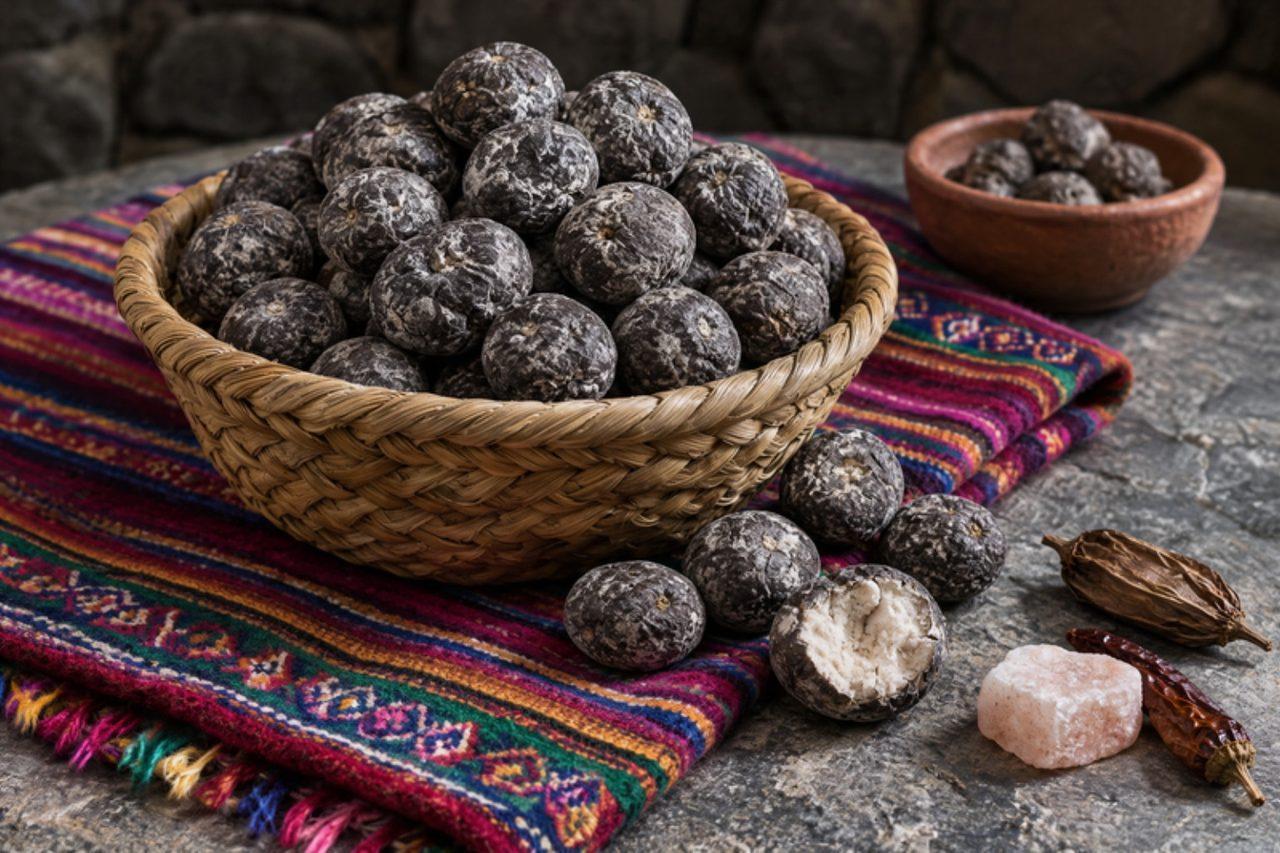
Chuño

On the Altiplano around Lake Titicaca, in June and July when the nights drop to -10 °C and the days are bright and dry, Aymara and Quechua families spread small, bitter potatoes on the grass to make chuño, a technique far older than the Inca. The potatoes freeze at night and thaw in the sun for several days, then are trodden barefoot to squeeze out the water and rub off the skins, and dried for a couple of weeks more. The result is light, wrinkled, grey-black chuño negro that keeps for years; soaked in running stream water instead, the same potatoes become white tunta. Rehydrated and boiled, chuño is firm, slightly chewy and spongy, with an earthy, faintly mineral, almost fermented taste; it goes into chairo soup, into chuño phuti, or beside grilled meat with spicy llajwa. Skipping the long soak is the big mistake: it stays bitter and gritty, so soak it for at least 12 hours, changing the water. Dried chuño is ready when it is rock hard, very light and rattles in a bag. Chef's tip: without Andean frosts, a freezer and a low oven make a fair version; the method is below.

by KrazyBadal 0 views

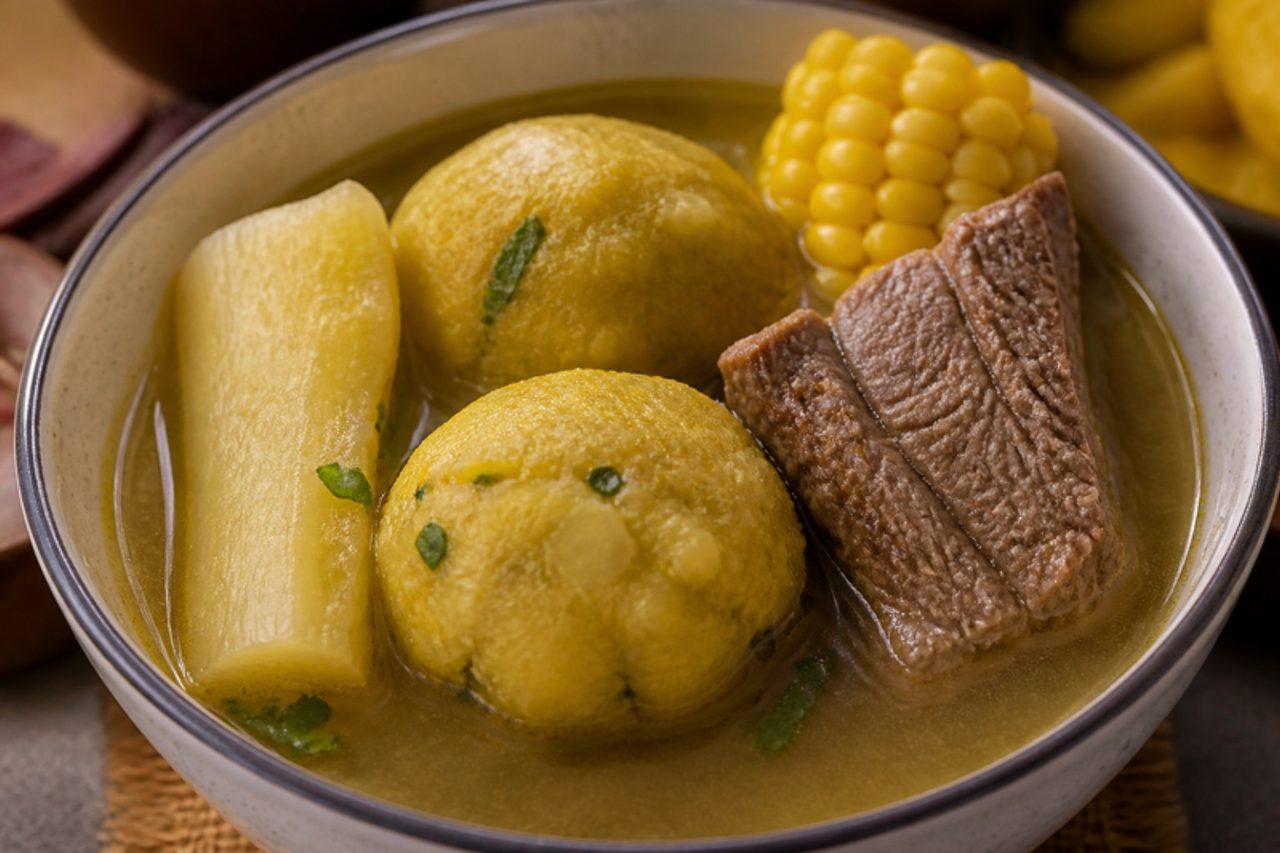
Caldo de bolas de verdeBeef broth with plantain dumplings

Caldo de bolas is the big Sunday soup of Guayaquil and the Guayas coast: a clear beef broth with corn and cassava in which float fist-sized dumplings of green plantain, each stuffed with a savoury filling of beef mince, egg, peas and peanuts. It takes time, so families make it for gatherings and serve it with lime, chilli and rice. Peanuts are an allergen and optional here. The usual mistake is a plantain dough that is too dry, which cracks and falls apart in the broth; it should feel like soft play dough. Cook the mince filling until no pink remains. Chef's tip: mix boiled and raw grated plantain; the raw starch is the glue that holds the bolas together.

160 minAndeanSoupsGluten free
by KrazyBadal 0 views

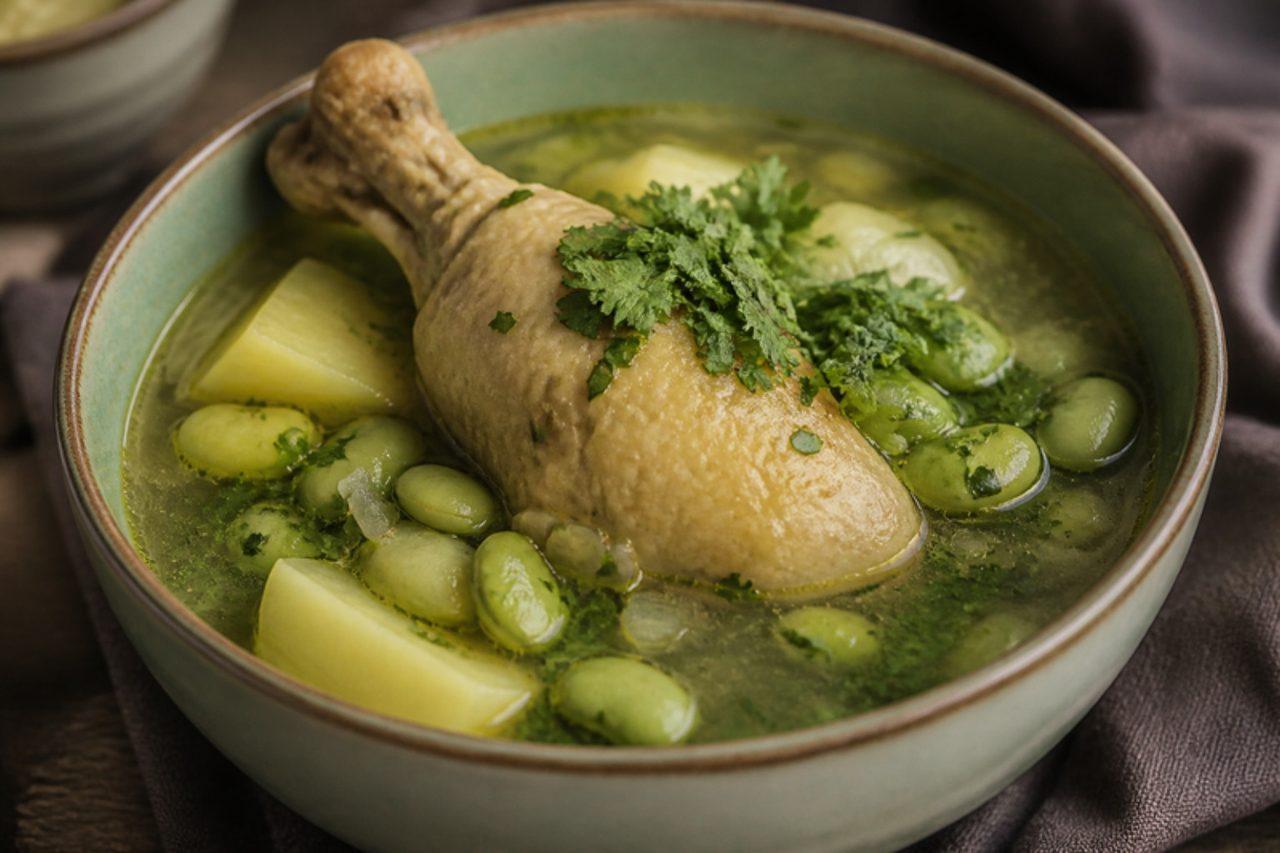
Chanka de polloChicken soup with broad beans

Every Cochabamba market has a corner where chanka de pollo bubbles in huge pots: a clear, herby chicken broth full of broad beans, potatoes and spring onion, with a whole joint of chicken in each bowl and chuño or a boiled potato on the side. It is fresh and grassy rather than rich, sharpened with a little locoto. Many people let it boil hard, which clouds the broth. Chef's tip: add the herbs and spring onion right at the end so they stay bright green.

by KrazyBadal 0 views

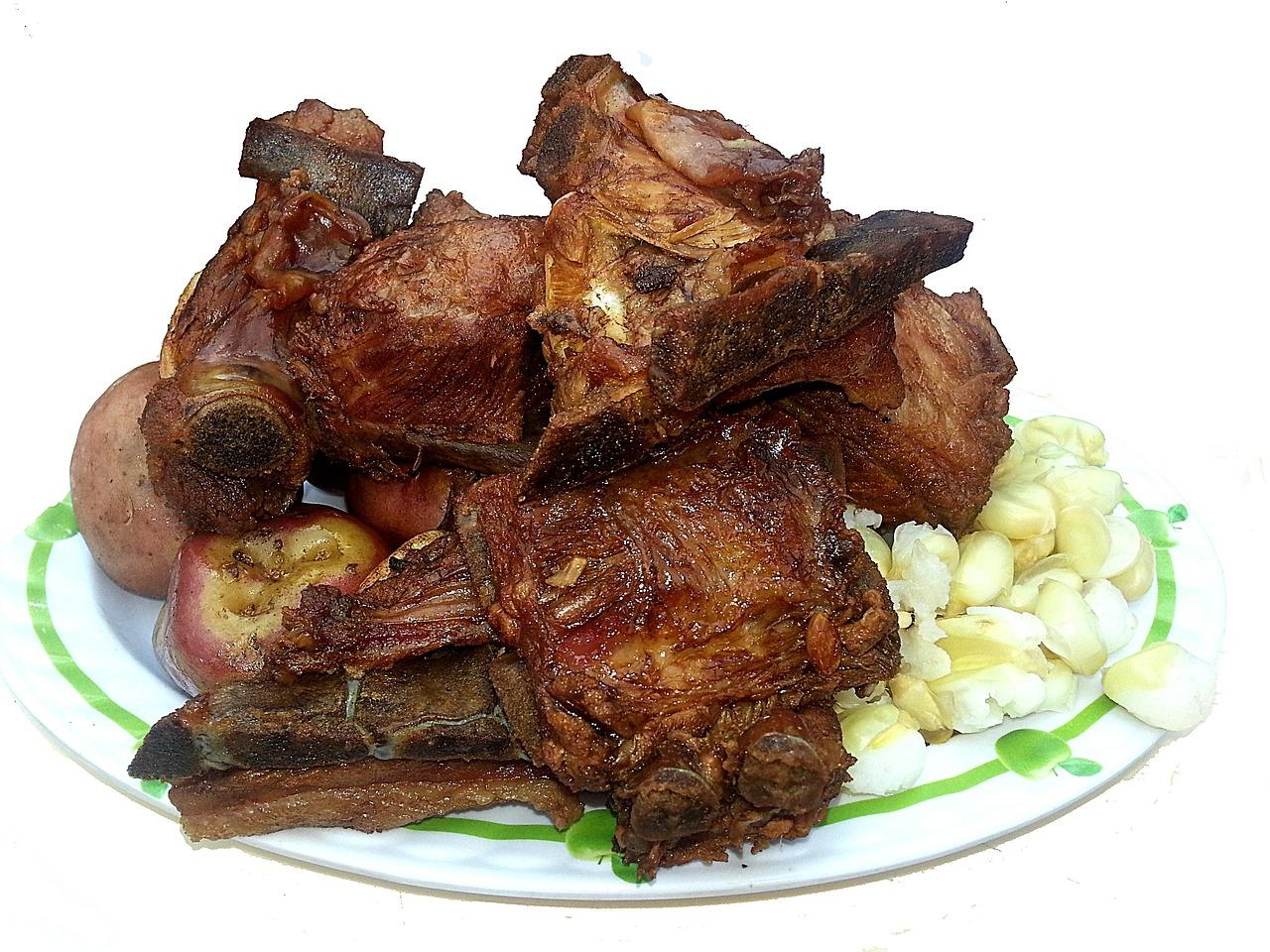
Chicharrón cochabambinoPork fried in chicha

Cochabamba's Sunday chicharrón is pork, cooked the slow way: big chunks of pork rib and shoulder simmered in chicha, the valley's fermented corn drink, with garlic and cumin until the liquid evaporates and the meat fries golden in its own fat. It is eaten with mote (big white corn), boiled potatoes and llajwa. Chicha contains alcohol, and some remains after cooking, so this dish is for adults; for an alcohol-free version use unsweetened apple juice with a splash of cider vinegar. The common mistake is rushing the last stage over a high heat, which burns the outside before the inside is tender. Chef's tip: once the liquid has gone, turn the pieces only every few minutes so a real crust can form.

150 minAndeanMeatGluten free
by KrazyBadal 0 views

BusecaTripe and white bean stew

Buseca arrived in Montevideo with Italian immigrants from Lombardy and became a classic winter dish of Uruguayan bodegones and family kitchens, eaten on cold June and July days. Honeycomb tripe is simmered until tender, then stewed with white beans, pork chorizo, bacon, peppers, tomato and paprika into a thick, warming stew served with crusty bread. Buy tripe that is already cleaned and blanched (dressed). The usual mistake is undercooking the tripe: it needs a full 2 hours, until it's soft enough to cut with a spoon. Slow-cooker option: after step 4, cook on low for 8 hours. Chef's tip: a little grated lemon zest and parsley stirred in at the end lifts the rich, gelatinous sauce.

by KrazyBadal 0 views

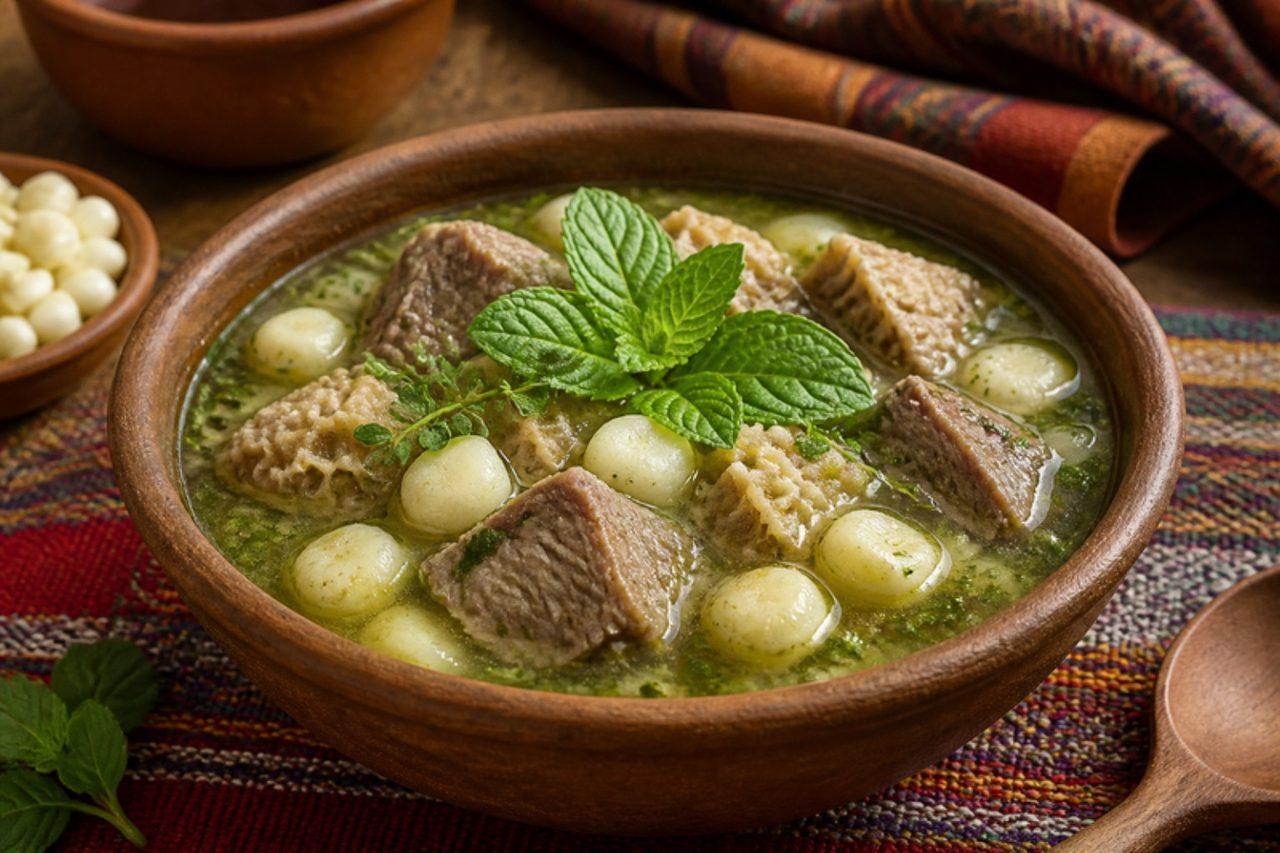
PatascaHominy and tripe soup

Through the highlands of Ayacucho, Huancavelica and Apurímac, patasca (also called mondongo) is the soup for cold mornings, carnivals and the day after a fiesta: plump white mote, dried maize kernels that burst open like flowers after long boiling, in a clear, rich broth with honeycomb tripe and beef shin, perfumed with mint and oregano. It is filling and gentle, and gets its fire at the table from a spoon of rocoto sauce. Plan ahead: the maize needs an overnight soak and several hours of simmering. Buy tripe cleaned and blanched from a butcher or Latin or halal shop; it must be simmered until soft and fully cooked. The typical mistake is salting the mote early, which keeps the kernels hard. Chef's tip: cook the maize and the tripe in separate pots, then combine; each needs a different time and the broth stays cleaner.

by KrazyBadal 0 views

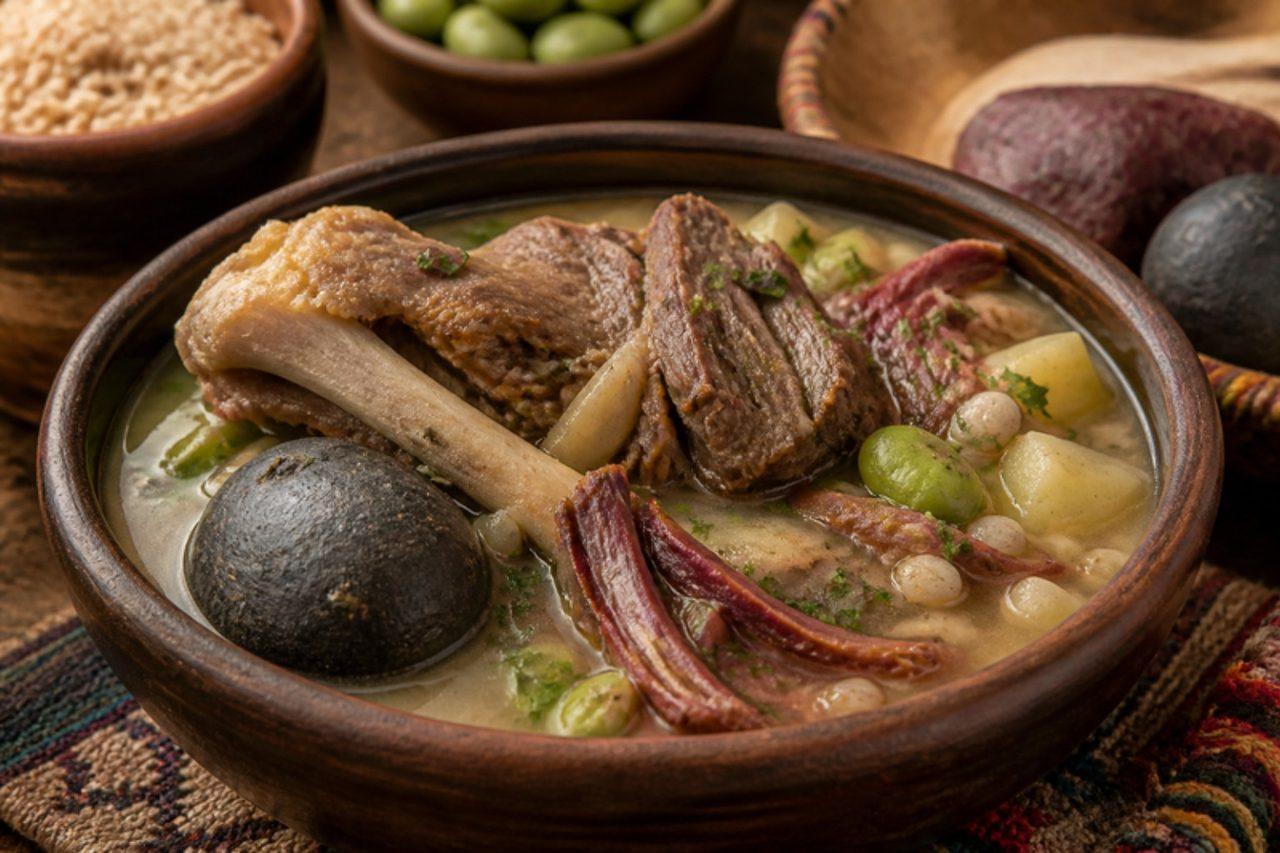
Chairo puneñoLamb, chuño and wheat soup

High on the Altiplano, where nights freeze even in summer, chairo is the soup that gets Puno's market workers and farmers through the day. It is thick and brothy at once: lamb on the bone and a little charqui (dried meat) simmered with crushed chuño, peeled wheat, broad beans, potatoes and squash, scented with cumin, oregano and huacatay or mint. Expect a deep, meaty, slightly smoky bowl with lots of chew. Soak the chuño and the wheat overnight. A common error is adding the potatoes with the meat, so they dissolve before the lamb is tender; they go in for the last 25 minutes. Chef's tip: crush the soaked chuño into small pieces by hand; they thicken the broth as it cooks.

by KrazyBadal 0 views

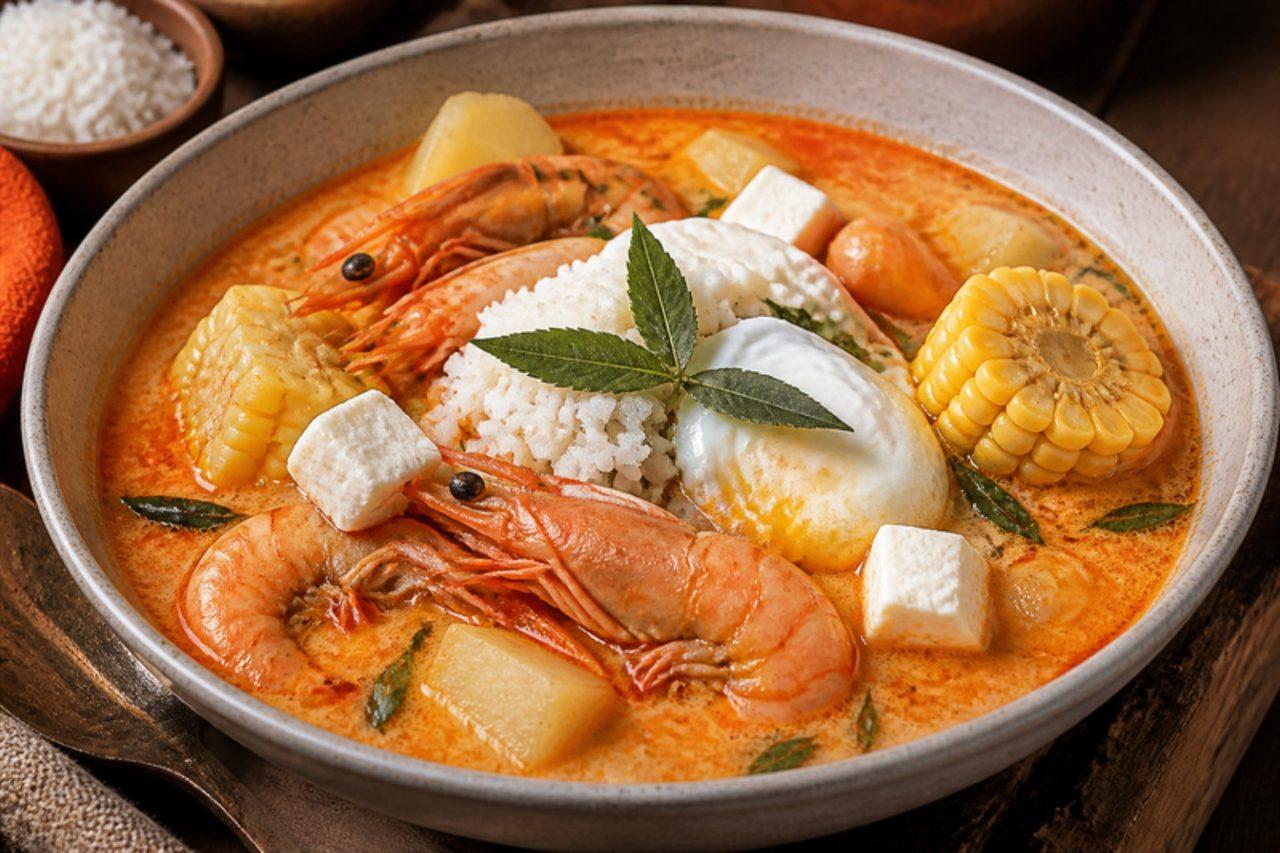
Chupe de camaronesPrawn chowder

Arequipa's picanterías serve one chupe on each day of the week, and the prawn one, made with crayfish-like camarones from the Majes and Ocoña rivers, is the grandest, especially on Fridays in Lent. It is a big orange chowder: a broth made from the prawn shells and heads, coloured with ají panca, filled with potatoes, corn, broad beans and a little rice, then softened with evaporated milk and fresh cheese, with an egg poached in each bowl. Rich, sweet and gently spicy, it needs nothing but bread. Large shell-on prawns stand in well for river prawns. Many cooks boil the prawns from the start and they turn to rubber; add them at the end and cook only until pink and opaque. Chef's tip: fry the heads and shells in the oil first and press them hard; the orange fat that comes out is what gives chupe its colour and depth.

by KrazyBadal 0 views

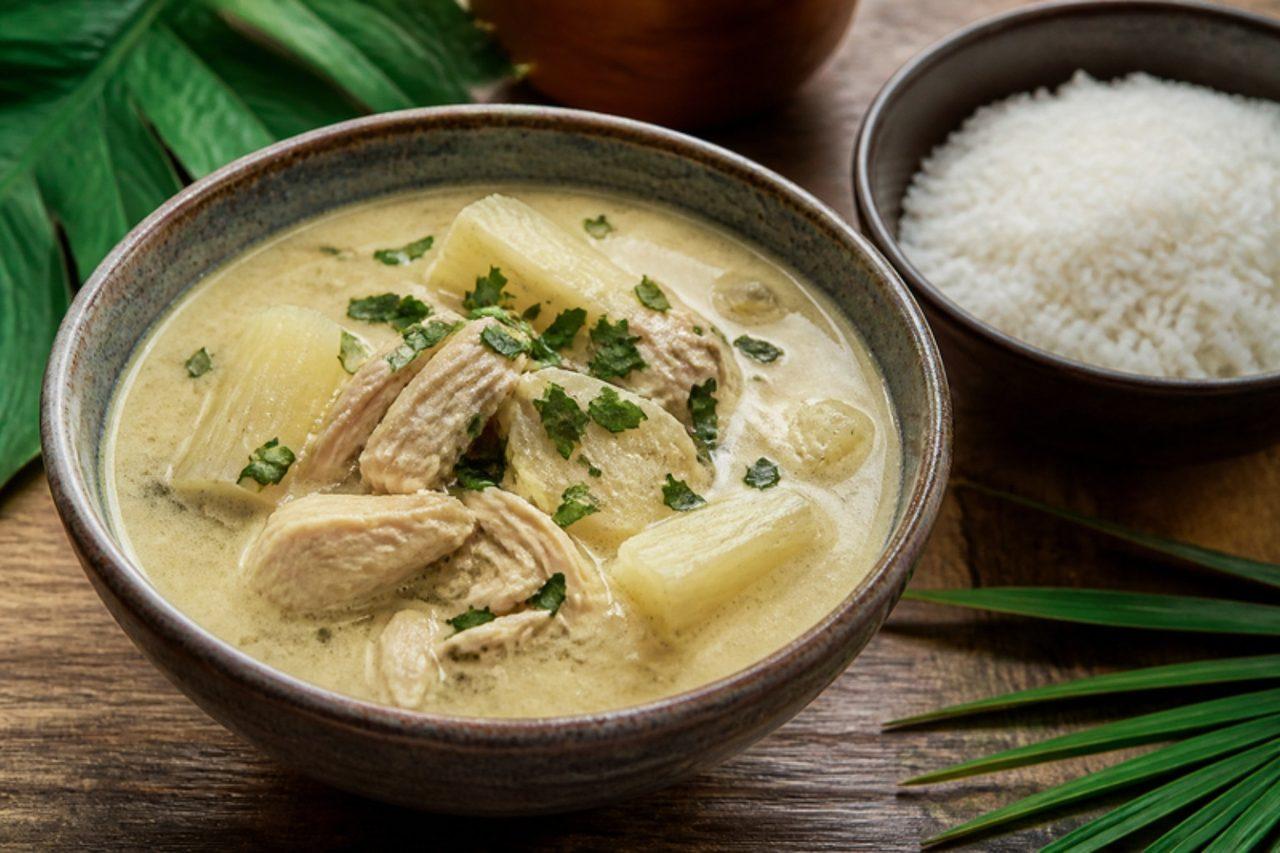
InchicapiPeanut chicken soup

From the riverside kitchens of Iquitos and the Peruvian Amazon comes inchicapi, a festive chicken soup traditionally made with a free-range hen for birthdays and fiestas. Raw peanuts and a little maize flour are ground and stirred into the broth, which turns it creamy, pale and nutty, and pieces of cassava, garlic, ají dulce and sacha culantro (a long, serrated, strongly flavoured coriander) finish it. It is served with rice, boiled plantain or cassava. If you can't find sacha culantro in Asian or Latin shops (sold as culantro or ngo gai), use a big handful of coriander. The pitfall is adding the peanut paste dry: it clumps and catches on the bottom, so loosen it with broth first and stir often. Chef's tip: use raw, not roasted, peanuts; they keep the soup pale and give it the right fresh, milky taste.

by KrazyBadal 0 views

Showing 24 of 43 recipes

Show more recipes

Page 1 of 2