Skip to content
Recipes

All recipes

Vegetarian, or something you can't eat? Set your diet once and we'll hide recipes that don't fit.

BusecaTripe and white bean stew

Buseca arrived in Montevideo with Italian immigrants from Lombardy and became a classic winter dish of Uruguayan bodegones and family kitchens, eaten on cold June and July days. Honeycomb tripe is simmered until tender, then stewed with white beans, pork chorizo, bacon, peppers, tomato and paprika into a thick, warming stew served with crusty bread. Buy tripe that is already cleaned and blanched (dressed). The usual mistake is undercooking the tripe: it needs a full 2 hours, until it's soft enough to cut with a spoon. Slow-cooker option: after step 4, cook on low for 8 hours. Chef's tip: a little grated lemon zest and parsley stirred in at the end lifts the rich, gelatinous sauce.

by KrazyBadal 0 views

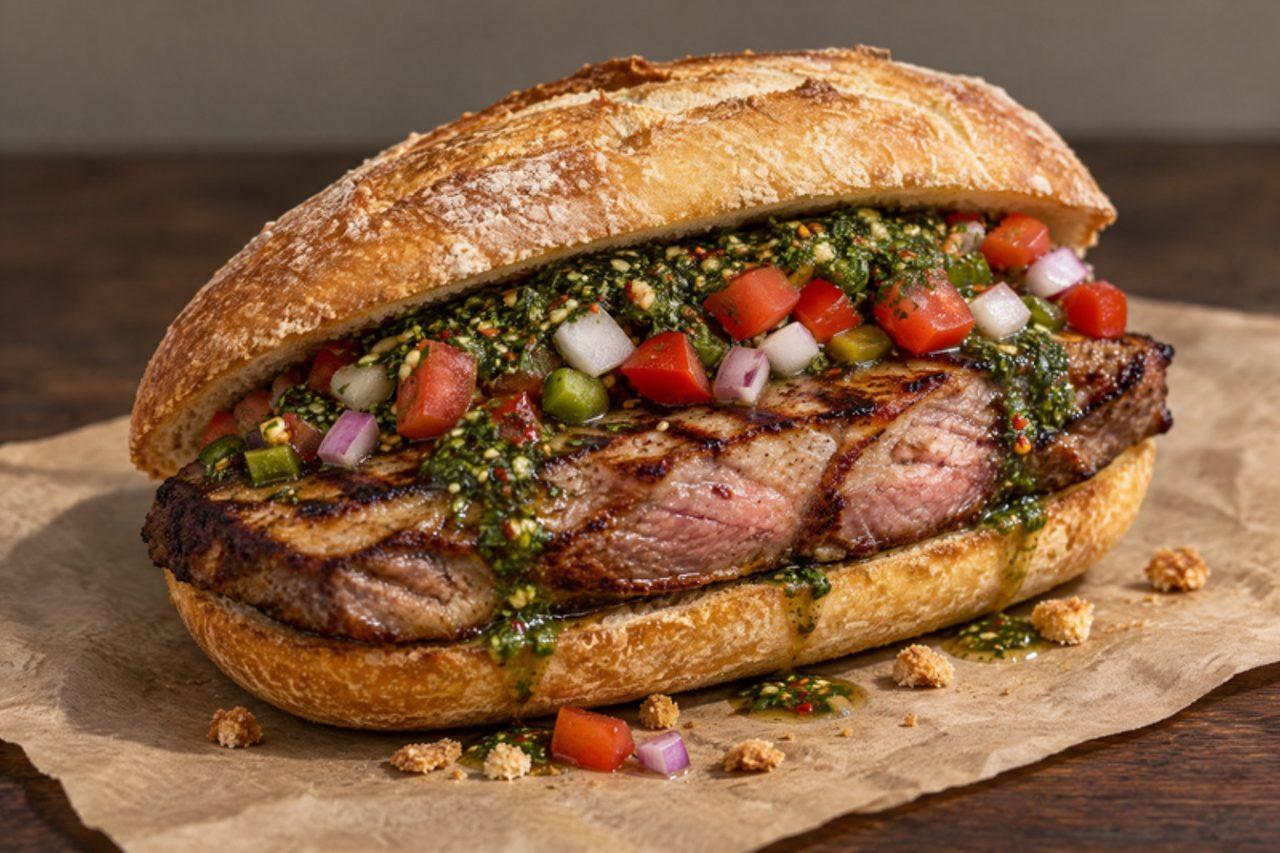
Sándwich de bondiolaGrilled pork shoulder sandwich

Along the Costanera Sur riverside in Buenos Aires, beside the Reserva Ecológica, the carritos have grilled for cyclists, walkers and taxi drivers for generations, and the bondiola sandwich is their pride: a thick pork shoulder steak, marbled and juicy, grilled until charred and laid in a crusty roll with chimichurri and salsa criolla. Weekend afternoons are the busiest. Chef's tip: leave the fat on the steak and turn it only once; the fat bastes the meat and the crust is the best part.

by KrazyBadal 0 views

Guiso de fideosBeef and pasta stew

Guiso de fideos is the winter weeknight stew of Argentina, cooked in Buenos Aires flats and on estancias alike, and as loved by children as by grandparents. Beef, potatoes and vegetables simmer in a light tomato and sweet-paprika broth, then short pasta cooks straight in the pot and thickens it into something between a soup and a stew. Serve it in deep plates with crusty bread and grated cheese for those who want it. The usual mistake is adding the pasta too early, so it swells and turns mushy; it goes in only for the last 10–12 minutes. Chef's tip: cut the beef into small cubes, about 2 cm, so it is tender in under an hour.

by KrazyBadal 0 views

Tarta de zapallitosCourgette and cheese tart

In Buenos Aires every rotisería sells tartas by the slice, and at home a tarta de zapallitos is baked on Sunday evening so that a wedge can go into the vianda (packed lunch) for school and work all week. Zapallitos are round green courgettes; ordinary courgettes work just as well. The common mistake is adding the courgette raw, which floods the pastry; sauté it until the liquid has cooked away. Argentine queso rallado and many hard cheeses are made with animal rennet, so use a vegetarian hard cheese. Chef's tip: bake the tart on a preheated baking tray so the base crisps before the filling soaks in.

by KrazyBadal 0 views

Morcilla dulceSweet blood sausage with walnuts

No Uruguayan parrilla is complete without morcilla dulce: a soft pork blood sausage sweetened with sugar and scented with orange peel, studded with walnuts and raisins, grilled until the skin crisps and served first, as part of the achuras, while the beef is still cooking. It is pork throughout: pork blood, pork back fat and natural pork casings. Making it at home is a project. Buy fresh pork blood with an anticoagulant added from a butcher who supplies it for sausage making, keep it chilled below 4 °C and use it within a day. The common mistake is poaching at a rolling boil, which bursts the casings. Chef's tip: keep the water at 80–85 °C, just shivering, and prick a sausage after 25 minutes: it is done when brown, not red, juice comes out.

by KrazyBadal 0 views

Postre MassiniCustard sponge with burnt sugar top

Montevideo's birthday cake of choice since the early twentieth century, the Massini is two thin layers of sponge sandwiching a thick filling of whipped cream folded with egg-yolk custard, crowned with a thin glassy crust of torched yolk and sugar. Bakeries across Uruguay sell it on Sundays. Traditional versions sometimes add a sweet fortified wine to the custard; this one is alcohol-free. The custard is cooked to a safe 71 °C. The common mistake is assembling with warm custard, which melts the cream into a puddle. Chef's tip: if you don't have a blowtorch, put the sugared top under a very hot grill for a minute and watch it closely.

by KrazyBadal 0 views

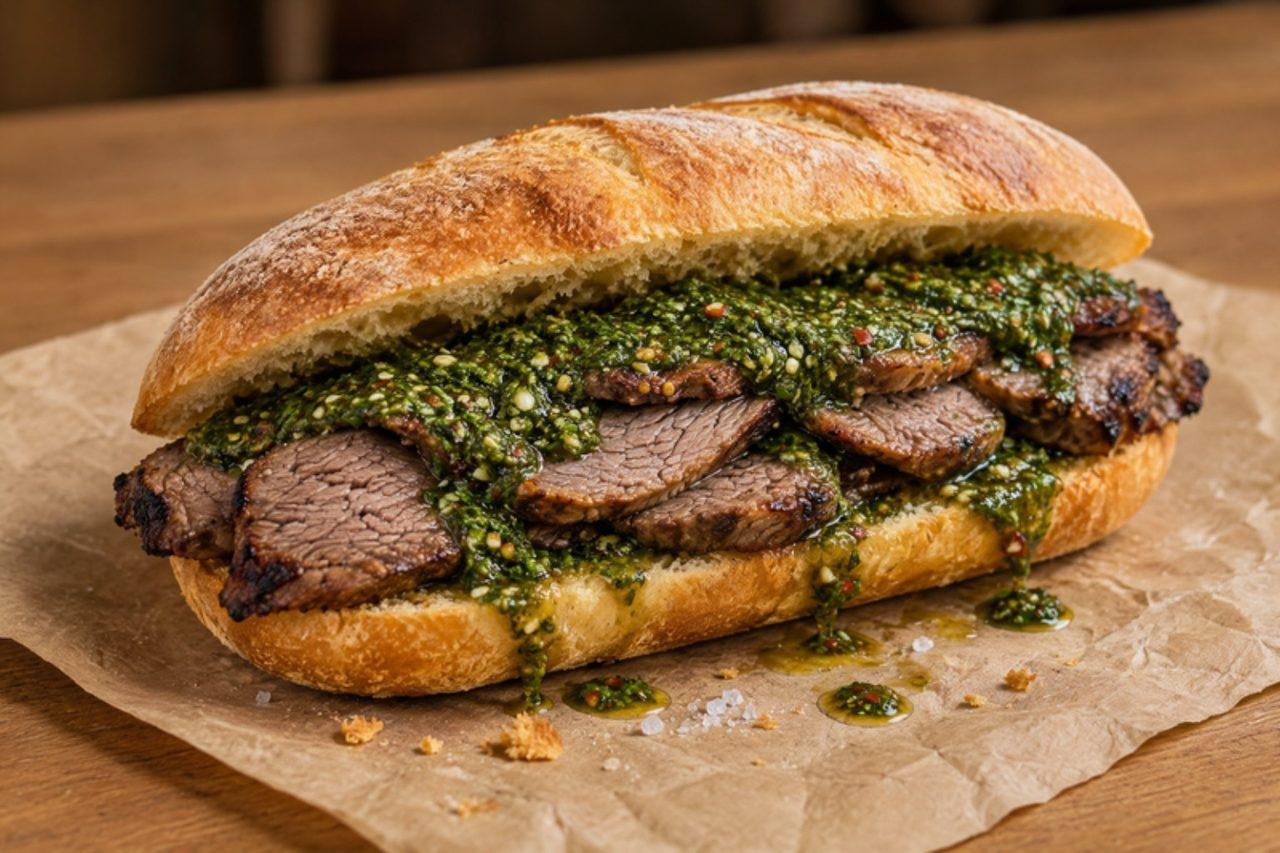
Sándwich de vacíoGrilled flank steak sandwich

Vacío, the flank cut with its layer of fat and membrane, is grilled slowly for a long time at Buenos Aires parrillas, and at the street grills near football grounds and the weekend fairs of Mataderos it ends up sliced into crusty bread for a hearty midday sandwich. Cooked gently, it turns tender and very juicy, with a crisp, salty layer of fat. Chef's tip: grill it membrane side down first for most of the time and do not trim that membrane off; it protects the meat and turns crisp.

by KrazyBadal 0 views

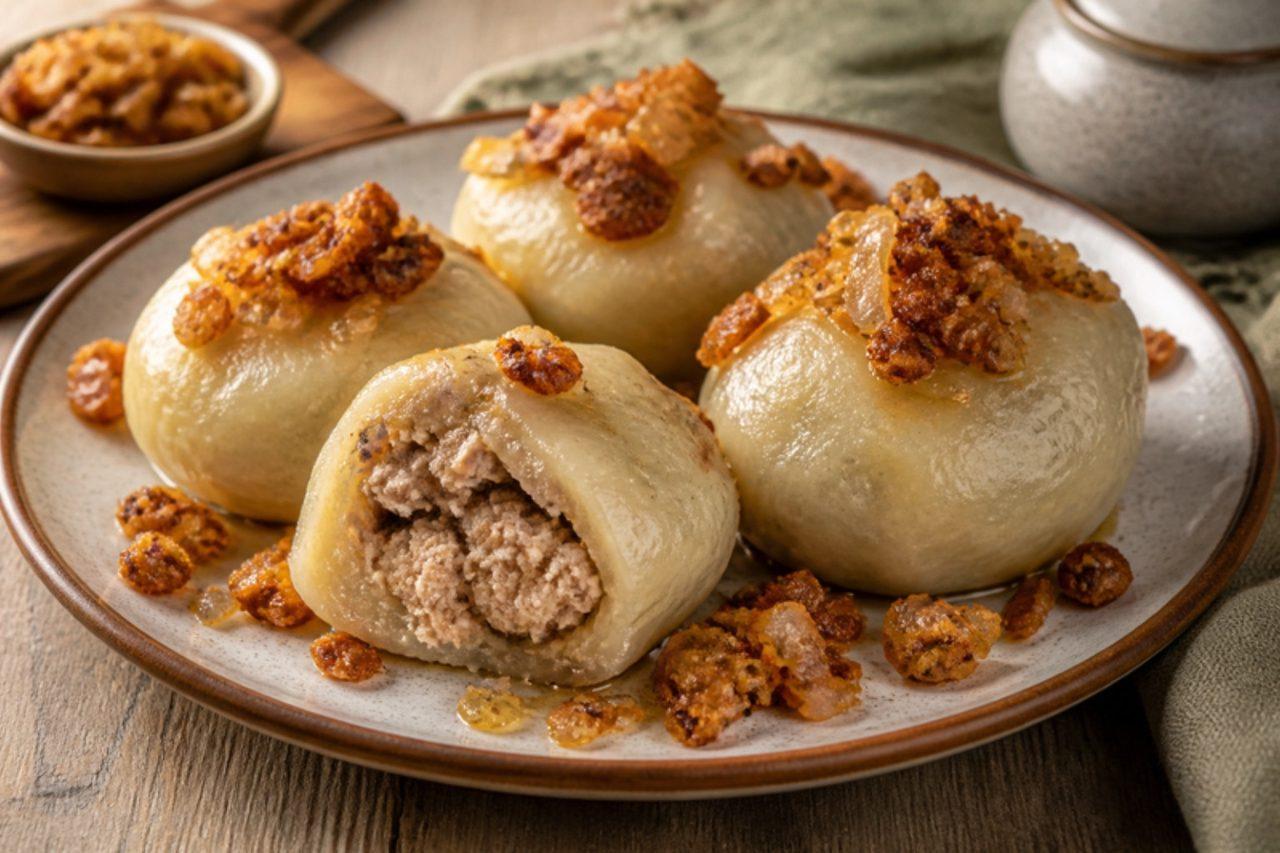
Pyzy z mięsemPork-filled potato dumplings

Old Warsaw's Praga district made pyzy famous: at the Bazar Różyckiego market, traders once ladled them hot from jars wrapped in blankets. These are large, soft balls of raw and boiled potato, filled with seasoned minced pork and topped with fried onion and crisp pork crackling (skwarki) that drips its fat over the plate. The outside is silky and slightly chewy, the middle savoury with marjoram. A glass of kefir or a bowl of sauerkraut salad cuts the richness. The pitfall is leaving too much water in the grated raw potato, so the dough is sticky and the dumplings fall apart. Chef's tip: let the squeezed potato liquid stand for 10 minutes, pour off the water and scrape the white starch at the bottom back into the dough; it binds everything for free.

90 minPolishMeat
by KrazyBadal 0 views

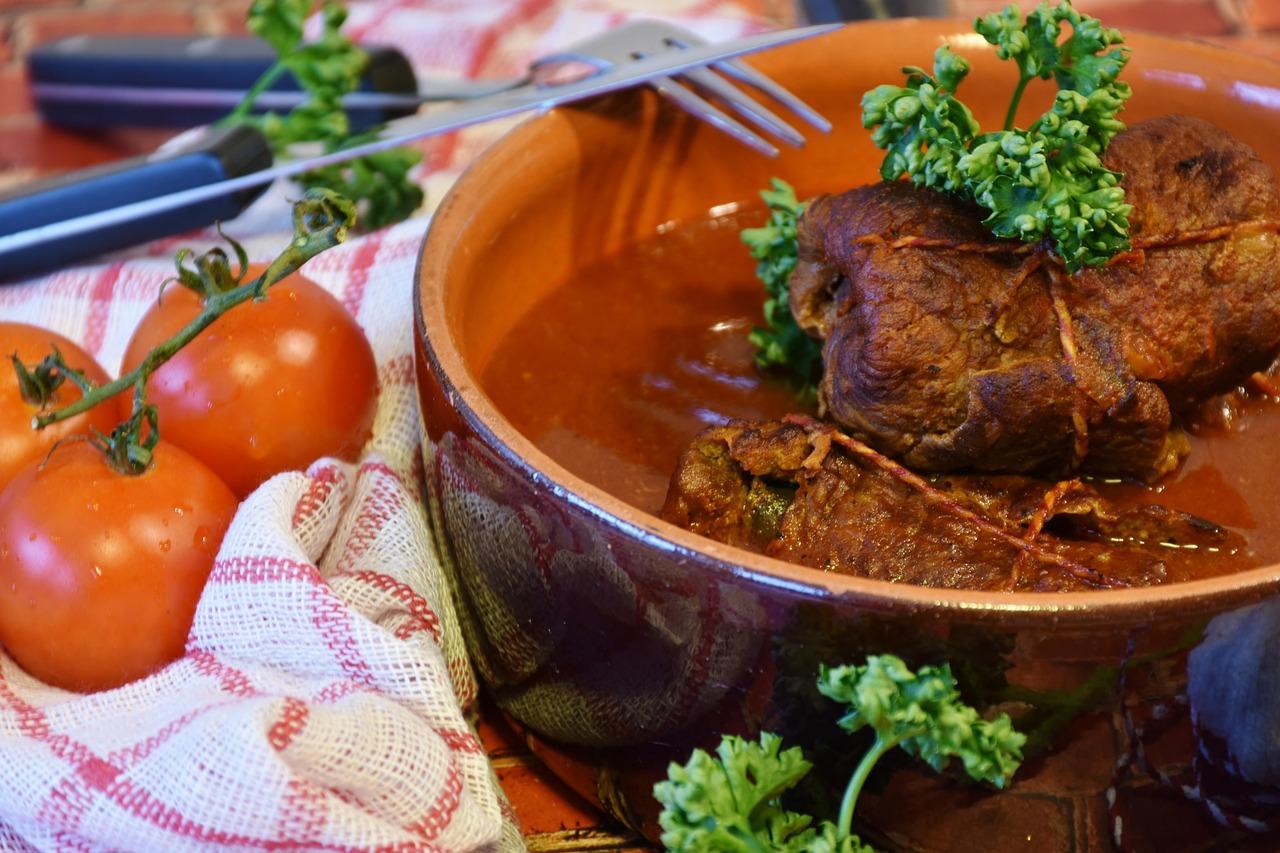
Rolada śląskaBeef rolls with bacon and pickle

Sunday lunch in Upper Silesia follows a fixed and much-loved pattern: rosół first, then rolada with kluski śląskie dumplings and braised red cabbage, a trio known locally as the 'holy trinity'. Thin slices of beef topside are spread with mustard and rolled around smoked pork bacon, a strip of pickled cucumber and onion, then browned and braised until meltingly tender in a deep brown gravy that soaks into the dumplings. The pickle gives a sour, salty bite in every slice. Skimping on the browning is what most often lets cooks down; that crust is where the gravy gets its colour and depth. Chef's tip: pound the beef evenly to about 5 mm thick and roll tightly from the narrow end, so the filling stays sealed inside and every slice shows a neat spiral.

120 minPolishMeat
by KrazyBadal 0 views

Maczanka po krakowskuPork roll in caraway juices

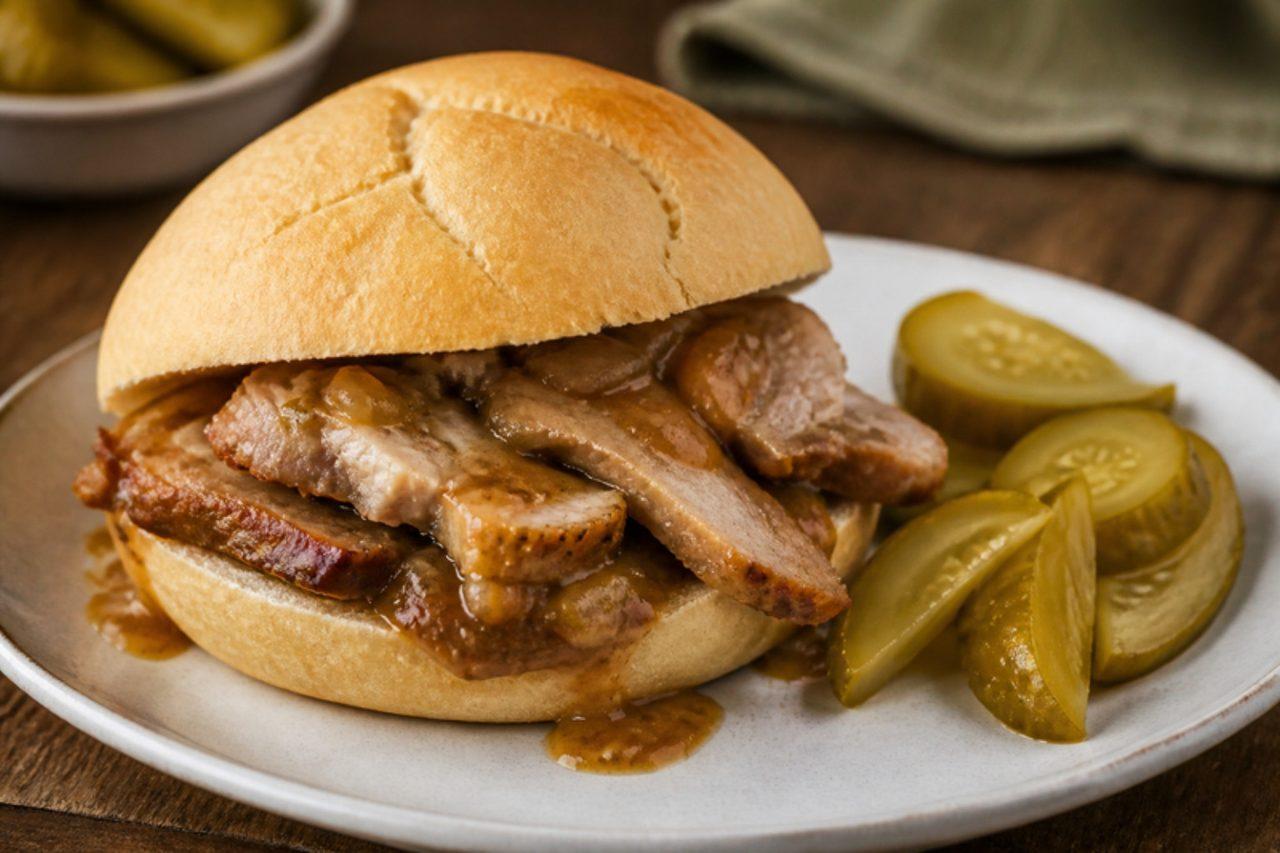
Long before burgers reached the Rynek, Kraków's taverns sold maczanka, a soft bread roll split, dunked in the cooking juices of slowly braised pork shoulder and stuffed with sliced meat. The name comes from maczać, to dip, and the dipping is the whole point: the roll should drip, so eat it over a plate with a knife and fork or a stack of napkins. The pork is braised with plenty of onion, caraway and marjoram until it slices like butter, and the juices go glossy and savoury. Serve it with a pickled cucumber and a sharp beetroot and horseradish relish (ćwikła). Where most people go wrong is rushing the braise at a boil, which tightens the meat instead of softening it. Chef's tip: braise the shoulder the day before, chill it in its juices and slice it cold; it cuts neatly and reheats beautifully in the liquid.

150 minPolishMeat
by KrazyBadal 0 views

Grzybki marynowanePickled forest mushrooms

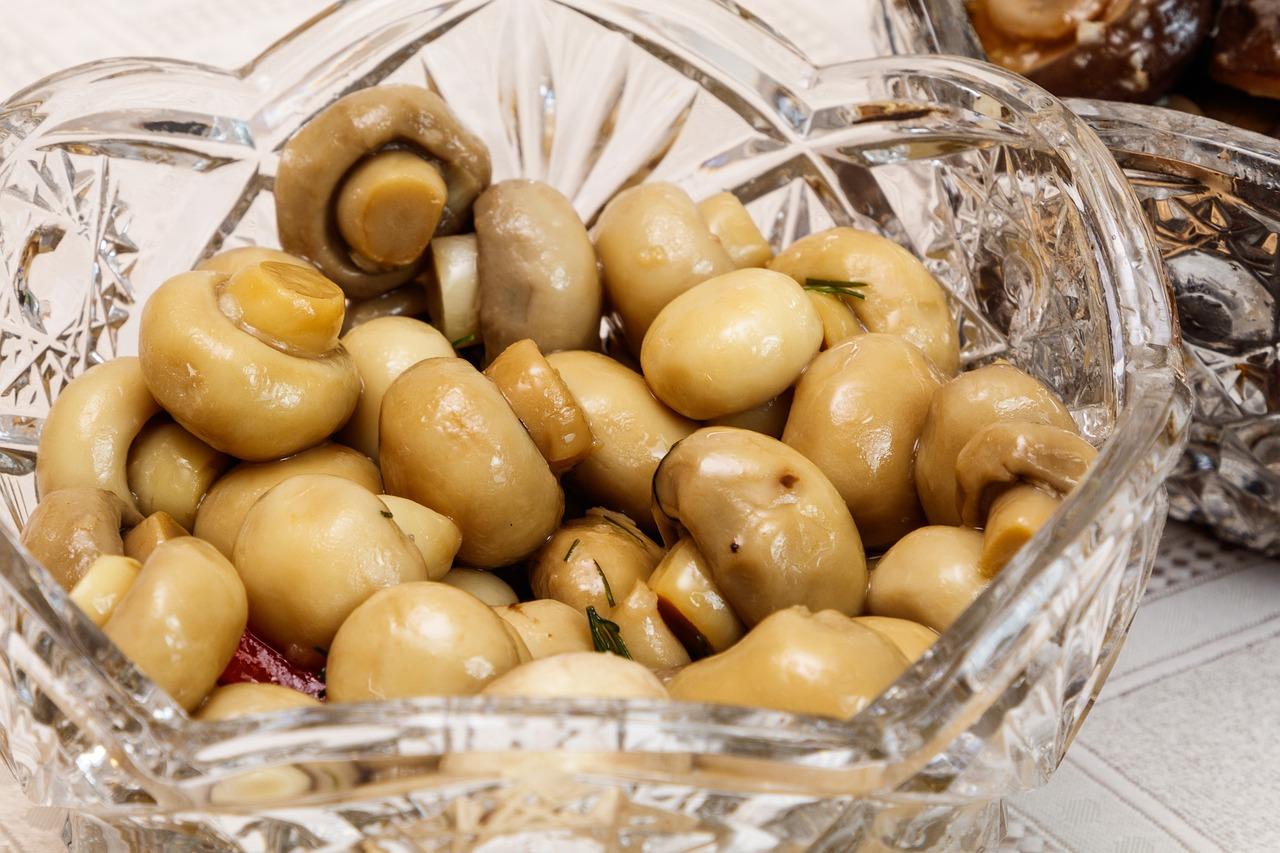
After an autumn morning of mushroom picking in the forests of Podlasie or the Bieszczady, the smallest, firmest boletes and slippery jacks are set aside for jars of grzybki marynowane. They come out at Christmas and on name days as a zakąska, sharp and sweet with allspice and mustard seed, sliced onion and firm, slightly slippery mushrooms. Only use wild mushrooms you bought from a trusted seller or had checked by an expert; cultivated chestnut or button mushrooms work well too. A common mistake is skipping the first boil in salted water, which leaves the pickle cloudy and the mushrooms soft. Chef's tip: cook the mushrooms until they sink, then pack them while hot under boiling marinade.

by KrazyBadal 0 views

Rogal świętomarcińskiPoppy seed crescent pastry

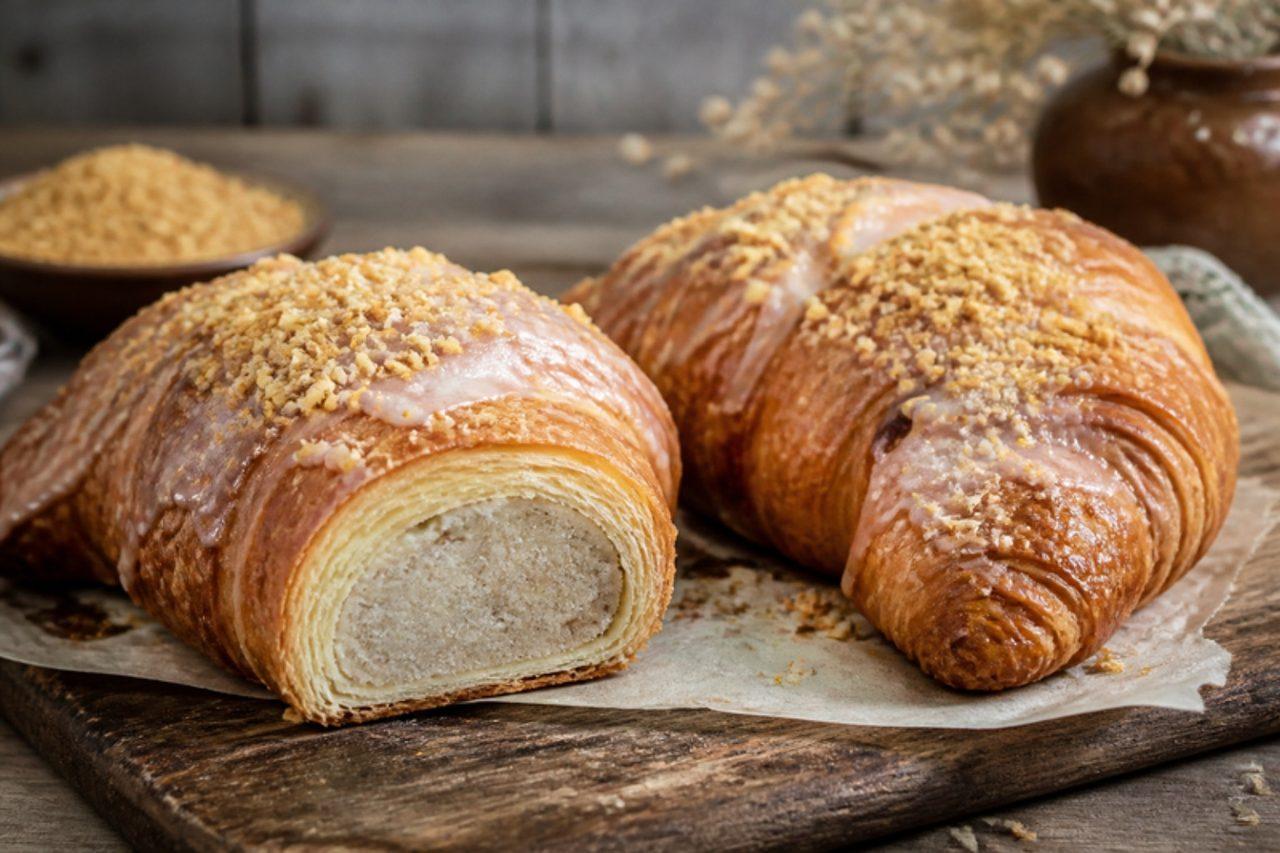
Every 11 November, St Martin's Day, Poznań eats well over a million of these heavy crescents, and only certified local bakeries may sell them under the protected name. Our home version follows the same idea: a flaky laminated yeast dough wrapped around a rich filling of white poppy seed, nuts, dried fruit and cream, glazed with icing and scattered with chopped nuts. Each rogal is large, sweet and almond-scented, best shared with coffee. A common mistake is letting the butter get warm during folding; it then melts into the dough and the layers disappear. Chef's tip: white poppy seed is milder than blue; ask for it at Polish shops or online, and grind it fine.

175 minPolishBaking
by KrazyBadal 0 views

Ogórki kiszoneFermented dill cucumbers

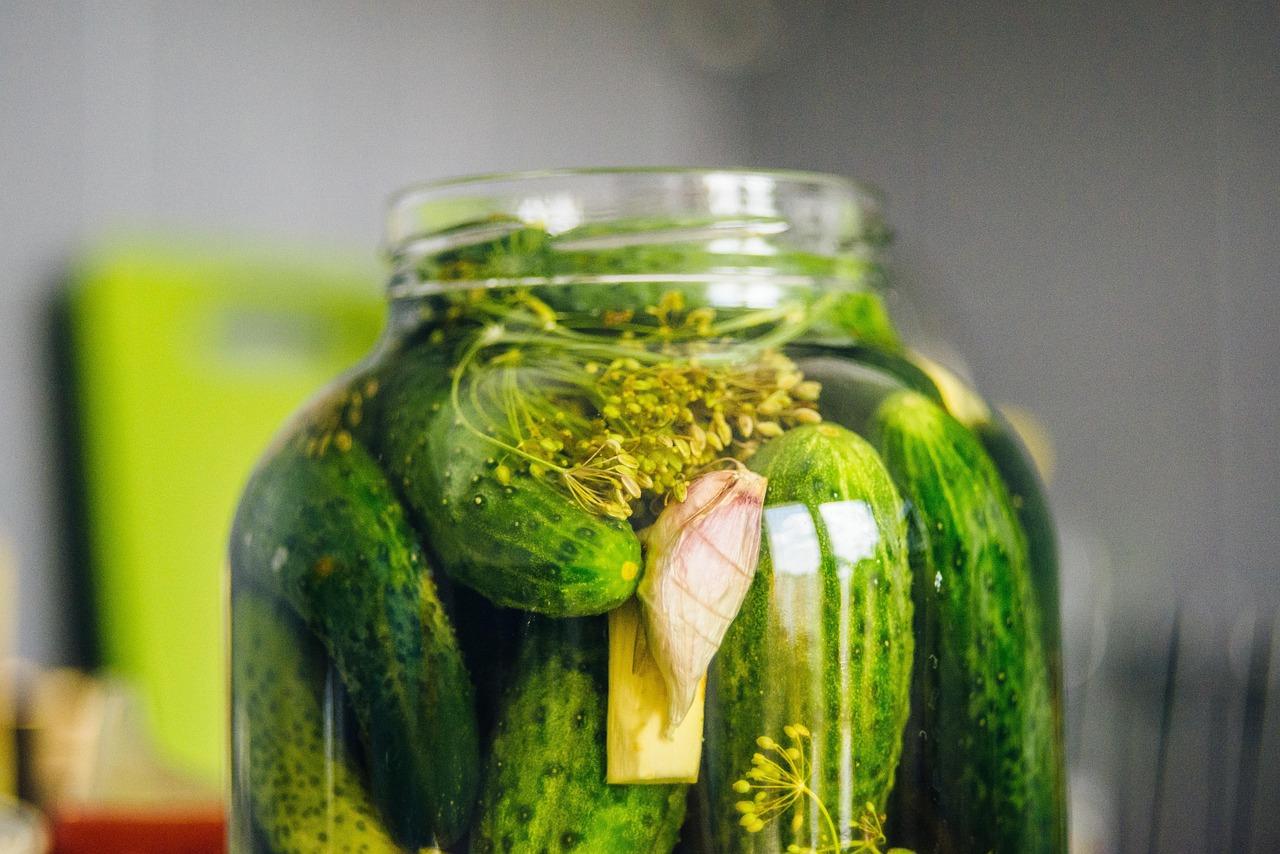
Every Polish cellar and balcony in late summer holds jars of these, and they are nothing like vinegar pickles: the cucumbers sour naturally in salty water over several days, turning olive green, crunchy and garlicky with a clean lactic tang. Eat them with potatoes and dill, chop them into salads, or drink the brine, which Poles swear by the morning after. Use small, firm pickling cucumbers picked within a day or two. The usual slip is using iodised table salt, which can stop the ferment and soften the pickles; use plain rock or pickling salt. Fermentation takes 3 to 7 days at room temperature, so plan ahead. If anything other than a thin white film forms, or the jar smells rotten, throw it out. Chef's tip: horseradish or oak leaves, rich in tannin, are what keep the cucumbers crisp.

by KrazyBadal 0 views

Babka wielkanocnaEaster yeast cake

A golden babka standing tall in the Easter basket used to be a matter of family pride, and old cooks whispered while it baked, convinced a slammed door would make it sink. The dough is soft and rich with egg yolks and butter, beaten until it is elastic, then baked in a fluted ring tin into a cake with a fine, feathery, saffron-yellow crumb. Raisins are often soaked in rum; this version uses orange juice, but a couple of spoons of rum work if you prefer. The usual slip is adding too much flour to a sticky dough, which makes the babka dry; it should stay soft and almost batter-like. Chef's tip: cool the babka on its side, turning it now and then, so the delicate crumb doesn't collapse.

185 minPolishBaking
by KrazyBadal 0 views

Drożdżówka z kruszonkąSweet yeast bun with crumble

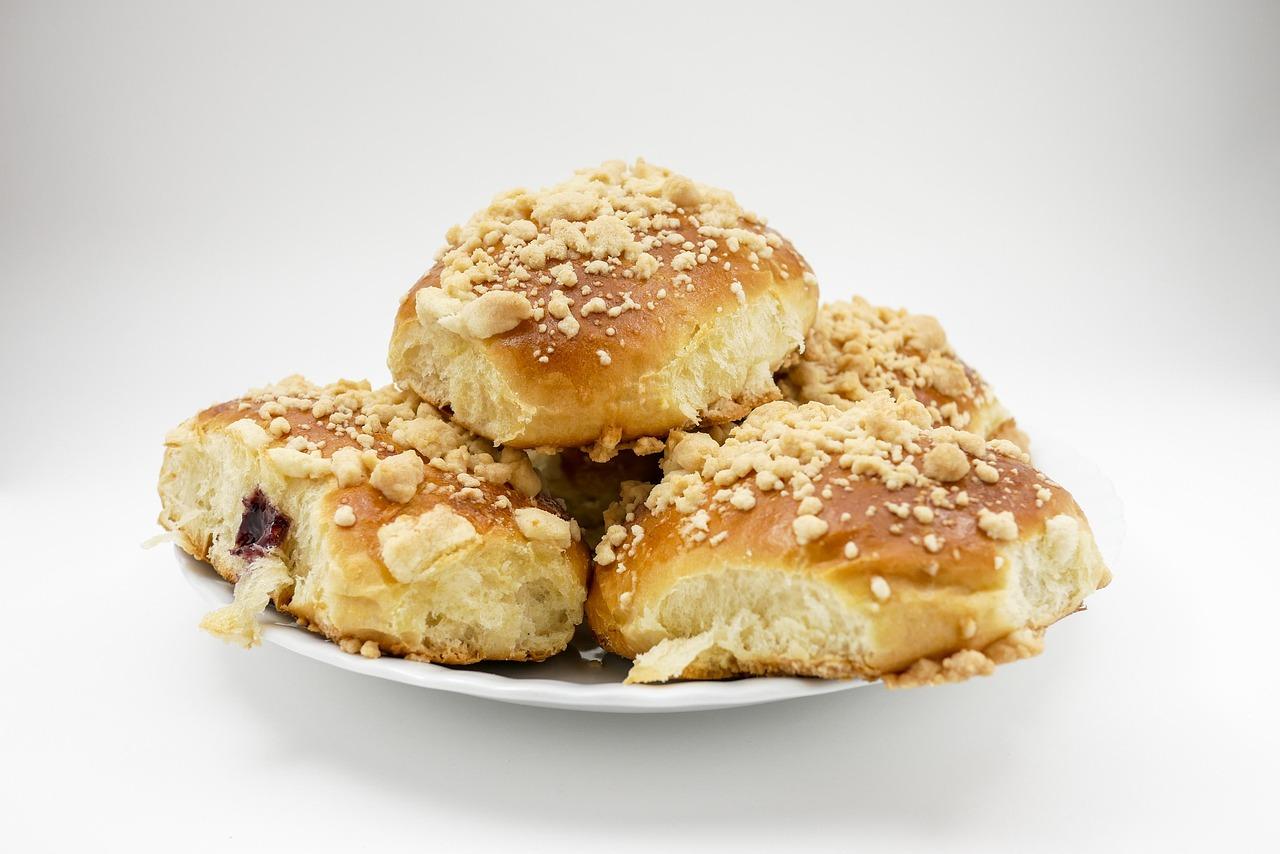
Every Polish bakery window has a row of drożdżówki, and the bun with sweet cheese under a sandy butter crumble is the one schoolchildren buy on the way to class. The dough is soft, milky and lightly sweet, the vanilla twaróg filling is thick and tangy, and the crumble bakes into crisp, sugary nuggets that scatter everywhere when you bite in. Fruit versions use plums, blueberries or apple. A common mistake is overfilling, so the cheese bursts out and the buns lose their round shape. Twaróg is usually rennet-free, but check the label. Chef's tip: brush the dough with egg before adding the crumble; it glues it on and gives a shiny edge.

110 minPolishBaking
by KrazyBadal 0 views

PrażonkiLayered potato, cabbage and sausage

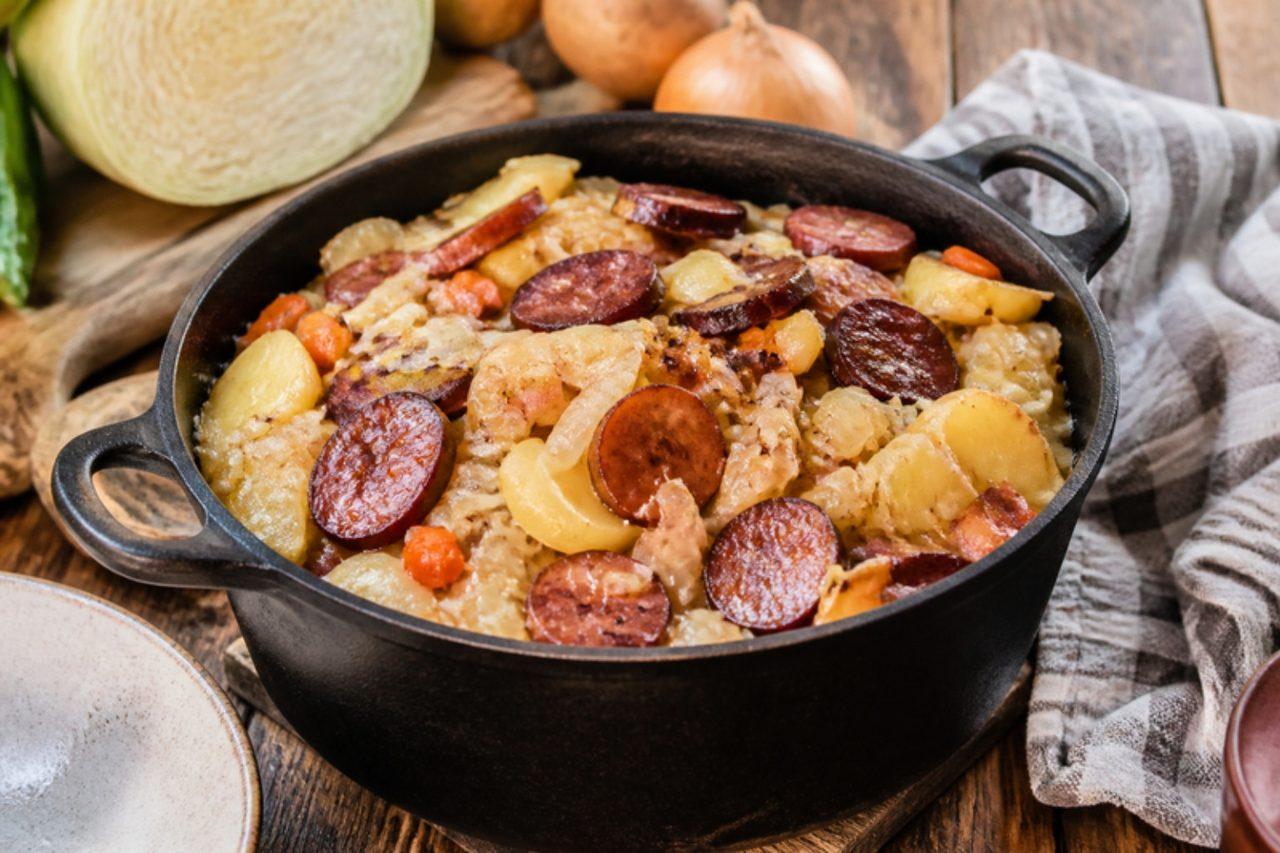
Come late summer, villages around Kraków, the Jura uplands and the Beskid foothills hold prażonki parties, where a heavy cast-iron pot called a kociołek sits in the embers of a bonfire and everyone waits for the lid to come off. Inside are layers of smoked pork belly, onion, potato, cabbage and smoked pork sausage that steam in their own juices with only a splash of water, so the potatoes turn buttery and the cabbage sweet and smoky. It is eaten straight from the pot with buttermilk or kefir and a pickle. The usual slip is adding too much liquid: the pot should hiss and steam, not boil, or you end up with soup. A heavy casserole on the hob works just as well as a campfire. Chef's tip: put the bacon and onion at the very bottom; they protect everything above from burning and season the whole pot as their fat melts.

120 minPolishMeatGluten free
by KrazyBadal 0 views

Roast goose with apples

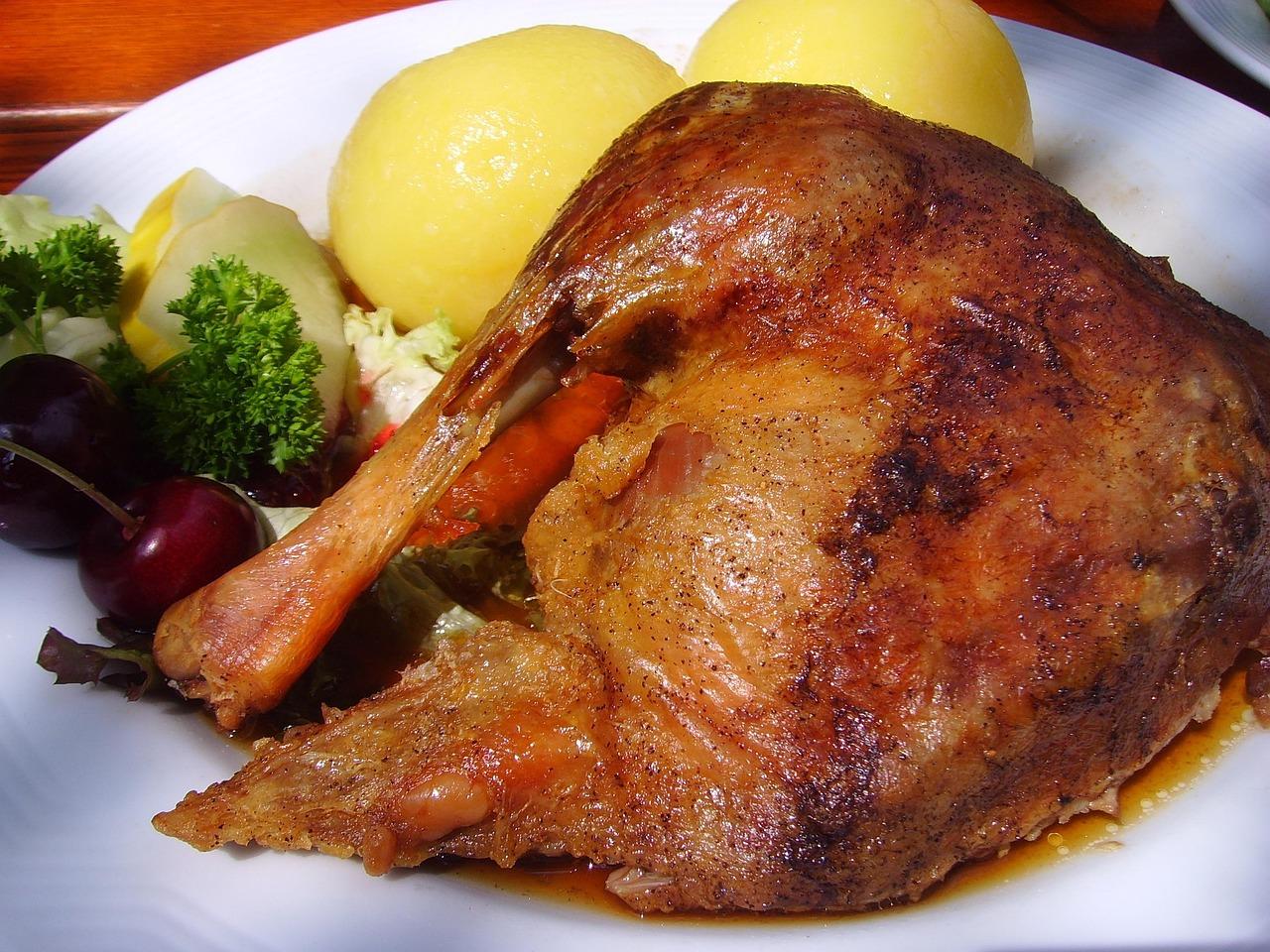
On 11 November, St Martin's Day and Poland's Independence Day, roast goose comes back to tables from Poznań to Gdańsk, and Pomeranian and Kujawy farms still raise their own white geese for it. The bird is rubbed with marjoram, garlic and salt, left overnight in the fridge, then stuffed with sharp apples and roasted slowly so the fat renders out and the skin turns crisp and mahogany. The meat is dark and rich, the apples collapse into a tart sauce. Serve with braised red cabbage, potato dumplings and the pan juices. Most people forget to drain the fat as it roasts, and the bird ends up frying in its own puddle; pour it off every half hour and save it for roast potatoes. Allow an extra night for the marinade. Chef's tip: prick the skin all over, especially under the wings and thighs, without piercing the meat, so the fat has somewhere to escape.

240 minPolishMeatGluten free
by KrazyBadal 0 views

Easter pâté

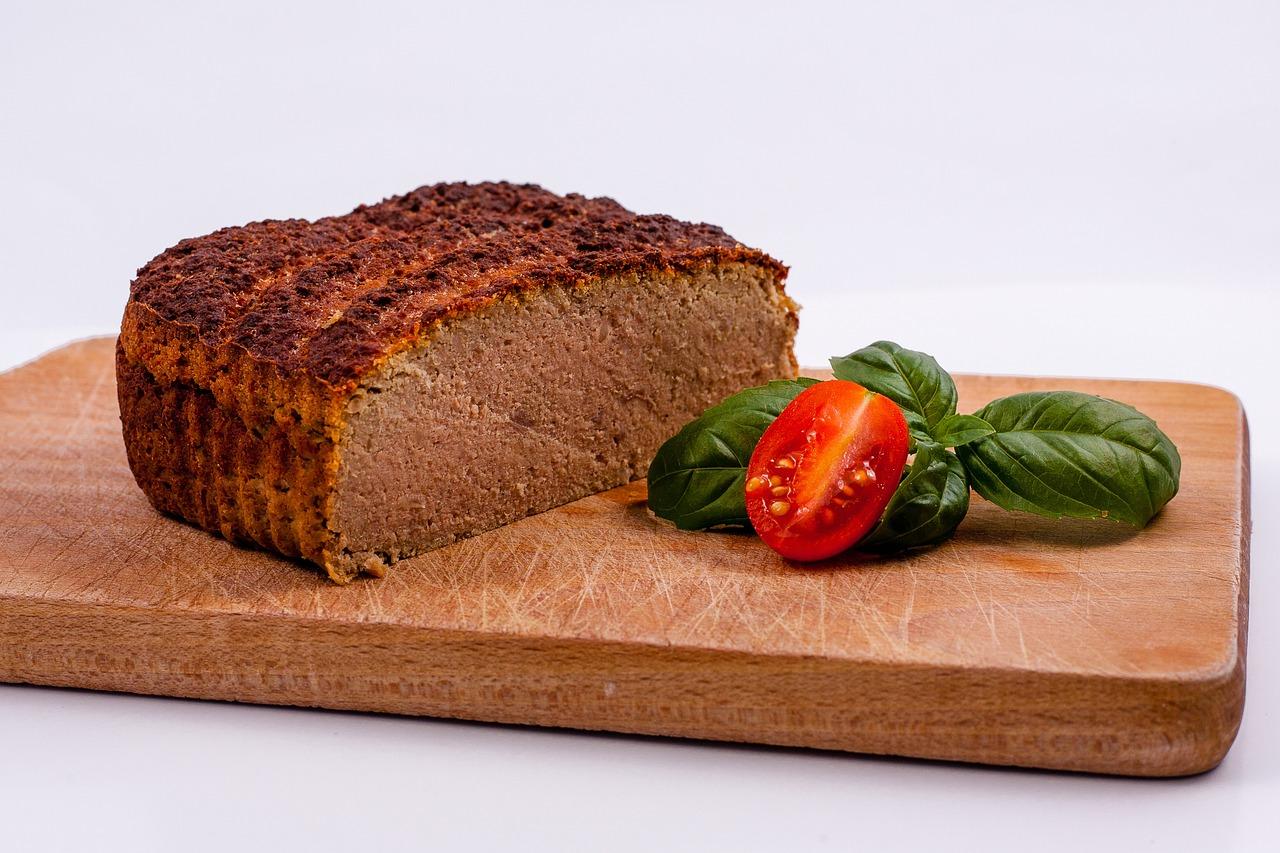
A thick slice of homemade pasztet belongs on the Easter breakfast table after the blessing of the food basket, next to ham, eggs, ćwikła and white sausage. This baked loaf combines pork shoulder, chicken thighs and pork liver, simmered with root vegetables and allspice, minced twice and baked until firm, so it slices cleanly yet stays moist and spreadable. Marjoram and nutmeg give it the classic Polish flavour; serve it cold with horseradish, beetroot relish and pickles. Overbaking dries it out, but underbaking is the bigger risk with poultry and liver, so always check the centre with a thermometer. Bake it two days ahead: it needs to chill overnight to set, and it keeps for five days in the fridge. Chef's tip: save the cooking stock and add it a ladle at a time as you mix; the mixture should be as soft as thick porridge, which keeps the finished loaf juicy.

180 minPolishMeat
by KrazyBadal 0 views

FafernuchyHoney and carrot Christmas cookies

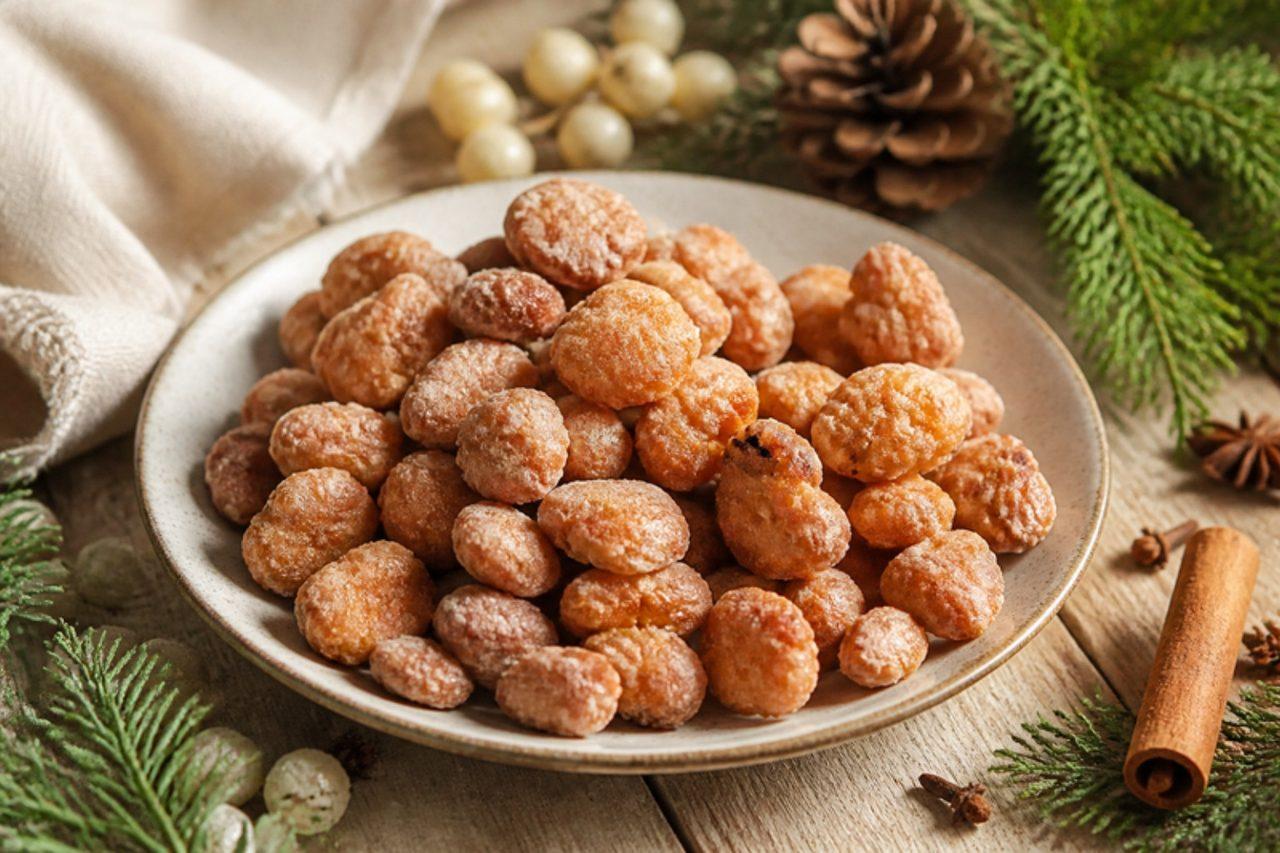
Old Masurian and Warmian households baked fafernuchy weeks before Christmas and kept them in tins, where they slowly mellowed; children found them in their stockings and on the Christmas plate. They are small, hard, pebble-like biscuits, sweetened with honey and given a gentle colour and moisture from finely grated carrot, with a little spice in some homes. Expect a proper crunch, made for dunking in tea. A common mistake is expecting them to be soft straight from the oven; they are meant to be firm and soften only a little in the tin. Chef's tip: grate the carrot on the finest side of the grater so the dough stays smooth and holds its shape.

by KrazyBadal 0 views

Fasolka po bretońskuWhite beans in tomato with sausage

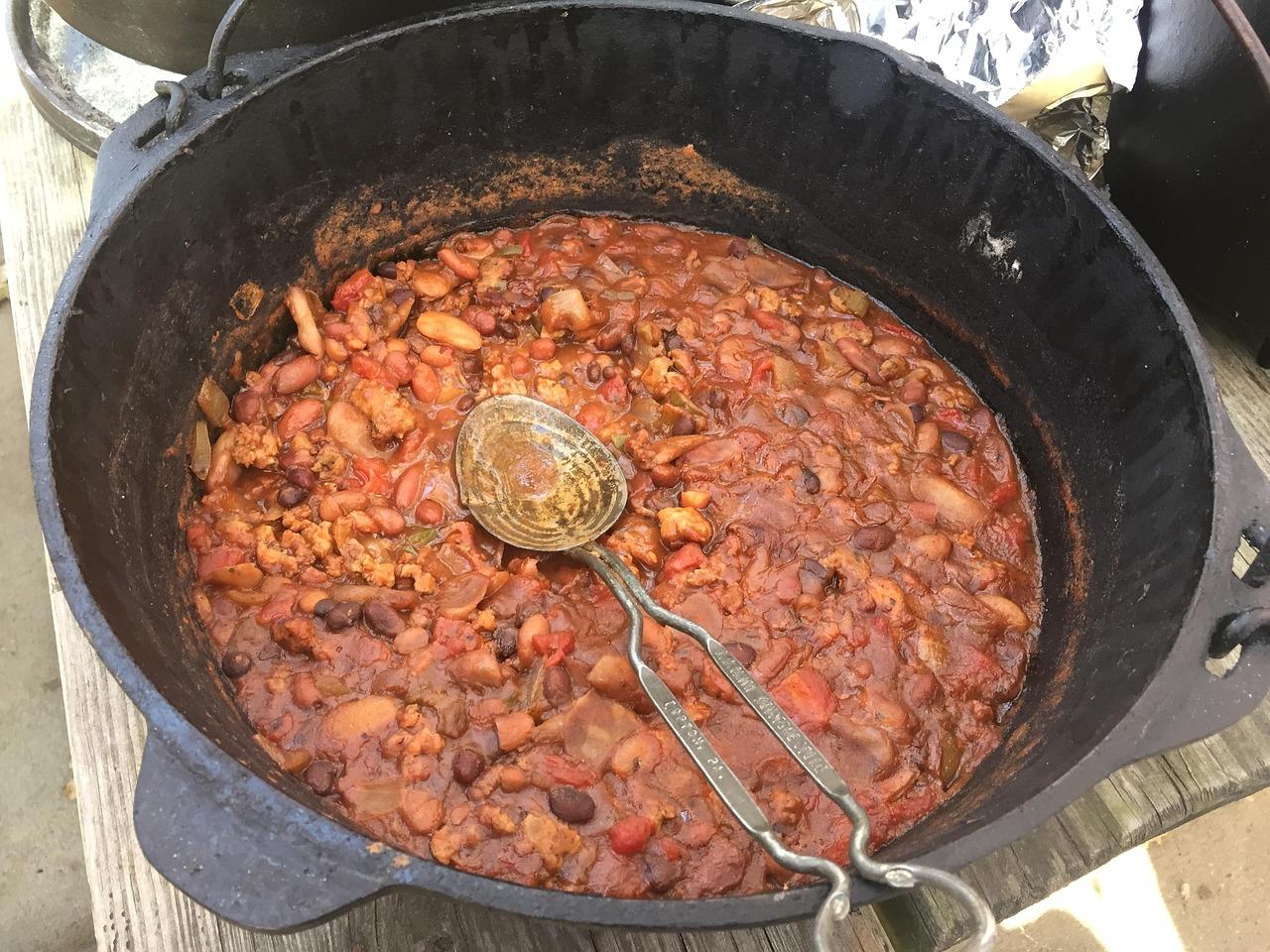
Despite its name, nothing about fasolka po bretońsku is French; this is pure Polish canteen and milk-bar food, the thick, brick-red bean stew that has fed Warsaw students, soldiers and hungry families for generations. White beans simmer in tomato with smoked pork sausage, smoked bacon, onion and plenty of marjoram until creamy, smoky and slightly sweet. It is filling enough on its own with a hunk of bread and even better reheated the next day. Under-cooked beans are the most common disappointment; they must be soft right through before the tomato goes in, because acid stops them softening. Soak the dried beans overnight beforehand. Chef's tip: mash a ladle of the cooked beans against the side of the pot before serving to give the sauce its typical velvety body.

90 minPolishMeatGluten free
by KrazyBadal 0 views

Kołocz śląskiSilesian cheese yeast cake

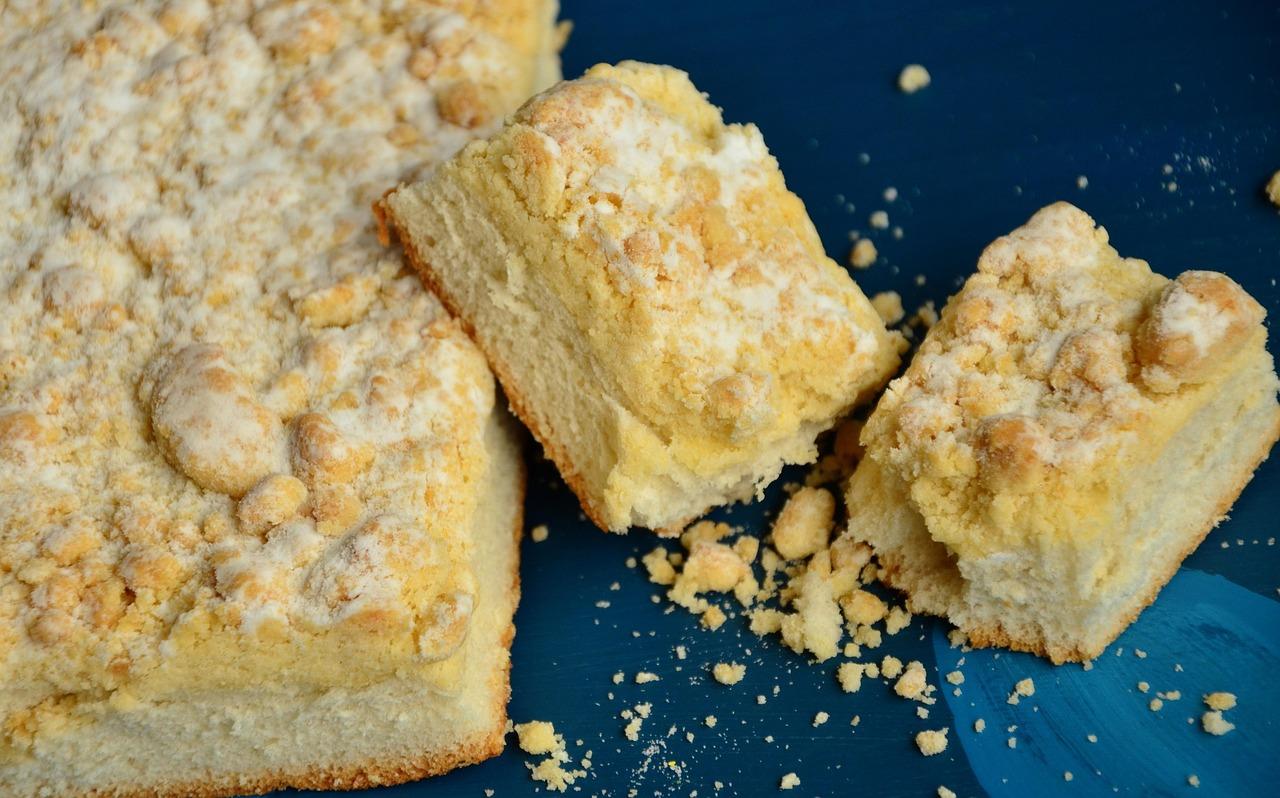
Silesian weddings once had kołocz delivered to every neighbour as a thank-you, and the wide trays still appear at christenings, harvest festivals and church fairs in Opole and around Katowice. The base is a soft, lightly sweet yeast dough, spread with a thick layer of vanilla twaróg and covered with a buttery crumble that bakes into craggy golden lumps. It keeps well for two days and cuts into neat squares for coffee. A common mistake is baking it before the dough has had its second rise under the topping, which gives a dense, bready base. Twaróg is usually rennet-free, but check the label. Chef's tip: keep the crumble in the fridge until the last moment so it stays in distinct lumps in the oven.

150 minPolishBaking
by KrazyBadal 0 views

KrupniokBlood and groat sausage

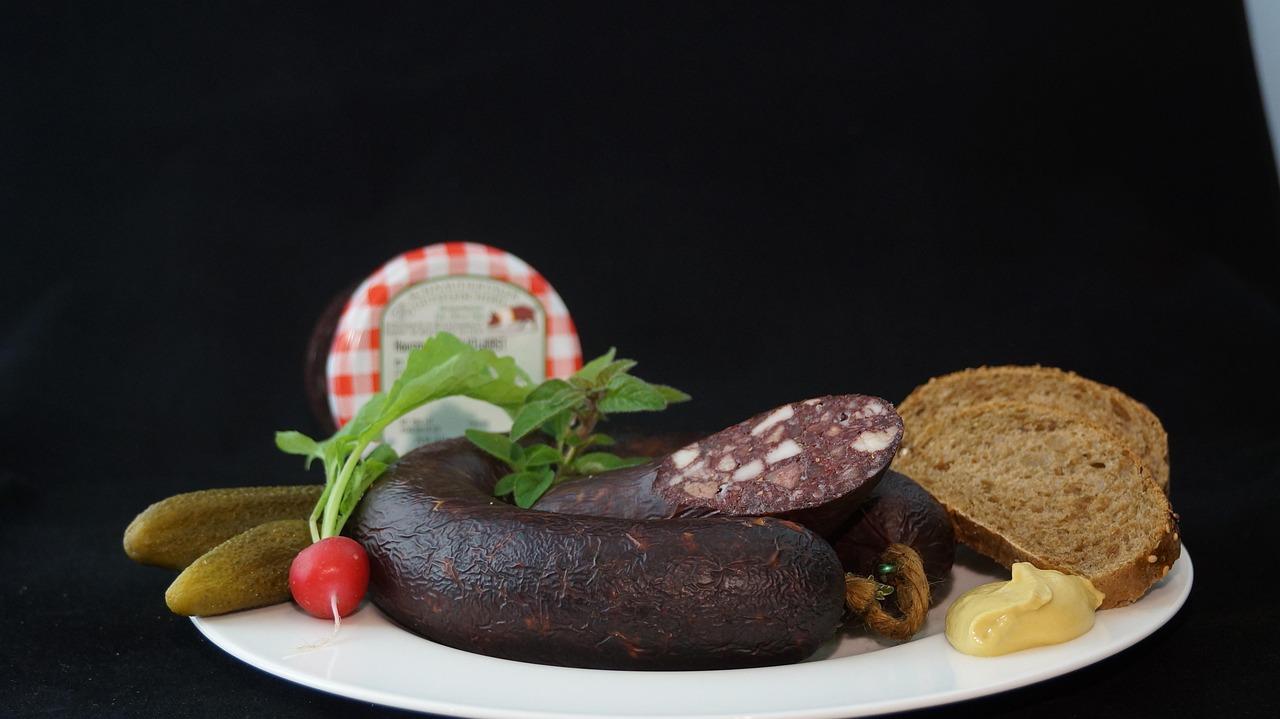
Every Silesian butcher's counter has a tray of krupnioki, plump sausages of pork, pork blood, liver and buckwheat or barley groats, sold ready-cooked and eaten fried for a quick supper, often with sauerkraut, mustard and a slice of bread. Heated in a pan the filling loosens into a soft, peppery, marjoram-scented crumble under a crisp skin, while onions fried alongside add sweetness. This is a pork dish through and through. Because the sausage contains blood and offal, buy it ready-cooked from a butcher you trust, keep it cold and use it within its date. The trap many fall into is frying it too hot: the skin splits and the filling spills before the centre is warm. Chef's tip: for neat slices, chill the sausage well, cut it with the skin on, then fry the rounds; peel the skin away at the table if you prefer.

25 minPolishMeat
by KrazyBadal 0 views

ColacionesDulce de leche meringue pastries

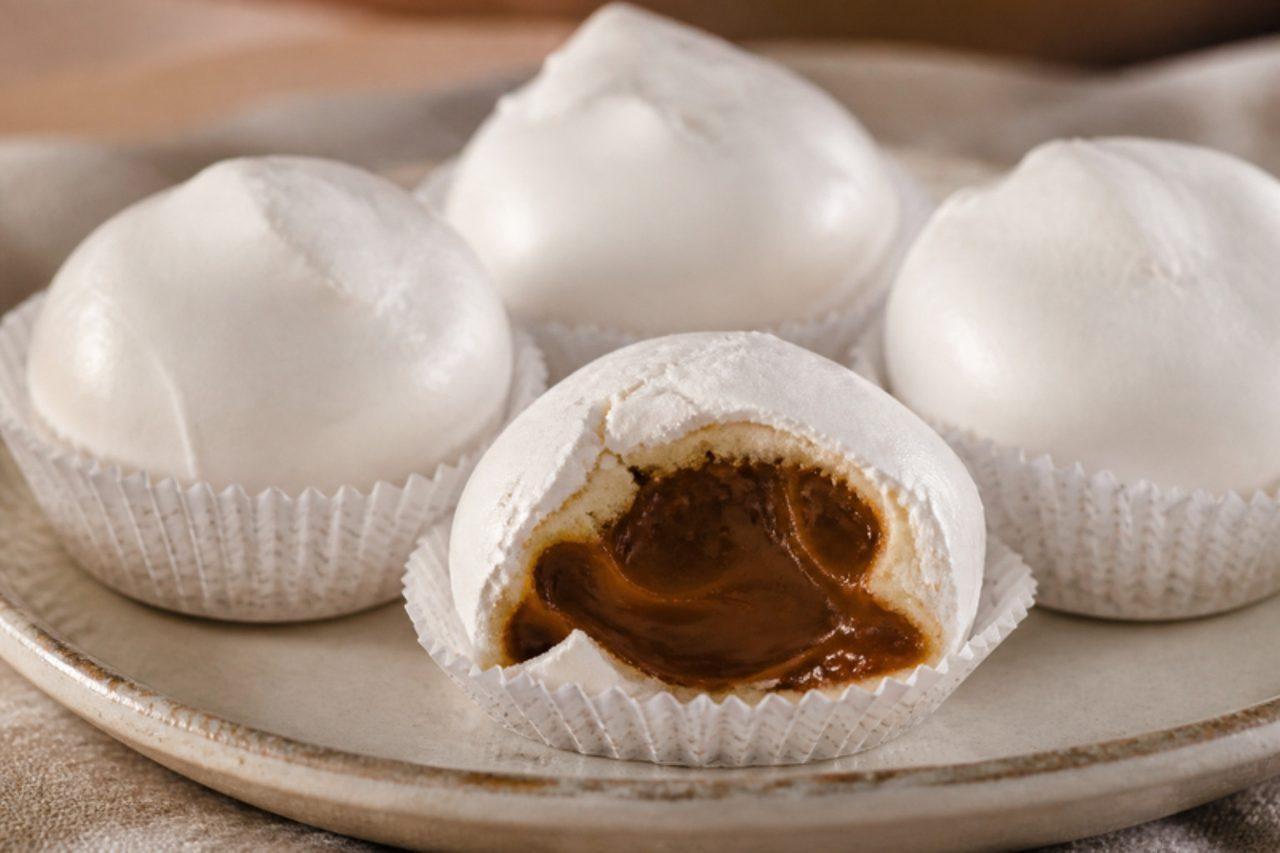
Small enough to eat in two bites, colaciones have been Córdoba's sweet gift since colonial times, when they were made in the city's convents; today confiterías in the old centre still sell them stacked in paper trays, and visitors carry them home with the alfajores. A crumbly short pastry encloses a spoon of dulce de leche, shaped into a little dome, baked pale and then dipped in a glossy white glaze that hardens into a crisp sugary shell. They are lovely with coffee or mate after lunch. The usual problem is leaking: too much filling, or edges that aren't sealed, and the dulce de leche boils out in the oven, so use a level teaspoon and press the rims firmly. The glaze is a light Italian meringue, where hot syrup cooks the egg white. Chef's tip: chill the filled colaciones for 15 minutes before baking; cold pastry keeps its shape and seals better.

by KrazyBadal 0 views

Chivito al asadorSpit-roasted whole goat

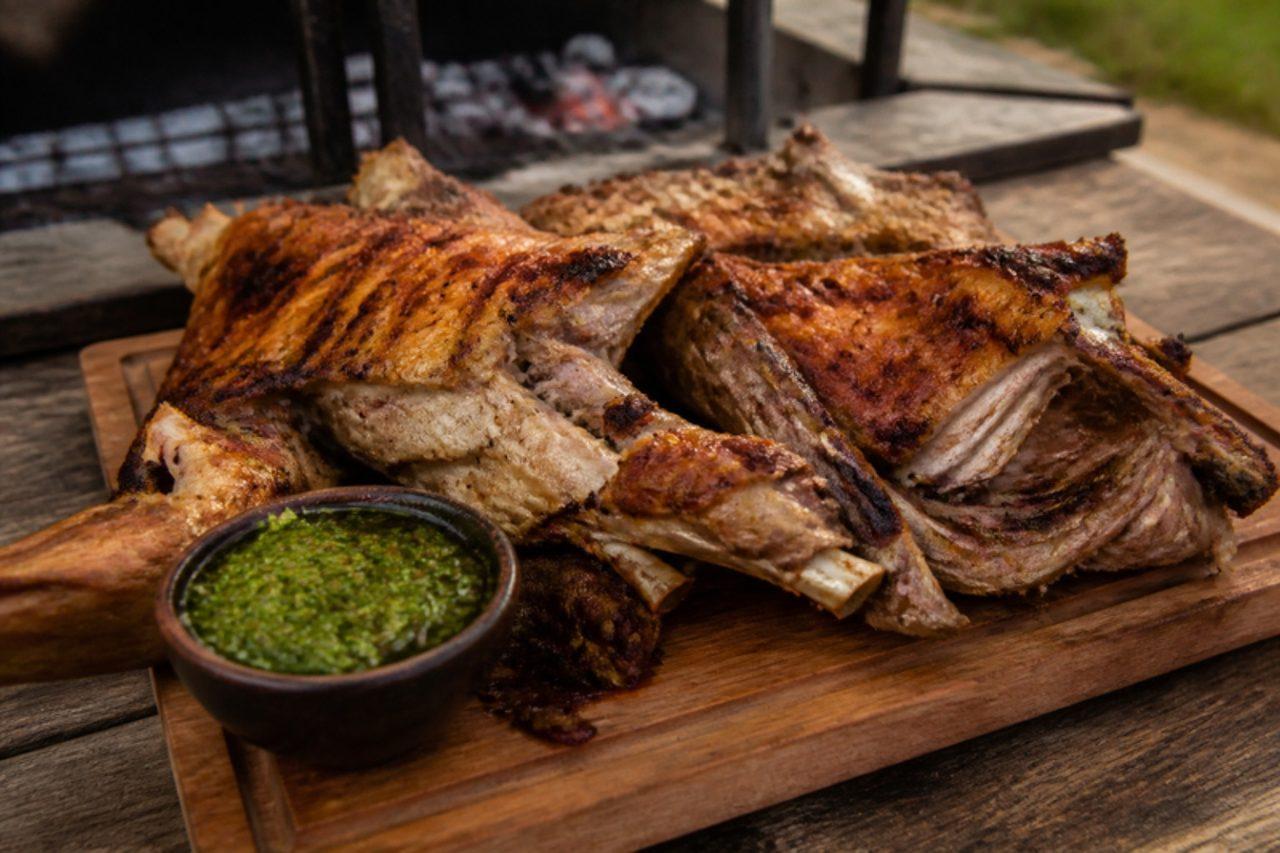
Malargüe, in the dry south of Mendoza, holds a goat festival every summer, and the star is the chivito: a milk-fed kid opened flat, wired to an iron cross and planted at an angle beside a fire of jarilla or other hardwood. It cooks from the side, never over the flames, basted with a garlicky salmuera until the skin turns glassy and crackling and the meat pulls apart. Serve it straight from the cross with salad, bread and chimichurri. Order a whole kid of 5–7 kg dressed weight from a specialist or halal butcher, and check the cross fits it before the day. Most failures come from setting it too close to the fire, which burns the outside while the thick legs stay raw. Kid is lean, so cook it right through, as in Mendoza: the thickest part of the leg should reach at least 70 °C. Chef's tip: cook bone side to the fire for two-thirds of the time; the ribs protect the meat, and the skin goes on last so it crisps instead of scorching.

by KrazyBadal 0 views

Showing 24 of 63 recipes

Show more recipes

Page 1 of 3